For families in our service areas
For families in our service areas, this guide explains caregiver support and how non-medical in-home caregiving can support care planning in East Idaho, Treasure Valley & Magic Valley, Northern Wasatch, North Central West Virginia, and Northeast Ohio.
The Importance of 3 Encouraging Words
Burnout among caregivers has become a pressing issue, affecting their mental and physical health and the quality of care they provide. Alarming statistics show that a significant percentage of caregivers experience depression and anxiety, highlighting the urgent need to address their well-being.
This article explores the impact of encouraging words and self-care strategies, offering caregivers practical tools to combat burnout and build resilience. How can simple affirmations and supportive interactions help those who dedicate their lives to caring for others navigate daily challenges?
By focusing on these strategies, caregivers can find ways to enhance their mental health and improve the care they provide.
Understand Caregiver Burnout and Its Impact
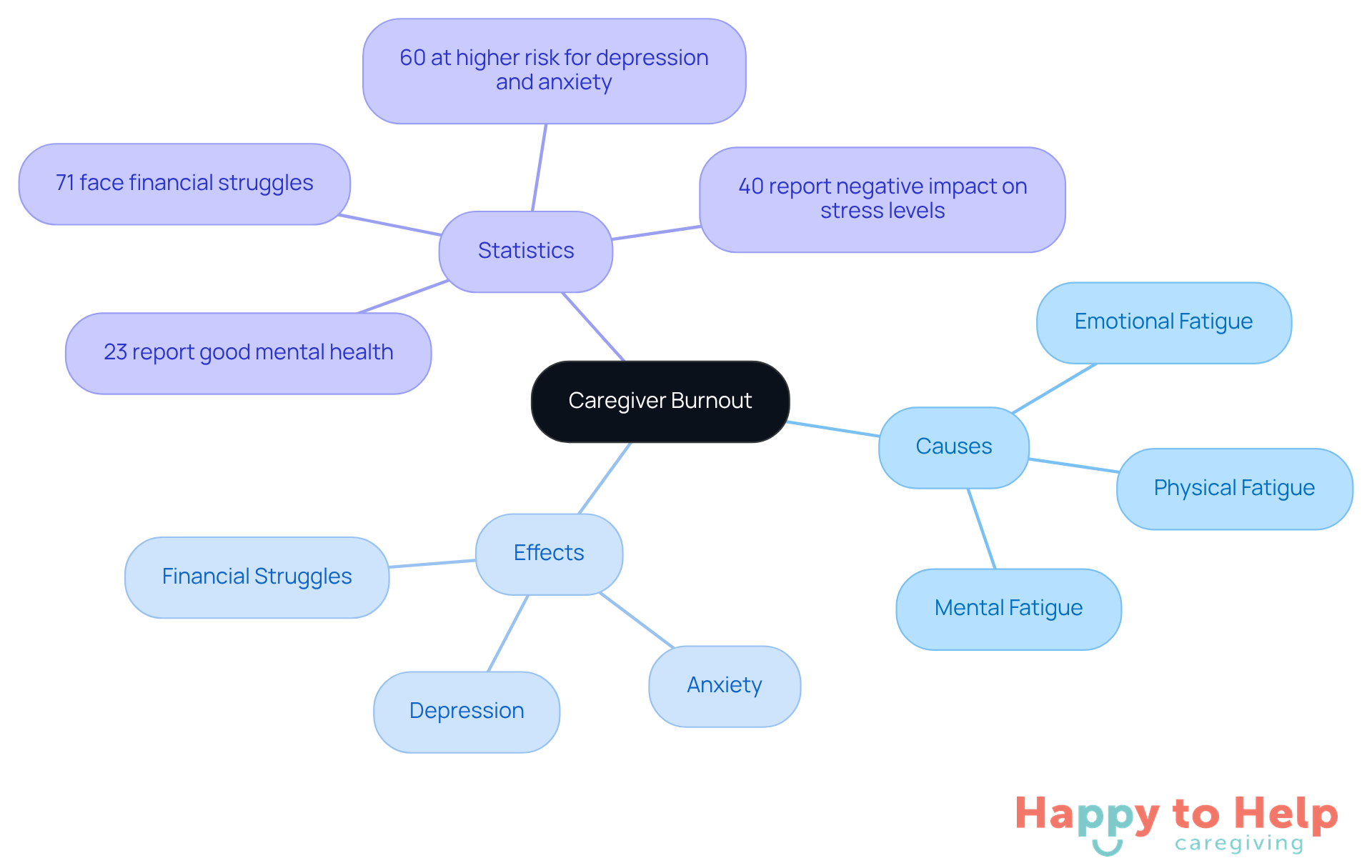
Burnout among caregivers is a significant issue characterized by emotional, physical, and mental fatigue. Caregivers often feel overwhelmed by the demands of their roles, leading to feelings of fatigue, irritability, and helplessness. Recent studies reveal that 60% of parents and guardians surveyed are at a higher risk for depression and anxiety, highlighting the urgent need for awareness and intervention.
Identifying early indicators of burnout is crucial. Signs such as social isolation, disturbed sleep patterns, and deteriorating physical health can signal that a caregiver is struggling. Alarmingly, 40% of caregivers report that their duties negatively impact their stress levels. To combat burnout, caregivers should regularly assess their emotional state and remain vigilant for these signs.
The statistics paint a stark picture:
- Only 23% of caregivers report having 'good' mental health, underscoring the severity of the issue and the pressing need for support.
- Additionally, 71% of caregivers face financial struggles, with 63% living paycheck to paycheck, which can further exacerbate feelings of burnout.
Understanding these effects not only helps caregivers recognize their challenges but also serves as encouraging words for caregivers to prioritize their well-being.
As Debra Barrett, Head of Corporate Affairs at Otsuka, emphasizes, "This urgent reality highlights why we must address the mental health of family supporters with the same urgency as physical health." Caregivers can take proactive steps to improve their situation by seeking support, establishing boundaries, and practicing self-care.
Incorporate Encouraging Words into Daily Interactions
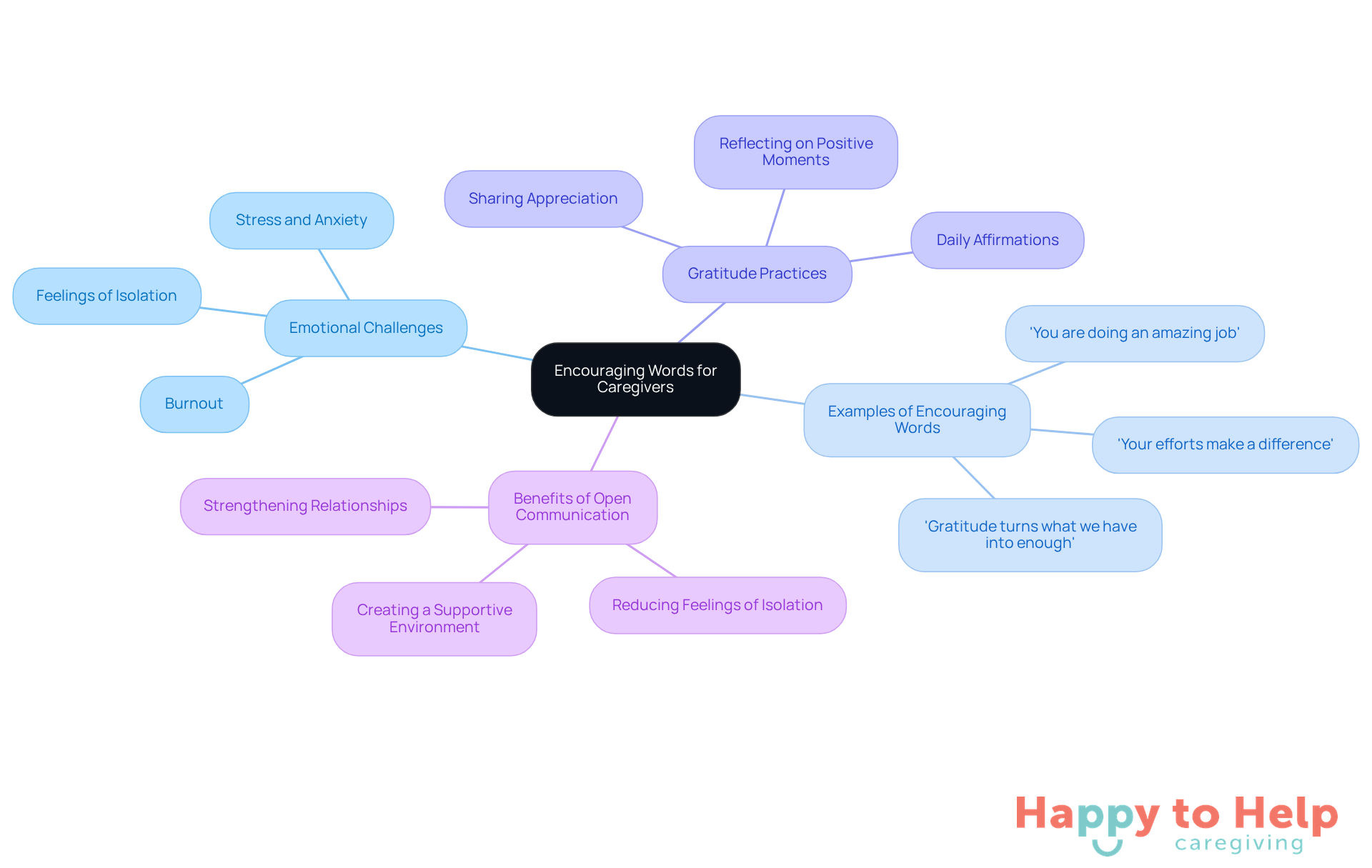
Caregivers often face significant emotional challenges, including feelings of isolation and stress. These issues can impact their well-being and the quality of care they provide. Research shows that approximately 43.5 million individuals in the U.S. are currently providing unpaid assistance, highlighting the need for community support and engagement.
To combat these feelings, using encouraging words for caregivers in daily interactions can be a powerful tool. Caregivers are encouraged to express appreciation and share encouraging words for caregivers, recognizing both their own efforts and those of others. Simple phrases like 'You are doing an amazing job' or 'Your efforts make a difference' serve as encouraging words for caregivers that can uplift spirits and foster resilience. As Melody Beattie wisely stated, "Gratitude turns what we have into enough," emphasizing the transformative power of gratitude in caregiving.
Participating in gratitude practices, such as reflecting on positive moments each day, can help caregivers shift their focus from stressors to achievements, promoting a healthier mindset. Additionally, engaging in encouraging discussions with friends or relatives strengthens a sense of belonging and collective experience, making caregivers feel less isolated in their journey.
By employing positive affirmations and encouraging open communication, caregivers can create a nurturing atmosphere filled with encouraging words for caregivers that benefits both themselves and those they care for. Emphasizing personal well-being is essential; as caregivers remind themselves of their value through affirmations, they become better prepared to assist their loved ones.
Prioritize Self-Care and Positive Affirmations
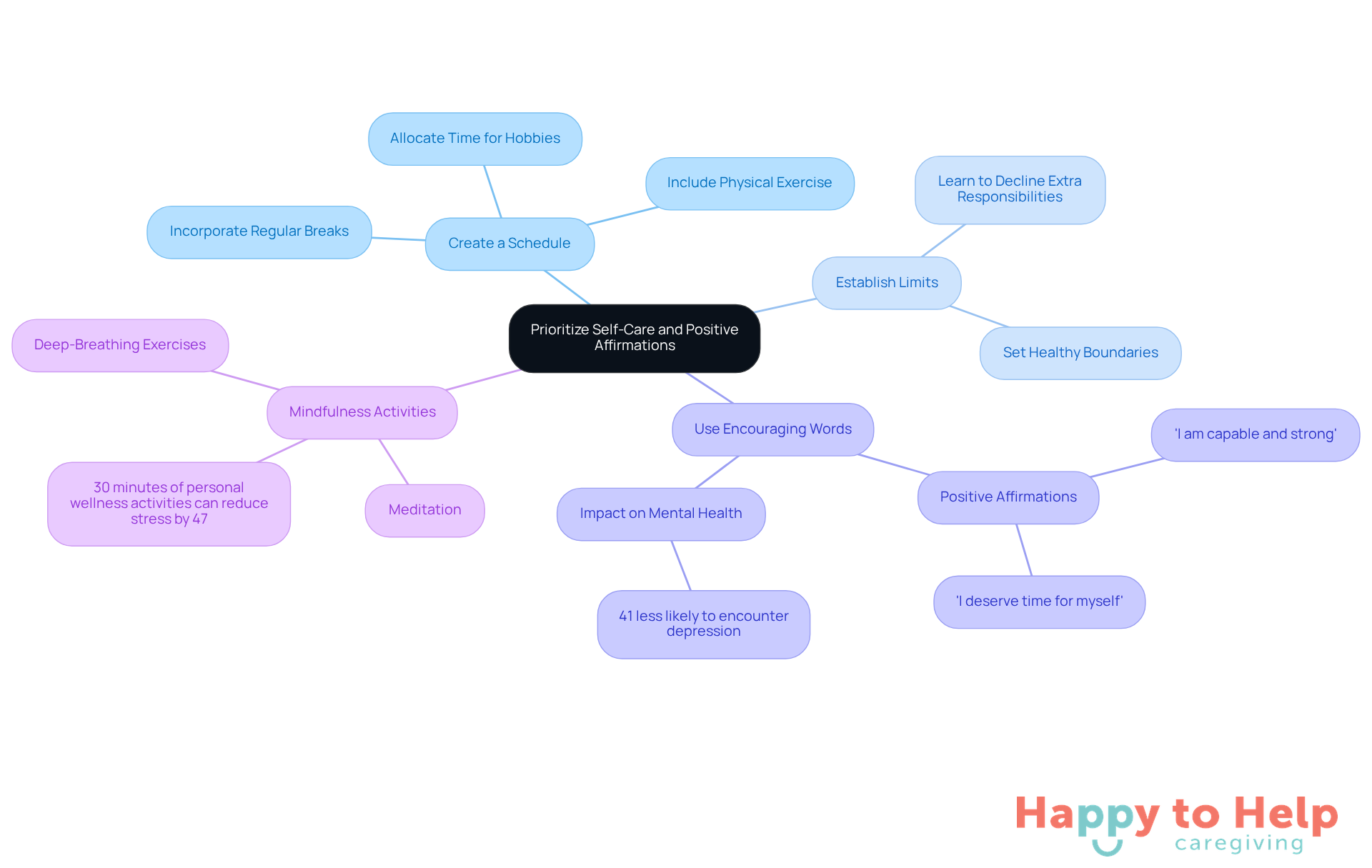
Self-care is not a luxury; it’s essential for caregivers, as highlighted by encouraging words for caregivers. Many caregivers struggle with stress and mental health issues due to neglecting their own needs, which is why encouraging words for caregivers are so important. In fact, mental wellness experts stress that support providers who engage in self-care are 41% less likely to encounter depression. This statistic underscores the importance of prioritizing personal well-being.
To address this issue, caregivers should:
- Create a schedule that incorporates regular breaks, physical exercise, and time for hobbies or relaxation.
- Establish limits; caregivers must learn to decline extra responsibilities that could overwhelm them.
- Use encouraging words for caregivers to strengthen mental health. Encouraging words for caregivers, such as 'I am capable and strong' or 'I deserve time for myself,' can help shift negative thought patterns.
- Write down encouraging words for caregivers and place them in visible areas as a daily reminder.
Mindfulness activities, such as meditation or deep-breathing exercises, can also improve emotional resilience and lower anxiety levels. Research from the Family Caregiver Alliance shows that merely 30 minutes of personal wellness activities each day can lessen the pressures faced by caregivers by as much as 47%.
Moreover, it’s important to acknowledge that 71% of caregivers are financially struggling, which adds to their stress. Caregivers of individuals with dementia face unique challenges, and the Alzheimer’s Association suggests joining specialized support groups to learn effective personal care techniques. By prioritizing self-care, caregivers can ensure they are at their best for their loved ones.
Making the Right Choice
Recognizing and addressing caregiver burnout is essential for maintaining both the well-being of caregivers and the quality of care they provide. The emotional, physical, and mental toll that caregiving can take is profound, with statistics revealing alarming rates of mental health struggles among caregivers.
-
The Problem: Caregiver burnout is a significant issue that affects not only the caregivers themselves but also the individuals they care for. The stress and exhaustion can lead to decreased quality of care, impacting the overall health and well-being of both parties.
-
The Agitation: Caregivers often neglect their own needs, leading to feelings of isolation and despair. This neglect can exacerbate mental health issues, creating a cycle that is difficult to break. Without intervention, caregivers may find themselves overwhelmed, unable to provide the support their loved ones need.
-
The Solution: Emphasizing the importance of self-care, positive affirmations, and community support can empower caregivers to navigate their challenges more effectively. Caregivers are urged to prioritize their mental health by establishing boundaries, practicing gratitude, and utilizing positive affirmations to bolster their resilience. These strategies not only foster a healthier mindset but also enhance the caregiving experience for both the caregiver and those they support.
Ultimately, the journey of caregiving is demanding, yet it can be made more manageable through awareness and proactive measures. Encouraging caregivers to recognize their value and seek support reinforces the idea that they are not alone in their struggles. By implementing these strategies and fostering a culture of encouragement, caregivers can combat burnout and thrive in their vital roles.
https://iframe.tely.ai/cta/eyJhcnRpY2xlX2lkIjogIjY5MjBmZDg0N2I4YTJhOGJkNzc1MGJlMSIsICJjb21wYW55X2lkIjogIjY4ZWU1ZGNhNzMxNzYyNTU3ZjNjOTVjMSIsICJpbmRleCI6IG51bGwsICJ0eXBlIjogImFydGljbGUifQ==Frequently Asked Questions
What is caregiver burnout?
Caregiver burnout is a significant issue characterized by emotional, physical, and mental fatigue experienced by caregivers who feel overwhelmed by the demands of their roles.
What are the signs of caregiver burnout?
Early indicators of caregiver burnout include social isolation, disturbed sleep patterns, deteriorating physical health, fatigue, irritability, and feelings of helplessness.
What percentage of caregivers report having 'good' mental health?
Only 23% of caregivers report having 'good' mental health, highlighting the severity of caregiver burnout.
How common is financial struggle among caregivers?
A significant 71% of caregivers face financial struggles, with 63% living paycheck to paycheck, which can worsen feelings of burnout.
What impact does caregiving have on mental health?
Recent studies reveal that 60% of parents and guardians surveyed are at a higher risk for depression and anxiety due to the pressures of caregiving.
What proactive steps can caregivers take to combat burnout?
Caregivers can combat burnout by seeking support, establishing boundaries, and practicing self-care to improve their emotional and mental well-being.
Why is it important to address caregiver mental health?
Addressing caregiver mental health is crucial because it affects their ability to provide care, and it should be prioritized with the same urgency as physical health, as emphasized by experts in the field.
List of Sources
- Understand Caregiver Burnout and Its Impact
- Family Caregiver Support, Education Needs Growing (https://hospicenews.com/2025/11/11/family-caregiver-support-education-needs-growing)
- Caregiving’s Mental Health Crisis (https://forbes.com/sites/otsuka/2025/10/02/caregivings-mental-health-crisis)
- 'I don't know where to start.' Parents and caregivers are burned out. Who's most at risk? (https://usatoday.com/story/money/2025/04/04/parents-caregivers-burnt-out-help/82695959007)
- The Caregiving Landscape: Data & Insights on the Caregiver Experience in the U.S. (https://caregiveraction.org/caregiver-statistics)
- Incorporate Encouraging Words into Daily Interactions
- 40 Inspirational Quotes for Caregivers - Care Options for Kids (https://careoptionsforkids.com/blog/inspirational-quotes-for-caregivers)
- 27 Inspirational Quotes for Caregivers (https://ultimatecareny.com/resources/27-quotes-for-caregivers)
- The Number Of Family Caregivers Helping Older US Adults Increased From 18 Million To 24 Million, 2011–22 | Health Affairs Journal (https://healthaffairs.org/doi/10.1377/hlthaff.2024.00978)
- CaringBridge (https://caringbridge.org/resources/inspirational-quotes-on-caregiving)
- Caregiver Statistics: Demographics (https://caregiver.org/resource/caregiver-statistics-demographics)
- Prioritize Self-Care and Positive Affirmations
- Caregiver Self-Care: Essential Strategies for Maintaining Your Well-Being While Caring for Others - Buckeye Home Medical (https://whybuckeye.com/2025/04/23/caregiver-self-care-essential-strategies)
- Expensive and exhausting: Why caregivers need to care for themselves, too : Consider This from NPR (https://npr.org/2025/11/20/nx-s1-5615163/expensive-and-exhausting-why-caregivers-need-to-care-for-themselves-too)
- The Caregiving Landscape: Data & Insights on the Caregiver Experience in the U.S. (https://caregiveraction.org/caregiver-statistics)
- Balancing act: Caregivers reminded to focus on own well-being (https://wgem.com/2025/11/18/officials-remind-caregivers-take-care-themselves)
- 2023 Study — Caregiving in America, Statistics on Family Caregivers and Beyond | Guardian (https://guardianlife.com/reports/caregiving-in-america)