
What to Expect
Compassionate caregiving for seniors is built on three essential practices.
- First, it's crucial to recognize the psychological needs of our elderly loved ones. This understanding forms the foundation of trust and connection.
- Next, implementing strategies that cultivate empathy and foster meaningful relationships can profoundly enhance their quality of life.
- Finally, prioritizing self-care for caregivers is vital; it not only supports their emotional well-being but also leads to better health outcomes for both caregivers and seniors.
These practices create a nurturing environment, allowing for deeper connections and a more fulfilling caregiving experience.
What You Need to Know About Practices for Compassionate Caregiving
Compassionate caregiving for seniors is not merely a practice; it serves as a lifeline that profoundly impacts the well-being of older adults. By nurturing emotional connections and recognizing the unique needs of seniors, caregivers can alleviate feelings of loneliness and depression, ultimately leading to better health outcomes. Yet, the path to providing such care is often laden with challenges, including emotional strain and systemic barriers. How can caregivers effectively navigate these obstacles while ensuring they offer the compassionate support that seniors so desperately need?
Understand the Importance of Compassionate Care in Senior Support
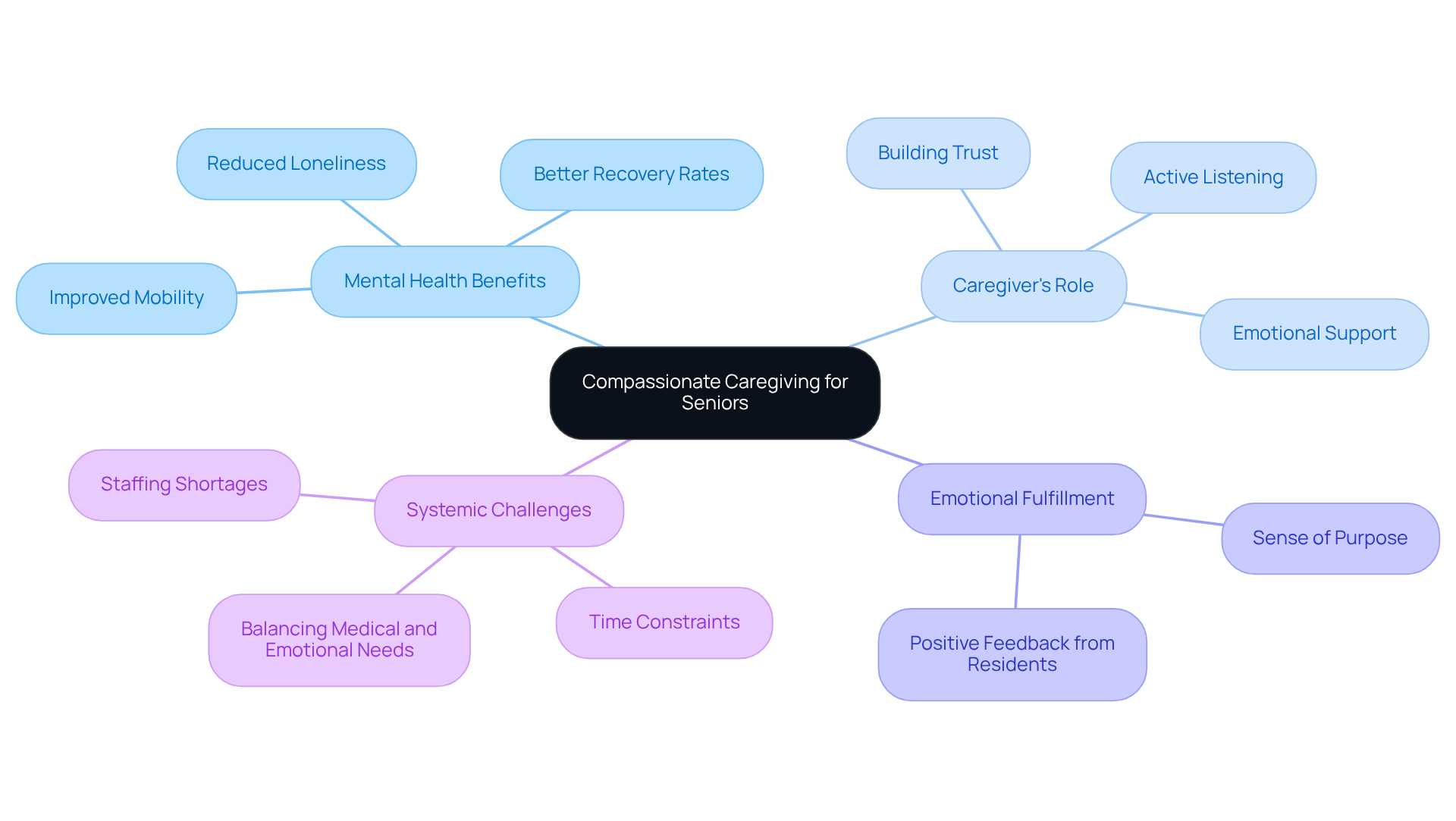
Compassionate caregiving for seniors plays a vital role in assisting older adults, profoundly impacting their mental and physical health. Research shows that older adults who benefit from compassionate caregiving for seniors often experience significantly reduced feelings of loneliness and depression. This, in turn, leads to better overall health outcomes, including improved recovery rates and increased mobility. A study from the National Institutes of Health underscores that compassionate caregiving for seniors creates a positive environment, enhancing the quality of life for elderly individuals.
It is essential for supporters to recognize the psychological needs of their clients. Compassionate caregiving for seniors can uplift spirits and foster a sense of safety within the support environment. By actively listening and engaging with elderly individuals, caregivers can practice compassionate caregiving for seniors, cultivating meaningful relationships that build trust and comfort—key components of effective support.
Moreover, those engaged in compassionate caregiving for seniors often find emotional fulfillment in offering empathetic support, which not only enriches the lives of elderly individuals but also contributes to their emotional well-being and overall health. However, systemic barriers can sometimes impede the delivery of compassionate care. Therefore, it is crucial for those providing support to navigate these challenges with resilience and determination.
Implement Strategies to Cultivate Empathy and Connection
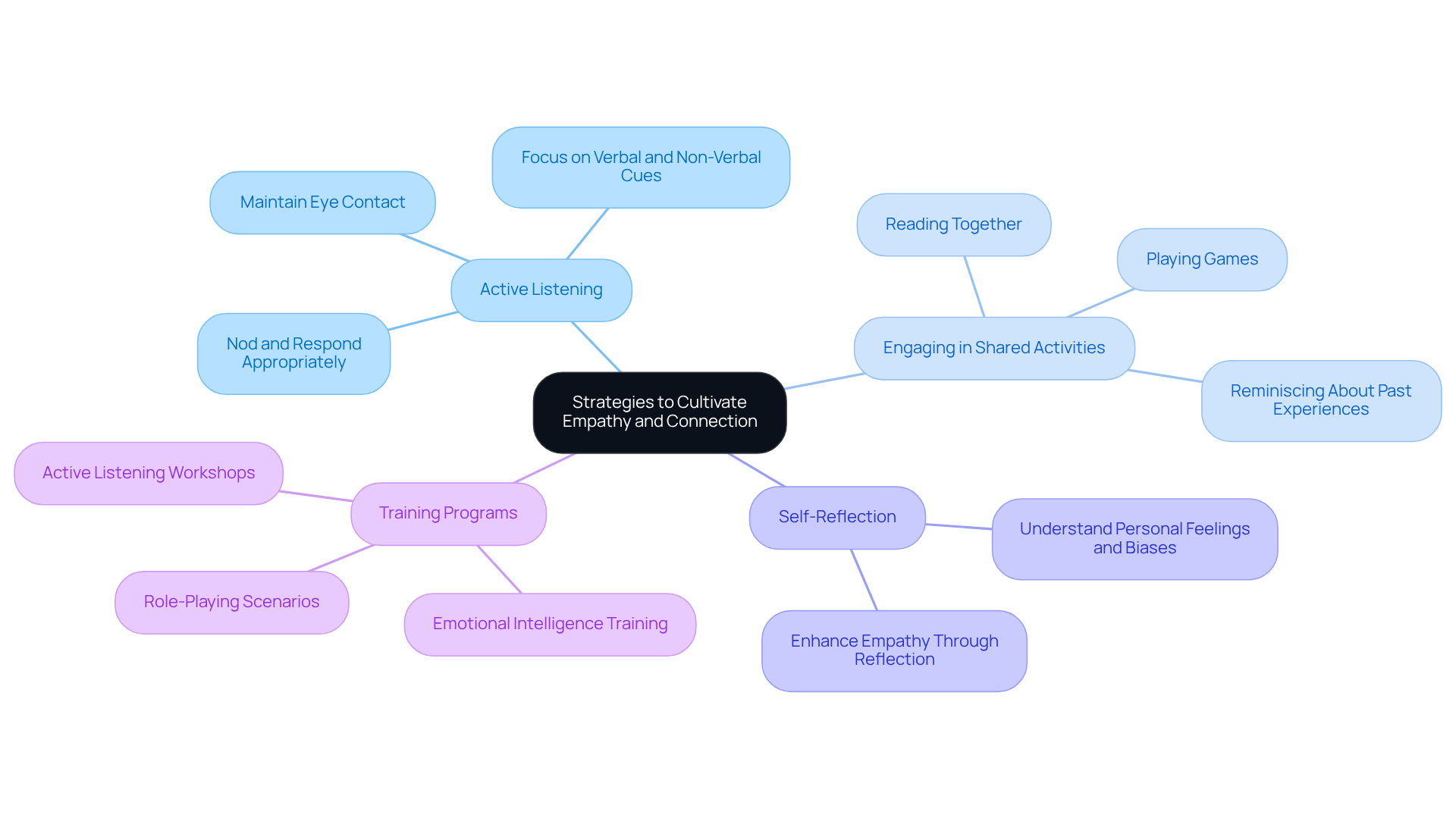
Support providers can apply various effective strategies to nurture compassion and rapport, essential for compassionate caregiving for seniors. Active listening is crucial; supporters should genuinely focus on understanding what their clients communicate, both verbally and non-verbally. This involves maintaining eye contact, nodding, and responding appropriately to show understanding. Research indicates that 88% of Americans would be willing to travel further for a healthcare provider who emphasizes compassionate caregiving for seniors, highlighting the importance of empathy in caregiving.
Engaging in shared activities that the senior enjoys, such as reading, playing games, or reminiscing about past experiences, fosters connection and enhances compassionate caregiving for seniors. Additionally, caregivers should engage in self-reflection to comprehend their own feelings and biases, which can enhance their ability to empathize with others. Training programs emphasizing emotional intelligence, like those adopted by NYC Health + Hospitals, provide support providers with essential skills to navigate the intricate emotional landscapes of their clients.
However, it is essential for caregivers to be cautious of misapplying active listening techniques. Failing to genuinely engage can lead to misunderstandings. Incorporating personal stories or mini-cases that demonstrate the effectiveness of these strategies can further illustrate their impact on both providers and seniors, making the content more relatable and impactful. Through these approaches, compassionate caregiving for seniors enables caregivers to build meaningful connections that truly resonate.
Prioritize Self-Care to Sustain Effective Caregiving
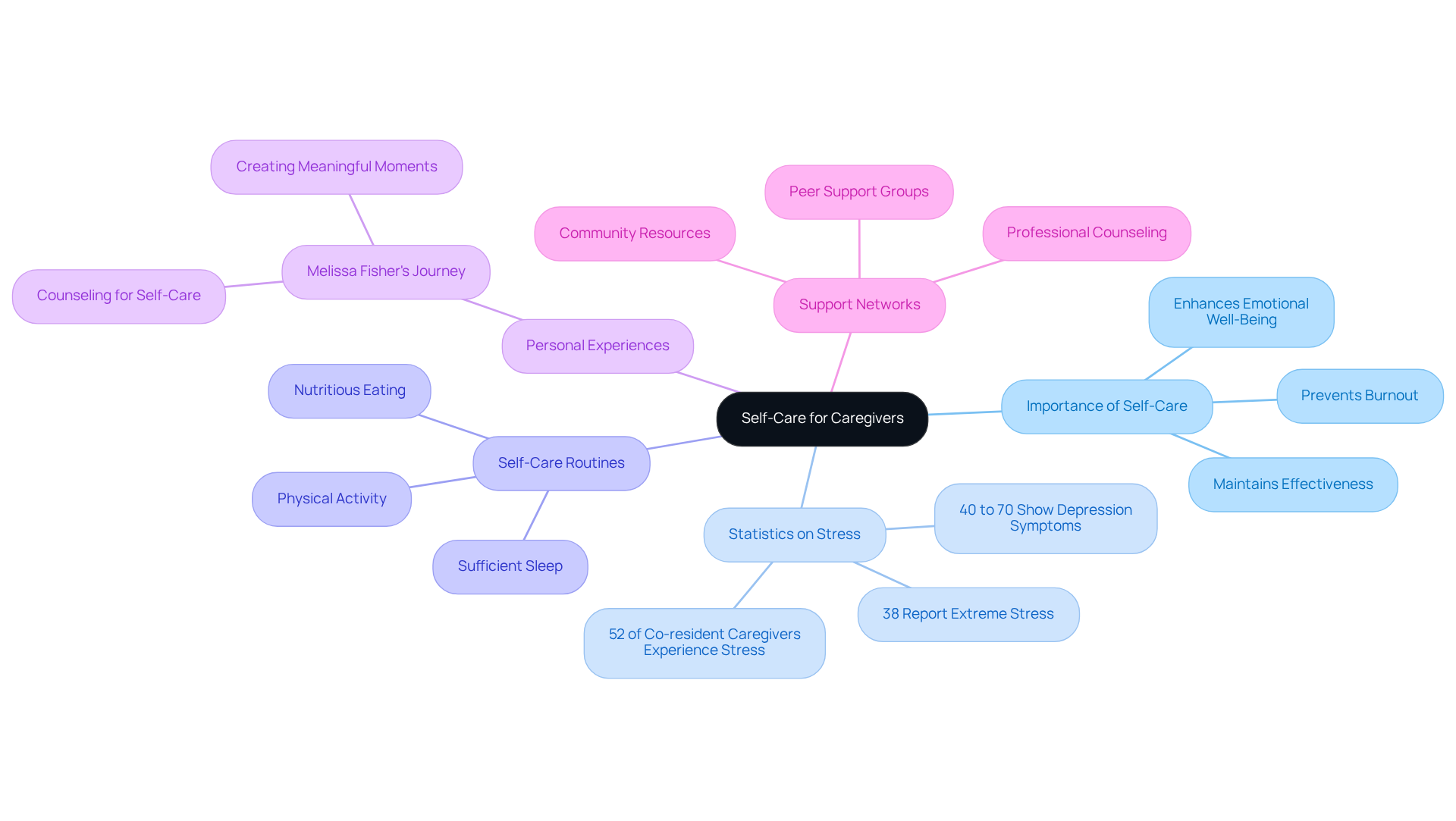
Self-care is essential for caregivers, as it helps maintain their effectiveness and emotional well-being. Many caregivers experience elevated stress levels, with 38% reporting their situations as extremely stressful, which can lead to burnout if not managed. Additionally, research shows that 40% to 70% of family supporters face clinically significant symptoms of depression, highlighting the mental health challenges they encounter.
To prioritize self-care, caregivers should establish routines that include:
- Regular physical activity
- Nutritious eating
- Sufficient sleep
Engaging in hobbies and social activities outside of caregiving responsibilities is vital for rejuvenation and mental health. For example, Melissa Fisher, who experienced significant stress while caring for her aging parents, discovered that focusing on her own well-being through counseling and creating meaningful moments with her father enabled her to manage her responsibilities more effectively. These moments not only brought her joy but also became a crucial part of her self-care strategy.
Moreover, caregivers should not hesitate to seek support from peers or professional counseling services when feeling overwhelmed. Dr. Elizabeth Liles emphasizes that the challenges of caring for a loved one can lead to psychological and physical strain, potentially resulting in further health issues if unaddressed. Participating in support groups can foster a sense of belonging and mutual understanding, which is essential for mental well-being. Research indicates that caregivers who engage with support networks are better equipped to handle the emotional and physical demands of their roles. By taking care of their own needs, caregivers can ensure they are in the best position to provide compassionate caregiving for seniors, which ultimately enhances the quality of life for both themselves and those they care for.
Your Path Forward
Compassionate caregiving for seniors is not just an approach; it is a profound commitment that deeply enriches the lives of older adults. By prioritizing empathy and emotional connection, caregivers can cultivate a nurturing environment. This environment not only alleviates feelings of loneliness and depression but also promotes overall health and well-being. This article underscores the critical role of compassion in caregiving, highlighting its transformative potential for both seniors and their caregivers.
Key strategies for implementing compassionate caregiving include:
- Active listening
- Engaging in meaningful activities
- Prioritizing self-care
These insights emphasize the necessity of understanding the psychological needs of seniors while also recognizing the importance of caregivers maintaining their own emotional health. By nurturing empathy and resilience, caregivers can foster deeper connections that enhance the caregiving experience, ultimately leading to improved outcomes for both parties involved.
The significance of compassionate caregiving extends beyond individual relationships; it shapes the broader landscape of senior care. As the demand for empathetic support continues to rise, caregivers are encouraged to embrace these practices and seek out support networks that can bolster their own well-being. By doing so, they not only enhance their effectiveness but also contribute to a more compassionate society that values the dignity and quality of life of its elderly members.
https://iframe.tely.ai/cta/eyJhcnRpY2xlX2lkIjogIjY4ZjZjZDJkMTdmYjYxMDU5OGZlZmVkNyIsICJjb21wYW55X2lkIjogIjY4ZWU1ZGNhNzMxNzYyNTU3ZjNjOTVjMSIsICJpbmRleCI6IG51bGwsICJ0eXBlIjogImFydGljbGUifQ==Frequently Asked Questions
What is the importance of compassionate caregiving for seniors?
Compassionate caregiving for seniors is vital as it significantly impacts their mental and physical health, reducing feelings of loneliness and depression, and leading to better overall health outcomes, including improved recovery rates and increased mobility.
How does compassionate caregiving affect the quality of life for older adults?
Research indicates that compassionate caregiving creates a positive environment that enhances the quality of life for elderly individuals, contributing to their emotional well-being and overall health.
What role do psychological needs play in senior support?
Recognizing the psychological needs of elderly clients is essential, as compassionate caregiving can uplift spirits and foster a sense of safety, which are key components of effective support.
How can caregivers practice compassionate caregiving?
Caregivers can practice compassionate caregiving by actively listening and engaging with elderly individuals, which helps cultivate meaningful relationships that build trust and comfort.
What emotional benefits do caregivers experience from providing compassionate care?
Those engaged in compassionate caregiving often find emotional fulfillment in offering empathetic support, which enriches the lives of elderly individuals and contributes to their own emotional well-being.
What challenges might caregivers face in delivering compassionate care?
Systemic barriers can sometimes impede the delivery of compassionate care, making it crucial for caregivers to navigate these challenges with resilience and determination.