For families in our service areas
For families in our service areas, this guide explains caregiving and how non-medical in-home caregiving can support care planning in East Idaho, Treasure Valley & Magic Valley, Northern Wasatch, North Central West Virginia, and Northeast Ohio.
The Importance of Taking Care of Mother at Home Safely
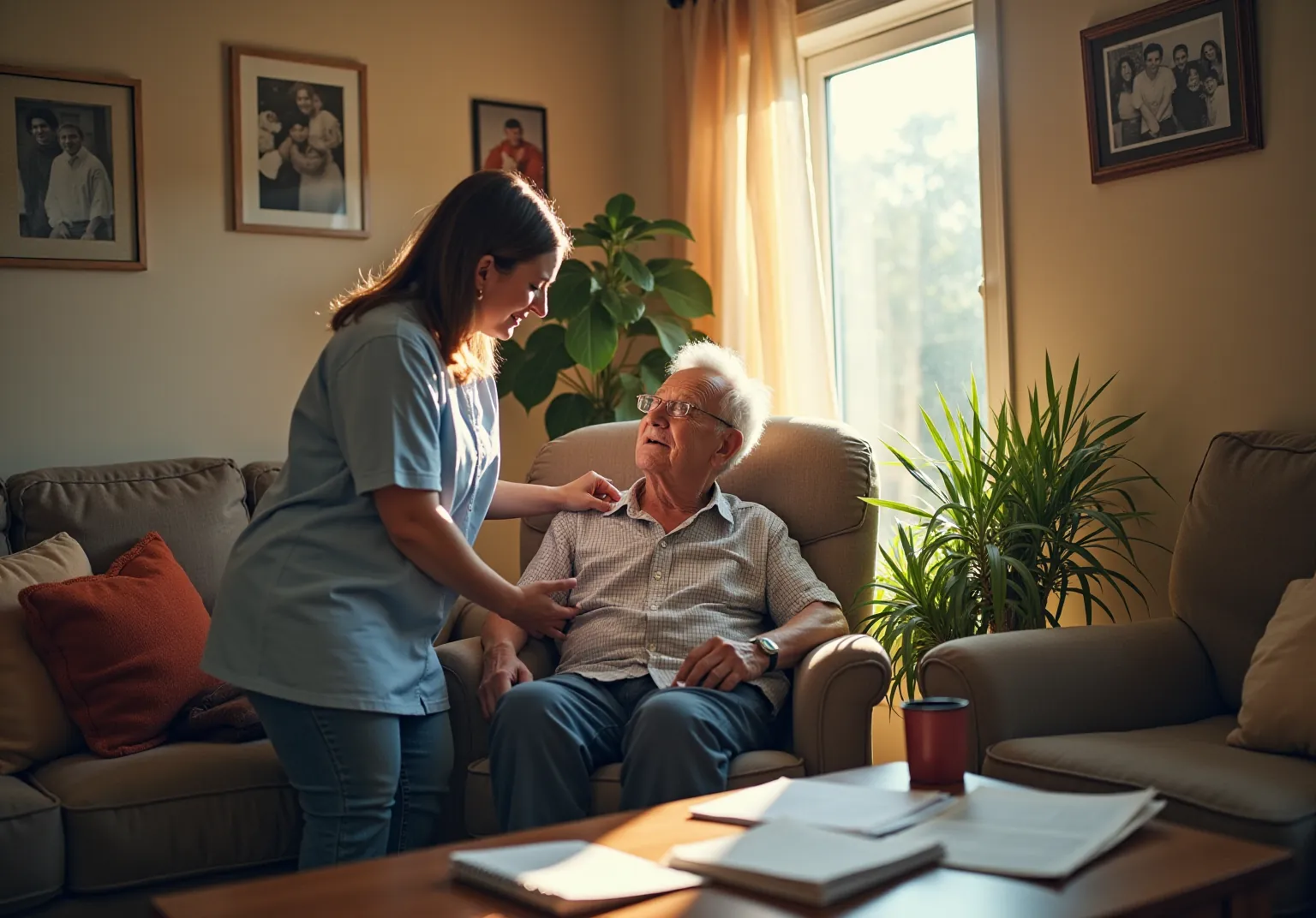
Caring for an elderly mother at home presents a unique set of challenges that can be both rewarding and demanding. Caregivers often find themselves juggling the physical needs of their loved ones while also addressing their emotional well-being and safety. This dual responsibility can lead to feelings of overwhelm and stress, making it crucial to find effective strategies for support.
To navigate these complexities, caregivers must assess their loved one's needs comprehensively. This includes understanding not just the physical requirements, but also the emotional and psychological aspects of care. Implementing safety measures is essential; simple adjustments around the home can significantly reduce risks and enhance comfort.
Open communication is another vital component. Encouraging dialogue about preferences and concerns fosters a sense of autonomy for the elderly individual, which is essential for their dignity and self-respect. However, the challenge remains: how can caregivers balance these responsibilities while honoring their loved one's autonomy?
By employing practical strategies and maintaining a compassionate approach, caregivers can create a nurturing environment that respects both the needs of the caregiver and the preferences of the elderly individual.
Assess Needs and Develop a Flexible Care Plan
Identify Specific Needs: Caregivers often struggle to understand the specific needs of their loved ones, which can lead to inadequate support. Start by evaluating the physical, emotional, and social needs involved in taking care of mother. Consider her medical conditions, mobility, routine activities, and preferences. Use a checklist to document these aspects, ensuring nothing is overlooked.
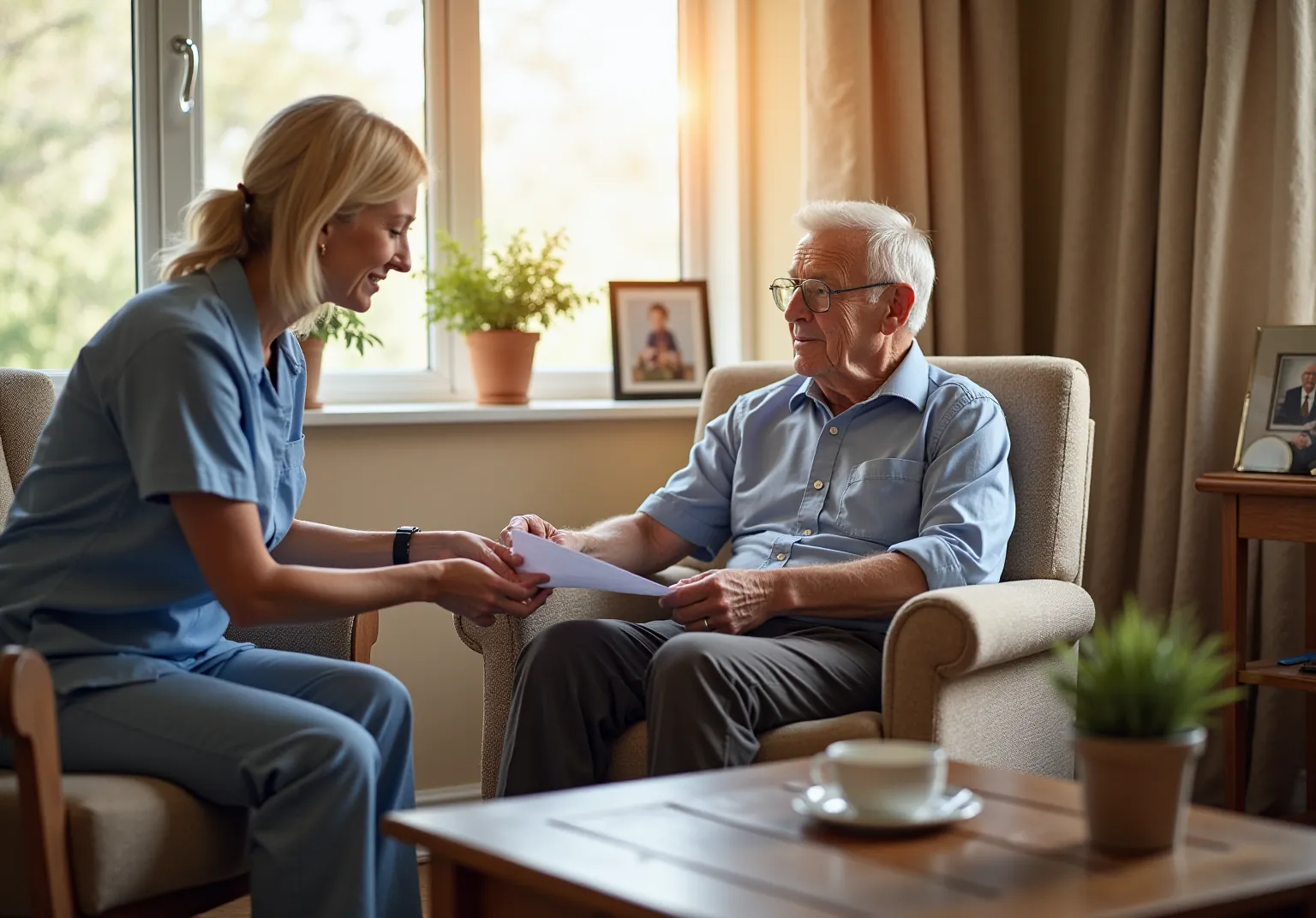
Consult with Healthcare Professionals: Engaging with healthcare professionals is crucial. Consult her doctor or a geriatric care manager to gain insights into her health status and any necessary medical interventions. This collaboration can help you understand her needs more comprehensively.
Develop a Care Strategy: Once you have assessed her needs, draft a care strategy that outlines daily activities, medication schedules, and any required assistance. This strategy should be flexible, allowing for adjustments as her needs evolve over time.
Involve Your Mother: It's essential to include her in discussions about her care preferences. Taking care of mother promotes her autonomy and ensures she feels respected and valued in the decision-making process, which can significantly enhance her well-being.
Review Regularly: Finally, schedule regular check-ins to assess the effectiveness of the care plan. Make adjustments as needed to ensure it remains aligned with her current situation. Regular reviews help maintain a responsive and effective caregiving approach.

Ensure Safety and Well-Being at Home
Problem: Home Safety Hazards
Many seniors face potential hazards in their homes, such as loose rugs, poor lighting, and cluttered walkways. These issues can lead to serious accidents, making it crucial for those taking care of mother to conduct a thorough home safety assessment. According to experts, "100% of ER doctors agree that an annual Home Safety Assessment is important to keep seniors safe at home."
Agitate: The Risks of Inaction
Failing to address these hazards can result in falls and injuries, which may significantly impact a senior's quality of life. It's essential to recognize that even minor issues, like inadequate lighting or tripping hazards, can pose serious risks when taking care of mother.
Solution: Implementing Safety Modifications
To enhance safety, caregivers should take proactive steps:
- Conduct a Home Safety Assessment: Walk through the home to identify hazards and make a list of areas needing improvement.
- Implement Safety Modifications: Install grab bars in bathrooms, ensure adequate lighting throughout the home, and remove tripping hazards. Consider using non-slip mats and securing loose cables. Organizing storage spaces to keep essential items within easy reach can also help prevent accidents.
Emergency Preparedness
Creating an emergency plan is vital. This plan should include emergency contacts, a list of medications, and a first aid kit. When taking care of mother, ensure she knows how to use emergency devices, such as medical alert systems, to boost her confidence in handling emergencies.
Regular Check-ins
Arrange frequent or weekly check-ins to monitor her well-being and ensure she feels safe and secure in her environment. This practice can help identify any new safety concerns that may arise.

Communicate Openly and Respect Autonomy
Use english for answers
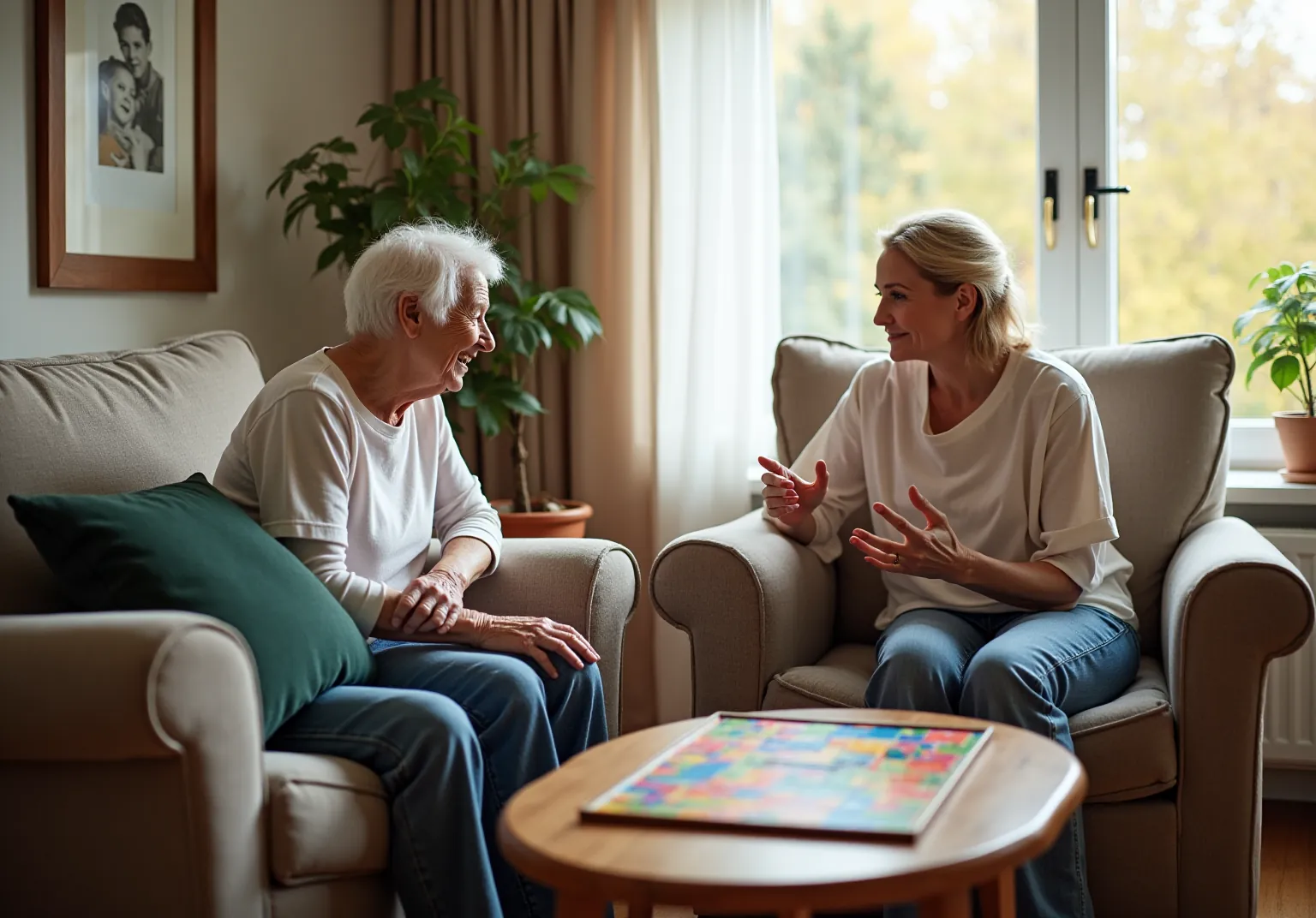
Establish Open Lines of Communication: Caregivers often face the challenge of communication barriers, which can hinder understanding and satisfaction in caregiving. Taking care of mother involves creating a comfortable environment where she feels safe to express her thoughts and feelings. Use active listening techniques to show that you value her input. According to the Gerontological Society of America, effective communication improves understanding and overall patient satisfaction, which is crucial in caregiving.
Discuss Care Preferences: Another common issue is the lack of clarity regarding care preferences. Regularly discussing her care preferences, daily routines, and any changes she might want while taking care of mother not only respects her autonomy but also helps you provide care that aligns with her wishes. A report indicates that family involvement in elderly care significantly enhances emotional well-being and reduces feelings of isolation.
Involve Family Members: Isolation can be a significant concern for elderly individuals. Encourage family discussions about her care to ensure everyone is on the same page. This can help alleviate any feelings of isolation she may experience, reinforcing her sense of belonging and support.
Be Patient and Understanding: Caregivers must also navigate the emotional landscape of their loved ones. Recognize that your mother may have concerns or fears about taking care of mother. Approach these conversations with empathy and patience, allowing her to voice her worries without judgment. As noted in a case study on Durable Powers of Attorney, honoring a loved one's wishes is essential in preserving dignity and ensuring comfort during the caregiving journey.

Making the Right Choice
Caring for a mother at home presents unique challenges that require a thoughtful approach. The primary concern is ensuring her safety, well-being, and autonomy. Without a structured care plan, caregivers may struggle to meet her specific needs, which can lead to feelings of frustration and helplessness. This journey is not merely about managing tasks; it’s about creating an environment where she feels valued and respected.
To address these challenges, caregivers should:
- Assess her physical and emotional needs regularly.
- Conduct home safety evaluations to identify potential hazards that could lead to accidents.
- Maintain open lines of communication with her and involve family members to enhance the quality of care provided.
- Engage healthcare professionals and regularly review the care plan to ensure her needs are consistently met.
Safety is paramount, and implementing home modifications along with emergency preparedness plans can prevent accidents and promote a secure living environment. These steps not only protect her but also provide peace of mind for caregivers.
Ultimately, compassionate caregiving transcends mere responsibilities; it’s about building trust and understanding. Caregivers must embrace patience and empathy, recognizing the emotional landscape of their loved ones. By fostering open communication and respecting her wishes, caregivers can create a nurturing atmosphere that honors her autonomy and enhances her overall quality of life.
Taking these steps benefits not only the mother but also enriches the caregiver's experience, reinforcing the significance of this vital role in the family.
https://iframe.tely.ai/cta/eyJhcnRpY2xlX2lkIjogIjY5Mjc5NGVjMTRjODUwNzI1NGI4N2M1YSIsICJjb21wYW55X2lkIjogIjY4ZWU1ZGNhNzMxNzYyNTU3ZjNjOTVjMSIsICJpbmRleCI6IG51bGwsICJ0eXBlIjogImFydGljbGUifQ==Frequently Asked Questions
What is the first step in developing a flexible care plan for a loved one?
The first step is to identify specific needs by evaluating the physical, emotional, and social aspects of care, considering medical conditions, mobility, routine activities, and preferences.
Why is it important to consult with healthcare professionals?
Consulting with healthcare professionals, such as a doctor or geriatric care manager, is crucial to gain insights into the loved one's health status and necessary medical interventions, helping to understand their needs more comprehensively.
What should a care strategy include?
A care strategy should outline daily activities, medication schedules, and any required assistance, and it should be flexible to allow adjustments as needs evolve over time.
How can involving the loved one in the care process benefit them?
Involving the loved one in discussions about their care preferences promotes their autonomy and ensures they feel respected and valued, which can significantly enhance their well-being.
How often should the care plan be reviewed?
The care plan should be reviewed regularly to assess its effectiveness and make necessary adjustments to ensure it remains aligned with the loved one's current situation.
List of Sources
- Assess Needs and Develop a Flexible Care Plan
- Customized Senior Care Planning (https://2ndfamily.com/senior-care-planning)
- Families Prefer In-Home Care To Senior Living – Yet Struggle To Identify Needed Support (https://homehealthcarenews.com/2025/11/families-prefer-in-home-care-to-senior-living-yet-struggle-to-identify-needed-support)
- Bridging the Gap in Elderly Care: The Case for Comprehensive In-Home Assessment (https://reachmd.com/news/bridging-the-gap-in-elderly-care-the-case-for-comprehensive-in-home-assessment/2474101)
- New Study Finds That While Aging Seniors Prefer In-Home Care, Most Are Critically Underprepared for Future Healthcare Needs | Cross Country Healthcare, Inc. (https://ir.crosscountry.com/news-releases/news-release-details/new-study-finds-while-aging-seniors-prefer-home-care-most-are)
- Care planning model allows for more flexibility in the event of serious illness (https://mcknights.com/news/care-planning-model-allows-for-more-flexibility-in-the-event-of-serious-illness)
- Ensure Safety and Well-Being at Home
- Home Safety Modifications to Promote Senior Independence (https://ohioanshhc.com/news/home-safety-modifications-to-promote-senior-independence)
- Home Safety for Seniors: Statistics & Proven Safety Solutions (https://agesafeamerica.com/home-safety-hub/articles/home-safety-seniors-statistics-solutions)
- Home Safety Modifications and Local Resources for Aging in Place in the Baltimore Area (https://avilahomecare.com/news/2021/04/helpful-tips-for-family-and-friends-caregivers)
- Facts About Falls (https://cdc.gov/falls/data-research/facts-stats)
- Communicate Openly and Respect Autonomy
- Preserving Dignity In Caregiving Decisions: A Compassionate Approach (https://theseniorsource.org/preserving-dignity-in-caregiving-decisions)
- Effective Communication Strategies for Older Adults: Evidence-Based Approaches that Improve Care (https://medtigo.com/news/effective-communication-strategies-for-older-adults-evidence-based-approaches-that-improve-care)
- New report gives healthcare providers fresh guidance on communicating with older adults (https://mcknights.com/news/new-report-gives-healthcare-providers-fresh-guidance-on-communicating-with-older-adults)
- Clearer Conversations, Better Care: New Guide Highlights Best Practices for Communicating with Older Adults (https://geron.org/News-Events/GSA-News/Press-Room/Press-Releases/clearer-conversations-better-care-new-guide-highlights-best-practices-for-communicating-with-older-adults)