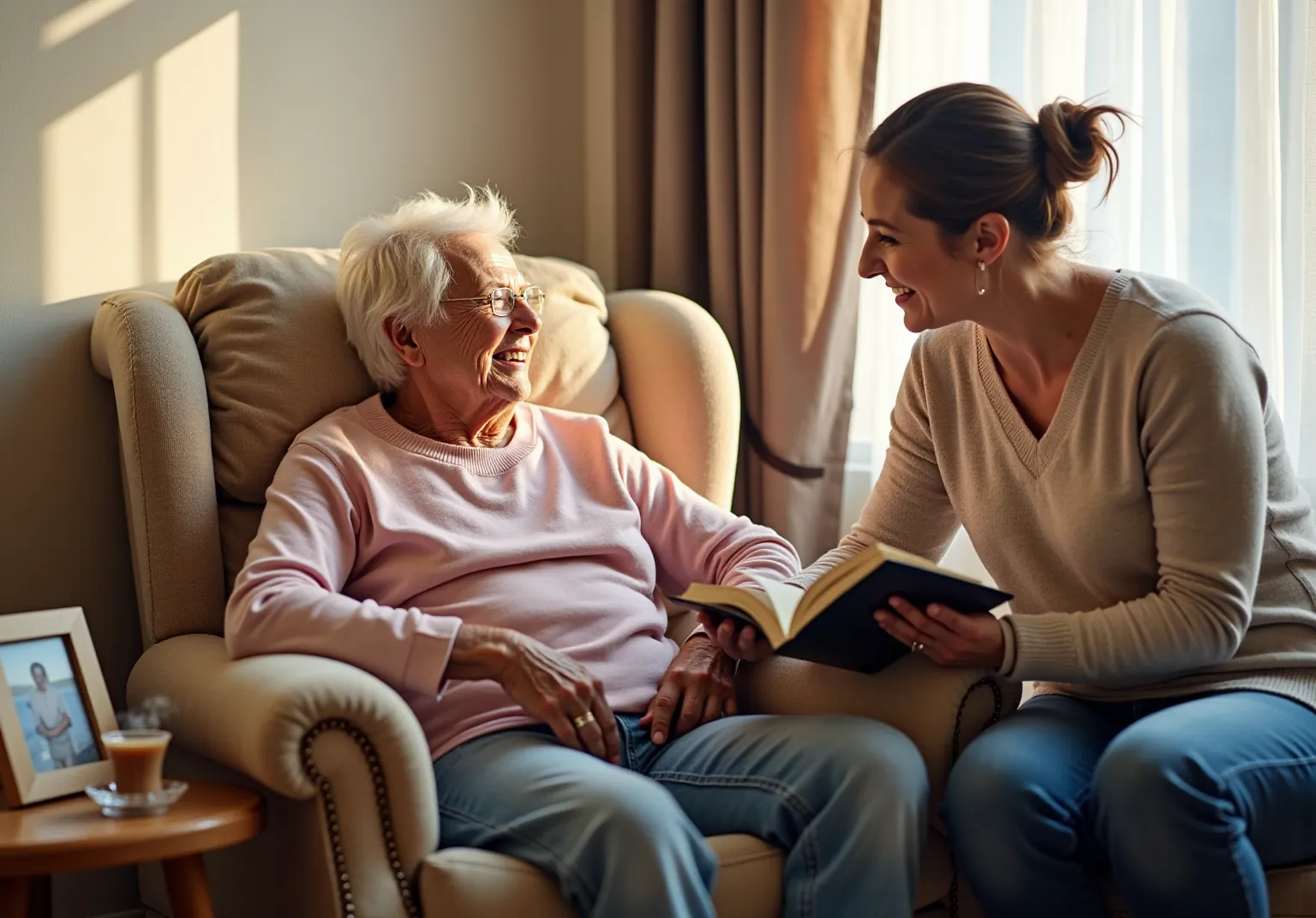
The Importance of Create a Safe Alzheimer
Creating a safe and nurturing environment for individuals with Alzheimer's isn't just a necessity; it's an act of love that can truly enhance their quality of life. This guide explores three essential steps caregivers can take to transform a home into a haven for those living with dementia. We’ll focus on:
- Personalized assessments
- Safety modifications
- Emotional engagement
But how can caregivers balance the need for safety with the desire for independence and emotional well-being in their loved ones? It's a challenge that many face, often feeling the weight of stress and burnout. Yet, there are compassionate solutions available that can help ease these burdens.
As we delve into these steps, remember that you're not alone in this journey. Together, we can create a supportive environment that honors the dignity and individuality of those we care for.
Assess Individual Needs and Preferences
-
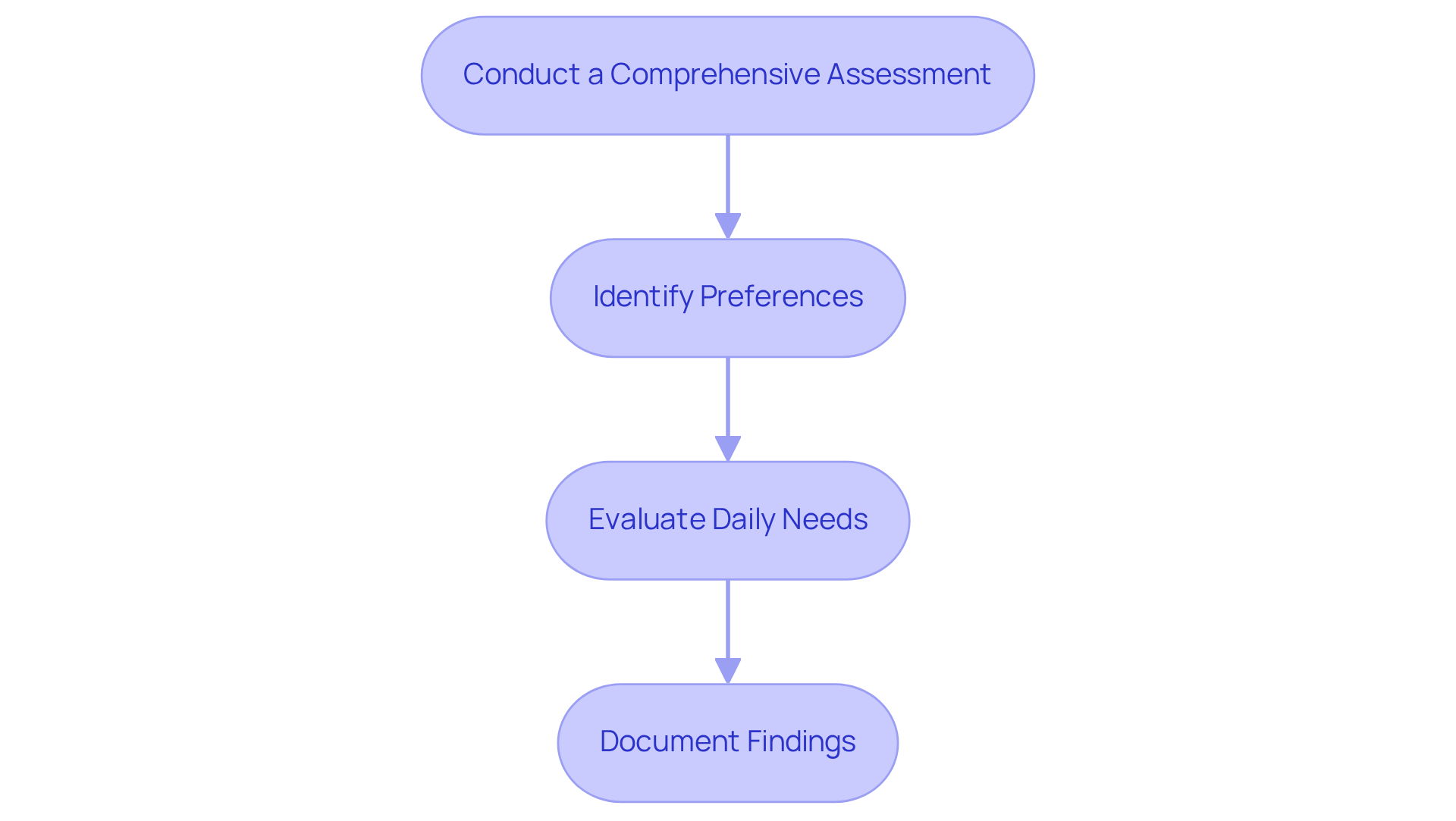
Conduct a Comprehensive Assessment: Start by gathering vital information about the person's medical history, cognitive abilities, and daily routines. This process can involve heartfelt discussions with healthcare professionals, family members, and, if possible, the individual themselves. It’s all about understanding their unique journey.
-
Identify Preferences: Pay close attention to the person's likes and dislikes, including their favorite activities, foods, and social interactions. Recognizing these preferences can help create a nurturing and engaging environment that feels like an alzheimers home.
-
Evaluate Daily Needs: Take the time to assess the person's daily living skills, such as bathing, dressing, and meal preparation. This evaluation is crucial; it guides the level of assistance they may need and helps in planning thoughtful modifications in their alzheimers home to enhance their comfort and independence.
-
Document Findings: Create a detailed profile that encompasses all the gathered information. This document will serve as a valuable reference for caregivers and family members, ensuring everyone is on the same page and aligned in their approach to providing compassionate care.
Implement Safety Modifications in the Home
-
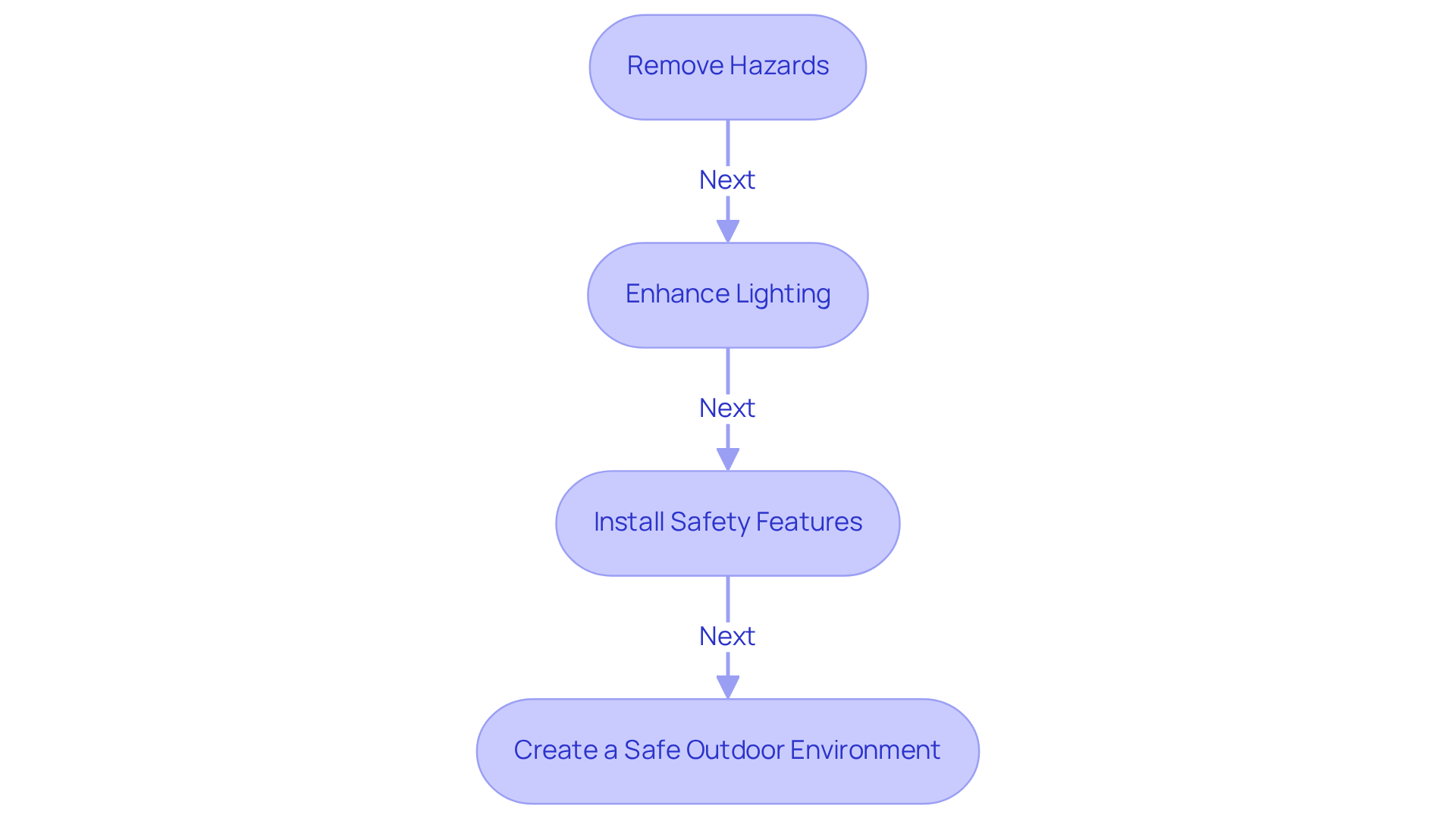
Remove Hazards: It’s important to start by decluttering the home to help eliminate tripping hazards. By removing loose rugs, electrical cords, and any unnecessary furniture that might obstruct pathways, you can create a safer environment. Did you know that falls occur three times more frequently in individuals with dementia than in the general senior population? Almost half of the adults studied experienced a fall within a year. Experts suggest securing throw rugs and ensuring that all surfaces are even to minimize these risks.
-
Enhance Lighting: Make sure that all areas of the home are well-lit. Installing bright, motion-activated lights in hallways and staircases can help avoid falls during nighttime. Adequate illumination-ideally a minimum of 50 foot-candles-is essential for enhancing visibility and reducing confusion, which can lead to accidents.
-
Install Safety Features: Consider adding grab bars in bathrooms, non-slip mats in the shower, and secure locks on doors and windows to prevent wandering. Brightly colored signs or labels can assist individuals in identifying rooms and important areas, reducing disorientation. Installing temperature-controlled faucets can also help prevent burns, addressing the heightened risk of injury for those with cognitive impairments. Additionally, securing furniture by anchoring bookcases to walls can prevent falls, and keeping car keys and firearms out of reach is crucial for safety.
-
Create a Safe Outdoor Environment: If the individual has access to outdoor spaces, ensure that walkways are clear and well-maintained. Installing fences can prevent wandering into unsafe areas, providing an extra layer of security. Regularly assessing the outdoor environment for potential hazards, such as uneven surfaces or obstacles, is vital to maintaining a safe space.
Foster Emotional Well-Being and Engagement
-
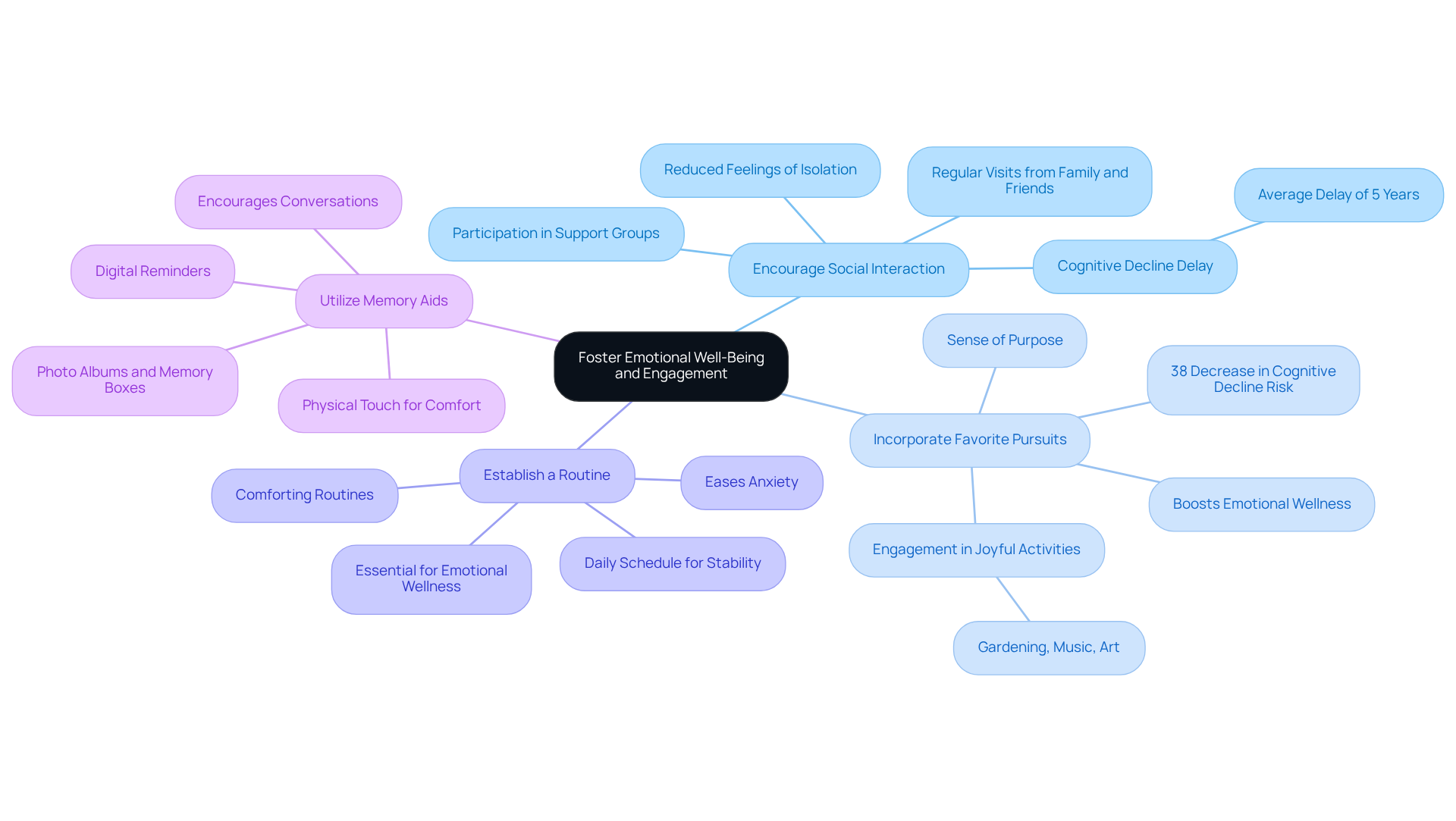
Encourage Social Interaction: It’s so important to facilitate regular visits from family and friends. Social engagement plays a crucial role in enhancing mood and cognitive function. Research shows that older individuals who stay socially active experience cognitive decline an average of five years later than those who are less engaged. Joining support groups or community events at an Alzheimer's home designed for individuals with dementia can further strengthen connections and help reduce feelings of isolation.
-
Incorporate Favorite Pursuits: Think about the activities that bring joy, like gardening, music, or art. Encouraging participation in these beloved pursuits not only fosters happiness but also boosts emotional wellness. Studies indicate that engaging in meaningful tasks can create a sense of purpose and alleviate boredom, which is especially vital for those living in an Alzheimer's home. A meta-analysis found that regular social engagement is linked to a 38% decrease in the risk of cognitive decline.
-
Establish a Routine: Creating a daily schedule that includes time for meals, activities, and rest can be incredibly beneficial. A consistent routine offers a sense of stability and safety, which is particularly advantageous for individuals with cognitive impairments. Maintaining comforting routines helps provide normalcy and can ease anxiety that comes with unpredictability. Research highlights that these comforting routines are essential for emotional wellness in those facing cognitive challenges.
-
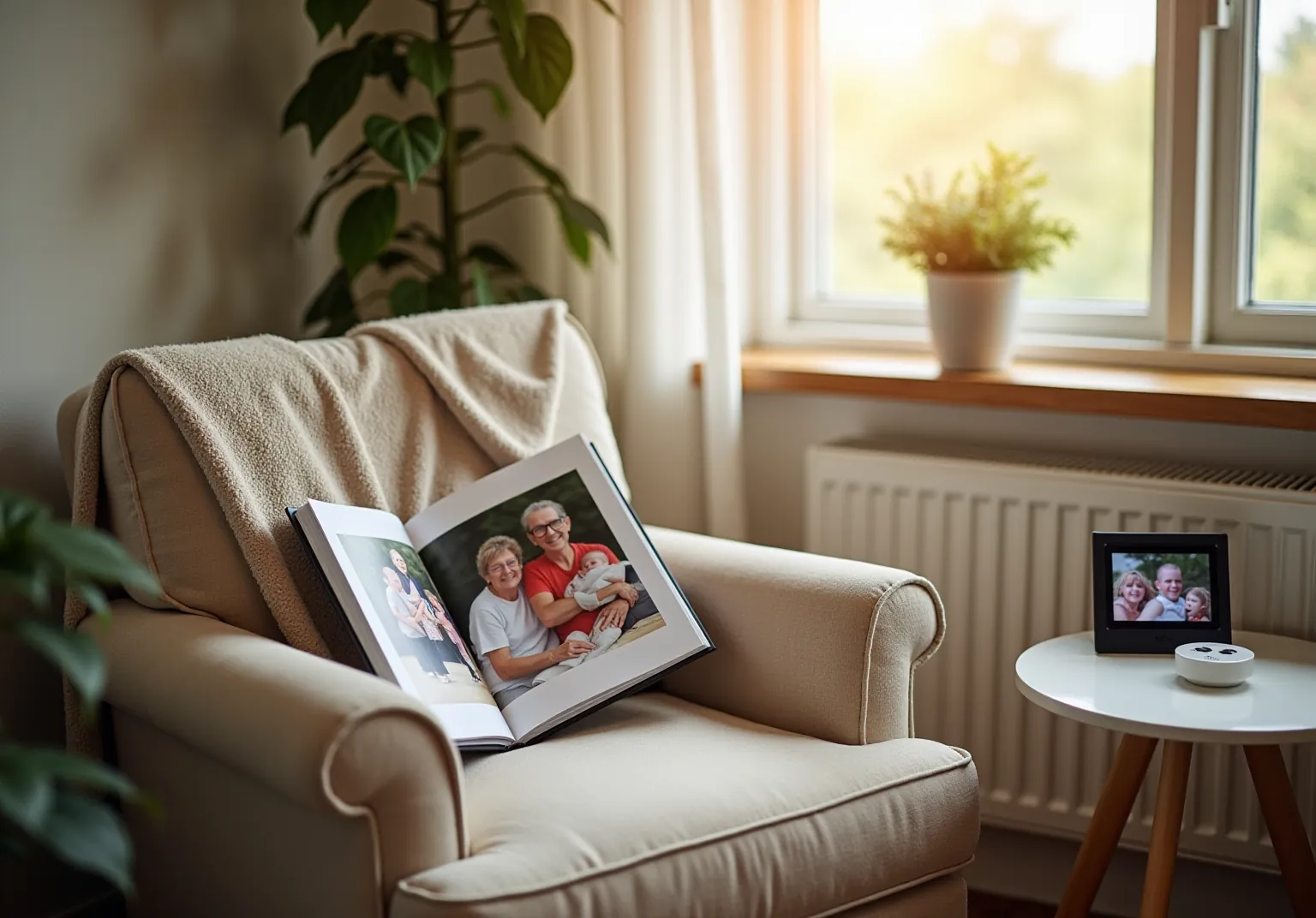
Utilize Memory Aids: Consider implementing memory aids like photo albums, memory boxes, or digital devices that display reminders and familiar faces. These tools can spark memories and encourage conversations, enhancing social interaction and emotional connections. Psychologists emphasize the importance of validating the feelings of dementia patients and providing reassurance, which can significantly uplift their emotional wellness. Additionally, incorporating physical touch, such as hugs or hand-holding, can offer comfort and strengthen emotional bonds.
Key Takeaways for Caregivers
Creating a safe and supportive environment for individuals with Alzheimer's is a journey that requires a thoughtful approach. It’s essential to prioritize their unique needs and preferences. By truly understanding their individual circumstances and making necessary modifications, caregivers can significantly enhance the quality of life for their loved ones. This nurturing atmosphere fosters both safety and emotional well-being.
Let’s explore three essential steps:
- Assessing individual needs
- Implementing safety modifications
- Fostering emotional engagement
Comprehensive assessments help identify specific requirements and preferences. Safety modifications in the home - like removing hazards and enhancing lighting - create a secure living space. Moreover, promoting social interaction and incorporating favorite activities contribute to emotional wellness. It’s vital to emphasize the importance of routine and memory aids in maintaining a sense of normalcy.
Ultimately, caregiving for someone with Alzheimer's is about more than just safety; it’s about creating a holistic environment that nurtures their emotional and cognitive health. By taking actionable steps to ensure safety and engagement, caregivers can profoundly impact the lives of those they care for. This journey encourages a life filled with dignity, joy, and connection.
https://iframe.tely.ai/cta/eyJhcnRpY2xlX2lkIjogIjY5MTY5ZGE0NTdlM2E1YjdiYjM1NWI4NyIsICJjb21wYW55X2lkIjogIjY4ZWU1ZGNhNzMxNzYyNTU3ZjNjOTVjMSIsICJpbmRleCI6IG51bGwsICJ0eXBlIjogImFydGljbGUifQ==Frequently Asked Questions
What is the first step in assessing individual needs for someone with Alzheimer's?
The first step is to conduct a comprehensive assessment by gathering vital information about the person's medical history, cognitive abilities, and daily routines, involving discussions with healthcare professionals, family members, and the individual themselves if possible.
Why is it important to identify preferences in individuals with Alzheimer's?
Identifying preferences, such as favorite activities, foods, and social interactions, is important because it helps create a nurturing and engaging environment that feels like home for the individual.
What aspects of daily living should be evaluated?
It is crucial to evaluate daily living skills such as bathing, dressing, and meal preparation to determine the level of assistance the individual may need and to plan modifications that enhance their comfort and independence.
What should be done with the findings from the assessments?
The findings should be documented to create a detailed profile that serves as a valuable reference for caregivers and family members, ensuring everyone is aligned in their approach to providing compassionate care.