For families in our service areas
For families in our service areas, this guide explains in-home care and how non-medical in-home caregiving can support care planning in East Idaho, Treasure Valley & Magic Valley, Northern Wasatch, North Central West Virginia, and Northeast Ohio.
The Importance of Practices
In the world of home care, caregivers face significant challenges that can impact the quality of life for their clients. From assessing individual needs to maintaining effective communication with families and healthcare providers, the demands of this profession can be overwhelming. These challenges not only affect caregivers but also the care they provide.
As the landscape of home care evolves, it’s crucial for caregivers to be equipped with the right tools and strategies. This article explores four essential best practices that empower caregivers to thrive in their roles and enhance the care they deliver. By implementing these actionable solutions, caregivers can better meet the diverse needs of those they serve.
Assess Client Needs for Tailored Care
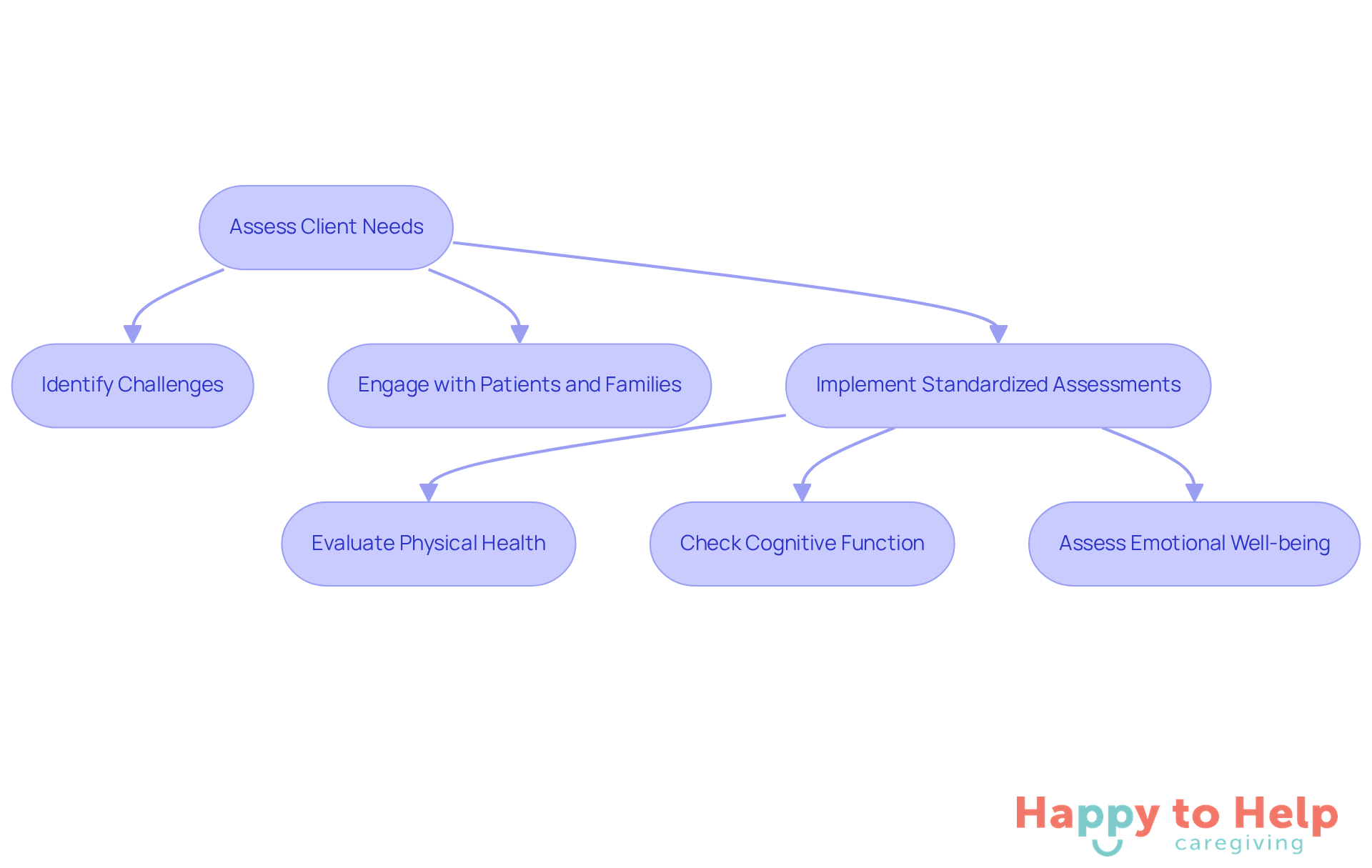
Problem: Caregivers often face challenges in effectively evaluating patient requirements. Without thorough assessments, including physical health evaluations, cognitive function examinations, and emotional well-being checks, understanding a patient's needs becomes difficult.
Agitate: This lack of comprehensive evaluation can lead to inadequate care, leaving patients feeling unsupported and vulnerable. When caregivers overlook daily routines, preferences, and specific challenges, it can significantly impact the quality of life for those they care for.
Solution: To address these issues, providers must implement thorough assessments that involve both patients and their families. Engaging in conversations about daily routines and preferences is essential for cultivating a comprehensive understanding of individual needs. Utilizing standardized assessment tools, such as checklists, can facilitate the collection of consistent data, which is vital for creating personalized care plans.
For example, a support worker might assess:
- Mobility
- Medication management
- Social engagement
This approach ensures that all aspects of the client's life are addressed. Not only does it enhance the quality of care, but it also fosters a sense of security and comfort for seniors, allowing them to maintain their independence while receiving the necessary support.
Prioritize Caregiver Well-Being and Self-Care
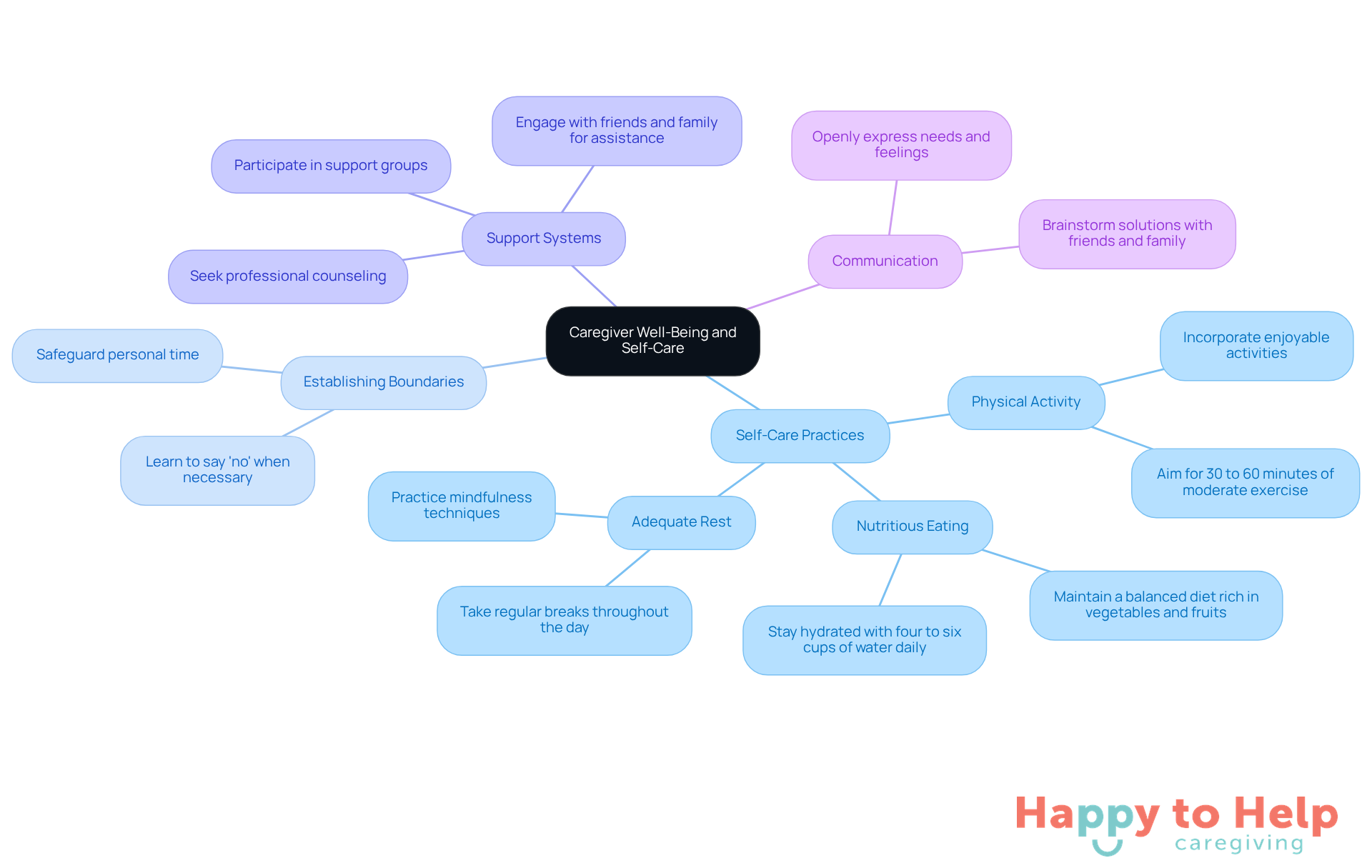
Caregivers in home care encounter significant challenges, especially the risk of burnout due to the demands of their roles. Without regular self-care practices, such as physical activity, nutritious eating, and adequate rest, caregivers in home care may become overwhelmed and emotionally drained. This situation not only affects the well-being of caregivers in home care but also impacts the quality of care they provide.
To combat these issues, establishing clear boundaries is essential. Safeguarding personal time can significantly reduce the risk of burnout. Additionally, participating in support groups, like those encountered by Mary Lou Falcone, or seeking professional counseling can offer vital emotional relief. These avenues promote a sense of community among caregivers, reminding them they are not alone in their struggles.
Incorporating short breaks throughout the day for enjoyable activities or mindfulness practices can markedly improve mental health. Caregivers in home care should also feel empowered to communicate their needs openly and seek assistance when feeling overwhelmed. This reinforces the idea that they do not have to navigate their responsibilities alone.
Remember, practicing self-care as a provider isn’t detracting from your loved one-it’s ensuring you can be your best for them.
Enhance Communication with Families and Healthcare Providers
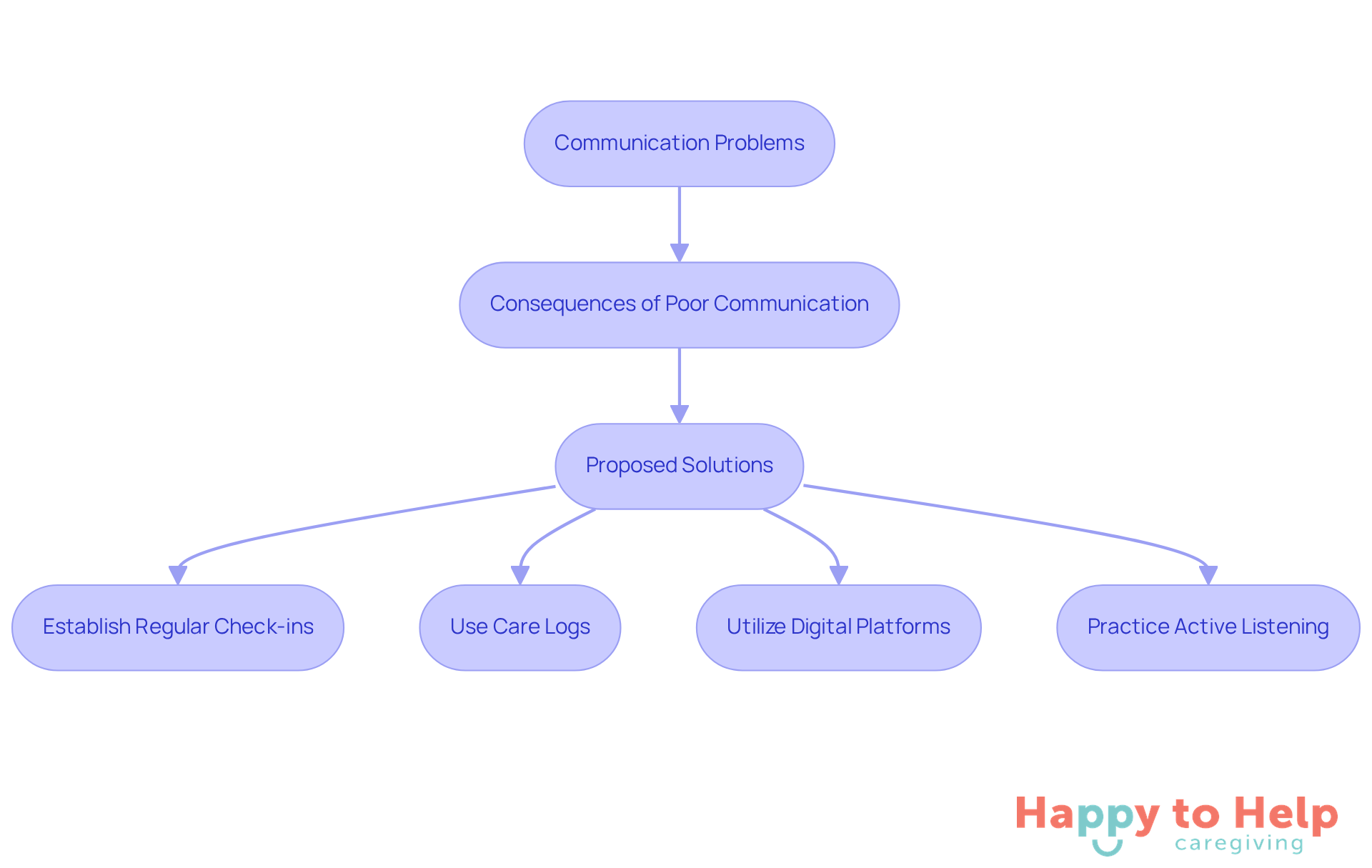
Problem: Caregivers often struggle with maintaining effective communication with family members and healthcare providers, which can hinder the quality of care provided to clients.
Agitate: This lack of communication can lead to misunderstandings about the client's condition and care needs, ultimately affecting their well-being. Without regular updates and discussions, caregivers may miss critical changes in the client's health, which can result in inadequate care and increased stress for both caregivers and families.
Solution: To address these challenges, caregivers should establish regular check-ins with family members and healthcare providers. Scheduling weekly meetings can facilitate discussions about the client's progress and any changes in their condition. Utilizing tools such as care logs or digital communication platforms like CaringBridge and MyKin can enhance ongoing dialogue, making it easier to share updates and address concerns.
Active listening is essential; caregivers must ensure they fully comprehend family concerns and preferences. Additionally, training in clear, non-technical language when discussing health matters is crucial. This ensures that everyone involved understands the information shared. As Suzanne Meeks noted, "Communication is fundamental for dementia care," underscoring the importance of effective communication strategies.
Furthermore, with 95% customer satisfaction reported by users in 2024, it is clear that implementing effective communication practices significantly enhances caregiver-family interactions.
Commit to Continuous Learning and Skill Development
Caregivers in home care face a significant challenge: the need for ongoing education and training in essential areas such as dementia care, mobility assistance, and emotional support techniques. Without proper training, caregivers in home care may find it challenging to provide the best possible care, which can lead to increased stress and decreased job satisfaction.
To address this issue, caregivers in home care should prioritize their involvement in educational programs, workshops, and online courses. Engaging in peer learning through mentorship or support groups can offer valuable insights and shared experiences that enhance the practices of caregivers in home care. For instance, local support provider training programs have been shown to greatly improve skills and boost confidence among participants.
Moreover, pursuing certifications not only demonstrates a commitment to professional growth for caregivers in home care but also contributes to increased job satisfaction and fosters greater trust from clients. Ongoing education is essential for caregivers in home care to adapt to changing demands and maintain high standards of service.
Significantly, the Center for Caregiver Advancement has obtained a $10 million grant to offer free education for caregivers in home care, highlighting the urgent need for such resources. Additionally, the UC Irvine and Center for Caregiver Advancement have launched dementia training courses specifically for caregivers in home care to meet future demand, illustrating the effectiveness of targeted training initiatives.
Moving Forward with Practices
In the realm of home care, caregivers often face significant challenges in providing personalized, compassionate, and effective support to clients. These challenges can lead to burnout and a decline in the quality of care delivered. Without proper strategies in place, caregivers may struggle to meet the unique needs of their clients while also neglecting their own well-being.
To address these issues, it’s crucial for caregivers to implement key practices that enhance their effectiveness and promote self-care. The following practices are essential:
- Conducting thorough assessments to tailor care plans to individual client needs.
- Establishing boundaries for self-care to prevent burnout.
- Fostering open communication with families and healthcare providers to ensure a collaborative approach to care.
- Engaging in ongoing education to stay informed about best practices and new developments in the field.
Ultimately, the journey of a caregiver requires resilience, dedication, and a commitment to personal and professional growth. By embracing these best practices, caregivers can create a supportive environment that benefits both themselves and their clients. Taking proactive steps towards self-care and skill development not only enriches caregivers' lives but also profoundly impacts the lives of those they serve, ensuring a higher standard of care in home settings.
https://iframe.tely.ai/cta/eyJhcnRpY2xlX2lkIjogIjY5MjY0M2EwNTA1M2U2YTE3NTJiNzdlNSIsICJjb21wYW55X2lkIjogIjY4ZWU1ZGNhNzMxNzYyNTU3ZjNjOTVjMSIsICJpbmRleCI6IG51bGwsICJ0eXBlIjogImFydGljbGUifQ==Frequently Asked Questions
What challenges do caregivers face in evaluating patient requirements?
Caregivers often struggle with effectively assessing patient needs due to a lack of thorough evaluations, which should include physical health assessments, cognitive function examinations, and emotional well-being checks.
What are the consequences of inadequate patient assessments?
Inadequate assessments can lead to insufficient care, leaving patients feeling unsupported and vulnerable, which can significantly impact their quality of life.
How can caregivers improve their understanding of a patient's needs?
Caregivers can improve their understanding by implementing thorough assessments that involve both patients and their families, engaging in conversations about daily routines and preferences.
What tools can be used to facilitate patient assessments?
Standardized assessment tools, such as checklists, can be utilized to collect consistent data, which is essential for creating personalized care plans.
What specific areas should be assessed for tailored care?
Caregivers should assess areas such as mobility, medication management, and social engagement to ensure a comprehensive understanding of the client's needs.
How does a thorough assessment benefit the quality of care?
A thorough assessment enhances the quality of care and fosters a sense of security and comfort for seniors, allowing them to maintain their independence while receiving necessary support.
List of Sources
- Assess Client Needs for Tailored Care
- Importance of Personalized Senior Home Care in Burlington NC (https://wisdomseniorcare.com/the-importance-of-personalized-care-plans-for-seniors)
- Novel Care Model May Improve Outcomes for Older Adults With Multiple Chronic Conditions (https://consultqd.clevelandclinic.org/novel-care-model-may-improve-outcomes-for-older-adults-with-multiple-chronic-conditions)
- State Strategies and New Resources to Advance Family Caregiver Assessments - NASHP (https://nashp.org/state-strategies-and-new-resources-to-advance-family-caregiver-assessments)
- Caregiver Statistics: Demographics (https://caregiver.org/resource/caregiver-statistics-demographics)
- Data, Assessment, and Analysis | Alzheimer's Association (https://alz.org/professionals/public-health/public-health-topics/data-assessment-analysis)
- Prioritize Caregiver Well-Being and Self-Care
- Relief for caregiver burnout - Harvard Health (https://health.harvard.edu/staying-healthy/relief-for-caregiver-burnout)
- Caregiver Burnout and Strategies to Help (https://health.usnews.com/senior-care/articles/caregiver-burnout-and-strategies-to-help)
- D-CARE study finds caregiver satisfaction higher with dementia care programs than usual care (https://uclahealth.org/news/release/d-care-study-finds-caregiver-satisfaction-higher-with)
- Caregiver Self-Care: Essential Strategies for Maintaining Your Well-Being While Caring for Others - Buckeye Home Medical (https://whybuckeye.com/2025/04/23/caregiver-self-care-essential-strategies)
- Caregiver Statistics: Health, Technology, and Caregiving Resources (https://caregiver.org/resource/caregiver-statistics-health-technology-and-caregiving-resources)
- Enhance Communication with Families and Healthcare Providers
- How Technology Improves Communication Between Families And Care Staff (https://thehighpointresidence.com/blog/how-technology-improves-communication-between-families-and-care-staff)
- Pathways to Effective Communication for Health Care Providers and Caregivers (https://caregiver.org/resource/pathways-effective-communication-healthcare-providers-and-caregivers)
- National Family Caregiver Month 2025: How Tech Supports Care (https://caresmartz360.com/blog/home-care/empowering-family-caregivers-with-technology-this-caregivers-month)
- Determining Evidence for Family Caregiver Communication: Associating Communication Behaviors With Breakdown and Repair - PMC (https://pmc.ncbi.nlm.nih.gov/articles/PMC10474591)
- Effective Communication as a Caregiver | Always Caring of CT (https://alwayscaringct.com/news/effective-communication-as-a-caregiver)
- Commit to Continuous Learning and Skill Development
- Caregiver Statistics: Health, Technology, and Caregiving Resources (https://caregiver.org/resource/caregiver-statistics-health-technology-and-caregiving-resources)
- CCA Announces Free Online Caregiver Training Program for IHSS Workers (https://advancecaregivers.org/cca-announces-free-online-caregiver-training-program-for-ihss-workers)
- The Essential Role of Continuing Education for Modern Caregivers (https://learn2care.us/blog/role-of-continuing-training-for-caregivers)
- New Report Reveals Crisis Point for America’s 63 million Family Caregivers (https://press.aarp.org/2025-07-24-New-Report-Reveals-Crisis-Point-for-Americas-63-million-Family-Caregivers)
- Discover the Value of Continuous Caregiver Education (https://affordablemedical.com/the-importance-of-ongoing-caregiver-education-and-support)