4 Best Practices for Effective Care for Seniors in Their Home

For families in our service areas
For families in our service areas, this guide explains caregiving and how non-medical in-home caregiving can support care planning in East Idaho, Treasure Valley & Magic Valley, Northern Wasatch, North Central West Virginia, and Northeast Ohio.
Why Practices for Effective Care Matters
Aging in place is increasingly important for seniors who want to maintain their independence and quality of life at home. However, this desire often brings significant challenges that can affect their well-being and mental health. Caregivers play a crucial role in addressing these issues, as they can enhance living conditions and provide emotional support for older adults.
The challenges faced by seniors aging in place can lead to feelings of isolation and anxiety. Without proper support, their quality of life may diminish, making it essential for families and caregivers to understand these complexities. How can they ensure that seniors not only stay at home but also thrive during their golden years?
To navigate these challenges effectively, caregivers can implement several best practices:
- Fostering open communication with seniors about their needs and preferences can create a more supportive environment.
- Incorporating social activities and regular check-ins can help combat feelings of loneliness.
By focusing on these strategies, caregivers can significantly improve the emotional and physical well-being of older adults, ultimately creating a secure and nurturing home environment.
Understand Aging in Place and Its Importance
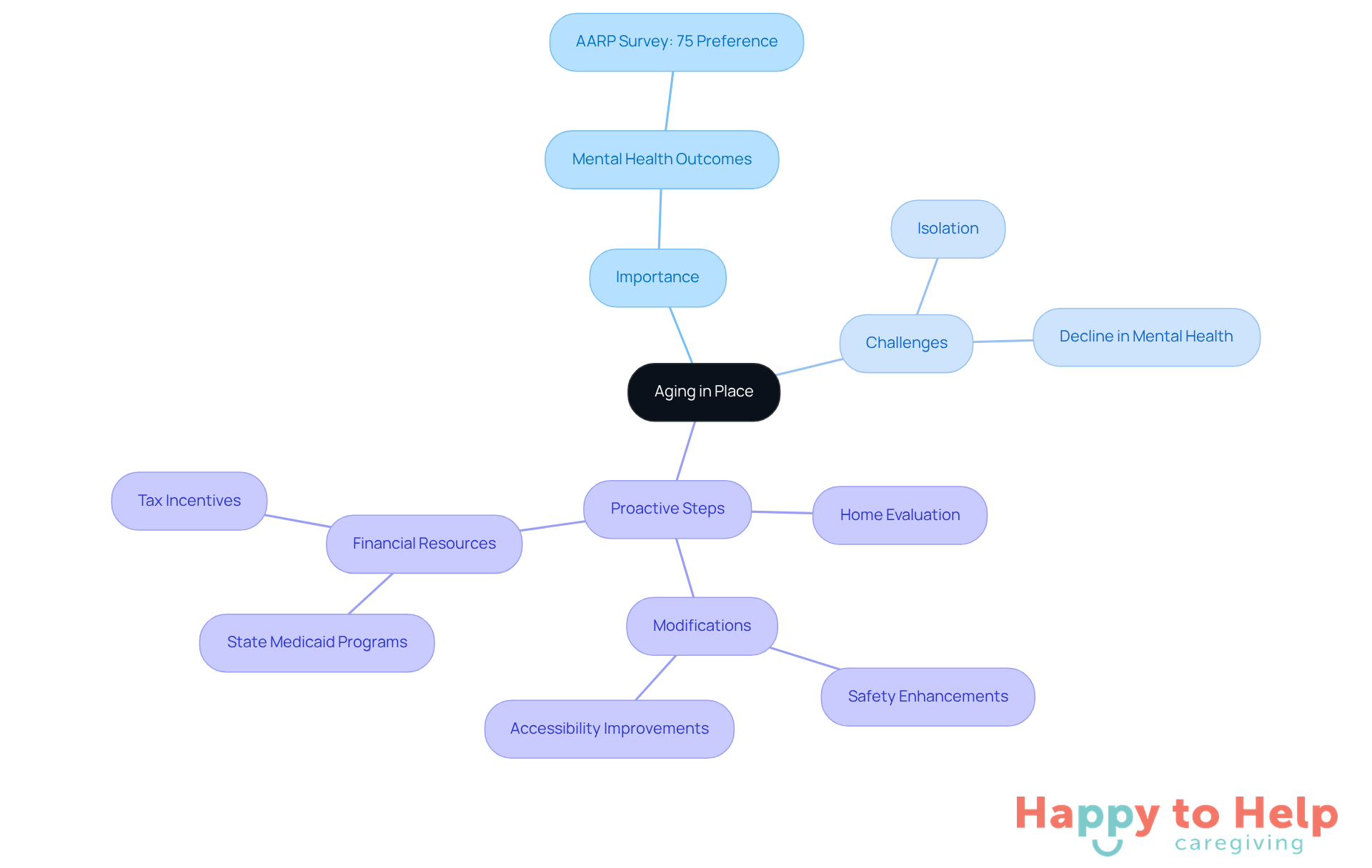
Aging in place presents a significant challenge for older adults who wish to live securely and independently in their own homes. As they age, many face difficulties that can threaten their autonomy and well-being. This situation can lead to feelings of isolation and a decline in mental health, making it crucial for caregivers to understand the implications of this issue.
Research indicates that older adults who remain in their residences experience better mental health outcomes, including lower rates of depression and anxiety. For example, a recent AARP survey revealed that 75% of individuals aged 50 and above prefer to stay in their homes as they age. This preference highlights the importance of supporting aging in place to enhance quality of life and satisfaction.
To address these challenges, families and caregivers can take proactive steps to ensure care for seniors in their home while facilitating aging in place:
- Evaluate the home environment for safety and accessibility.
- Consider making modifications that enhance mobility and independence, such as installing grab bars or improving lighting.
- Financial resources, including state Medicaid programs and tax incentives, can help offset the costs of these necessary changes.
By fostering a secure and supportive environment, caregivers can significantly contribute to the overall well-being and care for seniors in their home. This approach not only helps maintain their routines and social connections but also empowers them to retain control over their lives.
Explore Essential In-Home Care Services for Seniors
In-house support services provide essential care for seniors in their home, addressing a significant challenge faced by older adults: the need for assistance with daily tasks while promoting their independence. Many older adults struggle with essential activities such as bathing, dressing, and grooming, which can impact their quality of life.
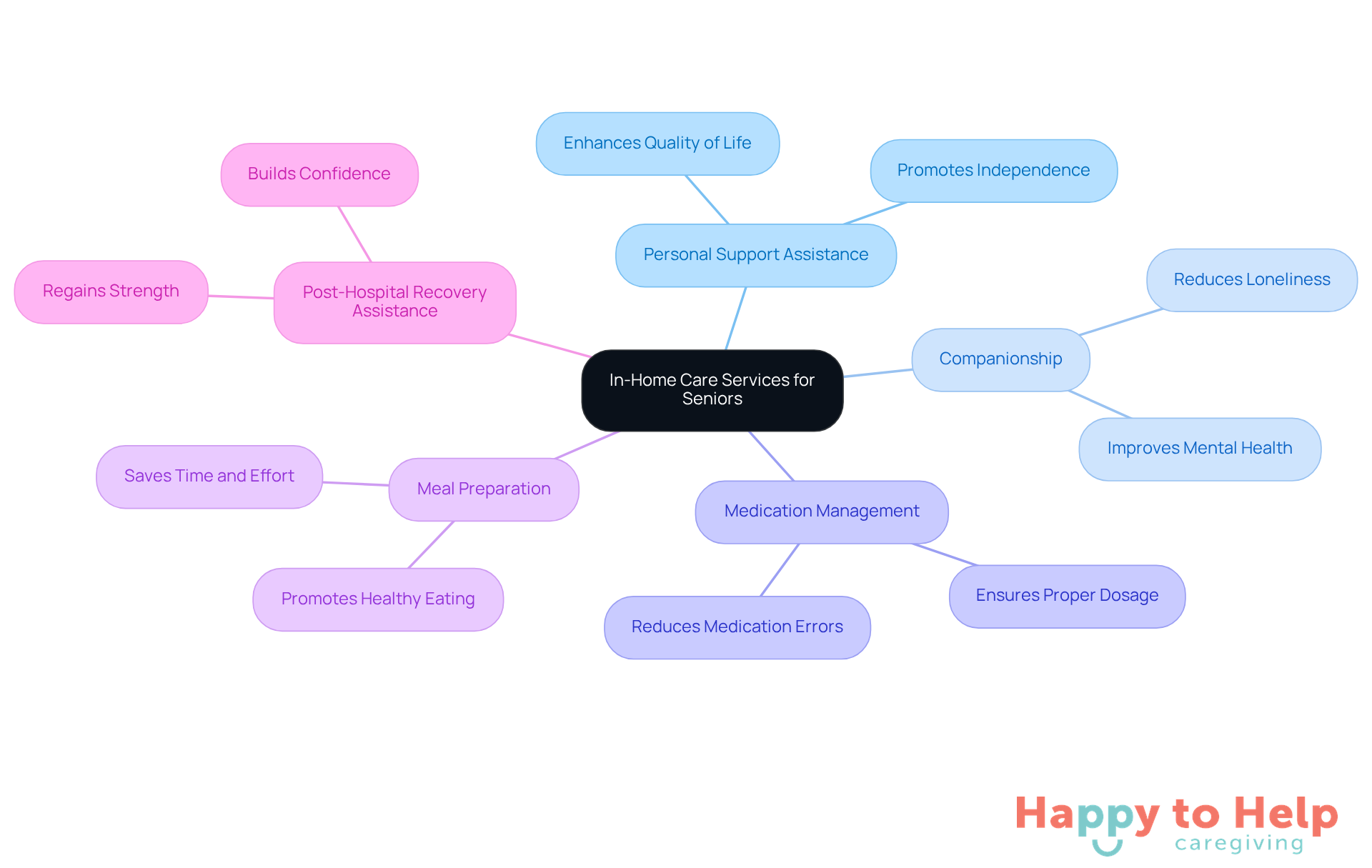
To illustrate, Happy to Help Caregiving provides personalized support to care for seniors in their home, ensuring that the unique needs of each client are met and they receive appropriate assistance. Key services include:
- Personal support assistance
- Companionship
- Medication management
- Meal preparation
These services are vital for maintaining the dignity and autonomy of older adults.
Moreover, transitioning from hospital to home can be daunting for older adults. Post-hospital recovery assistance is crucial, as it helps them regain strength and confidence during this vulnerable time. Families should carefully assess the specific needs of their loved ones and consider engaging a professional caregiving service.
A comprehensive care plan can ensure effective care for seniors in their home by addressing all aspects of health and well-being, allowing older adults to receive the support they need to thrive. By prioritizing these services, families can enhance the quality of life for their loved ones while fostering their independence.
Prioritize Emotional Support and Companionship in Caregiving
Emotional support is a significant issue for older adults, as many face feelings of loneliness and isolation. This lack of connection can lead to increased stress and a decline in mental well-being. Caregivers play a vital role in addressing this problem by fostering strong relationships with their clients.
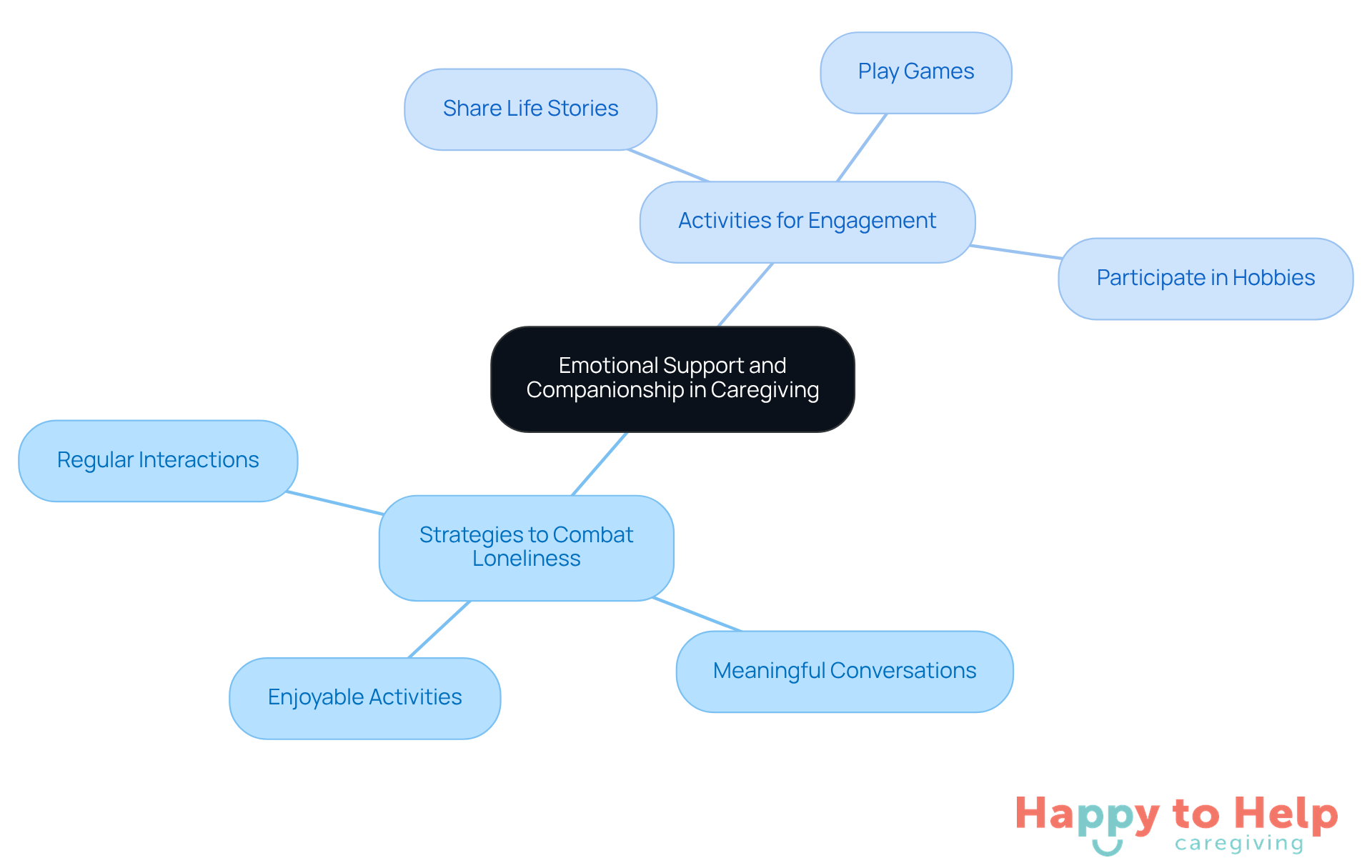
To combat loneliness, caregivers should engage in:
- Regular interactions
- Meaningful conversations
- Enjoyable activities
For instance, they can encourage older adults to:
- Share their life stories
- Play games
- Participate in hobbies they love
Studies show that older adults who receive consistent emotional support experience lower stress levels and improved mental health.
Companionship is essential for enhancing an elderly person's quality of life, making them feel valued and understood. Caregivers must be trained to recognize signs of emotional distress and equipped with strategies to provide comfort and reassurance. By prioritizing emotional support, caregivers can significantly impact the well-being of older adults.
Enhance Communication and Collaboration with Families
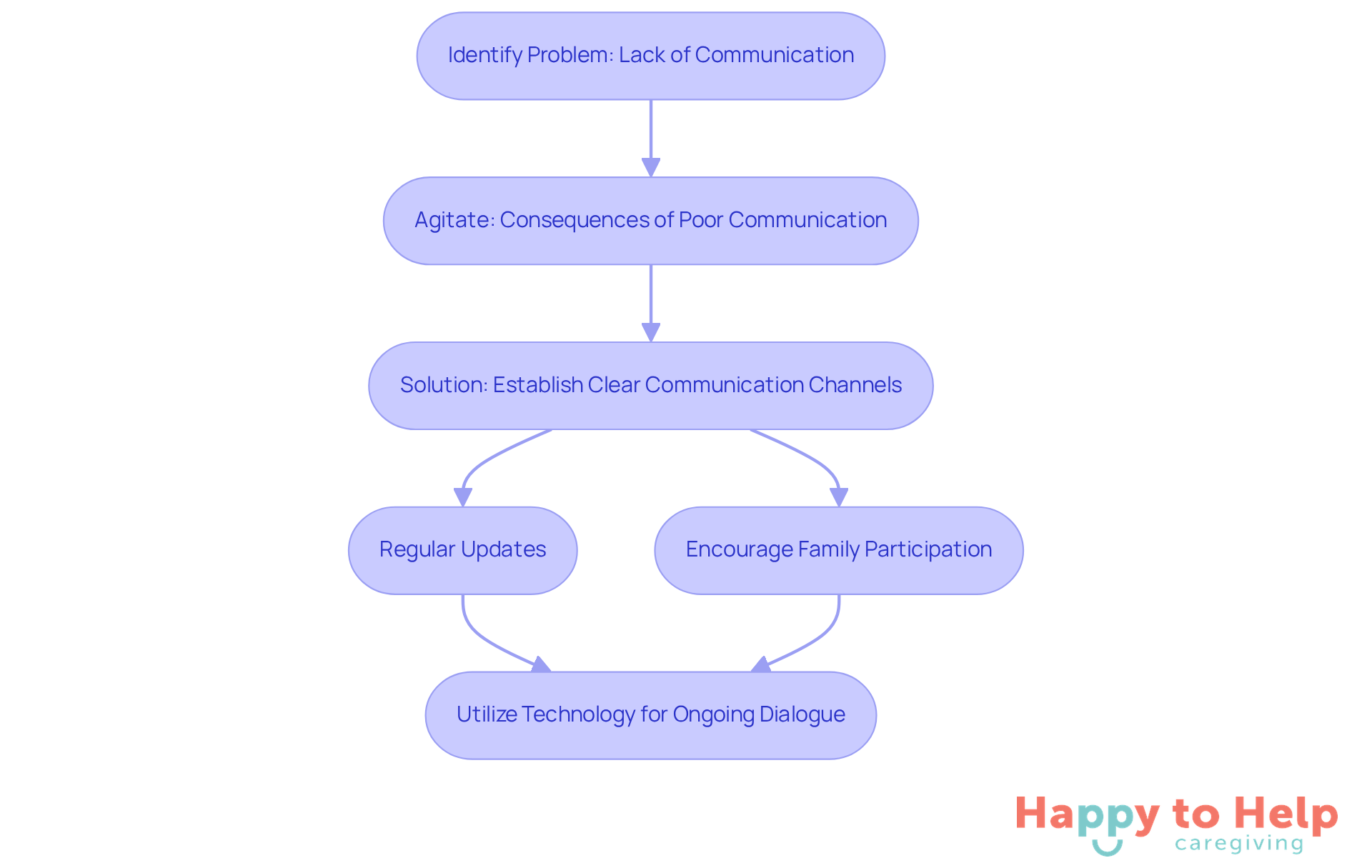
Problem: Effective communication between caregivers and family members is often lacking, which can lead to misunderstandings and inadequate support for seniors.
Agitate: When families are not kept informed about a senior's condition, support needs, or changes in behavior, it can create anxiety and frustration. This disconnect can hinder the quality of care and the overall well-being of the senior.
Solution: To enhance the caregiving experience, it is essential to establish clear communication channels. Regular updates about the senior's condition should be shared promptly. Families should be encouraged to participate in planning meetings, allowing them to express their concerns and preferences.
Utilizing technology, such as shared online notes or communication apps, can facilitate ongoing dialogue and ensure everyone stays informed. For instance, Happy to Help Caregiving employs digital tools to keep families updated on their loved ones' care, fostering transparency and trust.
By actively involving families in the caregiving process, caregivers can create a more cohesive support system that ultimately benefits the senior.
Key Takeaways for Caregivers
Aging in place presents a significant challenge for seniors who wish to maintain their independence and quality of life at home. This desire often leads to emotional and physical needs that must be addressed by caregivers. Without proper support, seniors may face feelings of isolation and insecurity, which can negatively impact their overall well-being.
To effectively tackle these challenges, caregivers can implement several best practices:
- Evaluating home safety and accessibility is crucial. This includes removing hazards and ensuring that essential services are available.
- Prioritizing emotional support and companionship can significantly enhance a senior's quality of life.
- Caregivers should focus on improving communication between themselves and the families of seniors, fostering a collaborative approach to care.
These practices are not just about providing care; they are essential for preserving the dignity and autonomy of older adults. By actively engaging with seniors and their families, caregivers can create a robust support system that promotes mental health and reduces feelings of loneliness. Embracing these strategies not only enhances the quality of life for seniors but also underscores the importance of community and connection as they navigate the journey of aging gracefully at home.
https://iframe.tely.ai/cta/eyJhcnRpY2xlX2lkIjogIjY5MjRmMWQ5ZWM0Y2FiOGU3NGVjMDBjZiIsICJjb21wYW55X2lkIjogIjY4ZWU1ZGNhNzMxNzYyNTU3ZjNjOTVjMSIsICJpbmRleCI6IG51bGwsICJ0eXBlIjogImFydGljbGUifQ==Frequently Asked Questions
What is aging in place?
Aging in place refers to the ability of older adults to live securely and independently in their own homes as they age, despite facing various challenges that can threaten their autonomy and well-being.
Why is aging in place important?
Aging in place is important because it is associated with better mental health outcomes for older adults, including lower rates of depression and anxiety. It also enhances their quality of life and satisfaction, as many prefer to stay in their homes as they age.
What percentage of individuals aged 50 and above prefer to age in place?
According to a recent AARP survey, 75% of individuals aged 50 and above prefer to stay in their homes as they age.
What challenges do older adults face when aging in place?
Older adults may face difficulties that threaten their autonomy and well-being, which can lead to feelings of isolation and a decline in mental health.
What steps can families and caregivers take to support aging in place?
Families and caregivers can evaluate the home environment for safety and accessibility, make modifications to enhance mobility and independence, and utilize financial resources such as state Medicaid programs and tax incentives to offset costs.
What types of home modifications can help older adults age in place?
Home modifications that can help include installing grab bars, improving lighting, and making other changes that enhance mobility and independence.
How does supporting aging in place benefit seniors?
Supporting aging in place helps maintain seniors' routines and social connections, empowering them to retain control over their lives and significantly contributing to their overall well-being and care.
List of Sources
- Understand Aging in Place and Its Importance
- Home sweet home: A majority of Americans want to age in place (https://empower.com/the-currency/life/home-sweet-home-americans-age-place-news)
- Seniors see aging in place as greatest health risk in 2025: survey (https://housingwire.com/articles/seniors-see-aging-in-place-as-greatest-health-risk-in-2025-survey)
- Aging in Place: Growing Older at Home (https://nia.nih.gov/health/aging-place/aging-place-growing-older-home)
- New Study Explores the Need for Expanded Long-Term Care Services to Support Aging-in-Place | Johns Hopkins Bloomberg School of Public Health (https://publichealth.jhu.edu/2025/new-study-explores-the-need-for-expanded-long-term-care-services-to-support-aging-in-place)
- Families caring for older adults at home say aging in place should not be taken lightly, but may be worth it (https://cbsnews.com/newyork/news/aging-in-place-home-remodeling-cost-of-caregiving)
- Explore Essential In-Home Care Services for Seniors
- In-Home Care for Seniors - Caregiving News and Tips (https://aarp.org/caregiving/home-care)
- What’s Next For Home Health As The Industry Faces Its Biggest Test Yet (https://homehealthcarenews.com/2025/10/whats-next-for-home-health-as-the-industry-faces-its-biggest-test-yet)
- State of home care in 2025 (https://mcknightshomecare.com/state-of-home-care-in-2025)
- Home Care News | Senior Care News | Right at Home (https://rightathome.net/news)
- New Proposal Aims to Help Older Adults, People with Disabilities, and their Families Access Home Care - Justice in Aging (https://justiceinaging.org/new-proposal-aims-to-help-older-adults-people-with-disabilities-and-their-families-access-home-care)
- Prioritize Emotional Support and Companionship in Caregiving
- The Emotional Benefits of Companion Care for Seniors (https://comfortkeepers.com/offices/texas/round-rock/resources/news/the-emotional-benefits-of-companion-care-for-seniors)
- Why Home Care Providers Are Increasingly Offering Companion Care Services for Seniors | Aaniie, formerly Smartcare Software (https://aaniie.com/news/why-home-care-providers-are-increasingly-offering-companion-care-services-for-seniors)
- Home Care Agency in Plantation, FL Near You | Skilled Nursing and Senior Home Care Services Serving Broward and Palm Beach Counties | Home Health Aide | Free Consult | 24-7 | Trust USA Home Health (https://trustusahomehealth.com/?p=2378)
- A Better Solution Home Care (https://abs.care/How-Companionship-Care-Improves-Mental-Health-in-Older-Adults)
- How Companionship in Home Care Boosts Seniors' Mental Health - Care With Love (https://carewithlove.com/how-companionship-in-home-care-boosts-seniors-mental-health)
- Enhance Communication and Collaboration with Families
- How Technology Improves Communication Between Families And Care Staff (https://thehighpointresidence.com/blog/how-technology-improves-communication-between-families-and-care-staff)
- Building a lifeline for family caregivers across the US (https://news.mit.edu/2025/ianacare-builds-lifeline-for-family-caregivers-across-us-0811)
- Developing Effective Communication Strategies for Behavioral Health Teams in Elder Care - Supportive Care (https://thesupportivecare.com/blog/developing-effective-communication-strategies-for-behavioral-health-teams-in-elder-care)
- New report gives healthcare providers fresh guidance on communicating with older adults (https://mcknights.com/news/new-report-gives-healthcare-providers-fresh-guidance-on-communicating-with-older-adults)