4 Best Practices for Effective Dementia Care for Seniors
For families in our service areas
For families in our service areas, this guide explains dementia care and how non-medical in-home caregiving can support care planning in East Idaho, Treasure Valley & Magic Valley, Northern Wasatch, North Central West Virginia, and Northeast Ohio.
Understanding Practices for Effective Dementia Care
Understanding dementia is crucial in an aging society, where millions face various forms of cognitive decline. Caregivers play a pivotal role in enhancing the quality of life for seniors with dementia. However, they often encounter unique challenges that complicate their ability to provide effective support.
These challenges can lead to feelings of frustration and helplessness among caregivers, impacting both their well-being and the quality of care provided. What can be done to empower caregivers in this complex landscape?
This article explores essential strategies for effective dementia care, offering insights that can transform the caregiving experience. By implementing these actionable solutions, caregivers can navigate the difficulties of dementia care with confidence and compassion.
Understand Dementia: Key Concepts and Implications
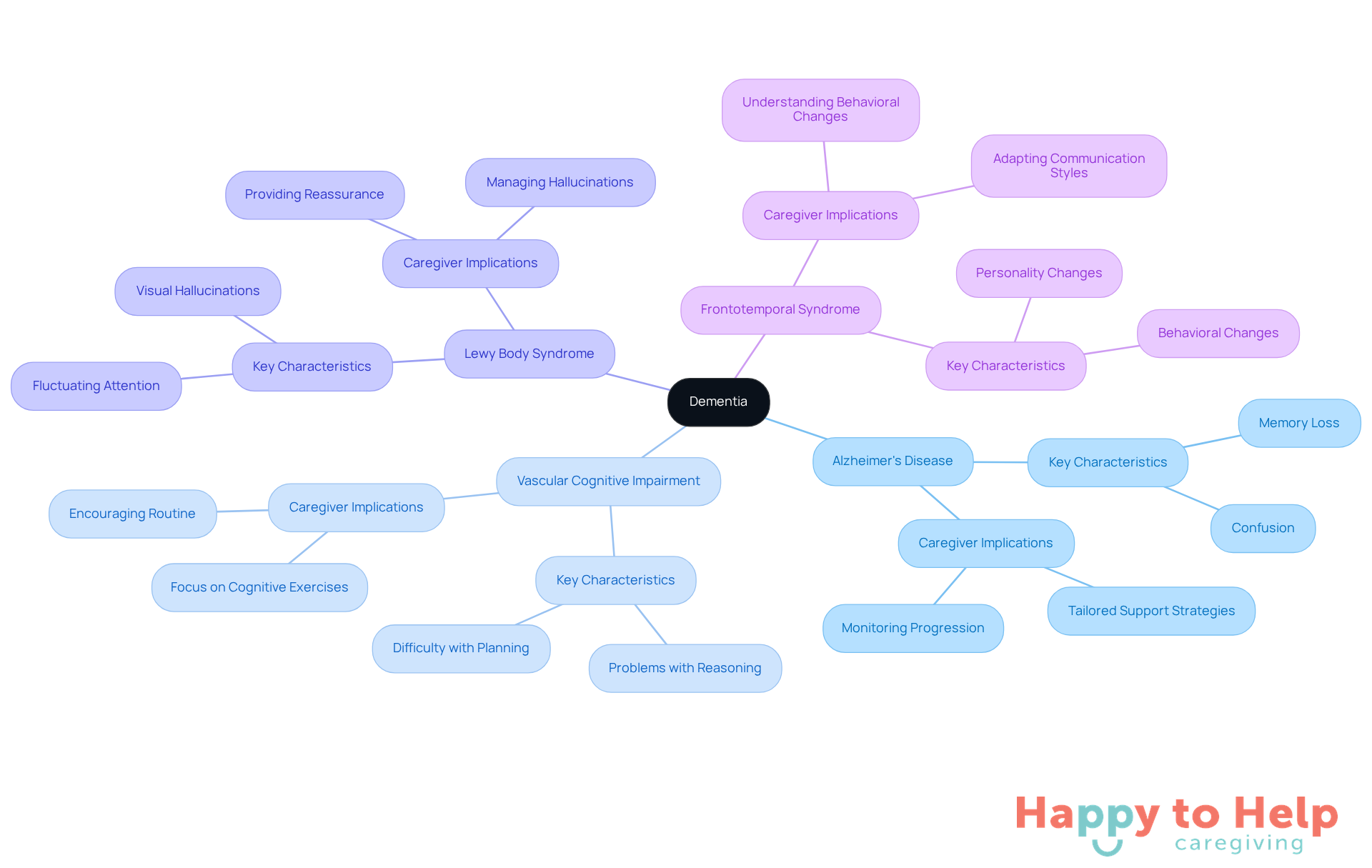
Dementia encompasses various brain disorders that significantly impair memory, thinking, and social abilities, ultimately disrupting daily life. The most common type is Alzheimer's disease, but other forms include:
- Vascular cognitive impairment
- Lewy body syndrome
- Frontotemporal syndrome
Understanding the specific type of cognitive decline an individual faces is crucial for caregivers to provide effective dementia care for seniors, as it allows them to tailor their support. For instance, those with Alzheimer's may experience memory loss and confusion, while individuals with frontotemporal conditions might show changes in personality and behavior. Recognizing these distinctions is vital for providing appropriate dementia care for seniors and enhancing the quality of life for those affected.
The gradual progression of cognitive decline is another critical factor for caregivers to consider in providing dementia care for seniors. Symptoms can worsen over time, which means caregivers need to prepare for future challenges and adapt their support strategies accordingly. Alarmingly, research indicates that someone is diagnosed with cognitive decline every three seconds worldwide, highlighting the urgent need for effective support. The World Alzheimer Report further emphasizes that early diagnosis and intervention are essential for closing the treatment gap in dementia care for seniors. By fostering a deeper understanding of the various types of cognitive impairment and their implications, caregivers can enhance their effectiveness and provide compassionate, tailored support.
Implement Effective Communication Techniques
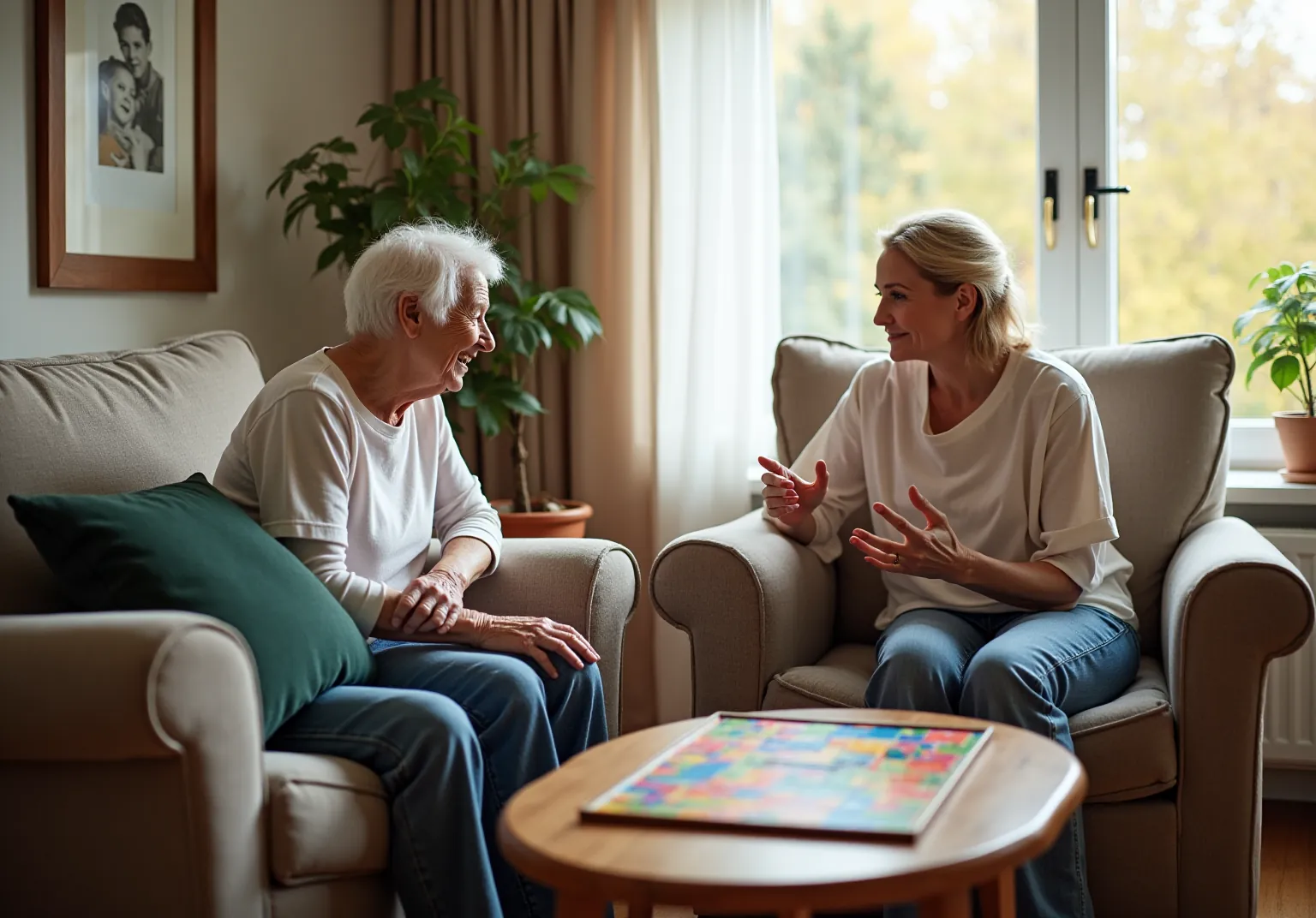
Successful communication with individuals experiencing memory loss presents a significant challenge for caregivers. With nearly 17% of the U.S. population now consisting of older adults, the need for effective communication strategies in dementia care for seniors is more critical than ever. Caregivers often face frustration and misunderstandings when interacting with those who have memory loss, which can lead to feelings of isolation for both parties.
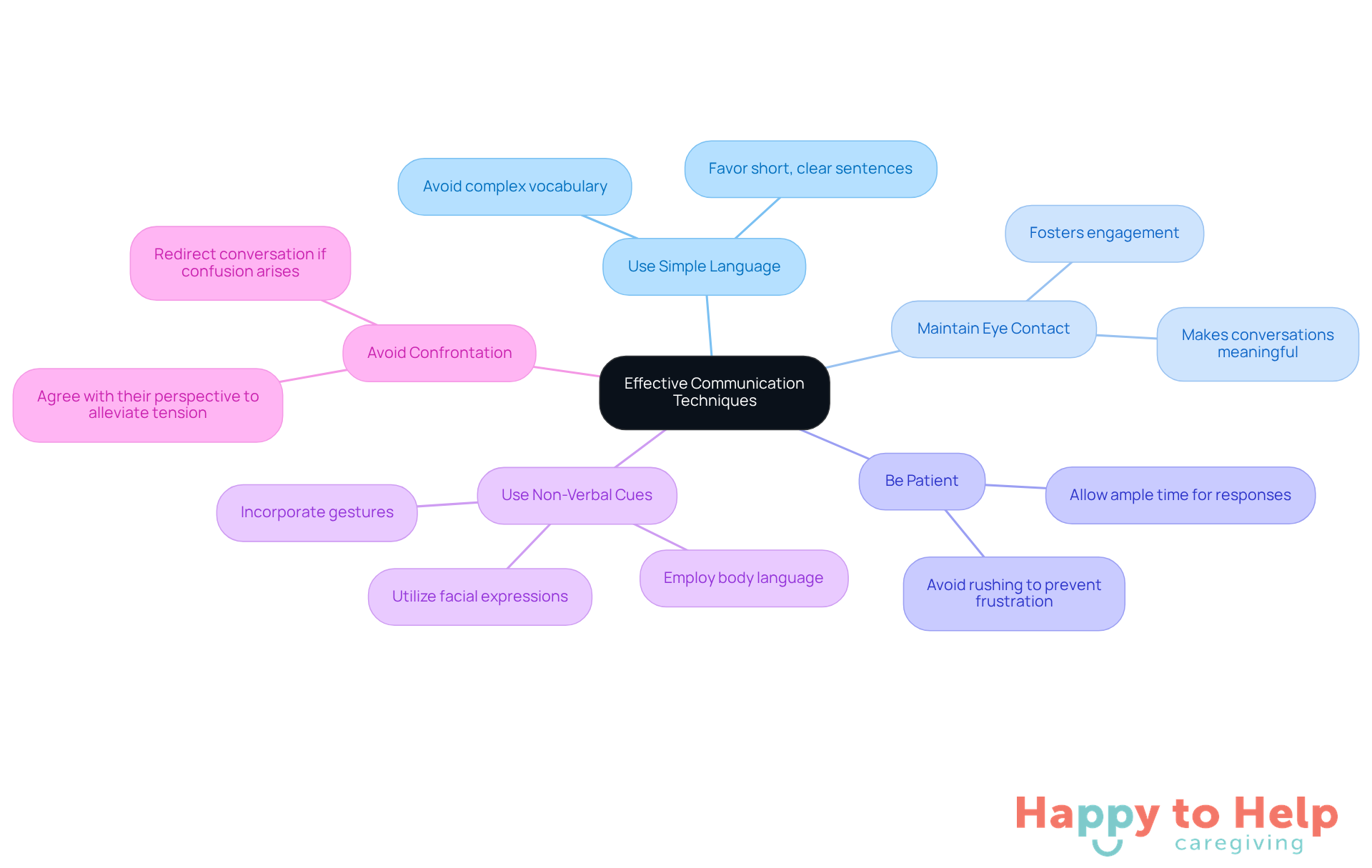
To address these challenges, here are key techniques that can enhance interactions:
- Use Simple Language: Favor short, clear sentences and avoid complex vocabulary. This approach aids comprehension and reduces confusion.
- Maintain Eye Contact: Establishing eye contact fosters engagement and connection, making conversations more meaningful.
- Be Patient: Allow ample time for responses. Rushing can lead to frustration and misunderstandings, so patience is crucial.
- Use Non-Verbal Cues: Incorporate gestures, facial expressions, and body language to reinforce your message and convey emotions effectively.
- Avoid Confrontation: If confusion or agitation arises, redirect the conversation instead of arguing or correcting. Agreeing with their perspective can help alleviate tension.
As the Gerontological Society of America states, "Effective communication improves understanding, adherence to treatment, and overall patient satisfaction." By applying these techniques in dementia care for seniors, caregivers can significantly improve the quality of their interactions, ensuring that the dignity and autonomy of persons with dementia are honored and preserved. Furthermore, customizing communication strategies to meet the distinct requirements of each individual can lead to even more effective interactions.
Create a Supportive and Safe Living Environment
Creating a dementia-friendly environment presents a significant challenge for caregivers. The complexities of dementia can lead to confusion and disorientation, making it essential to modify living spaces to enhance safety and comfort.
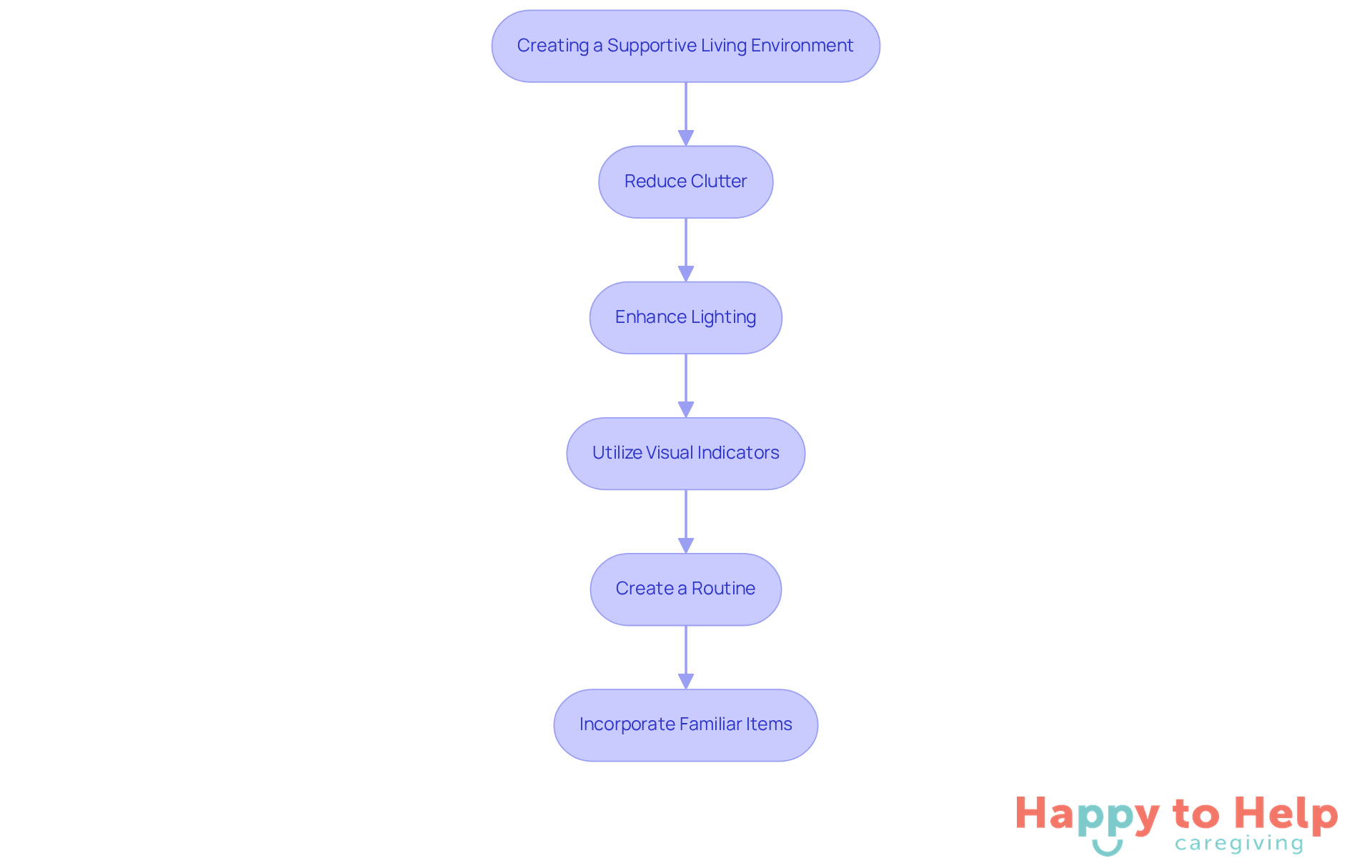
To address this issue, consider these key modifications:
- Reduce Clutter: A tidy space minimizes distractions and confusion. Keep pathways clear and remove unnecessary items that could pose tripping hazards.
- Enhance Lighting: Good lighting is crucial. Use bright, even lighting to assist people in navigating their surroundings safely and comfortably.
- Utilize Visual Indicators: Designate rooms and significant areas (such as the restroom and kitchen) with distinct signs or images to assist people in navigating.
- Create a Routine: Establishing a daily routine can provide structure and predictability, which is comforting for people with dementia.
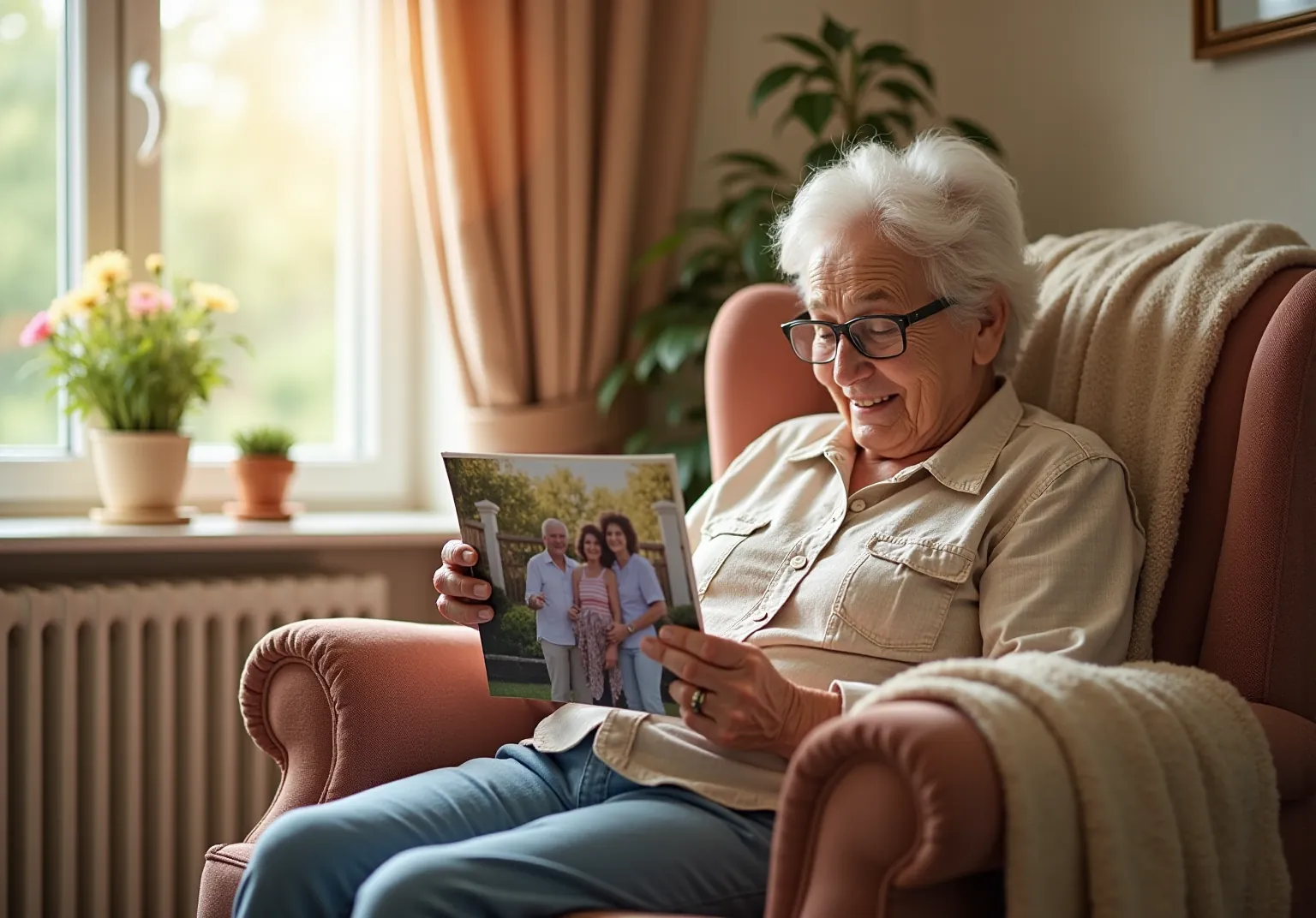
- Incorporate Familiar Items: Surrounding people with familiar objects can evoke positive memories and provide comfort. This can include family photos, favorite blankets, or cherished items from their past.
These modifications not only enhance safety but also promote independence and a sense of belonging.
Develop Personalized Care Plans for Individual Needs
Developing a personalized care plan for dementia care for seniors presents a significant challenge. Caregivers often struggle to create a plan for dementia care for seniors that truly meets the unique needs of each individual, which can lead to ineffective care and diminished quality of life.
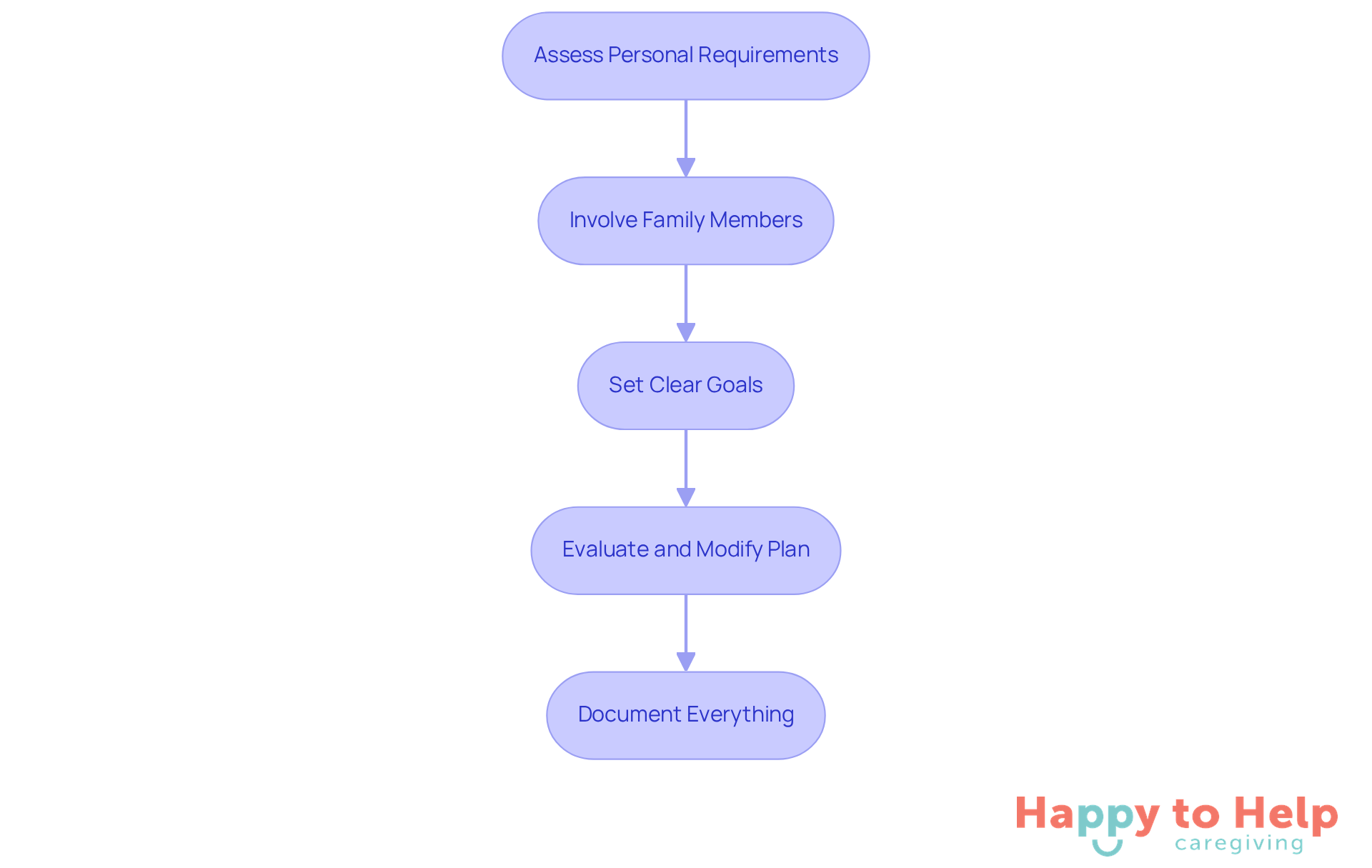
To address this issue, it’s essential to evaluate personal requirements. Conduct a thorough assessment of the person's medical history, preferences, and daily routines. This information is crucial for creating a tailored plan for dementia care for seniors that aligns with their lifestyle.
Involving family members in the planning process can also provide valuable support. Their insights can help ensure that the plan reflects the individual’s preferences and needs, making it more effective.
Next, set clear, achievable goals for assistance. Focus on improving the person's quality of life, encouraging independence, and addressing specific challenges they face. This targeted approach can lead to more meaningful outcomes.
Consistently evaluate and modify the care plan as dementia is a progressive condition. Regular assessments ensure that the plan remains relevant and effective, adapting to the individual's changing needs.
Finally, record everything. Maintain thorough documentation of the treatment plan, including any modifications and the person's reactions to various approaches. This documentation can guide future treatment decisions and enhance the overall care process.
By focusing on dementia care for seniors, caregivers can significantly improve the well-being and dignity of individuals living with dementia.
Your Path Forward
Understanding the complexities of dementia care for seniors presents a significant challenge for caregivers. As the prevalence of dementia rises, the implications for both caregivers and those they support become increasingly profound. Without proper knowledge and strategies, caregivers may struggle to provide the necessary support, leading to diminished quality of life for seniors.
To address these challenges, caregivers can implement four best practices that are crucial for effective dementia care:
- Understand the nuances of different dementia types: Each type of dementia presents unique challenges that require tailored approaches.
- Implement effective communication techniques: Clear and compassionate communication can significantly enhance interactions and understanding.
- Create a supportive and safe living environment: A safe space fosters comfort and security for individuals facing cognitive decline.
- Develop personalized care plans: Tailoring care to the evolving needs of each individual ensures that they feel valued and understood.
By prioritizing these best practices, caregivers can foster a nurturing environment that not only improves the lives of those they support but also contributes to a more compassionate society. As caregivers equip themselves with the necessary knowledge and skills, they play a vital role in enhancing the dignity and autonomy of all individuals living with dementia.
https://iframe.tely.ai/cta/eyJhcnRpY2xlX2lkIjogIjY5MjBmZDY1Y2E3OGI5ZDliYTJkYTRmMyIsICJjb21wYW55X2lkIjogIjY4ZWU1ZGNhNzMxNzYyNTU3ZjNjOTVjMSIsICJpbmRleCI6IG51bGwsICJ0eXBlIjogImFydGljbGUifQ==Frequently Asked Questions
What is dementia?
Dementia encompasses various brain disorders that significantly impair memory, thinking, and social abilities, ultimately disrupting daily life.
What are the common types of dementia?
The most common type of dementia is Alzheimer's disease. Other forms include vascular cognitive impairment, Lewy body syndrome, and frontotemporal syndrome.
Why is it important for caregivers to understand the specific type of cognitive decline?
Understanding the specific type of cognitive decline is crucial for caregivers as it allows them to tailor their support effectively, enhancing the quality of life for those affected.
What symptoms might individuals with Alzheimer's disease experience?
Individuals with Alzheimer's disease may experience memory loss and confusion.
What changes might occur in individuals with frontotemporal syndrome?
Individuals with frontotemporal syndrome might show changes in personality and behavior.
How does the progression of cognitive decline affect caregiving?
The gradual progression of cognitive decline means that caregivers need to prepare for worsening symptoms over time and adapt their support strategies accordingly.
How frequently is someone diagnosed with cognitive decline worldwide?
Research indicates that someone is diagnosed with cognitive decline every three seconds worldwide.
What does the World Alzheimer Report highlight about dementia care?
The World Alzheimer Report emphasizes that early diagnosis and intervention are essential for closing the treatment gap in dementia care for seniors.
How can caregivers enhance their effectiveness in dementia care?
By fostering a deeper understanding of the various types of cognitive impairment and their implications, caregivers can provide compassionate, tailored support.
List of Sources
- Understand Dementia: Key Concepts and Implications
- Breaking News Dispatch: New Discoveries in Alzheimer’s Prevention, Diagnosis, and Treatment (https://brightfocus.org/news/breaking-news-dispatch-new-discoveries-in-alzheimers-prevention-diagnosis-and-treatment)
- D-CARE study finds caregiver satisfaction higher with dementia care programs than usual care (https://uclahealth.org/news/release/d-care-study-finds-caregiver-satisfaction-higher-with)
- New study compares dementia care approaches and the impact on caregivers (https://news-medical.net/news/20250129/New-study-compares-dementia-care-approaches-and-the-impact-on-caregivers.aspx)
- Dementia research news (https://alzheimers.org.uk/research/our-research/dementia-research-news)
- ADI - Dementia statistics (https://alzint.org/about/dementia-facts-figures/dementia-statistics)
- Implement Effective Communication Techniques
- Improv training: A new approach to dementia care | Emory University | Atlanta GA (https://news.emory.edu/stories/2025/01/hs\_improving\_dementia\_care\_through\_improv\_15-01-2025/story.html)
- Do's and Don'ts of Communication and Dementia - Alzheimer's San Diego (https://alzsd.org/dos-and-donts-of-compassionate-communication-dementia)
- Study offers guidance for communicating with loved ones living with dementia (https://news-medical.net/news/20250827/Study-offers-guidance-for-communicating-with-loved-ones-living-with-dementia.aspx)
- Do communication interventions affect the quality-of-life of people with dementia and their families? A systematic review (https://tandfonline.com/doi/full/10.1080/13607863.2023.2202635)
- Clearer Conversations, Better Care: New Guide Highlights Best Practices for Communicating with Older Adults (https://geron.org/News-Events/GSA-News/Press-Room/Press-Releases/clearer-conversations-better-care-new-guide-highlights-best-practices-for-communicating-with-older-adults)