
The Importance of Practices for Finding Companionship
Loneliness among the elderly is a growing concern, with nearly a quarter of older Americans facing social isolation. This alarming statistic highlights the urgent need for effective companionship solutions that address both emotional and physical needs. Families must explore best practices for finding companionship to enhance their loved ones' quality of life and reduce the risks associated with isolation.
However, caregivers often struggle to choose the right services that truly meet these unique needs. To tackle this issue, it's essential to understand the implications of social isolation and how it affects the elderly. By recognizing these challenges, caregivers can take proactive steps to ensure their loved ones receive the support they need.
Here are some actionable solutions:
- Assess individual needs: Understand the specific emotional and physical requirements of your loved one.
- Research available services: Look for companionship programs that offer tailored support.
- Engage with professionals: Consult with experts in elder care to find the best options.
By implementing these strategies, caregivers can significantly improve the well-being of elderly individuals, fostering connections that combat loneliness.
Assess Individual Needs for Companionship
Before pursuing companionship near me, it's essential to evaluate the specific needs of the individual requiring care. This means understanding their emotional, social, and physical requirements.
Problem: Many elderly individuals face loneliness and social isolation, which can significantly impact their health and well-being. Approximately 24% of community-dwelling Americans aged 65 and older are considered socially isolated, highlighting the urgency of addressing this issue.
Agitate: Signs of loneliness or depression can manifest in various ways, such as withdrawal from social activities or a decline in mood. These changes can lead to serious health consequences, making companionship near me even more important to mitigate the increased risk of premature mortality.
Solution: To combat these challenges, consider the following steps:
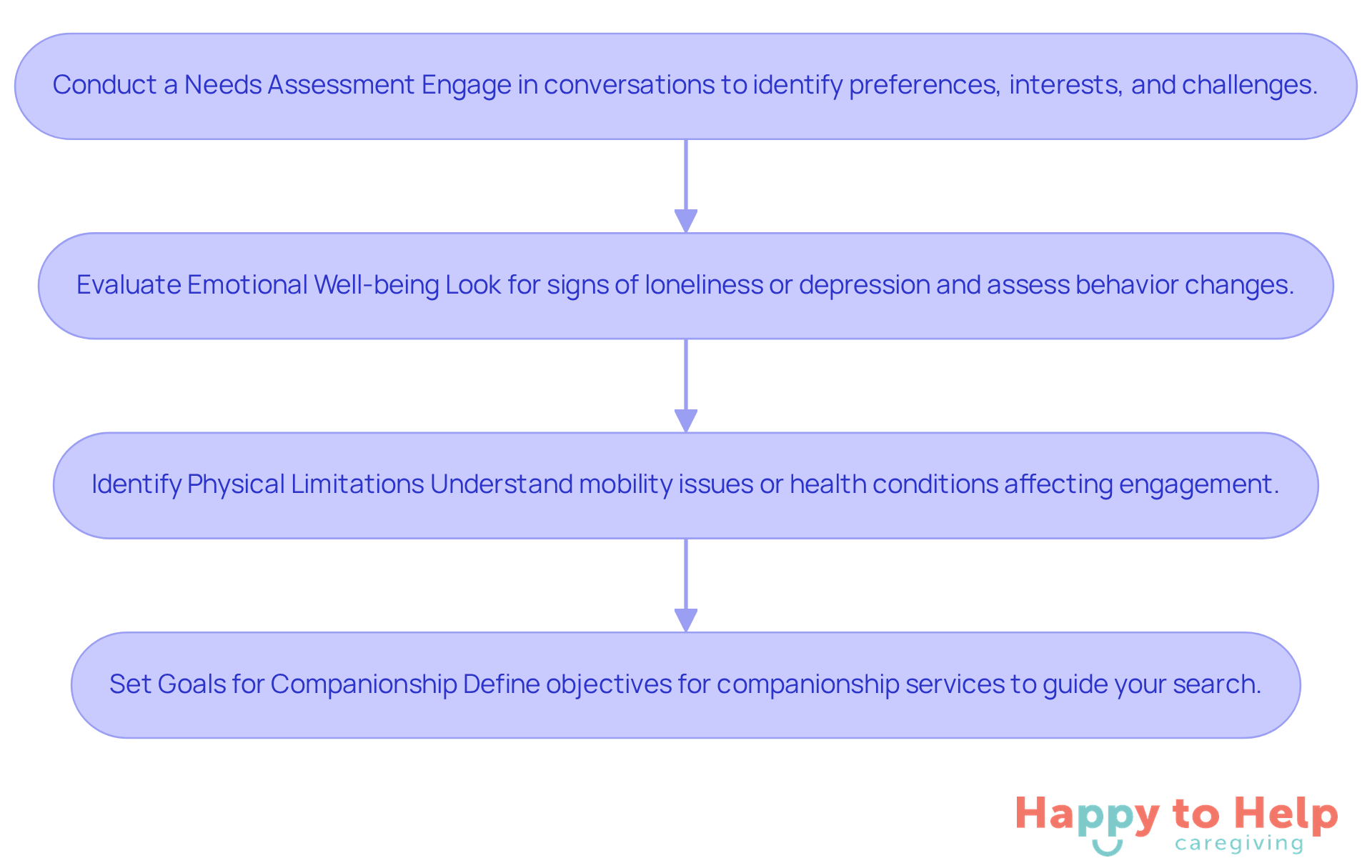
- Conduct a Needs Assessment: Engage in conversations with your loved one to identify their preferences, interests, and any specific challenges they face. This can include their desire for social interaction, hobbies, or assistance with daily activities.
- Evaluate Emotional Well-being: Look for signs of loneliness or depression. Assess changes in behavior that may indicate a need for companionship.
- Identify Physical Limitations: Understand any mobility issues or health conditions that may affect their ability to engage in activities. This will help in choosing an individual who can offer suitable support.
- Set Goals for Companionship: Define what you hope to achieve through companionship services, whether it’s reducing loneliness, engaging in activities, or providing assistance with daily tasks. This clarity will guide your search for companionship near me as the appropriate provider.
As Rosalynn Carter once stated, "There are only four types of individuals in the world: those who have been caregivers, those who are caregivers, those who will be caregivers, and those who will require caregivers." By following these steps, families can ensure that their loved ones receive the personalized companionship they need to enhance their emotional well-being and overall quality of life. Understanding the distinction between social isolation and loneliness is crucial, as both can significantly impact health outcomes.
Research and Evaluate Caregiving Services
Finding the right caregiving services can be a daunting task for families. With so many options available, it’s crucial to ensure that the chosen service meets the specific needs of your loved one. Here are some best practices to guide you through this process:
-
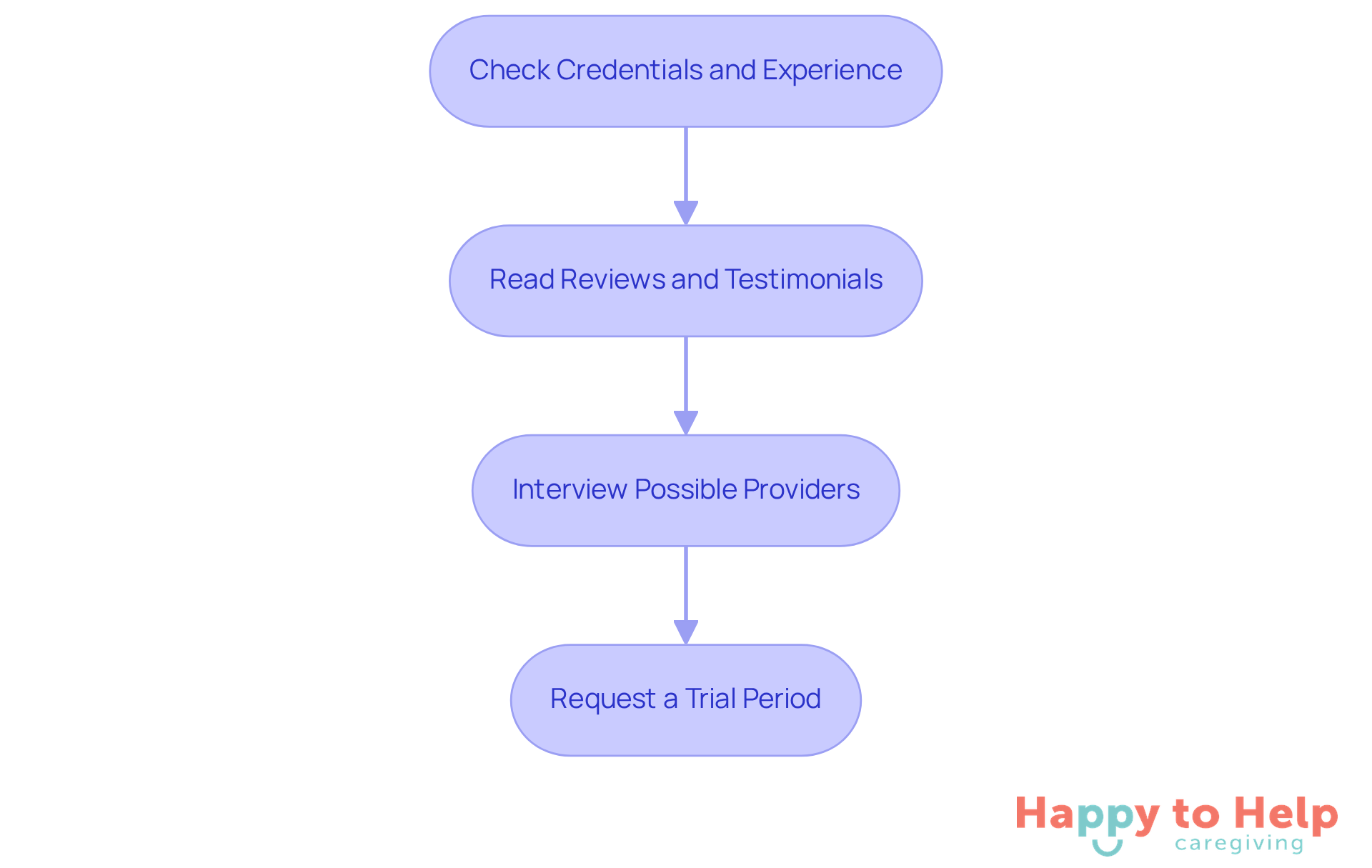
Check Credentials and Experience: Look for agencies that are licensed and insured. Verify the qualifications and training of those providing care, ensuring they have experience in offering companionship near me.
-
Read Reviews and Testimonials: Explore online reviews and testimonials from other families. This can provide insights into the quality of care and the experiences of previous clients.
-
Interview Possible Providers: Conduct interviews with potential providers to evaluate their suitability for your family member. Inquire about their approach to companionship near me, their experience with similar clients, and how they handle various situations.
-
Request a Trial Period: If feasible, organize a trial phase to observe how the attendant engages with your family member. This can help determine if they are a good fit before making a long-term commitment.
Foster Open Communication with Caregivers
Effective communication is the cornerstone of a successful caregiving relationship. However, many caregivers struggle with maintaining open lines of communication, which can lead to misunderstandings and inadequate care. To address this issue, consider the following actionable solutions:
-
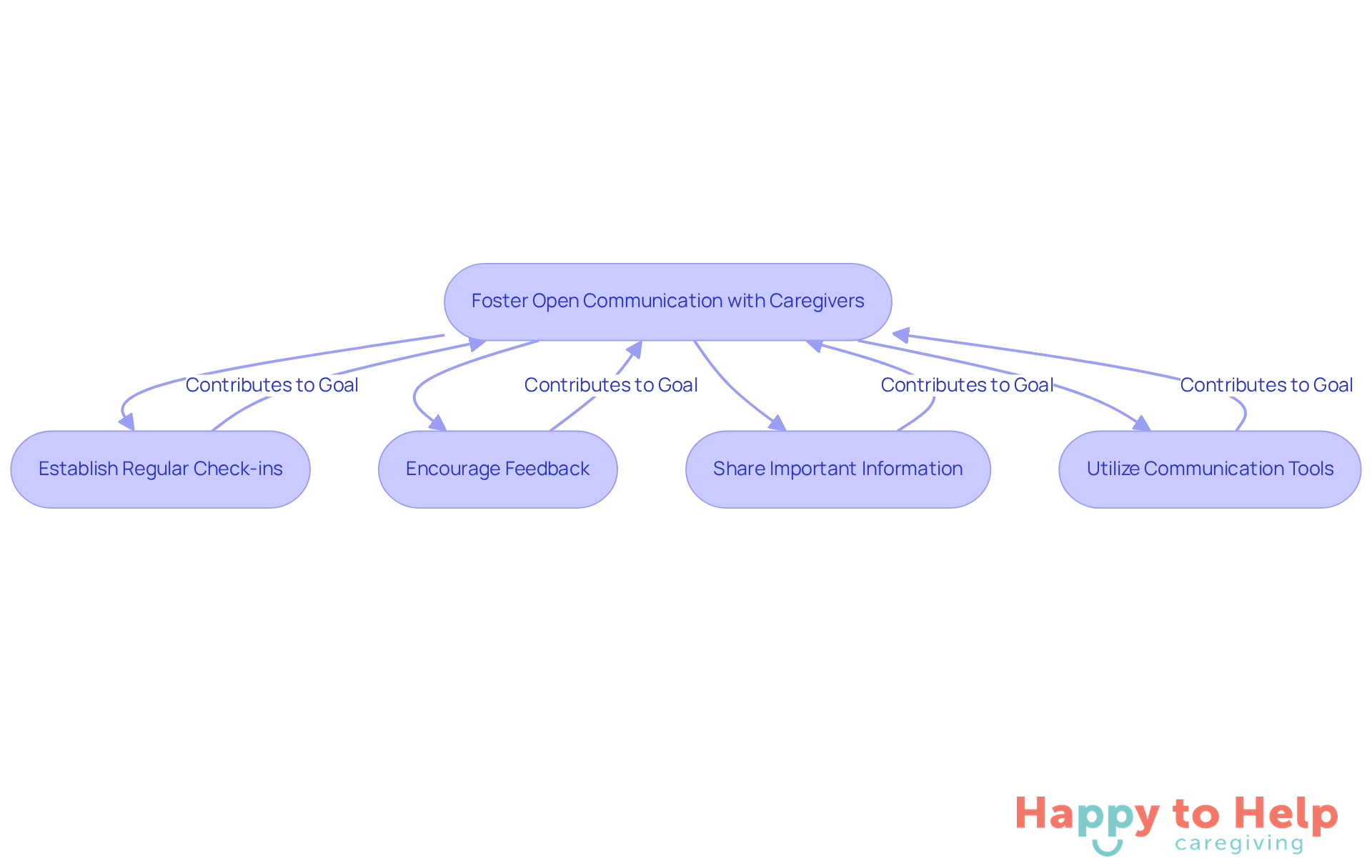
Establish Regular Check-ins: Arrange consistent meetings with those providing care to discuss your family member's progress, any concerns, and necessary modifications to the care plan.
-
Encourage Feedback: Create an environment where caregivers feel comfortable sharing insights about your loved one's behavior and needs. This two-way communication enhances the quality of care.
-
Share Important Information: Ensure caregivers are informed about your loved one's medical history, preferences, and any changes in their condition. This information is vital for personalized care.
-
Utilize Communication Tools: Consider using technology, such as support apps or shared online notes, to facilitate communication between family members and caregivers, ensuring everyone is aligned.
Utilize Technology to Enhance Caregiving
Incorporating technology into caregiving presents a significant challenge for many caregivers. The demands of managing schedules, medication, and communication can be overwhelming, often leading to stress and potential lapses in care. However, leveraging technology can enhance the quality of care and communication, making the caregiving process more manageable.
Here are some effective ways to utilize technology:
-
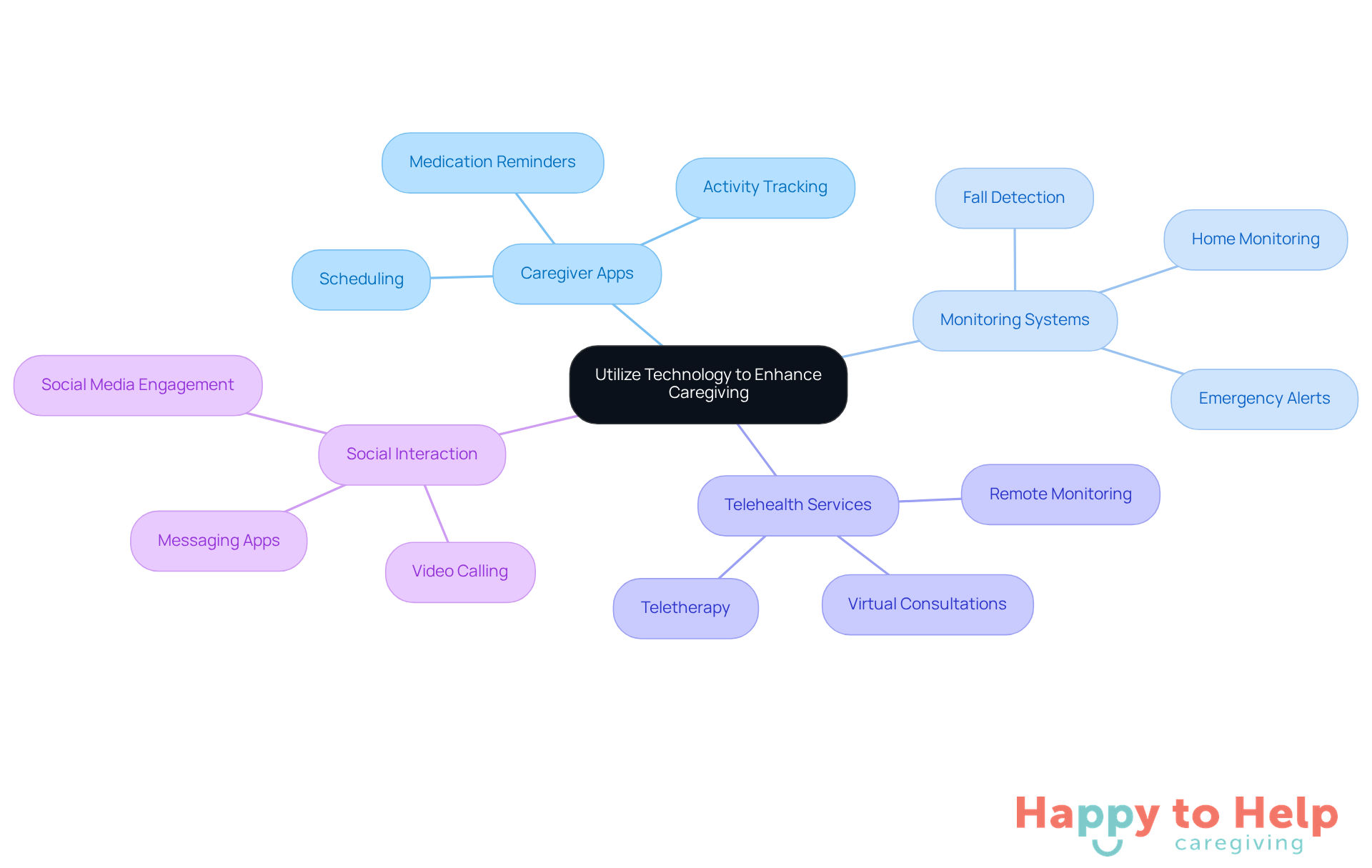
Use Caregiver Apps: Explore apps designed specifically for caregivers. These tools can assist with scheduling, medication reminders, and tracking daily activities, streamlining communication and organization.
-
Implement Monitoring Systems: Consider home monitoring systems that alert family members to unusual activity or emergencies. This not only provides peace of mind but also allows seniors to maintain their independence.
-
Leverage Telehealth Services: Utilize telehealth options for medical consultations. This reduces the need for travel and ensures that your loved one receives timely medical advice.
-
Encourage Social Interaction: Use video calling platforms to facilitate virtual visits that foster companionship with family and friends. This helps combat loneliness and maintain vital social connections.
By integrating these technological solutions, caregivers can alleviate some of the burdens they face, ultimately enhancing the care provided to their loved ones.
Moving Forward with Practices for Finding Companionship
Finding companionship for loved ones is a critical endeavor that requires careful consideration and planning. The problem of loneliness and social isolation can significantly impact the emotional and physical well-being of those in need. Without meaningful companionship, individuals may experience heightened feelings of isolation, leading to a decline in their overall quality of life.
To address this issue, it’s essential to take proactive steps:
- Start by conducting a thorough needs assessment to understand the specific requirements of your loved ones.
- Evaluate the credentials of caregiving services to ensure they are qualified to provide the necessary support.
- Maintain open lines of communication with caregivers, as it fosters trust and ensures that the needs of your loved ones are met effectively.
- Utilize technology to streamline care and enhance the caregiving experience, making it easier to stay connected and informed.
Ultimately, the significance of finding appropriate companionship cannot be overstated. By implementing these best practices, families can create a nurturing environment that enhances emotional well-being and enriches the lives of their loved ones. Embracing these strategies is a meaningful way to honor the value of companionship and the profound impact it has on health and happiness.
https://iframe.tely.ai/cta/eyJhcnRpY2xlX2lkIjogIjY5M2Y1MDgxNjk1NDdlMzRlNWE0ZWU1NyIsICJjb21wYW55X2lkIjogIjY4ZWU1ZGNhNzMxNzYyNTU3ZjNjOTVjMSIsICJpbmRleCI6IG51bGwsICJ0eXBlIjogImFydGljbGUifQ==Frequently Asked Questions
Why is it important to assess individual needs for companionship?
Assessing individual needs for companionship is crucial to understand the emotional, social, and physical requirements of the person needing care, ensuring that the companionship provided is tailored to their specific situation.
What are the main issues faced by elderly individuals regarding companionship?
Many elderly individuals experience loneliness and social isolation, which can negatively affect their health and well-being. Approximately 24% of Americans aged 65 and older are considered socially isolated.
What signs indicate that an elderly person may need companionship?
Signs of loneliness or depression may include withdrawal from social activities, changes in mood, and behavioral changes, which can lead to serious health consequences.
What steps can be taken to assess the needs of an individual requiring companionship?
Steps include conducting a needs assessment through conversations to identify preferences and challenges, evaluating emotional well-being for signs of loneliness or depression, identifying physical limitations, and setting clear goals for what companionship should achieve.
How can understanding physical limitations help in finding companionship?
By understanding any mobility issues or health conditions, one can select an individual who can provide suitable support and engage in activities that the person can comfortably participate in.
What should families aim to achieve through companionship services?
Families should aim to reduce loneliness, engage in enjoyable activities, and provide assistance with daily tasks, which will help enhance the emotional well-being and overall quality of life for their loved ones.
What is the distinction between social isolation and loneliness?
Social isolation refers to a lack of social interactions, while loneliness is a feeling of sadness due to the perceived lack of companionship. Both can significantly impact health outcomes.
List of Sources
- Assess Individual Needs for Companionship
- 40 Inspirational Quotes for Caregivers - Care Options for Kids (https://careoptionsforkids.com/blog/inspirational-quotes-for-caregivers)
- Six Tips for Choosing Companion Care Services for Seniors (https://ltcnews.com/articles/six-tips-for-choosing-companion-care-services-for-seniors)
- Summary - Social Isolation and Loneliness in Older Adults - NCBI Bookshelf (https://ncbi.nlm.nih.gov/books/NBK557972)
- Caring Hearts Canada (https://caringheartscanada.ca/blog/2015/august/20-inspirational-caregiver-quotes)
- Research and Evaluate Caregiving Services
- The Importance of Proper Caregiver Background Checks - Private Eyes Background Checks (https://privateeyesbackgroundchecks.com/the-importance-of-proper-caregiver-background-checks)
- Caregiver Statistics: Health, Technology, and Caregiving Resources (https://caregiver.org/resource/caregiver-statistics-health-technology-and-caregiving-resources)
- The Importance Of Verifying Employment History For Caregivers | Edify Background Screening: Fast Compliant Background Checks (https://edifyscreening.com/industry\_list/caregivers/the-importance-of-verifying-employment-history-for-caregivers)
- The Importance of Background Checks in Homecare Hiring | Gotham Companies (https://gothamcompanies.com/2024/08/21/the-importance-of-comprehensive-background-checks-in-homecare-hiring)
- What to Look For When Hiring a Caregiver: Factors to Consider (https://h2hhc.com/blog/what-to-look-for-when-hiring-a-caregiver)
- Foster Open Communication with Caregivers
- 70+ Inspirational Caregiver Quotes (https://h2hhc.com/blog/inspirational-caregiver-quotes)
- LSPM UK Fully accredited UK Degrees and Diploma starting from Level 2, Level 3, Level 4, Level 5, Level 6, Level 7, Level 8, OfQual Accredited (https://lspm.org.uk/2022/news.aspx?id=12421401&CourseTitle=Importance+of+effective+communication+in+health+and+social+care)
- Communication Breakdowns Take Toll on Family Caregivers, Especially for Older Adults with Chronic Illness (https://ltcnews.com/articles/communication-breakdowns-toll-family-caregivers-older-adults-chronic-illness)
- The Importance of Effective Communication in Home Care (https://blog.nevvon.com/the-importance-of-effective-communication-in-home-care)
- The Importance of Effective Communication in Caregiving (https://familycaregiversonline.net/the-importance-of-effective-communication-in-caregiving)
- Utilize Technology to Enhance Caregiving
- Technology and interventions are changing care for older adults (https://fastcompany.com/91414509/technology-and-interventions-are-changing-care-for-older-adults)
- Caregiver Statistics: Health, Technology, and Caregiving Resources (https://caregiver.org/resource/caregiver-statistics-health-technology-and-caregiving-resources)
- The Role of Technology in Modern In-Home Senior Care | Home Instead South Bend, IN (https://homeinstead.com/home-care/usa/in/south-bend/343/news-and-media/role-of-technology-in-modern-in-home-senior-care)
- HHS Launches New Caregiving AI Initiative to 'Spark Innovative Support' (https://hospicenews.com/2025/11/18/hhs-launches-new-caregiving-ai-initiative-to-spark-innovative-support)
- HHS Launches $2M AI Initiative To ‘Transform’ Caregiving, Address Staffing Challenges (https://homehealthcarenews.com/2025/11/hhs-launches-2m-ai-initiative-to-transform-caregiving-address-staffing-challenges)