4 Best Practices for Hiring Sitters for Dementia Patients

For families in our service areas
For families in our service areas, this guide explains dementia care and how non-medical in-home caregiving can support care planning in East Idaho, Treasure Valley & Magic Valley, Northern Wasatch, North Central West Virginia, and Northeast Ohio.
Understanding Practices for Hiring Sitters for
Navigating the complexities of dementia care poses significant challenges for families seeking the right support for their loved ones. The increasing demand for skilled caregivers highlights the urgent need to understand the specific requirements of dementia patients. Families often find themselves overwhelmed, balancing the urgency of finding help with the critical importance of selecting the right caregiver.
To address these challenges, it’s essential to explore best practices for hiring sitters who can provide compassionate and effective care. Understanding the qualifications and strategies necessary for ensuring a safe and supportive environment is paramount. Families can benefit from actionable tips and expert insights that guide them in making informed decisions about caregiver selection.
Understand the Unique Needs of Dementia Patients
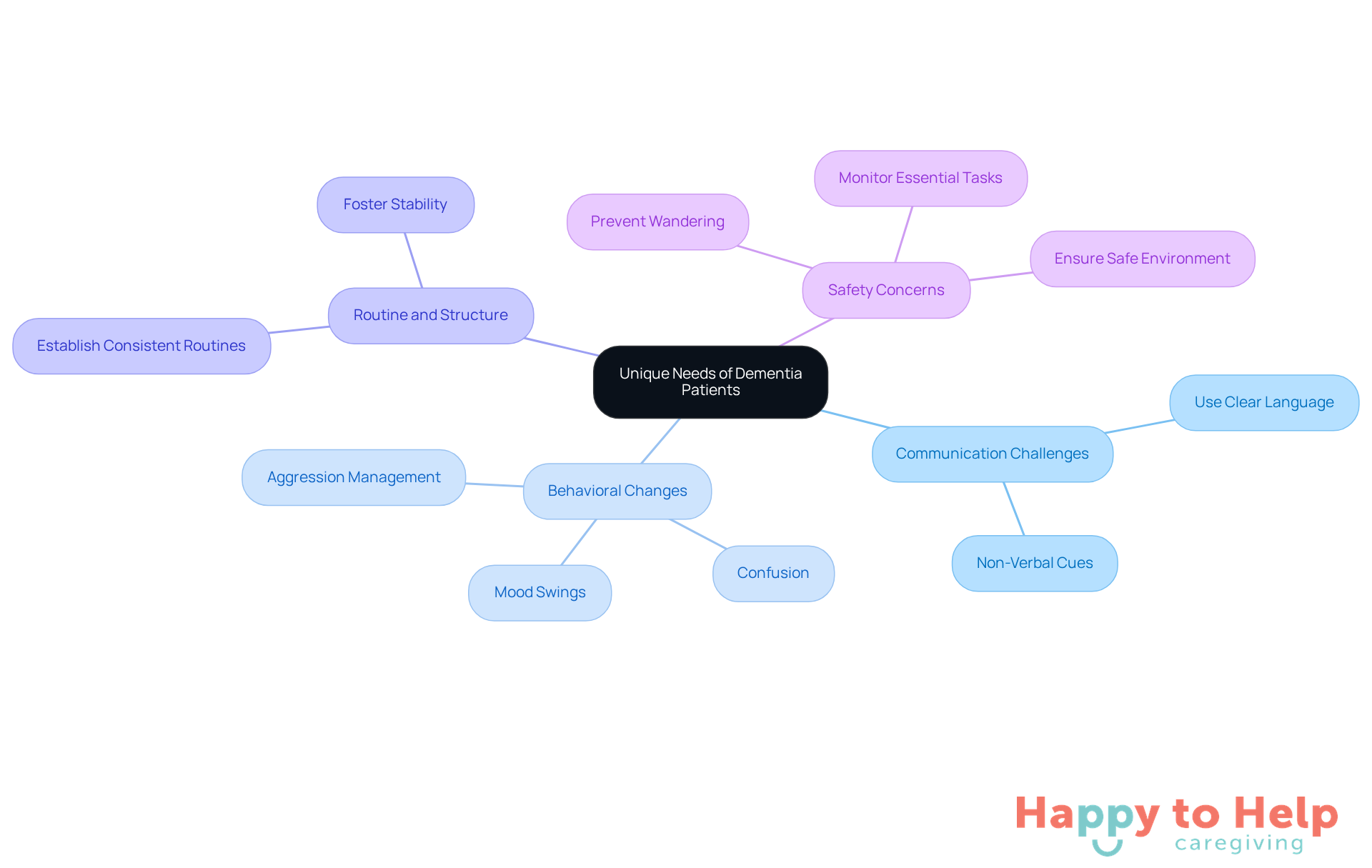
Individuals with dementia face a range of distinct needs that caregivers must understand to provide effective support. These challenges can significantly impact both the individuals and their caregivers.
-
Communication Challenges: Dementia often impairs verbal communication. Caregivers need to use clear, simple language and non-verbal cues to facilitate understanding.
-
Behavioral Changes: Patients may exhibit mood swings, confusion, or aggression. It's crucial for caregivers to manage these behaviors with patience and empathy, ensuring a supportive environment.
-
Routine and Structure: Establishing a consistent daily routine can alleviate anxiety and confusion for individuals with dementia. Caregivers should be skilled in creating and maintaining these routines to foster stability.
-
Safety Concerns: Individuals with dementia may wander or forget essential tasks. Caregivers must ensure a safe environment and closely monitor individuals to prevent accidents.
By understanding these distinct needs, families can more effectively assess potential providers' capabilities, ensuring they are equipped to deliver the necessary assistance.
Identify Key Qualifications for Caregivers
When it comes to recruiting sitters for dementia patients, the challenge is clear: finding caregivers who possess the right qualifications to provide effective care. With over 6 million people in the US living with Alzheimer's Disease and Related Dementia (ADRD), the demand for skilled support personnel is substantial. This situation underscores the importance of identifying caregivers who can meet the unique needs of these individuals.
To address this issue, families should focus on several key qualifications:
-
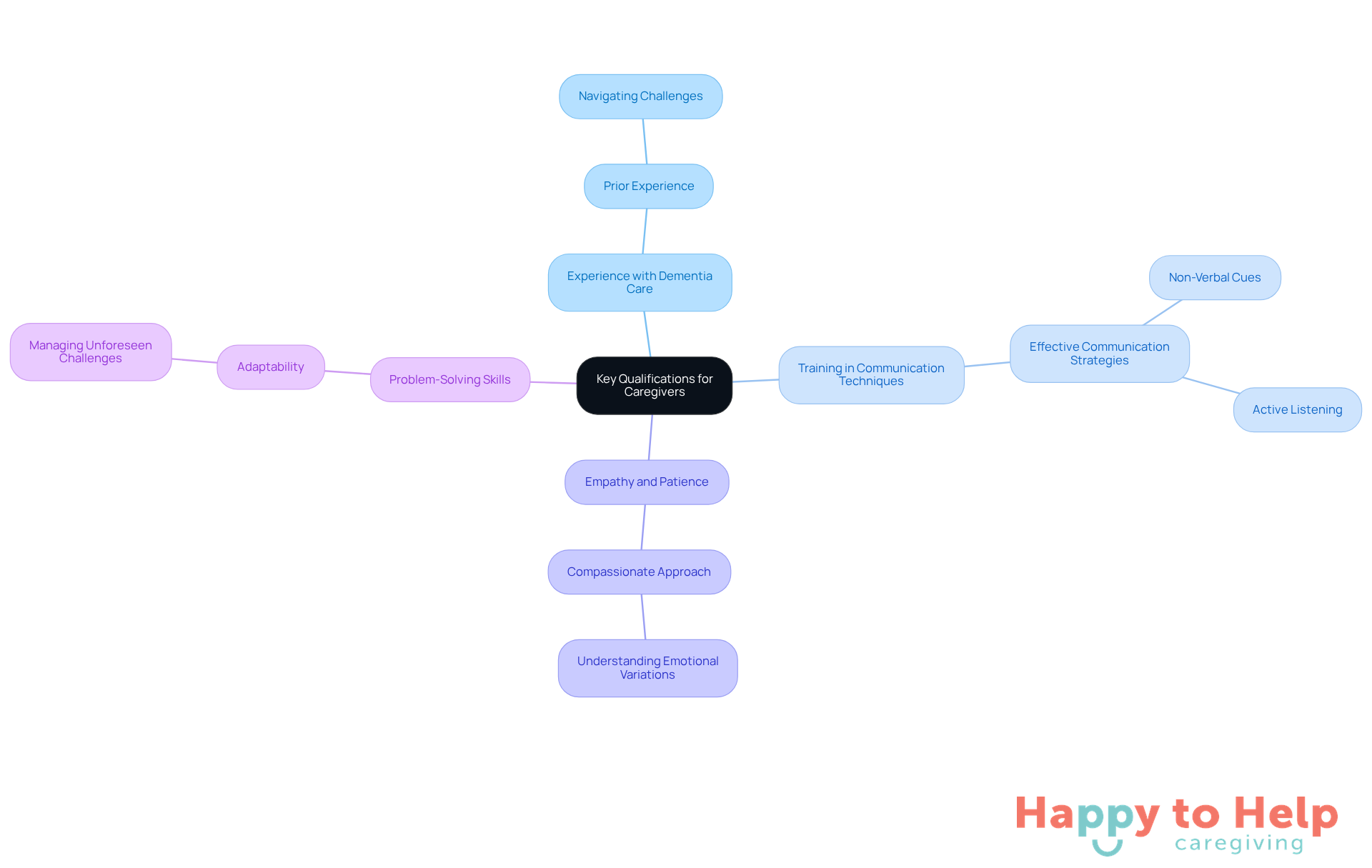
Experience with Dementia Care: Caregivers should have prior experience working with dementia patients. This background equips them with the necessary skills to navigate the unique challenges associated with the condition.
-
Training in Communication Techniques: It's crucial to seek caregivers who have undergone training in effective communication strategies tailored for individuals with cognitive impairment. This includes the use of non-verbal cues and active listening, which are essential for fostering understanding and connection.
-
Empathy and Patience: A compassionate approach is vital. Caregivers must show understanding and patience when addressing the emotional and behavioral variations of individuals with cognitive impairments. As caretaker Rosanne Corcoran noted, the emotional difficulties of providing care can be overwhelming, making empathy an essential quality.
-
Problem-Solving Skills: The ability to think quickly and adapt to changing circumstances is crucial. Individuals with dementia may present unforeseen challenges, and well-trained support providers can significantly enhance client outcomes by effectively managing these situations.
By concentrating on these qualifications, families can ensure they choose caregivers who are not only capable but also compassionate and understanding. This focus ultimately enhances the quality of care for their loved ones.
Conduct Comprehensive Background Checks and Interviews
To ensure the safety and well-being of dementia patients, families face the critical challenge of selecting appropriate sitters for dementia patients. The implications of hiring the wrong caregiver can be severe, leading to potential neglect or abuse. Therefore, it’s essential to take proactive steps in the selection process.
Key Steps to Ensure Caregiver Suitability:
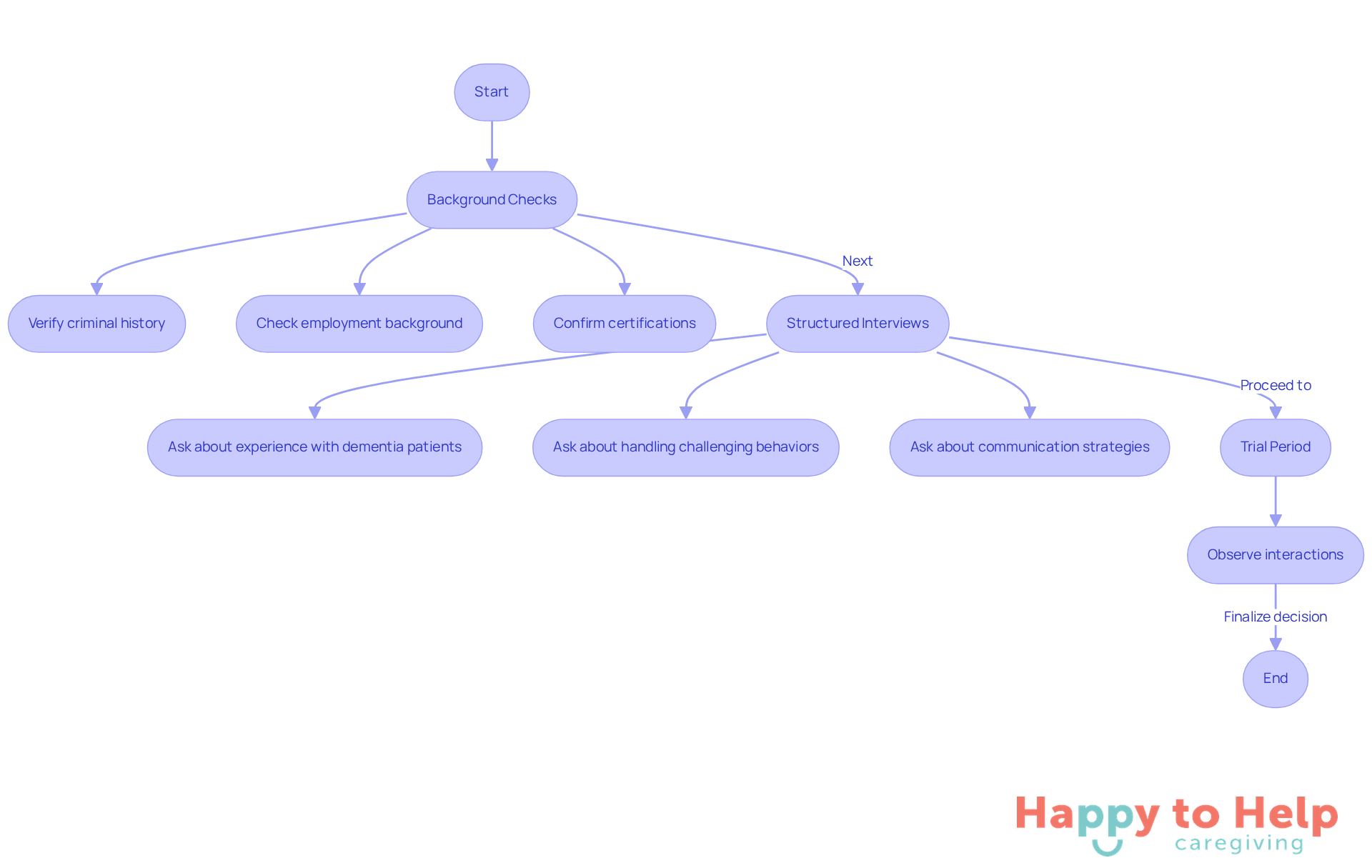
- Background Checks: Start by verifying the caregiver's criminal history, employment background, and relevant certifications. This includes checking references from previous employers to confirm their experience and ensuring they have no history of abuse or neglect.
- Structured Interviews: Develop a list of specific questions aimed at evaluating the caregiver's experience and approach to memory care. Consider asking:
- "Can you describe your experience with dementia patients?"
- "How do you handle challenging behaviors?"
- "What strategies do you use to communicate effectively with someone who has dementia?"
- Trial Period: Implement a trial phase where the caregiver works with the individual under supervision. This allows families to observe interactions and assess compatibility before making a long-term commitment.
By following these steps, families can significantly reduce the risk of hiring unsuitable sitters for dementia patients, thereby ensuring a safer environment for their loved ones.
Foster a Supportive Environment for Caregivers and Patients
Establishing a nurturing atmosphere for both support providers and sitters for dementia patients is crucial for effective care. Caregivers often face significant challenges, including emotional strain and feelings of isolation, which can impact the quality of care they provide. Therefore, families can play a vital role in enhancing this environment by implementing the following strategies:
-
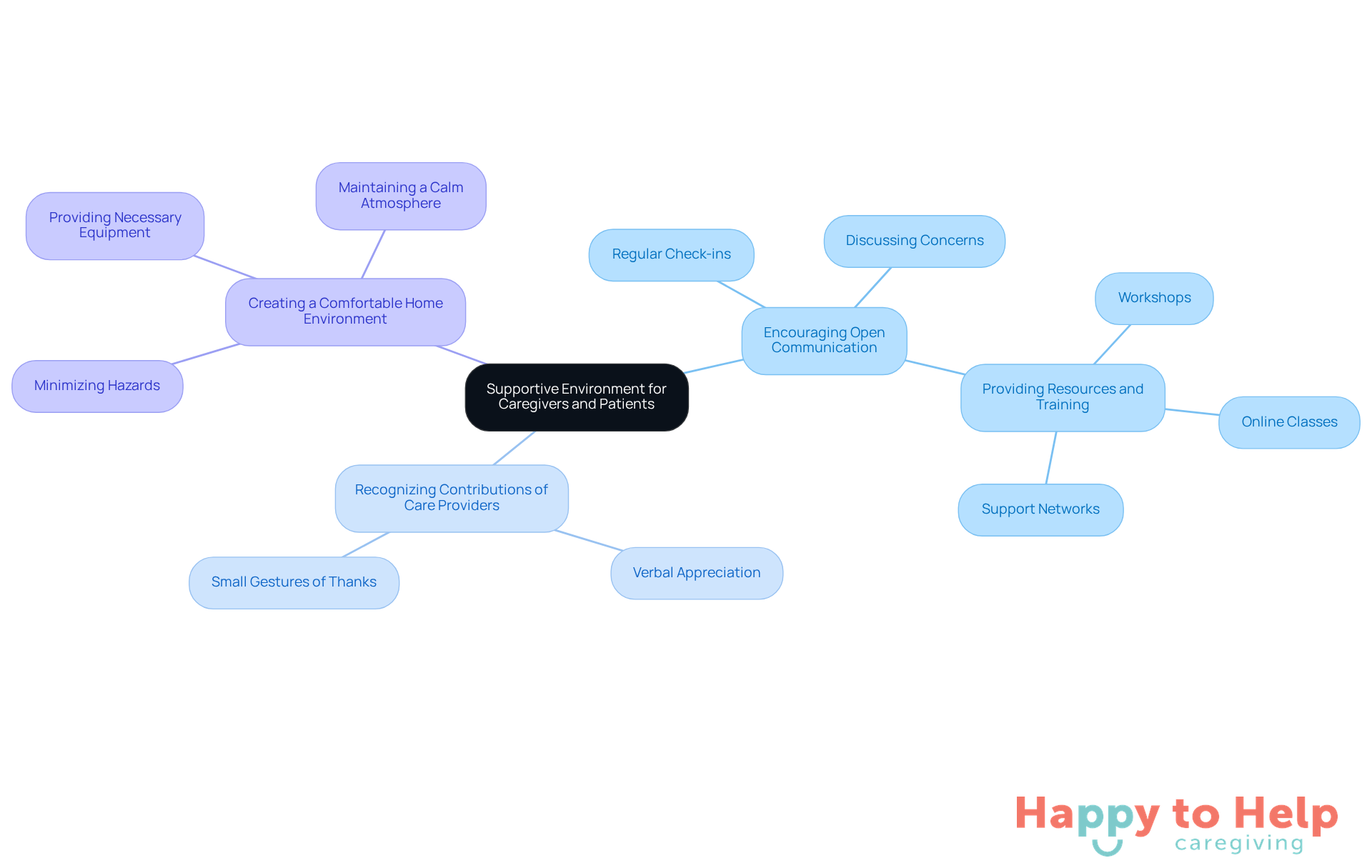
Encouraging Open Communication: Establish regular check-ins with caregivers to discuss any concerns or challenges they may encounter. This practice promotes a sense of support and worth for sitters for dementia patients, which is essential for their well-being. Providing resources and training is crucial to enhance the skills and knowledge of sitters for dementia patients. Options for caregivers may include workshops, online classes, or support networks that enhance the skills of sitters for dementia patients, significantly boosting their confidence and effectiveness.
-
Recognizing Contributions of Care Providers: Acknowledge the hard work and dedication of support givers through verbal appreciation or small gestures. Such recognition can enhance morale and job satisfaction, making caregivers feel valued and motivated.
-
Creating a Comfortable Home Environment: It is crucial to ensure that the home is safe and comfortable for both the sitters for dementia patients and the individual receiving care. This involves minimizing hazards, providing necessary equipment, and maintaining a calm atmosphere, which can greatly influence the quality of care provided.
By fostering a supportive environment, families can significantly enhance the caregiving experience provided by sitters for dementia patients, leading to improved outcomes.
Key Takeaways for Caregivers
Hiring sitters for dementia patients presents significant challenges that can impact the quality of care. Families often struggle to find caregivers who understand the unique needs of individuals with dementia, including:
- Communication difficulties
- Behavioral changes
- The necessity of routine
- Safety concerns
These complexities can lead to frustration and anxiety for both families and patients.
To address these issues, it’s crucial to identify essential qualifications for caregivers. Conducting thorough background checks and ensuring caregivers have specialized training in communication and empathy can make a substantial difference. Experienced caregivers are better equipped to navigate the emotional and practical challenges of dementia care. Additionally, implementing structured interviews and trial periods can help families select the right caregiver, ensuring a good fit for their loved ones.
Creating a supportive environment is equally important. Families should foster a nurturing atmosphere that enhances the caregiving experience for both sitters and patients. This approach not only improves the quality of care for dementia patients but also supports the well-being of caregivers.
Ultimately, families are encouraged to take proactive steps in their hiring process. By choosing sitters who are not only qualified but also genuinely compassionate, they contribute to a more stable and supportive environment. This commitment fosters dignity and respect for those living with dementia, ensuring that everyone involved feels valued and cared for.
https://iframe.tely.ai/cta/eyJhcnRpY2xlX2lkIjogIjY5M2Y1MDgyNGM3OGNhYjkzOThjNmY5ZiIsICJjb21wYW55X2lkIjogIjY4ZWU1ZGNhNzMxNzYyNTU3ZjNjOTVjMSIsICJpbmRleCI6IG51bGwsICJ0eXBlIjogImFydGljbGUifQ==Frequently Asked Questions
What are the unique needs of individuals with dementia?
Individuals with dementia have unique needs that include communication challenges, behavioral changes, the need for routine and structure, and safety concerns.
How does dementia affect communication?
Dementia often impairs verbal communication, making it important for caregivers to use clear, simple language and non-verbal cues to facilitate understanding.
What behavioral changes might dementia patients exhibit?
Patients may experience mood swings, confusion, or aggression, requiring caregivers to manage these behaviors with patience and empathy.
Why is routine important for individuals with dementia?
Establishing a consistent daily routine can alleviate anxiety and confusion for individuals with dementia, helping to foster stability.
What safety concerns should caregivers be aware of when caring for dementia patients?
Caregivers must be aware that individuals with dementia may wander or forget essential tasks, necessitating a safe environment and close monitoring to prevent accidents.
How can understanding the needs of dementia patients help families?
By understanding these distinct needs, families can more effectively assess potential providers' capabilities, ensuring they are equipped to deliver the necessary assistance.
List of Sources
- Identify Key Qualifications for Caregivers
- Medicare explores a new way to support caregivers of dementia patients (https://npr.org/sections/shots-health-news/2024/07/04/nx-s1-5026964/caregivers-dementia-alzheimers-medicare-support)
- New Medicare program offers much-needed relief for caregivers of dementia patients (https://finance.yahoo.com/news/new-medicare-program-offers-much-needed-relief-for-caregivers-of-dementia-patients-203450020.html)
- Caring for the Caregivers: An Alzheimer’s Disease Research Center Call to Action - PMC (https://pmc.ncbi.nlm.nih.gov/articles/PMC9047452)
- Caregiver Dementia Quotes (Encouragement For Dementia Caregivers) (https://optoceutics.com/caregiver-dementia-quotes-encouragement-dementia-caregivers?srsltid=AfmBOorrUqgN0NbCjLfz0soeRBKVqt7eG5F6X3uT-zSv4TYn\_hdKBJWO)
- Dementia care study highlights importance of caregiver self-efficacy (https://newsroom.ucla.edu/releases/dementia-care-study-highlights-importance-of-caregiver-self-efficacy)
- Conduct Comprehensive Background Checks and Interviews
- The Importance of Background Checks for Nursing Home Staff | Long Island Personal Injury Lawyers & Medical Malpractice Attorneys (https://fightforvictims.com/nursing-home-abuse/the-importance-of-background-checks-for-nursing-home-staff)
- The Importance of Background Checks on In-Home Caregivers - Critical Research (https://criticalresearch.com/background-checks/importance-background-checks-home-care)
- The Case For Stronger Caregiver Vetting In Home Care (https://homehealthcarenews.com/2024/10/the-case-for-stronger-caregiver-vetting-in-home-care)
- Caregiver Interview Success Guide | Sunlight Senior Care (https://sunlightseniorcare.com/caregiver-interview-success-guide)
- The Secrets to Successful Caregiver Interviews - HomeChoice Home Care Solutions (https://homechoicehomecare.com/careers-in-caring/the-secrets-to-successful-caregiver-interviews)
- Foster a Supportive Environment for Caregivers and Patients
- Creating Supportive Spaces for people living with dementia | MacIntyre (https://macintyrecharity.org/news-blogs/creating-supportive-spaces-for-people-living-with-dementia)
- Hospice Company Launches New Program to Address ‘Significant Need’ for Dementia Care (https://seniorhousingnews.com/2024/11/26/hospice-company-launches-new-program-to-address-significant-need-for-dementia-care)
- Caregiver Statistics: Health, Technology, and Caregiving Resources (https://caregiver.org/resource/caregiver-statistics-health-technology-and-caregiving-resources)
- Paragon Home Care Shares How Dementia Care Supports Seniors in McLean, VA (https://yourcentralvalley.com/business/press-releases/ein-presswire/874239381/paragon-home-care-shares-how-dementia-care-supports-seniors-in-mclean-va)
- Competency‐based training boosts dementia knowledge and skills in home care workers - PMC (https://pmc.ncbi.nlm.nih.gov/articles/PMC12179336)