For families in our service areas
For families in our service areas, this guide explains home care and how non-medical in-home caregiving can support care planning in East Idaho, Treasure Valley & Magic Valley, Northern Wasatch, North Central West Virginia & Southwestern Pennsylvania, and Northeast Ohio.
The Importance of Practices for Home Care After a Stroke
Navigating the complexities of stroke recovery presents a significant challenge for caregivers. They often grapple with the profound physical and emotional hurdles their loved ones face. This multifaceted nature of rehabilitation not only shapes the recovery journey but also impacts the caregiver's ability to provide effective support.
What can caregivers do to aid recovery while also safeguarding their own well-being in this demanding role? This article explores essential best practices for home care after a stroke. By offering insights that empower caregivers, we aim to foster healing while prioritizing their own health.
Understand Stroke Recovery and Its Impact on Home Care
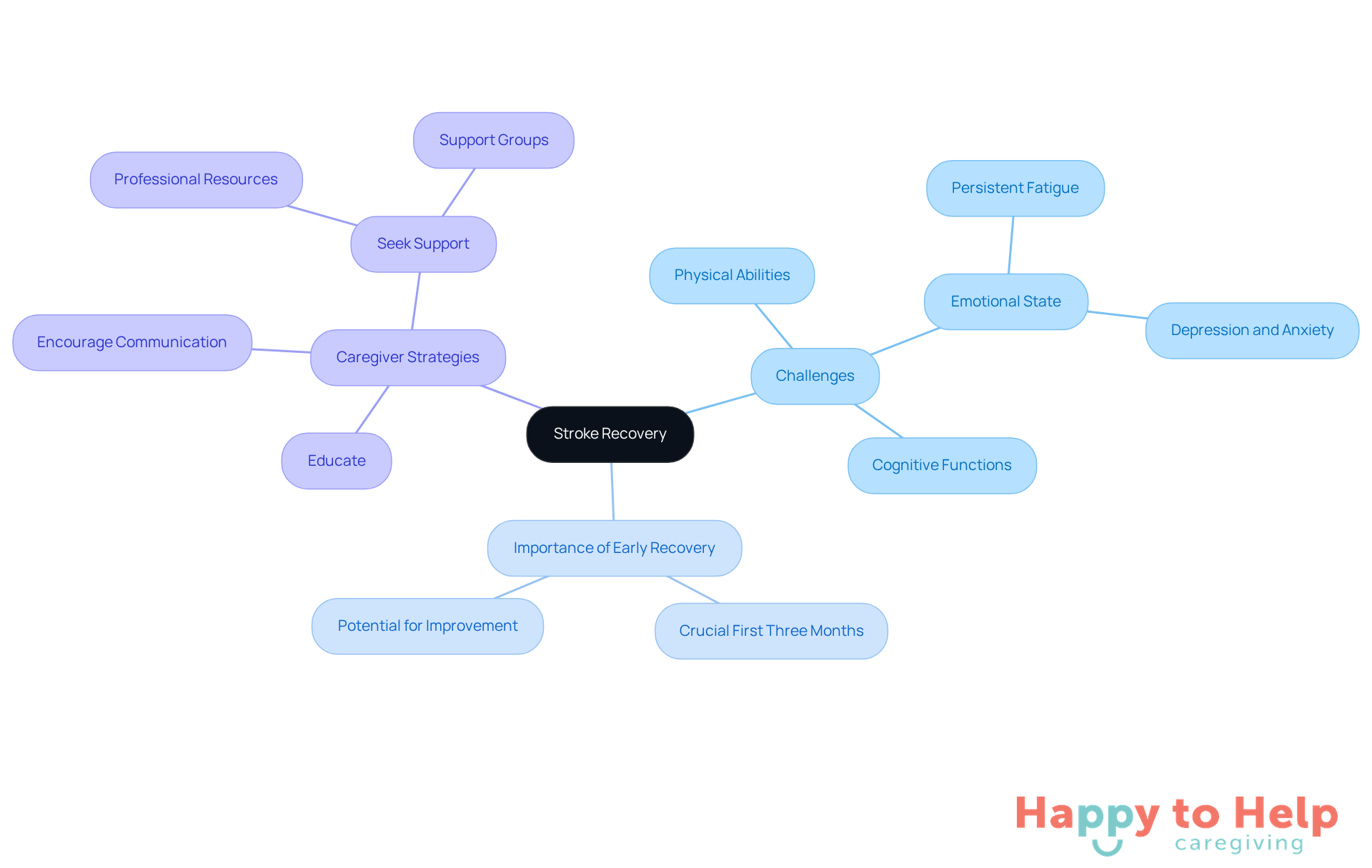
Stroke rehabilitation presents a significant challenge for caregivers, as it is a multifaceted process that can deeply affect an individual's physical abilities, emotional state, and cognitive functions. Caregivers often find themselves navigating a long journey, as rehabilitation can take months or even years. This journey frequently involves relearning basic skills such as walking, speaking, and performing daily activities.
The implications of this lengthy process can be daunting. As noted by the American Stroke Association, "the first three months after a stroke are crucial for improvement, as this is when most progress happens." Caregivers must recognize that individuals recovering from a stroke may face persistent fatigue, mobility issues, and emotional changes, including depression or anxiety. Understanding these challenges is essential for caregivers to provide effective support.
To enhance their assistance, caregivers can implement several practical strategies:
- Educate themselves about the rehabilitation process and common challenges.
- Encourage open communication with their loved ones to address emotional needs.
- Seek support from professional resources or support groups to share experiences and strategies.
By comprehending these elements and applying these solutions, caregivers can foster a nurturing atmosphere that is beneficial for healing.
Implement Personalized Care Strategies for Effective Recovery
Caregivers face a significant challenge when it comes to effectively aiding recovery from a cerebrovascular accident. Without a tailored approach, the unique needs of stroke patients can be overlooked, leading to suboptimal recovery outcomes. This not only affects the patient's physical health but also their emotional well-being.
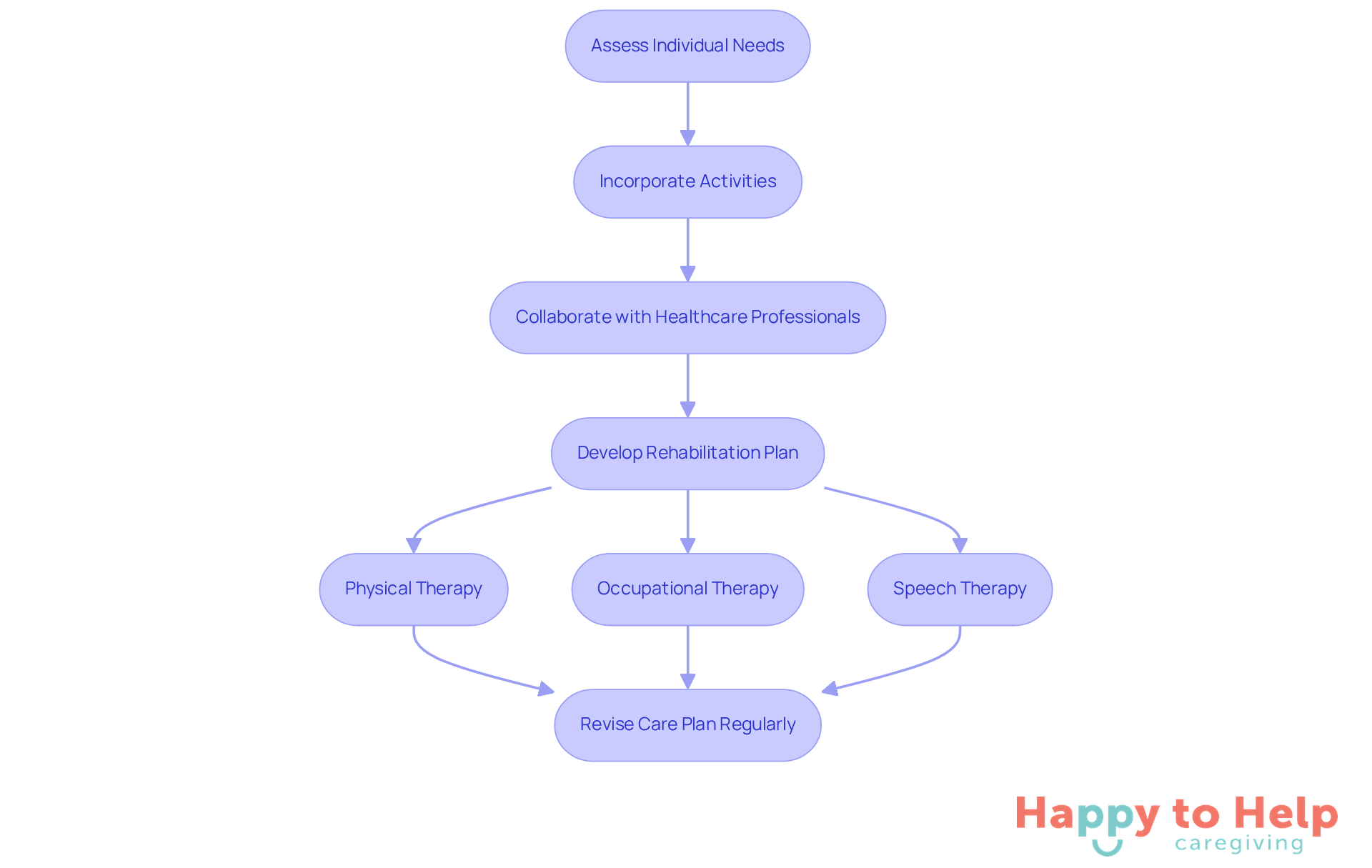
To address these challenges, caregivers should conduct a thorough assessment of each individual's physical and emotional capabilities, preferences, and daily routines. For example, if a stroke patient enjoys gardening, incorporating light gardening activities into their routine can promote both physical activity and emotional well-being. This personalized approach not only engages the patient but also fosters a sense of normalcy in their recovery process.
Additionally, collaboration with healthcare professionals is crucial. Caregivers should work together with these experts to develop a structured rehabilitation plan that includes necessary therapies such as:
- Physical therapy
- Occupational therapy
- Speech therapy
Regularly revising the care plan based on the individual's progress and feedback is essential for maintaining its effectiveness and relevance.
Engage with Healthcare Teams for Comprehensive Support
Caregivers face significant challenges in the rehabilitation of individuals affected by strokes, particularly in understanding discharge instructions. This lack of clarity can hinder the recovery process, leaving caregivers and patients feeling overwhelmed and unsupported. According to data, many patients released after a cerebrovascular accident often do not fully grasp the reasons behind their condition, which underscores the need for effective communication with healthcare providers.
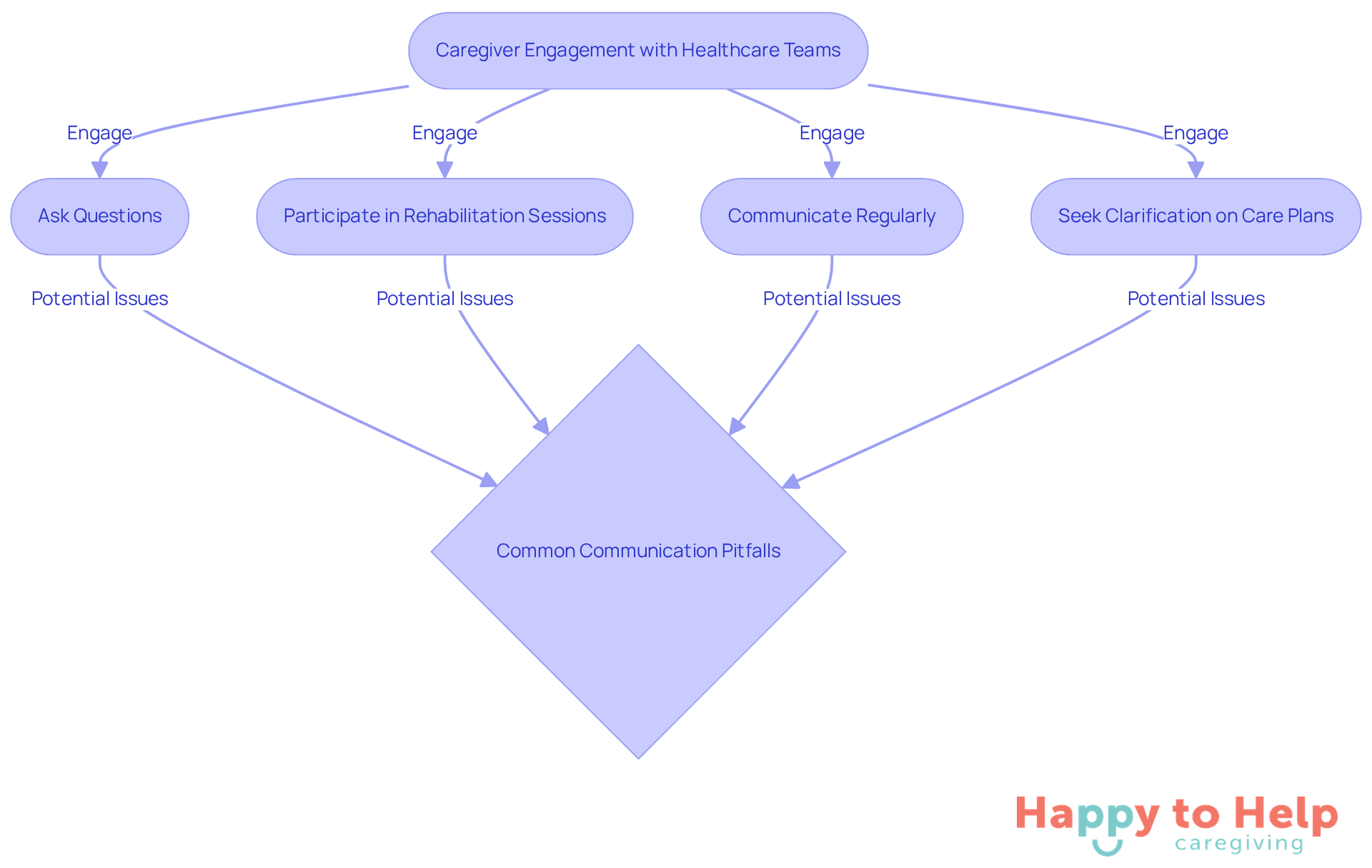
To address this issue, caregivers should actively engage with healthcare teams, including physicians, nurses, and therapists. Consistent interaction with these experts is crucial, as it provides caregivers with vital information about the individual's state and progress. For instance, participating in rehabilitation sessions allows caregivers to learn specific techniques for assisting with mobility and speech exercises, significantly enhancing the individual's healing experience. As the American Heart Association notes, over 650,000 individuals in the U.S. recover from a cerebral incident annually, highlighting the importance of support during their recovery journey.
Caregivers should feel empowered to ask questions and seek clarification on any aspect of the care plan. This fosters a collaborative environment that benefits the stroke patient. Dr. Steven V. Manoukian emphasizes, "Effective communication between those providing assistance and healthcare professionals is essential for guaranteeing that individuals who have overcome challenges receive the best possible care." This strong connection with the healthcare team not only aids recovery but also ensures that caregivers are well-informed and ready to provide high-quality care at home.
However, caregivers must be aware of common pitfalls in communication. Engaging actively with healthcare providers can help ensure a thorough understanding of discharge instructions. By avoiding these traps and maintaining open channels of communication, caregivers can significantly influence the recovery outcomes of individuals rehabilitating after a brain attack.
Prioritize Caregiver Well-Being to Sustain Effective Support
Caregivers face a significant challenge: prioritizing their own well-being is essential for providing effective support to stroke survivors. When caregivers neglect their health, they may experience burnout, which manifests as fatigue, irritability, and feelings of overwhelm. This not only affects their ability to care for others but can also lead to long-term health issues.
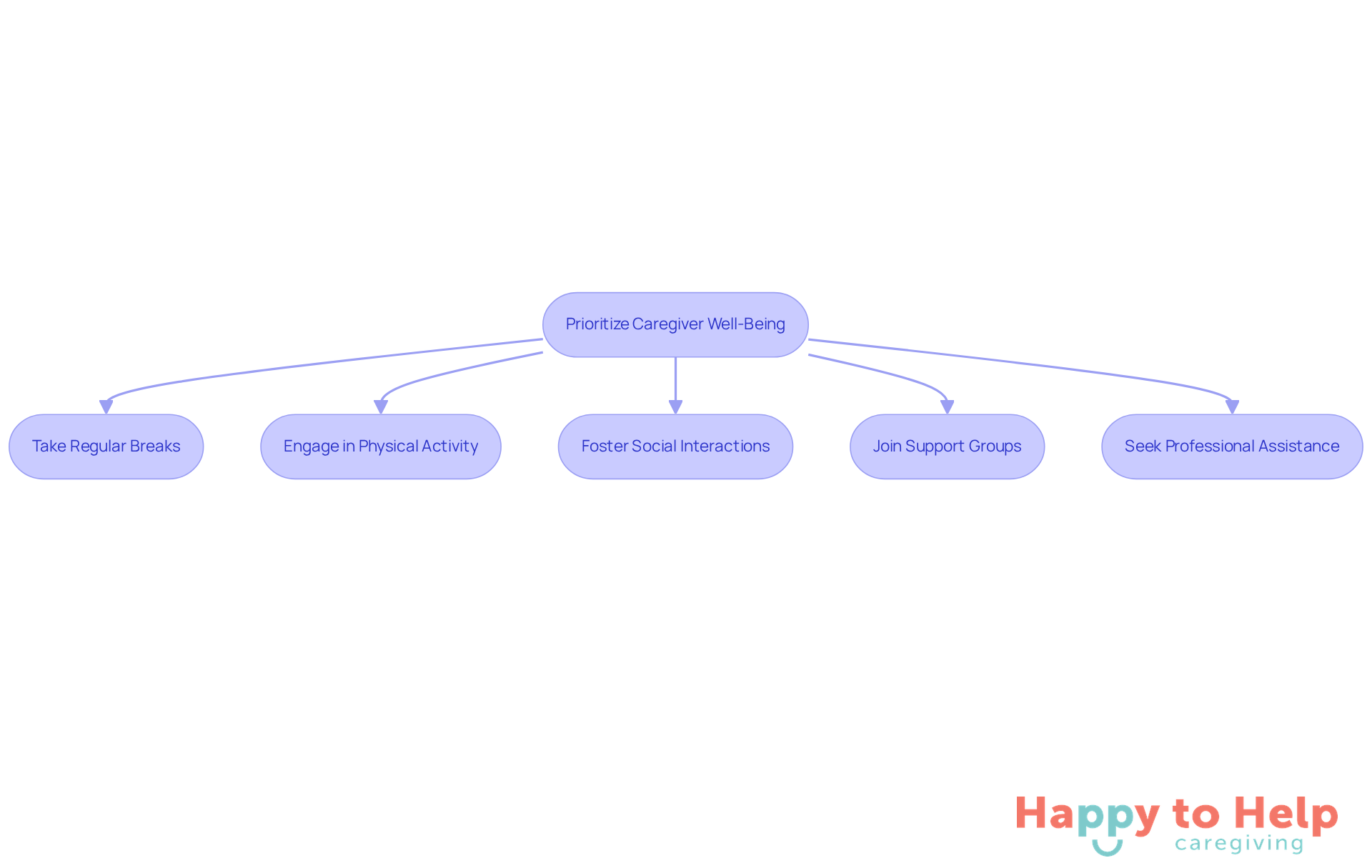
To combat these challenges, caregivers should implement a self-care routine. This includes:
- Taking regular breaks
- Engaging in physical activity
- Fostering social interactions
- Joining support groups, which can offer emotional relief and practical advice from others who understand their situation
- Seeking professional assistance if they feel overwhelmed
By taking proactive steps to care for their own health, caregivers can maintain the energy and emotional resilience necessary to support their loved ones effectively.
Making the Right Choice
Understanding the complexities of home care after a stroke presents significant challenges for caregivers and stroke survivors alike. The multifaceted nature of stroke recovery can be overwhelming, making it essential for caregivers to recognize the emotional, physical, and cognitive support needed during this journey. Without this awareness, the healing process may be hindered, affecting both the survivor and the caregiver.
To address these challenges, caregivers can adopt several best practices that enhance recovery outcomes. Here are some actionable solutions:
- Educate Yourself: Familiarize yourself with the rehabilitation process to better understand what your loved one is experiencing.
- Personalized Care Strategies: Tailor your approach to meet the unique needs of the stroke survivor, ensuring they receive the most effective support.
- Engage with Healthcare Teams: Actively communicate with medical professionals to stay informed about treatment plans and progress.
- Prioritize Your Well-Being: Remember that your health is crucial; a well-cared-for caregiver is more effective in providing support.
Ultimately, the recovery journey from a stroke is a shared experience. By embracing these best practices and fostering open communication with healthcare professionals, caregivers can significantly influence the recovery process. It’s vital to recognize that taking care of oneself is not just beneficial but essential, as it empowers caregivers to provide the necessary support for their loved ones.
https://iframe.tely.ai/cta/eyJhcnRpY2xlX2lkIjogIjY5MjI2NTFkZDc0MjE3YmJjYWExMmQ0NSIsICJjb21wYW55X2lkIjogIjY4ZWU1ZGNhNzMxNzYyNTU3ZjNjOTVjMSIsICJpbmRleCI6IG51bGwsICJ0eXBlIjogImFydGljbGUifQ==Frequently Asked Questions
What is stroke rehabilitation?
Stroke rehabilitation is a multifaceted process aimed at helping individuals recover their physical abilities, emotional state, and cognitive functions after a stroke. It often involves relearning basic skills such as walking, speaking, and performing daily activities.
How long does stroke recovery typically take?
Stroke recovery can take months or even years, with significant improvements often occurring within the first three months post-stroke.
What are some common challenges faced by individuals recovering from a stroke?
Common challenges include persistent fatigue, mobility issues, and emotional changes such as depression or anxiety.
Why is the first three months after a stroke considered crucial?
The first three months are crucial because this is when most improvement occurs, making it a critical period for rehabilitation efforts.
What strategies can caregivers use to support stroke recovery?
Caregivers can educate themselves about the rehabilitation process, encourage open communication with their loved ones, and seek support from professional resources or support groups.
How can understanding the challenges of stroke recovery benefit caregivers?
By understanding the challenges, caregivers can provide more effective support and create a nurturing atmosphere that fosters healing for the individual recovering from a stroke.
List of Sources
- Understand Stroke Recovery and Its Impact on Home Care
- How rehab at home is changing stroke recovery (https://csp.org.uk/blog/2025/09/how-rehab-home-changing-stroke-recovery-0)
- World Stroke Day 2025 | Recovering Well At Home (https://thegoodcaregroup.com/care-advice/world-stroke-day-2025-recovering-well-at-home)
- New policy statement highlights major gaps in U.S stroke rehabilitation and urges better care (https://news-medical.net/news/20250805/New-policy-statement-highlights-major-gaps-in-US-stroke-rehabilitation-and-urges-better-care.aspx)
- What to expect when you become a caregiver– and how to cope with the challenges (https://heart.org/en/news/2025/11/20/what-to-expect-when-you-become-a-caregiver-and-how-to-cope-with-the-challenges)
- Nursing homes may be underused in stroke recovery; new research urges better guidelines (https://mcknights.com/news/nursing-homes-may-be-underused-in-stroke-recovery-new-research-urges-better-guidelines)
- Implement Personalized Care Strategies for Effective Recovery
- Rehabilitation Plays an Important Role in Stroke Recovery (https://pennrehab.org/rehabilitation-plays-an-important-role-in-stroke-recovery)
- How Biomedical Innovation is Transforming Stroke Recovery (https://medschool.duke.edu/stories/how-biomedical-innovation-transforming-stroke-recovery)
- Breakthrough device offers new hope for stroke survivors struggling with rehabilitation (https://adventhealth.com/news/breakthrough-device-offers-new-hope-stroke-survivors-struggling-rehabilitation)
- Understanding the Evolving Care of Rehabilitation and Stroke Recovery | NeurologyLive - Clinical Neurology News and Neurology Expert Insights (https://neurologylive.com/view/evolving-care-rehabilitation-and-stroke-recovery)
- Stronger policy, improved recovery: closing gaps in stroke rehabilitation improves lives (https://newsroom.heart.org/news/stronger-policy-improved-recovery-closing-gaps-in-stroke-rehabilitation-improves-lives)
- Engage with Healthcare Teams for Comprehensive Support
- Students as Tech Ambassadors: Bridging Generations to Support Stroke Survivors (https://nucats.northwestern.edu/about/news/2025/acrross.html)
- When care teams unite, stroke outcomes improve (https://ama-assn.org/public-health/prevention-wellness/when-care-teams-unite-stroke-outcomes-improve)
- Coordinated Healthcare Teams and Caregiver Support | Oncology Nursing News (https://oncnursingnews.com/view/coordinated-healthcare-teams-and-caregiver-support)
- DCHC Earns National Recognition for Excellence in Stroke Recovery Care - Davis County Hospitals & Clinics (https://dchc.org/news/dchc_earns_national_recognition_for_excellence_in_stroke_recovery_care)
- Caregiver Provider Communication and Caregiver Health (https://aarp.org/pri/topics/ltss/family-caregiving/caregiver-communication-health-care-providers)
- Prioritize Caregiver Well-Being to Sustain Effective Support
- Caregiving’s Mental Health Crisis (https://forbes.com/sites/otsuka/2025/10/02/caregivings-mental-health-crisis)
- Caregiver Burnout and Strategies to Help (https://health.usnews.com/senior-care/articles/caregiver-burnout-and-strategies-to-help)
- 'I don't know where to start.' Parents and caregivers are burned out. Who's most at risk? (https://usatoday.com/story/money/2025/04/04/parents-caregivers-burnt-out-help/82695959007)
- Caring For the Caregiver: Preventing Burnout - AMHC (https://amhc.org/news/caregiver)