
For families in our service areas
For families in our service areas, this guide explains caregiving and how non-medical in-home caregiving can support care planning in East Idaho, Treasure Valley & Magic Valley, Northern Wasatch, North Central West Virginia, and Northeast Ohio.
Why Practices for Home Security Matters
Ensuring the safety and security of seniors at home is more critical than ever. With one in four older Americans experiencing a fall each year, the urgency for effective home safety measures cannot be overstated. This situation poses significant risks, not only to the physical well-being of seniors but also to their independence and peace of mind.
Families often grapple with balancing the need for safety with the desire for autonomy. Caregivers face the challenge of creating a secure living environment while respecting their loved ones' independence. To address these concerns, it’s essential to implement best practices that enhance home security.
Here are some actionable steps caregivers can take:
- Install grab bars in bathrooms to prevent falls.
- Ensure adequate lighting in hallways and staircases.
- Remove tripping hazards such as loose rugs and clutter.
By taking these proactive measures, families can foster a safer home environment that supports both security and independence for seniors.
Establish a Safe Living Environment
To ensure home security for seniors, it’s crucial to first assess the living environment for potential hazards. Many caregivers face the challenge of ensuring their loved ones are protected from accidents, especially since one in four Americans aged 65 and above experiences a fall annually. This alarming statistic highlights the urgent need for effective safety measures in the household.
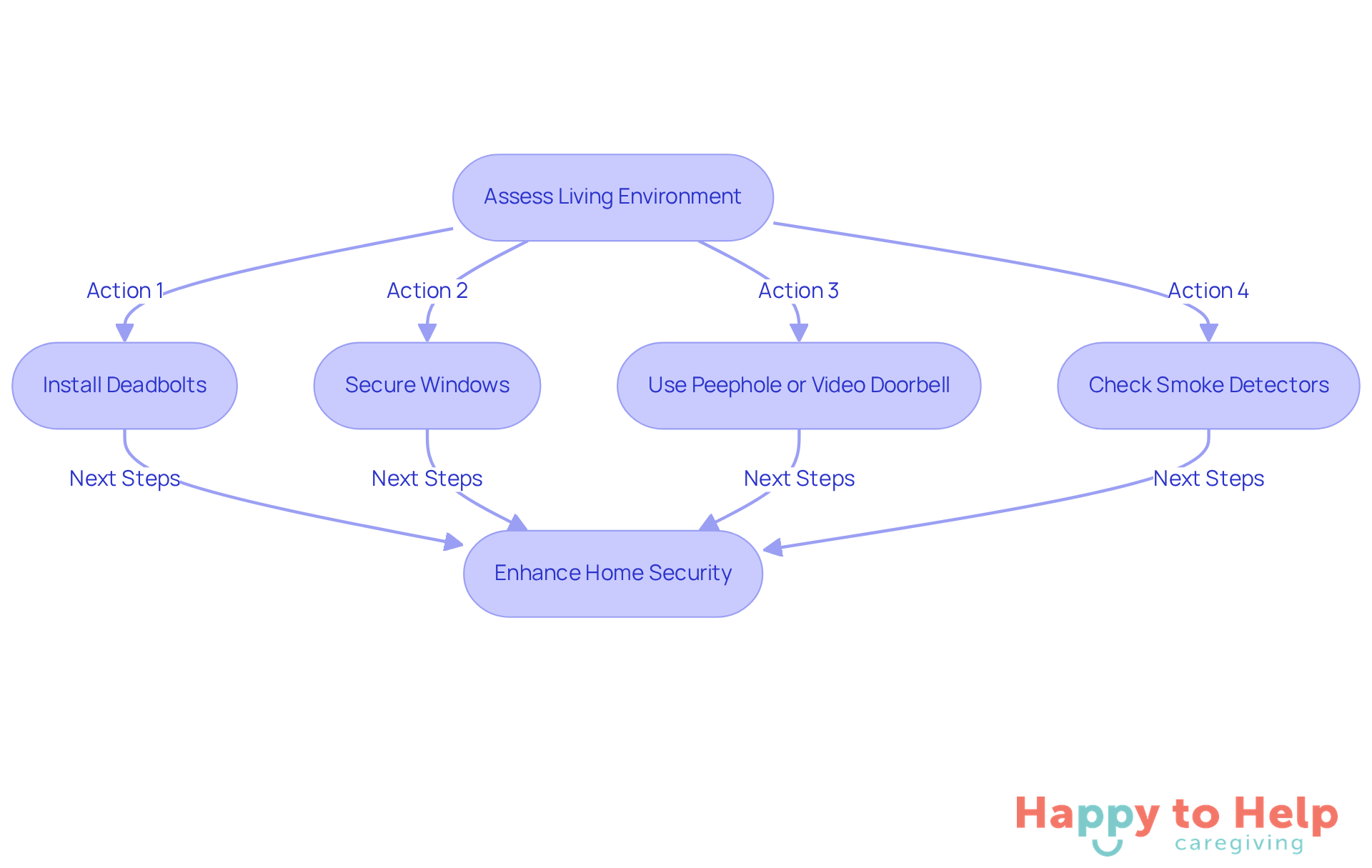
To address these concerns, start by ensuring that all entrances are well-lit and equipped with sturdy locks. Consider the following measures:
- Install deadbolts on doors.
- Secure windows with locks or security bars.
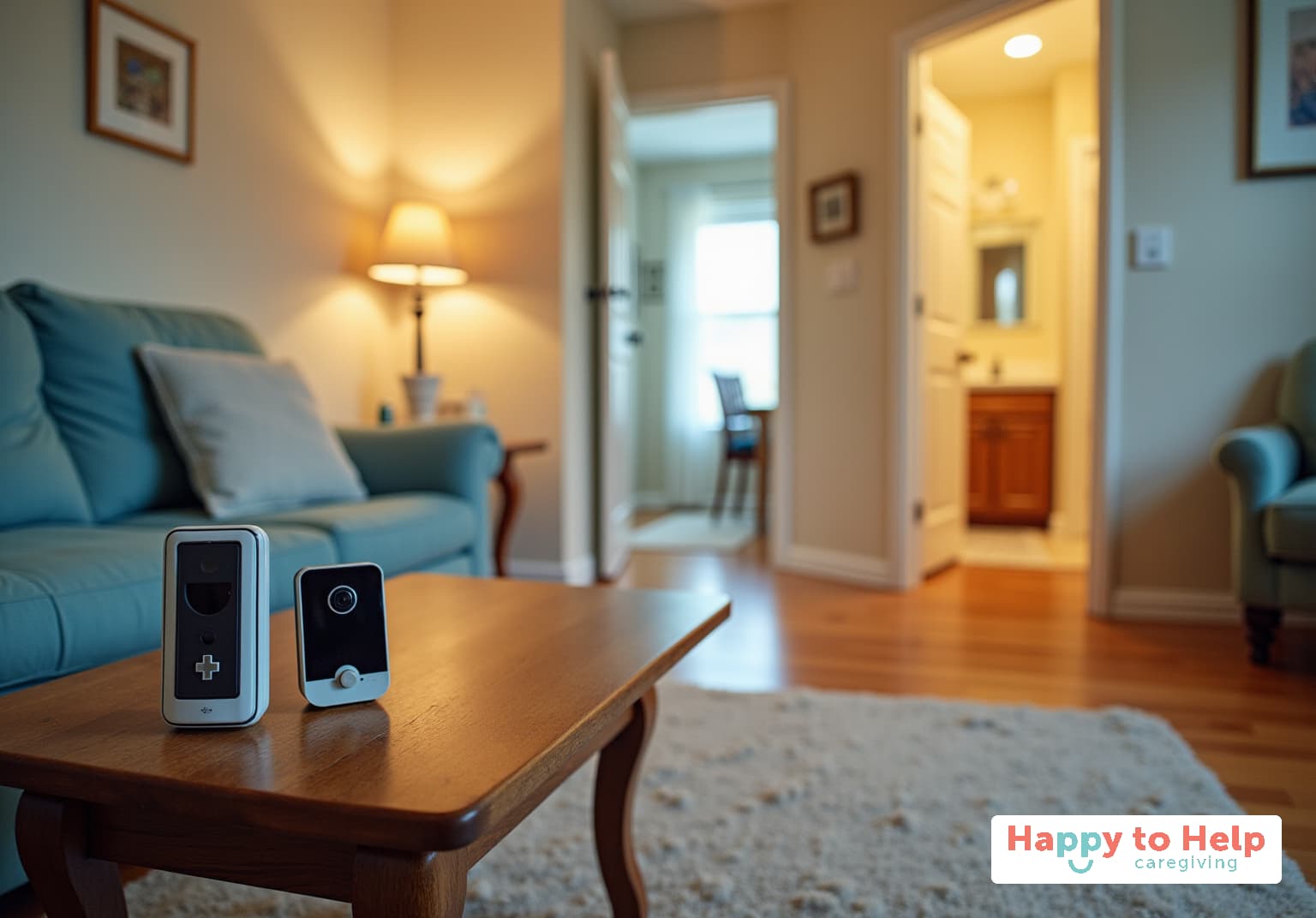
- Use a peephole or video doorbell, allowing older adults to see who is at the door before opening it.
- Regularly check that smoke detectors and carbon monoxide alarms are functioning properly, and replace batteries as needed.
These proactive measures not only deter intruders but also enhance home security for seniors and provide reassurance for their families. In fact, 100% of ER doctors agree that an annual Home Safety Assessment is vital for ensuring home security for seniors, reinforcing the need for regular evaluations. For instance, a household in Ohio reported a notable reduction in anxiety for their elderly mother after installing a video doorbell, enabling her to feel more secure in her residence.
Considering that the average cost per residence modification is $448, these solutions can be both effective and financially manageable for households. By implementing these best practices, families can create a safer and more reassuring environment for their loved ones.
Implement Fall Prevention Strategies
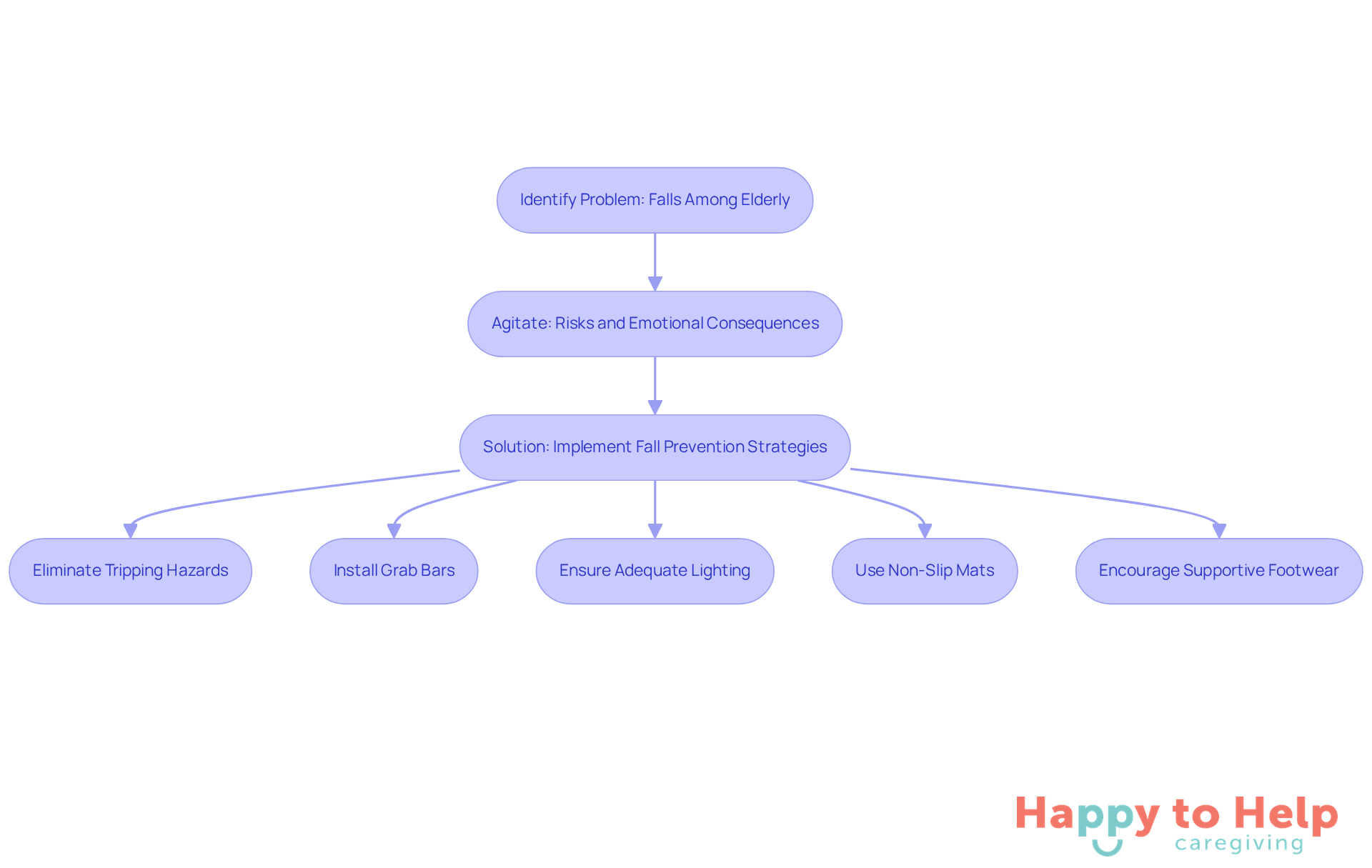
Problem: Falls among elderly individuals pose a significant risk, leading to injuries and a decline in independence. These incidents can create feelings of fear and anxiety, impacting their overall well-being.
Agitate: Tripping hazards like loose rugs, electrical cords, and clutter can easily lead to accidents in the home. The emotional consequences of falls can further diminish older adults' confidence and sense of security, making it essential to address these risks proactively.
Solution: Implementing effective fall prevention strategies is crucial. Start by eliminating tripping hazards from walkways. Installing grab bars in bathrooms and handrails on both sides of stairways significantly improves stability. Ensure adequate lighting in all areas, especially staircases and hallways, to prevent accidents. Additionally, using non-slip mats in bathrooms and kitchens can help reduce the risk of slips. Encourage older adults to wear supportive footwear to enhance their safety.
A notable case study from a caregiving agency revealed that after implementing these modifications, an elderly client experienced a 50% reduction in fall-related incidents over six months, allowing her to maintain her independence longer. These proactive measures not only prevent falls but also contribute to home security for seniors, fostering a sense of security and confidence among older adults. Engaging relatives and companions in fall prevention tactics can offer vital assistance, contributing to home security for seniors and enabling older adults to feel safer in their residences.
Utilize Safety Aids and Technology
Home security for seniors is a significant concern. Many seniors live alone and may face challenges in ensuring their safety, which can lead to anxiety for both them and their caregivers.
Agitate: The implications of inadequate security can be severe. Seniors may feel vulnerable, and caregivers often worry about their loved ones' well-being. This situation can lead to increased stress and a sense of helplessness for families who want to ensure their elderly relatives are safe.
Solution: Fortunately, there are practical solutions to enhance residential security.
- Medical Alert Systems: Installing a medical alert system allows seniors to call for help at the push of a button, providing peace of mind.
- Intelligent Dwelling Devices: Devices like motion-sensor lights and smart locks can significantly improve safety. For instance, a smart lock can be programmed to automatically lock after a certain time, ensuring that doors are always secured.
- Monitoring Systems: Utilizing a monitoring system can notify relatives of any unusual activity. A family in California reported that after installing such a system, they felt more connected to their elderly father, who lived alone, as they could check in on him remotely.
By implementing these solutions, caregivers can improve home security for seniors, enhancing the safety and security of their elderly loved ones and alleviating some of the stress associated with caregiving.
Engage Caregiver Support for Enhanced Security
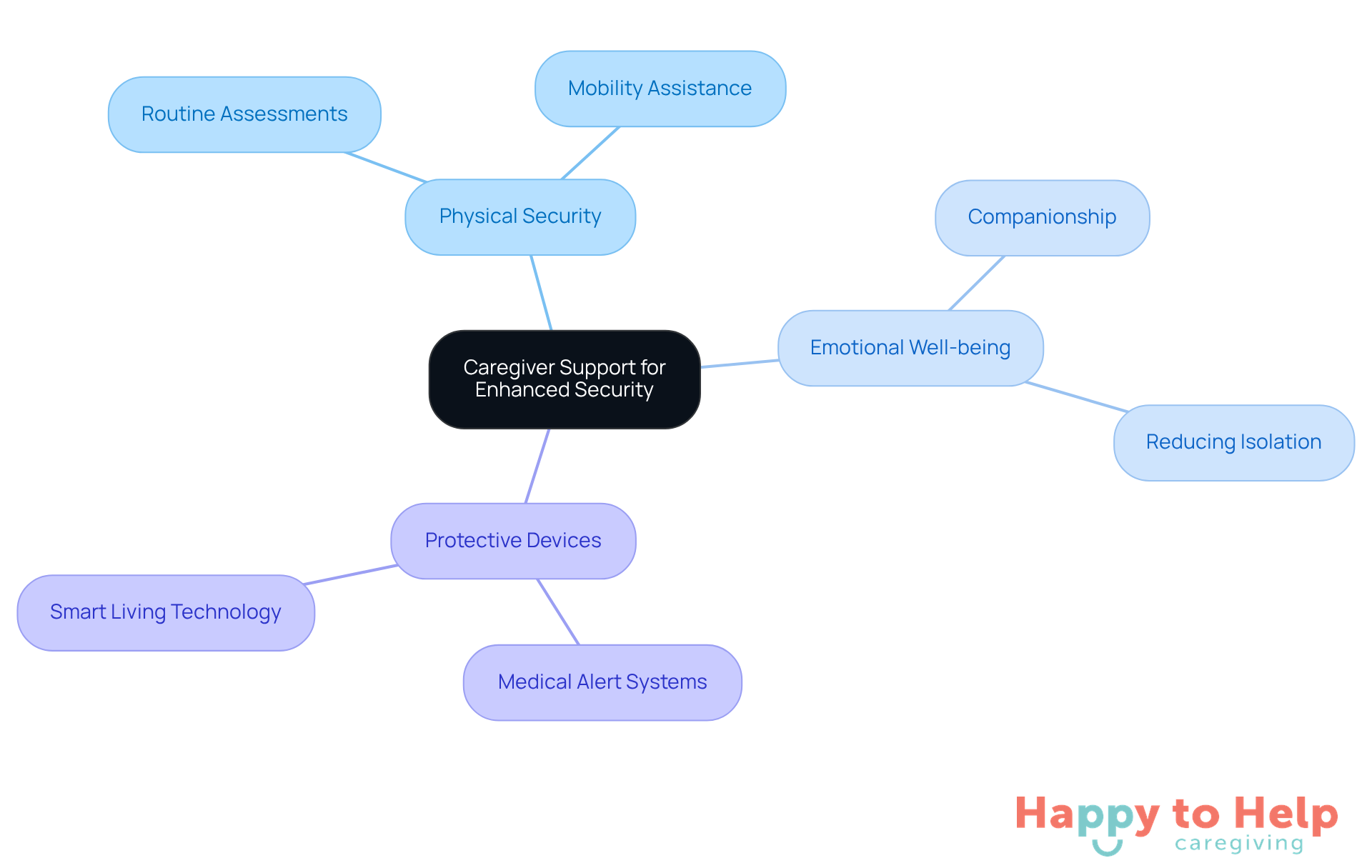
Engaging caregiver support is crucial for enhancing security in an elderly person's home. The problem is that many older adults face risks related to safety and emotional isolation. Caregivers play a vital role in addressing these challenges by performing routine security assessments, assisting with mobility, and providing companionship. Their presence not only improves physical security but also meets emotional needs, significantly reducing feelings of isolation among seniors.
For instance, caregivers can help seniors effectively utilize protective devices, such as medical alert systems or smart living technology. This ensures that older adults stay connected and secure. According to the CDC, falls are the leading cause of injury among older adults, highlighting the importance of caregiver support in preventing such incidents.
Sandy Markwood, chief executive of USAging, emphasizes that adapting residences for older adults is essential for their well-being. A family in New York shared that having a caregiver present not only enhanced their mother's protection but also enriched her emotional well-being, contributing to her overall happiness and sense of security. This dual focus on safety and companionship underscores the essential role caregivers play in ensuring home security for seniors and creating a supportive environment.
Your Path Forward
Ensuring home security for seniors is a vital concern that requires proactive measures to create a safe and supportive living environment. Without proper safety measures, seniors face increased risks of accidents and emotional distress, which can significantly impact their quality of life.
To address these challenges, families can implement essential strategies that enhance both physical safety and emotional well-being. These include:
- Establishing a safe living environment
- Implementing fall prevention tactics
- Utilizing safety aids and technology
- Engaging caregiver support
For instance, installing locks and lighting, removing tripping hazards, and leveraging medical alert systems can dramatically reduce anxiety and promote safety in the home.
Ultimately, the responsibility of ensuring home security for seniors lies not only in physical modifications but also in the emotional support provided by caregivers. Regular assessments and companionship are crucial in creating a holistic approach to safety. By prioritizing these practices, families can empower their elderly relatives to lead safer, more confident lives, making a significant difference in their overall quality of life.
https://iframe.tely.ai/cta/eyJhcnRpY2xlX2lkIjogIjY5MmY5MWIwZGM0MTVjZWNlZTQ2NmM4ZSIsICJjb21wYW55X2lkIjogIjY4ZWU1ZGNhNzMxNzYyNTU3ZjNjOTVjMSIsICJpbmRleCI6IG51bGwsICJ0eXBlIjogImFydGljbGUifQ==Frequently Asked Questions
Why is it important to establish a safe living environment for seniors?
Establishing a safe living environment for seniors is crucial to protect them from accidents, as one in four Americans aged 65 and above experiences a fall annually. Effective safety measures can help reduce these risks.
What are some key safety measures to implement for seniors at home?
Key safety measures include ensuring all entrances are well-lit, installing deadbolts on doors, securing windows with locks or security bars, using a peephole or video doorbell, and regularly checking that smoke detectors and carbon monoxide alarms are functioning properly.
How can a video doorbell enhance safety for seniors?
A video doorbell allows older adults to see who is at the door before opening it, providing them with a sense of security and reducing anxiety about potential intruders.
What do ER doctors recommend for ensuring home security for seniors?
ER doctors recommend conducting an annual Home Safety Assessment to evaluate and improve home security for seniors, which is considered vital for their safety.
What is the average cost of residence modifications to enhance safety for seniors?
The average cost per residence modification to enhance safety for seniors is approximately $448, making these solutions both effective and financially manageable for households.
List of Sources
- Establish a Safe Living Environment
- Facts About Falls (https://cdc.gov/falls/data-research/facts-stats)
- Home Safety for Seniors: Statistics & Proven Safety Solutions (https://agesafeamerica.com/home-safety-hub/articles/home-safety-seniors-statistics-solutions)
- As falling deaths rise for older adults, how home safety can make a difference (https://denver7.com/news/local-news/as-falling-deaths-rise-for-older-adults-how-home-safety-can-make-a-difference)
- Home Safety Month, Garbage Cans, and Aging in Place (https://lifework.arizona.edu/news/2025/home-safety-month-garbage-cans-and-aging-place)
- Older Americans Are More Likely to Suffer Fatalities from Falls and Fire; CPSC Report Highlights Hidden Hazards Around the Home (https://cpsc.gov/Newsroom/News-Releases/2022/Older-Americans-Are-More-Likely-to-Suffer-Fatalities-from-Falls-and-Fire-CPSC-Report-Highlights-Hidden-Hazards-Around-the-Home)
- Implement Fall Prevention Strategies
- National Action Plan to Prevent Falls in Older Adults (https://ncoa.org/article/national-plan-outlines-steps-to-reduce-falls-among-older-americans)
- Reducing fall risk for aging adults – what works and why | VCU Health (https://vcuhealth.org/news/reducing-fall-risk-for-aging-adults--what-works-and-why)
- National Falls Prevention Action Plan Released | ACL Administration for Community Living (https://acl.gov/news-and-events/announcements/national-falls-prevention-action-plan-released)
- Many Falls Are Preventable. These Tips Can Help. (https://nytimes.com/2025/06/11/well/fall-prevention-tips.html)
- Preventing Falls: Strategic Advice for Older Adults - Stoughton Health (https://stoughtonhealth.com/preventing-falls-strategic-advice-for-older-adults)
- Utilize Safety Aids and Technology
- Are medical alerts worth it for seniors? Here's what experts say (https://cbsnews.com/news/are-medical-alerts-worth-it-for-seniors-what-experts-say)
- Medical Alert Systems: 2023-2024 Research and Statistics (https://theseniorlist.com/research/medical-alert-device-consumer-usage-study)
- Medical Alert Systems: Challenges, Benefits, Statistics — Vicert (https://vicert.com/blog/medical-alert-systems-challenges-benefits-statistics)
- Medical Alert Statistics 2025 (https://consumeraffairs.com/medical-alert-systems/medical-alert-statistics.html)
- Mobile Medical Alert Systems: A Lifeline for Senior Safety and Independence (https://ltcnews.com/articles/mobile-medical-alert-system-senior-safety-independence)
- Engage Caregiver Support for Enhanced Security
- Smart Surveillance Boosts Safety, Connection for Seniors Aging at Home (https://ltcnews.com/articles/smart-surveillance-boosts-safety-seniors-aging-at-home)
- Home Safety Tips to Protect Your Aging Parents (https://aarp.org/caregiving/home-care/safety-tips)
- Caregiving in the US 2025 (https://aarp.org/pri/topics/ltss/family-caregiving/caregiving-in-the-us-2025)
- As falling deaths rise for older adults, how home safety can make a difference (https://denver7.com/news/local-news/as-falling-deaths-rise-for-older-adults-how-home-safety-can-make-a-difference)
- Number of Family Caregivers Supporting Older Adults Increased Nearly One-Third Between 2011 and 2022 | Johns Hopkins Bloomberg School of Public Health (https://publichealth.jhu.edu/2025/number-of-family-caregivers-supporting-older-adults-increased-nearly-one-third-between-2011-and-2022)