
For families in our service areas
For families in our service areas, this guide explains caregiving and how non-medical in-home caregiving can support care planning in East Idaho, Treasure Valley & Magic Valley, Northern Wasatch, North Central West Virginia, and Northeast Ohio.
The Importance of Practices for Keeping Seniors Safe at
Ensuring the safety and well-being of seniors at home presents a unique set of challenges for caregivers. They must navigate a landscape filled with potential hazards, with falls being the leading cause of injury among older adults. The stakes are high, making it imperative to implement effective home safety measures.
This article delves into essential best practices that not only enhance physical safety but also foster emotional support and companionship. By addressing both aspects, caregivers can ultimately improve the quality of life for seniors.
How can caregivers strike the right balance between creating a secure environment and addressing the emotional needs of their elderly loved ones?
Establish Home Safety Measures
To ensure the safety of seniors at home, caregivers face a significant challenge: numerous hazards that can lead to serious injuries. Falls are particularly concerning, as they are the primary cause of injuries among seniors, resulting in around 1,800 fatalities each year. Older adults are six times more likely to be treated for falls on flooring compared to younger individuals, underscoring the urgent need for effective safety measures.
-
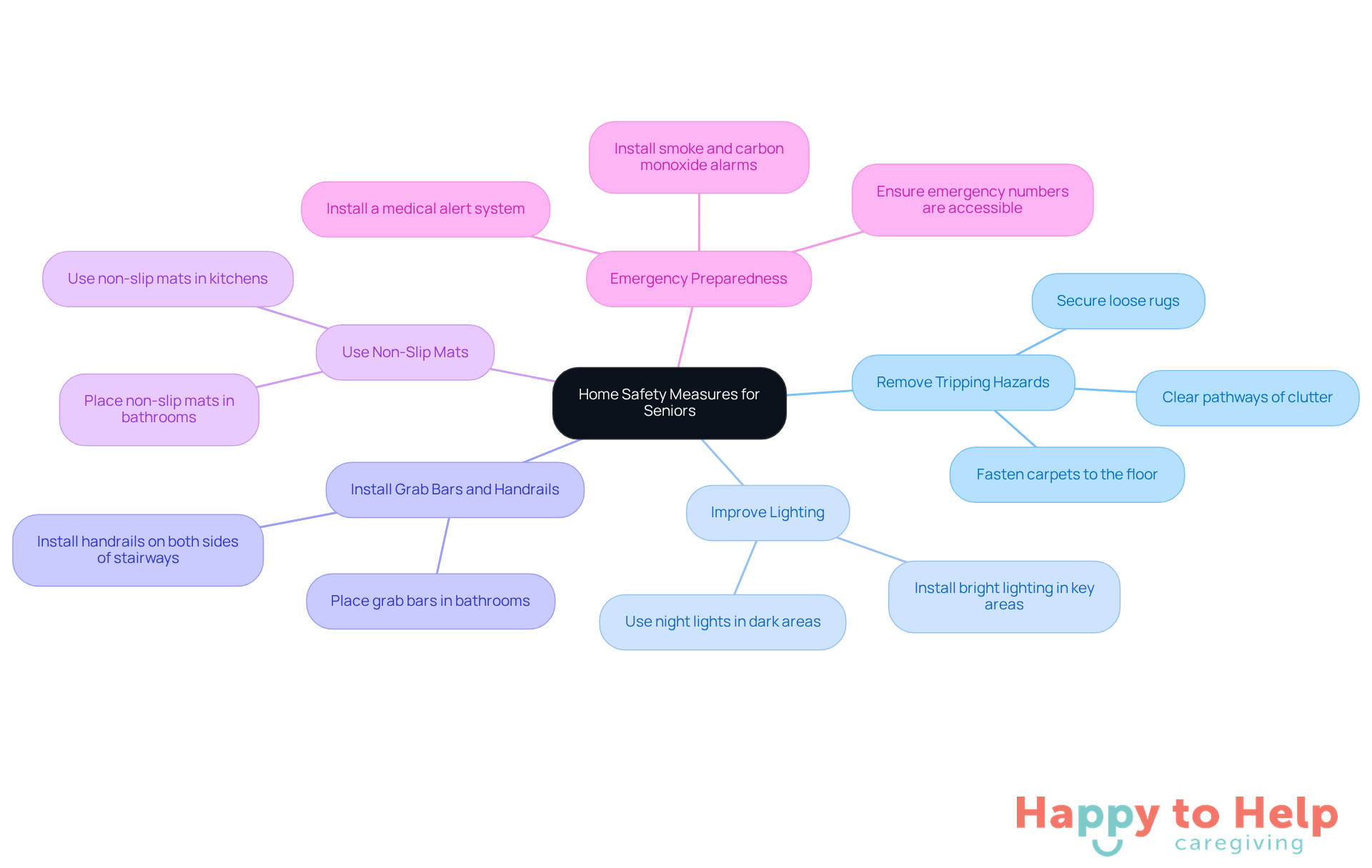
Remove Tripping Hazards: One of the first steps caregivers can take is to clear pathways of clutter, loose rugs, and electrical cords. Fastening carpets to the floor can help avoid slips, significantly reducing the risk of falls.
-
Improve Lighting: Another critical measure is to install bright lighting in hallways, staircases, and bathrooms. Using night lights to illuminate dark areas, especially at night, can greatly enhance visibility and lower the risk of falls.
-
Install Grab Bars and Handrails: Caregivers should also consider placing grab bars in bathrooms near toilets and in the shower. Installing handrails on both sides of stairways provides essential support, making these modifications vital for enhancing safety.
-
Use Non-Slip Mats: In high-risk areas like bathrooms and kitchens, using non-slip mats can significantly reduce the risk of falls. This simple addition can prevent many accidents.
-
Emergency Preparedness: Finally, ensuring that emergency numbers are easily accessible is crucial. Caregivers might also consider installing a medical alert system that allows older adults to call for assistance if needed. Additionally, smoke alarms and carbon monoxide alarms are essential, as older individuals are 3.5 times more likely to die in fires than the general population. These systems not only provide peace of mind but also ensure quick access to help in emergencies.
By implementing these safety measures, caregivers can significantly reduce the risk of accidents, creating a safer living environment for a senior at home and ultimately enhancing their quality of life.
Develop Personalized Care Plans
Creating personalized care plans is essential for effective caregiving for a senior at home, yet many caregivers struggle with this task. Without a tailored approach, a senior at home may not receive the necessary support, which can lead to a decline in their overall well-being.
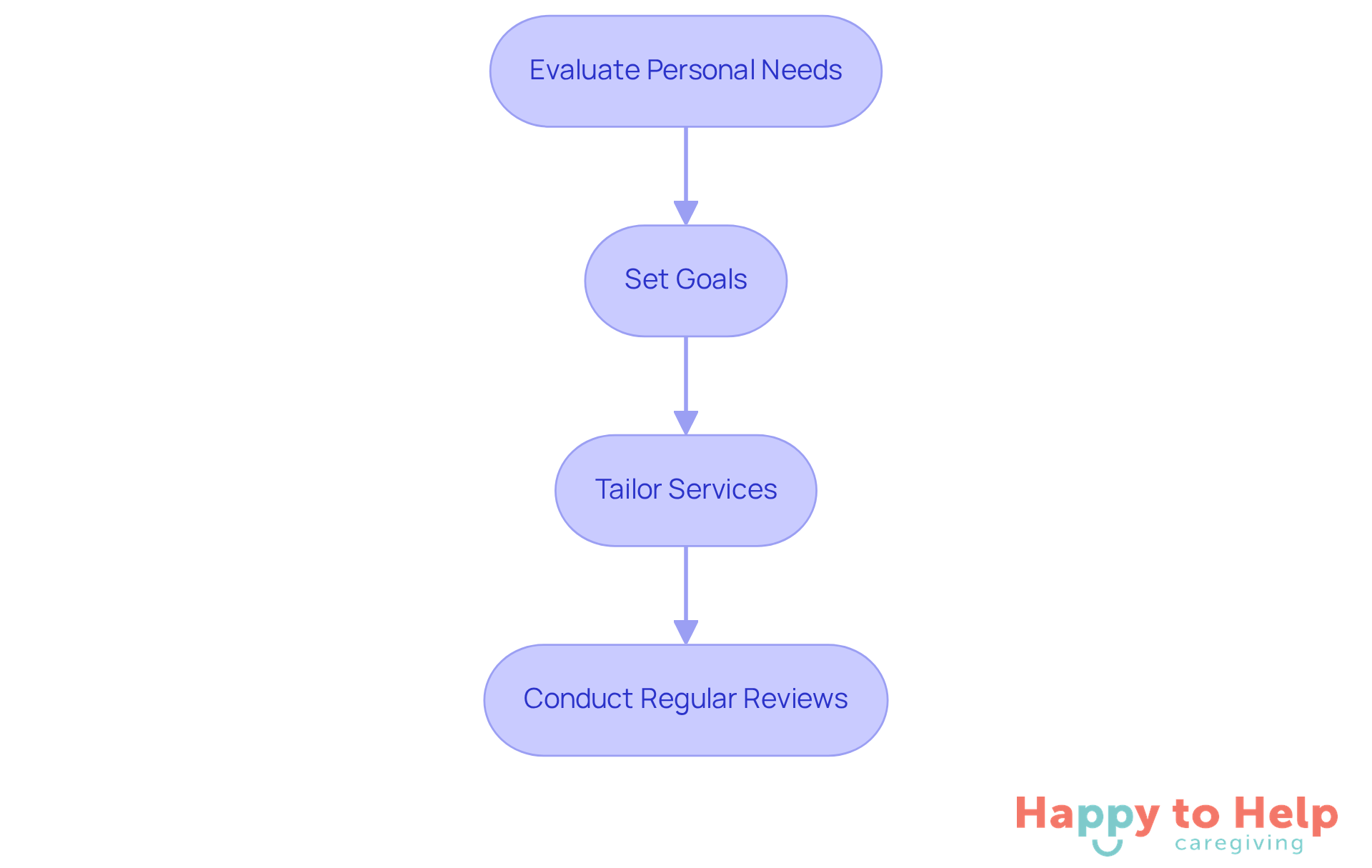
To address this issue, caregivers must first evaluate personal needs. Start with a thorough assessment of the elder's physical, emotional, and communal requirements. This assessment should encompass their medical history, daily routines, and personal preferences to ensure a holistic understanding of their needs. Research indicates that seniors at home experience a 20% improvement in symptom management and physical functioning over six months, highlighting the importance of thorough assessments.
Next, it’s crucial to set goals. Work collaboratively with the senior at home and their family to define clear, achievable objectives for care. These objectives may concentrate on improving mobility, enhancing interpersonal interactions, or effectively managing chronic conditions. Setting specific goals can lead to improved recovery rates and overall satisfaction with care for a senior at home.
Once goals are established, caregivers should tailor services accordingly. Customize the caregiving services based on the assessment and established goals. This could involve:
- Scheduling regular companionship visits for a senior at home
- Providing assistance with their daily activities
- Arranging specialized medical care tailored to the individual's health status
For instance, a successful personalized care plan might include a combination of physical therapy sessions and social activities to combat feelings of isolation.
Finally, caregivers must conduct regular reviews for the care of the senior at home. Continuously monitor and adjust the care plan as necessary. Regular check-ins with the elderly individual and their family are essential to guarantee that the care stays pertinent and effective, adjusting to any changes in the individual's condition or preferences. Caregivers should be aware of common pitfalls, such as failing to update the care plan for a senior at home when the individual's needs change, which can lead to inadequate support.
By creating customized care strategies, caregivers can offer tailored support for a senior at home that aligns with the individual's lifestyle, greatly improving their overall well-being and quality of life.
Foster Companionship and Emotional Support
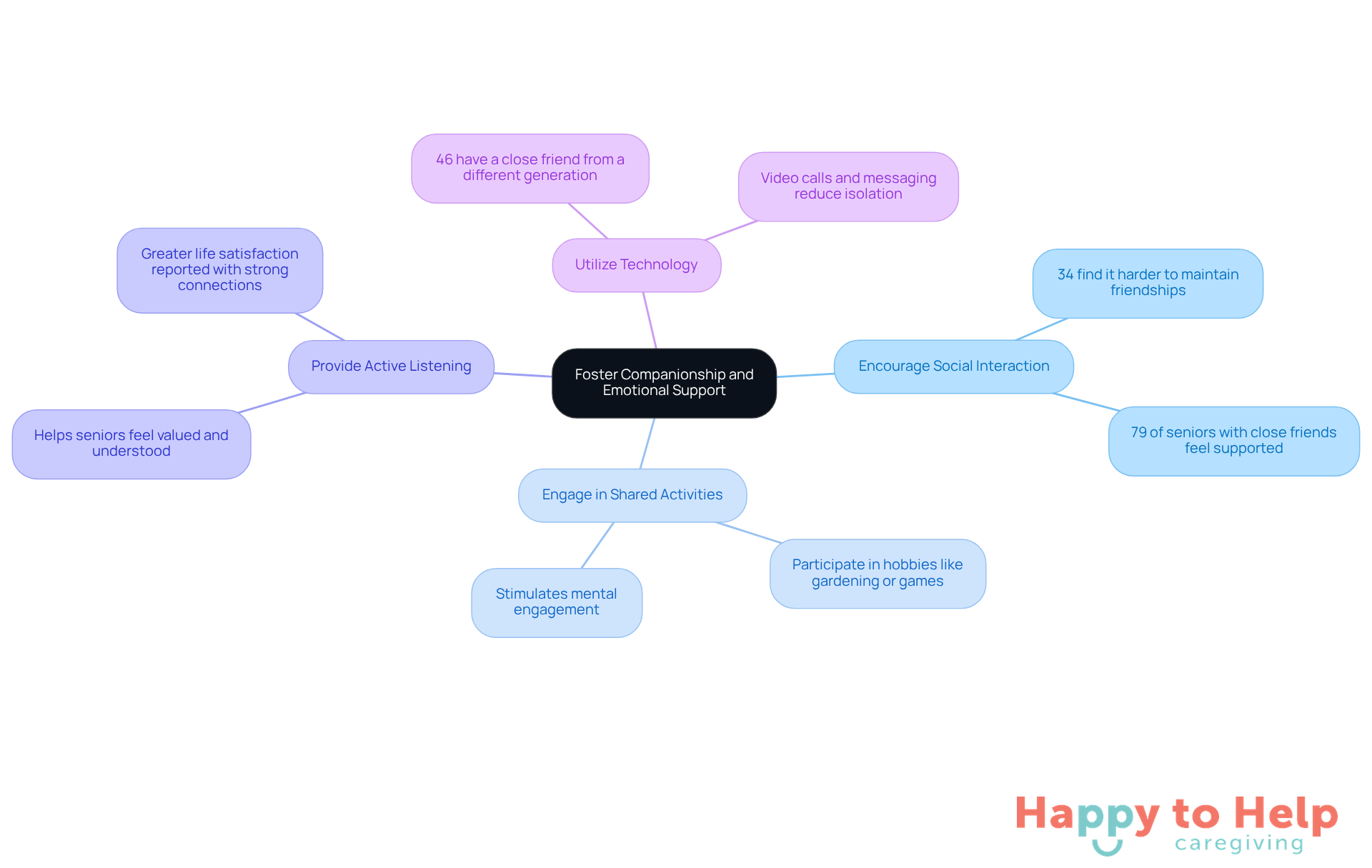
To foster companionship and emotional support for seniors, caregivers face a significant challenge: loneliness. Many older adults struggle to maintain social connections, which can lead to feelings of isolation and decreased emotional well-being. Research shows that 34% of older adults find it harder to maintain friendships now compared to their younger years, highlighting the urgency of this issue.
To address this problem, caregivers can implement several effective strategies:
-
Encourage Social Interaction: Create opportunities for seniors to connect with friends, family, and community members. Arranging regular visits or outings can significantly improve their community involvement, which is vital for emotional well-being. In fact, 79% of seniors with at least one close friend feel they can depend on them for emotional support, underscoring the importance of these connections.
-
Engage in Shared Activities: Participate in hobbies or activities that the elderly individual enjoys, such as gardening, crafting, or playing games. Engaging in these shared experiences not only fosters companionship but also stimulates mental engagement, which is essential for maintaining cognitive health.
-
Provide Active Listening: Be present and attentive when seniors share their thoughts and feelings. Active listening helps them feel valued and understood, alleviating feelings of loneliness. Studies indicate that individuals with robust interpersonal connections report greater life satisfaction, emphasizing the importance of emotional support in improving overall well-being. As Indira Venkat from AARP states, "strong community ties are essential for the health and well-being of senior individuals."
-
Utilize Technology: Encourage the use of technology to maintain connections with loved ones. Video calls, online platforms, and messaging applications can assist older adults in staying connected with family and friends, reducing feelings of isolation. Notably, 46% of older adults have a close friend from a different generation, showcasing the potential for diverse social interactions through technology.
By prioritizing companionship and emotional support, caregivers can significantly enhance the mental and emotional well-being of a senior at home, contributing to a happier and healthier home environment.
Utilize Technology for Enhanced Care
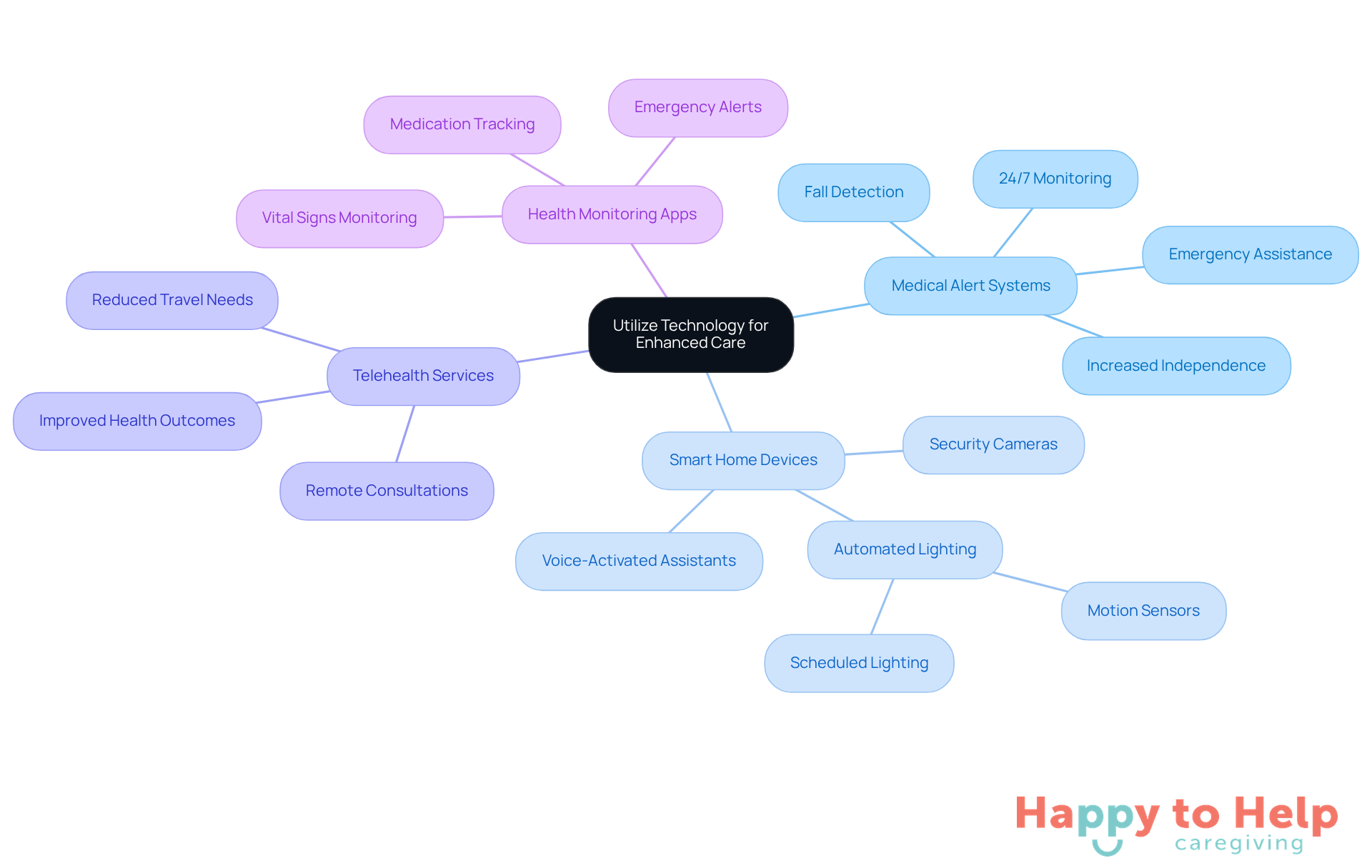
Incorporating technology into caregiving significantly enhances safety and communication for seniors in various ways:
Problem: Many elderly individuals face safety risks, particularly regarding falls. Studies show that 1 in 3 adults aged 65 and above have experienced an accidental fall in the past year, with many needing help to rise. Alarmingly, only 1 in 10 Americans aged 65 or above currently utilize medical alert systems, highlighting a critical gap in safety measures.
Agitate: This lack of support can lead to serious consequences, including prolonged injuries and decreased independence for seniors. The need for effective solutions is urgent, as caregivers strive to ensure the well-being of their loved ones.
Solution:
-
Medical Alert Systems: Providing elderly individuals with medical alert devices, which can be worn as pendants or wristbands, empowers them to call for help during emergencies.
-
Smart Home Devices: Implementing smart home technology, such as automated lighting and security cameras, creates a safer living environment. Smart lighting systems can be programmed to turn on and off at specific times to prevent falls, significantly reducing the risk of accidents during nighttime navigation.
-
Telehealth Services: Promoting the use of telehealth for medical consultations enables elderly individuals to receive care without the necessity of travel, which is especially advantageous for those with mobility challenges. A systematic review found that telehealth interventions improved health outcomes for rural older adults, demonstrating the effectiveness of this approach in enhancing access to necessary medical care.
-
Health Monitoring Apps: Utilizing health monitoring applications helps track medication schedules, appointments, and vital signs. These tools keep support providers and families updated on the elderly individual's health condition, enabling prompt actions when necessary. Furthermore, the recent $2 million initiative announced by HHS seeks to tackle staffing shortages in direct care roles, highlighting the significance of technology in easing difficulties encountered by those providing care.
By adopting these technologies, caregivers can enhance the overall caregiving experience, ensuring that elderly individuals receive timely support while staying connected to their loved ones. As one expert noted, "Emphasizing the life-saving potential of medical alert devices can significantly enhance seniors' safety and independence.
Your Path Forward
Creating a safe and supportive environment for seniors at home is crucial for their well-being and quality of life. Caregivers face the challenge of ensuring that older adults can live safely while maintaining their independence. Without effective home safety measures, seniors are at risk of accidents that can lead to serious injuries, impacting their overall health and happiness.
To address these concerns, caregivers can implement several key strategies:
- Removing tripping hazards and installing grab bars can significantly reduce the risk of falls.
- Utilizing medical alert systems provides seniors with immediate assistance in case of emergencies.
- Tailored care plans that cater to the unique needs of each senior are essential, as they lead to improved health outcomes and greater satisfaction.
Engaging seniors in social activities and leveraging technology can further enhance their quality of life. These practices not only combat loneliness but also facilitate better communication with loved ones, fostering emotional support. By prioritizing these elements, caregivers can create a more enriching environment for older adults.
Ultimately, the commitment to keeping seniors safe at home requires a holistic approach that addresses their physical, emotional, and social needs. Caregivers are encouraged to take proactive steps to implement these best practices, ensuring that seniors not only live safely but thrive in their home environments. Embracing these strategies can lead to a more fulfilling and secure life for older adults, reinforcing the vital role of compassionate caregiving in our communities.
https://iframe.tely.ai/cta/eyJhcnRpY2xlX2lkIjogIjY5M2Y1MDkzNjk1NDdlMzRlNWE0ZWU2YiIsICJjb21wYW55X2lkIjogIjY4ZWU1ZGNhNzMxNzYyNTU3ZjNjOTVjMSIsICJpbmRleCI6IG51bGwsICJ0eXBlIjogImFydGljbGUifQ==Frequently Asked Questions
What are the main safety concerns for seniors at home?
The primary safety concern for seniors at home is the risk of falls, which are the leading cause of injuries among this demographic, resulting in around 1,800 fatalities each year.
How much more likely are older adults to be treated for falls compared to younger individuals?
Older adults are six times more likely to be treated for falls on flooring compared to younger individuals.
What is one of the first steps caregivers can take to improve home safety for seniors?
Caregivers can start by removing tripping hazards, such as clutter, loose rugs, and electrical cords, and fastening carpets to the floor to help avoid slips.
Why is lighting important for senior safety at home?
Installing bright lighting in hallways, staircases, and bathrooms, as well as using night lights in dark areas, enhances visibility and significantly lowers the risk of falls.
What modifications can be made in bathrooms and stairways to improve safety?
Caregivers should install grab bars in bathrooms near toilets and in the shower, as well as handrails on both sides of stairways to provide essential support.
How can non-slip mats contribute to home safety for seniors?
Using non-slip mats in high-risk areas like bathrooms and kitchens can significantly reduce the risk of falls and prevent many accidents.
What emergency preparedness measures should caregivers consider for seniors?
Caregivers should ensure that emergency numbers are easily accessible, consider installing a medical alert system, and have smoke alarms and carbon monoxide alarms in place, as older individuals are more vulnerable to fire-related incidents.
How do these safety measures impact the quality of life for seniors?
By implementing these safety measures, caregivers can significantly reduce the risk of accidents, creating a safer living environment for seniors and ultimately enhancing their quality of life.
List of Sources
- Establish Home Safety Measures
- Senior Safety in 2025: A Guide | Kingston HealthCare (https://kingstonhealthcare.com/senior-safety-in-2025-a-guide)
- 8 Ways to Help Seniors Live At Home Safely in 2025 - VNA & Hospice Monterey, CA (https://ccvna.com/help-seniors-live-at-home-safely)
- What Are Inspiring Quotes For Seniors Aging Gracefully at Home? (https://visitingangels.com/kop/articles/inspiring-quotes-and-tips-for-seniors-aging-gracefully-at-home/26168)
- Older Americans Are More Likely to Suffer Fatalities from Falls and Fire; CPSC Report Highlights Hidden Hazards Around the Home (https://cpsc.gov/Newsroom/News-Releases/2022/Older-Americans-Are-More-Likely-to-Suffer-Fatalities-from-Falls-and-Fire-CPSC-Report-Highlights-Hidden-Hazards-Around-the-Home)
- Develop Personalized Care Plans
- Home Care Impact on Recovery of Patient (A Statistics Report) (https://lovinghomecareinc.com/home-care-recovery-statistics)
- Customized Care at Home: The Benefits of Personalized Care Plans - VNA Health Group (https://vnahg.org/customized-care-at-home-the-benefits-of-personalized-care-plans)
- The Future of Home Health Care: Trends to Watch in 2025 (https://synchronyfl.com/the-future-of-home-health-care-trends-to-watch-in-2025)
- NCHS Publishes New Data Brief on Residential Care Community Resident Characteristics (https://ahcancal.org/News-and-Communications/Blog/Pages/NCHS-Publishes-New-Data-Brief-on-Residential-Care-Community-Resident-Characteristics.aspx)
- The Incredible Benefits of Home Care, in 7 Amazing Stats - Companions For Seniors (https://companionsforseniors.com/2019/08/benefits-home-care-amazing-stats-trends-reports)
- Foster Companionship and Emotional Support
- Social Interaction and Life Satisfaction among Older Adults by Age Group - PMC (https://pmc.ncbi.nlm.nih.gov/articles/PMC10671417)
- Friendships Are Especially Powerful Late in Life, Poll Says (https://usnews.com/news/health-news/articles/2024-12-16/friendships-are-especially-powerful-late-in-life-poll-says)
- Friendship can be an important lifeline for older adults without children (https://medicalxpress.com/news/2025-12-friendship-important-lifeline-older-adults.html)
- Trends in Loneliness Among Older Adults from 2018-2023 (https://ihpi.umich.edu/national-poll-healthy-aging/national-findings/trends-loneliness-among-older-adults-2018-2023)
- Utilize Technology for Enhanced Care
- Medical Alert Systems: 2023-2024 Research and Statistics (https://theseniorlist.com/research/medical-alert-device-consumer-usage-study)
- Technology and interventions are changing care for older adults (https://fastcompany.com/91414509/technology-and-interventions-are-changing-care-for-older-adults)
- 7 Innovations In Elderly Alert Systems That Are Changing Senior Care | Fingerlakes1.com (https://fingerlakes1.com/2025/11/07/7-innovations-in-elderly-alert-systems-that-are-changing-senior-care)
- HHS Launches $2M AI Initiative To ‘Transform’ Caregiving, Address Staffing Challenges (https://homehealthcarenews.com/2025/11/hhs-launches-2m-ai-initiative-to-transform-caregiving-address-staffing-challenges)
- Embracing Technology: How Smart Home Devices Enhance Senior Living in 2025 (https://carepatrol.com/lorain-medina-wooster-mansfield/embracing-technology-how-smart-home-devices-enhance-senior-living-in-2025)