Understanding Practices for Live-In Dementia Care
Understanding dementia involves more than just recognizing its symptoms; it presents a significant challenge for both patients and caregivers. As the prevalence of dementia continues to rise, caregivers face increasing pressure to provide effective support. This situation can lead to caregiver burnout, impacting both their well-being and the quality of care provided to those affected.
To address these challenges, caregivers need effective strategies that create a supportive environment for individuals living with dementia. This article explores essential best practices for live-in dementia care, offering actionable insights that can enhance the quality of life for loved ones.
How can caregivers balance the demands of providing care with their own well-being? The answer lies in tailoring support to meet the unique needs of each individual. By implementing practical solutions, caregivers can ensure they are not only meeting the needs of those they care for but also maintaining their own health and happiness.
Understand Dementia: Key Concepts and Implications
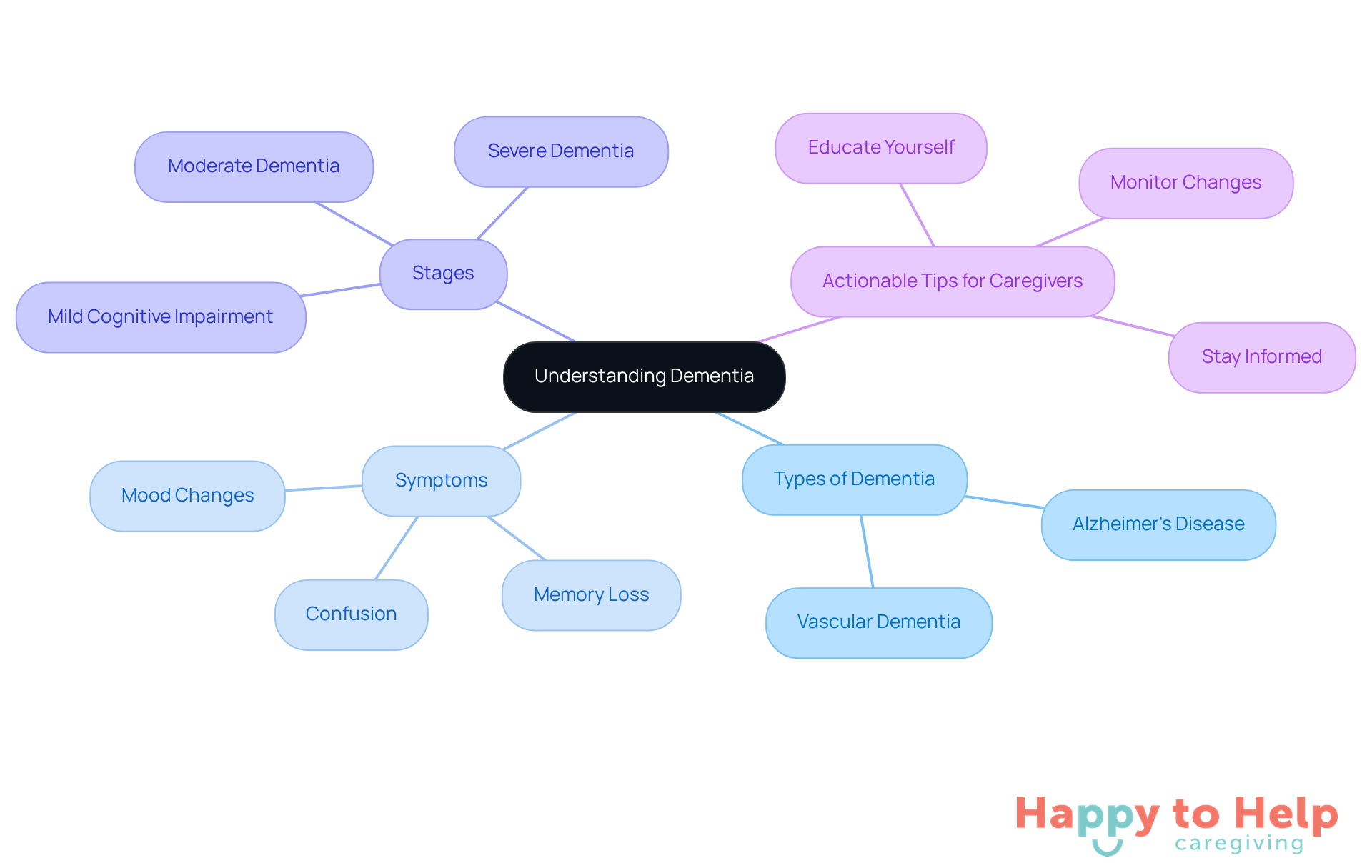
Dementia is a progressive neurological disorder that significantly impacts memory, thinking, and behavior. For caregivers, understanding the various forms of dementia, such as Alzheimer's disease and vascular dementia, is essential. Each type presents unique challenges and symptoms, including memory loss, confusion, and mood changes.
These challenges can be overwhelming for caregivers, making it crucial to identify symptoms early. Recognizing these signs allows supporters to respond appropriately and with empathy. Furthermore, understanding the stages of dementia - from mild cognitive impairment to severe dementia - enables caregivers to anticipate the needs of their loved ones and adjust care strategies accordingly.
Studies indicate that caregivers who are well-informed about cognitive decline can greatly enhance the care experience. This knowledge leads to improved outcomes for both the caregiver and the person receiving assistance.
Actionable Tips for Caregivers:
- Educate yourself about the different types of dementia and their symptoms.
- Monitor changes in behavior and mood to respond effectively.
- Stay informed about the stages of dementia to better prepare for future needs.
By taking these steps, caregivers can provide more effective support, ultimately improving the quality of life for both themselves and their loved ones.
Create a Safe and Supportive Home Environment
Establishing a secure living space for individuals with cognitive impairments presents a significant challenge. Tripping hazards, such as loose rugs and clutter, can lead to falls, posing serious risks. A disorganized environment can also contribute to confusion and anxiety, making daily activities more difficult.
To address these issues, caregivers can take several practical steps:
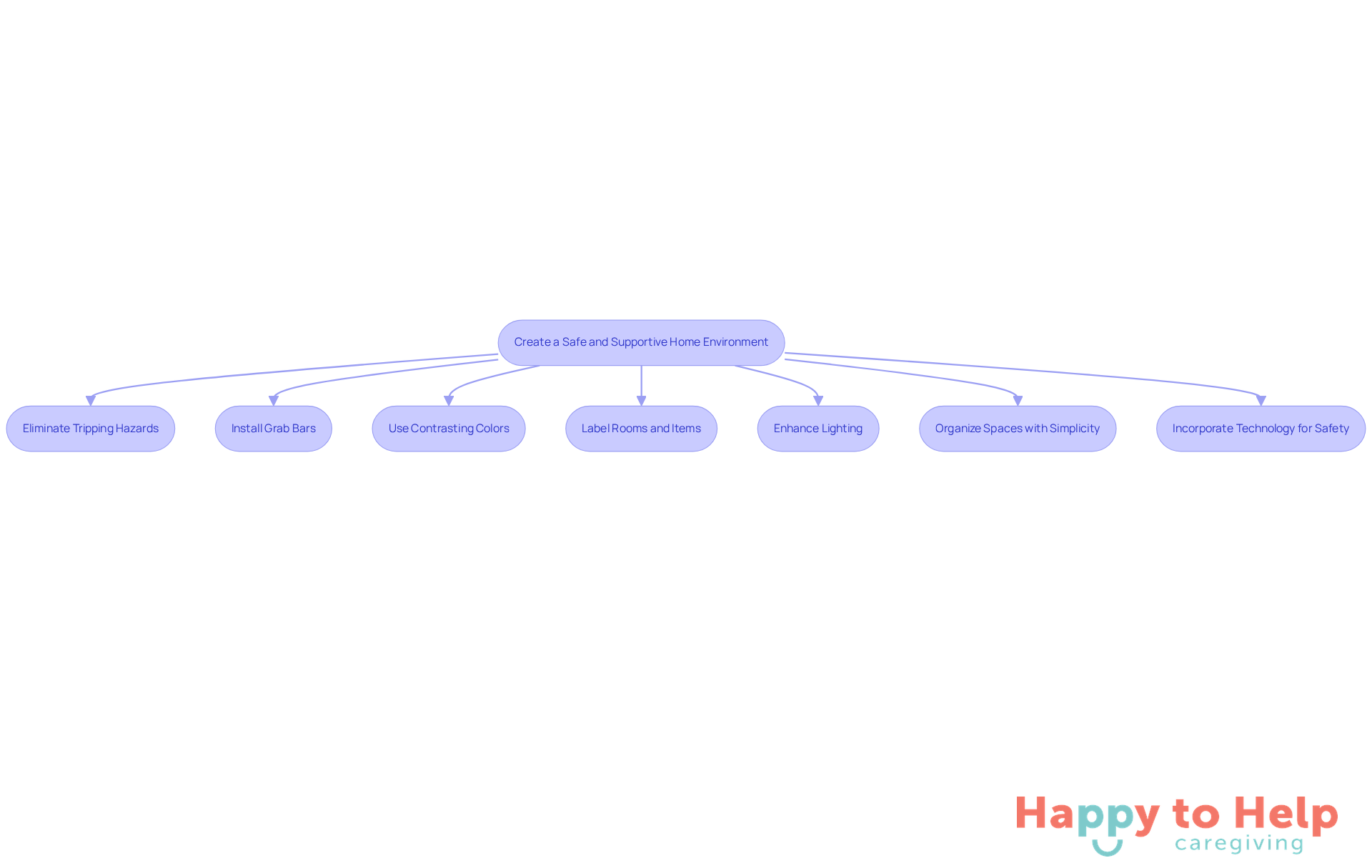
- Begin by eliminating tripping hazards and ensuring adequate lighting throughout the home.
- Installing grab bars in bathrooms is essential for safety.
- Employing contrasting hues for walls and floors can greatly assist navigation, helping individuals orient themselves in their environment.
- Labeling rooms and important items with clear signs or pictures enhances memory recall and reduces confusion.
Occupational therapists emphasize that a well-organized space, characterized by simplicity and order, can alleviate stress and support daily functioning. A serene and recognizable setting not only diminishes anxiety but also promotes a sense of safety, enabling individuals to engage in daily activities with confidence.
Recent innovations in residential safety, such as smart lighting systems and GPS tracking devices, further enhance the safety and independence of dementia patients. As noted by Havrilla, the goal of this care approach is to enable individuals to live in dementia care within their residences while ensuring the best quality of life for the longest duration possible. Case studies indicate that these modifications can significantly improve the quality of life for those who live in dementia care, allowing them to remain in their homes longer while preserving their dignity and autonomy. By implementing these adjustments, caregivers can create a nurturing atmosphere that enables those with dementia to thrive.
Prioritize Caregiver Well-Being: Strategies for Self-Care
Caregivers often face a significant challenge: neglecting their own well-being while caring for others. This oversight can lead to increased stress and even depression, with studies indicating that 40% to 70% of family caregivers experience clinically significant symptoms of depression. The implications are serious, not just for the caregivers themselves but also for those they support, as their ability to provide effective care diminishes when they are overwhelmed.
To combat this issue, caregivers must prioritize self-care. Effective strategies include:
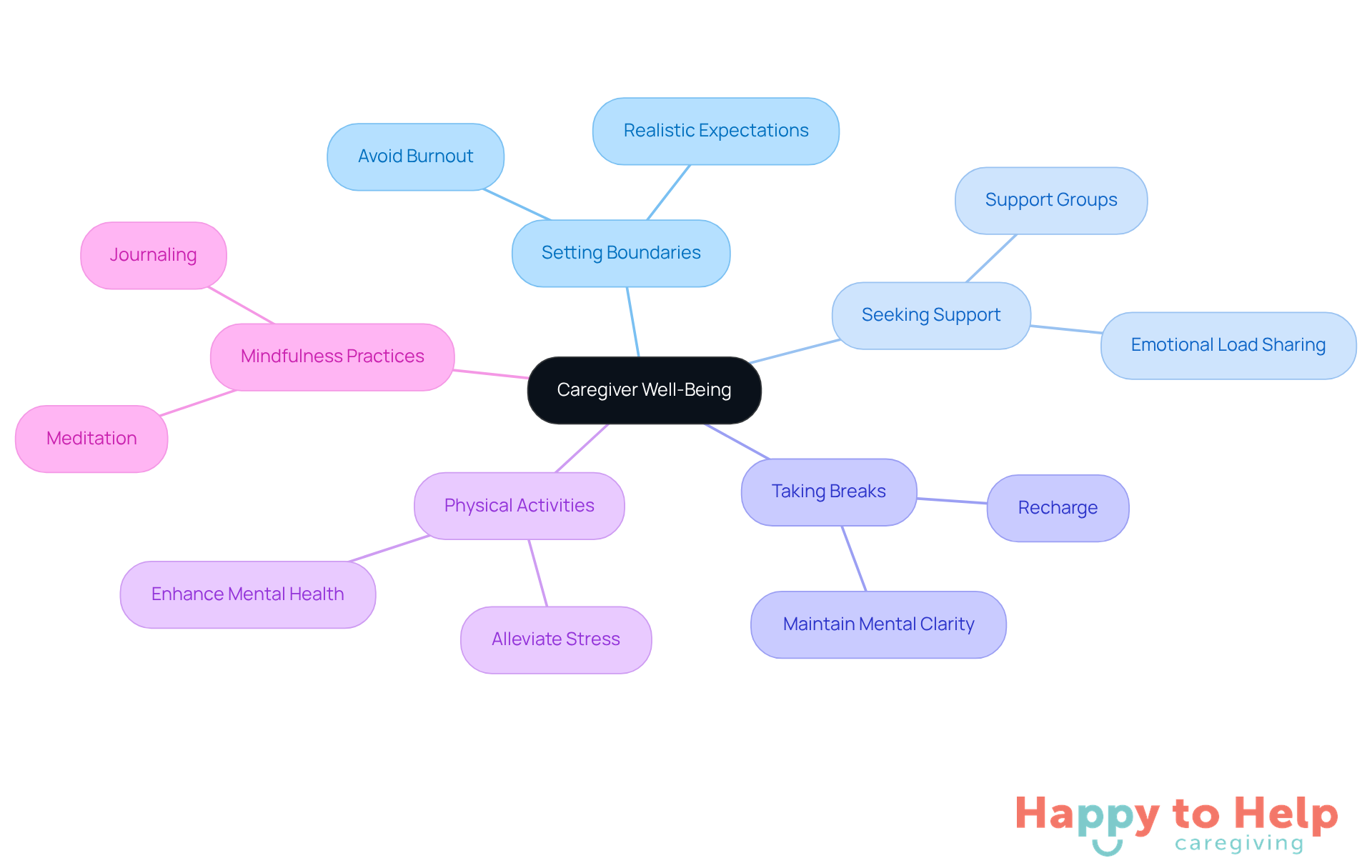
- Setting realistic expectations and boundaries to avoid burnout.
- Seeking support from friends, family, or support groups to share the emotional load.
- Taking regular breaks to recharge and maintain mental clarity.
Engaging in physical activities, such as walking or yoga, can significantly alleviate stress and enhance mental health. Mindfulness practices, including meditation or journaling, are also beneficial for managing anxiety and maintaining emotional balance. Research shows that caregivers who actively participate in self-care report a 74% decrease in stress and a 75% increase in feelings of effectiveness. This correlation highlights the necessity of self-care in fostering a supportive environment for both caregivers and individuals who live in dementia care, ultimately leading to improved care outcomes.
As emphasized by the Hospice of the Western Reserve, "Taking time for yourself is not a luxury; it’s a necessity." By implementing these self-care practices, caregivers can not only enhance their own mental well-being but also improve the quality of care they provide.
Develop Personalized Care Plans: Tailoring Support to Individual Needs
Developing customized care plans is essential for effectively assisting those who live in dementia care. The problem arises when caregivers lack a thorough understanding of the person's unique needs, preferences, and daily routines. This gap can lead to inadequate support, impacting the individual's quality of life.
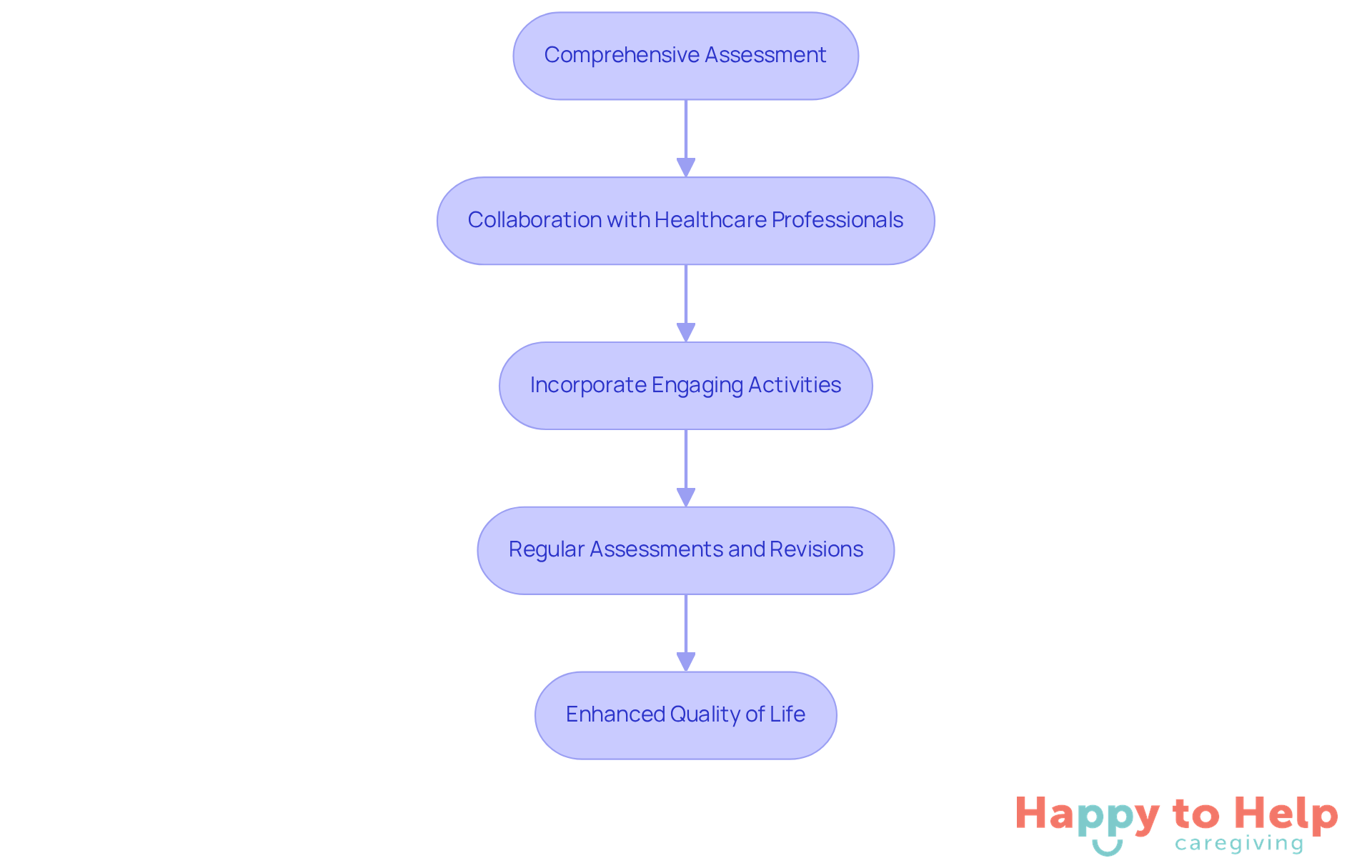
To address this, caregivers must begin with a comprehensive assessment that gathers detailed information about the person's medical history, daily habits, and personal interests. Collaboration with healthcare professionals is crucial to ensure that the care plan comprehensively addresses medical, emotional, and social requirements.
Incorporating engaging activities is a practical solution that not only enhances participation but also significantly boosts mood and cognitive function. Activities such as music therapy, reminiscence sessions, and light exercises can foster connections and stimulate memories, creating a more enriching environment.
Regular assessments and revisions to the care plan are vital to adapt to any changes in a person's condition or preferences. Studies consistently show that tailored care plans lead to increased engagement and satisfaction among those who live in dementia care, ultimately enhancing their overall quality of life. By focusing on individual preferences and needs, caregivers can create a supportive atmosphere that promotes dignity, comfort, and a sense of belonging.
Moving Forward with Practices for Live-In Dementia Care
Understanding the complexities of dementia care presents a significant challenge for caregivers and individuals affected by this condition. This complexity can lead to feelings of overwhelm and inadequacy, making it difficult to provide the necessary support. Without proper guidance, caregivers may struggle to meet the unique needs of those living with dementia, resulting in a diminished quality of life for both parties.
To address these challenges, implementing best practices is crucial. Caregivers should focus on:
- Education about the different types of dementia
- Ensuring a safe living environment
- Prioritizing their own well-being
Developing personalized care plans tailored to individual needs can significantly enhance the caregiving experience. By adopting these strategies, caregivers can reduce stress, improve communication, and foster a more supportive atmosphere.
Ultimately, a compassionate and informed approach is vital in the journey of dementia care. Caregivers must recognize the importance of their own well-being while attending to the needs of their loved ones. Embracing these best practices not only enhances the quality of care provided but also promotes dignity and comfort for individuals living with dementia. Taking action today to implement these strategies can lead to a more fulfilling and effective caregiving experience for everyone involved.
https://iframe.tely.ai/cta/eyJhcnRpY2xlX2lkIjogIjY5MmY5MTg1NWE2YzBkMzU2MDcwMDJlZCIsICJjb21wYW55X2lkIjogIjY4ZWU1ZGNhNzMxNzYyNTU3ZjNjOTVjMSIsICJpbmRleCI6IG51bGwsICJ0eXBlIjogImFydGljbGUifQ==Frequently Asked Questions
What is dementia?
Dementia is a progressive neurological disorder that significantly impacts memory, thinking, and behavior.
What are the different types of dementia?
The main types of dementia include Alzheimer's disease and vascular dementia, each presenting unique challenges and symptoms.
What are common symptoms of dementia?
Common symptoms of dementia include memory loss, confusion, and mood changes.
Why is it important for caregivers to understand dementia?
Understanding dementia helps caregivers identify symptoms early, respond appropriately, and adjust care strategies to meet the needs of their loved ones.
What are the stages of dementia?
The stages of dementia range from mild cognitive impairment to severe dementia, allowing caregivers to anticipate future needs.
How can knowledge about cognitive decline benefit caregivers?
Caregivers who are well-informed about cognitive decline can enhance the care experience, leading to improved outcomes for both themselves and the person receiving assistance.
What tips can caregivers follow to provide effective support?
Caregivers should educate themselves about different types of dementia and their symptoms, monitor changes in behavior and mood, and stay informed about the stages of dementia.
List of Sources
- Understand Dementia: Key Concepts and Implications
- D-CARE study finds caregiver satisfaction higher with dementia care programs than usual care (https://uclahealth.org/news/release/d-care-study-finds-caregiver-satisfaction-higher-with)
- Research: Caregiver Training Improves Skills & Knowledge of Alzheimer's, Study Shows (https://advancecaregivers.org/caregiver-training-improves-skills-knowledge-of-alzheimers-study-shows)
- ADI - Dementia statistics (https://alzint.org/about/dementia-facts-figures/dementia-statistics)
- Caregivers: the invisible backbone of dementia care (https://publichealth.gmu.edu/news/2025-11/caregivers-invisible-backbone-dementia-care)
- 2025 NIH Alzheimer’s Disease and Related Dementias Research Progress Report: Advances and Achievements (https://nia.nih.gov/about/2025-nih-dementia-research-progress-report)
- Create a Safe and Supportive Home Environment
- Dementia Care: Keeping Loved Ones Safe and Happy at Home (https://hopkinsmedicine.org/health/wellness-and-prevention/safe-and-happy-at-home)
- How To Create A Dementia-Friendly Environment: Guide For Caregivers - NCCDP (https://nccdp.org/how-to-create-a-dementia-friendly-environment-guide-for-caregivers)
- Adapting Home Environments for Patients with Dementia: Practical Tips and Strategies (https://vnahg.org/adapting-home-environments-for-patients-with-dementia-practical-tips-and-strategies)
- Home Safety | Alzheimer's Association (https://alz.org/help-support/caregiving/safety/home-safety)
- Alzheimer's Caregiving: Home Safety Tips (https://nia.nih.gov/health/safety/alzheimers-caregiving-home-safety-tips)
- Prioritize Caregiver Well-Being: Strategies for Self-Care
- Self-Care for Caregivers: Why It’s Critical to Give Yourself a Break | Mindglow Health (https://mindglowhealth.com/self-care-for-caregivers-why-its-critical-to-give-yourself-a-break)
- Facebook (https://newsroom.clevelandclinic.org/2025/11/19/importance-of-self-care-for-family-caregivers)
- Summer Self-Care for Caregivers | HWR (https://hospicewr.org/News/July-2025/Summer-Self-Care-for-Caregivers)
- Caregiver Statistics: Health, Technology, and Caregiving Resources (https://caregiver.org/resource/caregiver-statistics-health-technology-and-caregiving-resources)
- Caregiving’s Mental Health Crisis (https://forbes.com/sites/otsuka/2025/10/02/caregivings-mental-health-crisis)
- Develop Personalized Care Plans: Tailoring Support to Individual Needs
- The Importance of a Personalised Dementia Care Plan (https://rubislawpark.com/news-events/the-importance-of-a-personalised-dementia-care-plan)
- Top List of Inspirational Dementia Quotes for Caregivers (https://rochesterlawcenter.com/dementia-resources/dementia-quotes)
- Importance Of Personalized Care In Dementia-Friendly Communities (https://thehighpointresidence.com/blog/importance-of-personalized-care-in-dementia-friendly-communities)
- The Role of Personalized Care Plans in Memory Care | Medical News Bulletin (https://medicalnewsbulletin.com/the-role-of-personalized-care-plans-in-memory-care)
- Enhancing Dementia Care | The Power of Personalized Care Plans (https://allheartcare.com/the-importance-of-personalized-care-plans-in-dementia-support)