4 Best Practices for Managing Dementia Anorexia in Caregiving

For families in our service areas
For families in our service areas, this guide explains dementia care and how non-medical in-home caregiving can support care planning in East Idaho, Treasure Valley & Magic Valley, Northern Wasatch, North Central West Virginia & Southwestern Pennsylvania, and Northeast Ohio.
Why Practices for Managing Dementia Matters
Dementia anorexia presents a significant challenge for caregivers, often resulting in severe health consequences for those affected. Alarming statistics reveal that a substantial percentage of individuals with cognitive impairment experience clinically significant weight loss. This situation underscores the urgent need for effective management strategies.
Caregivers must navigate the complexities of dementia anorexia, recognizing its signs and providing essential nutritional support and emotional companionship. Balancing the delicate interplay of cognitive decline and nutritional needs is crucial for enhancing the well-being of clients.
In this article, we will explore best practices that caregivers can implement to address these challenges effectively.
Understand Dementia Anorexia: Definition and Impact
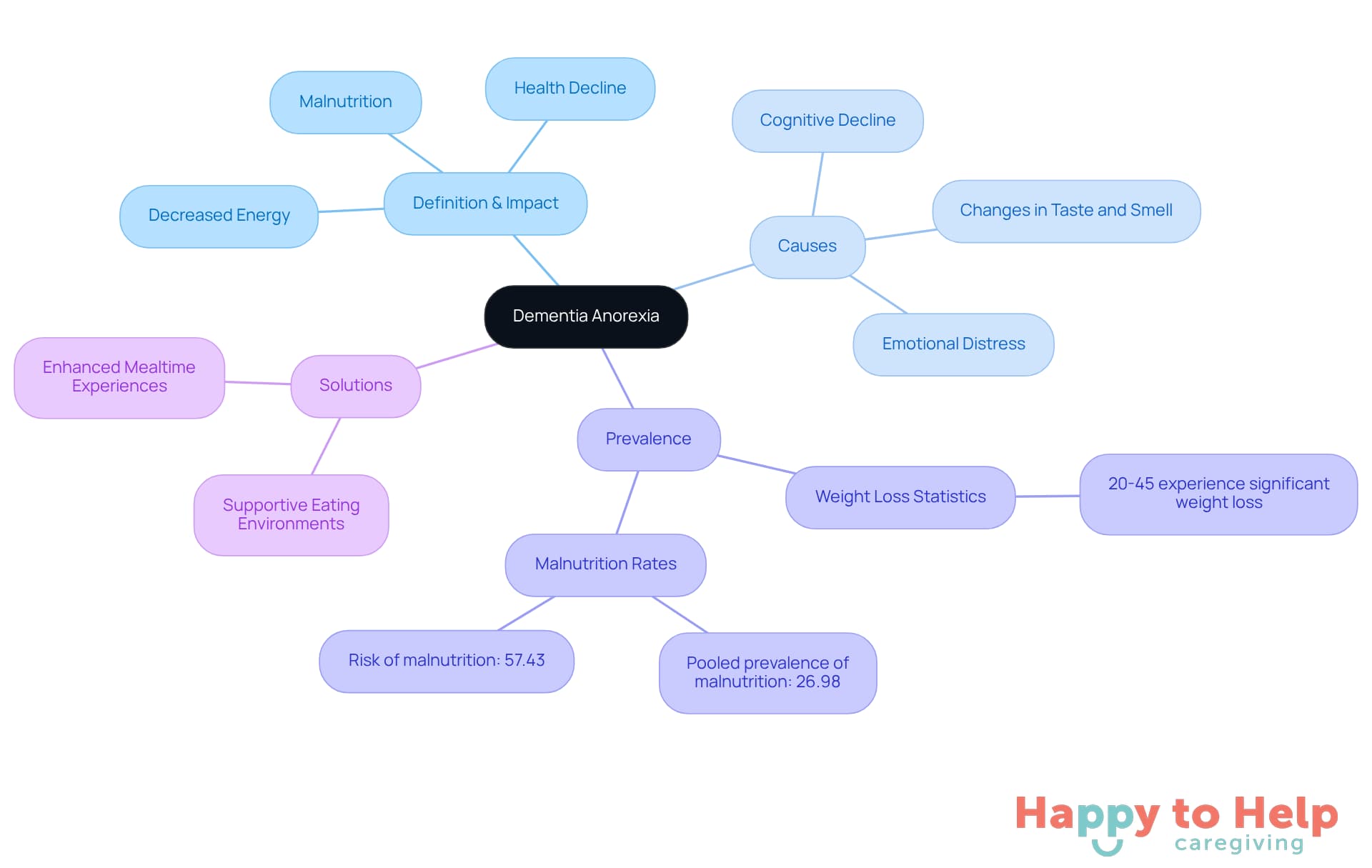
Dementia anorexia in individuals with cognitive impairment presents a significant problem, characterized by a marked decrease in appetite and subsequent weight loss. This condition stems from a complex interplay of factors, including cognitive decline, changes in taste and smell, and emotional distress. Alarmingly, recent studies show that between 20% and 45% of individuals with cognitive impairment experience clinically significant weight loss over a year, with malnutrition rates in long-term care facilities reaching concerning levels.
The severe implications of dementia anorexia are concerning. Dementia anorexia can lead to malnutrition, decreased energy levels, and a decline in overall health. The pooled prevalence of malnutrition in patients with cognitive impairment is reported at 26.98%, with a risk of malnutrition at 57.43%. Caregivers must recognize that this issue goes beyond behavioral challenges; it requires compassionate, tailored interventions that address both physical and psychological needs.
To combat this issue, caregivers can implement several practical solutions:
- Create supportive eating environments that encourage individuals to eat.
- Enhance mealtime experiences to make them more enjoyable and engaging.
Healthcare professionals stress the importance of early recognition of these challenges. Effective management can significantly mitigate the adverse health outcomes associated with malnutrition in this vulnerable population. Additionally, staff training in care homes regarding nutritional content and meal variety is essential for improving care strategies.
Recognize Signs and Symptoms of Dementia Anorexia
Caregivers face a significant challenge in recognizing dementia anorexia among their clients. This condition, known as dementia anorexia, can manifest as:
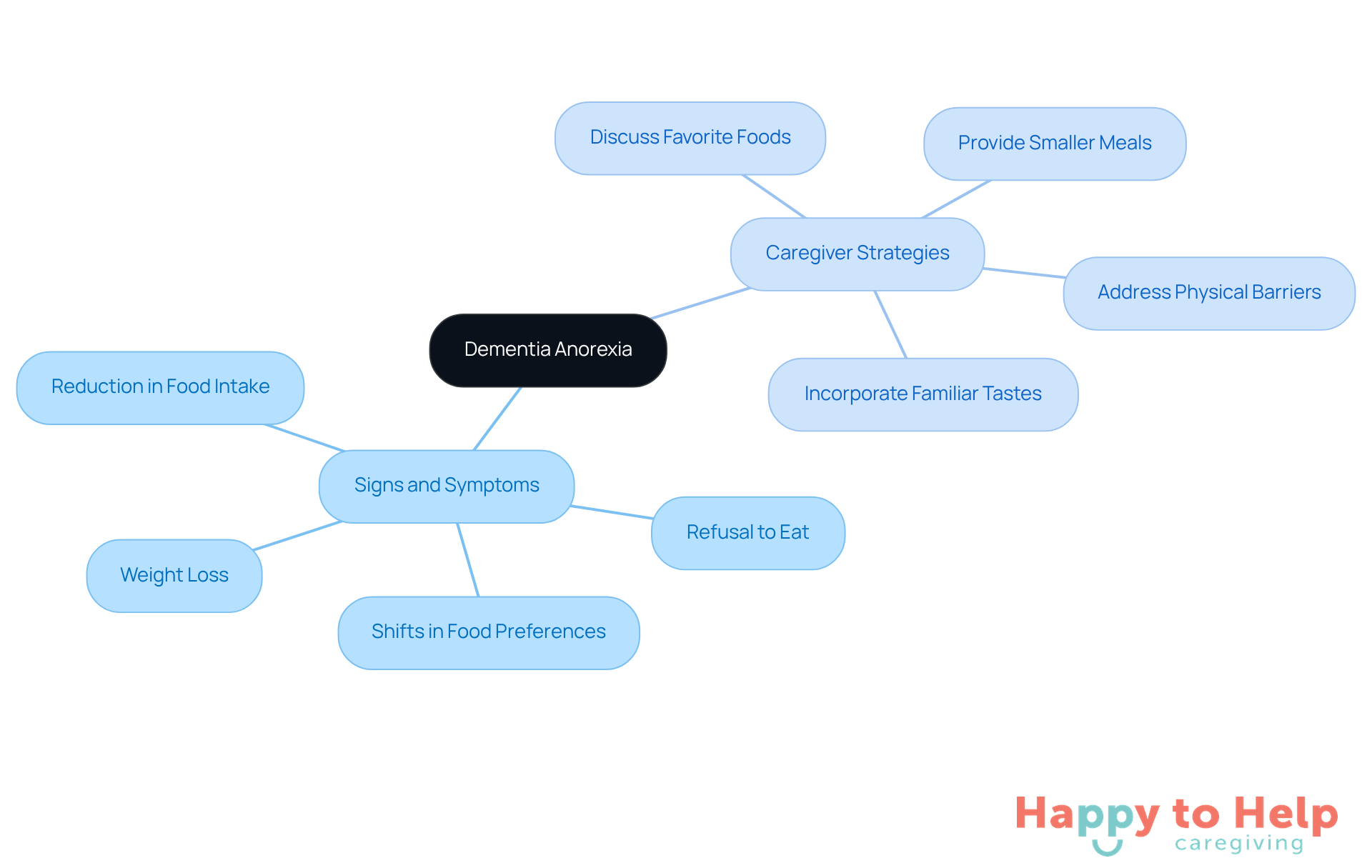
- A marked reduction in food intake
- Outright refusal to eat
- Shifts in food preferences
- Noticeable weight loss
Clients may also show a lack of interest in meals or exhibit confusion during mealtime, complicating the dining experience.
These changes often stem from cognitive decline, emotional distress, or physical difficulties, such as issues with chewing or swallowing. For instance, loss of appetite is frequently linked to depression in individuals experiencing dementia anorexia. Not consuming enough food can lead to fatigue and weakness, further exacerbating the situation. Early recognition of these symptoms is crucial, as it allows caregivers to address the underlying causes effectively.
To combat these issues, caregivers can:
- Engage clients in discussions about their favorite foods
- Incorporate familiar tastes and textures to stimulate appetite
- Provide smaller, more frequent meals to make consumption less overwhelming
- Address physical barriers to significantly enhance the dining experience.
By recognizing and addressing these signals, caregivers can promote healthier eating practices and improve the overall wellness of individuals with cognitive impairments.
Implement Nutritional Strategies for Clients
Dementia anorexia presents a significant challenge for caregivers, impacting the nutritional health of individuals experiencing cognitive decline. Dementia anorexia can lead to inadequate caloric intake, which exacerbates cognitive decline and overall health issues. Caregivers must adopt targeted nutritional strategies to effectively address this problem.
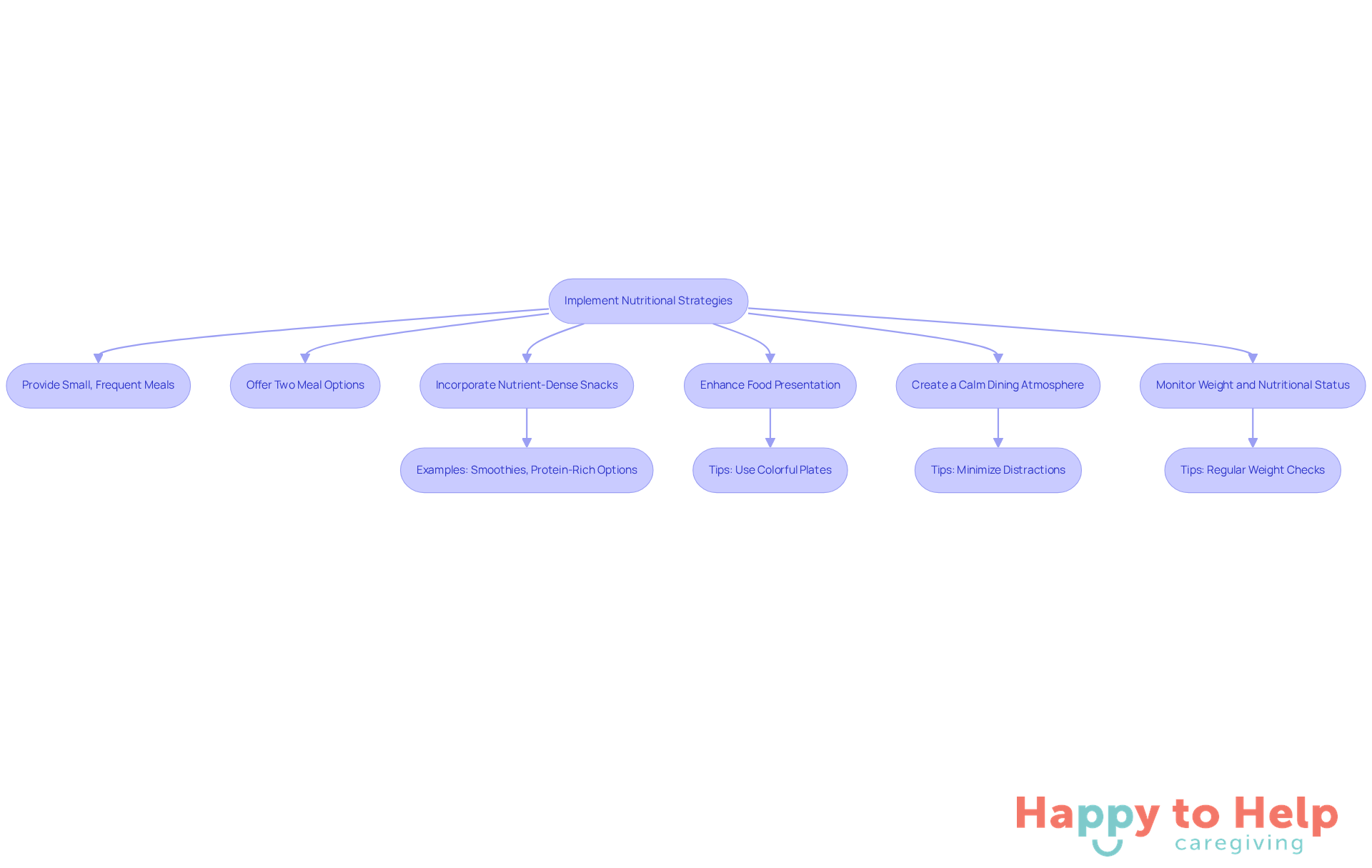
One effective approach is to provide small, frequent meals throughout the day rather than three large ones. This method can help prevent feelings of overwhelm and promote better nutrition. Additionally, offering only two meal options at a time simplifies decision-making for individuals with dementia, making mealtime less stressful.
Incorporating nutrient-dense snacks, such as smoothies or protein-rich options, can significantly boost caloric consumption. The presentation of food is also crucial; colorful and visually appealing meals can stimulate appetite and enhance the dining experience. Caregivers should consider using plates with rims or protective edges to minimize spills during meals.
Creating a calm and pleasant dining atmosphere is essential, as stress can further inhibit eating. Regular monitoring of weight and nutritional status is vital for individuals with cognitive impairment to ensure their dietary needs are being met. Collaborating with a dietitian can yield personalized meal plans that align with clients' specific preferences and nutritional needs, ensuring effective dietary management.
As Dr. Matthew Prina emphasizes, "Nutritional standards of care for individuals with cognitive impairments should be implemented across the health and social care sectors, and monitored for adherence." By implementing these strategies, caregivers can significantly improve the nutritional intake and overall well-being of those they care for.
Provide Emotional Support and Companionship
Companionship is a vital factor in addressing anorexia that is linked to dementia. Individuals often face feelings of isolation and depression, which can exacerbate their condition. Caregivers must recognize this challenge and take proactive steps to mitigate its effects.
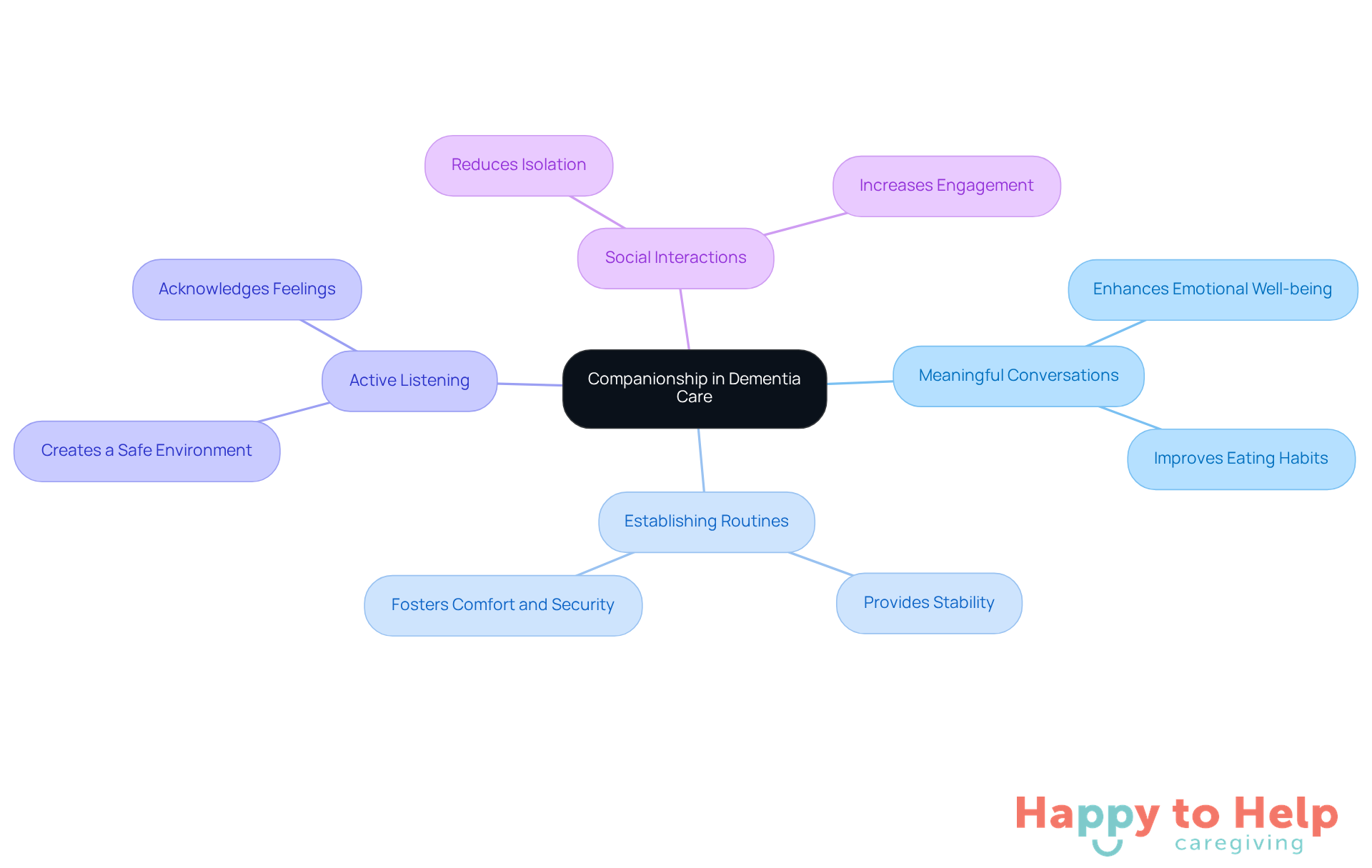
To combat these feelings, caregivers should engage individuals in meaningful conversations. Encouraging them to reminisce about positive memories and participate in social interactions - whether through family visits or group activities - can significantly enhance their emotional well-being. Establishing a consistent routine not only provides stability but also fosters a sense of comfort and security for those with dementia.
Active listening is crucial. By acknowledging individuals' feelings, caregivers create an environment where they feel safe and understood. This emotional connection is essential for enhancing overall well-being and can lead to improved eating habits. For example, caregivers who share mealtimes and engage in light conversation often find that individuals are more inclined to eat and enjoy their food.
Real-life examples show that prioritizing companionship can reduce anxiety and increase engagement, positively impacting nutritional intake. Psychologists emphasize that companionship can mitigate the effects of dementia anorexia, underscoring the importance of social interaction in maintaining appetite and overall health.
By fostering these connections, caregivers not only support their clients' emotional needs but also contribute to their physical well-being. Companionship is, therefore, an invaluable aspect of dementia care.
Your Path Forward
Addressing dementia anorexia presents a significant challenge for caregivers, as it intertwines nutritional deficiencies with emotional distress. This condition not only affects the physical health of individuals but also impacts their overall quality of life. Caregivers must recognize the critical relationship between appetite and emotional well-being to create an environment that encourages eating and fosters support.
To effectively manage dementia anorexia, caregivers can implement several best practices:
- Create supportive eating environments that reduce stress and promote comfort.
- Recognize signs and symptoms of anorexia to intervene early.
- Implement targeted nutritional strategies tailored to individual preferences and needs.
- Provide emotional companionship to enhance the mealtime experience.
These strategies are vital in combating the adverse effects of malnutrition, ultimately leading to improved health outcomes for those affected by dementia.
In conclusion, managing dementia anorexia goes beyond merely increasing food intake; it requires a holistic approach that nurtures emotional support and companionship. Caregivers are encouraged to adopt these best practices, as fostering connections and enhancing mealtime experiences is crucial. By prioritizing both nutrition and emotional well-being, caregivers can significantly improve the lives of individuals with dementia, promoting a healthier and more fulfilling existence.
https://iframe.tely.ai/cta/eyJhcnRpY2xlX2lkIjogIjY5NDBhMjBlMjI1ZjA3N2M1ZmMwYmYyYiIsICJjb21wYW55X2lkIjogIjY4ZWU1ZGNhNzMxNzYyNTU3ZjNjOTVjMSIsICJpbmRleCI6IG51bGwsICJ0eXBlIjogImFydGljbGUifQ==Frequently Asked Questions
What is dementia anorexia?
Dementia anorexia is a condition in individuals with cognitive impairment characterized by a significant decrease in appetite and subsequent weight loss.
What factors contribute to dementia anorexia?
The condition arises from a complex interplay of factors, including cognitive decline, changes in taste and smell, and emotional distress.
How prevalent is weight loss among individuals with cognitive impairment?
Recent studies indicate that between 20% and 45% of individuals with cognitive impairment experience clinically significant weight loss over a year.
What are the implications of dementia anorexia?
Dementia anorexia can lead to malnutrition, decreased energy levels, and a decline in overall health.
What is the reported prevalence of malnutrition in patients with cognitive impairment?
The pooled prevalence of malnutrition in patients with cognitive impairment is reported at 26.98%, with a risk of malnutrition at 57.43%.
What should caregivers do to address dementia anorexia?
Caregivers should create supportive eating environments and enhance mealtime experiences to encourage individuals to eat.
Why is early recognition of dementia anorexia important?
Early recognition is crucial as effective management can significantly reduce the adverse health outcomes associated with malnutrition in this vulnerable population.
What training is recommended for staff in care homes regarding dementia anorexia?
Staff training in care homes regarding nutritional content and meal variety is essential for improving care strategies related to dementia anorexia.
List of Sources
- Understand Dementia Anorexia: Definition and Impact
- ADI - Nutrition and dementia (https://alzint.org/resource/nutrition-and-dementia)
- Prevalence of Malnutrition in People with Dementia in Long-Term Care: A Systematic Review and Meta-Analysis - PMC (https://pmc.ncbi.nlm.nih.gov/articles/PMC10343750)
- Appetite and dementia (https://alzheimers.org.uk/get-support/living-with-dementia/poor-appetite-dementia)
- ADI - Dementia statistics (https://alzint.org/about/dementia-facts-figures/dementia-statistics)
- Recognize Signs and Symptoms of Dementia Anorexia
- Appetite and dementia (https://alzheimers.org.uk/get-support/living-with-dementia/poor-appetite-dementia)
- Unplanned Weight Loss May Signal Later Dementia Risk (https://everydayhealth.com/neurological-disorders/weight-loss-may-be-an-early-dementia-warning-sign)
- Are these early warning signs for dementia? - ABC listen (https://abc.net.au/listen/programs/healthreport/early-dementia-signals/104984128)
- Eating Disorders and Dementia - Today's Geriatric Medicine (https://todaysgeriatricmedicine.com/archive/ND23p10.shtml)
- Dementia experts warn eating habits could signal 'early' signs of rare condition (https://express.co.uk/life-style/health/2020858/dementia-experts-warn-eating-habits)
- Implement Nutritional Strategies for Clients
- Food & Eating | Alzheimer's Association (https://alz.org/help-support/caregiving/daily-care/food-eating)
- ADI - Nutrition and dementia (https://alzint.org/resource/nutrition-and-dementia)
- Feeding and Nutrition (for dementia) (https://caregiver.org/resource/feeding-and-nutrition-dementia)
- Supporting someone with dementia to eat and drink (https://alzheimers.org.uk/get-support/living-with-dementia/improving-eating-experience-dementia)
- Provide Emotional Support and Companionship
- Supporting Families Through Dementia | Carolina Caring (https://carolinacaring.org/news/supporting-families-through-dementia)
- Active Social Lives Help Dementia Patients, Caregivers Thrive (https://ucsf.edu/news/2024/03/427276/active-social-lives-help-dementia-patients-caregivers-thrive)
- 15 Benefits of Senior Companion Care Services (https://heartsfordementia.com/news/15-benefits-of-senior-companion-care-services)