

Active service-area notice
Happy to Help does not currently list Oregon as an active service area. This article is general educational information. For local care availability, browse our active service areas.
Browse active service areasFor families in our service areas
For families in our service areas, this guide explains caregiver support and how non-medical in-home caregiving can support care planning in East Idaho, Treasure Valley & Magic Valley, Northern Wasatch, North Central West Virginia, and Northeast Ohio.
What You Need to Know About Practices for Oregon Caregivers to
Recognizing the profound impact of caregiving is essential for those supporting loved ones in Oregon. Caregivers often encounter unique emotional and physical challenges that can weigh heavily on their well-being. Yet, they hold the key to enhancing the quality of care provided. How can caregivers balance their responsibilities while ensuring their own health and the independence of those they care for?
This article explores best practices tailored for Oregon caregivers. It offers strategies to:
- Acknowledge their vital role
- Prioritize self-care
- Foster independence in care recipients
By doing so, we aim to enhance the caregiving experience for everyone involved. Together, we can navigate these challenges with compassion and understanding.
Acknowledge Your Role as a Caregiver
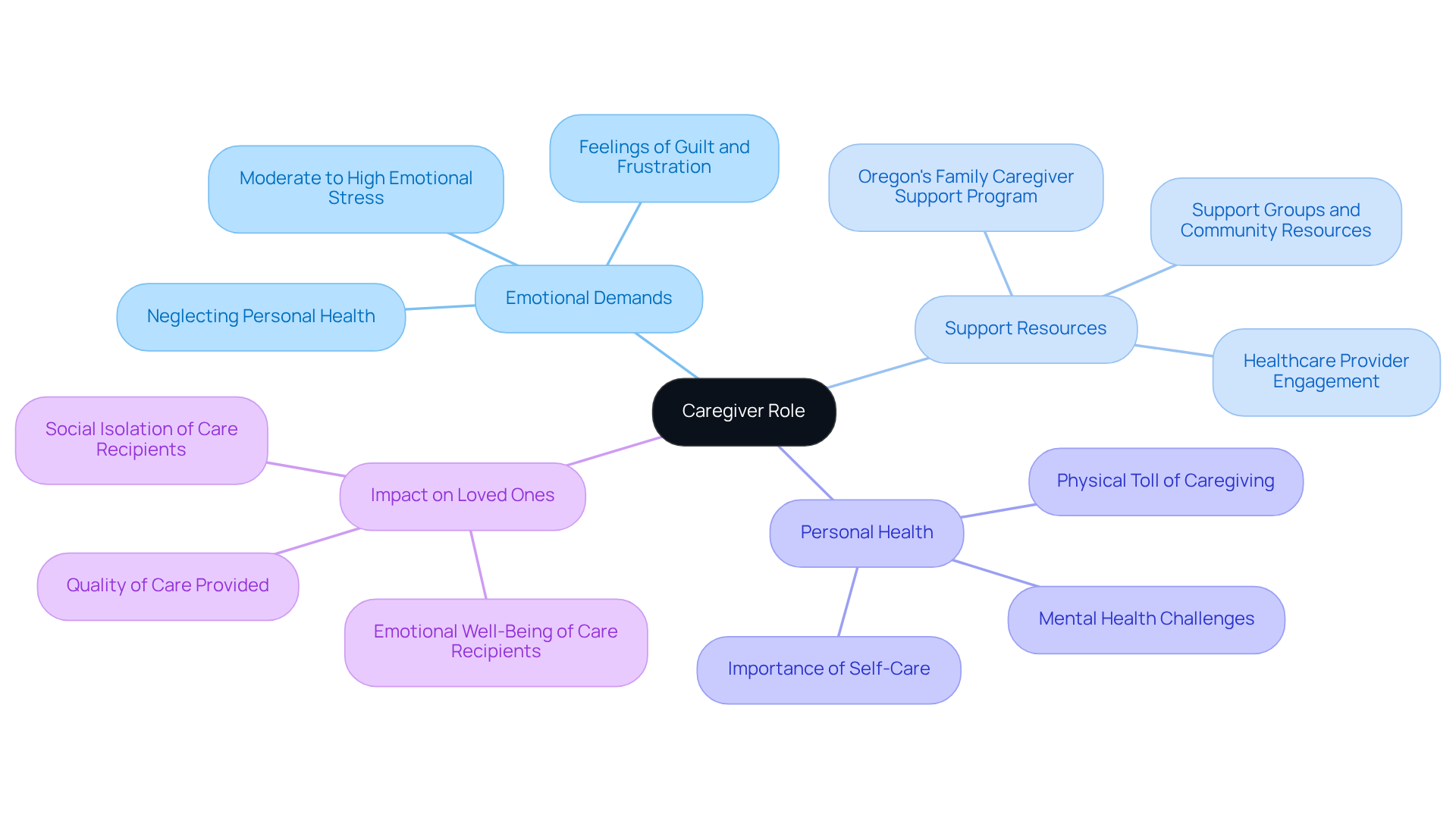
Accepting your role as a supporter is the first step toward providing effective assistance. It’s important to recognize the emotional and physical demands of caregiving and understand the profound impact your care has on your loved one’s well-being. Take a moment to reflect on your responsibilities and the unique challenges you face. Engaging in conversations with other caregivers or joining support groups can offer valuable insights and highlight the significance of your role.
For example, Oregon's Family Caregiver Support Program provides resources and community support, helping caregivers feel less isolated and more empowered. Research shows that nearly two-thirds of caregivers report experiencing moderate to high emotional stress, and 30% express a need for help managing their emotional or physical stress. This underscores the importance of connection and support.
By acknowledging your role and seeking out these resources, you can enhance your emotional health and improve the quality of care you provide. Remember, the physical and emotional toll of caregiving is real! Prioritizing your own health is essential. Caregivers often overlook their well-being, sometimes skipping meals or missing doctor’s appointments. You deserve care too.
Prioritize Self-Care and Well-Being
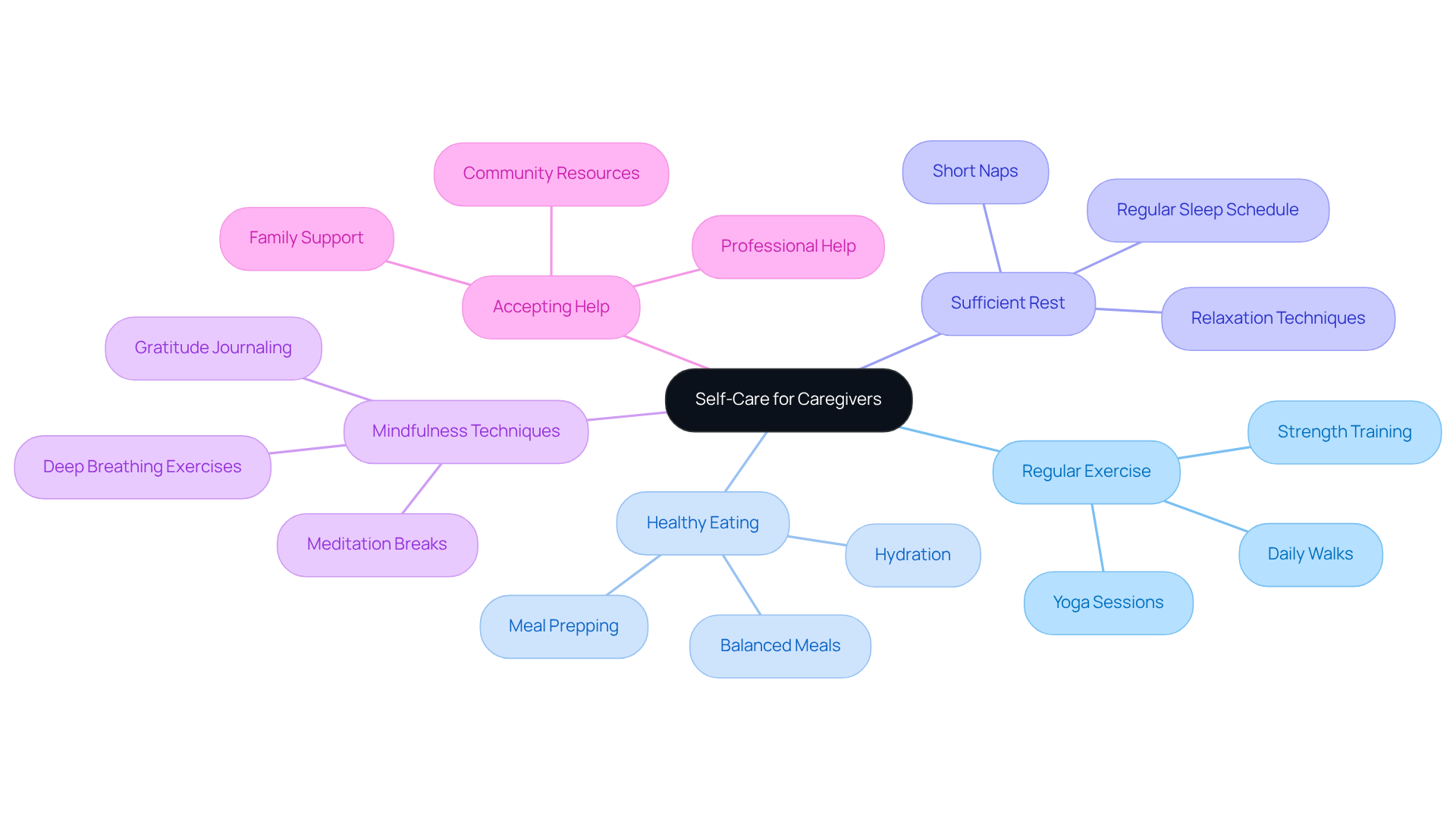
Caregiving can be an emotionally and physically taxing role. It’s crucial for caregivers to prioritize self-care. Establishing routines that include:
- Regular exercise
- Healthy eating
- Sufficient rest
can make a world of difference. Techniques like mindfulness, meditation, or yoga can help manage stress levels. Even taking just 10 minutes for a meditation break can alleviate some of the pressure.
Don’t hesitate to accept help from family and friends. Sharing the load can lighten the burdens you carry. In fact, 72% of caregivers rearrange their doctor’s appointments because they struggle to find time for themselves. This statistic underscores the importance of prioritizing your own well-being.
Resources provided by Oregon caregivers include free training and workshops focused on self-care techniques. These can empower you to take better care of yourself while you support others. By investing in your health, you enhance your ability to provide compassionate and effective care.
Encourage Independence in Care Recipients
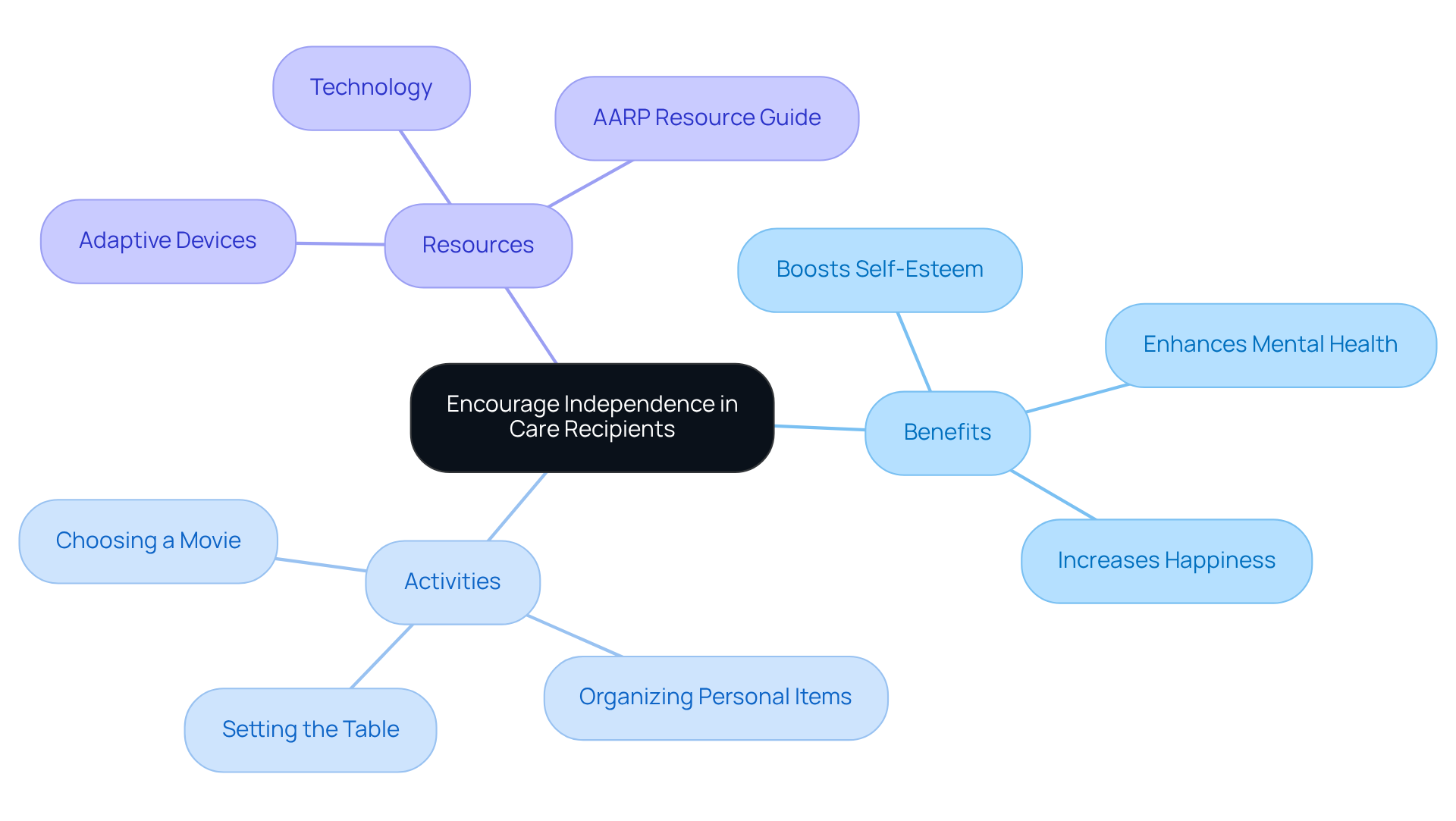
Encouraging independence in care recipients is vital for boosting their self-esteem and overall health. When individuals can make choices about their daily activities - like meal planning or selecting their clothing - they feel empowered, reinforcing their sense of agency. Oregon caregivers play a crucial role in this process by providing manageable tasks that promote a sense of accomplishment.
Consider simple activities such as:
- Setting the table
- Organizing personal items
- Choosing a movie
These small actions can significantly enhance confidence and self-worth. Research shows that when seniors feel in control of their lives, they experience greater happiness and engagement. This highlights the profound impact of autonomy on mental health.
In America, studies indicate that the prevalence of dependence in activities of daily living (ADLs) among older adults ranges from 10% to 21%. This statistic underscores the importance of fostering independence. Experts agree that maintaining independence is essential for self-esteem and overall well-being.
Supporters, including Oregon caregivers, can utilize resources like adaptive devices and technology, along with the AARP resource guide, to ensure safety and promote independence in their loved ones. Remember, every small step towards independence can lead to a more fulfilling life.
Utilize Resources and Training Opportunities
Caregivers often face emotional challenges that can lead to stress and burnout. It’s essential to know that you’re not alone in this journey. Actively pursuing resources and training opportunities can make a significant difference in refining your caregiving skills. Oregon caregivers, such as Oregon Care Partners, offer free training programs covering a wide range of topics, from managing specific health conditions to effective communication strategies. Many caregivers have found that participating in these programs greatly improves the quality of care they provide, boosting their confidence and reducing stress levels.
Local support groups, such as the Memory Café, create a vital space for sharing experiences and learning from peers who understand the challenges you face. Engaging with these resources not only builds essential knowledge but also fosters a supportive community among caregivers. This sense of belonging is crucial for navigating the complexities of caregiving.
Looking ahead to 2025, the state remains committed to prioritizing education for caregivers. Programs like Powerful Tools for Caregivers and the Savvy Caregiver class are designed to empower individuals and enhance their overall well-being. Additionally, the Handbook for Care Providers, available in various languages, serves as a helpful guide for those seeking direction.
As Oregon Care Partners emphasizes, 'Our expert instructors are passionate about empowering Oregon caregivers with the knowledge, tools, and skills needed to feel confident and prepared in every care setting.' These initiatives reflect a deep commitment to enhancing the caregiving experience, ensuring that caregivers feel equipped to provide the best possible support to their loved ones. Remember, seeking help and connecting with others can lead to a more fulfilling caregiving journey.
Making the Right Choice
Recognizing the multifaceted role of caregivers is essential for enhancing both their well-being and the quality of care they provide. It’s important to acknowledge the emotional and physical demands of caregiving, as this lays the groundwork for a supportive environment where caregivers can truly thrive. This recognition not only fosters personal growth but also strengthens the bond with those they care for, ultimately leading to improved outcomes for everyone involved.
Throughout this article, we’ve highlighted key practices that can make a difference:
- Self-care is crucial; by prioritizing their own health, caregivers can better manage stress and avoid burnout.
- Encouraging independence in care recipients not only boosts their self-esteem but also contributes to a more fulfilling caregiving experience.
- Let’s not forget the wealth of resources and training opportunities available in Oregon, which empower caregivers to enhance their skills and connect with a supportive community.
In conclusion, the journey of caregiving is both rewarding and challenging. By embracing self-care, fostering independence, and actively seeking out resources, caregivers can significantly improve their own well-being and that of their loved ones. Remember, you are not alone; support is available. Taking proactive steps can lead to a more balanced and enriching caregiving experience. Embrace these best practices and commit to prioritizing your health and well-being as you navigate this vital role.
https://iframe.tely.ai/cta/eyJhcnRpY2xlX2lkIjogIjY5MWU1YWI0YzBkNDJlMTUwMDY1YWNhYiIsICJjb21wYW55X2lkIjogIjY4ZWU1ZGNhNzMxNzYyNTU3ZjNjOTVjMSIsICJpbmRleCI6IG51bGwsICJ0eXBlIjogImFydGljbGUifQ==Frequently Asked Questions
Why is it important to acknowledge your role as a caregiver?
Acknowledging your role as a caregiver is essential as it helps you understand the emotional and physical demands of caregiving and the significant impact your care has on your loved one’s well-being.
What are some challenges faced by caregivers?
Caregivers face unique challenges, including emotional stress and the physical demands of caregiving, which can lead to feelings of isolation and the need for support.
How can caregivers seek support?
Caregivers can seek support by engaging in conversations with other caregivers, joining support groups, or utilizing resources such as Oregon's Family Caregiver Support Program, which offers community support and helps caregivers feel less isolated.
What percentage of caregivers report experiencing emotional stress?
Research shows that nearly two-thirds of caregivers report experiencing moderate to high emotional stress.
What should caregivers prioritize for their own well-being?
Caregivers should prioritize their own health by ensuring they take care of themselves, which includes not skipping meals or missing doctor’s appointments, as they deserve care too.
How can acknowledging the caregiver role improve the quality of care?
By recognizing their responsibilities and seeking out resources, caregivers can enhance their emotional health, which in turn improves the quality of care they provide to their loved ones.