What to Expect
Caring for our elderly loved ones can be both rewarding and challenging. Many caregivers experience feelings of stress and burnout as they strive to provide the best support possible. This is where assistive technology can play a vital role in enhancing independence, safety, and overall quality of life for seniors.
Understanding individual needs is the first step. Each senior has unique requirements, and recognizing these can make a world of difference. Imagine a caregiver who takes the time to learn about the specific challenges their loved one faces. This understanding fosters a deeper connection and ensures that the right tools are chosen to support their daily lives.
Next, providing comprehensive training for both seniors and caregivers is essential. It’s not just about having the technology; it’s about knowing how to use it effectively. When caregivers feel confident in their skills, they can offer better support, reducing their own stress levels. Picture a caregiver who, after training, feels empowered to help their loved one navigate new devices with ease.
Integrating supportive tools into daily routines can also transform lives. By seamlessly incorporating technology into everyday activities, seniors can maintain their independence while feeling safe. Think of a senior who uses a simple alert system to call for help if needed. This small addition can provide immense peace of mind for both the senior and their caregiver.
Finally, fostering ongoing support is crucial. Caregivers need to know they’re not alone in this journey. Regular check-ins and community resources can provide the encouragement and assistance they need. As one caregiver shared, "Having a support network made all the difference for me. I felt less isolated and more capable of handling the challenges."
By embracing these practices, we can maximize the benefits of assistive technology and ensure successful adoption. Let’s work together to create a nurturing environment where our seniors can thrive, knowing they have the support they need.
What You Need to Know About Practices for Using Assistive
Assistive technology is truly transforming elderly care, offering tools that not only enhance independence but also uplift the overall quality of life for our seniors. Imagine smart home devices and medication management systems that empower older adults to navigate their daily routines with greater ease and safety. Yet, as we embrace these innovations, challenges can arise—how can caregivers implement these tools effectively without unintentionally fostering dependency?
This article explores best practices for utilizing assistive technology in elderly care, ensuring that both seniors and caregivers can enjoy the full benefits while overcoming potential hurdles. Together, we can create a supportive environment that nurtures independence and fosters a sense of security for our loved ones.
Define Assistive Technology in Elderly Care
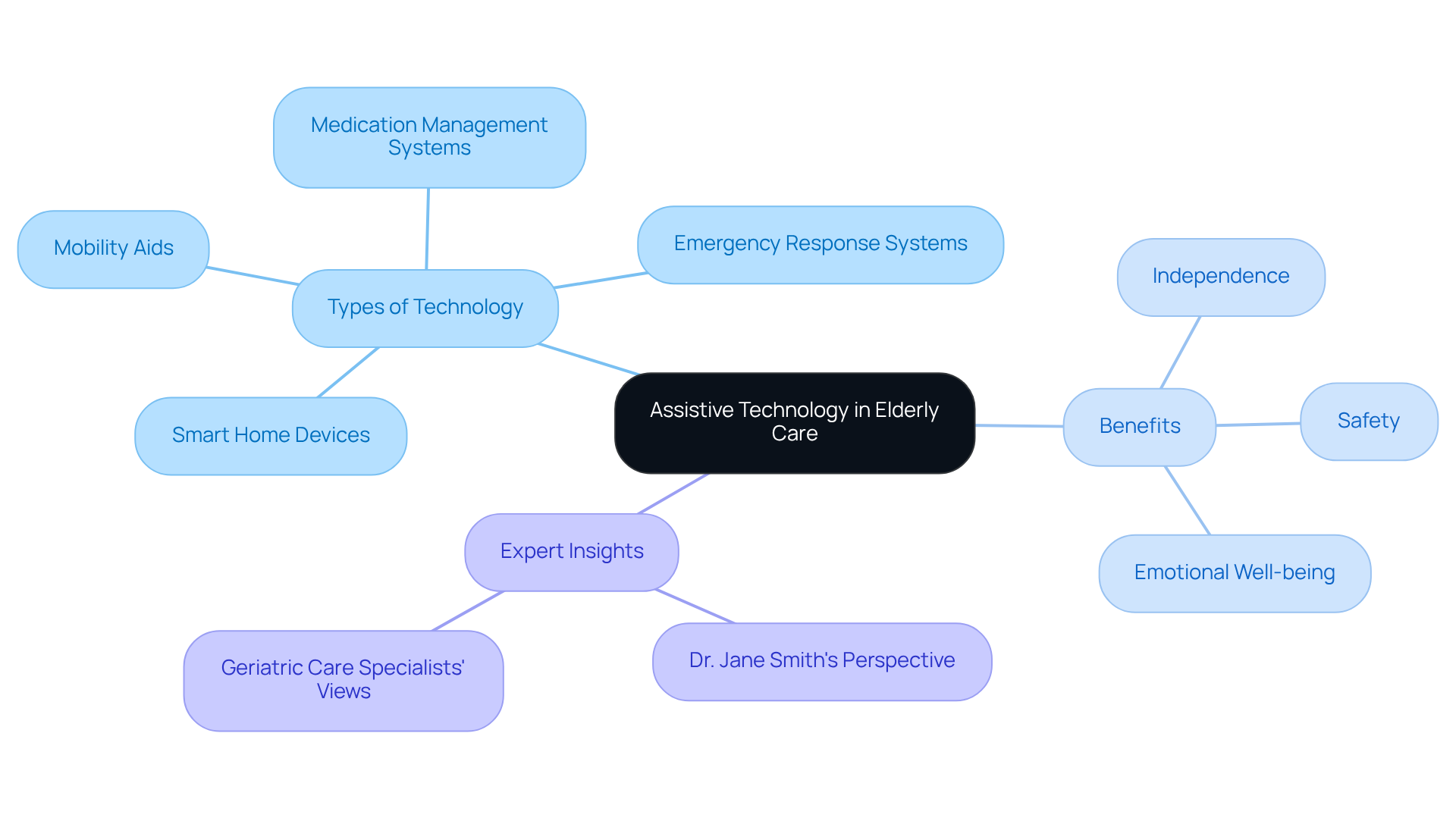
Assistive technology for elderly care encompasses a variety of instruments, systems, and services designed to enhance the functional abilities of seniors. These tools not only encourage independence but also elevate their overall quality of life. From traditional mobility aids like walkers and wheelchairs to advanced solutions such as medication management systems, emergency response systems, and smart home devices, the options are diverse. Recent advancements have made these tools more user-friendly, allowing caregivers to monitor health metrics and ensure safety with greater ease.
The successful implementation of assistive technology for elderly individuals can truly transform their daily routines. For example, smart home devices can automate lighting and temperature control, which helps reduce the risk of falls and enhances comfort. Medication management systems play a crucial role in helping older adults adhere to their prescribed regimens, minimizing the chances of missed doses. Geriatric care specialists emphasize that assistive technology for elderly not only supports physical health but also nurtures emotional well-being by fostering a sense of autonomy and security. Dr. Jane Smith, a specialist in elder care, beautifully states, "Assistive devices empower older adults to maintain their independence while offering peace of mind to their families."
Incorporating supportive tools into elderly care goes beyond just providing devices; it’s about creating an environment where seniors can truly thrive. By embracing these innovations, caregivers can significantly enhance the safety and comfort of elderly individuals with assistive technology for elderly, allowing them to live more autonomously in their own homes. However, it’s vital to avoid common pitfalls, such as fostering excessive dependence on tools without proper training or support. By understanding the capabilities and limitations of these tools, support providers can ensure they are used effectively to benefit older adults.
Explore Benefits of Assistive Technology for Seniors
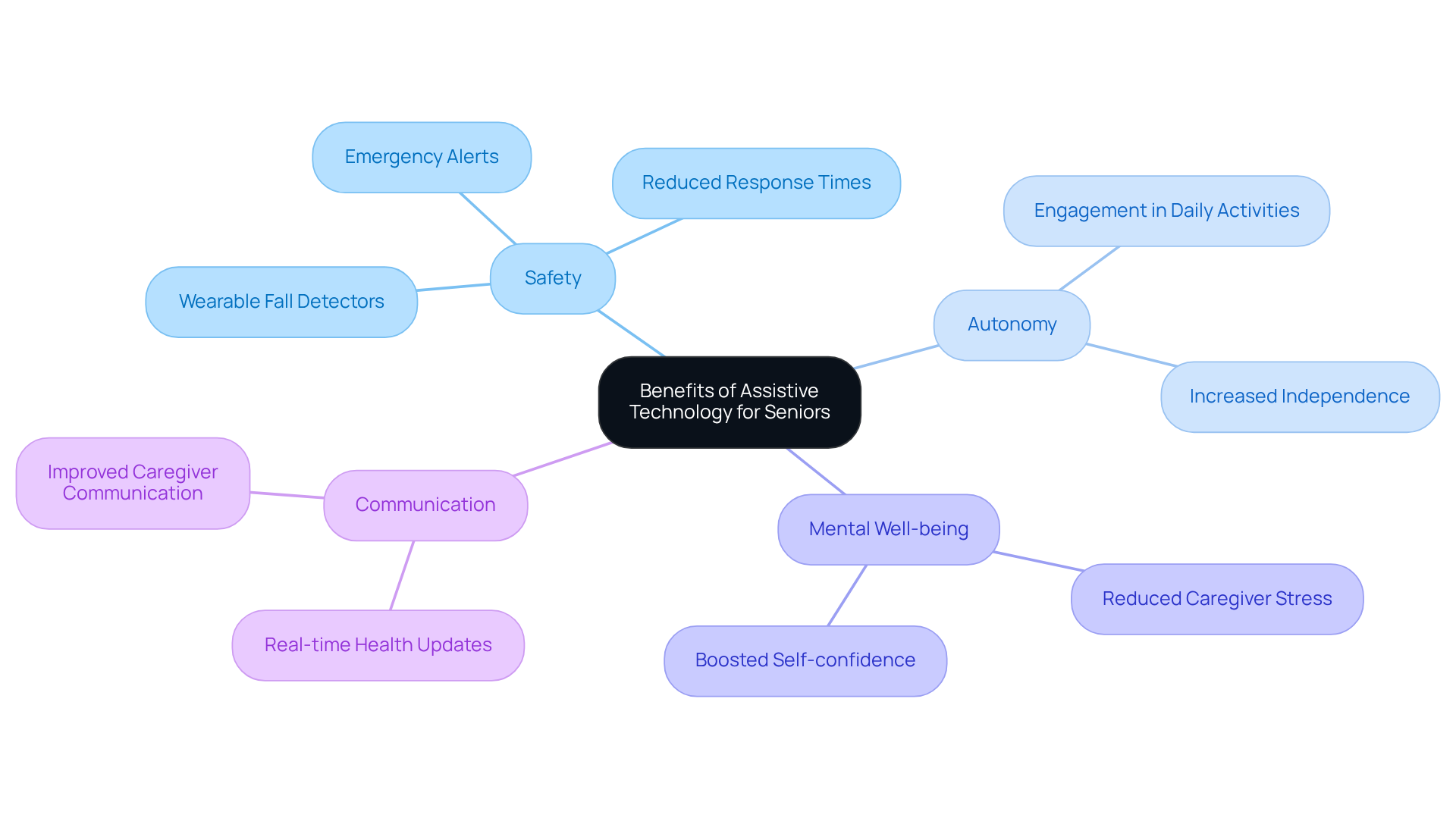
The advantages of assistive technology for elderly individuals are truly remarkable. These tools can significantly enhance safety by providing alerts for falls or emergencies, ensuring immediate assistance when it’s needed most. For instance, wearable fall detection devices can notify caregivers within seconds, cutting response times by as much as 50% and potentially preventing serious injuries. With falls being the leading cause of fatal and nonfatal injuries among older adults, the importance of timely responses cannot be overstated. Moreover, older adults who use assistive technology for elderly, including fall detection tools, are 50% more likely to receive prompt assistance, which helps ease their worries about losing independence.
Assistive technology for elderly individuals also promotes autonomy, allowing them to engage in daily activities without constant oversight. This independence can greatly boost their self-confidence and mental well-being. In fact, 70% of caregivers report feeling less stressed when elderly individuals utilize fall detection technology, showcasing the emotional benefits for everyone involved. Additionally, these devices improve communication with family and support personnel, providing real-time updates on health and safety. For example, smart home devices can remind seniors to take their medications or alert caregivers if unusual activity is detected, helping to prevent potential health crises.
In practical terms, assistive technology for elderly individuals, including mobility aids, voice-activated helpers, and automated household systems, empowers older adults, enabling them to maintain their independence while ensuring they feel safe and supported in their own homes. As one caregiver beautifully expressed, "Assistive devices are about enhancing the human experience," underscoring their vital role in elderly care.
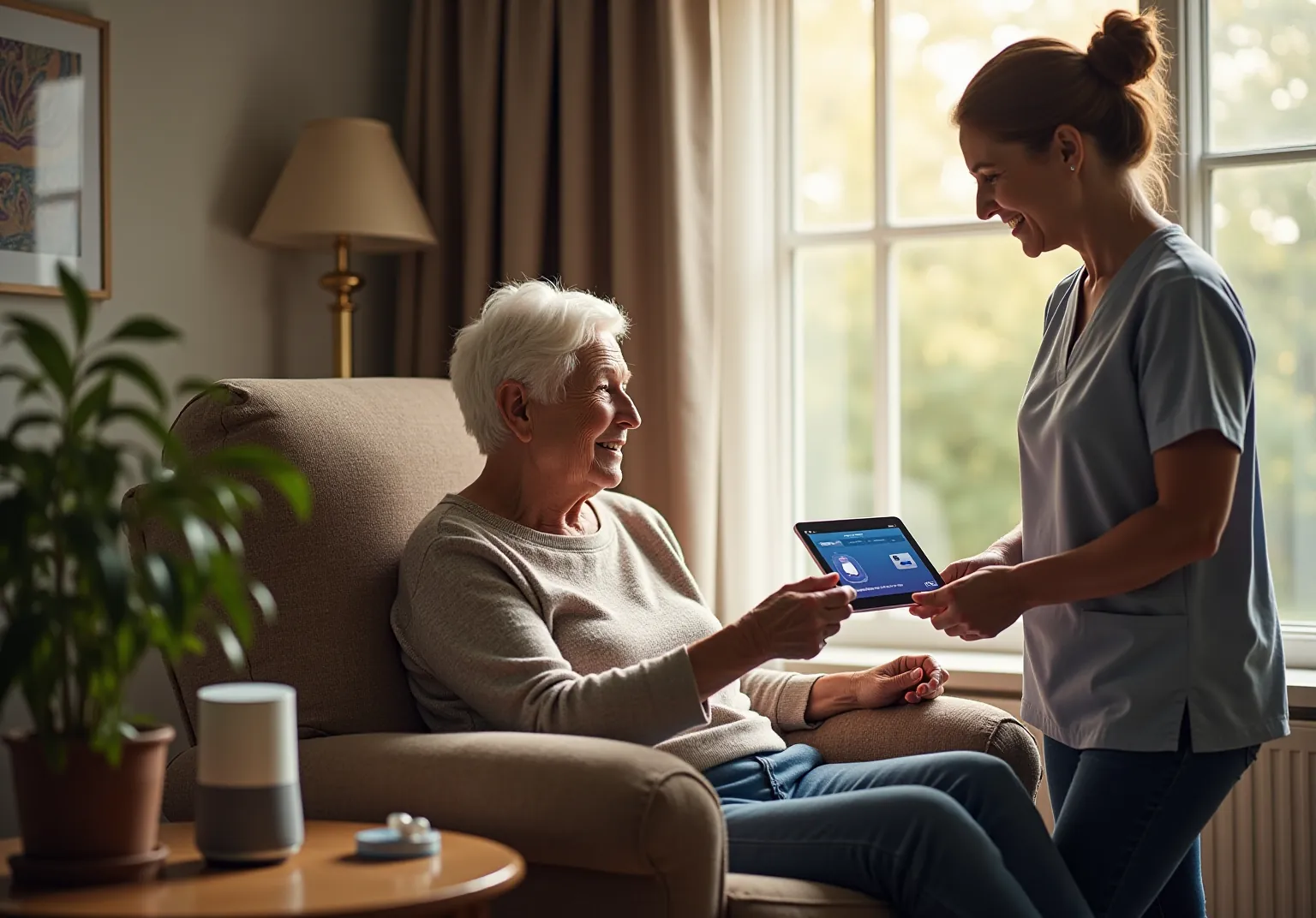
Implement Effective Strategies for Assistive Technology Integration
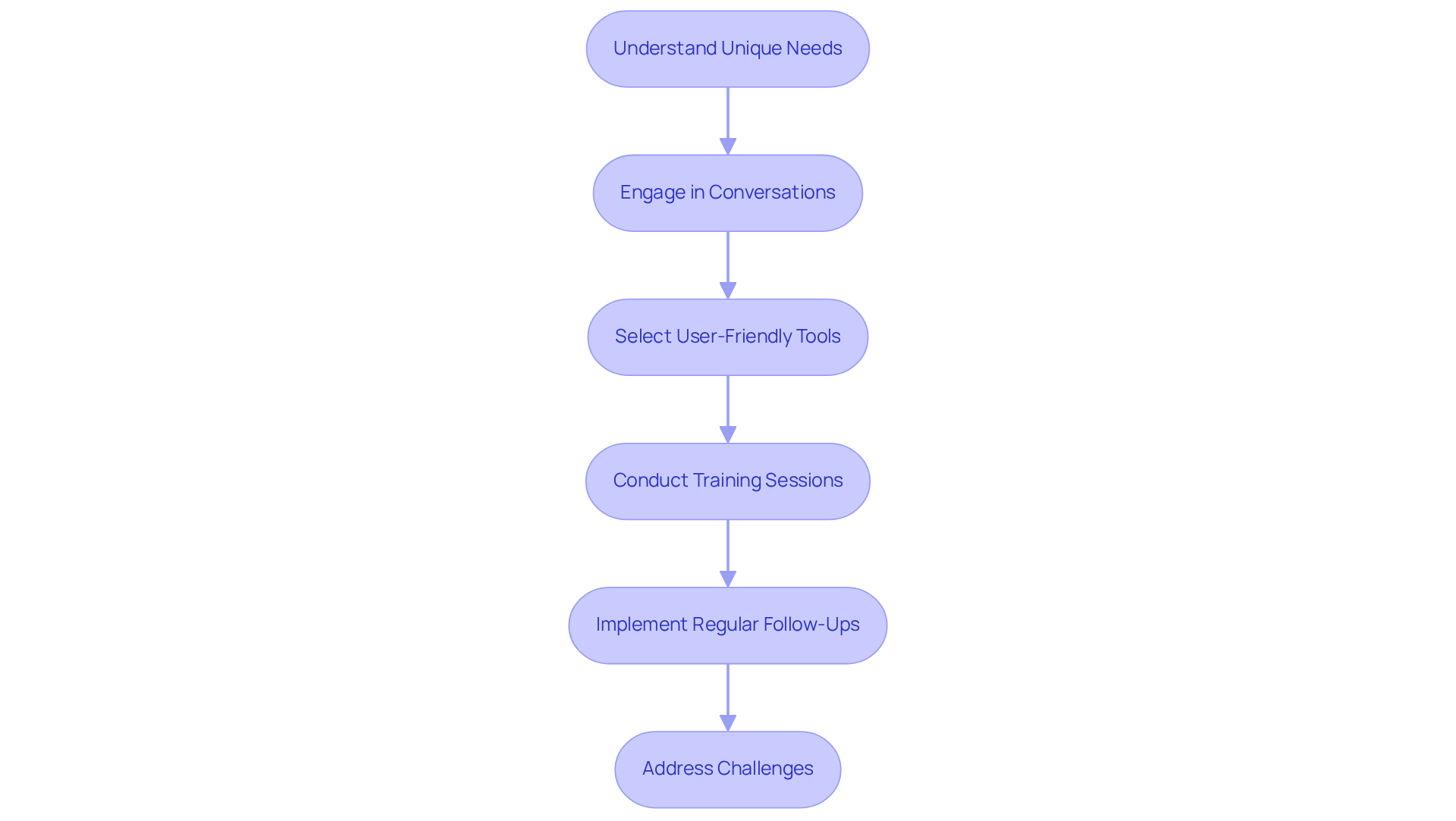
To truly support our elderly loved ones with assistive devices, it’s essential to start by understanding their unique needs and preferences. Engaging in open conversations helps us gauge their comfort levels with technology. After all, 71% of older adults express safety concerns about devices in their homes. Once we grasp these requirements, we can select tools that align with their needs, ensuring that everything is user-friendly and accessible.
Training sessions for both seniors and support staff are crucial. They not only familiarize users with the devices but also provide a safe space to address any worries. Research shows that when support providers receive effective training, the integration of these tools improves significantly, leading to better care outcomes. Regular follow-ups and adjustments based on user feedback are vital to keep the technology relevant and beneficial.
As Vanessa Valerio wisely points out, "Indeed, technology offers numerous advantages for older adults." By following these best practices, we can help ensure a smoother transition to assistive technology. However, we must remain mindful of potential challenges, like resistance to change or the complexity of certain devices, which can impede successful adoption. By addressing these hurdles and sharing relatable stories, we can enhance the quality of life for our seniors.
Provide Training and Support for Caregivers
Caring for others can be incredibly rewarding, but it often comes with its own set of emotional challenges. That's why offering thorough training and continuous assistance for caregivers is so vital. It’s not just about the technology; it’s about ensuring caregivers feel supported and confident in their roles.
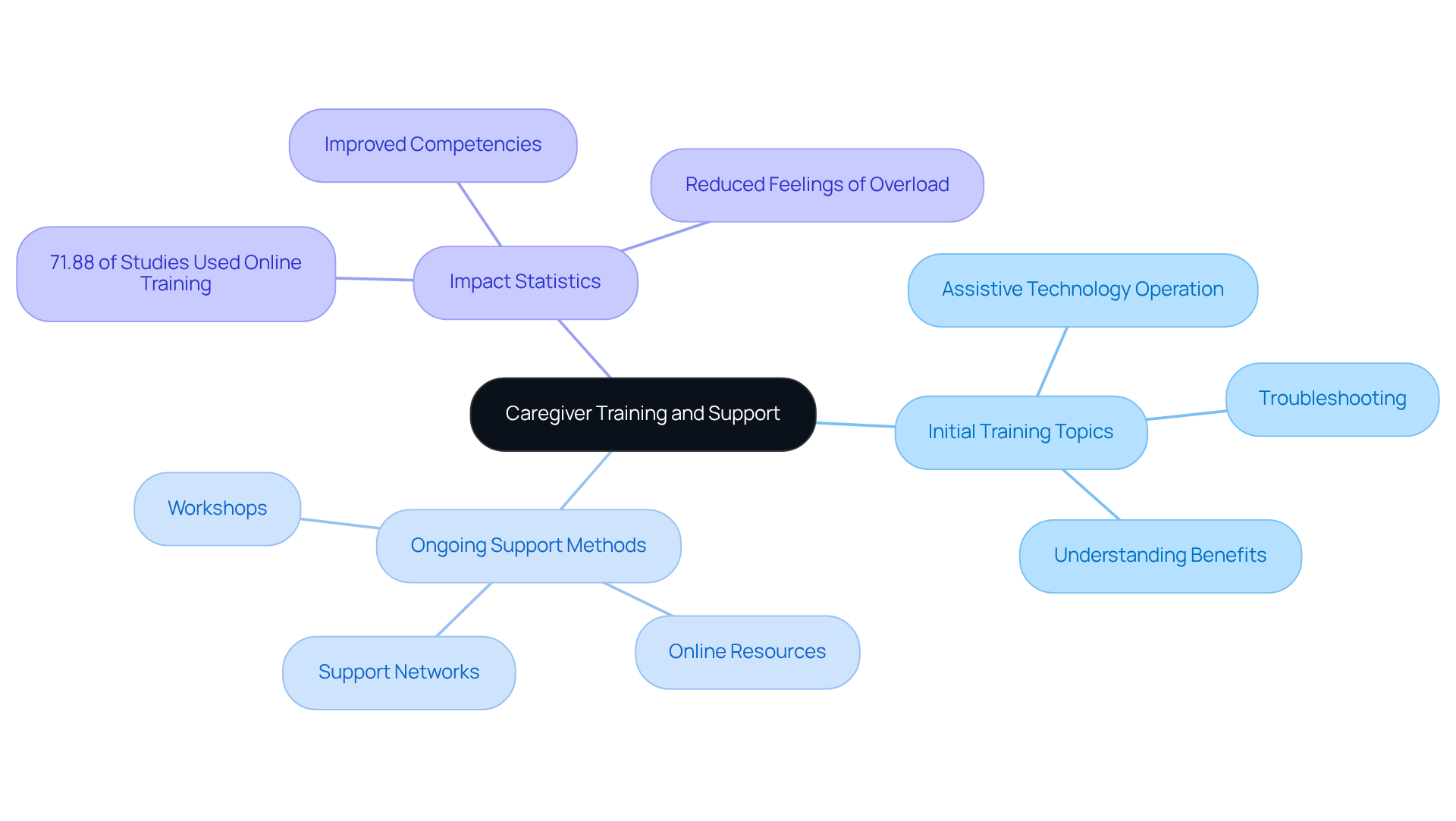
Caregivers deserve initial training that covers:
- How to operate assistive technology for elderly
- Troubleshooting common issues
- Understanding the unique benefits of each tool
Imagine the relief of knowing exactly how to handle a device when it malfunctions! Establishing a support network where caregivers can share experiences and solutions fosters a collaborative environment, making everyone feel less isolated in their journey.
Regular workshops or online resources can play a crucial role in continuous learning. These opportunities help caregivers stay updated on the latest technologies and best practices, ensuring they feel equipped to provide the best care possible. Investing in the education of support staff not only boosts their confidence but also directly enhances the quality of care given to seniors with the use of assistive technology for elderly.
Statistics show that caregivers who receive ongoing support, like those highlighted in the study by Rad et al. (2023), report improved competencies and reduced feelings of overload. As we look ahead, the aging population is projected to reach one-sixth of the global population by 2030. This makes effective training programs for caregivers more critical than ever.
Moreover, with 71.88% of studies utilizing online videoconference sessions for training, ongoing support can be structured effectively to meet the needs of caregivers. Together, we can create a nurturing environment where caregivers feel valued and empowered, ultimately leading to better care for those they serve.
Making the Right Choice
The integration of assistive technology in elderly care marks a significant step forward in enhancing the quality of life for seniors. By utilizing these innovative tools, caregivers can empower older adults to maintain their independence while ensuring their safety and well-being. The variety of assistive devices available not only addresses physical challenges but also nurtures emotional security, allowing seniors to flourish in their own homes.
Key insights from the article emphasize the importance of:
- Understanding individual needs
- Providing proper training for both seniors and caregivers
- Fostering a supportive environment
Effective communication and ongoing education are vital for overcoming resistance to technology, ensuring that these tools are used to their fullest potential. The statistics presented highlight the profound impact assistive technology can have, illustrating how it enhances safety, promotes autonomy, and alleviates caregiver stress.
Ultimately, embracing assistive technology is not just about adopting new devices; it’s about creating a culture of support and empowerment for both seniors and caregivers. As the aging population continues to grow, the significance of these practices will only increase. Investing in training and resources for caregivers will ensure they are equipped to provide the best care possible, leading to improved outcomes for the elderly. Now is the time to prioritize these practices and advocate for the integration of assistive technology in elderly care, paving the way for a more independent and fulfilling life for seniors.
https://iframe.tely.ai/cta/eyJhcnRpY2xlX2lkIjogIjY5MGQzNmIxNmY3YWZkOTA3YjBlZTE3MCIsICJjb21wYW55X2lkIjogIjY4ZWU1ZGNhNzMxNzYyNTU3ZjNjOTVjMSIsICJpbmRleCI6IG51bGwsICJ0eXBlIjogImFydGljbGUifQ==Frequently Asked Questions
What is assistive technology in elderly care?
Assistive technology in elderly care refers to a range of instruments, systems, and services designed to enhance the functional abilities of seniors, promoting their independence and overall quality of life.
What types of assistive technology are available for elderly individuals?
Types of assistive technology include traditional mobility aids like walkers and wheelchairs, as well as advanced solutions such as medication management systems, emergency response systems, and smart home devices.
How does assistive technology improve the daily lives of seniors?
Assistive technology can transform daily routines by automating tasks (e.g., smart home devices for lighting and temperature control), helping with medication adherence, and providing caregivers with tools to monitor health metrics, thereby enhancing safety and comfort.
What role do medication management systems play in elderly care?
Medication management systems help older adults adhere to their prescribed medication regimens, reducing the chances of missed doses and supporting their health.
How does assistive technology contribute to the emotional well-being of seniors?
Assistive technology fosters a sense of autonomy and security among older adults, thereby nurturing their emotional well-being and providing peace of mind to their families.
What is essential for the effective use of assistive technology in elderly care?
It is essential to provide proper training and support to avoid excessive dependence on assistive tools, ensuring they are used effectively to benefit older adults.
What should caregivers consider when incorporating assistive technology into elderly care?
Caregivers should understand the capabilities and limitations of assistive technology, creating an environment that allows seniors to thrive while enhancing their safety and comfort.