

For families in our service areas
For families in our service areas, this guide explains companion care and how non-medical in-home caregiving can support care planning in East Idaho, Treasure Valley & Magic Valley, Northern Wasatch, North Central West Virginia, and Northeast Ohio.
What to Expect
Companionship services for the elderly play a vital role in enhancing their quality of life. By offering social interaction, emotional support, and assistance with daily activities, these services address the profound loneliness that affects one in three seniors. This loneliness can lead to feelings of isolation, but with regular engagement and tailored care plans, significant improvements in emotional, cognitive, and physical well-being can be achieved.
Imagine the warmth of a friendly conversation or the joy of shared activities. These moments not only uplift spirits but also foster connections that are crucial for emotional health. The compassionate care provided through companionship services helps to alleviate the stress and burnout often felt by caregivers, ensuring that both the elderly and their families feel supported.
Through personalized care, seniors can experience a renewed sense of purpose and joy in their daily lives. The journey towards companionship is not just about assistance; it’s about creating meaningful relationships that enrich lives. With each interaction, we can nurture their well-being and bring comfort to their days.
In a world where loneliness can be overwhelming, companionship services stand as a beacon of hope. They remind us that no one should face their golden years alone. Together, we can foster an environment where every senior feels valued, connected, and cared for.
What You Need to Know About Checklist Items for Companionship
The growing prevalence of loneliness among the elderly is a pressing concern that truly demands our attention. With one in three seniors grappling with feelings of isolation, the importance of companionship services cannot be overstated. These services play a vital role in alleviating emotional distress and fostering connections that can significantly improve the quality of life for older adults.
This article delves into the essential checklist items for selecting effective companionship services, highlighting the critical benefits they offer to enhance both the emotional and physical well-being of our beloved seniors.
How can families ensure they choose the right support to combat loneliness and foster meaningful connections for their loved ones? Together, we can navigate this journey toward companionship and care.
Define Companion Care Services
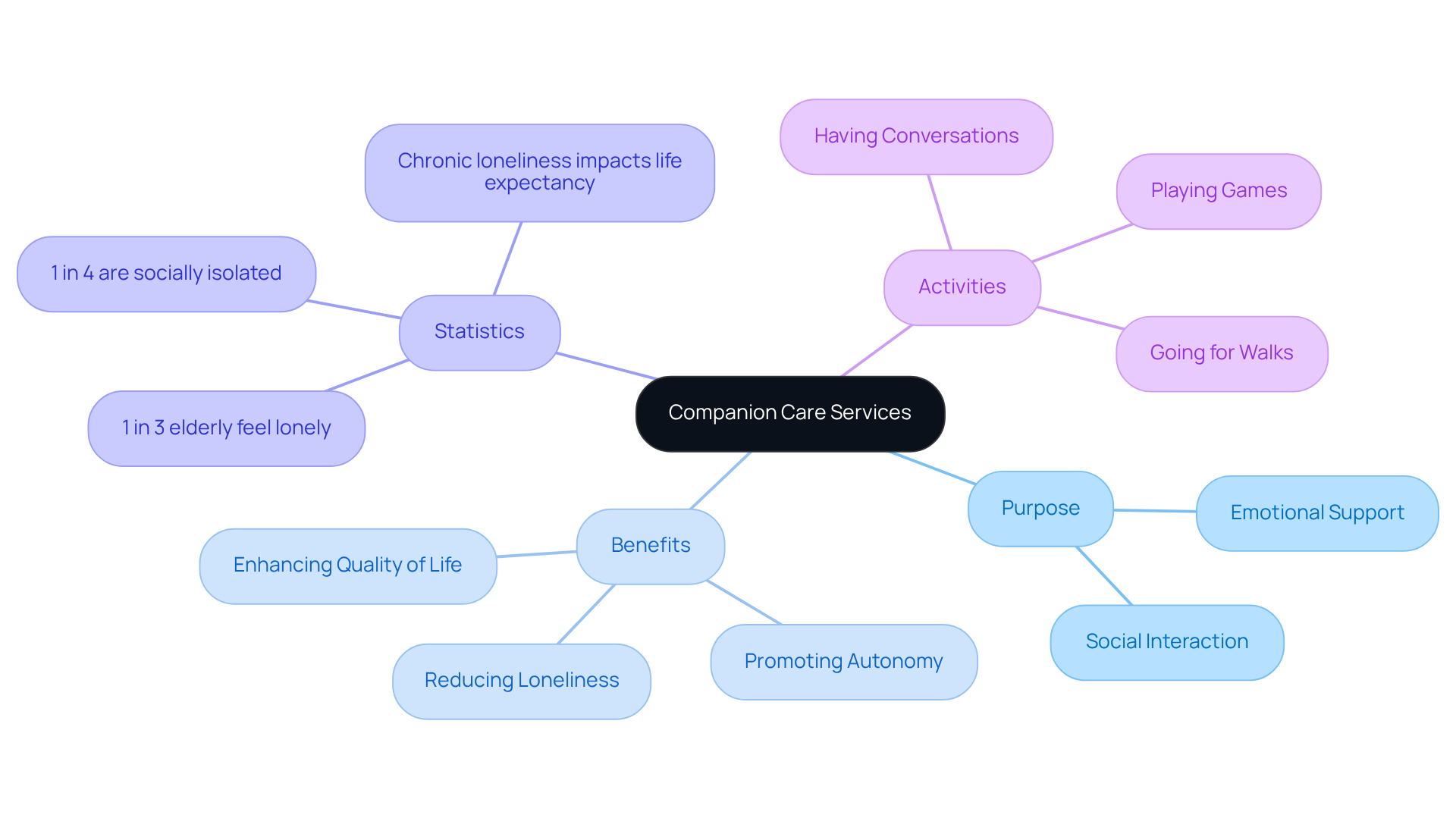
Companionship services for elderly encompass a range of non-medical support designed to enhance the quality of life for seniors. These companionship services for elderly offer social interaction, emotional support, and assistance with daily activities such as and transportation to appointments. Unlike personal assistance, which may include support with personal hygiene and grooming, or medical services requiring clinical expertise, companion support centers on fostering companionship and engagement.
Statistics reveal that one in three elderly individuals experiences feelings of loneliness, significantly impacting their mental and physical well-being. Chronic loneliness can shorten life expectancy even more than being overweight or sedentary, and just as much as smoking. Companionship services for elderly address this pressing issue by facilitating regular social interaction, helping older adults feel valued and connected. Companionship services for elderly individuals living independently or those with limited mobility are especially beneficial, as they promote autonomy while ensuring these individuals receive the emotional and practical assistance they need. Indeed, one in four adults over 65 is considered socially isolated, underscoring the prevalence of this issue among older individuals.
Efficient companion support options are tailored to personal preferences and can include activities such as:
- Playing games
- Going for walks
- Simply having a heartfelt conversation
By prioritizing the emotional well-being of older adults, companionship services for elderly not only help mitigate feelings of isolation but also enrich their overall quality of life. Furthermore, companion assistance requires minimal additional training or qualification, making it a budget-friendly enhancement to existing home support offerings. As highlighted by ComForCare, companionship services for elderly play a vital role in supporting the well-being and independence of older adults.
Identify Key Benefits of Companionship
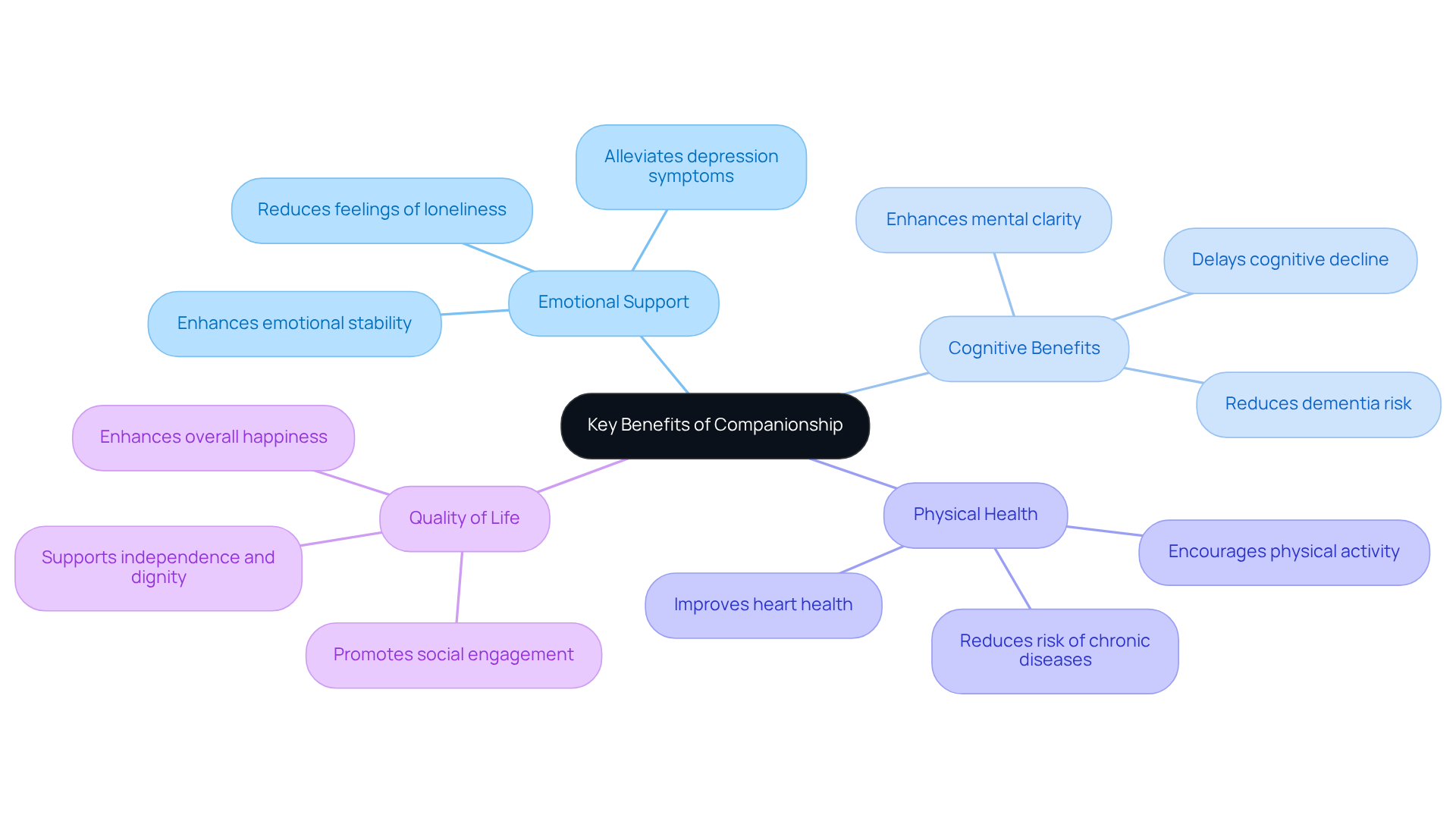
Companionship services for elderly are vital in alleviating feelings of loneliness and depression among older adults. Regular interactions with caregivers, particularly through companionship services for elderly, not only provide emotional support but also foster a sense of belonging, which is crucial for mental health. It's important to recognize that loneliness can increase the risk of depression by 32% among older adults. Those who are face a greater risk of premature death from any cause. This underscores the significance of friendship in reducing these risks.
Social involvement through friendship services encourages older adults to engage in activities that enhance cognitive abilities and preserve social skills. Simple activities like memory games, storytelling, and light physical exercises can significantly enhance mental clarity. Research shows that cognitive decline is 70% less common in older adults who participate in frequent social interactions, emphasizing the protective advantages of these connections against cognitive deterioration. Additionally, strong social ties have been shown to lower the risk of dementia, highlighting the true value of friendship.
The overall quality of life for seniors improves significantly with social interaction. Regular visits and shared activities not only combat isolation but also promote emotional stability and resilience. For instance, Mrs. Jenkins, who faced sorrow, discovered happiness through regular card games with her caregiver. This illustrates how connection can enhance emotional well-being. Furthermore, isolation can increase the risk of heart disease by 29% in older individuals, making social support essential for both emotional and physical health. By investing in companionship services for elderly, families can ensure their loved ones experience improved emotional well-being and a stronger sense of connection to their surroundings.
Evaluate and Choose Companion Care Providers
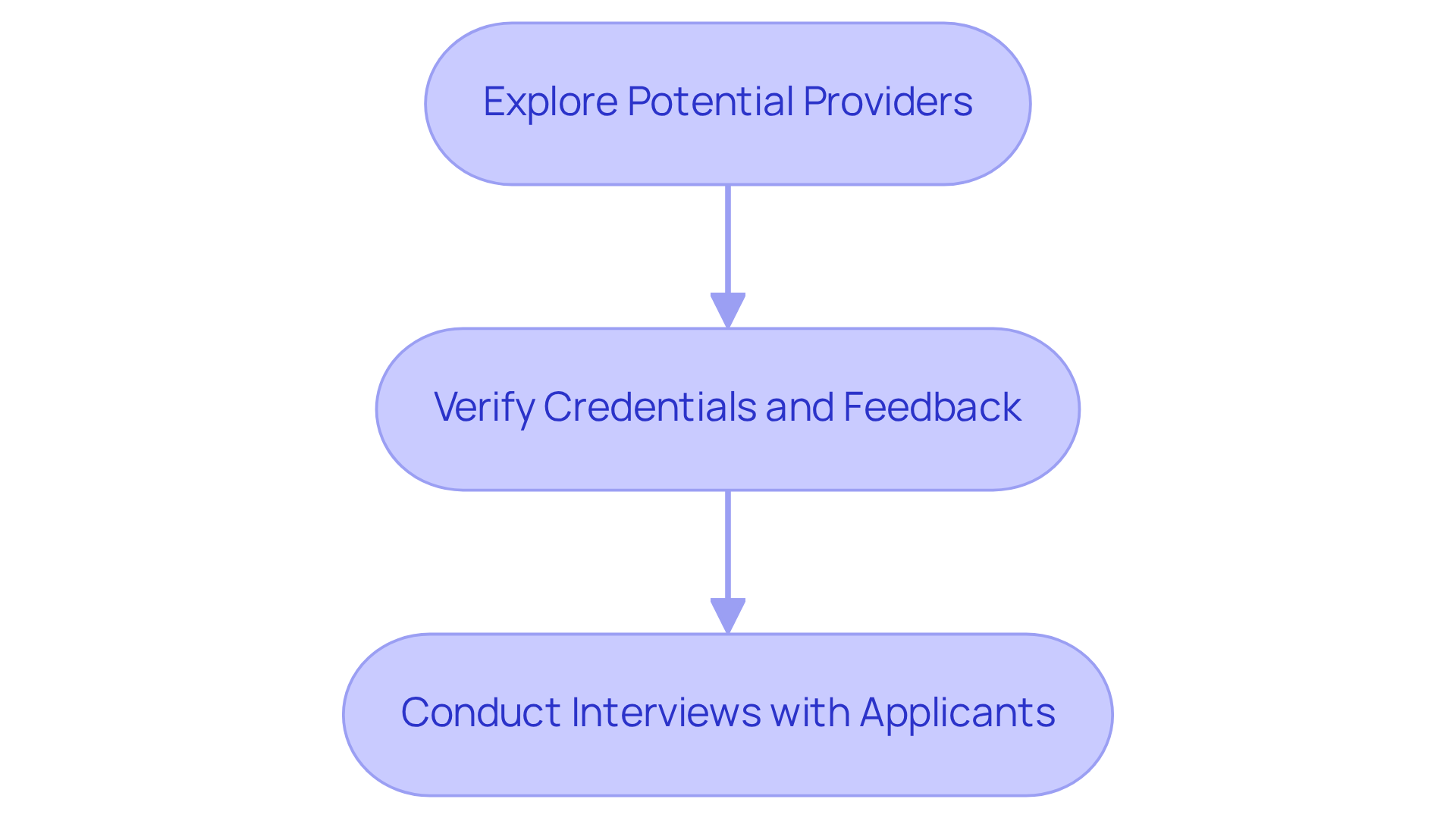
- Explore potential providers: Begin by compiling a list of local agencies and individual assistants who offer companionship services. This step is crucial in finding the right companionship services for elderly to support your loved one.
- Verify credentials and feedback: Take the time to check licenses and certifications, and read through client testimonials. This will help you and ensure that they meet the needs of your elder.
- Conduct interviews with applicants: Prepare thoughtful questions to ask during interviews. Focus on their experience, their approach to assistance, and how well they align with your elder’s unique needs. This conversation is an opportunity to find someone who truly understands and can provide compassionate care.
Develop Personalized Care Plans
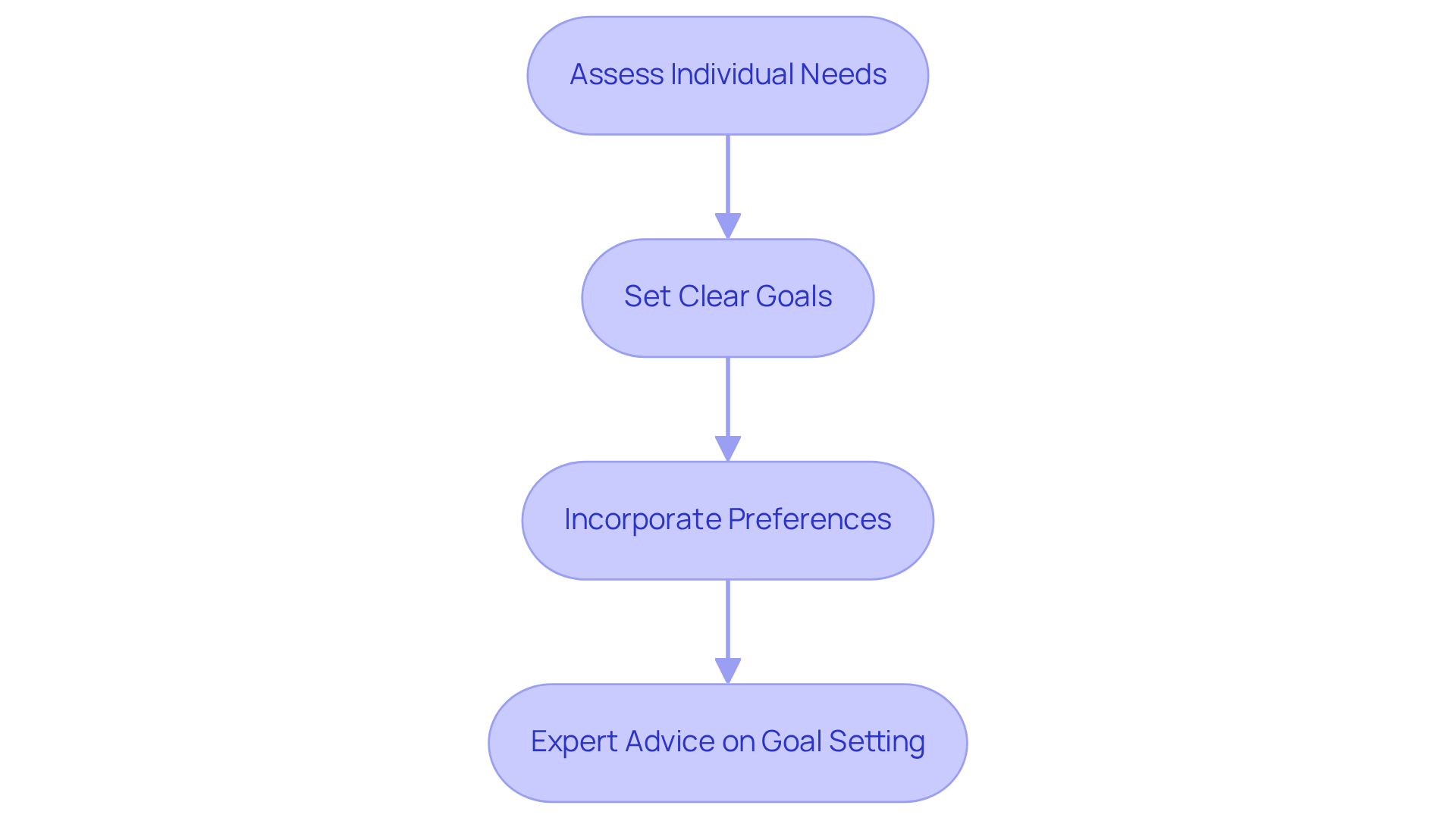
- Assess Individual Needs: Begin with a thorough evaluation of the senior's physical, emotional, and social requirements. This step is crucial, as 70% of older individuals . It highlights the need for personalized support that considers their unique situations. Additionally, with 85% of older adults facing at least one chronic health issue, the importance of tailored treatment plans cannot be overstated, as they directly address specific health challenges.
- Set Clear Goals: Establish specific objectives for companionship services, such as reducing feelings of loneliness or enhancing daily engagement. Research shows that strong social relationships significantly contribute to a longer, healthier life. Therefore, setting clear goals is essential for providing effective support.
- Incorporate Preferences: Ensure that the care plan reflects the individual's interests and hobbies. Engaging in enjoyable activities fosters a sense of purpose and enhances overall well-being. For instance, caregivers can encourage activities like gardening or reading, which are often cherished by older adults.
- Expert Advice on Goal Setting: Collaborate with caregivers to define achievable goals that align with the individual's lifestyle. Experts suggest focusing on enhancing social interactions and promoting independence, as these elements are vital for improving quality of life. Pamela Jung emphasizes that at-home support can significantly enhance the quality of life for seniors requiring ongoing assistance. Families should prioritize open dialogue with caregivers, allowing for adjustments to objectives as needed, ensuring that companionship assistance remains relevant and effective.
Monitor and Adjust Care Plans
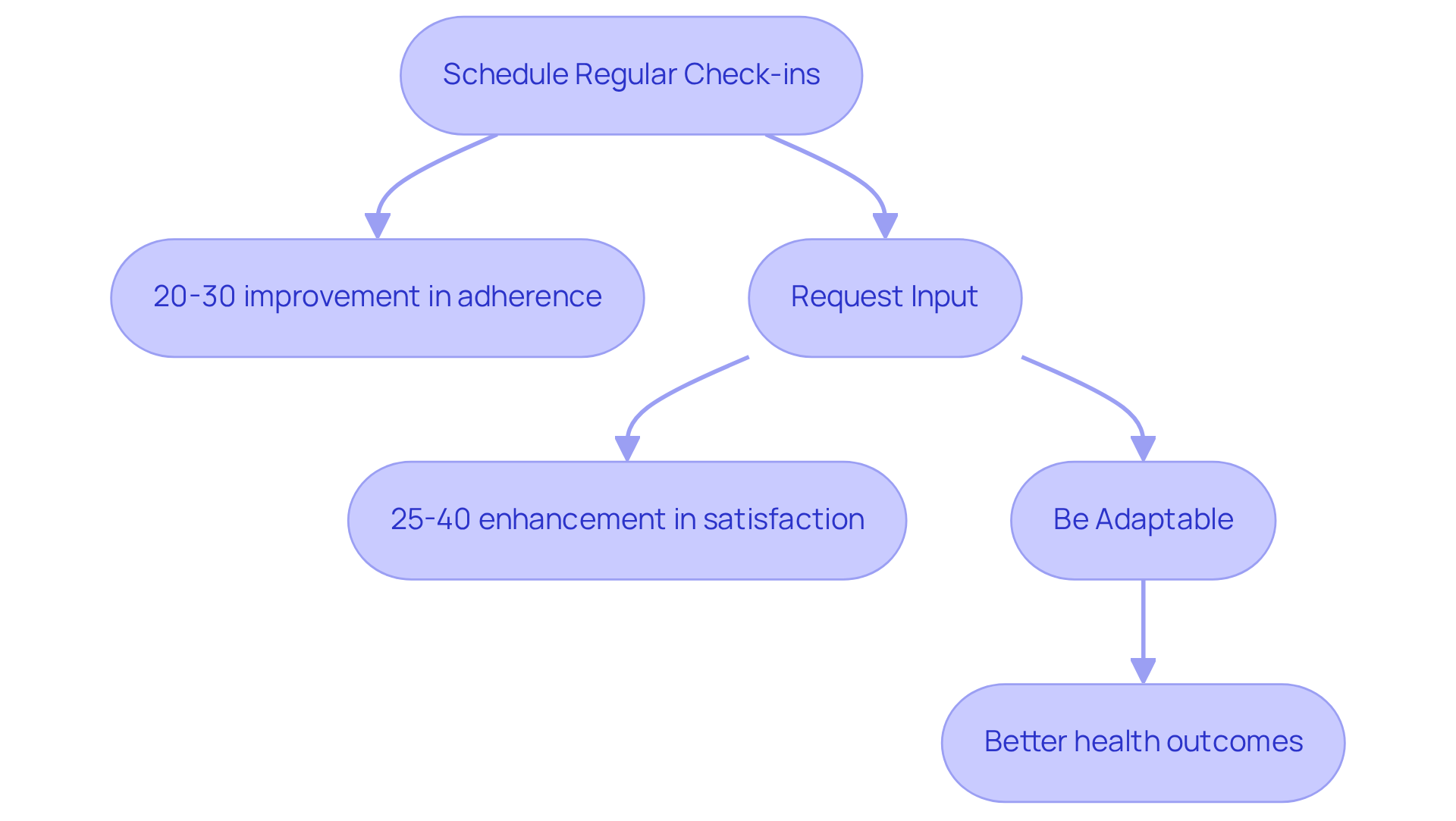
- Schedule regular check-ins: It's important to establish a routine for assessing how well support plans are working and how caregivers are performing. Regular evaluations can lead to a 20-30% improvement in adherence to these plans, ensuring that the services provided truly meet the evolving needs of elderly individuals.
- Request input: Open communication among caregivers, elderly individuals, and family members is essential for pinpointing areas that need improvement. By encouraging honest feedback, we can enhance client satisfaction by 25-40%, nurturing a collaborative environment that prioritizes companionship services for elderly individuals. Creating a supportive atmosphere is crucial, as clients might feel hesitant to share their thoughts due to concerns about conflict or privacy.
- Be adaptable: It’s vital to adjust support plans based on feedback and any changes in the senior's health or preferences. This adaptability not only improves the quality of care but also reinforces the caregiver's dedication to addressing the unique needs of each client. Ultimately, this leads to better health outcomes and strengthens the trust in the caregiving relationship. Utilizing technology tools, such as Aaniie’s client and family portal, can make the smoother, allowing families to share their insights with ease.
Your Path Forward
Companionship services for the elderly are vital in addressing the deep need for social interaction and emotional support among seniors. By providing companionship, these services enhance the quality of life for older adults and combat the harmful effects of loneliness, which can significantly affect both mental and physical health.
This article highlights various aspects of companionship services, including:
- Their definition
- Key benefits
- The process of selecting suitable providers
It emphasizes the importance of personalized care plans that cater to individual needs and preferences, as well as the necessity of ongoing monitoring and adjustments to ensure these services are effective. By fostering social connections and offering tailored support, companionship services can lead to improved emotional well-being, cognitive function, and overall health for elderly individuals.
Ultimately, investing in companionship services for the elderly is not just about providing assistance; it is about enriching lives and fostering meaningful relationships. Families are encouraged to prioritize these services, ensuring that their loved ones receive the emotional and practical support they deserve. By doing so, they can help combat isolation and promote a healthier, happier life for seniors.
https://iframe.tely.ai/cta/eyJhcnRpY2xlX2lkIjogIjY4ZjA5YzRjMjRiZGJlNDM2YzkwY2Q4ZSIsICJjb21wYW55X2lkIjogIjY4ZWU1ZGNhNzMxNzYyNTU3ZjNjOTVjMSIsICJpbmRleCI6IG51bGwsICJ0eXBlIjogImFydGljbGUifQ==Frequently Asked Questions
What are companionship services for the elderly?
Companionship services for the elderly encompass non-medical support aimed at enhancing the quality of life for seniors. They provide social interaction, emotional support, and assistance with daily activities like light housekeeping and transportation to appointments.
How do companionship services differ from personal assistance or medical services?
Unlike personal assistance, which includes help with personal hygiene and grooming, or medical services requiring clinical expertise, companionship services focus on fostering companionship and engagement without providing personal care or medical treatment.
Why are companionship services important for elderly individuals?
Companionship services are crucial as they address feelings of loneliness, which can significantly impact mental and physical well-being. They facilitate regular social interaction, helping older adults feel valued and connected, especially those living independently or with limited mobility.
What activities are typically included in companionship services?
Activities in companionship services can include playing games, going for walks, and having heartfelt conversations, all tailored to the personal preferences of the elderly individuals.
What are the key benefits of companionship services for the elderly?
Key benefits include alleviating loneliness and depression, fostering a sense of belonging, enhancing cognitive abilities through social engagement, and improving overall quality of life. Regular social interactions can also lower the risk of cognitive decline and dementia.
How does loneliness affect the mental health of older adults?
Loneliness can increase the risk of depression by 32% among older adults and is associated with a greater risk of premature death from any cause. Strong social ties are essential in mitigating these risks.
Can companionship services improve physical health in addition to emotional well-being?
Yes, companionship services can improve physical health by reducing the risk of heart disease and enhancing emotional stability and resilience, thereby promoting overall well-being among older adults.
Are companionship services cost-effective?
Yes, companionship assistance requires minimal additional training or qualification, making it a budget-friendly enhancement to existing home support offerings.