
For families in our service areas
For families in our service areas, this guide explains dementia care and how non-medical in-home caregiving can support care planning in East Idaho, Treasure Valley & Magic Valley, Northern Wasatch, North Central West Virginia, and Northeast Ohio.
The Importance of Dementia Support Practices
Navigating the complexities of dementia care poses a significant challenge for family caregivers. They often grapple with the emotional and practical demands of supporting a loved one, which can lead to feelings of overwhelm and uncertainty. This article explores four essential practices that empower caregivers to provide effective support throughout the various stages of dementia. By enhancing their well-being, caregivers can also improve the quality of care for their loved ones.
As caregivers strive to create a nurturing environment, they may encounter obstacles that complicate their efforts. Balancing the needs of their loved ones with their own mental and emotional health can feel daunting. How can caregivers effectively manage these competing demands? In the following sections, we will outline actionable solutions that caregivers can implement to navigate this challenging journey.
Understand Dementia Stages and Behaviors
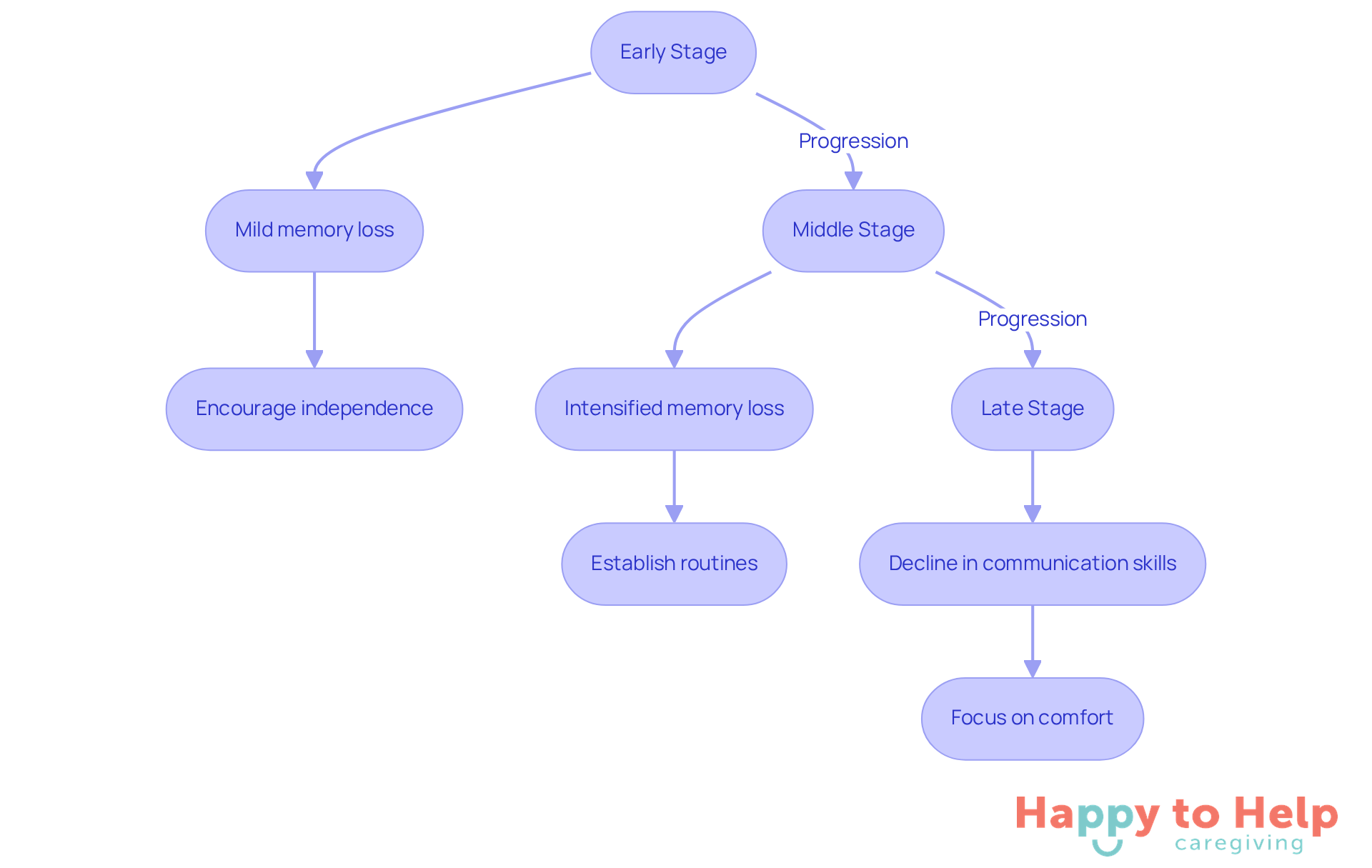
Dementia progresses through distinct phases - early, middle, and late - each characterized by specific behaviors and challenges that caregivers must navigate to provide effective dementia support.
Caregivers often struggle to understand the complexities of dementia support, leading to feelings of frustration and helplessness.
Agitate: In the early stage, individuals may show mild memory loss and confusion. This can be distressing for both the person affected and their caregivers. As the disease advances to the middle stage, memory loss intensifies, making daily tasks increasingly difficult. Caregivers may feel overwhelmed as they try to maintain a sense of normalcy. Finally, in the late stage, communication skills decline significantly, leaving caregivers to grapple with the emotional weight of providing dementia support without clear communication.
Solution: To address these challenges, caregivers can implement practical strategies tailored to each stage:
- Early Stage: Encourage independence by offering gentle reminders and support. This fosters autonomy while ensuring safety.
- Middle Stage: Establish consistent routines to provide structure, which can help alleviate anxiety and confusion. Patience and adaptability are key, as behavior may change frequently.
- Late Stage: Focus on comfort and emotional support. Utilize non-verbal communication techniques, such as gentle touch and familiar music, to enhance connections and improve interactions.
Understanding these stages is crucial for caregivers providing dementia support, as it allows them to tailor their approach to meet the evolving needs of their loved ones. Studies indicate that about 60% of caregivers feel they have a strong grasp of the stages of cognitive decline, which is essential for delivering effective care. By recognizing the unique challenges associated with each phase, caregivers can create a nurturing environment that upholds dignity and enhances the quality of life for those experiencing cognitive decline.
Additionally, caregivers should be aware of local resources available for dementia support, as these can provide valuable assistance. It's also vital to acknowledge the emotional toll caregiving can take; many caregivers experience stress and anxiety while navigating these challenges.
Implement Effective Communication Techniques
Effective communication with individuals experiencing cognitive decline presents a significant challenge for caregivers who provide dementia support. This issue can lead to misunderstandings and frustration, impacting the quality of interactions and care provided.
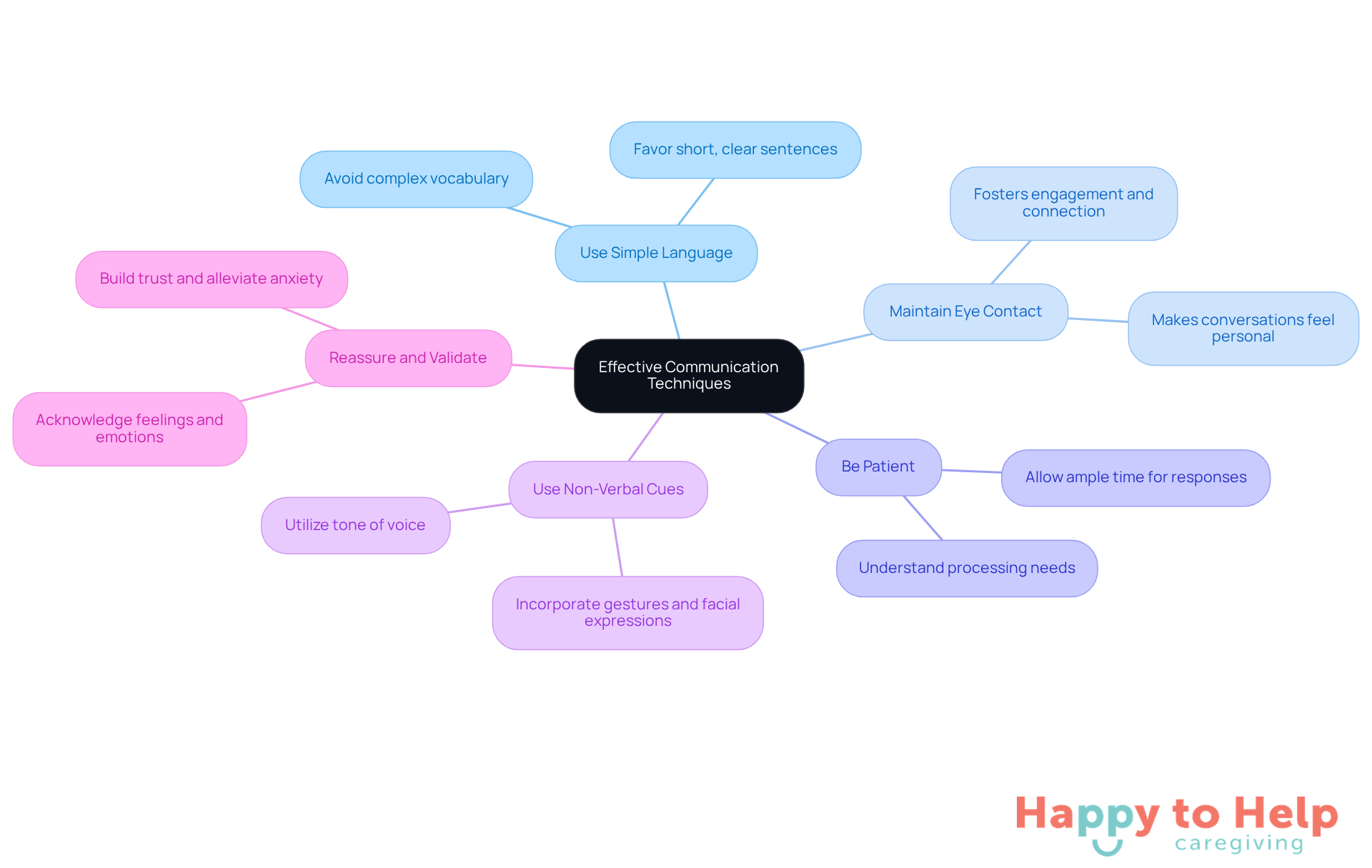
To address these challenges, caregivers can implement several proven techniques:
- Use Simple Language: Favor short, clear sentences and avoid complex vocabulary. This approach simplifies information processing for those with cognitive impairment.
- Maintain Eye Contact: Establishing eye contact fosters engagement and connection, making conversations feel more personal and meaningful.
- Be Patient: Allow ample time for responses, as individuals with dementia may need extra time to process and express their thoughts. Effective communication, particularly in dementia support, requires understanding and patience.
- Use Non-Verbal Cues: Incorporate gestures, facial expressions, and tone of voice to convey meaning, especially when verbal communication becomes challenging. Supportive nonverbal communication, such as gentle touch, can enhance emotional connection.
- Reassure and Validate: Acknowledge the feelings and emotions of the individual, even if their perceptions differ from reality. This practice builds trust and alleviates anxiety, creating a supportive environment for dementia support and communication.
Additionally, caregivers should be aware of the potential for mismatched communication, which can lead to frustration for both parties. Active listening is crucial; caregivers should engage fully and use body language to show attentiveness.
Create a Safe and Supportive Home Environment
Establishing a secure household atmosphere is crucial for those affected by cognitive decline. Caregivers face the challenge of ensuring safety while promoting independence. Falls and confusion are significant risks, making it essential to implement effective modifications.
-
Remove Hazards: Identify and eliminate potential dangers, such as loose rugs, clutter, and sharp objects. Simple changes, like anchoring furniture and clearing obstacles, can greatly lessen the risk of falls, which are a primary cause of injury among individuals with cognitive impairments. According to the Alzheimer's Association, falls represent roughly 60% of injuries in people with dementia.
-
Improve Lighting: Ensure that all areas of the home are well-lit to prevent falls and confusion. Installing night lights in hallways and bedrooms can help direct people safely during the night, reducing the likelihood of accidents. Dr. Magda Lenartowicz, a medical director specializing in older adult care, emphasizes that adequate lighting is crucial for maintaining safety and independence.
-
Label Rooms and Items: Use clear labels on doors and essential items to help individuals navigate their environment. This can reinforce memory and recognition, making it easier for them to find their way around the home. For instance, labeling drawers with their contents can reduce confusion and frustration.
-
Create a Routine: Establishing a daily schedule offers structure and predictability, which can be reassuring for those experiencing cognitive decline. Familiar schedules help reduce anxiety and confusion, promoting a sense of security. A case study from the Visiting Nurse Association Health Group emphasizes how a structured daily routine enhanced the emotional well-being of a patient with cognitive impairment.
-
Use Assistive Devices: Consider installing grab bars in bathrooms and using non-slip mats to enhance safety. These modifications can significantly improve stability and reduce the risk of falls, particularly in high-risk areas like the bathroom. Occupational therapists recommend these devices as essential tools for maintaining safety in the home.
By making these adjustments, caregivers can establish a nurturing atmosphere that emphasizes safety and comfort, which is crucial for providing dementia support to those experiencing dementia. However, it's important to be aware of common pitfalls, such as neglecting to regularly reassess the home environment or failing to involve the individual in the adaptation process, which can lead to resistance or confusion.

Prioritize Caregiver Self-Care and Support
Caregiving can be demanding, leading to significant challenges for those who provide dementia support. The emotional and physical toll of caregiving can result in burnout, making self-care not just important, but essential for maintaining well-being.
The Problem: With 53 million Americans age 18 or older providing care, many caregivers struggle with feelings of guilt and isolation. This can hinder their ability to seek dementia support and assistance, ultimately affecting their health and the quality of care they provide.
The Agitation: Neglecting self-care can lead to serious consequences, including burnout and health decline. Caregivers often feel overwhelmed, which can diminish their patience and empathy, negatively impacting their loved ones.
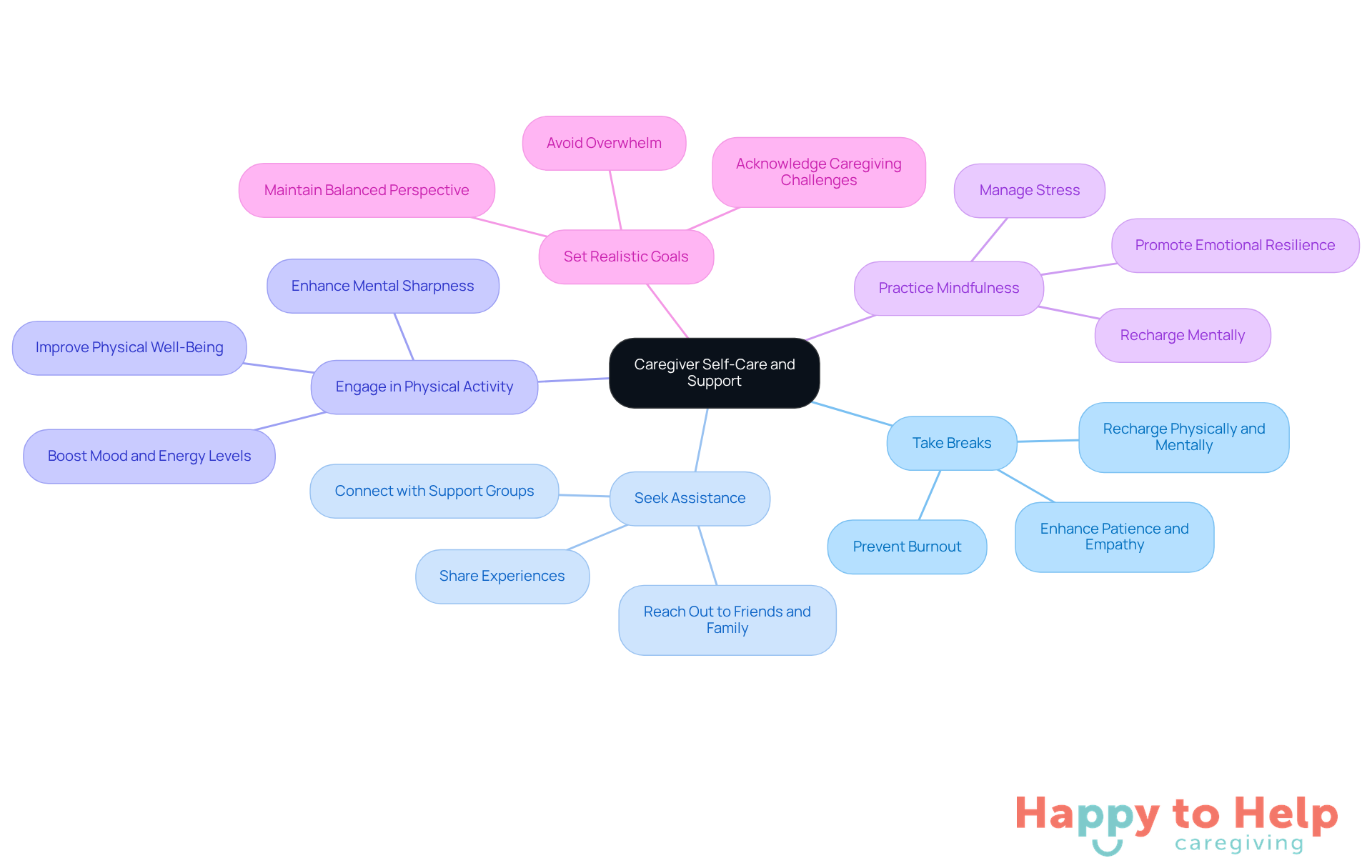
The Solution: Here are essential strategies to help caregivers prioritize their health:
-
Take Breaks: Schedule regular breaks to recharge physically and mentally. This practice is crucial in preventing burnout and enhancing overall caregiving effectiveness. Caregivers who take breaks report improved patience and empathy, which enhances the dementia support they provide to their loved ones.
-
Seek Assistance: Connecting with support groups or reaching out to friends and family can provide invaluable emotional support. As health psychologist Taylor Rush points out, those providing care often feel guilt when seeking dementia support, but sharing experiences with others encountering similar difficulties can ease feelings of isolation and promote a sense of community.
-
Engage in Physical Activity: Regular exercise is a powerful tool for boosting mood and energy levels. Even brief strolls can greatly improve physical well-being and mental sharpness, assisting individuals in handling the requirements of their positions more efficiently.
-
Practice Mindfulness: Techniques such as meditation, deep breathing, or simply spending time in nature can help manage stress and promote emotional resilience. These practices enable caregivers to process their feelings and recharge mentally, making them more effective in their responsibilities.
-
Set Realistic Goals: Acknowledge that caregiving is inherently challenging and set achievable goals to avoid feeling overwhelmed. Recognizing the boundaries of what can be accomplished daily helps caregivers maintain a balanced perspective and alleviates stress.
By applying these strategies, caregivers can enhance their own well-being, ultimately benefiting both themselves and the dementia support they offer to those they care for. As mental health experts stress, self-care is not a luxury but a necessity for maintaining the health of those providing dementia support and enhancing the quality of assistance given.
Key Takeaways for Caregivers
Understanding the complexities of dementia care presents significant challenges for family caregivers. These caregivers often struggle to provide meaningful support to their loved ones, especially as dementia progresses through distinct stages, each accompanied by unique behaviors. This can lead to feelings of frustration and helplessness, making it crucial for caregivers to adapt their approaches to meet the evolving needs of those they care for.
To address these challenges, caregivers can implement four fundamental practices:
- Understand dementia stages and behaviors: Recognizing the different stages of dementia helps caregivers anticipate changes and respond appropriately.
- Implement effective communication techniques: Clear and compassionate communication fosters connection and understanding, even when verbal skills decline.
- Create a safe and supportive home environment: Ensuring physical safety is vital, as it reduces anxiety for both caregivers and their loved ones.
- Prioritize caregiver self-care: Taking care of one’s own mental and emotional health is essential for sustaining the energy and compassion needed for caregiving.
Ultimately, while the journey of caregiving can be demanding, it is also profoundly rewarding. By embracing these essential dementia support practices, caregivers not only enrich the lives of those living with cognitive decline but also foster resilience and connection within themselves. Prioritizing education, communication, safety, and self-care cultivates a supportive atmosphere that honors the dignity of their loved ones while nurturing the caregivers' own well-being.
https://iframe.tely.ai/cta/eyJhcnRpY2xlX2lkIjogIjY5NDFmMzRmMjI1ZjA3N2M1ZmMwYzAzNyIsICJjb21wYW55X2lkIjogIjY4ZWU1ZGNhNzMxNzYyNTU3ZjNjOTVjMSIsICJpbmRleCI6IG51bGwsICJ0eXBlIjogImFydGljbGUifQ==Frequently Asked Questions
What are the stages of dementia?
Dementia progresses through three distinct stages: early, middle, and late. Each stage is characterized by specific behaviors and challenges that caregivers must navigate.
What challenges do caregivers face during the early stage of dementia?
In the early stage, individuals may experience mild memory loss and confusion, which can be distressing for both the person affected and their caregivers.
How does dementia affect individuals in the middle stage?
As dementia advances to the middle stage, memory loss intensifies, making daily tasks increasingly difficult for individuals. Caregivers may feel overwhelmed while trying to maintain a sense of normalcy.
What are the key characteristics of the late stage of dementia?
In the late stage, communication skills decline significantly, leaving caregivers to deal with the emotional weight of providing support without clear communication.
What strategies can caregivers use during the early stage of dementia?
Caregivers can encourage independence by offering gentle reminders and support, which fosters autonomy while ensuring safety.
What approach should caregivers take during the middle stage of dementia?
Establishing consistent routines can provide structure, helping to alleviate anxiety and confusion. Caregivers should practice patience and adaptability, as behaviors may change frequently.
How can caregivers support individuals in the late stage of dementia?
Caregivers should focus on comfort and emotional support, utilizing non-verbal communication techniques, such as gentle touch and familiar music, to enhance connections and improve interactions.
Why is understanding the stages of dementia important for caregivers?
Understanding these stages allows caregivers to tailor their approach to meet the evolving needs of their loved ones, creating a nurturing environment that upholds dignity and enhances the quality of life.
What percentage of caregivers feel they understand the stages of cognitive decline?
Studies indicate that about 60% of caregivers feel they have a strong grasp of the stages of cognitive decline, which is essential for delivering effective care.
What resources should caregivers seek for additional support?
Caregivers should be aware of local resources available for dementia support, as these can provide valuable assistance.
What emotional challenges do caregivers face while providing dementia support?
Many caregivers experience stress and anxiety while navigating the challenges associated with providing care for individuals with dementia.
List of Sources
- Understand Dementia Stages and Behaviors
- Caregivers: the invisible backbone of dementia care (https://publichealth.gmu.edu/news/2025-11/caregivers-invisible-backbone-dementia-care)
- New Analysis Finds Dementia Caregivers More Likely to Report Modifiable Risk Factors that Increase Their Own Risk for Dementia (https://alz.org/news/2025/dementia-caregivers-modifiable-risk-factor-analysis)
- New program reduces burnout in dementia caregivers, novel research evaluation proves (https://publichealth.gmu.edu/news/2025-10/new-program-reduces-burnout-dementia-caregivers-novel-research-evaluation-proves)
- Empowering Dementia Caregivers: Understanding Late-Stage Dementia (https://guidestareldercare.com/blog/empowering-dementia-caregivers-understanding-late-stage-dementia)
- Alzheimer’s Association Honors the Nearly 12 Million Americans Who Serve as Dementia Caregivers and Shares New Resources to Help Them Thrive (https://alz.org/news/2025/november-national-family-caregivers-alzheimers-disease-awareness-month)
- Implement Effective Communication Techniques
- Bridging the gap: Dementia communication strategies - Harvard Health (https://health.harvard.edu/mind-and-mood/bridging-the-gap-dementia-communication-strategies)
- Home for the Holidays: Experts Share Tips for Communicating and Connecting When a Loved One Has Dementia (https://asha.org/news/2025/home-for-the-holidays-experts-share-tips-for-communicating-and-connecting-when-a-loved-one-has-dementia?srsltid=AfmBOooGRGcpShw0jVlZ-qAt5Jcysnle0Pks6YODZHW8sDvot6ZCI4DD)
- Effective Communication With Loved Ones With Dementia Premieres on UW-Led YouTube Program (https://uwyo.edu/news/2025/02/effective-communication-with-loved-ones-with-dementia-premieres-on-uw-led-youtube-program.html)
- Best Practices for Talking to Dementia Patients (https://thegreensatgreenwich.com/2025/09/01/communicating-with-dementia-patients-a-guide)
- Create a Safe and Supportive Home Environment
- Adapting Home Environments for Patients with Dementia: Practical Tips and Strategies (https://vnahg.org/adapting-home-environments-for-patients-with-dementia-practical-tips-and-strategies)
- Creating a Safe Haven: Creating a Safe Environment for Loved Ones with Alzheimer's (https://ltcnews.com/articles/creating-safe-environment-loved-one-alzheimers)
- Dementia News October 2025 - Applewood Our House (https://applewoodourhouse.com/dementia-news-october-2025)
- Creating a Safe Environment: Ideas for Caring for Someone with Dementia - WelbeHealth (https://welbehealth.com/environment-for-dementia)
- How to Create a Safer Home for Seniors with Dementia (https://junipercommunities.com/how-to-create-a-safe-living-environment-for-seniors-with-dementia)
- Prioritize Caregiver Self-Care and Support
- Facebook (https://newsroom.clevelandclinic.org/2025/11/19/importance-of-self-care-for-family-caregivers)
- Why self-care for caregivers matters | Kaiser Permanente (https://healthy.kaiserpermanente.org/health-wellness/care-stories/why-caregiver-self-care-matters)
- Why is self-care so important for family caregivers? – inspired elderly care living (https://inspiredelderly.com/2025/10/22/why-is-self-care-so-important-for-family-caregivers)
- Self-Care for Caregivers: Why It’s Critical to Give Yourself a Break | Mindglow Health (https://mindglowhealth.com/self-care-for-caregivers-why-its-critical-to-give-yourself-a-break)
- Honoring America’s Family Caregivers, the Unseen Workforce Behind Our Health System - Medicare Rights Center (https://medicarerights.org/medicare-watch/2025/11/25/honoring-americas-family-caregivers-the-unseen-workforce-behind-our-health-system)