

For families in our service areas
For families in our service areas, this guide explains caregiver support and how non-medical in-home caregiving can support care planning in East Idaho, Treasure Valley & Magic Valley, Northern Wasatch, North Central West Virginia, and Northeast Ohio.
Understanding Health Aids for Elderly Caregivers to
Navigating the complexities of elderly care presents unique challenges for caregivers. Ensuring the safety and independence of their loved ones is paramount, yet it can often feel overwhelming. The right health aids can significantly enhance the quality of care, empowering seniors to maintain their daily routines with confidence.
However, with a plethora of options available, caregivers may struggle to discern which aids truly meet the needs of their elderly clients. This uncertainty can lead to frustration and potentially compromise the well-being of those they care for. To address this, it’s essential to understand the critical factors in selecting health aids that not only improve mobility and safety but also foster a sense of independence.
This article delves into essential health aids, providing caregivers with actionable insights to make informed decisions. By focusing on the right tools, caregivers can enhance the quality of life for seniors, ensuring they feel secure and empowered in their daily activities.
Identify Types of Health Aids for Seniors
Problem: Caregivers often face significant challenges in assisting individuals with mobility and daily tasks, which can lead to safety concerns and decreased independence.
Agitate: Without the right tools, caregivers may struggle to provide the necessary support, increasing the risk of falls and complicating daily routines. This can lead to frustration for both caregivers and those they care for, impacting overall well-being.
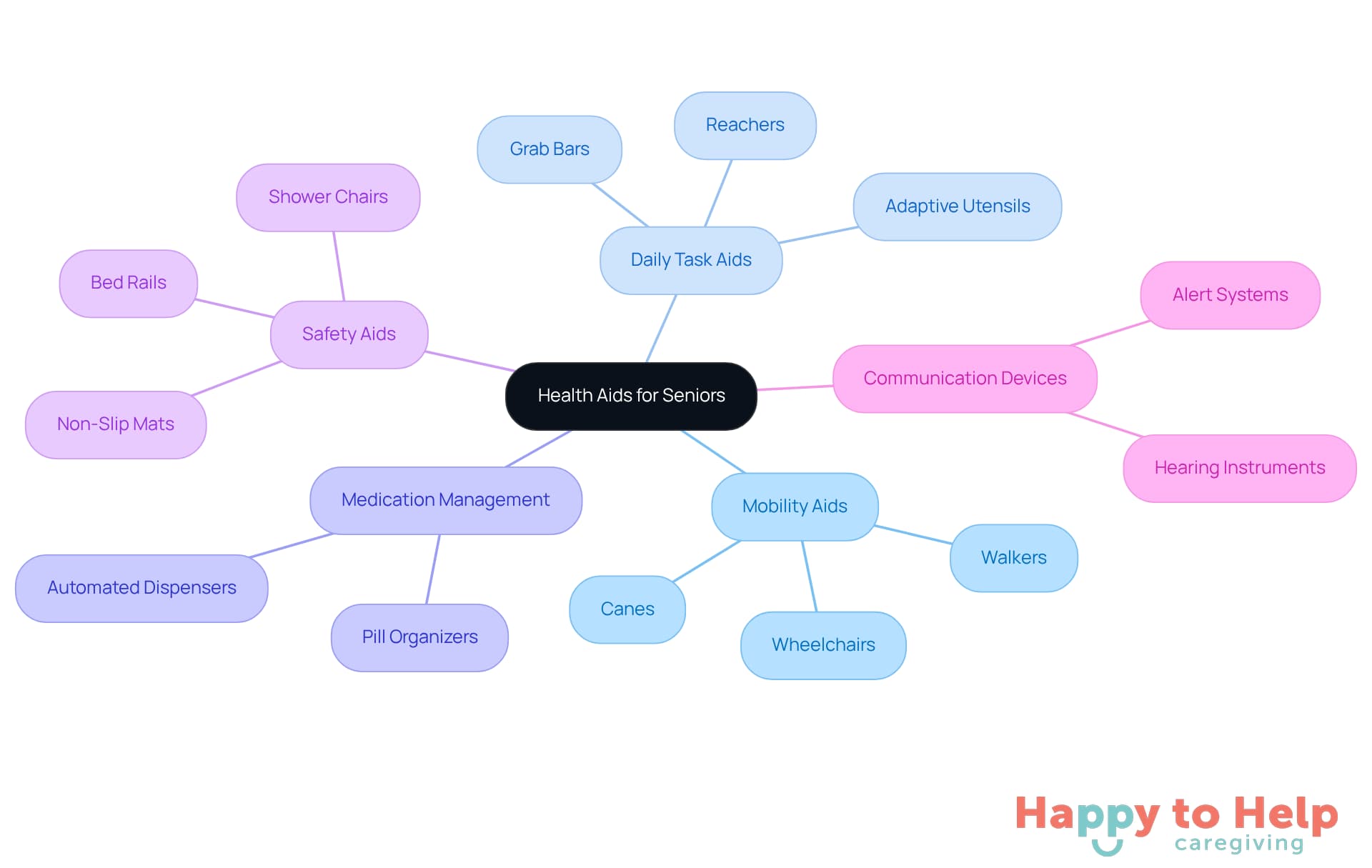
Solution: Here are some essential aids that can make a difference:
- Mobility Aids: Walkers, canes, and wheelchairs are crucial for assisting with movement, helping individuals maintain their independence.
- Health aids for elderly: Tools such as grab bars, reachers, and adaptive utensils simplify daily tasks, making them more manageable.
- Health aids for elderly: Medication management tools like pill organizers and automated dispensers ensure proper medication adherence, reducing the risk of missed doses.
- Health Aids for Elderly: Non-slip mats, shower chairs, and bed rails are essential health aids for elderly individuals to help prevent falls and enhance security at home.
- Communication Devices: Hearing instruments and alert systems improve communication and safety, ensuring that individuals can reach out for help when needed.
Evaluate Key Selection Factors for Health Aids
Problem: Caregivers often struggle to find the right devices for seniors, which can lead to frustration and inadequate support.
Agitate: Without proper assessment of individual needs, seniors may face challenges that affect their daily routines and overall well-being.
Solution:
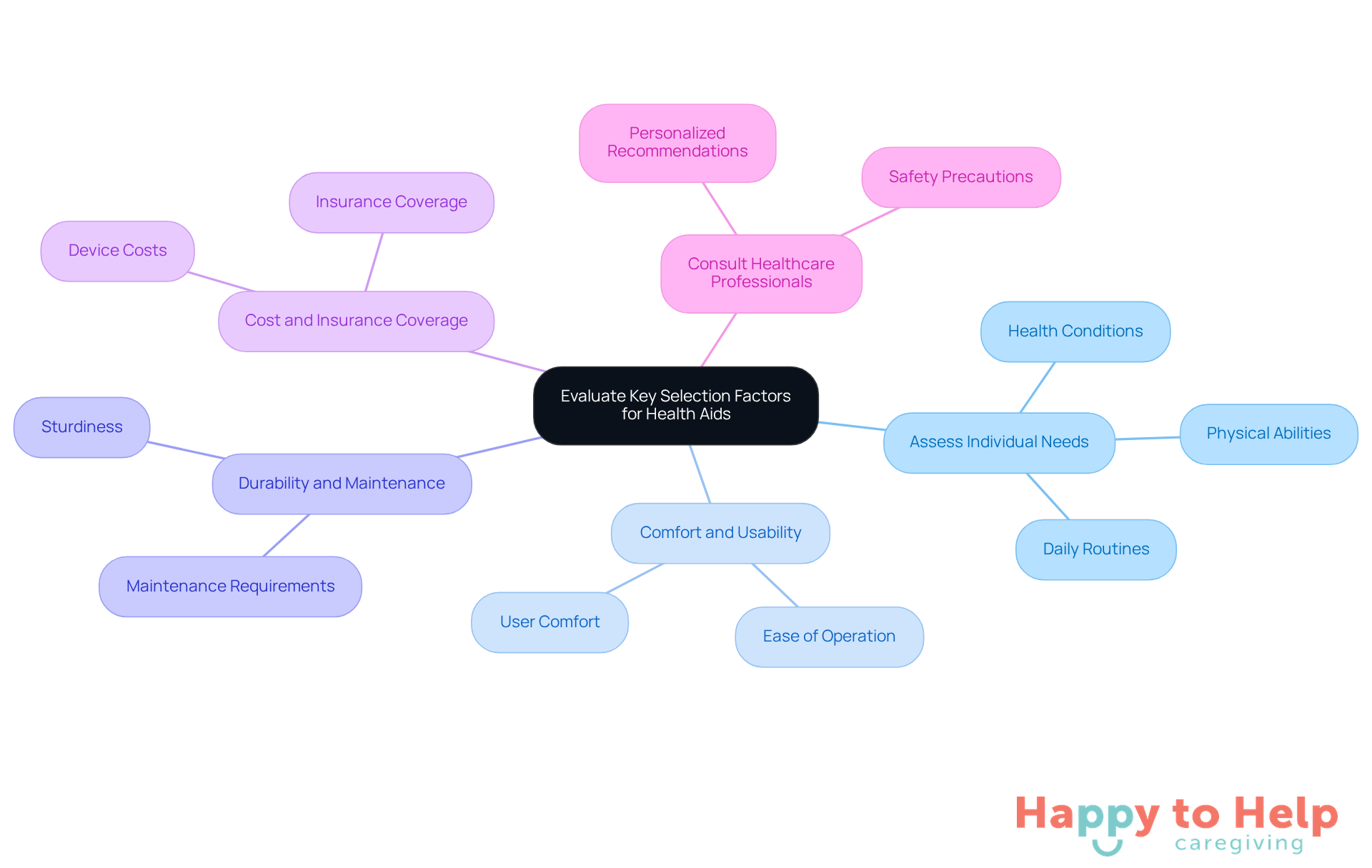
- Assess Individual Needs: Consider the senior's physical abilities, health conditions, and daily routines to ensure the right fit.
- Comfort and Usability: Ensure the devices are comfortable to use and easy to operate, promoting independence.
- Durability and Maintenance: Choose tools that are sturdy and require minimal upkeep, reducing long-term costs and hassle.
- Cost and Insurance Coverage: Assess financial factors, including whether the devices are covered by insurance or Medicare, to avoid unexpected expenses.
- Consult Healthcare Professionals: Seek advice from doctors or occupational therapists for personalized recommendations that cater to specific needs.
Implement Safe Usage Practices for Health Aids
Ensuring the safety and effectiveness of health aids for elderly individuals is a significant concern for caregivers. Misuse or lack of understanding can lead to accidents and diminished independence.
Agitate: Without proper guidance, elderly users may struggle with their devices, increasing the risk of falls and injuries. Regular wear and tear on equipment can further compromise safety, making proactive maintenance essential. Experts emphasize that even minor damages can severely impact the effectiveness of these supports, highlighting the need for vigilance.
Solution: Here are actionable steps caregivers can take:
-
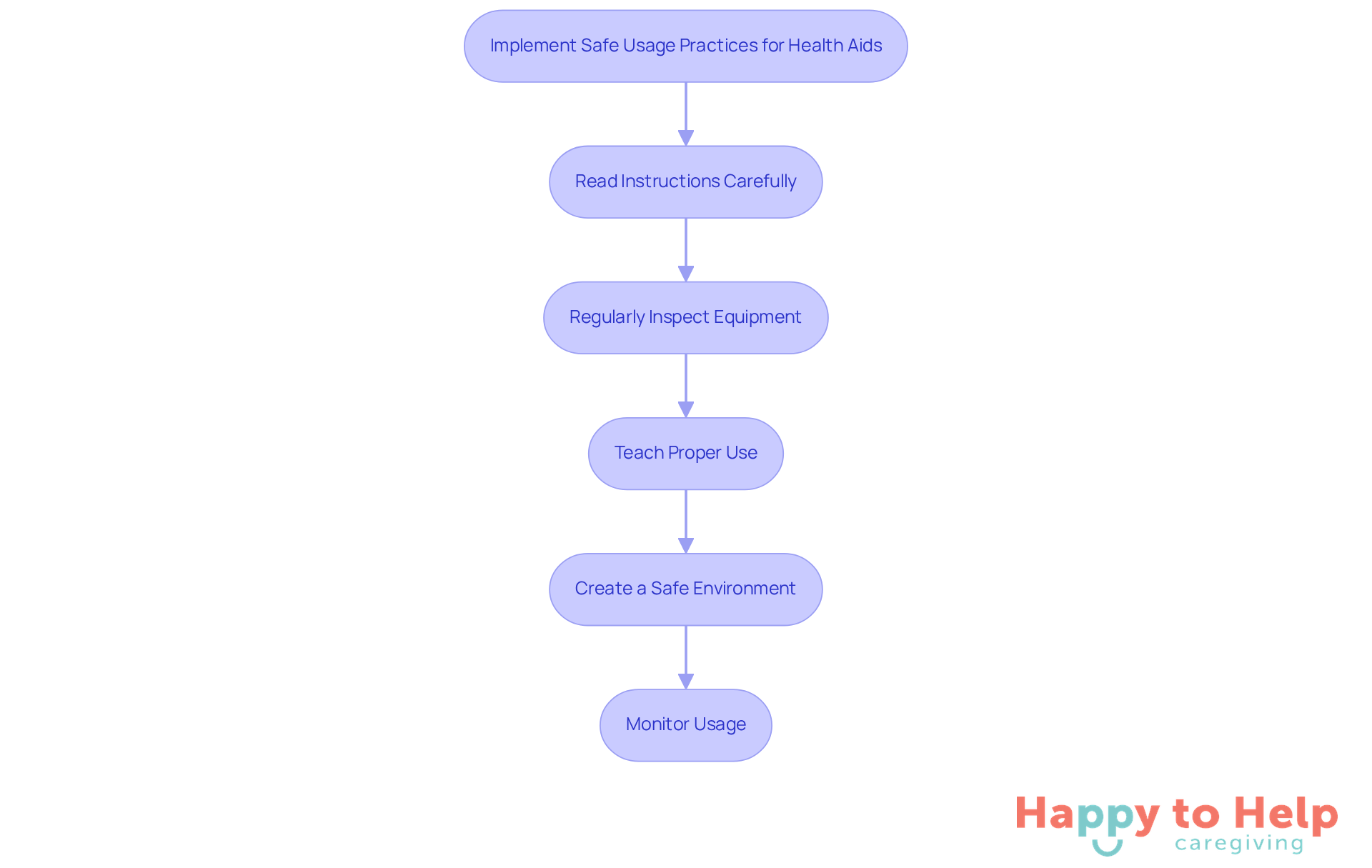
Read Instructions Carefully: Following the manufacturer's guidelines for each health aid is crucial. A proper understanding of the device's functionality can prevent misuse and accidents.
-
Regularly Inspect Equipment: Conduct frequent checks for wear and tear on mobility devices. Regular inspections help identify potential issues before they lead to accidents, ensuring that devices remain in optimal working condition.
Teaching elderly individuals the proper use of their devices is one of the valuable health aids for elderly, as it promotes independence and self-assurance. Training sessions can include hands-on demonstrations of health aids for elderly, enabling older adults to become familiar with their devices. Statistics show that those who receive proper training are less likely to experience falls.
-
Create a Safe Environment: Eliminate hazards in the home that could lead to falls or accidents. Simple adjustments, like removing loose rugs and improving lighting, can greatly enhance safety for older adults using mobility devices.
-
Monitor Usage: Regularly observe how tools are being utilized and make necessary adjustments. Ongoing observation enables caregivers to offer assistance and direction, ensuring that seniors are using their aids properly and securely.
Access Support Resources for Caregivers and Seniors
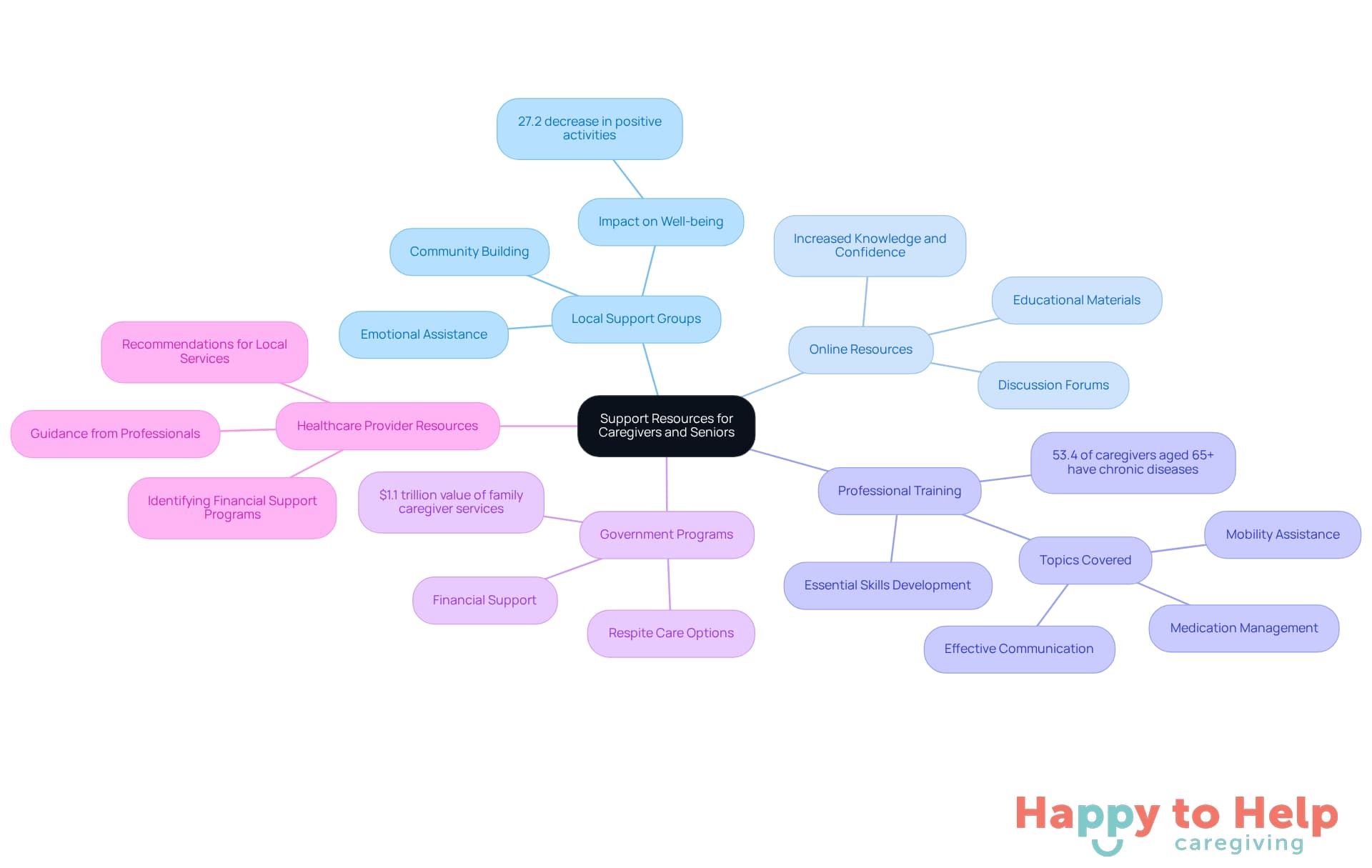
Local Support Groups: Caregivers often face feelings of isolation, which can impact their emotional well-being. Engaging with support groups can provide both emotional and practical assistance. These groups foster a sense of community, allowing caregivers to share experiences and strategies. Research shows that individuals who participate in support groups report enhanced well-being and lower stress levels. For example, caregivers involved in these groups often experience a 27.2% decrease in positive activities due to their caregiving duties, highlighting the importance of support networks.
Online Resources: Navigating caregiving responsibilities can be overwhelming, but online resources can help. Websites like the National Council on Aging offer a wealth of information and tools tailored for caregivers. These platforms provide access to educational materials, discussion forums, and directories of local services. Research indicates that caregivers who utilize online resources gain increased knowledge and confidence in managing their responsibilities. In fact, those who actively seek out these resources report a significant boost in their ability to tackle care challenges.
Professional Training: Many caregivers lack essential skills needed for effective care, which can lead to stress and uncertainty. Participating in workshops or courses focused on caregiving methods and safety can equip individuals with crucial skills. Training programs often cover topics such as medication management, mobility assistance, and effective communication strategies. This training is particularly important, as 53.4% of individuals aged 65 and older have two or more chronic diseases, underscoring the need for ongoing education.
Government Programs: Financial strain is a common issue for caregivers, making it vital to explore available assistance. State and federal programs offer financial support and respite care, alleviating some of the burdens associated with caregiving. These programs allow caregivers to focus more on their loved ones' needs. For instance, many states provide respite care options, giving caregivers a much-needed break. This support is crucial, considering that family caregivers contribute services valued at $1.1 trillion each year to the healthcare system.
Healthcare Provider Resources: Caregivers may not always know where to turn for help, but healthcare providers can offer valuable guidance. Consulting with healthcare professionals can lead to recommendations for local health aids for elderly individuals. Providers often have insights into community resources that can assist caregivers, including home health services and specialized care programs. Engaging with healthcare professionals can also help caregivers identify specific programs that may offer financial support or additional resources.
Taking the Next Steps
Caregivers face significant challenges in enhancing the quality of life for seniors. Without the right health aids, fostering independence and safety becomes increasingly difficult. This lack of support can lead to feelings of frustration and helplessness among elderly individuals, making daily activities daunting.
To address these challenges, it’s crucial for caregivers to recognize the various types of health aids available. Categories such as:
- Mobility aids
- Health management tools
- Safety devices
- Communication systems
can significantly alleviate the difficulties seniors encounter. Selecting aids that cater to individual needs, comfort, and usability is essential. Additionally, implementing safe usage practices - like regular inspections and proper training - maximizes the effectiveness of these aids and minimizes the risk of accidents.
Caregiving extends beyond just physical assistance; it also involves providing emotional and educational support. Engaging with local support groups, utilizing online resources, and seeking professional training can empower caregivers. By prioritizing the right health aids and support systems, caregivers can create a safer and more fulfilling environment for the seniors they care for. This proactive approach paves the way for improved well-being and an enhanced quality of life.
https://iframe.tely.ai/cta/eyJhcnRpY2xlX2lkIjogIjY5NDBhMjM2MjI1ZjA3N2M1ZmMwYmY0ZCIsICJjb21wYW55X2lkIjogIjY4ZWU1ZGNhNzMxNzYyNTU3ZjNjOTVjMSIsICJpbmRleCI6IG51bGwsICJ0eXBlIjogImFydGljbGUifQ==Frequently Asked Questions
What challenges do caregivers face when assisting seniors?
Caregivers often encounter significant challenges related to mobility and daily tasks, which can lead to safety concerns and decreased independence for seniors.
What risks are associated with not having the right tools for caregiving?
Without the appropriate tools, caregivers may struggle to provide necessary support, increasing the risk of falls and complicating daily routines, which can lead to frustration for both caregivers and seniors.
What are some essential mobility aids for seniors?
Essential mobility aids include walkers, canes, and wheelchairs, which assist individuals with movement and help maintain their independence.
What types of health aids can simplify daily tasks for the elderly?
Health aids such as grab bars, reachers, and adaptive utensils can simplify daily tasks, making them more manageable for elderly individuals.
How can medication management tools benefit seniors?
Medication management tools like pill organizers and automated dispensers help ensure proper medication adherence, reducing the risk of missed doses.
What safety aids can help prevent falls at home for seniors?
Non-slip mats, shower chairs, and bed rails are essential health aids that help prevent falls and enhance security for elderly individuals at home.
How do communication devices assist seniors?
Communication devices, including hearing instruments and alert systems, improve communication and safety, ensuring that seniors can reach out for help when needed.
List of Sources
- Identify Types of Health Aids for Seniors
- Understanding Wheelchair Use in Older Adults From the National Health and Aging Trends Study (https://sciencedirect.com/science/article/pii/S0003999323005300)
- The Latest Trends in Mobility Aid Technology for 2025 (https://everythingmedicalonline.com/blogs/news/the-latest-trends-in-mobility-aid-technology-for-2025?srsltid=AfmBOoqaZDstrZ2NHIowQNJeG4OBQ6KVM8cd7KHo1W\_hysvM-CbK6rw7)
- Assistive Devices for Elderly People 2025 (https://healthline.com/health/assistive-devices-for-elderly)
- Top 5 Cutting-Edge Equipment for Seniors in 2025 - INTCO Medical (https://intcowheelchair.com/news/top-5-cutting-edge-equipment-for-seniors-in-2025)
- 10 Essential Elderly Aids for Enhancing Senior Independence - Happy To Help (https://happytohelpcaregiving.com/10-essential-elderly-aids-for-enhancing-senior-independence)
- Evaluate Key Selection Factors for Health Aids
- Assistive Devices for Older Adults: Cost, Coverage, and More (https://medicalnewstoday.com/articles/assistive-devices-for-elderly)
- Unmet Need for Equipment to Help With Bathing and Toileting Among Older US Adults - PMC (https://pmc.ncbi.nlm.nih.gov/articles/PMC7985819)
- Technology to Prevent Falls for Seniors (https://health.usnews.com/senior-care/articles/technology-to-prevent-falls-for-seniors)
- 52 Eye-Opening Home Health Statistics: Insights for 2025 (https://boosthomehealth.com/home-health-statistics)
- Best Mobility Aids for Seniors: How to Choose the Right One | Home Care agency in New York (https://angelcareny.com/best-mobility-aids-for-seniors-how-to-choose-the-right-one)
- Implement Safe Usage Practices for Health Aids
- Mobility Device Use Among Older Adults and Incidence of Falls and Worry About Falling: Findings From the 2011–2012 National Health and Aging Trends Study - PMC (https://pmc.ncbi.nlm.nih.gov/articles/PMC4439269)
- Inspirational Safety Quotes to Share with Your Workers (https://ehsinsight.com/blog/inspirational-safety-quotes-to-share-with-your-workers)
- Top 100 Inspirational Workplace Safety Quotes (https://damotech.com/blog/inspirational-quotes-warehouse-safety)
- Top 20 Safety Quotes To Improve Your Safety Culture (https://blog.safetyculture.com/industry-trends/top-20-safety-quotes-improve-safety-culture)
- Survey: Mobility Needs of Prospective Senior Care Residents (https://oasissenioradvisors.com/blog/survey-results-mobility-needs-of-prospective-senior-care-residents)
- Access Support Resources for Caregivers and Seniors
- The Caregiving Landscape: Data & Insights on the Caregiver Experience in the U.S. (https://caregiveraction.org/caregiver-statistics)
- Caregiver Statistics: Demographics (https://caregiver.org/resource/caregiver-statistics-demographics)
- A growing number of North Carolina adults are family caregivers (https://states.aarp.org/north-carolina/a-growing-number-of-north-carolina-adults-are-family-caregivers)
- Caregiving Crisis: 45% Increase in Americans Providing Care (https://aarp.org/caregiving/basics/caregiving-in-us-survey-2025)
- National Family Caregivers Month 2025 | Plug-in to Care Hub (https://caregiveraction.org/nfc2025)