

For families in our service areas
For families in our service areas, this guide explains caregiver support and how non-medical in-home caregiving can support care planning in East Idaho, Treasure Valley & Magic Valley, Northern Wasatch, North Central West Virginia, and Northeast Ohio.
The Importance of Meal Prep Ideas
Navigating the dietary needs of seniors presents a significant challenge for caregivers. With health conditions such as diabetes and heart disease becoming increasingly common among the elderly, the stakes are high. Nearly one-third of seniors are projected to face diabetes by 2025, underscoring the urgent need for proper nutrition.
This article offers essential meal prep ideas that simplify cooking while enhancing the nutritional intake of older adults. Caregivers often grapple with balancing dietary restrictions and ensuring meals remain enjoyable and safe. Additionally, managing the complexities of food shopping and storage can be overwhelming.
To address these challenges, we’ll explore practical solutions that caregivers can implement to support the dietary needs of seniors effectively.
Assess Dietary Needs
Problem: Many elderly individuals face dietary restrictions due to health conditions like diabetes and heart disease, affecting their nutritional intake. In fact, by 2025, over 29% of those aged 65 and older will be living with diabetes, while heart disease continues to be a leading health concern.
Agitate: These dietary limitations can lead to serious health risks, including sarcopenia and frailty. As highlighted by Munshi et al., inadequate nutritional intake is a significant factor in these conditions. Moreover, food insecurity is a pressing issue, impacting approximately 10% of older adults nationally, particularly in the context of ongoing government shutdowns that threaten food assistance programs.
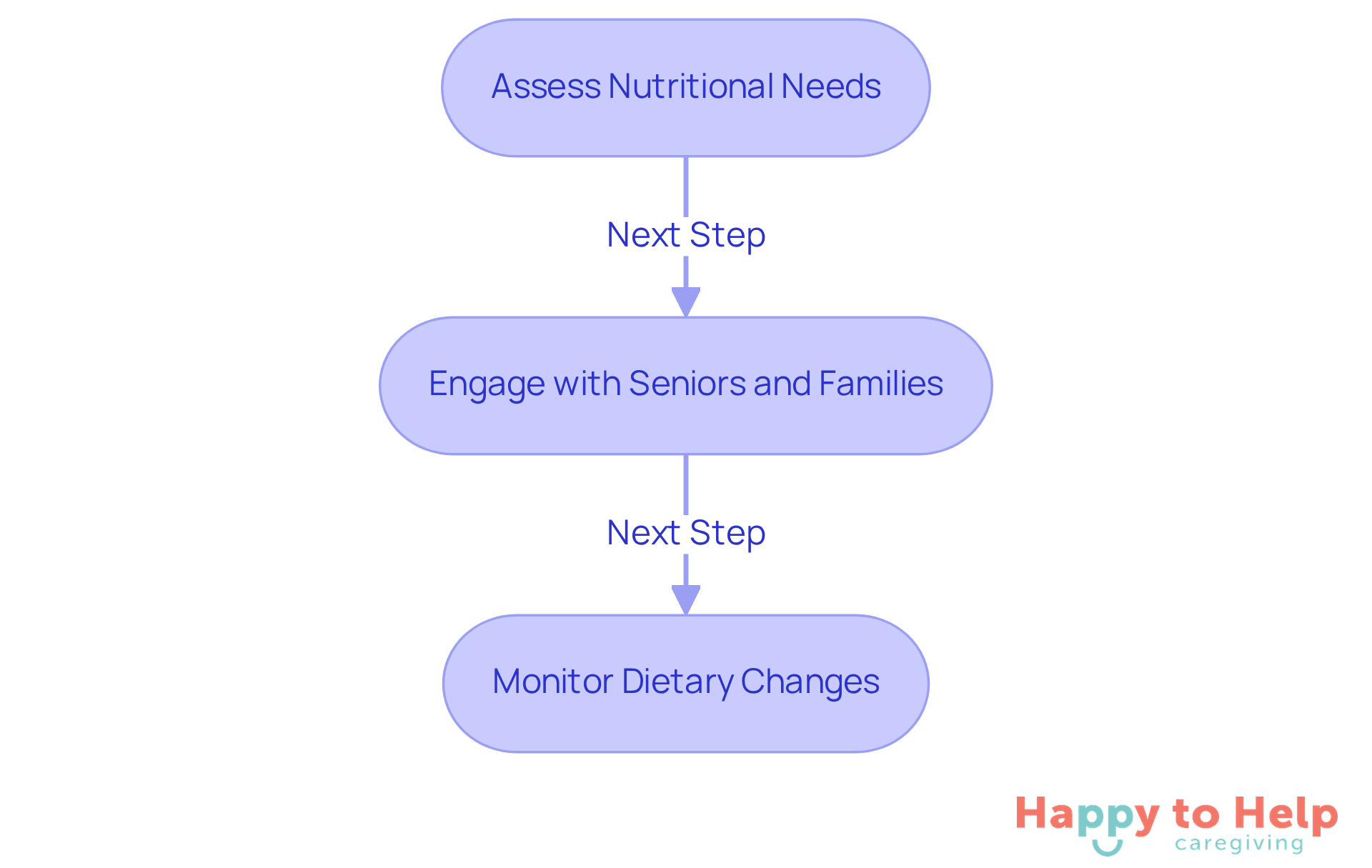
Solution: Caregivers can take proactive steps to address these challenges:
- Assess Nutritional Needs: Utilize tools like the Mini Nutritional Assessment to evaluate the nutritional status of older adults, identifying potential deficiencies or risks associated with their dietary restrictions.
- Engage with Seniors and Families: Participate in conversations with seniors and their families to gather insights into their personal preferences for meal prep ideas for seniors. This ensures that meal prep ideas for seniors are both nutritious and enjoyable, aligning with the advocacy efforts of organizations like the NCOA, which promote nutrition assistance programs.
- Monitor Dietary Changes: Keep a detailed record of any changes in dietary needs over time. This allows for timely adjustments to meal plans that reflect evolving health conditions or preferences, significantly impacting the health and quality of life for seniors managing chronic conditions.
Plan a Weekly Menu
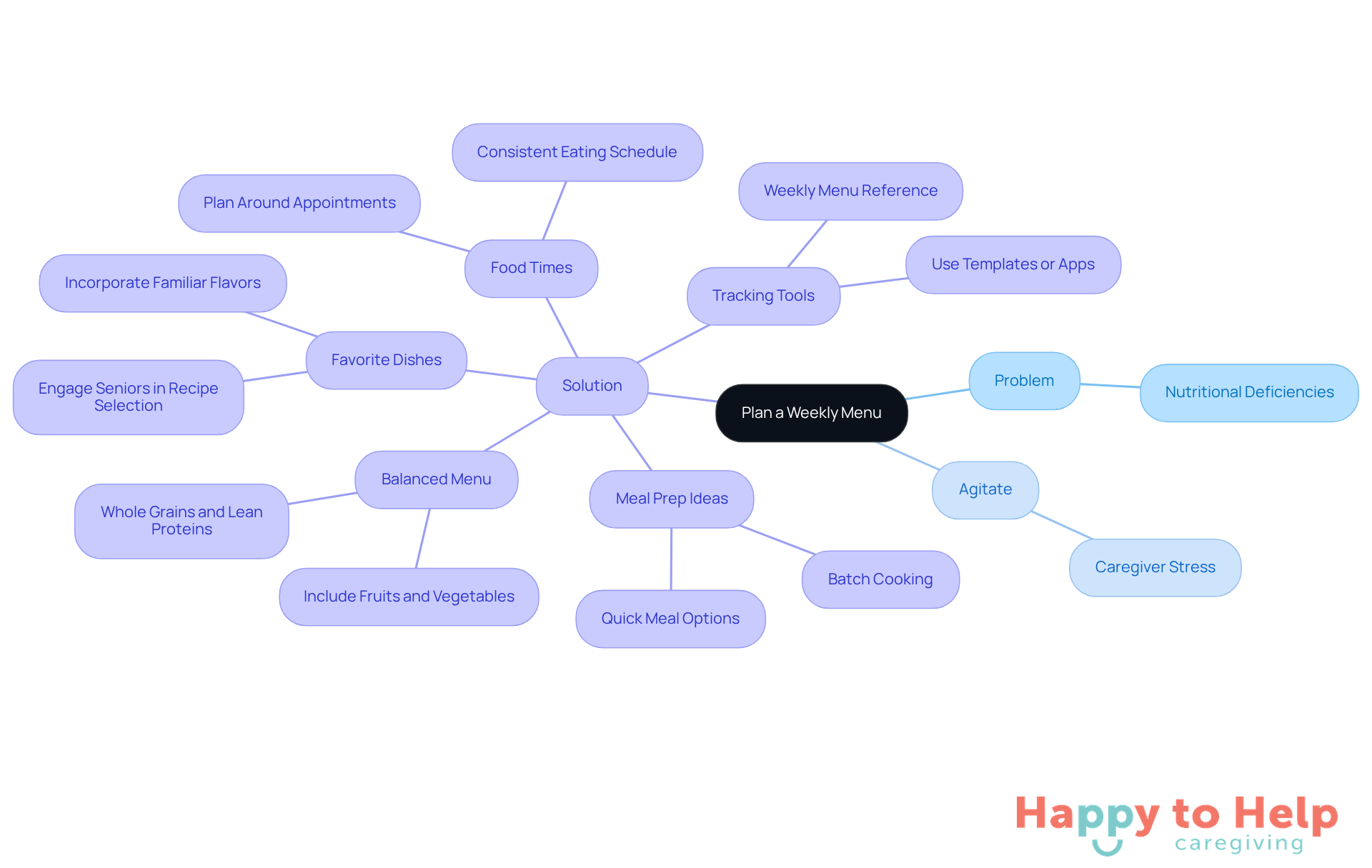
Problem: Caregivers often struggle to provide balanced meals for seniors, which can lead to nutritional deficiencies and decreased enjoyment of food.
Agitate: Without a well-planned menu, seniors may miss out on essential nutrients, impacting their overall health and well-being. This can also create stress for caregivers who want to ensure their loved ones are eating well.
Solution: To address these challenges, consider the following actionable tips:
- Create a balanced menu that includes fruits, vegetables, whole grains, and lean proteins.
- Plan meal prep ideas for seniors that can be prepared in batches to save time and effort.
- Incorporate favorite dishes in meal prep ideas for seniors to enhance their enjoyment of food.
- Plan food times around any appointments or activities to ensure consistency in their eating schedule.
- Use a template or app to keep track of the weekly menu for easy reference, making meal planning more efficient.
Shop Smart
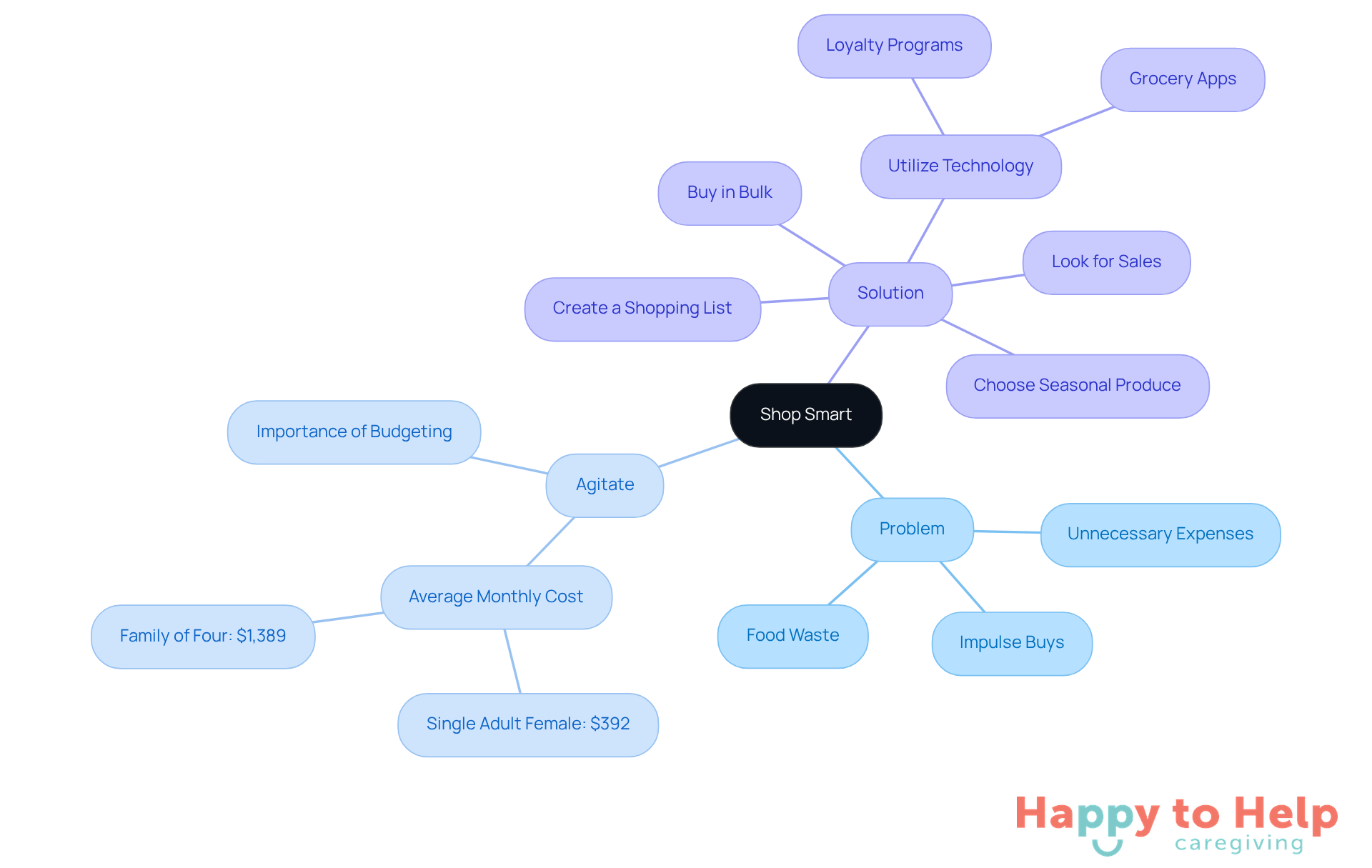
Problem: Grocery shopping can often lead to impulse buys, resulting in unnecessary expenses and food waste.
Agitate: For instance, the average monthly grocery cost for a single adult female is approximately $392. This highlights the importance of budgeting and making informed choices to avoid overspending.
Solution:
- Create a Shopping List: Make a thorough shopping list based on your weekly food plan to reduce impulse buys and ensure you acquire only what is essential.
- Look for Sales: Actively search for sales and discounts on nutritious items, as this can significantly lower grocery costs while sustaining a healthy diet.
- Choose Seasonal Produce: Opt for seasonal fruits and vegetables, which are typically fresher and more affordable, providing better value for your money.
- Buy in Bulk: Consider bulk buying for non-perishable items like grains and canned goods, as this approach can lead to substantial savings over time.
- Utilize Technology: Utilize grocery apps and loyalty programs to monitor spending and discover personalized deals. As Brett Narlinger notes, being an active member of a loyalty program can help you receive tailored offers based on your spending behavior, maximizing your budget while shopping.
Invest in Storage Solutions
Food waste is a significant issue, particularly in households with seniors. According to a study by MITRE and Gallup, 40 to 50 percent of all items discarded in the U.S. are household leftovers. This highlights the need for proper storage and labeling to minimize loss and ensure food safety.
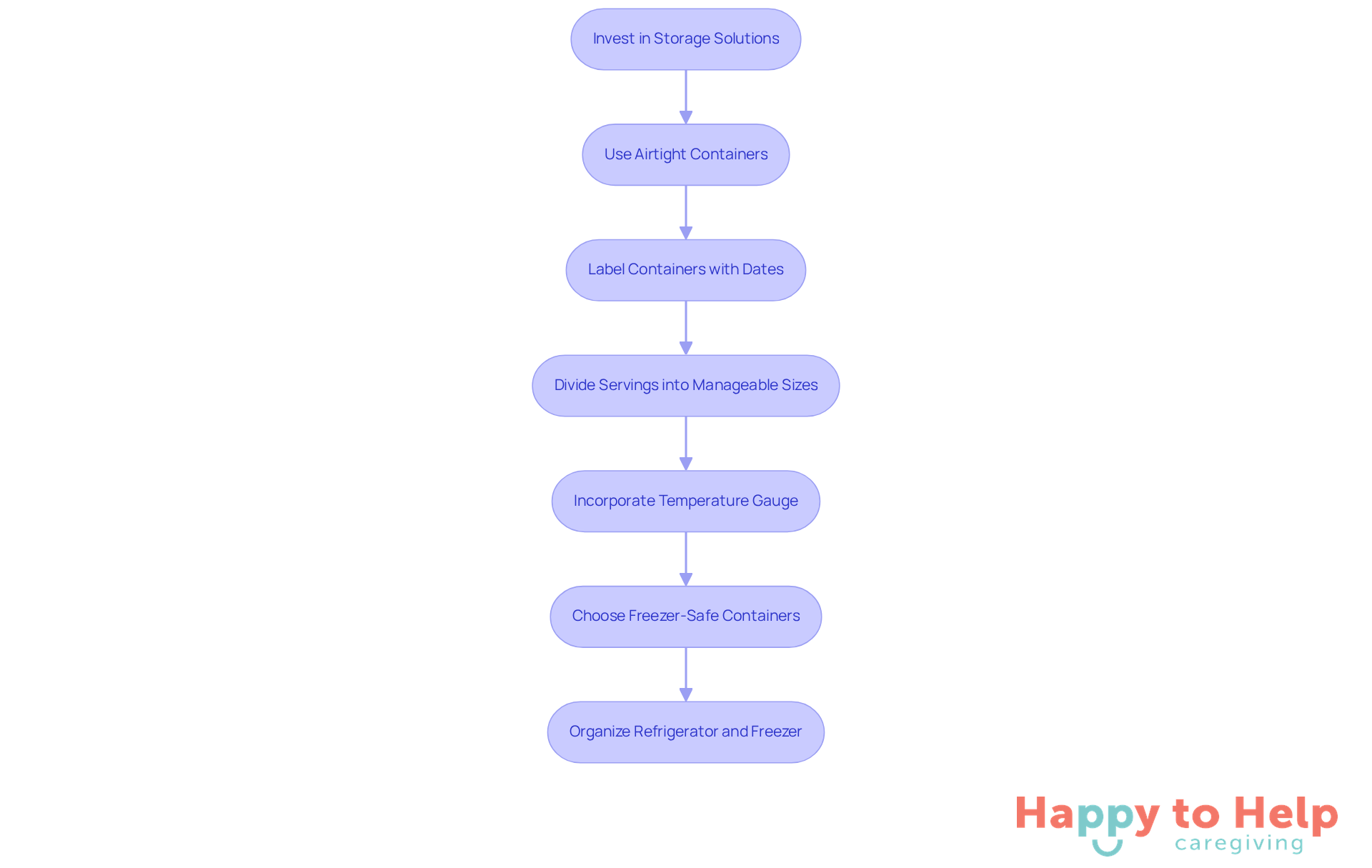
To combat this problem, caregivers should utilize airtight containers to maintain meal freshness and prevent contamination. Clearly labeling these containers with preparation dates helps monitor freshness and reduces food waste, which is essential for a healthy diet. This practice is especially important for older adults, who face a higher risk of foodborne illness, as noted in the 'Importance of Food Safety in Nutrition Programs for the Elderly.'
Dividing servings into manageable sizes can also enhance the dining experience for seniors, making meals less overwhelming. Additionally, incorporating a temperature gauge ensures that dishes are prepared to safe levels, further promoting safety.
Choosing freezer-safe containers allows caregivers to prepare meals in advance, providing easy access to nutritious options when needed. This not only aids in meal preparation but also contributes to reducing edible refuse.
Lastly, organizing the refrigerator and freezer systematically facilitates easy access to meals and ingredients, streamlining the meal prep process. By being mindful of food storage solutions, caregivers can positively impact both their loved ones' health and the environment, aligning with the effectiveness of organic waste bans in reducing food waste.
Key Takeaways for Caregivers
Effective meal preparation poses a significant challenge for caregivers of seniors, directly affecting their health and quality of life. Many caregivers struggle to meet the unique dietary needs of elderly individuals, which can lead to meals that are neither nutritious nor enjoyable. This situation can diminish the overall well-being and satisfaction of seniors, making it crucial for caregivers to address these dietary concerns.
To tackle this issue, caregivers can implement four essential meal prep strategies:
- Assess Dietary Needs: Understanding the specific nutritional requirements of seniors is the first step in meal preparation.
- Plan a Weekly Menu: Creating a structured menu helps ensure a balanced diet and reduces last-minute stress.
- Shop Smart: Making informed shopping choices can minimize food waste and save time.
- Invest in Storage Solutions: Proper storage keeps meals fresh and accessible, enhancing the overall meal experience.
By adopting these strategies, caregivers can not only alleviate their own stress but also enhance the meal enjoyment for seniors. This proactive approach ensures that loved ones receive the nutrients they need to thrive, ultimately fostering a healthier and happier environment.
In conclusion, the importance of meal prep transcends mere nutrition; it reflects care, compassion, and a commitment to improving the lives of seniors. Caregivers are encouraged to embrace these meal prep ideas, which not only enhance the dietary experience for seniors but also empower caregivers to provide the best possible care.
https://iframe.tely.ai/cta/eyJhcnRpY2xlX2lkIjogIjY5NDBhMjFmM2RiOWY3ZmNiNDY0N2ViZiIsICJjb21wYW55X2lkIjogIjY4ZWU1ZGNhNzMxNzYyNTU3ZjNjOTVjMSIsICJpbmRleCI6IG51bGwsICJ0eXBlIjogImFydGljbGUifQ==Frequently Asked Questions
What dietary restrictions do many elderly individuals face?
Many elderly individuals face dietary restrictions due to health conditions such as diabetes and heart disease, which can significantly affect their nutritional intake.
What is the projected statistic regarding diabetes among seniors by 2025?
By 2025, over 29% of individuals aged 65 and older are expected to be living with diabetes.
What serious health risks can arise from dietary limitations in the elderly?
Dietary limitations can lead to serious health risks, including sarcopenia (muscle loss) and frailty, which are associated with inadequate nutritional intake.
How does food insecurity affect older adults?
Food insecurity impacts approximately 10% of older adults nationally, and it is exacerbated by issues such as government shutdowns that threaten food assistance programs.
What steps can caregivers take to address the dietary needs of elderly individuals?
Caregivers can take several proactive steps, including assessing nutritional needs, engaging with seniors and their families for meal preferences, and monitoring dietary changes over time.
What tool can be used to assess the nutritional status of older adults?
The Mini Nutritional Assessment is a tool that can be utilized to evaluate the nutritional status of older adults, helping to identify potential deficiencies or risks.
Why is it important to engage with seniors and their families regarding meal preparation?
Engaging with seniors and their families helps gather insights into personal meal preferences, ensuring that meal prep ideas are both nutritious and enjoyable, which aligns with advocacy efforts for nutrition assistance.
How can caregivers monitor changes in dietary needs over time?
Caregivers can keep a detailed record of any changes in dietary needs, allowing for timely adjustments to meal plans that reflect evolving health conditions or preferences.
List of Sources
- Assess Dietary Needs
- Federal Government Shutdown Threatens SNAP Benefits for Older Adults (https://retirementlivingsourcebook.com/proagingnews/federal-government-shutdown-threatens-snap-benefits-for-older-adults)
- NCOA Survey Finds Affordability is a Main Concern With Eating Well (https://ncoa.org/article/71-of-older-adults-say-affordability-makes-it-difficult-to-buy-healthy-food-ncoa-survey-finds)
- Dining Alone Could Mean Worse Nutrition for Seniors (https://usnews.com/news/health-news/articles/2025-11-26/dining-alone-could-mean-worse-nutrition-for-seniors)
-
- Older Adults: Standards of Care in Diabetes—2025 (https://diabetesjournals.org/care/article/48/Supplement\_1/S266/157556/13-Older-Adults-Standards-of-Care-in-Diabetes-2025)
- Plan a Weekly Menu
- 10 Essential Tips for Senior Meal Prep That Caregivers Need - Happy To Help (https://happytohelpcaregiving.com/10-essential-tips-for-senior-meal-prep-that-caregivers-need)
- 5 Tips for Seniors Creating Healthy Meal Plans (https://ncoa.org/article/5-tips-for-seniors-creating-healthy-meal-plans)
- 7-Day Meal Plan for Elderly | Amazing Home Care (https://amazinghomecare.com/blog/meal-plans-for-seniors)
- Top Meal Planning Tips for Older Adults: A Nutritionist Answers… (https://archwellhealth.com/news/top-meal-planning-tips-for-older-adults-a-nutritionist-answers-common-questions)
- Shop Smart
- Flagship Health | Eating Healthy on a Budget: Nutrition Tips and Budgeting Goals For Seniors (https://flagshiphealth.org/resources/blog/eating-healthy-on-a-budget-nutrition-tips-and-budgeting-goals-for-seniors)
- Healthy Eating on a Budget (https://usda.gov/about-usda/news/blog/healthy-eating-budget)
- Social Security 2025: 8 Ways To Plan for Your Grocery Budget Next Year With Rising Costs (https://finance.yahoo.com/news/social-security-2025-8-ways-120041637.html)
- Caregivers' Smart Grocery Tips (https://seniorhelpers.com/sc/low-country/resources/blogs/2024-02-13)
- Average Grocery Cost per Month: The 2025 Breakdown (https://instacart.com/company/ideas/average-grocery-cost-per-month)
- Invest in Storage Solutions
- Additional Research on Household Food Waste (https://nrdc.org/bio/andrea-collins/additional-research-household-food-waste)
- New study looks at nostalgia, comfort in food preparation for older adults (https://news.wsu.edu/press-release/2025/02/11/new-study-looks-at-nostalgia-comfort-in-food-preparation-for-older-adults)
- Food Safety | ACL Administration for Community Living (https://acl.gov/senior-nutrition/food-safety)
- The Importance of Food Safety for Older Adults (https://foodsafety.gov/blog/importance-food-safety-older-adults)
- Food safety for older people | Food Standards Australia New Zealand (https://foodstandards.gov.au/consumer/prevention-of-foodborne-illness/food-safety-older-people)