
For families in our service areas
For families in our service areas, this guide explains caregiving and how non-medical in-home caregiving can support care planning in East Idaho, Treasure Valley & Magic Valley, Northern Wasatch, North Central West Virginia, and Northeast Ohio.
Why Meditation Techniques Matters
Meditation is emerging as a vital practice for seniors facing the challenges of aging. Stress, cognitive decline, and emotional instability are increasingly prevalent issues that can significantly impact well-being. As a result, older adults are turning to meditation as a powerful tool for coping and building resilience.
This article explores essential meditation techniques tailored specifically for seniors. These practices can foster mental clarity, emotional stability, and overall health. However, the question remains: how can seniors effectively incorporate these techniques into their daily lives while overcoming the unique obstacles they face?
By understanding the benefits of meditation and implementing practical strategies, seniors can enhance their quality of life and navigate the complexities of aging with greater ease.
Understanding Meditation: A Senior Perspective
Meditation for seniors presents a significant challenge, particularly in managing stress and cognitive decline. As older adults face increasing pressures, the need for effective coping strategies becomes crucial. Stress can lead to emotional instability and cognitive issues, impacting daily life and overall well-being.
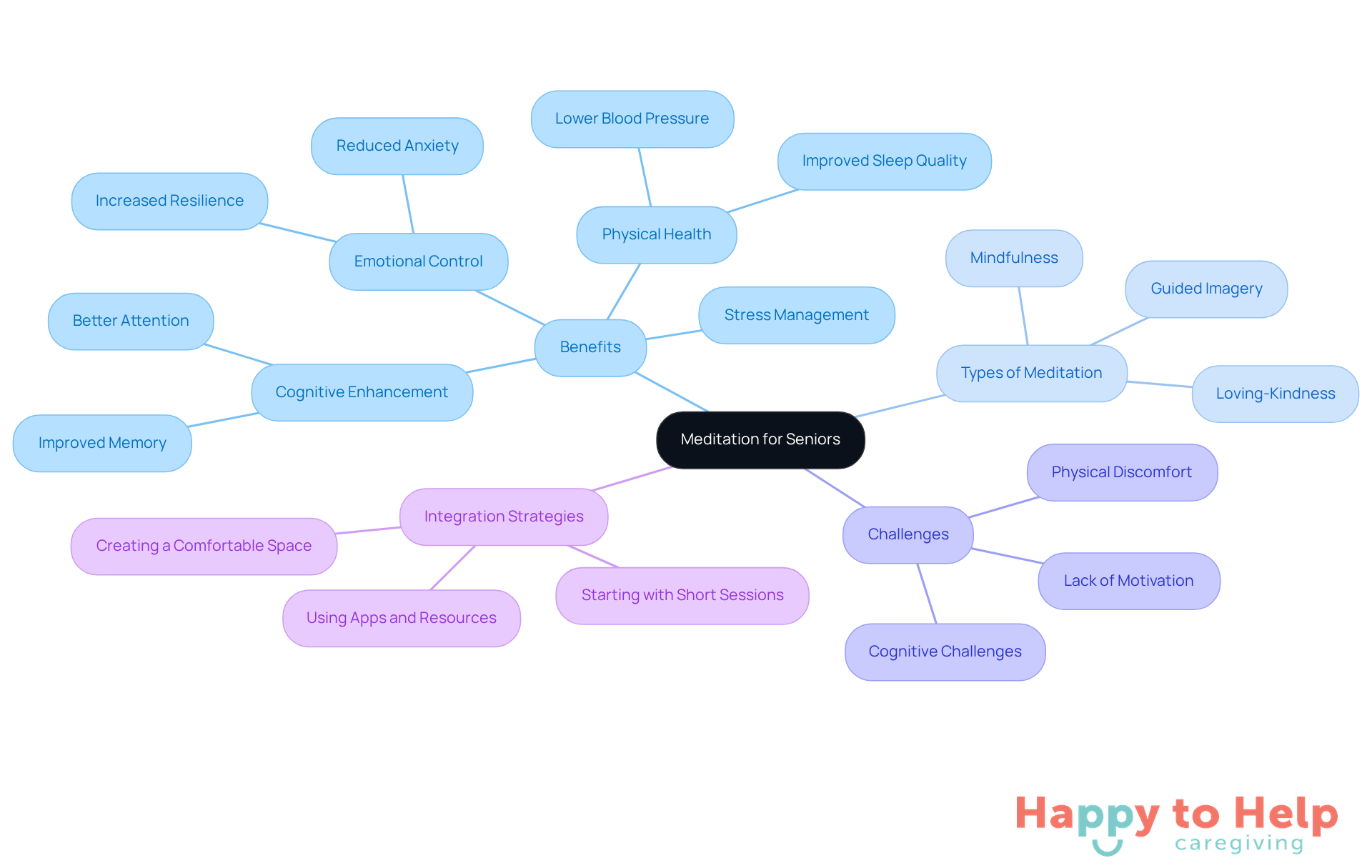
Fortunately, meditation for seniors offers a powerful solution. This practice of meditation for seniors focuses the mind, cultivating calmness and clarity while providing numerous benefits. Mindfulness, guided imagery, and loving-kindness are just a few types of meditation for seniors that can be tailored to individual preferences and physical abilities, making them accessible and enjoyable.
Research indicates that consistent mindfulness practices can enhance cognitive functions such as memory and attention, which are vital for maintaining daily functioning and quality of life. Effective mindfulness programs for older adults often incorporate gentle methods that cater to their unique needs, fostering a supportive environment for engagement.
Gerontologists emphasize the importance of these practices, noting that meditation for seniors not only helps them manage stress but also builds resilience and emotional control. Additionally, mindfulness has been shown to reduce blood pressure and heart rate, which is particularly beneficial for older adults at risk for cardiovascular issues.
To successfully integrate mindfulness into daily routines, older adults should explore various relaxation methods to find what resonates with them. However, it’s essential to acknowledge potential obstacles, such as physical discomfort or cognitive challenges, that may arise during practice. By employing adaptive techniques, seniors can enhance their mindfulness experience and enjoy the full range of benefits.
Benefits of Meditation for Seniors: Enhancing Well-Being
Meditation for seniors offers a wealth of benefits, significantly enhancing their overall well-being. However, many older adults face challenges such as stress, insomnia, and cognitive decline, which can negatively impact their quality of life.
-
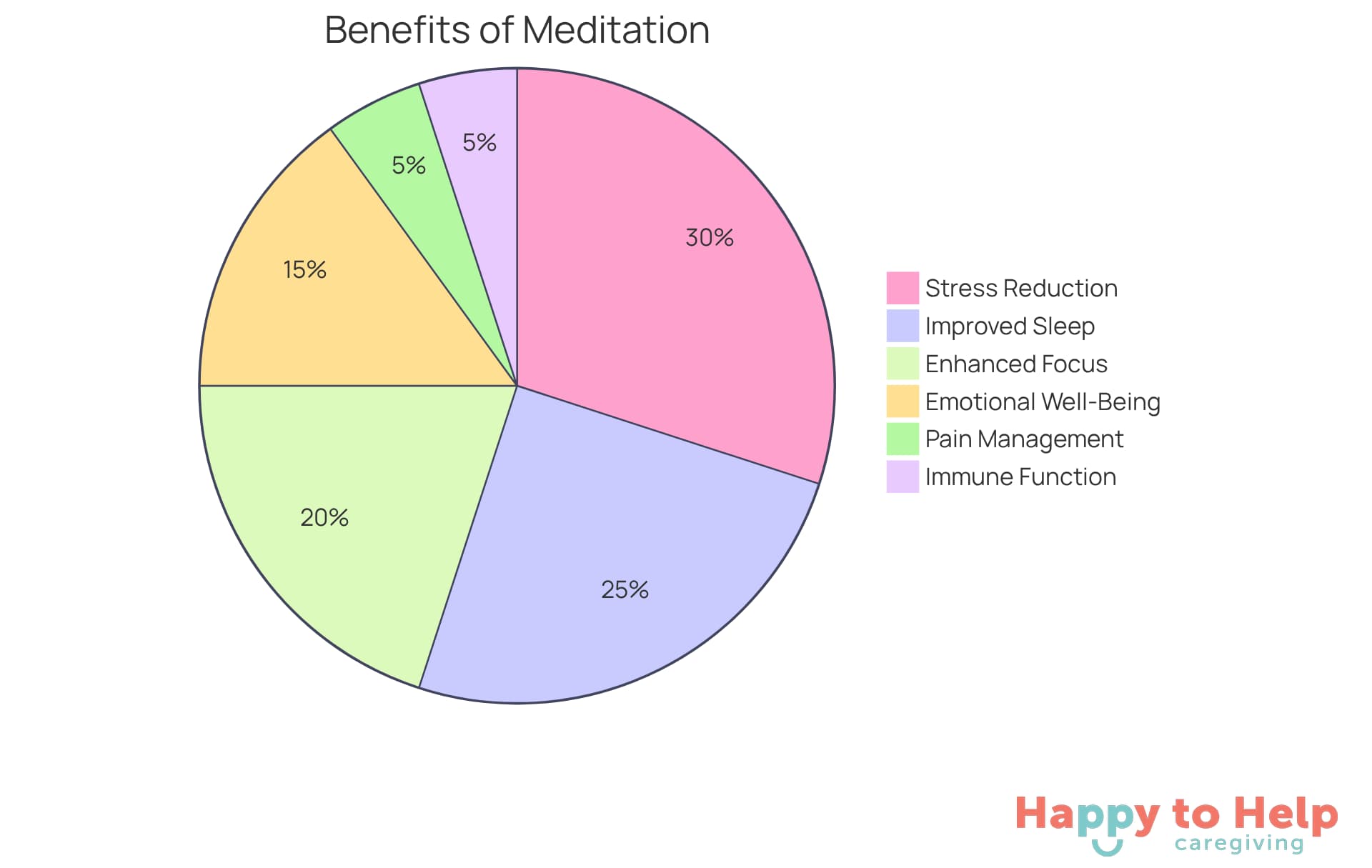
Stress Reduction: Regular meditation practice has been shown to lower stress levels, fostering a profound sense of calm and relaxation. Research indicates that mindfulness practices can effectively reduce symptoms of anxiety and depression, common among older adults. Notably, 67% of the 50-plus age group believe meditation helps reduce stress, underscoring its importance.
-
Improved Sleep: Many seniors struggle with insomnia and poor sleep quality. Meditation serves as a powerful tool for alleviating these issues. Research shows that elderly individuals who practice meditation for seniors experience fewer sleep disruptions and enhanced daytime performance, resulting in a more restful night.
-
Enhanced Focus and Memory: Cognitive decline can be a significant concern for seniors. Engaging in meditation for seniors can boost cognitive functions, helping them maintain mental clarity. Studies emphasize that regular mindfulness practice enhances attention span and memory retention, vital for cognitive health as one ages. Incorporating a personal mantra during reflective practice can further enhance focus and comfort.
-
Emotional Well-Being: Feelings of loneliness and depression can plague older adults. Practicing meditation for seniors promotes a positive mindset, effectively reducing these feelings. By fostering emotional stability, meditation assists older adults in developing resilience and an enhanced sense of happiness in their daily lives.
-
Pain Management: Chronic pain is another common issue for seniors. Meditation techniques can assist in managing this pain by encouraging relaxation and reducing stress responses. This approach enables older adults to observe their pain without judgment, significantly changing their experience of discomfort. It is crucial for older adults to adjust their mindfulness practices according to personal limitations, ensuring safety and effectiveness.
-
Immune Function: Additionally, meditation has been shown to positively impact immune function, particularly in older adults, by reducing stress and enhancing overall health.
While mindfulness provides various advantages, it is essential to recognize possible obstacles older adults may encounter, such as impatience or a preference for alternative stress-relief techniques. These collective benefits contribute to a higher quality of life, making meditation for seniors an invaluable practice for those seeking to enhance their mental and physical health.
Meditation Techniques for Seniors: Practical Approaches
Many seniors face challenges in maintaining mental clarity and emotional well-being as they age. With only 21% of individuals over 50 reporting that they engage in meditation for seniors weekly or more frequently, there’s a clear need for effective practices that can easily fit into their daily routines.
To address this issue, here are some effective meditation techniques suitable for seniors:
-
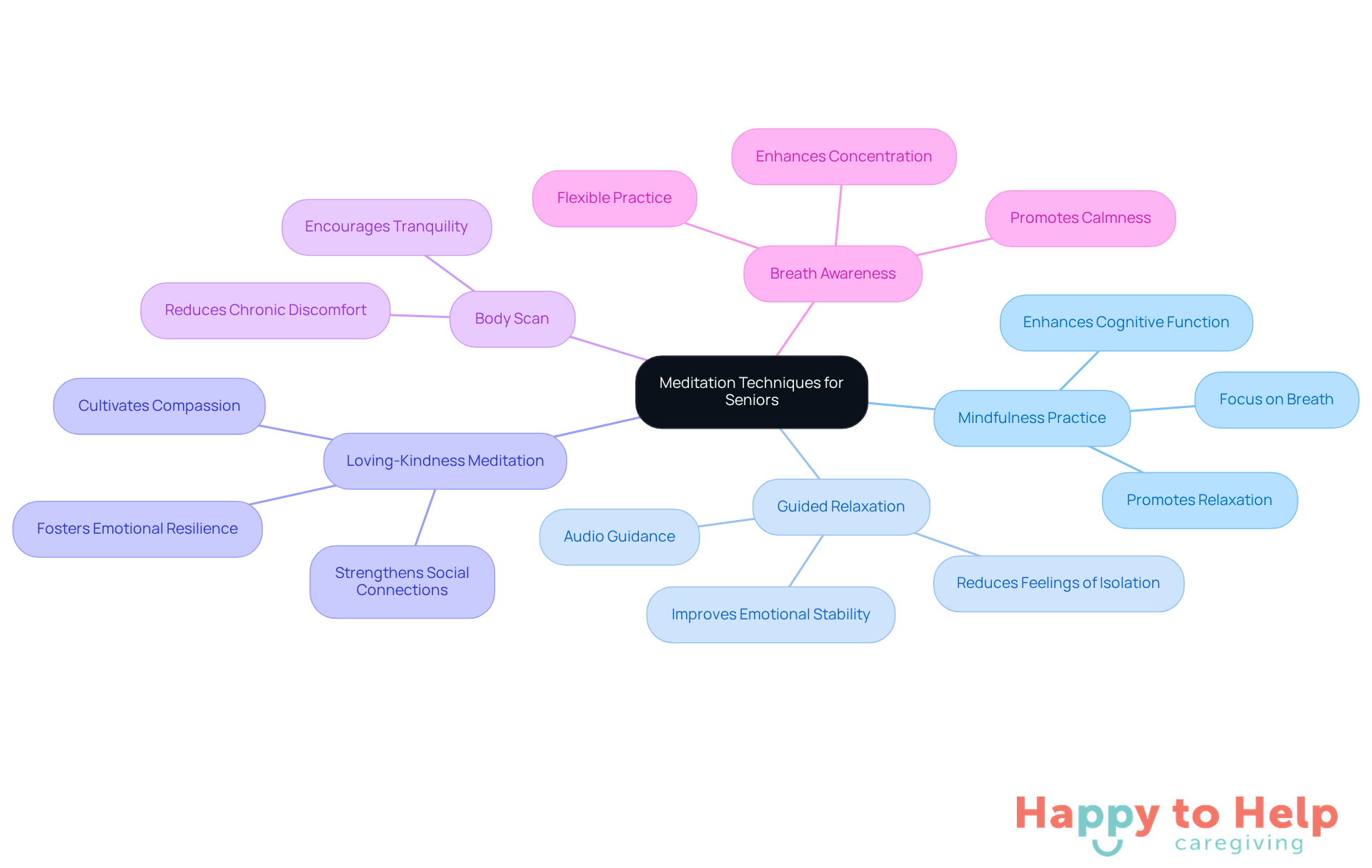
Mindfulness Practice: Focus on your breath and observe your thoughts without judgment. This can be done sitting comfortably or lying down, promoting relaxation and mental clarity. Research shows that meditation for seniors can enhance cognitive function and emotional well-being in older adults.
-
Guided Relaxation: Utilize audio recordings or applications that direct you through a relaxation session, simplifying the process of following along. This approach, including meditation for seniors, has been demonstrated to improve emotional stability and lessen feelings of isolation, which is essential for older adults.
-
Loving-Kindness Meditation: Cultivate feelings of compassion by silently repeating phrases of goodwill towards yourself and others. This technique of meditation for seniors not only nurtures positive emotions but also strengthens social connections, fostering emotional resilience in older adults.
-
Body Scan: Lie down and mentally scan your body from head to toe, noticing any sensations or areas of tension. This method of meditation for seniors can assist in reducing chronic discomfort, a frequent concern among older adults, and encourage a feeling of tranquility.
-
Breath Awareness: Concentrate on your breathing, noticing the rise and fall of your chest or abdomen. This can be done anywhere and at any time, making it a flexible option for busy schedules.
These techniques can be practiced for just a few minutes each day, gradually increasing the duration as comfort grows. As Jon Kabat-Zinn states, "You can't stop the waves, but you can learn to surf." Consistent mindfulness exercises, such as meditation for seniors, can greatly enhance cognitive ability and emotional health in older adults, rendering these methods not only advantageous but crucial for a rewarding aging experience.
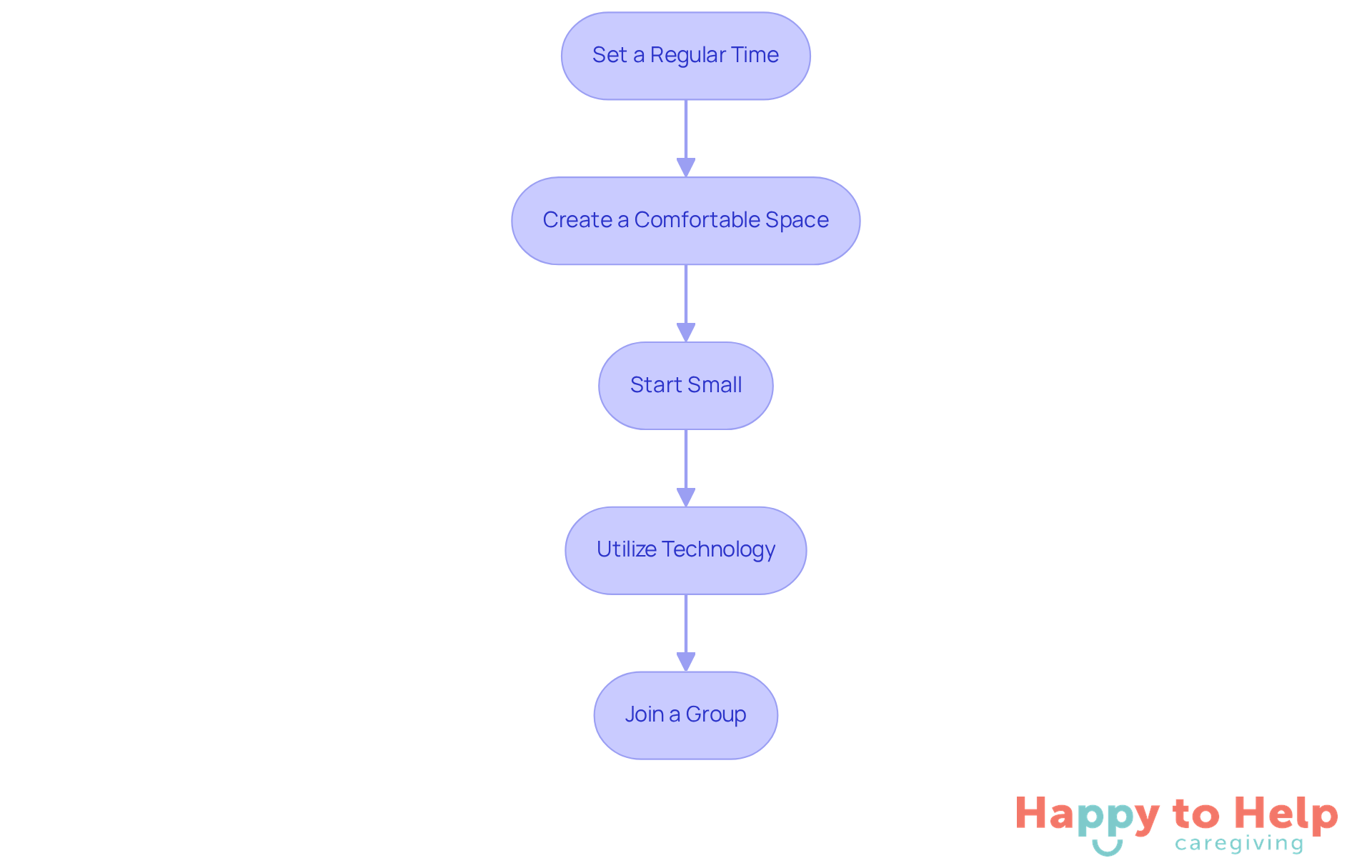
Incorporating Meditation into Daily Life: Tips for Seniors
To successfully incorporate meditation into daily life, many seniors face the challenge of establishing a consistent routine. Without a regular practice, the benefits of meditation can be elusive, leading to increased stress and emotional strain.
-
Set a Regular Time: Establish a specific time each day for meditation, whether in the morning or before bed. Research shows that maintaining a regular routine can significantly enhance its benefits, with even short sessions of 5-10 minutes yielding positive results. In fact, mindfulness was the most widespread complementary and alternative medical approach in 2022, with a prevalence of 18.3% among seniors.
-
Create a Comfortable Space: Designate a quiet, comfortable area in your home for meditation, free from distractions. This dedicated space signals to your mind that it’s time to relax and focus. As noted by wellness experts, "Meditation offers seniors a powerful tool for finding calm and clarity."
-
Start Small: Begin with just a few minutes of reflection each day, gradually increasing the duration as you become more comfortable. Research indicates that even short periods can enhance emotional resilience and lessen stress, making the practice achievable for newcomers. For older adults with mobility challenges, activities such as guided relaxation or chair yoga can be especially helpful.
-
Utilize Technology: Investigate relaxation applications or online videos that provide guided sessions designed for older adults. These resources can offer structure and support, making it easier to establish a routine. Many seniors find that technology improves their mindfulness experience, allowing for flexibility and variety in their practice.
-
Join a Group: Consider participating in a local mindfulness group or class, which can provide support and motivation. Interacting with others can improve accountability and foster a sense of community, enriching the experience.
By following these strategies, seniors can seamlessly integrate meditation into their daily lives, promoting overall well-being and a greater sense of peace.
Moving Forward with Meditation Techniques
Meditation presents a significant challenge for seniors aiming to enhance their well-being amidst the complexities of aging. Many older adults struggle with stress, sleep disturbances, and cognitive decline, which can severely impact their quality of life.
However, by incorporating mindfulness practices into their daily routines, seniors can effectively address these issues. Techniques such as mindfulness, guided relaxation, and loving-kindness not only promote a sense of calm but also improve cognitive function and emotional resilience.
Key benefits of meditation for seniors include:
- Stress reduction
- Improved sleep quality
- Enhanced focus and memory
- Emotional stability
- Pain management
- Bolstered immune function
By recognizing and overcoming potential obstacles, seniors can engage in meditation practices that resonate with them, ultimately leading to a higher quality of life.
Embracing meditation offers a transformative opportunity for seniors to reclaim their mental and physical health. As they explore various techniques and integrate them into their daily lives, the potential for improved well-being is significant. The journey of mindfulness nurtures personal growth and fosters a deeper connection to the present moment, encouraging older adults to thrive in their golden years.
https://iframe.tely.ai/cta/eyJhcnRpY2xlX2lkIjogIjY5MjEwYTlmNzc3MWQ3MTM0ODQzOTBhOCIsICJjb21wYW55X2lkIjogIjY4ZWU1ZGNhNzMxNzYyNTU3ZjNjOTVjMSIsICJpbmRleCI6IG51bGwsICJ0eXBlIjogImFydGljbGUifQ==Frequently Asked Questions
What challenges do seniors face when it comes to meditation?
Seniors often face challenges related to managing stress and cognitive decline, which can lead to emotional instability and impact daily life and overall well-being.
How can meditation benefit seniors?
Meditation for seniors can cultivate calmness and clarity, enhance cognitive functions such as memory and attention, manage stress, build resilience, and improve emotional control.
What types of meditation are suitable for seniors?
Suitable types of meditation for seniors include mindfulness, guided imagery, and loving-kindness, which can be tailored to individual preferences and physical abilities.
How does mindfulness specifically help older adults?
Research indicates that consistent mindfulness practices can enhance cognitive functions vital for daily living, reduce blood pressure and heart rate, and provide a supportive environment for engagement.
What should seniors consider when integrating mindfulness into their daily routines?
Seniors should explore various relaxation methods to find what resonates with them, while also being aware of potential obstacles like physical discomfort or cognitive challenges during practice.
What adaptive techniques can seniors use to enhance their mindfulness experience?
Adaptive techniques may include modifying meditation practices to accommodate physical limitations or cognitive challenges, enabling seniors to enjoy the full range of benefits from mindfulness.
List of Sources
- Understanding Meditation: A Senior Perspective
- 33 of the Best Meditation Quotes - Headspace (https://headspace.com/meditation/quotes)
- Many Benefits Of Meditation and Mindfulness For Seniors (https://megawecare.com/good-health-by-yourself/healthy-aging/meditation-for-seniors)
- Finding Balance... A Holistic Approach to dealing with Depression - (https://atmantan.com/case\_studies/finding-balance-a-holistic-approach-to-dealing-with-depression)
- Self Management in the Community 2025 finalist - Castlemilk Wellbeing Hub CIC - Health and Social Care Alliance Scotland (https://alliance-scotland.org.uk/blog/case\_studies/self-management-in-the-community-2025-finalist-castlemilk-wellbeing-hub-cic)
- Benefits of Meditation for Seniors: Enhancing Well-Being
- 10 Healthy Benefits of Meditation for Seniors - Senior Lifestyle (https://seniorlifestyle.com/resources/blog/healthy-benefits-of-meditation-for-seniors)
- 69 Powerful Mindfulness Quotes (https://primalhealthcoach.com/blog/mindfulness-quotes)
- 8 Benefits of Meditation for Seniors (https://medbox.com/8-benefits-of-meditation-for-seniors)
- Meditation Beats Stress, But Few Older Adults Ever Meditate (https://aarp.org/pri/topics/health/prevention-wellness/meditation-stress)
- 33 of the Best Meditation Quotes - Headspace (https://headspace.com/meditation/quotes)
- Meditation Techniques for Seniors: Practical Approaches
- 33 of the Best Meditation Quotes - Headspace (https://headspace.com/meditation/quotes)
- The Power of Mindfulness: Practicing Meditation for Seniors | Menno Haven (https://mennohaven.org/blog/the-power-of-mindfulness-practicing-meditation-for-seniors)
- 69 Powerful Mindfulness Quotes (https://primalhealthcoach.com/blog/mindfulness-quotes)
- Meditation Beats Stress, But Few Older Adults Ever Meditate (https://aarp.org/pri/topics/health/prevention-wellness/meditation-stress)
- Prevalence and 20-year trends in meditation, yoga, guided imagery and progressive relaxation use among US adults from 2002 to 2022 - Scientific Reports (https://nature.com/articles/s41598-024-64562-y)
- Incorporating Meditation into Daily Life: Tips for Seniors
- Reduce Stress and Restore Balance With Meditation for Seniors (https://sunshineretirementliving.com/sunshine-stories/reduce-stress-and-restore-balance-with-meditation-for-seniors)
- 10 Healthy Benefits of Meditation for Seniors - Senior Lifestyle (https://seniorlifestyle.com/resources/blog/healthy-benefits-of-meditation-for-seniors)
- Meditation for seniors: A beginner’s guide to finding calm - Times of India (https://timesofindia.indiatimes.com/life-style/senior-living/community-life/religious-services/meditation-for-seniors-a-beginners-guide-to-finding-calm/articleshow/121413437.cms)
- Meditation Beats Stress, But Few Older Adults Ever Meditate (https://aarp.org/pri/topics/health/prevention-wellness/meditation-stress)
- Prevalence and 20-year trends in meditation, yoga, guided imagery and progressive relaxation use among US adults from 2002 to 2022 - Scientific Reports (https://nature.com/articles/s41598-024-64562-y)