
Understanding Practices for Budgeting
Understanding the financial landscape for seniors is crucial as they navigate their golden years. Many older adults rely on fixed income sources, like Social Security and pensions, which can make budgeting a significant challenge. This article explores essential practices for managing finances in senior care. We’ll offer insights into comprehensive budgeting strategies, community resources, and the importance of continuous education.
How can families ensure that their elderly loved ones maintain financial stability while also enjoying a fulfilling lifestyle? It's a question that weighs heavily on many caregivers. The emotional stress and burnout that can accompany this responsibility are real. But there are solutions available. By understanding the resources and support systems in place, families can find reassurance and encouragement in their journey.
Understand Senior Financial Needs
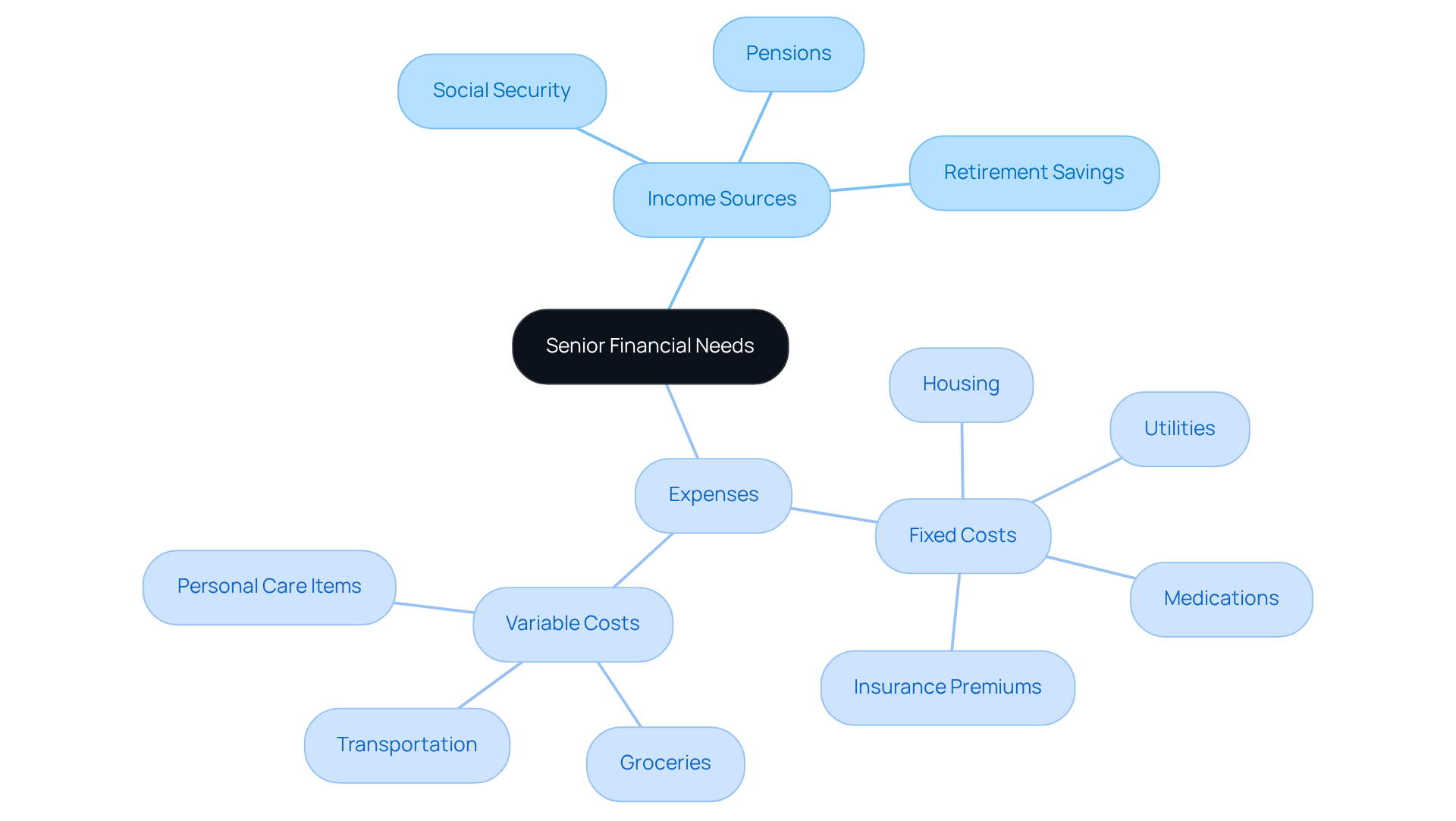
Understanding the financial needs of our seniors is so important. Many older adults rely on stable income sources like Social Security benefits, pensions, and retirement savings. As we look ahead to 2025, we can expect these fixed revenue streams to remain steady, with Social Security being a key component. It’s essential for families to take a close look at all income sources and identify fixed costs such as:
- Housing
- Utilities
- Medications
- Insurance premiums
Don’t forget to factor in variable expenses too, like:
- Groceries
- Transportation
- Personal care items
Creating a detailed list of these obligations can really help families see the bigger picture of their financial situation. It also prepares them for unexpected costs, like medical emergencies or necessary home modifications for safety. For example, the poverty rate among older adults can be quite alarming, with some states showing rates as high as 20.3%. In 2022, 42.2% of older adults lived on incomes below 200% of the poverty line. This underscores the importance of budgeting for seniors by crafting a thorough budget that considers both fixed and variable costs, ensuring our older loved ones can maintain their quality of life without the burden of financial stress.
It’s also wise to set aside an emergency fund that covers three to six months’ worth of living expenses. Regularly reviewing and adjusting budgeting for seniors can help families manage their resources more effectively, paving the way for a more secure and comfortable living situation. Remember, you’re not alone in this journey; there are compassionate services available to support you and your loved ones every step of the way.
Create a Comprehensive Budget Plan
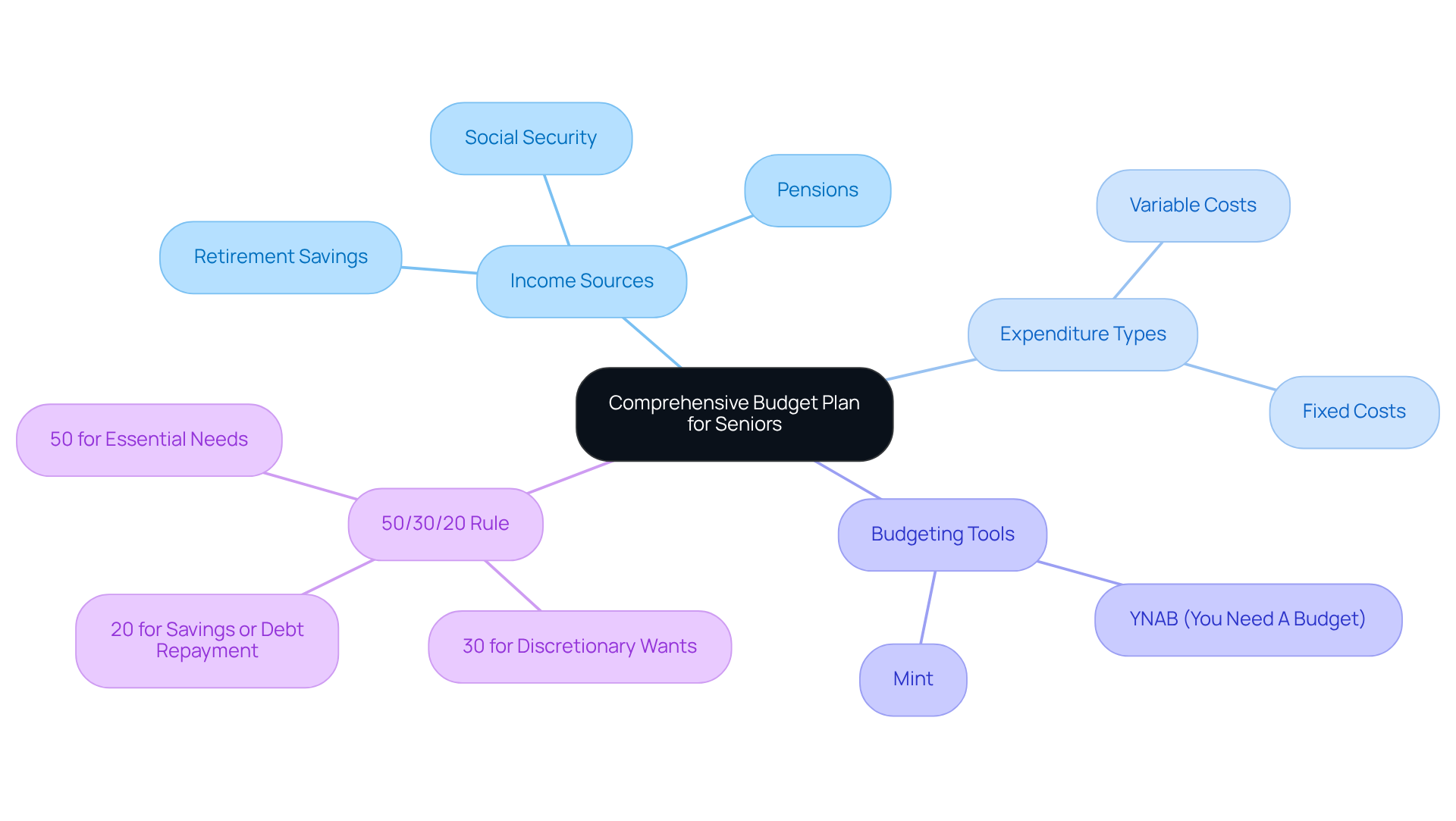
Creating a comprehensive plan for budgeting for seniors is essential for managing finances effectively in senior care. It’s important to start by identifying all sources of income, which may include:
- Social Security benefits
- Pensions
- Any other retirement savings
Then, classify expenditures into:
- Fixed costs, like housing and utilities
- Variable costs, such as groceries and entertainment
Budgeting tools or applications, like Mint or YNAB (You Need A Budget), can simplify this process, helping families monitor spending and ensure all costs are recorded.
A widely recommended approach is the 50/30/20 budgeting rule: allocate 50% of income to essential needs, 30% to discretionary wants, and 20% to savings or debt repayment. This framework not only assists seniors in prioritizing essential costs but also provides some flexibility for spending on enjoyable activities. Financial planners emphasize that this method can help maintain a balanced financial life, ensuring that essential needs are met while still allowing for personal enjoyment.
Consistently assessing and modifying the budget is crucial to adapt to any changes in revenue or costs. This ensures that the plan remains relevant and effective. As of 2025, the average monthly income for seniors is projected to be around $1,976 from Social Security, with additional income from pensions and savings. This highlights the importance of meticulous budgeting for seniors to manage typical monthly costs, which can amount to around $4,566, as stated by the Bureau of Labor Statistics, reflecting average annual retiree costs of $54,795. By following a structured budgeting plan, families can better support their loved ones, ensuring economic stability and peace of mind.
Leverage Community Resources and Support
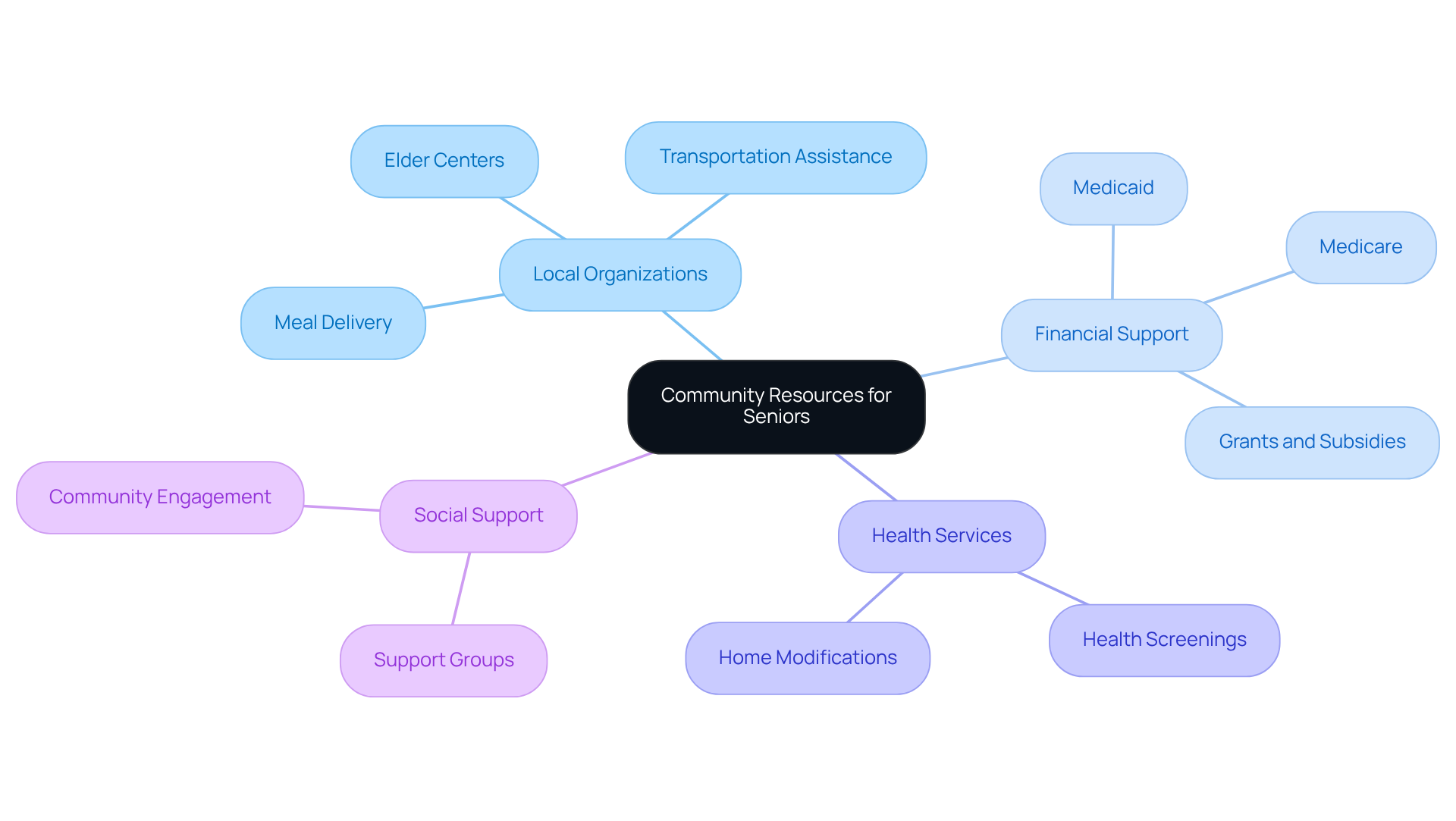
Caring for our loved ones can be a heavy burden, and it’s important for seniors and their families to seek out community resources that assist with budgeting for seniors to help ease the financial strain of care. Many local organizations offer vital services like meal delivery, transportation assistance, and health screenings, often at little to no cost. Programs such as Medicaid and Medicare play a crucial role in supporting healthcare needs, ensuring that older adults can access necessary medical care without overwhelming expenses.
As Tia Walker beautifully puts it, "To care for those who once cared for us is one of the highest honors." This sentiment underscores the importance of community support in the caregiving journey. Families can also look into non-profit organizations that focus on elder care and budgeting for seniors, which may provide grants or subsidies for home modifications or caregiving services, ultimately improving the living conditions for older adults.
Engaging with local elder centers not only offers social support but also connects families with essential information about available resources. This connection fosters both economic stability and emotional well-being. With around 43.5 million caregivers in the United States currently supporting their loved ones, tapping into these community resources is vital for ensuring that both seniors and their caregivers receive the compassionate support they truly need.
Continuously Educate and Adjust Financial Strategies
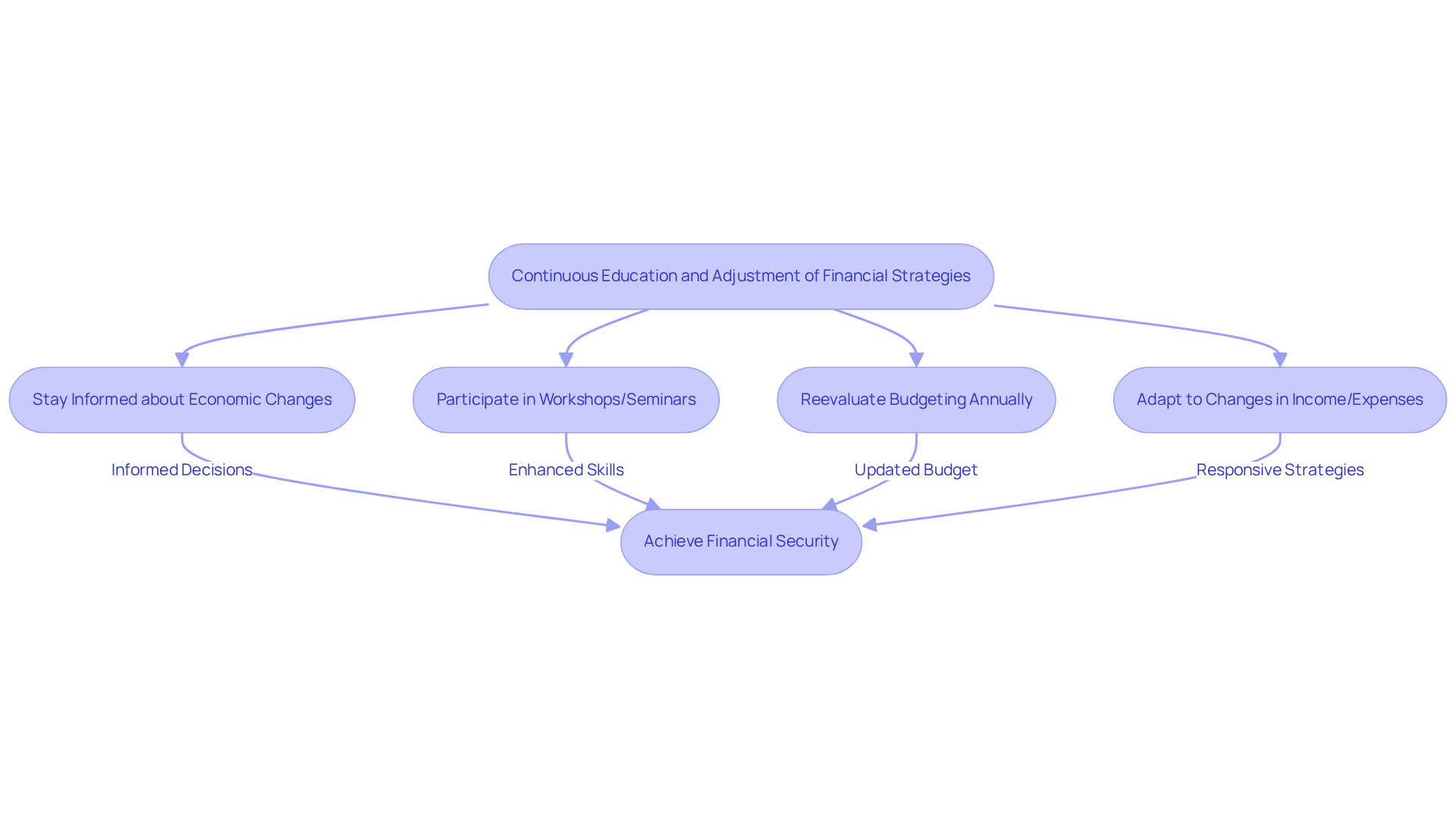
Financial strategies shouldn’t be static; they need continuous education and adjustment. Families must stay informed about changes in economic regulations, benefits, and available resources. Participating in workshops or seminars on money management can provide valuable insights into handling finances effectively. Did you know that as of 2025, Americans might lose an average of $1,015 per person each year due to knowledge gaps? This really underscores the economic stakes involved.
It’s also important for families to reevaluate their budgeting for seniors and economic strategies at least once a year or whenever there’s a significant change in income or expenses. This proactive approach to budgeting for seniors helps ensure that they remain financially secure and can adapt to any new challenges that arise.
As literacy educator Suze Orman wisely noted, 'The only way to permanently take control of your economic life is to dig deep and address the root issue.' Sandra S. Simmons also cautioned, 'When it comes to money, ignorance is NOT bliss. What you don't know CAN hurt you.' By prioritizing education and adaptability, families can better support their loved ones in achieving financial stability.
Taking the Next Steps
Understanding the financial landscape for seniors is vital for their well-being and quality of life. Families can navigate the complexities of senior care by implementing effective budgeting practices. This means addressing both fixed and variable expenses while preparing for unexpected costs. Such a proactive approach not only secures financial stability but also eases the stress that often comes with managing elderly care.
The article highlights four essential practices:
- Assessing senior financial needs
- Creating a detailed budget plan
- Leveraging community resources
- Continuously educating and adjusting financial strategies
Each of these elements plays a crucial role in supporting seniors. From identifying income sources to utilizing local services that can alleviate financial burdens, these practices are foundational. Staying informed and adaptable to changing economic conditions ensures families can respond effectively to their loved ones' evolving needs.
Ultimately, prioritizing budgeting for seniors goes beyond just managing money; it’s about honoring the dignity and care our elderly deserve. Engaging with available resources, seeking support, and committing to financial education can empower families to create a nurturing environment for their loved ones. Taking these steps fosters a sense of security and enhances the overall quality of life for seniors, allowing them to truly thrive.
https://iframe.tely.ai/cta/eyJhcnRpY2xlX2lkIjogIjY5MTdjMjg2NjZiY2Q1MDgwYmVjMDU3NSIsICJjb21wYW55X2lkIjogIjY4ZWU1ZGNhNzMxNzYyNTU3ZjNjOTVjMSIsICJpbmRleCI6IG51bGwsICJ0eXBlIjogImFydGljbGUifQ==Frequently Asked Questions
Why is it important to understand the financial needs of seniors?
Understanding the financial needs of seniors is crucial because many older adults rely on stable income sources like Social Security benefits, pensions, and retirement savings. This awareness helps families manage resources effectively and maintain the quality of life for their loved ones.
What are the main fixed income sources for seniors?
The main fixed income sources for seniors include Social Security benefits, pensions, and retirement savings.
What fixed costs should families consider for seniors?
Families should consider fixed costs such as housing, utilities, medications, and insurance premiums.
What variable expenses should be factored into a senior's budget?
Variable expenses to consider include groceries, transportation, and personal care items.
How can creating a detailed list of obligations help families?
Creating a detailed list of obligations helps families see the bigger picture of their financial situation and prepares them for unexpected costs, such as medical emergencies or necessary home modifications for safety.
What is the poverty rate among older adults?
The poverty rate among older adults can be quite alarming, with some states showing rates as high as 20.3%. In 2022, 42.2% of older adults lived on incomes below 200% of the poverty line.
Why is budgeting important for seniors?
Budgeting is important for seniors as it helps craft a thorough financial plan that considers both fixed and variable costs, ensuring they can maintain their quality of life without financial stress.
What is a recommended amount for an emergency fund for seniors?
It is wise to set aside an emergency fund that covers three to six months’ worth of living expenses.
How often should families review and adjust budgeting for seniors?
Families should regularly review and adjust budgeting for seniors to manage resources more effectively and ensure a secure and comfortable living situation.
Are there services available to support families managing senior finances?
Yes, there are compassionate services available to support families and their loved ones in managing financial needs every step of the way.