Why Practices for Hydration for Older Adults Matters
As individuals age, the importance of hydration often becomes overshadowed by other health concerns. However, it remains a cornerstone of well-being. Older adults face unique challenges that can hinder their ability to maintain adequate fluid intake. This can lead to serious health risks, such as cognitive decline and increased susceptibility to infections.
Caregivers must recognize these challenges. Understanding the implications of inadequate hydration is crucial. It can significantly affect the health and quality of life of seniors. Therefore, it’s essential to implement effective hydration practices tailored for older adults.
This article offers practical strategies for caregivers to enhance fluid consumption among seniors. We will also debunk common myths that may impede proper hydration. By addressing these issues, caregivers can ensure that their loved ones remain hydrated and healthy.
How can caregivers effectively navigate these challenges? Let’s explore actionable solutions.
Understand the Importance of Hydration for Older Adults
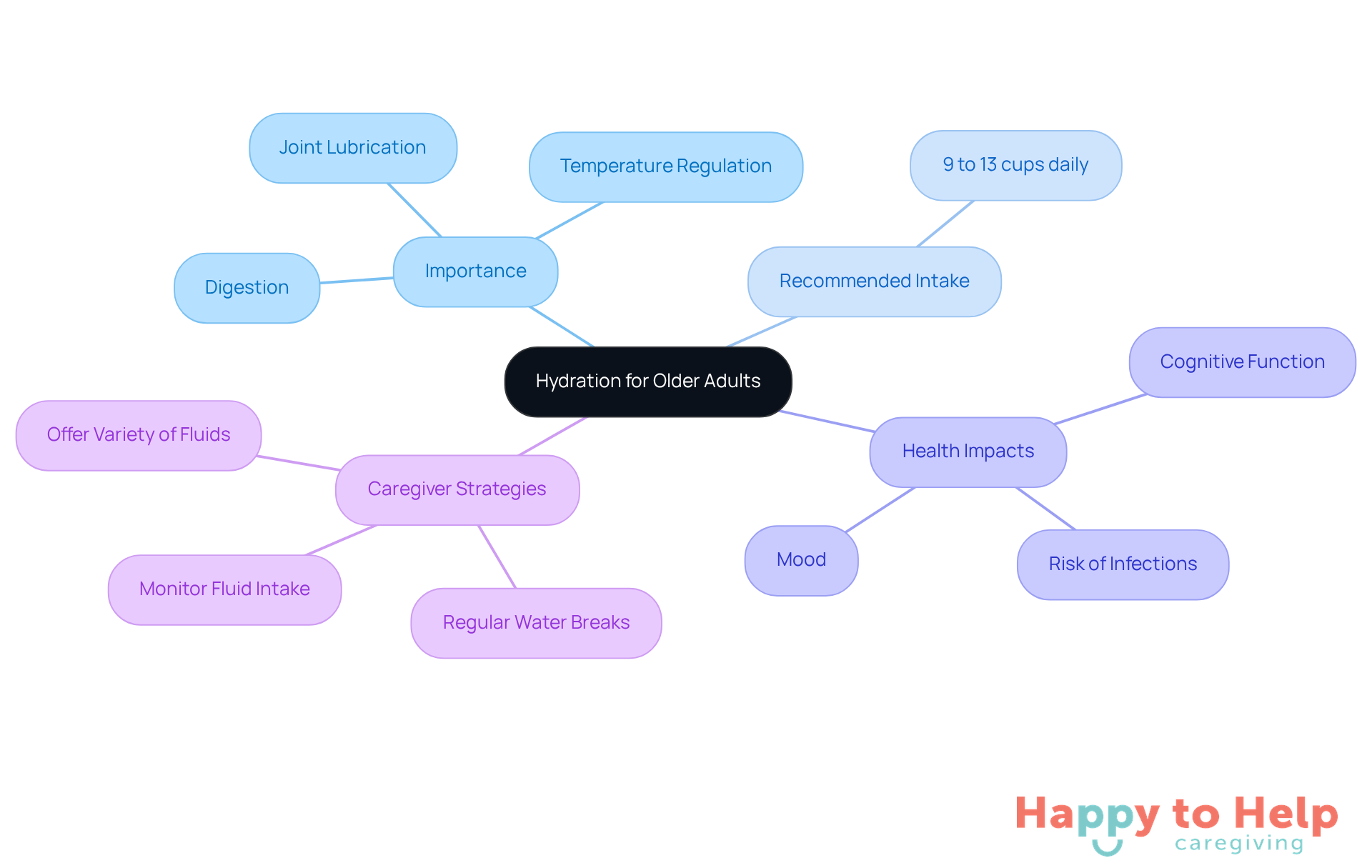
Hydration for older adults is a significant concern, as it plays a vital role in essential bodily functions like digestion, temperature regulation, and joint lubrication. However, as people age, they often experience physiological changes that impair their ability to sense thirst. This can lead to an increased risk of dehydration, which poses serious health challenges.
The National Academy of Medicine recommends that older adults consume approximately 9 to 13 cups of fluids daily, tailored to individual health needs and gender. Insufficient fluid intake can negatively impact cognitive function and mood, while also increasing the risk of urinary tract infections and kidney stones. This highlights the critical importance of hydration for older adults' overall well-being.
Recent studies indicate that hydration for older adults is associated with encountering fewer chronic conditions. For instance, a case study revealed that maintaining optimal hydration levels can enhance cognitive performance, underscoring the connection between water consumption and mental sharpness.
To combat dehydration, caregivers should actively promote hydration for older adults by encouraging consistent beverage intake among seniors. Here are some practical strategies:
- Encourage regular water breaks throughout the day.
- Offer a variety of fluids, including water, herbal teas, and broths, to make hydration more appealing.
- Monitor fluid intake and look for signs of dehydration, such as confusion or disorientation.
Even slight dehydration can lead to reduced mental function, particularly in older individuals who may not recognize their thirst or health variations. By implementing these proactive fluid intake strategies, caregivers can significantly improve hydration for older adults and their overall health.
Recognize Unique Hydration Needs of Seniors
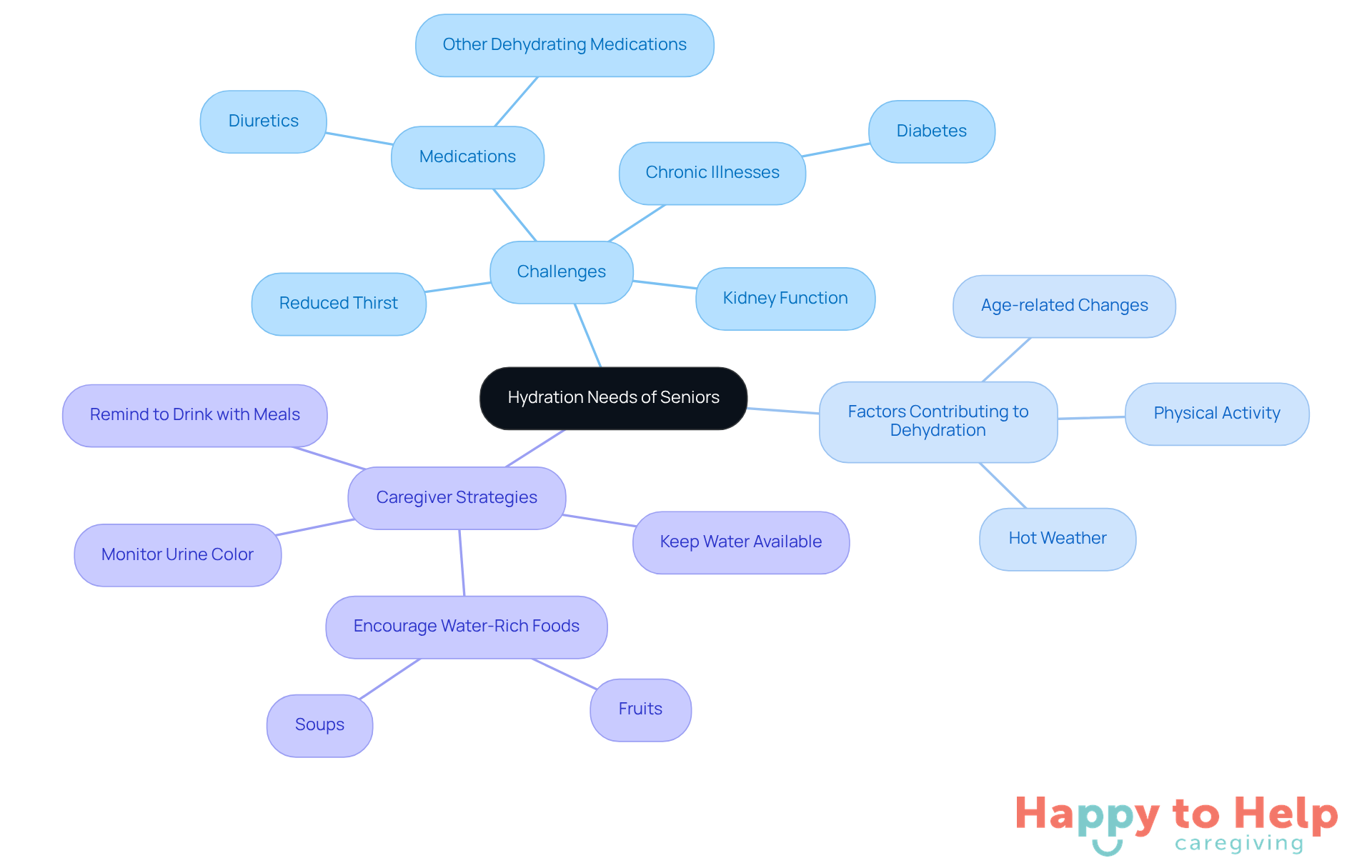
Older individuals often face a significant problem: a reduced sense of thirst. This can lead to inadequate beverage consumption, which is particularly concerning given the various factors that exacerbate this issue. Medications, chronic illnesses, and declining kidney function all contribute to the challenge. For example, diuretics, commonly prescribed for conditions like hypertension, can significantly increase water loss. Additionally, many older adults take medications that further promote dehydration, making hydration even more critical. Conditions such as diabetes can also disrupt water balance.
Caregivers must be vigilant about these challenges. Actively promoting beverage consumption is essential, even when seniors do not exhibit signs of thirst. One practical solution for evaluating fluid balance is to observe urine color. Pale yellow urine typically indicates sufficient fluid levels, while darker urine suggests a need for increased fluid intake.
To further encourage fluid intake, caregivers can implement several strategies:
- Keep water readily available.
- Encourage the consumption of water-rich foods like fruits and soups.
- Remind seniors to drink water with every meal.
By recognizing and addressing these specific fluid needs, caregivers can help ensure proper hydration for older adults and prevent dehydration, which affects up to 28% of them and poses serious health risks.
Implement Effective Hydration Strategies Daily
Problem: Many seniors struggle with proper hydration, which can lead to serious health issues. In fact, up to 40% of older adults may be chronically underhydrated, emphasizing the need for proper hydration for older adults to avoid dehydration-related complications.
Agitate: This lack of adequate fluid intake can have significant implications for hydration for older adults, affecting everything from cognitive function to physical well-being. Caregivers play a crucial role in addressing this issue, but they often face challenges in ensuring that seniors drink enough fluids throughout the day.
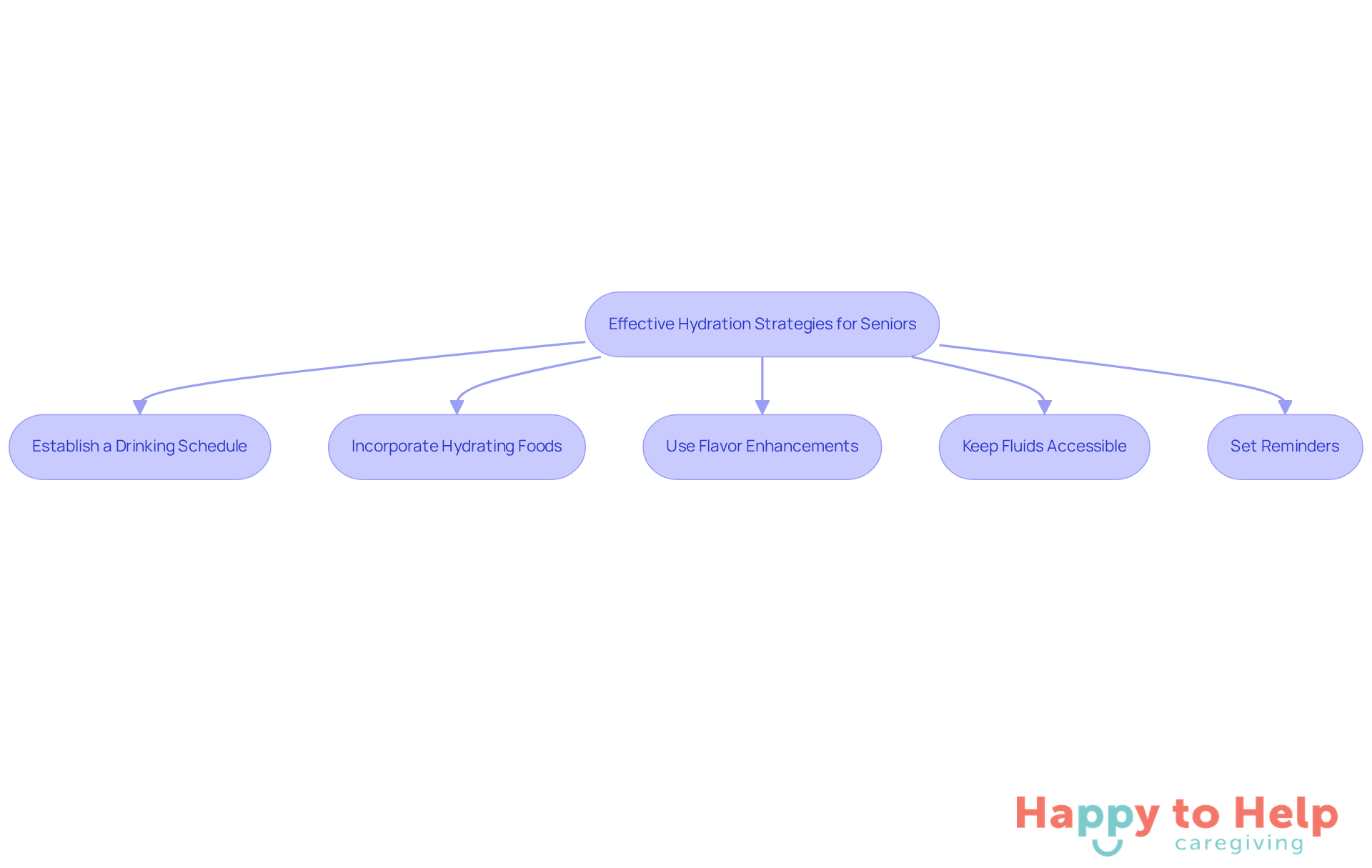
Solution: Here are several effective strategies caregivers can implement to encourage proper moisture intake:
-
Establish a Drinking Schedule: Encourage seniors to drink beverages at consistent times, such as during meals and snacks. Creating a routine helps make hydration a regular practice. The National Academy of Medicine recommends approximately 13 cups of beverages for men and 9 cups for women aged 51 and above, highlighting the importance of consistent consumption.
-
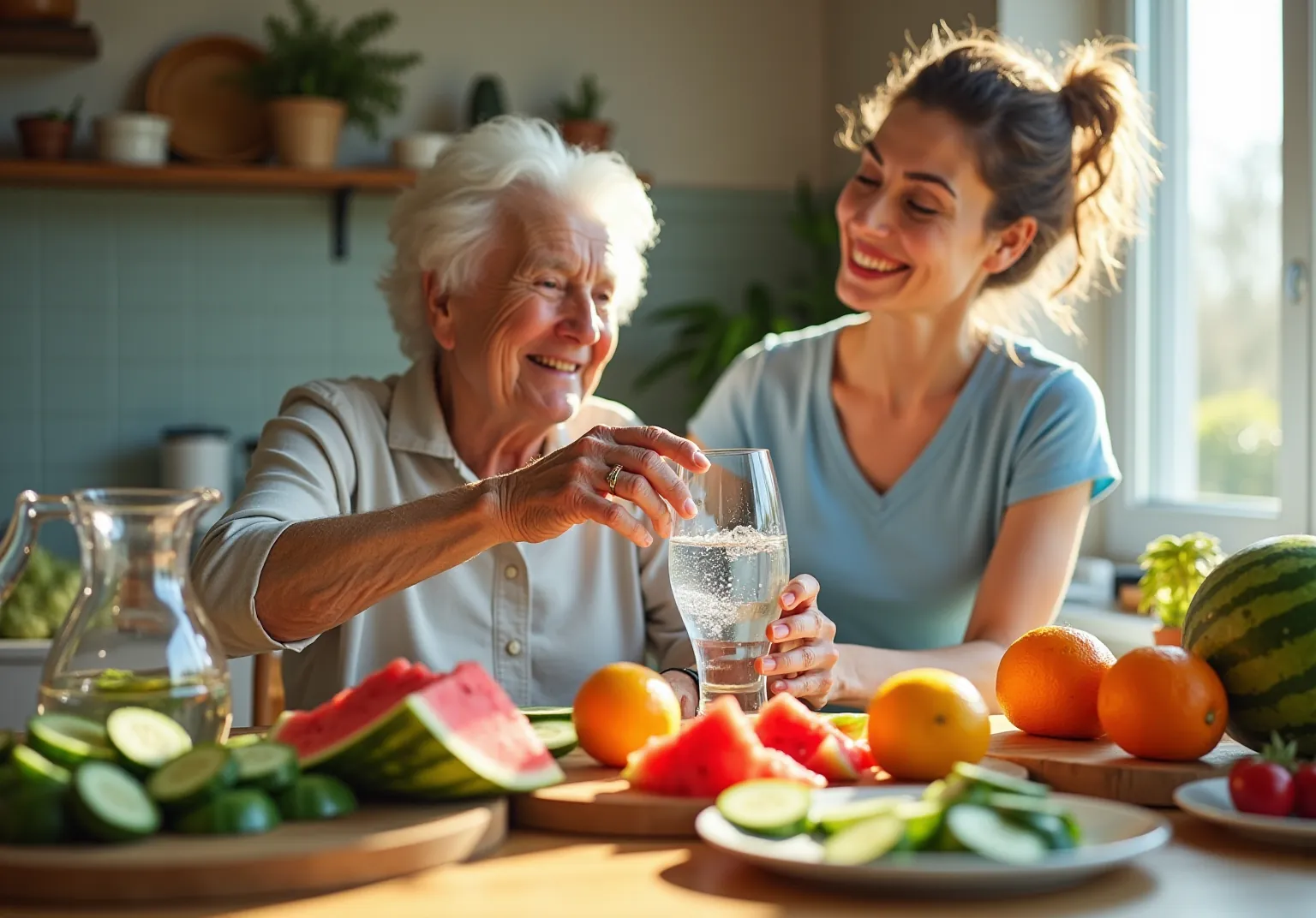
Incorporate Hydrating Foods: Include fruits and vegetables with high water content, like cucumbers, watermelon, and oranges, in their diet. These foods not only help with moisture retention but also provide essential vitamins and minerals that support overall health.
-
Use Flavor Enhancements: Adding natural flavorings like lemon or mint to water can make it more appealing, encouraging seniors to drink more. This simple adjustment can significantly boost fluid intake.
-
Keep Fluids Accessible: Ensure that water and other hydrating beverages are easily accessible, using cups that are easy to handle. This reduces barriers to drinking and promotes regular hydration.
-
Set Reminders: Utilize alarms or timers to remind seniors to drink water, especially if they tend to forget. This proactive approach can help prevent dehydration.
Additionally, caregivers should be aware of potential pitfalls, such as the risk of overhydration or the impact of medications on hydration needs. By applying these strategies, caregivers can effectively support seniors in maintaining proper fluid levels and enhancing their overall health.
Debunk Common Myths About Hydration
Numerous myths surrounding hydration for older adults can create confusion and lead to insufficient fluid intake among them. A prevalent misconception is that individuals should only drink when they feel thirsty. However, thirst is frequently an unreliable sign of fluid levels in seniors, as their thirst perception decreases with age. Research indicates that up to 40% of elderly individuals living outside nursing homes may be chronically underhydrated, highlighting the need for proactive hydration for older adults. Furthermore, depending only on thirst can misguide caregivers, as hydration levels can decrease by 2-3% of body weight before thirst is experienced.
Another common myth is that caffeinated beverages lead to dehydration. While caffeine can have a mild diuretic effect, moderate consumption - up to four cups of coffee daily - does not significantly contribute to dehydration. This is essential for caregivers to comprehend, as it permits a more adaptable method to liquid intake.
Additionally, the belief that everyone should drink eight glasses of water daily is misleading. Hydration needs are highly individual and depend on factors such as health conditions, activity levels, and climate. For example, senior individuals are typically recommended to drink between 1.5 to 2 liters (50-67 ounces) of water each day, which can be determined based on body weight. A practical guideline is to drink one-third of body weight in ounces daily; for example, a 150-pound person should aim for about 50 ounces of water.
It's also important to note that up to 20% of daily beverage intake can come from foods with high water content, such as cucumbers and strawberries. Informing caregivers and families about these hydration misconceptions enables them to make knowledgeable choices concerning fluid consumption, ultimately promoting hydration for older adults and supporting their health and well-being. As Neysa Perez Crespo, MD, emphasizes, "Failing to drink enough water is a common health issue among Americans, older people in particular.

Moving Forward with Practices for Hydration for Older Adults
Understanding the critical role of hydration in the lives of older adults is essential for promoting their overall health and well-being. As age-related physiological changes can diminish the sense of thirst, caregivers face the challenge of ensuring adequate fluid intake. This issue not only leads to dehydration but also impacts cognitive function and physical health, which are vital for maintaining quality of life in seniors.
To combat these challenges, several key strategies can be implemented:
- Encouraging regular beverage consumption is crucial.
- Caregivers should recognize individual hydration needs.
- Debunking common myths that can lead to confusion about fluid intake.
By adopting these practices, caregivers can significantly improve hydration levels, thereby reducing the risk of associated health complications.
Ultimately, the importance of hydration cannot be overstated. It is a fundamental aspect of elderly care that requires awareness, education, and action. Caregivers are encouraged to foster an environment where fluid intake is prioritized. By doing so, they not only enhance the health of older adults but also contribute to their overall happiness and vitality. Taking these steps can lead to a more hydrated, healthier, and happier aging population.
https://iframe.tely.ai/cta/eyJhcnRpY2xlX2lkIjogIjY5MjI0ZjYyNGZjYWRhOTUwOGRlNDNlYiIsICJjb21wYW55X2lkIjogIjY4ZWU1ZGNhNzMxNzYyNTU3ZjNjOTVjMSIsICJpbmRleCI6IG51bGwsICJ0eXBlIjogImFydGljbGUifQ==Frequently Asked Questions
Why is hydration important for older adults?
Hydration is crucial for older adults as it supports essential bodily functions such as digestion, temperature regulation, and joint lubrication.
What challenges do older adults face regarding hydration?
As people age, they often experience physiological changes that impair their ability to sense thirst, increasing the risk of dehydration and its associated health challenges.
How much fluid should older adults consume daily?
The National Academy of Medicine recommends that older adults consume approximately 9 to 13 cups of fluids daily, tailored to individual health needs and gender.
What are the consequences of insufficient fluid intake in older adults?
Insufficient fluid intake can negatively impact cognitive function and mood, and increase the risk of urinary tract infections and kidney stones.
How does hydration affect cognitive performance in older adults?
Studies indicate that maintaining optimal hydration levels can enhance cognitive performance, highlighting the connection between water consumption and mental sharpness.
What strategies can caregivers use to promote hydration in older adults?
Caregivers can encourage regular water breaks, offer a variety of fluids like water, herbal teas, and broths, and monitor fluid intake for signs of dehydration.
What signs might indicate dehydration in older adults?
Signs of dehydration in older adults can include confusion or disorientation, which may occur even with slight dehydration.
List of Sources
- Understand the Importance of Hydration for Older Adults
- What Older Adults Need to Know About Hydration (https://health.usnews.com/health-care/patient-advice/articles/what-older-adults-need-to-know-about-hydration)
- Hydration in the Elderly | PortalCLÍNIC (https://clinicbarcelona.org/en/news/the-importance-of-hydration-in-older-people-during-extreme-heat)
- Good hydration linked to healthy aging (https://nhlbi.nih.gov/news/2023/good-hydration-linked-healthy-aging)
- Hydration and older adults: Why water matters more as you age (https://uclahealth.org/news/article/hydration-and-older-adults-why-water-matters-more-you-age)
- Fast Facts: Data on Water Consumption (https://cdc.gov/nutrition/php/data-research/fast-facts-water-consumption.html)
- Recognize Unique Hydration Needs of Seniors
- Drink up: The importance of staying hydrated for seniors (https://morningjournalnews.com/news/local-news/2025/05/drink-up-the-importance-of-staying-hydrated-for-seniors)
- 10 Words of Wisdom from Seniors – SeniorLIFE (https://seniorlifepa.com/blog/words-of-wisdom)
- What Older Adults Need to Know About Hydration (https://health.usnews.com/health-care/patient-advice/articles/what-older-adults-need-to-know-about-hydration)
- Why Should Older Adults Stay Hydrated? (https://ncoa.org/article/10-reasons-why-hydration-is-important)
- Why Staying Hydrated Is Even More Important as You Age (https://orlandohealth.com/content-hub/why-staying-hydrated-is-even-more-important-as-you-age)
- Implement Effective Hydration Strategies Daily
- 10 Hydrating Fruits and Vegetables | Nutrition for Seniors (https://cicoa.org/10-hydrating-fruits-and-vegetables)
- What Older Adults Need to Know About Hydration (https://health.usnews.com/health-care/patient-advice/articles/what-older-adults-need-to-know-about-hydration)
- The Importance of Hydration for Older Adults (https://ncoa.org/article/how-to-stay-hydrated-for-better-health)
- Fast Facts: Data on Water Consumption (https://cdc.gov/nutrition/php/data-research/fast-facts-water-consumption.html)
- TOP 11 HYDRATION QUOTES | A-Z Quotes (https://azquotes.com/quotes/topics/hydration.html)
- Debunk Common Myths About Hydration
- Why Staying Hydrated Is Even More Important as You Age (https://orlandohealth.com/content-hub/why-staying-hydrated-is-even-more-important-as-you-age)
- The Truth About Hydration: 7 Myths and Facts (https://ncoa.org/article/the-truth-about-hydration-7-myths-and-facts)
- Study finds a lack of adequate hydration among the elderly (https://newsroom.ucla.edu/releases/study-finds-a-lack-of-adequate-hydration-among-the-elderly)