

For families in our service areas
For families in our service areas, this guide explains caregiving and how non-medical in-home caregiving can support care planning in East Idaho, Treasure Valley & Magic Valley, Northern Wasatch, North Central West Virginia, and Northeast Ohio.
The Importance of Practices for Parkinson
Navigating the complexities of Parkinson's care at home presents a significant problem for caregivers. The unique challenges can easily overwhelm even the most dedicated individuals, leading to stress and burnout. Without a well-coordinated care team, those affected by Parkinson's may struggle to receive the comprehensive support necessary for effective management of their condition.
The implications of inadequate care are serious. Families may find themselves facing increased difficulties in daily routines, and the quality of life for both patients and caregivers can decline. Therefore, it is crucial to explore essential practices for assembling a multidisciplinary team and implementing personalized care strategies.
To enhance the quality of life for those affected by Parkinson's, caregivers can take actionable steps:
- Focus on building a strong care team that includes various healthcare professionals. This collaboration ensures that all aspects of the patient's needs are addressed.
- Implement tailored care strategies that can significantly improve outcomes.
However, families often encounter common pitfalls in this process. The key question remains: how can they foster a collaborative environment that prioritizes both patient and caregiver well-being? By addressing these challenges head-on and utilizing effective strategies, caregivers can create a supportive atmosphere that benefits everyone involved.
Assemble Your Parkinson's Care Team
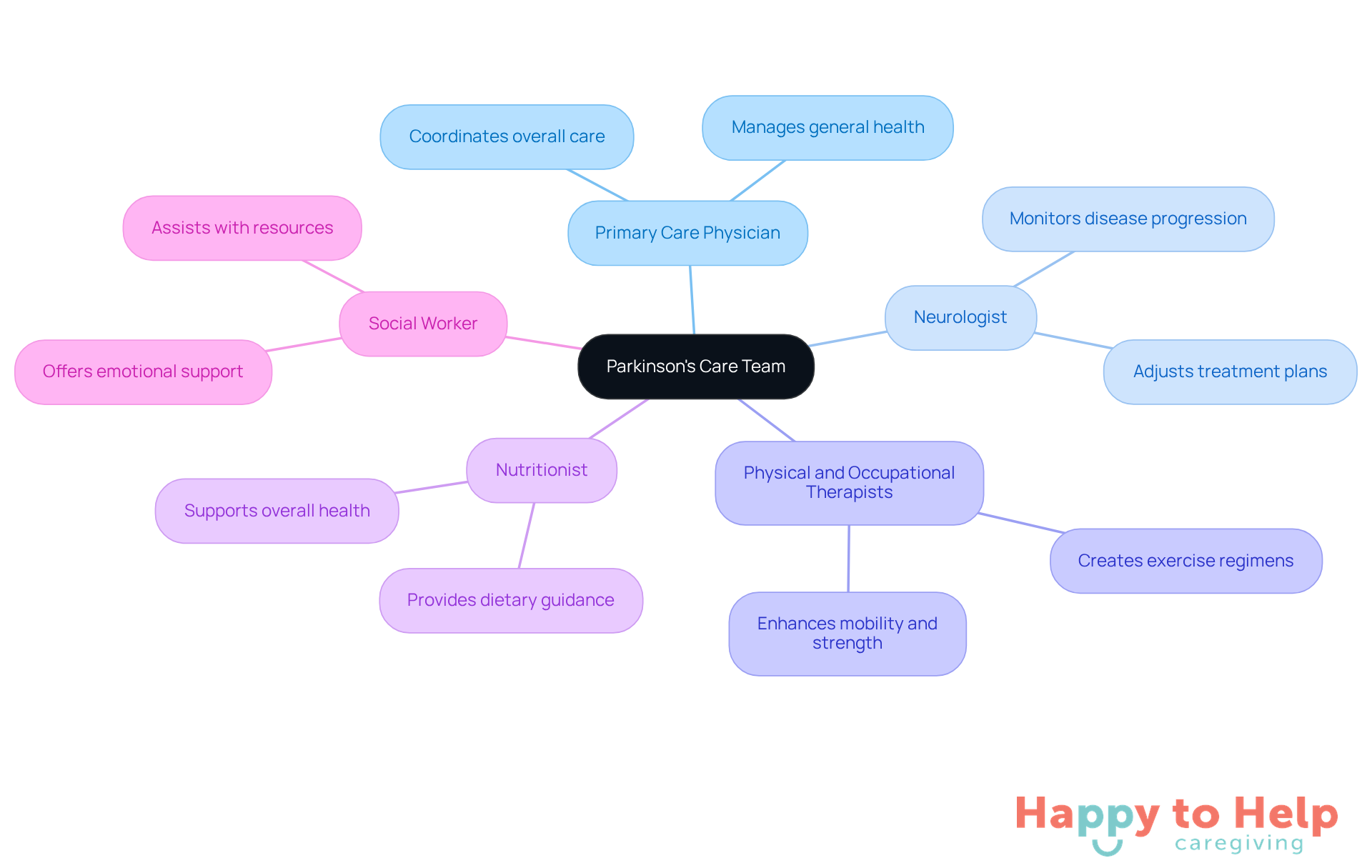
Caregivers face significant challenges when it comes to Parkinson's care at home. Without a committed team, individuals may struggle to receive the comprehensive support they need. This team should ideally consist of:
- A primary care physician
- A neurologist or movement disorder specialist
- Physical and occupational therapists
- Possibly a nutritionist
- A social worker
Each member plays a crucial role in addressing the multifaceted challenges of the illness. For example, neurologists monitor disease progression and adjust treatment plans, while physical therapists create exercise regimens to enhance mobility and strength.
Dr. Maria De León, a strong advocate for those affected by Parkinson's, emphasizes, "A coordinated care group is essential for guaranteeing that individuals obtain thorough assistance customized to their distinct requirements." Consistent communication among team members ensures that care is organized and tailored to the individual's evolving needs. Families should actively participate in meetings to advocate for their loved ones, ensuring their preferences and concerns are addressed. Statistics show that patients who engage with a multidisciplinary team experience improved outcomes, including enhanced mobility and quality of life.
However, assembling an effective care group can be challenging. Common pitfalls include:
- Not involving all necessary specialists
- Failing to maintain open lines of communication
By recognizing these potential missteps, families can navigate the complexities of Parkinson's care at home for individuals with Parkinson's, leading to a more effective management strategy.
Identify Key Healthcare Professionals
A well-rounded team for Parkinson's care at home is essential for effectively managing the disease. Caregivers face significant challenges, including navigating complex healthcare needs and ensuring access to appropriate resources. Disparities in rehabilitation therapy utilization among different racial groups further complicate this issue, highlighting the need for equitable access to essential services.
To address these challenges, engaging a diverse team of healthcare professionals can make a substantial difference:
-
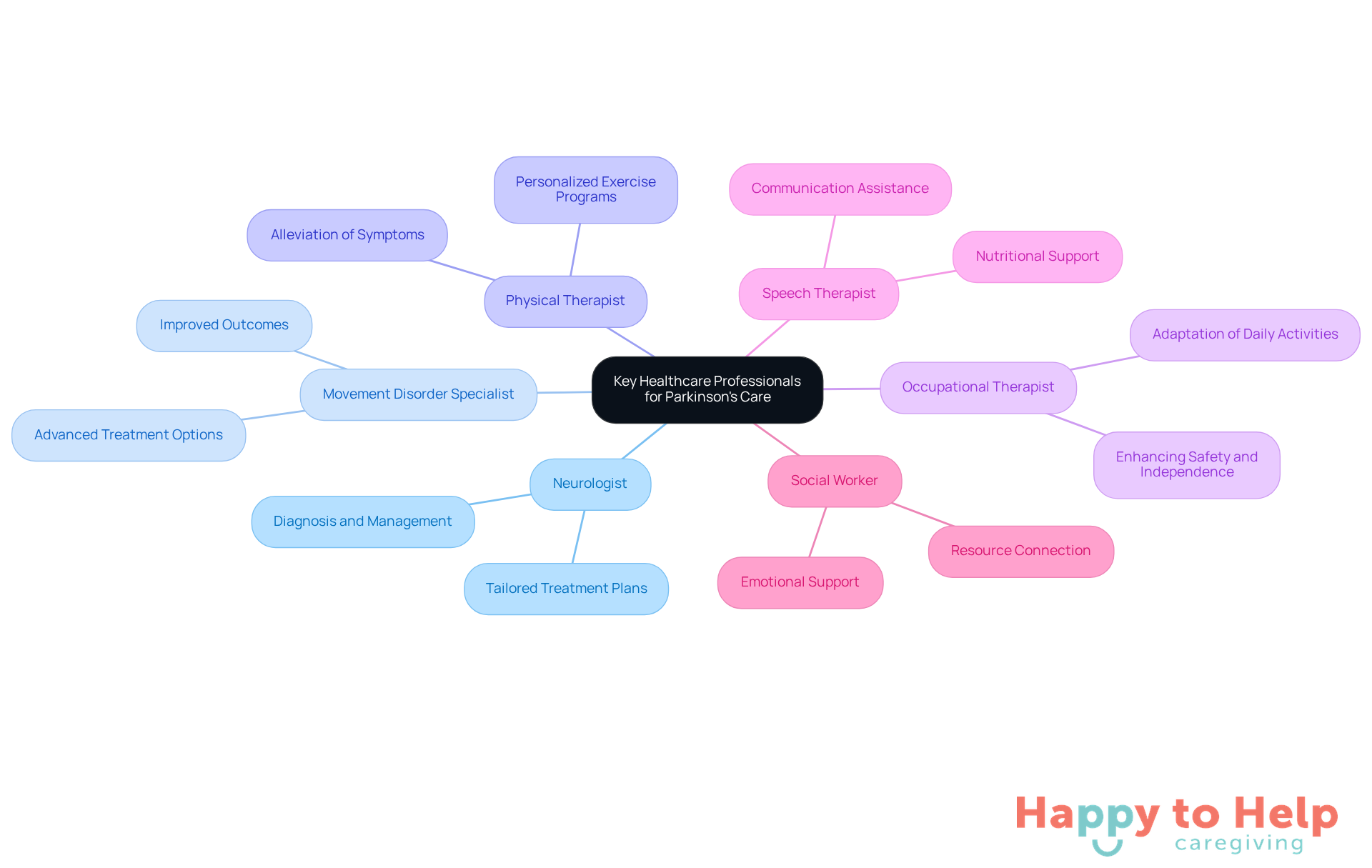
Neurologist: This specialist focuses on nervous system disorders, providing precise diagnoses and ongoing management of movement disorders. Their expertise is crucial for developing tailored treatment plans.
-
Movement Disorder Specialist: A neurologist with advanced training in movement disorders, these specialists tackle intricate cases and advanced treatment options, significantly improving outcomes for individuals. Access to such specialists can lead to better symptom management and enhanced quality of life.
-
Physical Therapist: These professionals create personalized exercise programs to improve mobility and strength. Research shows that physical therapy can alleviate both motor and nonmotor symptoms, making it a vital component of care. Regular assessments for physical therapy needs are essential for effective Parkinson's management, according to the American Academy of Neurology.
-
Occupational Therapist: They help individuals adapt daily living activities and modify home environments to enhance safety and independence. Their interventions are crucial for preserving quality of life as the illness progresses.
-
Speech Therapist: Addressing communication and swallowing challenges, speech therapists assist individuals in maintaining effective communication and nutritional intake, which are often affected in related conditions.
-
Social Worker: Offering emotional support and connecting families with resources, social workers help manage the difficulties of living with Parkinson's, ensuring that both patients and their families receive comprehensive support.
Engaging these professionals fosters a holistic approach to Parkinson's care at home, effectively addressing the multifaceted needs of individuals with Parkinson's disease and their families. Family caregivers should also be aware of common pitfalls, such as underutilizing available resources or failing to communicate effectively with care providers, which can hinder optimal care. For instance, a case study of a patient who engaged a full care team illustrates how coordinated efforts led to significant improvements in mobility and overall well-being.
Implement Personalized Care Strategies
Implementing personalized strategies for parkinson's care at home is crucial for addressing the unique challenges faced by individuals with specific conditions. Caregivers often struggle with managing various aspects of parkinson's care at home, which can lead to increased stress and anxiety for both the caregiver and the individual.
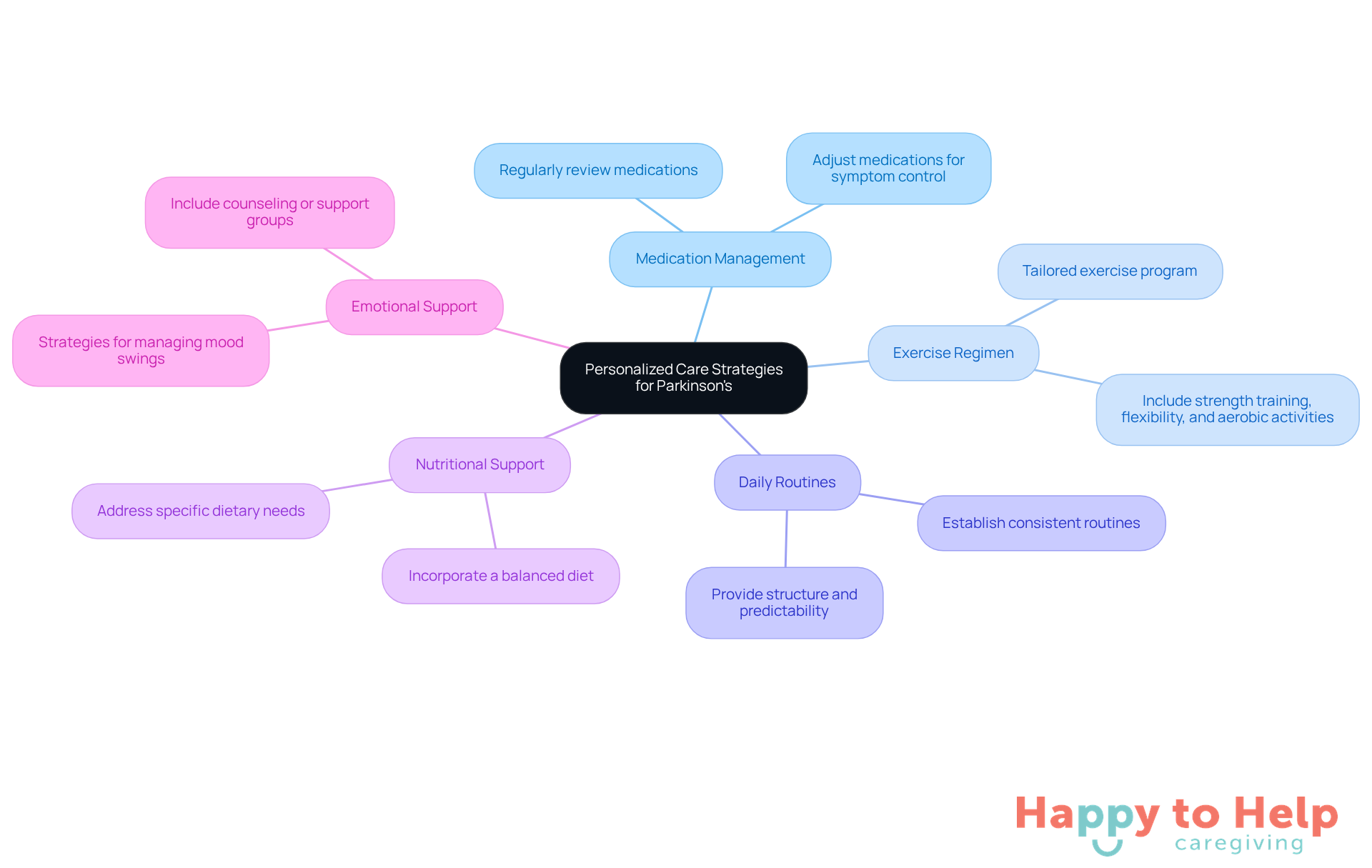
To tackle these challenges, a comprehensive care plan should be developed, focusing on the following key areas:
- Medication Management: Regularly review and adjust medications to optimize symptom control.
- Exercise Regimen: Create a tailored exercise program that includes strength training, flexibility exercises, and aerobic activities to maintain mobility and reduce stiffness.
- Daily Routines: Establish consistent daily routines to provide structure and predictability, helping to reduce anxiety.
- Nutritional Support: Incorporate a balanced diet that supports overall health and addresses specific dietary needs related to Parkinson's.
- Emotional Support: Include strategies for managing mood swings and anxiety, such as counseling or support groups.
Regularly reassessing and adjusting the care plan for parkinson's care at home as the disease progresses is essential to ensure it remains effective. By implementing these strategies, caregivers can significantly improve the quality of care and support for individuals facing these challenges.
Prioritize Caregiver Well-Being
Use english for answers
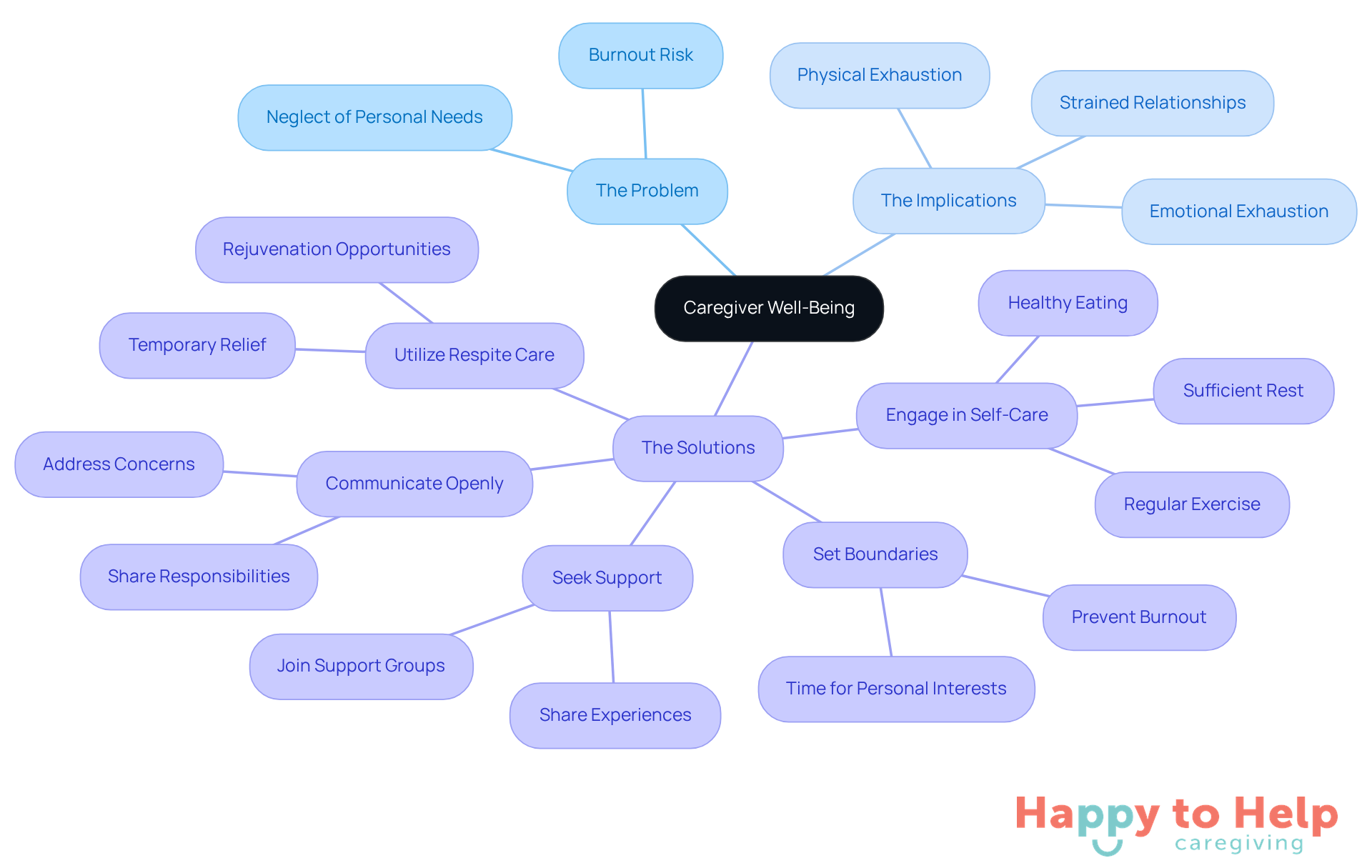
The Problem: Caregiver Well-Being
Prioritizing caregiver well-being is essential for maintaining a sustainable caregiving environment. Without proper self-care, caregivers risk burnout, which can negatively impact both their health and the quality of care they provide.
The Implications
Caregivers often neglect their own needs, leading to physical and emotional exhaustion. This not only affects their ability to care for others but can also strain relationships with care recipients and family members.
The Solutions
To combat these challenges, caregivers should consider the following actionable steps:
- Engage in Self-Care: Allocate time for personal health, including regular exercise, healthy eating, and sufficient rest.
- Seek Support: Join caregiver support groups to share experiences and gain insights from others in similar situations.
- Set Boundaries: Establish clear boundaries to prevent caregiver burnout, ensuring time for personal interests and relaxation.
- Utilize Respite Care: Take advantage of respite care services to allow for breaks, which can rejuvenate caregivers and improve their ability to provide care.
- Communicate Openly: Maintain open lines of communication with the care recipient and other family members to address concerns and share responsibilities.
By focusing on their own well-being, caregivers can enhance their effectiveness and the overall quality of care provided.
Making the Right Choice
Assembling an effective care team is crucial for individuals managing Parkinson's disease at home. Caregivers face the challenge of ensuring comprehensive support, which can be overwhelming without the right resources. The collaborative effort of healthcare professionals - neurologists, physical therapists, and social workers - addresses this issue by tailoring support to each patient's unique needs.
A well-coordinated care approach not only enhances the quality of life for those affected but also alleviates some of the burdens faced by caregivers. Developing personalized care plans, prioritizing caregiver well-being, and establishing open communication among team members are essential strategies. By focusing on medication management, exercise regimens, and emotional support, caregivers can create an environment that fosters both physical and mental health.
Recognizing common pitfalls and actively engaging with the care team can lead to improved outcomes. Caregivers can implement practical solutions such as regular check-ins with healthcare providers and utilizing community resources for additional support. Ultimately, the journey of caring for someone with Parkinson's is complex and requires a multifaceted approach.
By prioritizing the assembly of a dedicated care team and emphasizing self-care for caregivers, families can navigate the challenges of this disease more effectively. Embracing these essential practices not only enhances the well-being of individuals with Parkinson's but also nurtures the resilience of those who care for them.
https://iframe.tely.ai/cta/eyJhcnRpY2xlX2lkIjogIjY5MmY5MTg3Y2E4MDg5MWIwMmZiMDA5NCIsICJjb21wYW55X2lkIjogIjY4ZWU1ZGNhNzMxNzYyNTU3ZjNjOTVjMSIsICJpbmRleCI6IG51bGwsICJ0eXBlIjogImFydGljbGUifQ==Frequently Asked Questions
What is the importance of assembling a Parkinson's care team?
Assembling a Parkinson's care team is crucial for providing comprehensive support to individuals with Parkinson's, as it addresses the multifaceted challenges of the illness and ensures tailored care.
Who should be included in a Parkinson's care team?
A Parkinson's care team should ideally consist of a primary care physician, a neurologist or movement disorder specialist, physical and occupational therapists, possibly a nutritionist, and a social worker.
What roles do the different team members play in Parkinson's care?
Neurologists monitor disease progression and adjust treatment plans, while physical therapists create exercise regimens to enhance mobility and strength. Each member contributes to addressing the unique needs of the individual.
How can families contribute to the effectiveness of the care team?
Families should actively participate in meetings to advocate for their loved ones, ensuring that their preferences and concerns are addressed, which enhances the overall care strategy.
What are the benefits of engaging with a multidisciplinary care team?
Patients who engage with a multidisciplinary team experience improved outcomes, including enhanced mobility and quality of life.
What common pitfalls should families avoid when assembling a care team?
Common pitfalls include not involving all necessary specialists and failing to maintain open lines of communication among team members.
List of Sources
- Assemble Your Parkinson's Care Team
- 23 quotes about Parkinson’s disease | Interviews | Parkinson’s Life (https://parkinsonseurope.org/parkinsonslife/23-powerful-quotes-about-parkinsons-disease)
- Generating diverse patient insights to inform the development of a clinical study - COUCH Health (https://couch.health/case\_studies/generating-diverse-patient-insights-to-inform-the-development-of-a-clinical-study)
- Identify Key Healthcare Professionals
- 160 Quotes to Support Your Life With Parkinson’s (https://journeywithparkinsons.com/2025/01/08/160-quotes-to-support-your-life-with-parkinsons)
- Quotes on Positivity for Living with Parkinson’s Disease (https://parkinsonsdisease.net/living/positive-quotes)
- Forbes: “How the Shortage of Parkinson’s Disease Specialists Is Changing” (https://michaeljfox.org/news/forbes-how-shortage-parkinsons-disease-specialists-changing)
- Utilization of rehabilitation therapy services in Parkinson disease in the United States - PMC (https://pmc.ncbi.nlm.nih.gov/articles/PMC5595277)
- Implement Personalized Care Strategies
- Quotes on Positivity for Living with Parkinson’s Disease (https://parkinsonsdisease.net/living/positive-quotes)
- Optimal dose and type of exercise improve walking velocity in adults with Parkinson’s disease: a systematic review and Bayesian network meta-analysis - Scientific Reports (https://nature.com/articles/s41598-025-85456-7)
- Personalized care can ease Parkinson's pain (https://medicalxpress.com/news/2025-11-personalized-ease-parkinson-pain.html)
- 23 quotes about Parkinson’s disease | Interviews | Parkinson’s Life (https://parkinsonseurope.org/parkinsonslife/23-powerful-quotes-about-parkinsons-disease)
- 160 Quotes to Support Your Life With Parkinson’s (https://journeywithparkinsons.com/2025/01/08/160-quotes-to-support-your-life-with-parkinsons)
- Prioritize Caregiver Well-Being
- Caring for the Care Partner (https://parkinson.org/resources-support/carepartners/caring-for-self)
- CaringBridge (https://caringbridge.org/resources/inspirational-quotes-on-caregiving)
- Parkinson’s Disease Caregiving, Level of Care Burden, Caregiving-Related Strain, and Caregiver Health - PMC (https://pmc.ncbi.nlm.nih.gov/articles/PMC12250345)
- Inspirational Caregiver Quotes (https://homehelpershomecare.com/blog/2022/february/10-inspirational-self-care-quotes-for-caregivers)
- 42 inspirational quotes for caregivers (https://care.com/c/40-inspirational-caregiver-quotes)