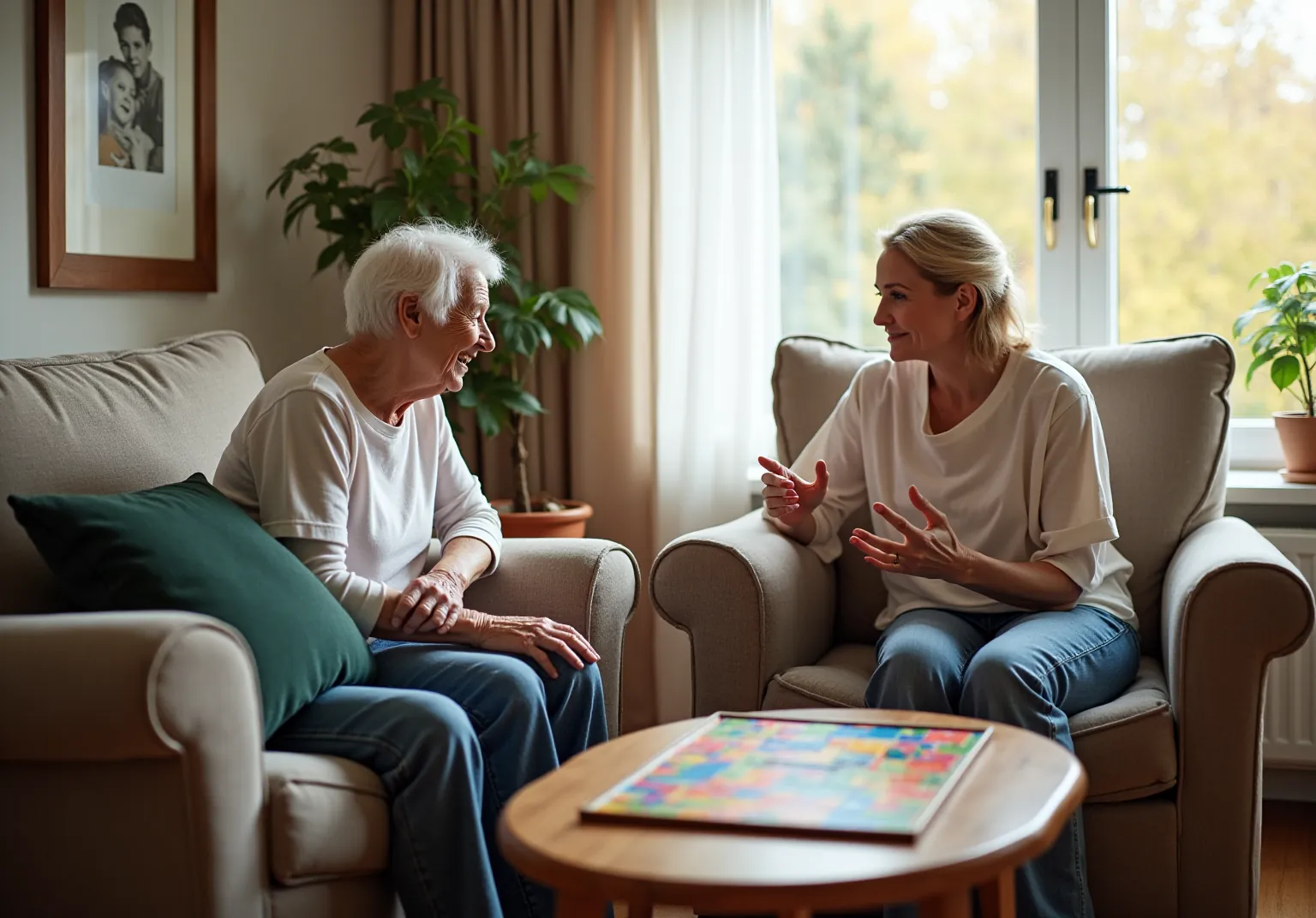
For families in our service areas
For families in our service areas, this guide explains companion care and how non-medical in-home caregiving can support care planning in East Idaho, Treasure Valley & Magic Valley, Northern Wasatch, North Central West Virginia, and Northeast Ohio.
What to Expect
Caring for the elderly can be a deeply rewarding yet challenging journey. It’s essential to recognize the emotional hurdles that caregivers often face, such as stress and burnout. By providing companionship to seniors, we can significantly enhance their quality of life, and it all starts with understanding their needs.
The first step is conducting a needs assessment. This allows caregivers to identify the specific emotional and practical support that each senior requires. Next, setting clear goals helps in creating a focused plan that addresses these needs effectively.
Involving family members in care planning not only fosters a sense of community but also ensures that everyone is on the same page, working together to provide the best care possible.
Regularly reviewing and adjusting care plans is crucial as well. Seniors' needs can evolve, and being flexible in our approach helps maintain meaningful connections. This ongoing process can significantly reduce feelings of loneliness, creating a nurturing environment where seniors feel valued and understood.
Remember, you’re not alone in this journey. Many caregivers share similar experiences, and their stories often highlight the profound impact of compassionate care. By embracing these steps, you can foster a supportive atmosphere that uplifts both you and the seniors in your care. Together, we can make a difference, ensuring that our loved ones feel cherished and connected.
What You Need to Know About Steps for Companionship for the Elderly
Aging often brings with it a complex emotional landscape, where feelings of loneliness and isolation can overshadow the lives of many seniors. This can deeply affect their overall well-being. Companion care stands out as a vital solution, providing not just assistance with daily tasks but also a much-needed connection that enriches the lives of older adults.
In this article, we’ll explore four essential steps to foster companionship for the elderly. We’ll address the signs of loneliness and share effective strategies to promote engagement. How can caregivers transform the experience of aging from one of solitude into one filled with joy and connection?
By understanding these emotional challenges, we can begin to create a nurturing environment that supports our loved ones, helping them feel valued and connected.
Define Companion Care for the Elderly
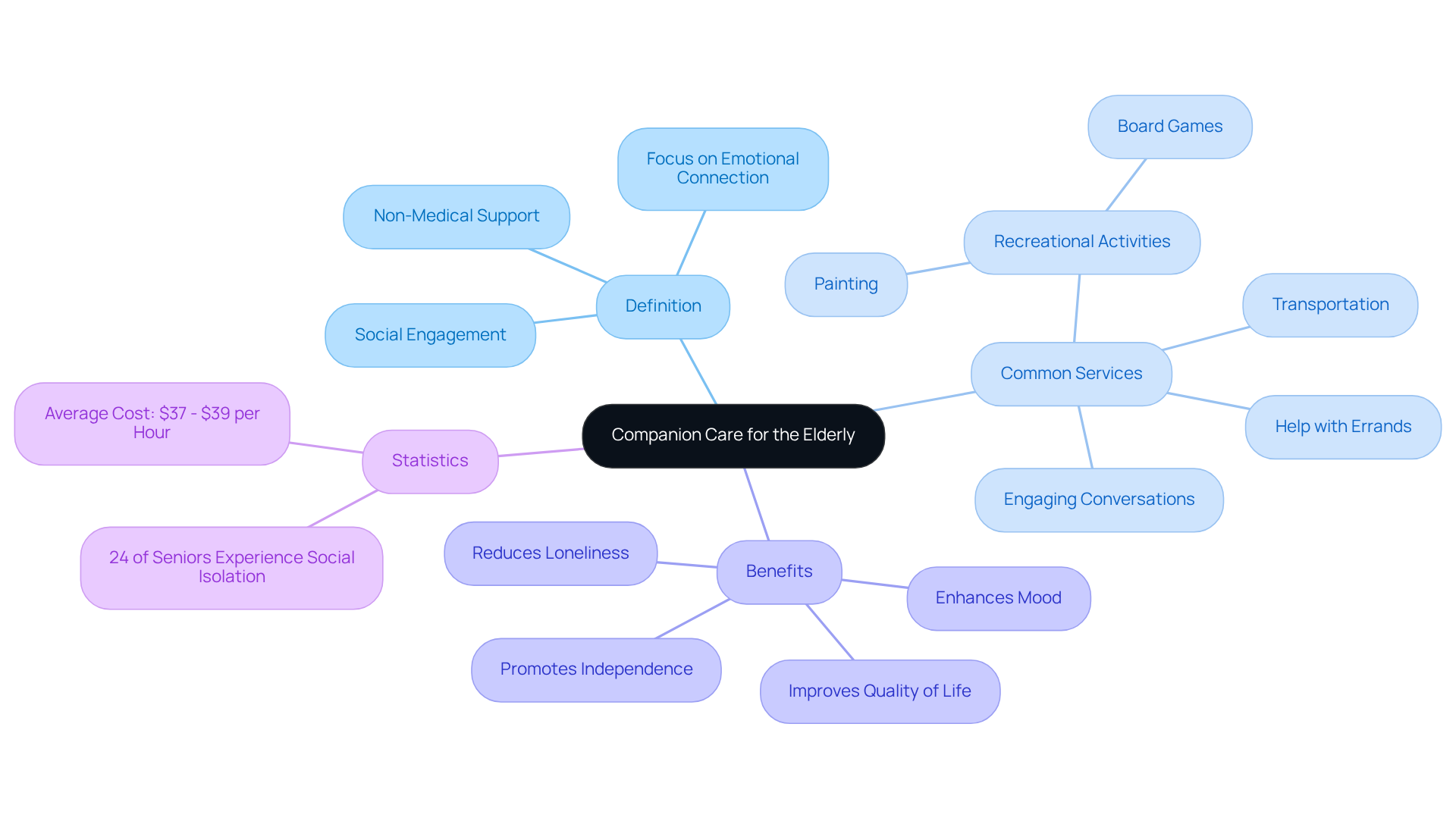
Companionship for the elderly is a vital service that focuses on providing non-medical support to seniors. It emphasizes the importance of companionship for the elderly, emotional support, and assistance with daily activities. Unlike personal or medical assistance, this service prioritizes social interaction and emotional well-being over medical needs.
Common services that provide companionship for the elderly include:
- Engaging conversations
- Recreational activities
- Transportation
- Help with errands
Caregivers often introduce seniors to new hobbies, like painting or playing games. These activities not only enrich their lives but also foster mental sharpness and joy. Simple pleasures, such as going for walks or playing board games, are integral to the companionship experience.
The benefits of companionship for the elderly are profound, especially for mental health. Regular social interaction can significantly reduce feelings of loneliness and isolation, which many seniors face, by fostering companionship for the elderly. In fact, about 24% of community-dwelling Americans aged over 65 experience social isolation. Having someone to talk to can enhance companionship for the elderly, improve overall quality of life, offer emotional support, and motivate older adults to stay active and engaged in their communities.
Studies show that companionship can lead to enhanced moods and a more optimistic outlook on life. Caregivers often become trusted confidants for the elderly, highlighting the importance of companionship for the elderly in relationship-building. It not only meets immediate needs but also provides long-term mental health benefits, helping elderly individuals maintain their dignity and independence in familiar surroundings. Moreover, companionship for the elderly plays a crucial role in reducing the risk of elder mistreatment by creating a safe space for older adults to voice their concerns.
Typically, the cost of companion assistance ranges from $37 to $39 per hour, making it a financially feasible option for many families seeking support. As the demand for personalized and tech-enhanced solutions in senior care grows, companion care services are increasingly tailored to meet the unique needs of each individual.
Identify Signs of Loneliness in Seniors
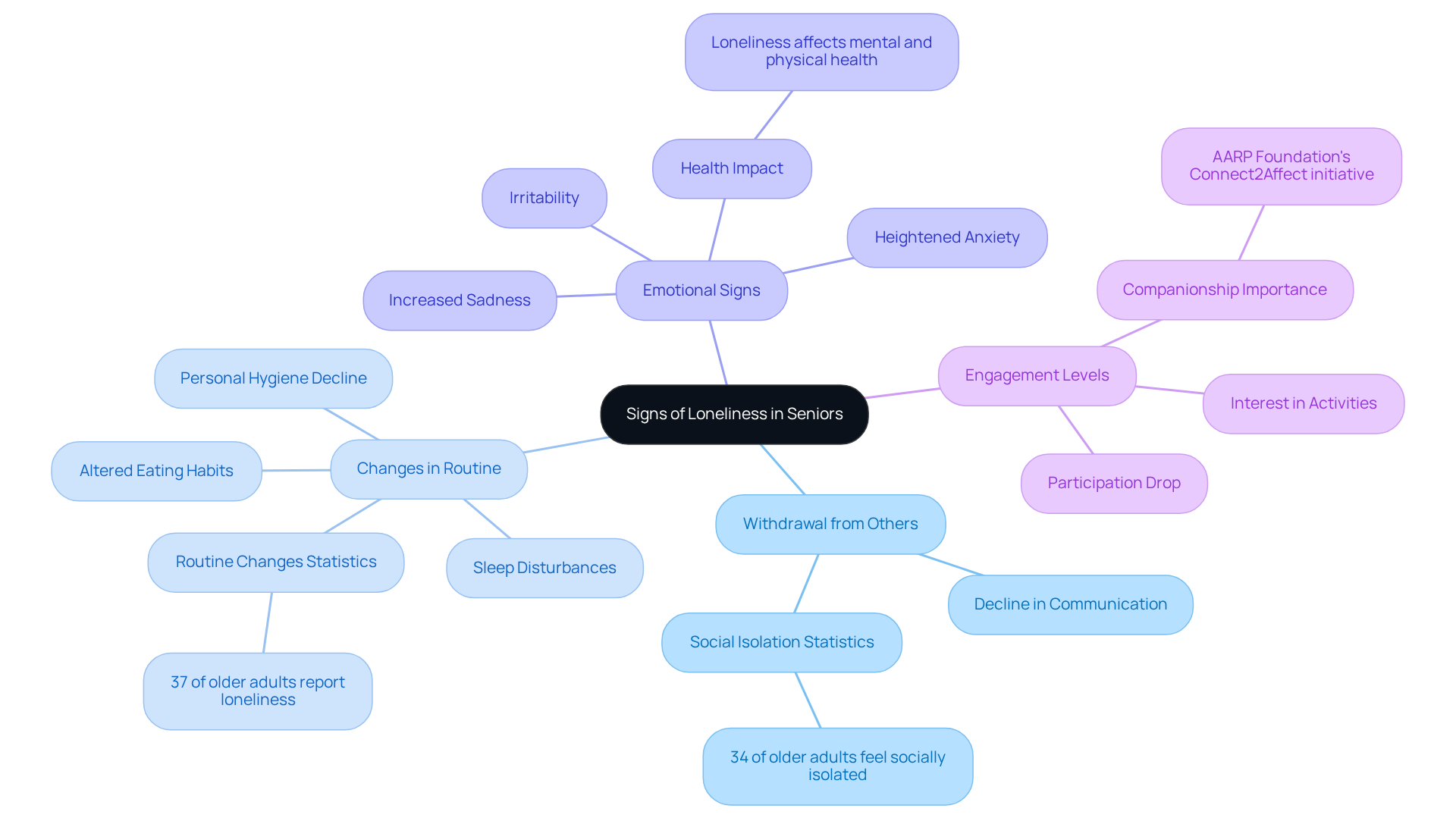
Monitor Withdrawal from Others: It's important to notice if someone is pulling away from their usual interactions. A decline in communication with friends and family can be a sign of loneliness. In fact, research shows that in 2023, around 37% of older adults in the U.S. (aged 50-80 years) reported feeling lonely. This statistic underscores the need for caregivers to stay vigilant in this age group.
Observe Changes in Routine: Changes in daily habits—like eating, sleeping, or personal hygiene—can signal emotional distress. Studies reveal that nearly 37% of older adults in the U.S. experience loneliness, with 34% feeling socially isolated. These feelings often manifest through shifts in routine, making it crucial to pay attention to these signs.
Watch for Emotional Signs: Increased sadness, anxiety, or irritability can indicate feelings of isolation. Experts, including U.S. Surgeon General Dr. Vivek Murthy, stress that loneliness can take a toll on both mental and physical health. Recognizing these emotional cues is essential for providing the right support.
Assess Engagement Levels: Take a moment to evaluate how much interest the individual shows in activities they once loved. A drop in participation can be a clear indicator of loneliness. Many older adults face isolation, with 34% reporting feelings of disconnection, highlighting the importance of companionship for the elderly. Caregivers can explore resources like the AARP Foundation's Connect2Affect initiative, which offers valuable assistance aimed at providing companionship for the elderly to help combat isolation and loneliness.
By staying attentive to these signs, caregivers can provide the compassionate support that older adults need, fostering companionship for the elderly that can help alleviate feelings of loneliness.
Implement Activities to Promote Engagement
-
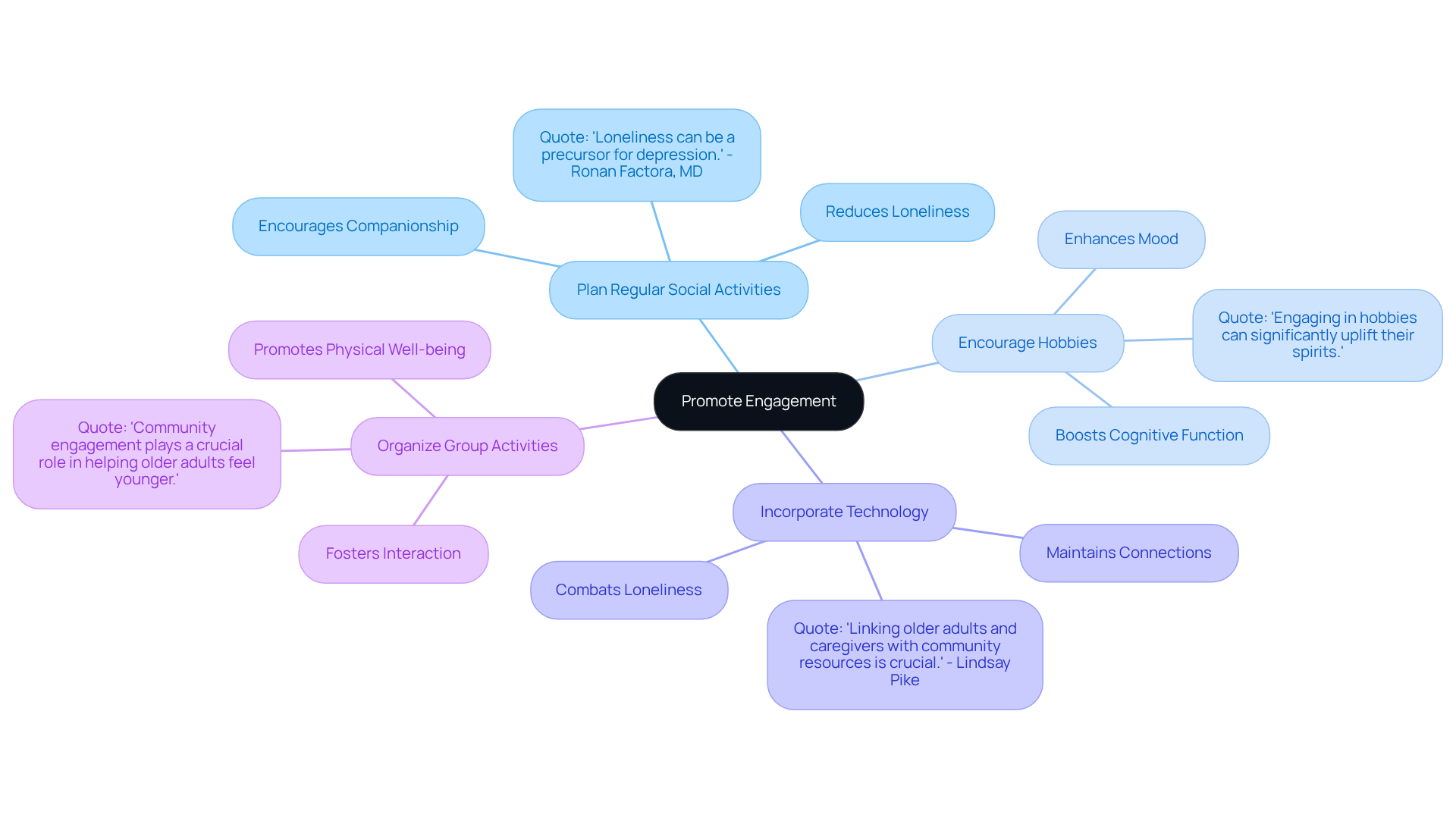
Plan Regular Social Activities: Establishing a routine of weekly visits or outings to local events, parks, or community centers can make a world of difference. This consistency not only brings organization but also encourages older adults to look forward to companionship for the elderly, which is vital for their emotional health. As Dr. Ronan Factora wisely points out, companionship for the elderly can be beneficial, as loneliness can be a precursor for depression, and socializing with others can help improve a person’s mood.
-
Encourage Hobbies: Helping older adults engage in hobbies like gardening, crafting, or reading groups that resonate with their interests can significantly uplift their spirits. These activities not only enhance mood but also boost cognitive function, as they provide companionship for the elderly, fostering a sense of accomplishment and joy. Research indicates that older adults who immerse themselves in such pursuits enjoy better psychological well-being.
-
Incorporate Technology: Embracing technology, such as video calls or social media, can help maintain connections with family and friends, especially for those who may be homebound. This approach not only combats loneliness but also fosters companionship for the elderly, allowing older adults to connect with loved ones in meaningful ways and enhancing their mental well-being. Lindsay Pike emphasizes, "Linking older adults and caregivers with community resources is crucial for guaranteeing they obtain the care they require."
-
Organize Group Activities: Arranging group games, puzzles, or exercise classes can foster interaction and camaraderie among older adults. These activities not only promote physical well-being but also foster companionship for the elderly through shared experiences, thereby strengthening their sense of community. A study suggests that community engagement plays a crucial role in helping older adults feel younger and live longer.
Develop Personalized Care Plans
-
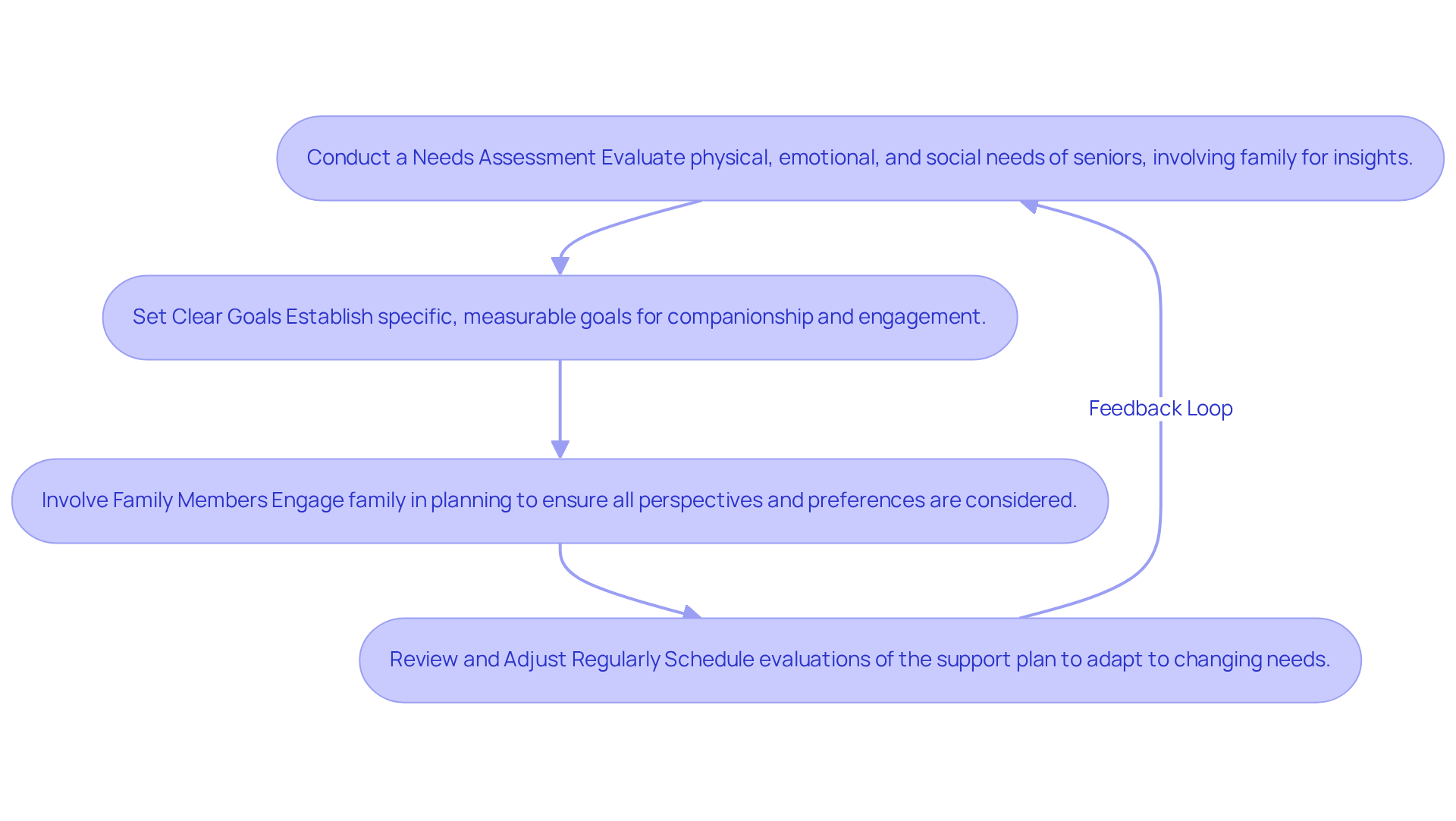
Conduct a Needs Assessment: It's so important to take a close look at the physical, emotional, and social needs of seniors. This thorough evaluation helps create a well-rounded profile. Involving family members in this process can be incredibly beneficial. They often have valuable insights about the person's daily routines, preferences, and lifestyle. When families are included from the start, it builds trust and cooperation, leading to more effective treatment plans. In fact, studies show that having family involved can reduce hospital readmissions by 25%, highlighting just how crucial their role is in treatment planning.
-
Set Clear Goals: After the assessment, it's time to establish specific, measurable goals for companionship and engagement. These goals might focus on enhancing social interactions, encouraging participation in beloved activities, or improving emotional well-being, especially by fostering companionship for the elderly. For instance, a tailored support plan could aim to increase weekly social visits or promote involvement in community events, fostering a sense of belonging and purpose. As Kathryn Anderton, Vice President of Clinical Operations, wisely points out, "Involving relatives as part of the patient’s overall support team has been demonstrated to enhance chronic disease management."
-
Involve Family Members: Family involvement is absolutely vital in the planning process. It ensures that all perspectives and preferences are taken into account. Research shows that patients with engaged family members tend to have better health outcomes and experience less anxiety. Families can provide support, share insights about their loved ones' preferences, and help customize the plan to meet unique needs. A case study illustrates that when families actively participate in planning, the support becomes more personalized, reflecting the individuality of the residents.
-
Review and Adjust Regularly: It's essential to schedule regular evaluations of the support plan to adapt to changing needs and preferences. This ensures that the care remains relevant and effective. Typically, updates should happen every six months or after significant health changes, allowing caregivers to respond promptly to evolving circumstances. This dynamic approach not only enhances the quality of support but also empowers seniors by respecting their autonomy and preferences. As Tomalia emphasizes, "Updating the plan ensures care is always the right fit.
Making the Right Choice
Companionship for the elderly isn’t just a luxury; it’s a vital part of senior care that greatly enhances emotional well-being and quality of life. By focusing on social interaction and emotional support, companion care meets the essential needs of older adults, helping them maintain their dignity and independence while fighting against loneliness and isolation.
To foster companionship for the elderly, there are four fundamental steps to consider:
- Defining companion care
- Recognizing signs of loneliness
- Implementing engaging activities
- Developing personalized care plans
Each of these steps is crucial in ensuring that seniors receive the support they need to thrive. By identifying signs of loneliness, planning regular social activities, and tailoring care plans to individual needs, we can significantly improve mental health and lead older adults toward a more fulfilling life.
In a society where loneliness can deeply impact health, taking action is imperative. Caregivers, families, and communities must unite to create an environment that nurtures companionship and engagement for seniors. By investing in these essential steps, we can help ensure that elderly individuals not only feel connected but also enjoy a vibrant and active lifestyle. The importance of companionship for the elderly cannot be overstated; it’s a pathway to a happier, healthier, and more meaningful life.
https://iframe.tely.ai/cta/eyJhcnRpY2xlX2lkIjogIjY5MGQzZWE4MWZlYWM3ZmRjNThhODU4NiIsICJjb21wYW55X2lkIjogIjY4ZWU1ZGNhNzMxNzYyNTU3ZjNjOTVjMSIsICJpbmRleCI6IG51bGwsICJ0eXBlIjogImFydGljbGUifQ==Frequently Asked Questions
What is companion care for the elderly?
Companion care for the elderly is a non-medical service that focuses on providing emotional support and assistance with daily activities, emphasizing social interaction and emotional well-being.
What types of services are included in companion care?
Common services include engaging conversations, recreational activities, transportation, and help with errands.
How does companionship benefit the mental health of the elderly?
Companionship can significantly reduce feelings of loneliness and isolation, enhance moods, and improve overall quality of life by providing emotional support and encouraging social interaction.
What activities do caregivers typically engage seniors in?
Caregivers often introduce seniors to new hobbies such as painting or playing games, and they also participate in simple pleasures like going for walks or playing board games.
How prevalent is social isolation among seniors?
Approximately 24% of community-dwelling Americans aged over 65 experience social isolation.
What role do caregivers play in the lives of elderly individuals?
Caregivers often become trusted confidants for the elderly, helping to build relationships that meet immediate needs and provide long-term mental health benefits.
How does companionship help maintain dignity and independence for the elderly?
Companionship allows elderly individuals to maintain their dignity and independence in familiar surroundings while providing a safe space to voice their concerns, reducing the risk of elder mistreatment.
What is the typical cost of companion care services?
The cost of companion assistance typically ranges from $37 to $39 per hour.
How are companion care services evolving?
Companion care services are increasingly being tailored to meet the unique needs of each individual, with a growing demand for personalized and tech-enhanced solutions in senior care.