

For families in our service areas
For families in our service areas, this guide explains home care and how non-medical in-home caregiving can support care planning in East Idaho, Treasure Valley & Magic Valley, Northern Wasatch, North Central West Virginia, and Northeast Ohio.
Quick Guide to Steps for Finding Home Care Near Me for
Finding the right home care services for your elderly loved ones can feel overwhelming. Families often face emotional challenges, filled with worries about ensuring the best care possible. To navigate this journey, it’s essential to follow four key steps:
- Identify the types of care available.
- Assess the individual needs of your loved one.
- Evaluate the qualifications of potential caregivers.
- Understand the costs and payment options involved.
These steps are not just practical—they are crucial for ensuring that the chosen home care aligns with your elderly family member’s unique requirements and preferences. By taking the time to consider these factors, you can enhance their quality of life and ease the burden on family caregivers. Remember, you are not alone in this journey; many families share similar concerns and experiences. With compassion and careful planning, you can find the right support that brings peace of mind to both you and your loved one.
Why Steps for Finding Home Care Near Me for Matters
Navigating the world of home care for elderly loved ones can often feel like an overwhelming journey. Families face emotional and logistical challenges that can be daunting. With a myriad of options—from companionship care to specialized medical assistance—each promising to enhance the quality of life for seniors, the choices can feel endless.
In this rapidly evolving landscape, how can families ensure they are making the right choice? This article outlines four essential steps to help families:
- Identify suitable home care services
- Assess individual needs
- Evaluate caregiver qualifications
- Understand the associated costs
By following these steps, families can empower themselves to secure the best possible care for their elderly relatives.
Identify Types of Home Care Services Available
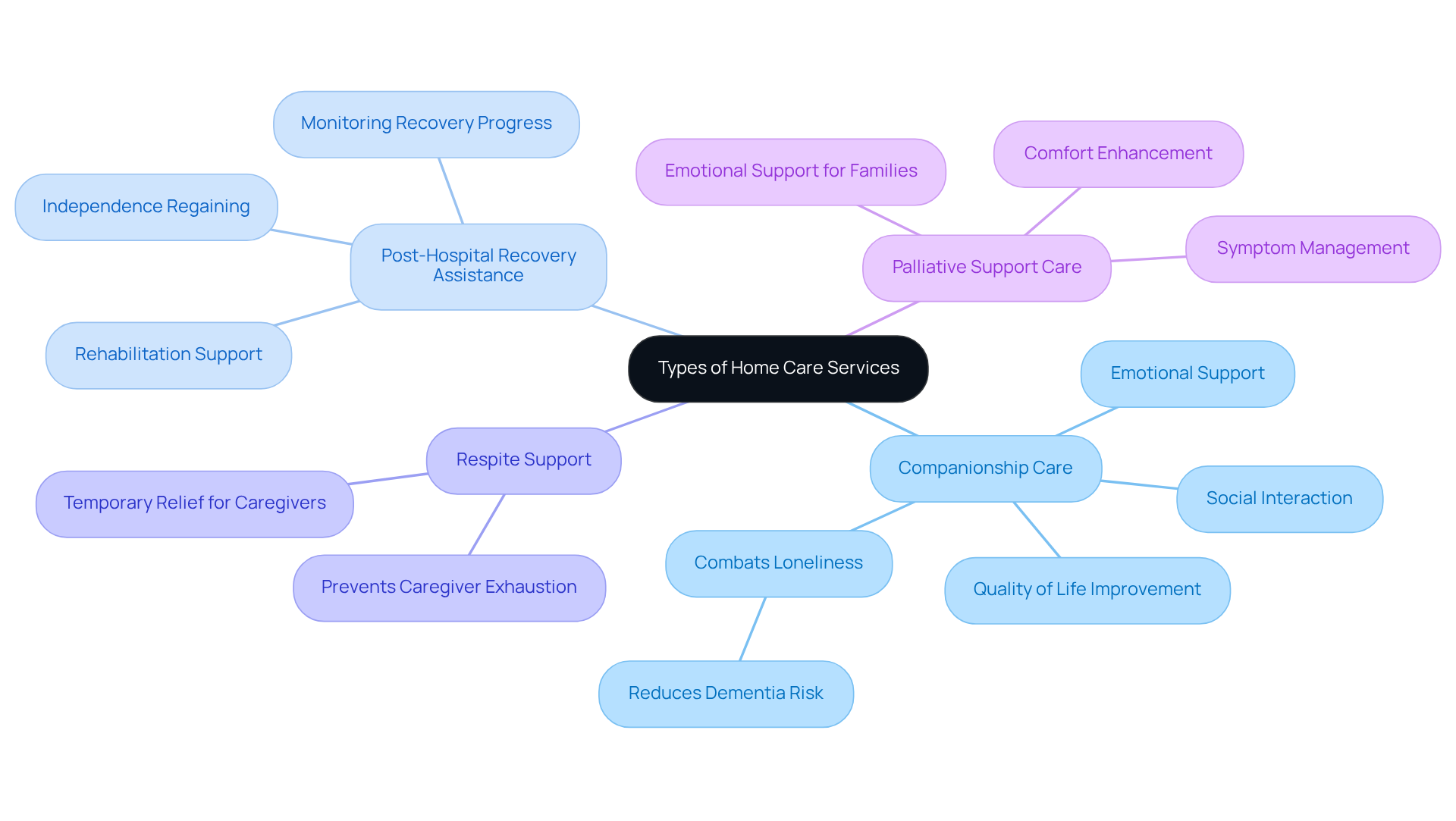
Understanding the variety of home care near me for elderly options available is essential for families seeking support for their elderly loved ones. The emotional challenges can be overwhelming, and it's important to recognize that help is at hand. Key services include:
-
Companionship Care: This service provides emotional support and social interaction, which are vital for combating loneliness. Social isolation among seniors can increase the risk of dementia by nearly 50%. Many success stories highlight how companionship support has significantly enhanced the quality of life for seniors, fostering a sense of belonging and security. In 2020, around 3.0 million patients received home health assistance, showcasing the positive impact these services have on seniors' well-being.
-
Post-Hospital Recovery Assistance: Tailored for individuals recovering from surgery or illness, this program ensures that patients receive the necessary support to regain their independence. Skilled home support professionals assist with rehabilitation exercises and monitor recovery progress, providing reassurance during a challenging time.
-
Respite Support: This assistance offers temporary relief for primary caregivers, allowing them to take necessary breaks while ensuring their loved ones continue to receive quality care. Respite services are crucial for preventing caregiver exhaustion, a common issue among those providing long-term support.
-
Palliative Support Care: Designed for individuals with serious illnesses, this assistance focuses on enhancing comfort and quality of life. Palliative support specialists work closely with families to manage symptoms and provide emotional support, ensuring that patients receive compassionate care tailored to their unique needs.
When considering options for home care near me for elderly, it's crucial to compile a list that aligns with your loved one's specific requirements. Specialized support, such as dementia care or mobility assistance, may also be necessary. Consulting healthcare experts can provide valuable insights based on medical conditions, ensuring the selected options effectively support your loved one's well-being. Moreover, with the home assistance sector projected to grow 17% from 2024 to 2034, families can look forward to an expanding array of options and support available to them.
Assess Individual Care Needs and Preferences
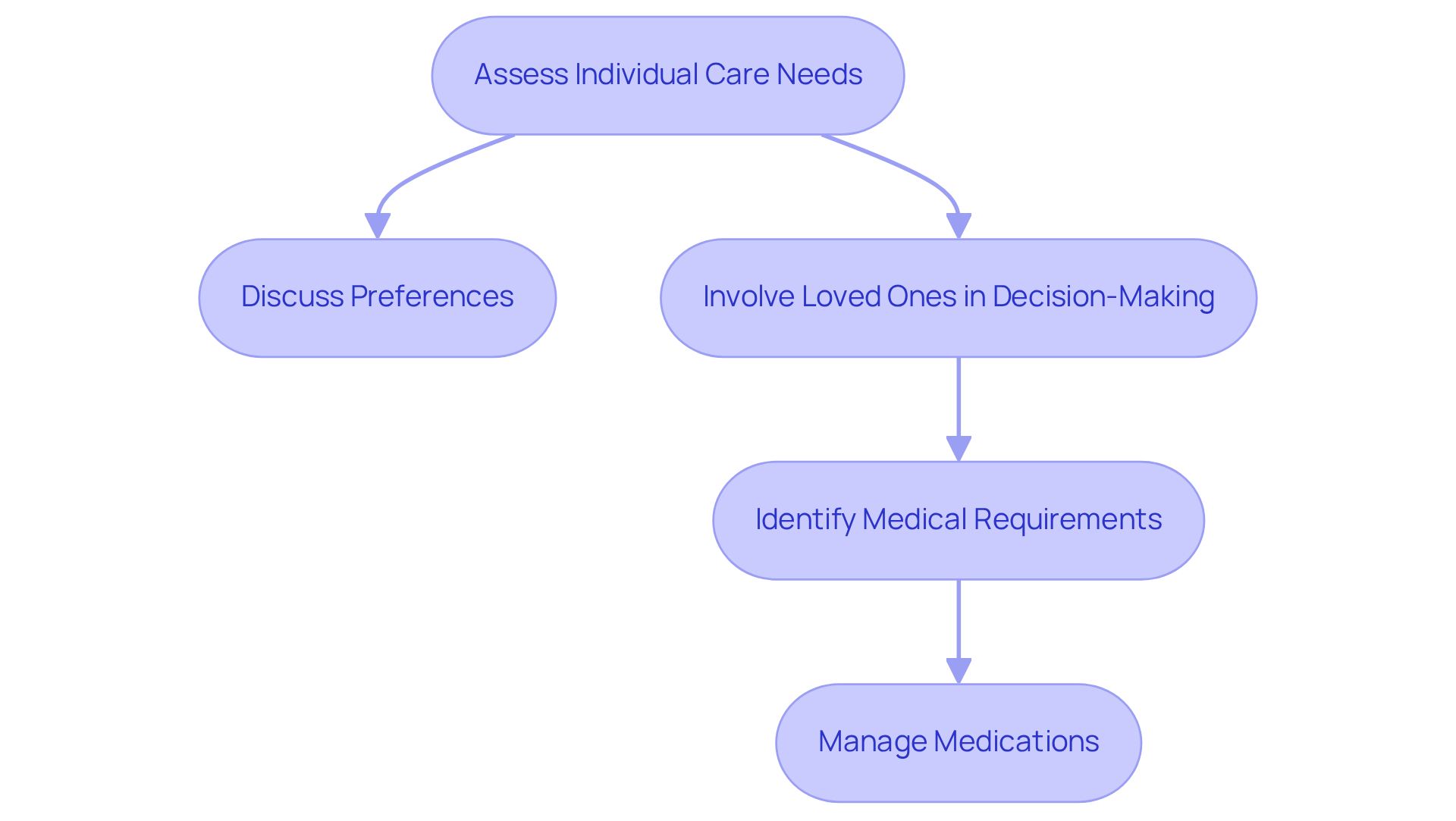
Conduct a comprehensive assessment of your loved one's physical, emotional, and social needs to determine the best home care near me for elderly. It’s important to recognize that nearly 94% of older adults prioritize quality of life over longevity. This understanding is vital for creating a support plan that genuinely reflects their wishes regarding home care near me for elderly. Many older individuals express dissatisfaction with healthcare services that do not meet their needs, emphasizing the importance of finding home care near me for elderly that aligns with their preferences.
Discuss preferences regarding daily routines, activities, and social interactions. Involving seniors in these conversations about home care near me for elderly can significantly enhance their mental well-being and overall satisfaction with the services they receive.
Involve your loved one in the decision-making process. This ensures their comfort and satisfaction. Studies show that when older adults participate in health decisions related to home care near me for elderly, it leads to better health outcomes and a greater sense of control over their lives. Alarmingly, only 19% of older adults report that their providers consistently evaluate the essentials of age-friendly support, which underscores the importance of family supporters advocating for home care near me for elderly loved ones.
Identify any specific medical requirements related to home care near me for elderly, such as medication management or therapy needs. With older adults accounting for over 30% of all prescribed medications in the U.S., careful management is crucial to prevent complications and promote well-being. Additionally, 56% of older adults find navigating the healthcare system to be difficult and stressful, which underscores the importance of family support and home care near me for elderly during this journey.
Evaluate Caregiver Qualifications and Compatibility
It is crucial to verify the provider's qualifications, including relevant certifications, training, and experience in home care near me for elderly. As we look ahead to 2025, we anticipate a growing demand for skilled support workers. The employment of home health and personal assistance aides is projected to expand by 17% over the next ten years, largely driven by our aging population.
-
Conducting interviews is another important step to assess their communication skills and caregiving approach. Effective communication is vital, as providers often coordinate intricate medical assistance and offer emotional support. This is particularly significant considering that 70% of individuals aged 18 to 64 balance providing support with full- or part-time jobs.
-
Requesting references from previous clients or employers can help gauge reliability and performance. This step is essential; individuals who receive positive feedback are more likely to deliver quality care.
-
Additionally, consider personality traits that align with your loved one's preferences, such as patience, empathy, and a sense of humor. Compatibility between the provider and the senior can significantly enhance the home care near me for elderly experience, resulting in better emotional and physical well-being for the client. Success stories often highlight how individuals who share similar interests or values with their clients foster stronger connections, enhancing overall satisfaction. It is also important to recognize the emotional and physical demands placed on caregivers, as nearly half of them report negative financial impacts from their responsibilities.

Understand Costs and Payment Options for Care Services
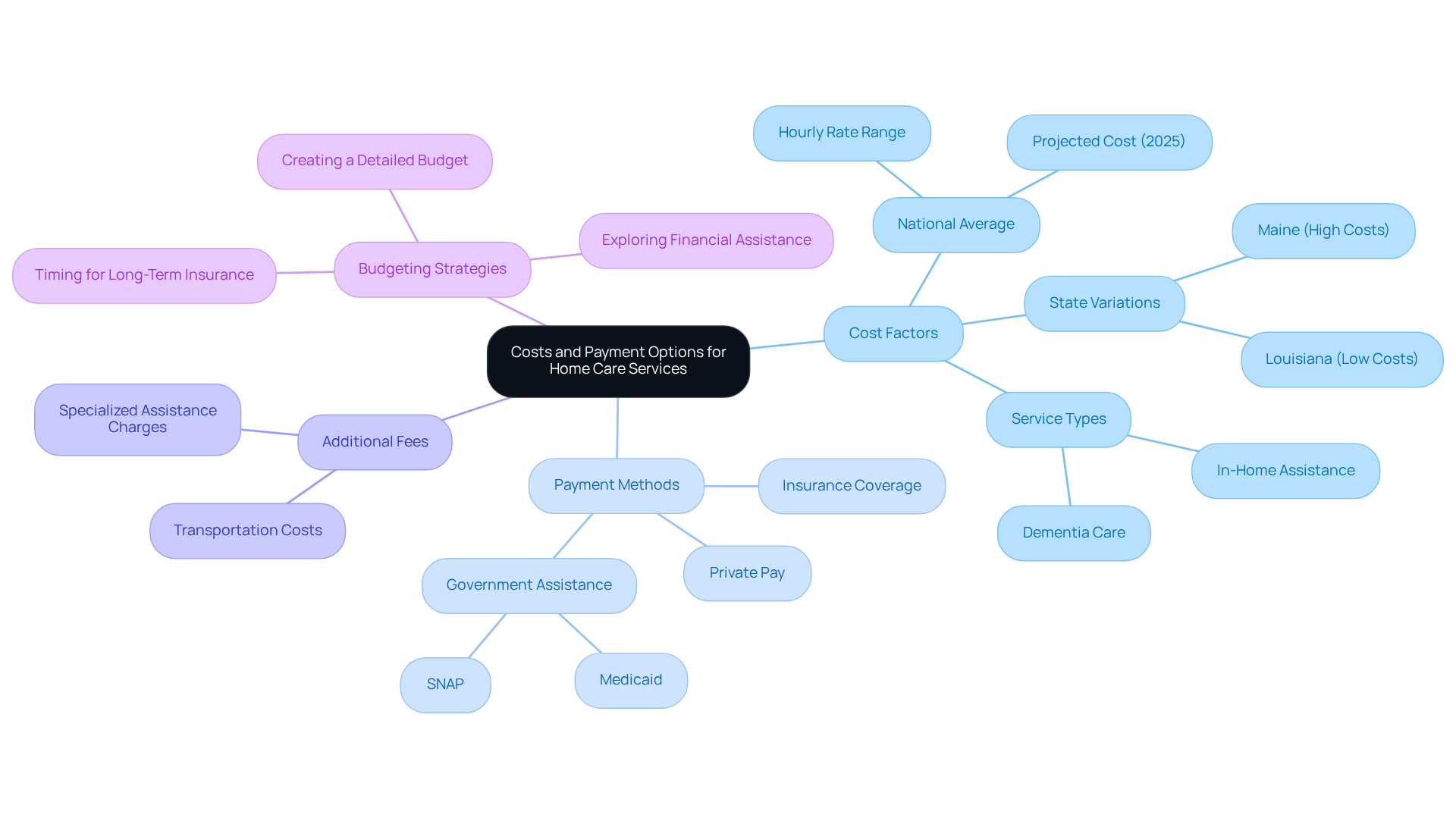
Understanding the costs associated with home care near me for elderly is crucial for families seeking support for their elderly loved ones. It’s important to start by exploring the typical expenses for different types of home care near me for elderly assistance in your area. In 2025, the national average cost for in-home assistance is projected to be around $25 to $35 per hour. However, these rates can vary based on location and the level of support required. For example, states like Maine may have significantly higher costs, while states such as Louisiana could offer more affordable alternatives.
When considering options for home care near me for elderly individuals, inquire about the various payment methods available, including:
- Private pay
- Insurance coverage
- Government assistance programs
Many families find it helpful to utilize a combination of these resources to effectively manage their expenses. For instance, over 7 million low-income seniors rely on Medicaid for health coverage, which can cover certain home assistance services for those who qualify. Additionally, some private insurance plans may offer partial reimbursement for these services.
It’s also essential to ask about any additional fees that may arise, such as:
- Transportation costs
- Charges for specialized assistance like dementia care, which often requires higher expertise and, consequently, higher rates
Being aware of these potential extra costs can help you avoid unexpected financial burdens when budgeting for care.
Creating a detailed budget that outlines your expected costs is vital. This budget should encompass not only the hourly rates for caregivers but also any anticipated additional expenses. If the financial burden feels overwhelming, consider exploring financial assistance options available through local community programs or non-profit organizations that may provide support for families in need, such as home care near me for elderly. Moreover, don’t overlook the importance of timing when it comes to obtaining long-term insurance; applying sooner rather than later can lead to better coverage options.
By taking these thoughtful steps, you can ensure that your loved one receives the compassionate care they deserve while managing your family's financial resources effectively.
Making the Right Choice
Finding the right home care services for elderly loved ones is a journey filled with emotional challenges. Families often face stress and uncertainty as they navigate this multifaceted process. It’s essential to understand the types of services available, assess individual care needs, evaluate caregiver qualifications, and consider the associated costs. Each step is crucial in ensuring that seniors receive the compassionate care they truly deserve.
Identifying available home care options is just the beginning. It's about understanding the specific needs and preferences of the elderly, ensuring compatibility between caregivers and clients. Involving seniors in the decision-making process is vital; it enhances their quality of life and satisfaction with the care they receive. Moreover, understanding the financial implications and exploring payment options is key to managing resources effectively.
The significance of finding the right home care services cannot be overstated. It transcends merely meeting physical needs; it’s about fostering emotional well-being and ensuring a dignified quality of life for seniors. Families are encouraged to take proactive steps in researching and selecting the best options. This effort leads to more fulfilling experiences for both the elderly and their caregivers. By prioritizing these essential considerations, families can create a supportive environment that enriches the lives of their loved ones.
https://iframe.tely.ai/cta/eyJhcnRpY2xlX2lkIjogIjY5MDAwN2MyMDhhMGI4NWNjYzJkYTgwNCIsICJjb21wYW55X2lkIjogIjY4ZWU1ZGNhNzMxNzYyNTU3ZjNjOTVjMSIsICJpbmRleCI6IG51bGwsICJ0eXBlIjogImFydGljbGUifQ==Frequently Asked Questions
What types of home care services are available for the elderly?
The main types of home care services for the elderly include companionship care, post-hospital recovery assistance, respite support, and palliative support care.
What is companionship care and why is it important?
Companionship care provides emotional support and social interaction to combat loneliness among seniors. It is important because social isolation can increase the risk of dementia by nearly 50%, and companionship significantly enhances the quality of life for seniors.
What does post-hospital recovery assistance entail?
Post-hospital recovery assistance is tailored for individuals recovering from surgery or illness. It includes support from skilled home professionals who assist with rehabilitation exercises and monitor recovery progress to help patients regain independence.
What is respite support and who benefits from it?
Respite support offers temporary relief for primary caregivers, allowing them to take necessary breaks while ensuring their loved ones receive quality care. It benefits caregivers by preventing exhaustion from long-term support responsibilities.
How does palliative support care assist individuals with serious illnesses?
Palliative support care focuses on enhancing comfort and quality of life for individuals with serious illnesses. Specialists work with families to manage symptoms and provide emotional support, ensuring compassionate care tailored to the patient's unique needs.
How can families determine the right home care options for their elderly loved ones?
Families should compile a list of home care options that align with their loved one's specific requirements, including specialized support such as dementia care or mobility assistance. Consulting healthcare experts can provide valuable insights based on medical conditions.
What is the projected growth of the home assistance sector?
The home assistance sector is projected to grow 17% from 2024 to 2034, indicating an expanding array of options and support available for families seeking care for their elderly loved ones.