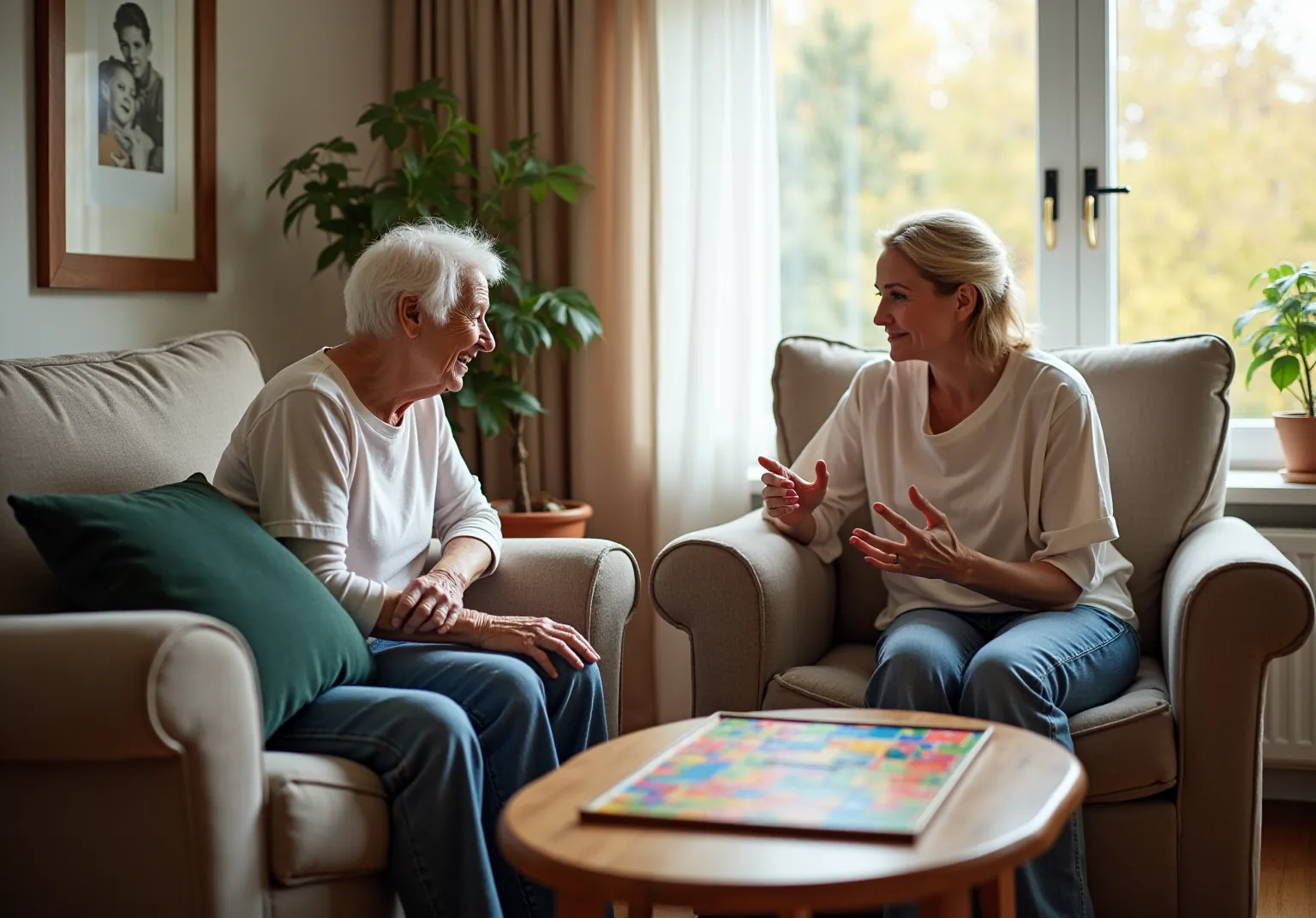
4 Essential Steps to Care for Seniors with Dementia Effectively

For families in our service areas
For families in our service areas, this guide explains dementia care and how non-medical in-home caregiving can support care planning in East Idaho, Treasure Valley & Magic Valley, Northern Wasatch, North Central West Virginia, and Northeast Ohio.
Understanding Steps to Care
Understanding dementia is crucial, as cognitive decline affects millions and poses urgent challenges for caregivers. This situation not only impacts the individuals suffering from dementia but also places significant emotional and practical burdens on those who care for them. Caregivers often face difficulties in communication and daily support, which can lead to feelings of frustration and helplessness.
To navigate these challenges effectively, caregivers need to adopt essential strategies that enhance the quality of life for seniors with dementia. By implementing the following strategies, caregivers can provide compassionate and informed care:
- Implement clear communication techniques
- Establish routines
- Utilize supportive resources
These actionable solutions can significantly alleviate the stress associated with caregiving, fostering a more positive environment for both caregivers and their loved ones.
Understand Dementia: Key Concepts and Symptoms
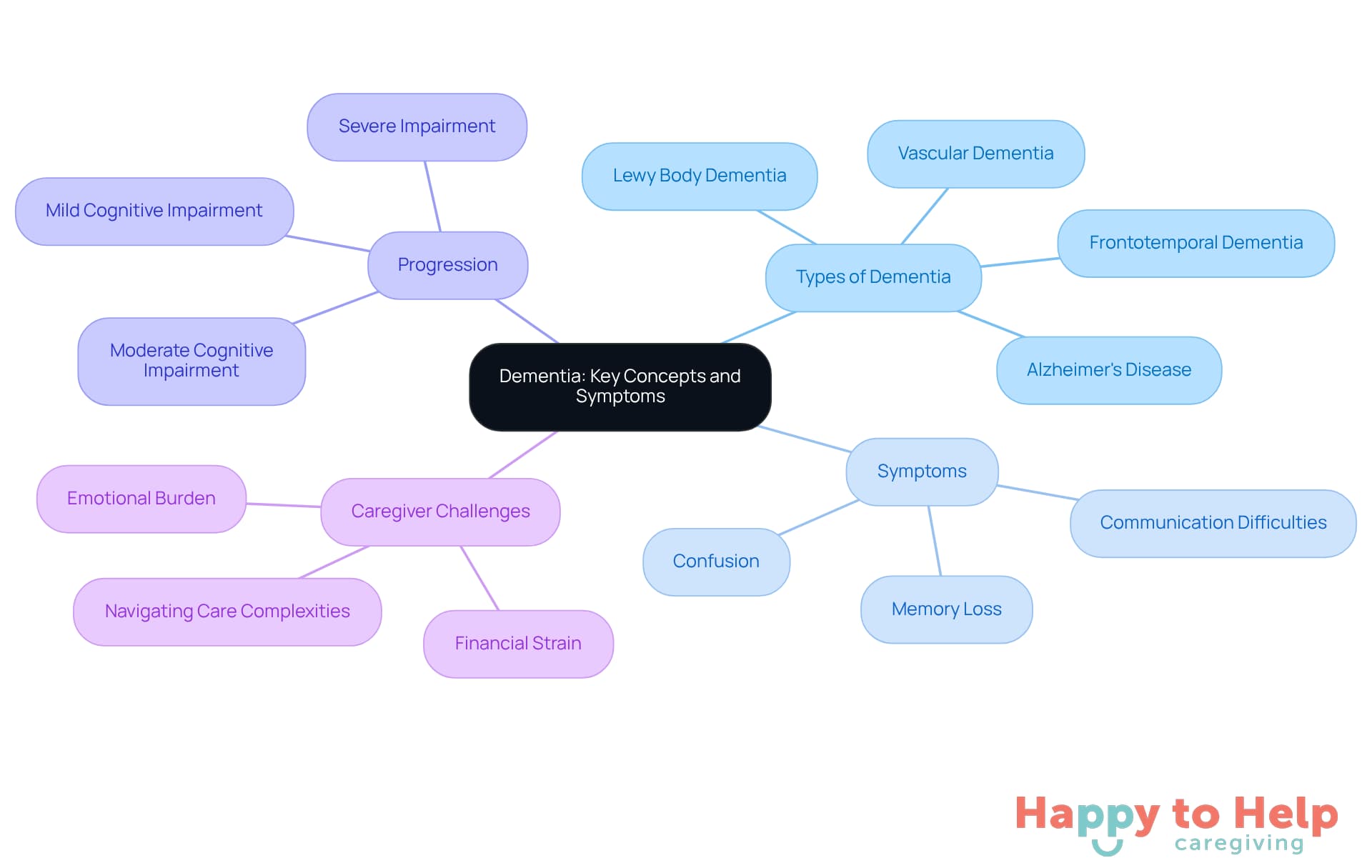
Dementia encompasses a range of cognitive impairments that significantly impact memory, thinking, and social abilities. This presents a pressing problem for caregivers who must navigate the complexities of care for seniors with dementia.
Types of Dementia: Common forms include Alzheimer's disease, vascular dementia, Lewy body dementia, and frontotemporal dementia. Understanding these distinctions is crucial for caregivers who care for seniors with dementia, as each type exhibits unique symptoms and progression patterns.
Symptoms: Caregivers often face challenges such as memory loss, confusion, and communication difficulties. Recognizing these symptoms early is vital for effective management. Neurologists emphasize that early diagnosis is essential; in fact, 99% of Americans believe it’s important to identify Alzheimer's before it disrupts daily routines.
Progression: Dementia typically advances through stages, from mild cognitive impairment to severe impairment, affecting daily living activities. Understanding these stages allows caregivers to anticipate needs and adjust their care for seniors with dementia accordingly. With projections indicating that 78 million individuals will experience cognitive decline by 2030, the need to provide care for seniors with dementia is more urgent than ever.
Recent studies highlight the importance of early diagnosis and intervention. Prompt identification of symptoms can significantly enhance the quality of life for individuals facing cognitive decline. For instance, health and long-term care expenses for those living with cognitive decline are expected to reach $384 billion by 2025, underscoring the financial burden of such care.
Real-world examples illustrate how families cope with the challenges of cognitive decline, reinforcing the necessity to care for seniors with dementia with compassion and informed caregiving. By staying informed and proactive, caregivers can better support their loved ones through this difficult journey.
Communicate Effectively: Tips for Engaging with Seniors
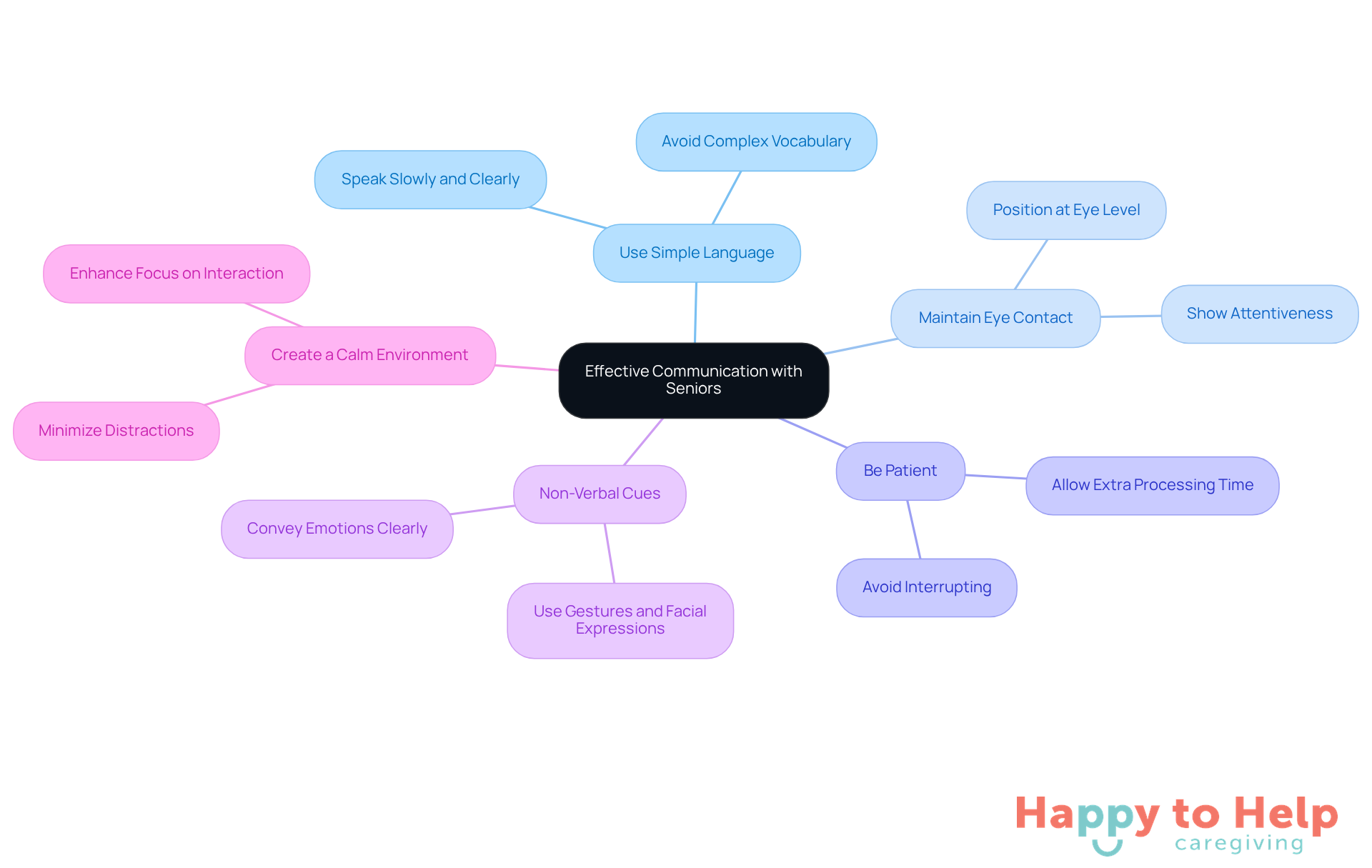
Effective communication is important when providing care for seniors with dementia, but it can be challenging. Caregivers often face difficulties in ensuring that their messages are understood while they care for seniors with dementia, which can lead to frustration for both parties. To address this issue, consider the following actionable tips:
- Use Simple Language: Speak slowly and clearly, using short sentences. Avoid complex vocabulary that may confuse.
- Maintain Eye Contact: Position yourself at eye level and make eye contact to establish a connection and show attentiveness.
- Be Patient: Allow extra time for the elder to process information and respond. Avoid interrupting or finishing their sentences.
- Non-Verbal Cues: Use gestures, facial expressions, and body language to reinforce your message. This can help convey emotions and intentions more clearly.
- Create a Calm Environment: Minimize distractions during conversations to help the elderly focus on the interaction.
Implement Care Techniques: Best Practices for Daily Support
Care for seniors with dementia presents unique challenges for caregivers. The emotional and physical demands can lead to feelings of frustration and helplessness. To effectively support these individuals, caregivers need practical strategies that can ease their burden and enhance the quality of life for seniors.
-
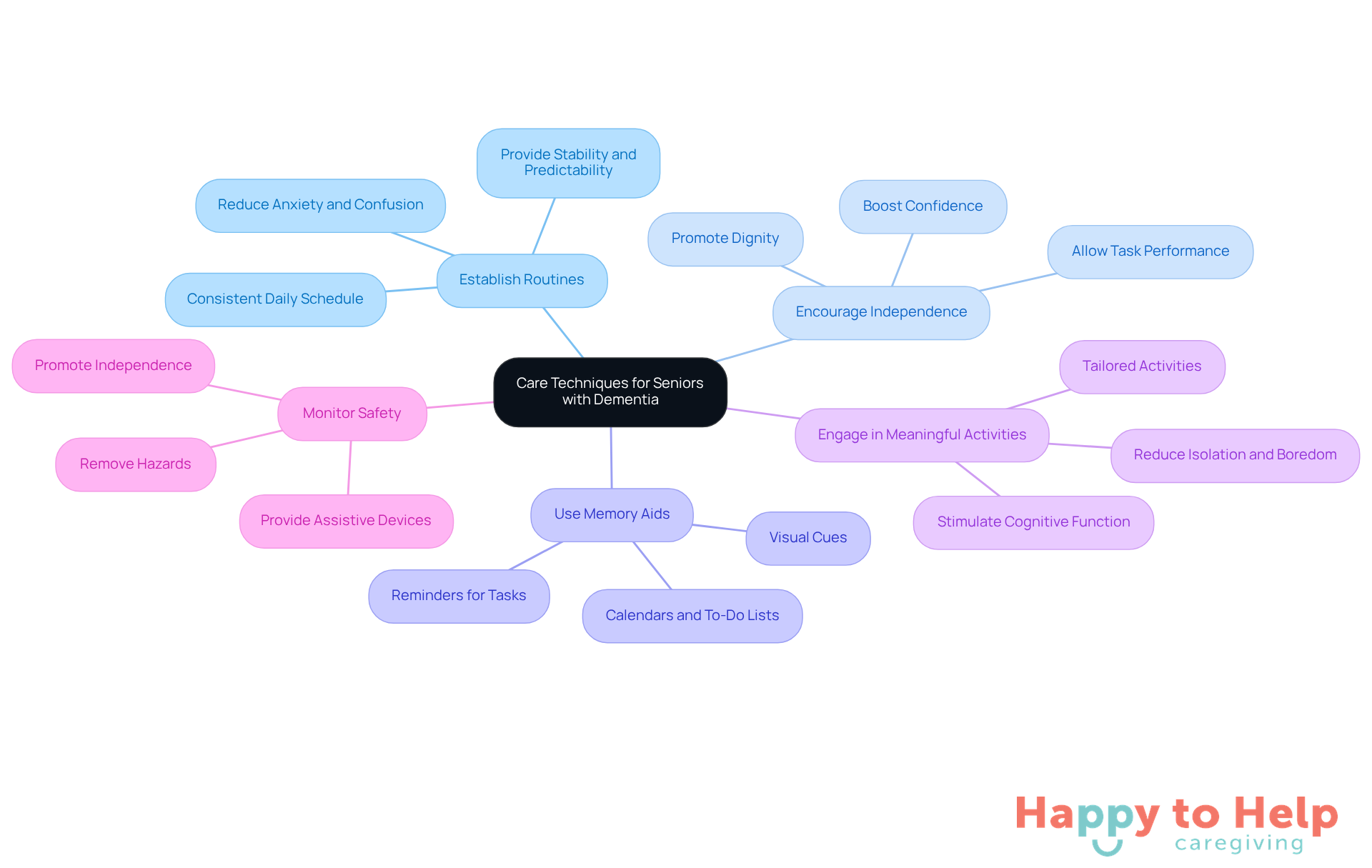
Establish Routines: A consistent daily schedule for meals, activities, and personal care can significantly reduce anxiety and confusion for seniors. Routines provide a sense of stability and predictability, which is crucial for those with cognitive impairments.
-
Encourage Independence: Allowing older adults to perform tasks they can manage, such as dressing or eating, fosters a sense of autonomy. This not only boosts their confidence but also promotes dignity in their daily lives.
-
Use Memory Aids: Implementing tools like calendars, to-do lists, and visual cues can help seniors remember important tasks and appointments. These aids serve as reminders, making it easier for them to navigate their day.
-
Engage in Meaningful Activities: Tailoring activities to the senior's interests and abilities-be it gardening, music, or art-stimulates cognitive function and enhances overall well-being. Engaging in enjoyable activities can also reduce feelings of isolation and boredom.
-
Monitor Safety: Ensuring a safe living environment is paramount. Caregivers should remove hazards and provide assistive devices as needed to prevent accidents and promote independence.
By implementing these strategies, caregivers can create a supportive environment that not only addresses the challenges of dementia but also improves the care for seniors with dementia.
Prioritize Self-Care: Strategies for Caregiver Well-Being
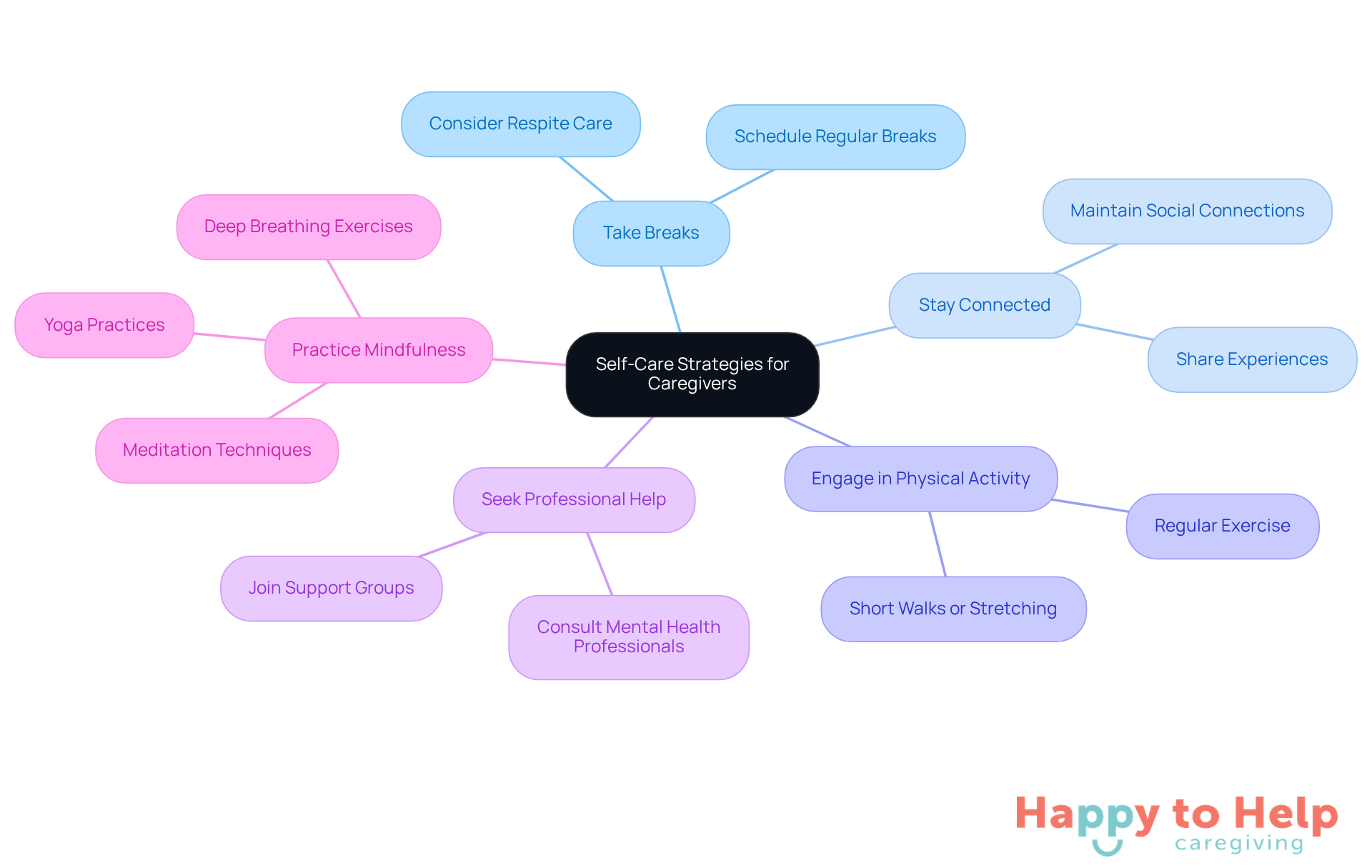
Caregivers often struggle to prioritize their own well-being, which is crucial for sustaining their ability to care for others. Neglecting self-care can lead to burnout, increased stress, and a diminished capacity to support those in need. To combat these challenges, here are some effective strategies:
- Take Breaks: Schedule regular breaks to rest and recharge. Consider respite care options to allow for time away from caregiving duties.
- Stay Connected: Maintain social connections with friends and family. Sharing experiences and feelings can alleviate stress and provide emotional support.
- Engage in Physical Activity: Regular exercise can improve mood and reduce stress. Even short walks or gentle stretching can be beneficial.
- Seek Professional Help: If feelings of overwhelm persist, consider speaking with a mental health professional for support.
- Practice Mindfulness: Techniques such as meditation, deep breathing, or yoga can help caregivers manage stress and maintain focus.
Making the Right Choice
Caring for seniors with dementia presents significant challenges that require knowledge, patience, and compassion. The complexities of dementia, with its various types and symptoms, can overwhelm caregivers, making it essential for them to stay informed and proactive. Without a clear understanding of these nuances, caregivers may struggle to provide the necessary support, ultimately affecting the quality of life for those they care for.
Effective communication and practical care techniques are crucial in this journey. Simple language, establishing routines, and engaging in meaningful activities can significantly improve interactions and daily support for seniors with dementia. Additionally, caregivers must prioritize their own well-being, as their mental and physical health directly impacts their ability to provide care.
To navigate this rewarding yet challenging journey, caregivers can implement several strategies:
- Create a nurturing environment that addresses the needs of individuals with dementia.
- Foster resilience in themselves and their loved ones.
- Embrace practices that ensure dignity, compassion, and hope for a better quality of life.
Frequently Asked Questions
What is dementia?
Dementia encompasses a range of cognitive impairments that significantly impact memory, thinking, and social abilities.
What are the common types of dementia?
Common forms of dementia include Alzheimer's disease, vascular dementia, Lewy body dementia, and frontotemporal dementia.
Why is it important for caregivers to understand the different types of dementia?
Understanding the distinctions between types of dementia is crucial for caregivers, as each type exhibits unique symptoms and progression patterns.
What are some common symptoms of dementia?
Common symptoms include memory loss, confusion, and communication difficulties.
Why is early diagnosis of dementia important?
Early diagnosis is essential for effective management, as it allows caregivers to recognize symptoms early and adjust care accordingly. Additionally, 99% of Americans believe it’s important to identify Alzheimer's before it disrupts daily routines.
How does dementia typically progress?
Dementia typically advances through stages, from mild cognitive impairment to severe impairment, affecting daily living activities.
What is the projected impact of cognitive decline by 2030?
Projections indicate that 78 million individuals will experience cognitive decline by 2030, highlighting the urgent need for care for seniors with dementia.
What financial implications are associated with cognitive decline?
Health and long-term care expenses for individuals living with cognitive decline are expected to reach $384 billion by 2025, indicating a significant financial burden.
How can caregivers support their loved ones with dementia?
Caregivers can support their loved ones by staying informed, recognizing symptoms early, and providing compassionate and informed caregiving throughout the journey of cognitive decline.
List of Sources
- Understand Dementia: Key Concepts and Symptoms
- Dementia (https://who.int/news-room/fact-sheets/detail/dementia)
- ADI - Dementia statistics (https://alzint.org/about/dementia-facts-figures/dementia-statistics)
- Alzheimer's Disease Facts and Figures (https://alz.org/alzheimers-dementia/facts-figures)
- Fact Sheet: U.S. Dementia Trends (https://prb.org/resources/fact-sheet-u-s-dementia-trends)
- Communicate Effectively: Tips for Engaging with Seniors
- Clearer Conversations, Better Care: New Guide Highlights Best Practices for Communicating with Older Adults (https://geron.org/News-Events/GSA-News/Press-Room/Press-Releases/clearer-conversations-better-care-new-guide-highlights-best-practices-for-communicating-with-older-adults)
- Effective Communication With Loved Ones With Dementia Premieres on UW-Led YouTube Program (https://uwyo.edu/news/2025/02/effective-communication-with-loved-ones-with-dementia-premieres-on-uw-led-youtube-program.html)
- What is good communication for people living with dementia? A mixed-methods systematic review (https://sciencedirect.com/science/article/pii/S1041610224011153)
- Communication strategies for delivering personalised dementia care and support: a mixed-methods systematic review and narrative synthesis - PMC (https://pmc.ncbi.nlm.nih.gov/articles/PMC12078768)
- Improv training: A new approach to dementia care | Emory University | Atlanta GA (https://news.emory.edu/stories/2025/01/hs\_improving\_dementia\_care\_through\_improv\_15-01-2025/story.html)
- Implement Care Techniques: Best Practices for Daily Support
- Cognitive Health and Older Adults (https://nia.nih.gov/health/brain-health/cognitive-health-and-older-adults)
- 4 Best Practices for Effective Dementia Care for Seniors - Happy To Help (https://happytohelpcaregiving.com/4-best-practices-for-effective-dementia-care-for-seniors)
- The Importance of a Daily Routine for Dementia Patients | Where You Live Matters (https://whereyoulivematters.org/resources/importance-of-routines-for-dementia)
- Elderly Enrichment: How to Engage Residents in Meaningful Activities (https://providermagazine.com/Articles/Pages/Elderly-Enrichment-How-to-Engage-Residents-in-Meaningful-Activities.aspx)
- Five strategies to add to your daily routine to fight dementia (https://news.fiu.edu/2025/five-strategies-to-incorporate-into-your-daily-routine-to-fight-dementia)
- Prioritize Self-Care: Strategies for Caregiver Well-Being
- Facebook (https://newsroom.clevelandclinic.org/2025/11/19/importance-of-self-care-for-family-caregivers)
- 5 Self-Care Tips for Caregivers | United Way Worldwide (https://unitedway.org/news/5-self-care-tips-for-caregivers)
- Self-Care Strategies for Brain Tumor Caregivers - National Brain Tumor Society (https://braintumor.org/news/self-care-strategies-for-brain-tumor-caregivers)
- Caregiving’s Mental Health Crisis (https://forbes.com/sites/otsuka/2025/10/02/caregivings-mental-health-crisis)
- Caregiver Support: A Guide to Self-Care for Caregivers | Pfizer (https://pfizer.com/news/articles/caregiver\_support\_a\_guide\_to\_self\_care\_for\_caregivers)