For families in our service areas
For families in our service areas, this guide explains caregiving and how non-medical in-home caregiving can support care planning in East Idaho, Treasure Valley & Magic Valley, Northern Wasatch, North Central West Virginia, and Northeast Ohio.
Why Tips for Meal Preparation Matters
Meal preparation for seniors is more than just cooking; it’s a crucial aspect of their health and well-being. Caregivers face the challenge of navigating dietary restrictions and nutritional needs to create balanced meals that foster autonomy and social connection.
However, this task can be daunting. How can caregivers effectively engage seniors in meal planning while ensuring safety and simplicity in food preparation? This article explores essential tips that empower caregivers to enhance the dining experience for older adults, promoting both nutrition and companionship in every meal.
By addressing these challenges head-on, caregivers can significantly improve the quality of life for seniors, ensuring that each meal is not only nourishing but also a chance for connection.
Plan Balanced Meals for Nutritional Needs
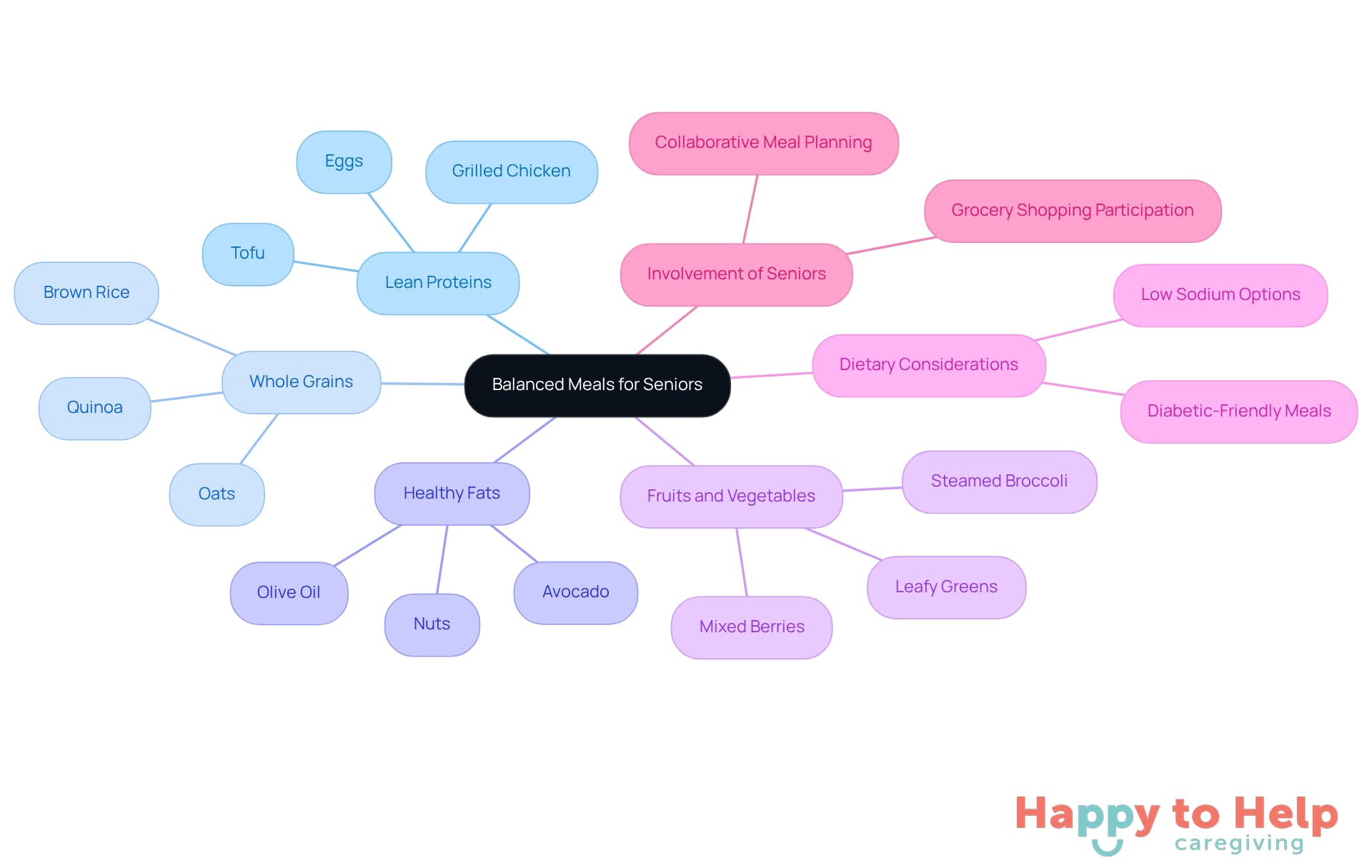
Caregivers face the challenge of ensuring a variety of food groups are included in meal preparation for seniors to prepare balanced dishes. Many seniors may struggle with dietary restrictions, making it crucial to focus on meals that incorporate:
- Lean proteins
- Whole grains
- Healthy fats
- Plenty of fruits and vegetables
For instance, a well-rounded dish could feature grilled chicken (protein), quinoa (whole grain), steamed broccoli (vegetable), and a side of mixed berries (fruit). Additionally, it's important to consider individual dietary needs, such as low sodium or diabetic-friendly options. Utilizing resources like the USDA MyPlate guidelines can help organize meals that meet these nutritional standards. Creating a weekly menu can also simplify grocery shopping and food preparation, ensuring all necessary ingredients are on hand.
Including older adults in the food planning process can significantly enhance their involvement and autonomy. Nutritionists recommend that family members collaborate with elderly individuals to develop food plans that align with their preferences and dietary requirements. This approach not only fosters a sense of independence but also encourages healthier eating habits, ultimately contributing to improved overall health and quality of life. Consulting healthcare specialists when making dietary modifications is also essential to ensure that food plans are appropriate for the elderly's health conditions.
Statistics reveal that 1 in 3 local Meals on Wheels providers has a waitlist, with elderly individuals waiting an average of four months for food. This highlights the importance of proactive meal preparation for seniors who may experience delays in receiving meals from services like Meals on Wheels. As Ellie Hollander, president and CEO of Meals on Wheels America, states, "The food itself opens the door to much more; a service that includes a friendly visit, a health and safety check, and social connection." This reinforces the idea that food is not just about nutrition but also about fostering social connections and enhancing well-being.
Choose Easy-to-Prepare Recipes for Efficiency
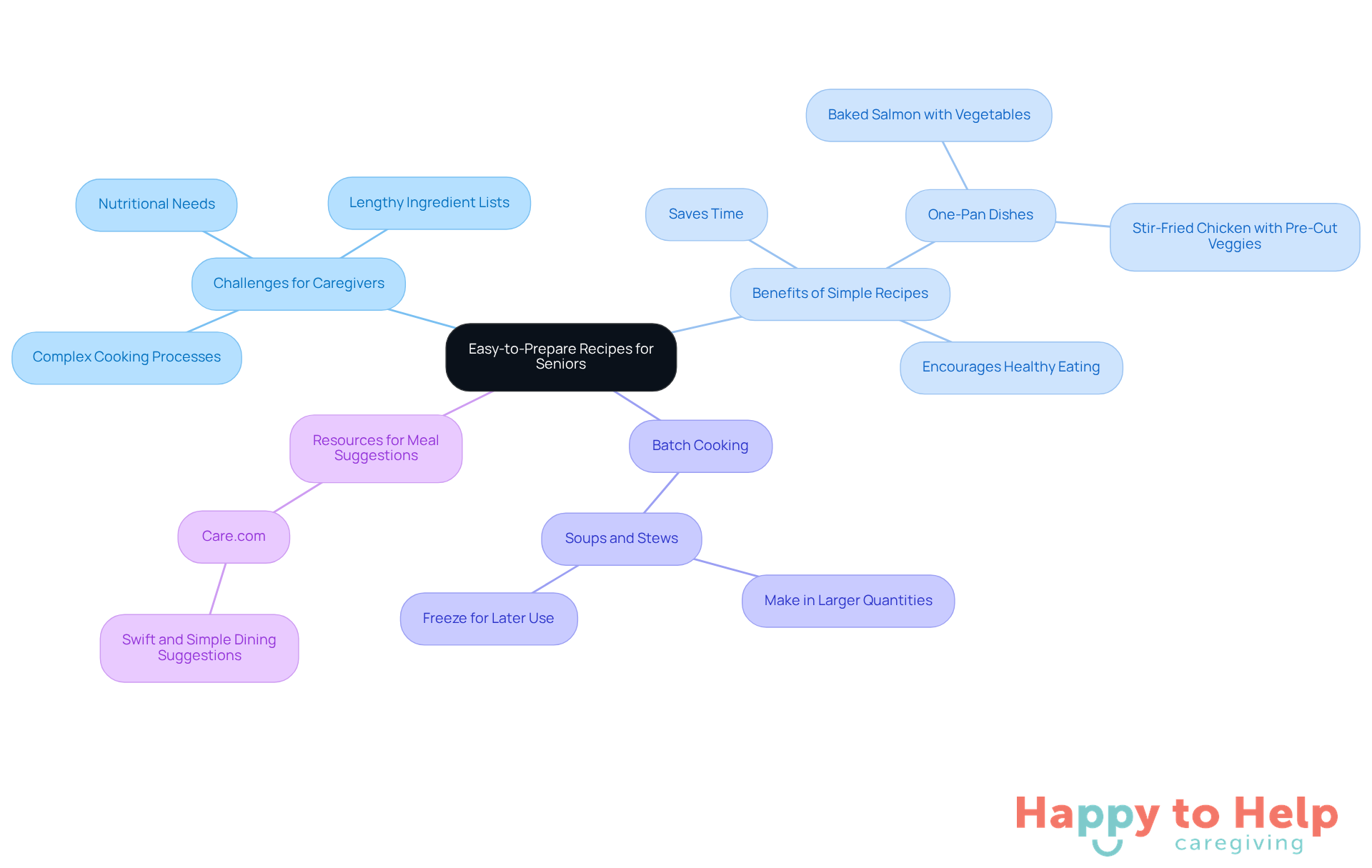
Choosing recipes can be a challenge for caregivers of older adults, especially when considering the need for nutritious meals that facilitate meal preparation for seniors. Many older adults face difficulties with complex cooking processes and lengthy ingredient lists, which can lead to less healthy eating habits.
As Anthony Bourdain wisely noted, 'Good food is frequently, even typically, simple food.' This highlights the importance of uncomplicated dining choices. One-pan dishes, like baked salmon with vegetables or stir-fried chicken with pre-cut veggies, are not only quick to prepare but also nutritious.
To further simplify meal preparation, consider batch cooking staples such as soups or stews. These can be made in larger quantities and frozen for later use, providing convenient options that are ready when needed. Statistics show that meal preparation for seniors that is both nutritious and easy to prepare significantly benefits older adults, making this approach particularly effective.
Websites like Care.com offer a variety of swift and simple dining suggestions tailored specifically for older adults. This ensures that meals are not only nutritious but also easy to obtain. By adopting these strategies, caregivers can save time and encourage older adults to engage in meal preparation for seniors more frequently, ultimately enhancing their overall wellness.
Involve Caregivers in the Meal Preparation Process
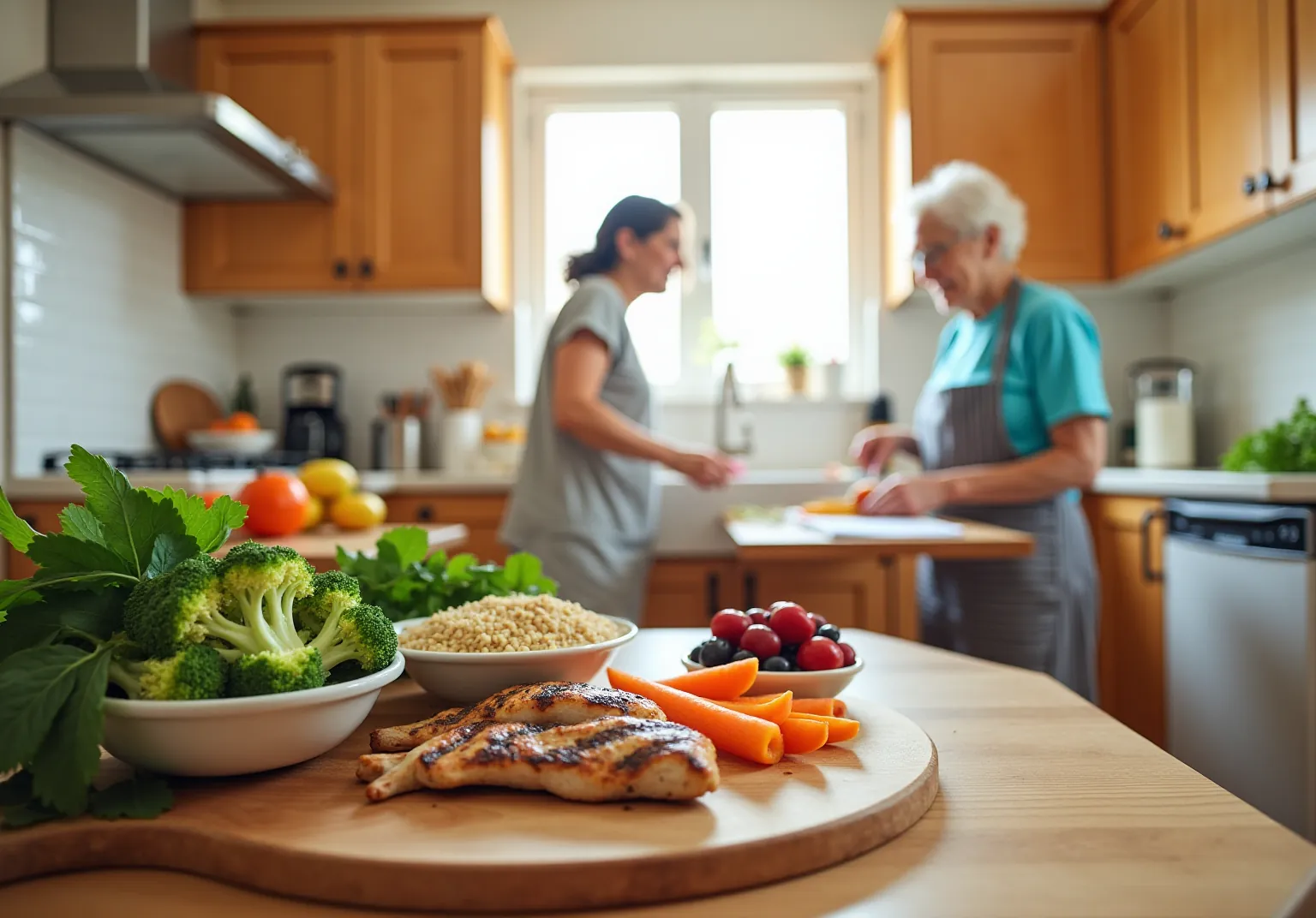
Involving support providers in the food planning and preparation process with elderly individuals presents a significant challenge. Many caregivers find that cooking can become a solitary task, leading to missed opportunities for bonding and understanding dietary needs. This lack of engagement not only complicates meal preparation for seniors but also limits caregivers' insights into the preferences and restrictions of the elderly individuals they assist.
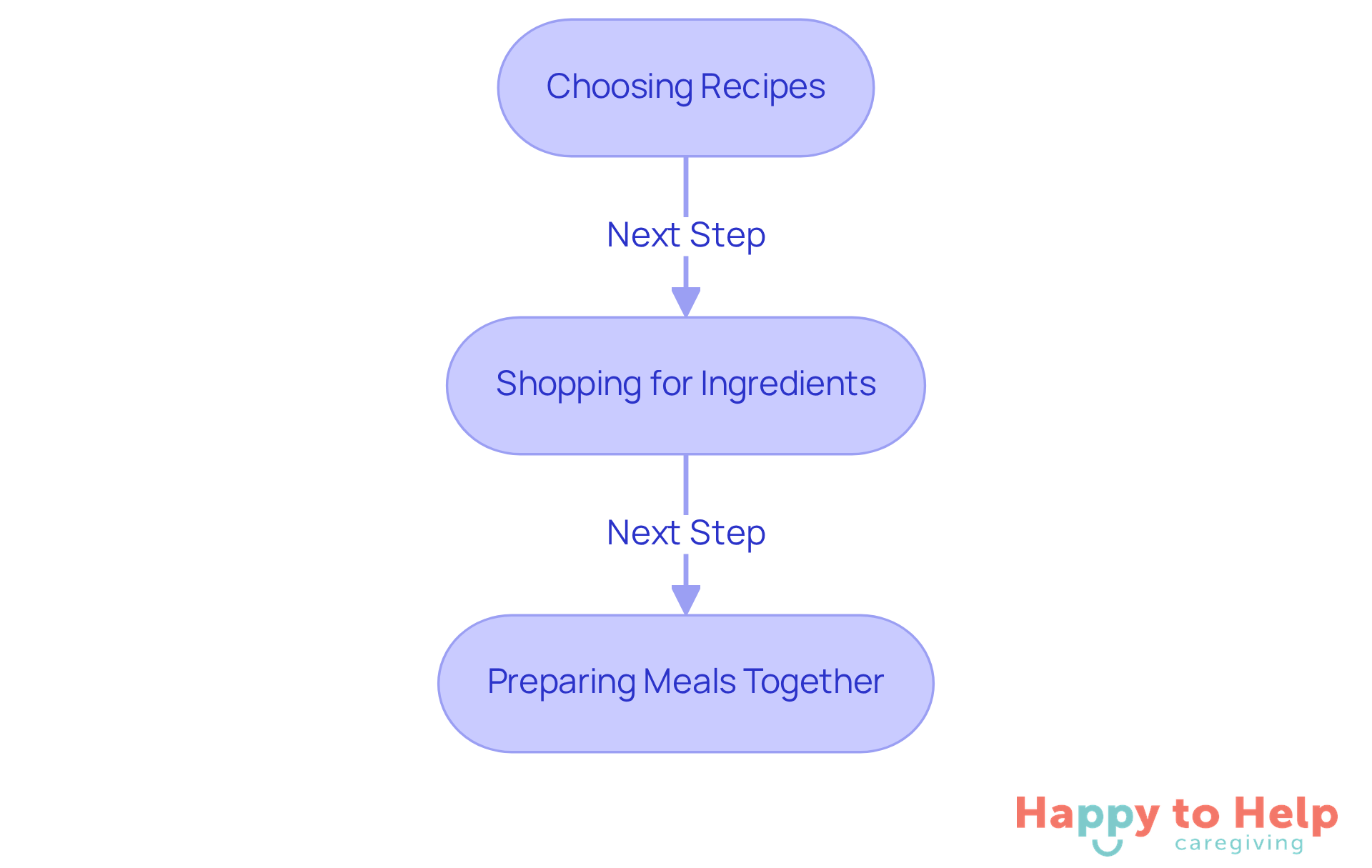
However, this situation can be transformed into a meaningful partnership. By collaborating with elderly individuals in meal preparation for seniors, such as:
- Choosing recipes
- Shopping for ingredients
- Preparing meals together
Caregivers can foster a sense of shared responsibility and connection. This approach not only simplifies meal preparation for seniors but also nurtures healthier eating habits and encourages independence among the elderly.
Moreover, this method serves as a valuable learning opportunity for caregivers. It helps them grasp portion sizes and nutritional requirements specific to their clients, ultimately improving the standard of care. Experts emphasize that such participation can greatly enhance the caregiving experience, making it more fulfilling for both parties.
To further support caregivers, joining support groups can be invaluable. These groups offer tips and strategies for effective meal preparation for seniors, ensuring caregivers feel equipped and confident in their roles. By embracing these collaborative practices, caregivers can turn everyday cooking into a rewarding experience that benefits everyone involved.
Implement Safe Food Storage Practices
Ensuring safety in meal preparation for seniors can be challenging for caregivers. Improper food storage can lead to foodborne illnesses, which pose significant health risks for older adults.
Agitate: Many caregivers may not realize the importance of proper food handling. For instance, perishable items left unrefrigerated can quickly become unsafe to eat. This can lead to serious health consequences, especially for those with weakened immune systems.
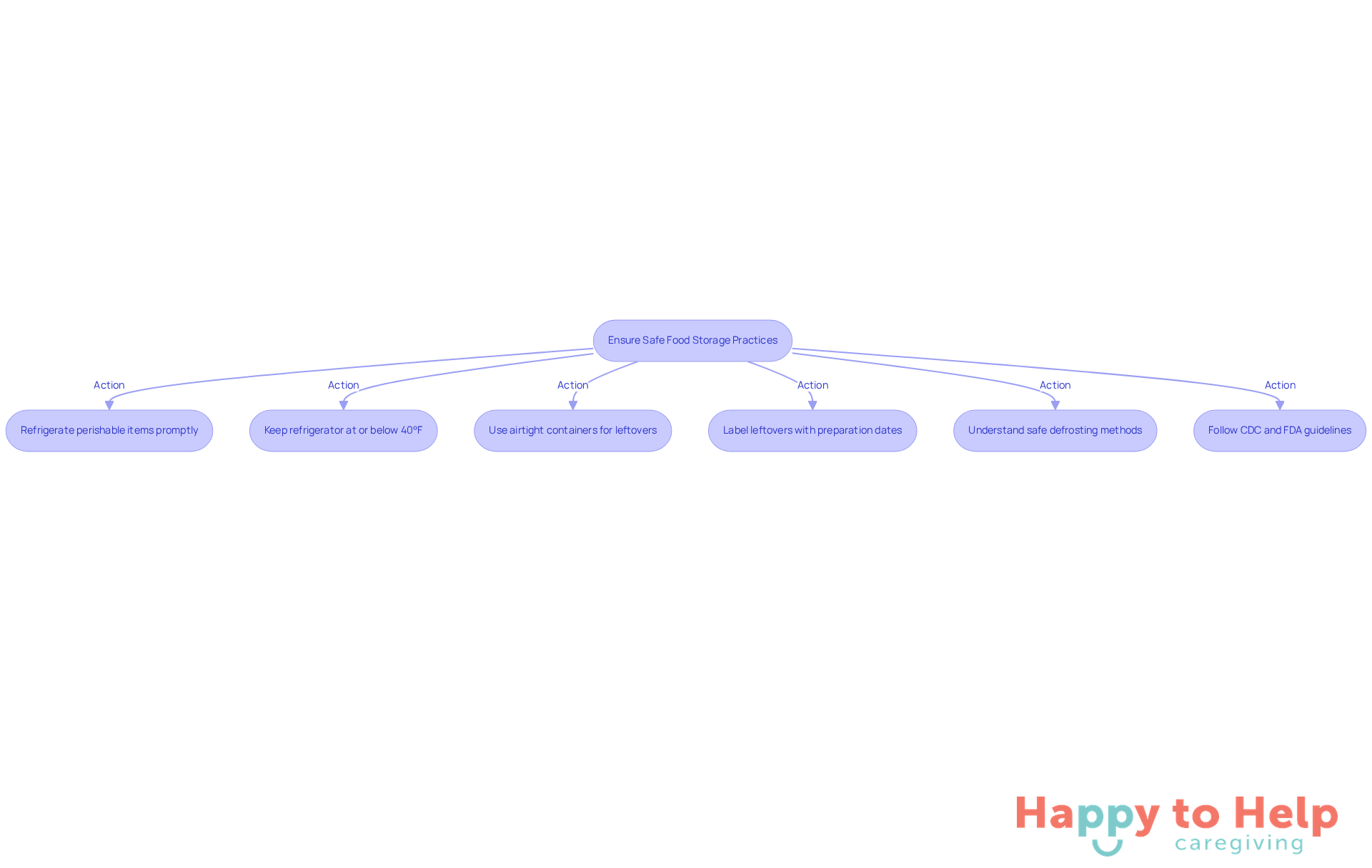
Solution: To mitigate these risks, caregivers should follow these essential storage methods:
- Refrigerate perishable items promptly.
- Keep the refrigerator at or below 40°F.
- Use airtight containers for leftovers and label them with preparation dates to ensure freshness. Leftovers should ideally be consumed within three to four days.
Additionally, it's crucial for older adults to understand the significance of defrosting items safely. Items should be defrosted in the refrigerator rather than at room temperature to prevent bacterial growth.
Resources from the CDC and FDA provide invaluable guidelines on safe food handling and storage, which are crucial for meal preparation for seniors and caregivers to keep meals safe.
Moving Forward with Tips for Meal Preparation
Meal preparation for seniors presents a significant challenge for caregivers. It's not just about cooking; it involves a holistic approach that prioritizes nutrition, safety, and engagement. When older adults don't receive balanced meals tailored to their dietary needs, their health and well-being can suffer. This underscores the importance of incorporating lean proteins, whole grains, and fresh produce into their diets. Caregivers can create meals that nourish and empower seniors, allowing them to take an active role in their dietary choices.
To address these challenges, caregivers can adopt several key strategies:
- Selecting easy-to-prepare recipes
- Involving seniors in the cooking process
- Implementing safe food storage practices
These practices simplify meal preparation while fostering independence and connection between caregivers and seniors. Working together in the kitchen not only enhances the caregiving experience but also provides caregivers with insights into the preferences and needs of the elderly individuals they support.
The significance of proactive meal preparation extends beyond mere sustenance; it enhances social connections and contributes to an improved quality of life for seniors. By embracing these meal preparation tips, caregivers can promote healthier eating habits and create a more fulfilling caregiving experience. Prioritizing these approaches ensures that every meal is a step towards better health and stronger relationships.
https://iframe.tely.ai/cta/eyJhcnRpY2xlX2lkIjogIjY5MjNhMGE0YzVlZWQyYmRiNTU3YmYwMyIsICJjb21wYW55X2lkIjogIjY4ZWU1ZGNhNzMxNzYyNTU3ZjNjOTVjMSIsICJpbmRleCI6IG51bGwsICJ0eXBlIjogImFydGljbGUifQ==Frequently Asked Questions
What are the key components of balanced meals for seniors?
Balanced meals for seniors should include lean proteins, whole grains, healthy fats, and plenty of fruits and vegetables.
Can you provide an example of a well-rounded meal for seniors?
A well-rounded meal could consist of grilled chicken (protein), quinoa (whole grain), steamed broccoli (vegetable), and a side of mixed berries (fruit).
Why is it important to consider individual dietary needs for seniors?
Individual dietary needs, such as low sodium or diabetic-friendly options, are crucial to ensure that meals are appropriate for seniors' health conditions and dietary restrictions.
How can resources like USDA MyPlate guidelines assist in meal planning?
The USDA MyPlate guidelines can help organize meals to meet nutritional standards, ensuring that a variety of food groups are included in senior diets.
What is the benefit of creating a weekly menu for seniors?
Creating a weekly menu simplifies grocery shopping and food preparation, ensuring that all necessary ingredients are readily available.
How can involving older adults in the food planning process be beneficial?
Involving older adults in food planning enhances their involvement and autonomy, fosters a sense of independence, and encourages healthier eating habits.
Why is it important to consult healthcare specialists when making dietary modifications for seniors?
Consulting healthcare specialists ensures that dietary modifications are appropriate for elderly individuals' health conditions and needs.
What does the statistic about Meals on Wheels providers indicate regarding meal preparation for seniors?
The statistic that 1 in 3 local Meals on Wheels providers has a waitlist, with seniors waiting an average of four months, highlights the importance of proactive meal preparation for seniors who may experience delays in receiving meals.
What additional benefits does food provide beyond nutrition for seniors?
Food provides social connections and enhances well-being, as it can facilitate friendly visits, health and safety checks, and social interaction, as noted by Meals on Wheels America.
List of Sources
- Plan Balanced Meals for Nutritional Needs
- How to Meal Plan for Seniors with Dietary Restrictions (https://ohioanshhc.com/news/how-to-meal-plan-for-seniors-with-dietary-restrictions)
- Findings From New Study Reinforce That Home-Delivered Meals Provide Critical Health and Social Benefits to Older Adults and Caregivers (https://mealsonwheelsamerica.org/news/findings-from-new-study-reinforce-that-home-delivered-meals-provide-critical-health-and-social-benefits-to-older-adults-and-caregivers)
- MEALS ON WHEELS AMERICA URGES AN END TO THE GOVERNMENT SHUTDOWN THAT PRIORITIZES SENIORS AS COMMUNITY NEED SOARS AND FUNDING FOR SENIOR NUTRITION PROGRAMS RUNS OUT (https://prnewswire.com/news-releases/meals-on-wheels-america-urges-an-end-to-the-government-shutdown-that-prioritizes-seniors-as-community-need-soars-and-funding-for-senior-nutrition-programs-runs-out-302598944.html)
- Choose Easy-to-Prepare Recipes for Efficiency
- 10 Cooking Quotes to Inspire You in the Kitchen - Cookly Magazine (https://cookly.me/magazine/cooking-guide/cooking-quotes)
- 12 Quotes About the Joy of Cooking from the Heart - LRB (https://littleraesbakery.com/2020/02/19/12-quotes-about-cooking-from-the-heart)
- 11 amazing Julia Child quotes that inspire the wannabe chef in all of us (https://today.com/food/15-julia-child-quotes-inspire-wannabe-chef-all-us-t101848)
- Involve Caregivers in the Meal Preparation Process
- Family Caregiver Annual Report and Statistics | SeniorLiving.org (https://seniorliving.org/research/family-caregiver-report-statistics)
- Caregiver Statistics: Demographics (https://caregiver.org/resource/caregiver-statistics-demographics)
- CaringBridge (https://caringbridge.org/resources/inspirational-quotes-on-caregiving)
- New Report Reveals Crisis Point for America’s 63 million Family Caregivers (https://press.aarp.org/2025-07-24-New-Report-Reveals-Crisis-Point-for-Americas-63-million-Family-Caregivers)
- 27 Inspirational Quotes for Caregivers (https://ultimatecareny.com/resources/27-quotes-for-caregivers)
- Implement Safe Food Storage Practices
- Food Train - facing COVID-19 and looking to the future - Health and Social Care Alliance Scotland (https://alliance-scotland.org.uk/blog/case\_studies/food-train-facing-covid-19-and-looking-to-the-future)
- 37 Essential Food Safety Quotes: A Gastronomical Odyssey - Restaurant Mode | restaurant marketing (https://restaurantmode.com/blogs/food-safety-quotes)