Understanding Tips
As the population of elderly individuals continues to grow, understanding the landscape of senior caregiving becomes increasingly essential. Caregivers face a significant challenge: addressing diverse needs that range from medical conditions to emotional well-being, all while fostering independence and dignity. This situation raises an important question: how can caregivers effectively navigate these complexities to enhance the quality of life for their loved ones?
The implications of these challenges are profound. Caregivers often feel overwhelmed, struggling to balance the demands of care with their own lives. This can lead to burnout and a decrease in the quality of care provided. Therefore, it is crucial to explore essential strategies that not only empower caregivers but also enrich the lives of seniors. By implementing these strategies, caregivers can ensure that their loved ones receive the compassionate and tailored support they deserve.
Understand the Unique Needs of Seniors
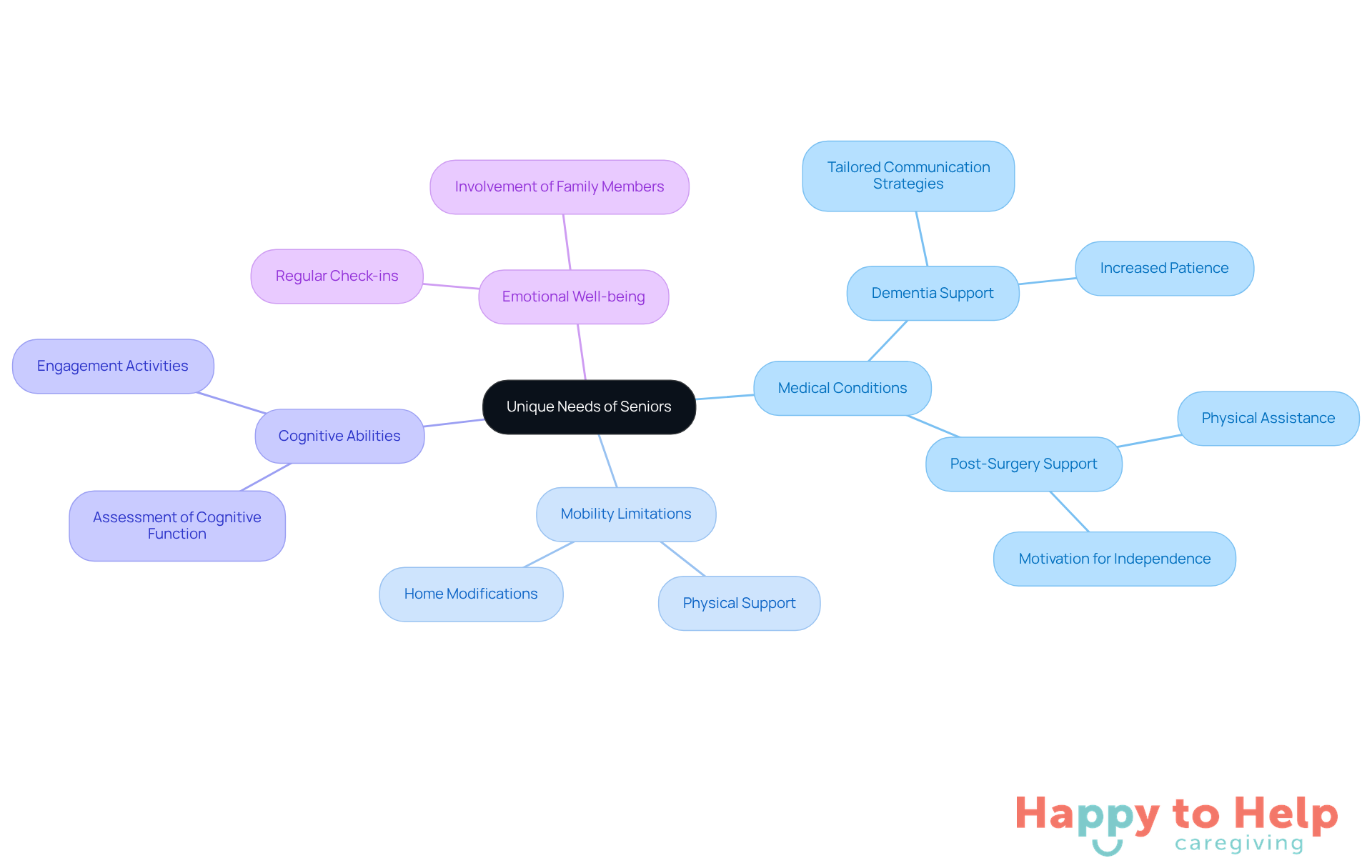
Effective caregiving tips for senior citizens begin with a thorough assessment of each elderly individual's unique needs. This includes understanding their medical conditions, mobility limitations, cognitive abilities, and emotional well-being.
The problem arises when caregivers overlook these assessments, leading to inadequate support. For instance, individuals with dementia often require tailored communication strategies and increased patience. Meanwhile, those recovering from surgery may need physical support and motivation to regain their independence. Without regular assessments, caregivers may struggle to provide the necessary care.
To address these challenges, regular assessments are crucial. Ideally, these should be conducted in collaboration with healthcare professionals to develop personalized care plans that comprehensively address the elderly individual's needs. Involving family members can also provide valuable insights into preferences and history, enhancing the caregiving strategy.
Statistics show that roughly 50% of elderly individuals with dementia need specialized support. Understanding these nuances is essential for caregivers aiming to provide tips for senior citizens to improve the quality of life for their loved ones. As Choula emphasizes, "We have to stop thinking of family supporters as an invisible workforce," highlighting their critical role in caregiving.
With the oldest baby boomers turning 80 next year, the demand for personalized care will only intensify. Therefore, these assessments are more vital than ever.
Communicate Effectively with Seniors
Effective communication poses a significant challenge for caregivers supporting elderly individuals. When communication falters, it can lead to misunderstandings and feelings of isolation among seniors. This issue not only affects the emotional well-being of elderly individuals but also diminishes the quality of care they receive.
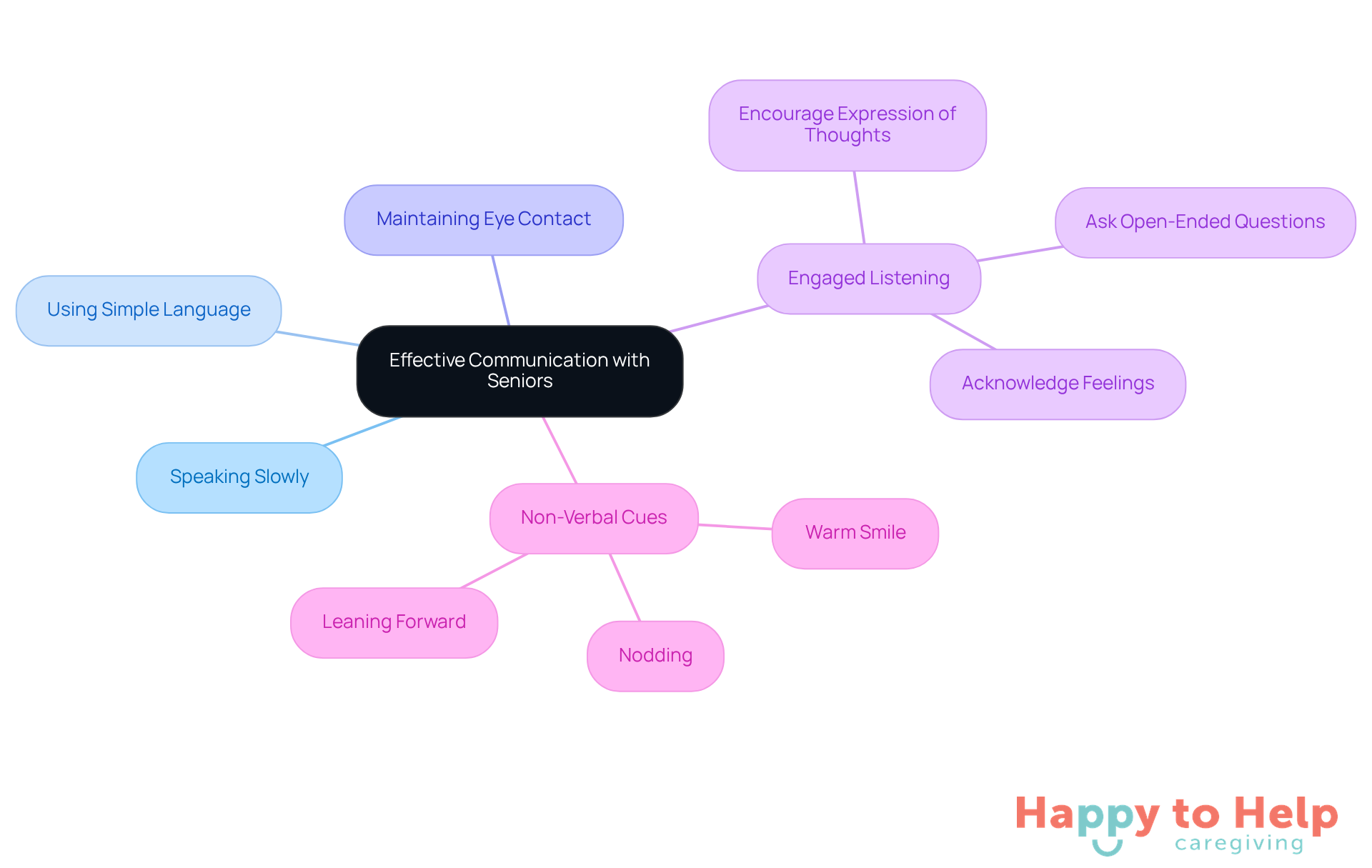
To address this problem, caregivers can adopt several strategies that include tips for senior citizens to enhance clarity and engagement:
- Speaking slowly
- Using simple language
- Maintaining eye contact
Engaged listening is crucial; caregivers should encourage seniors to express their thoughts and feelings without interruption. For instance, instead of asking, "Are you doing okay?", a more effective approach would be, "How have you been feeling today?" This method not only gathers valuable insights but also empowers seniors, fostering a sense of autonomy.
Additionally, caregivers must pay attention to non-verbal cues, as body language plays a vital role in effective communication. A warm smile, nodding, or leaning slightly forward can convey genuine interest and support. By incorporating these practices, caregivers can build trust and rapport, ultimately enhancing the quality of service provided.
Research indicates that when caregivers engage in active listening, it significantly boosts the emotional well-being of elderly individuals. This approach reduces feelings of isolation and improves overall satisfaction with care. Caregivers can create a more supportive environment for seniors by using these tips for senior citizens, ensuring they feel heard and valued.
Promote Independence and Dignity
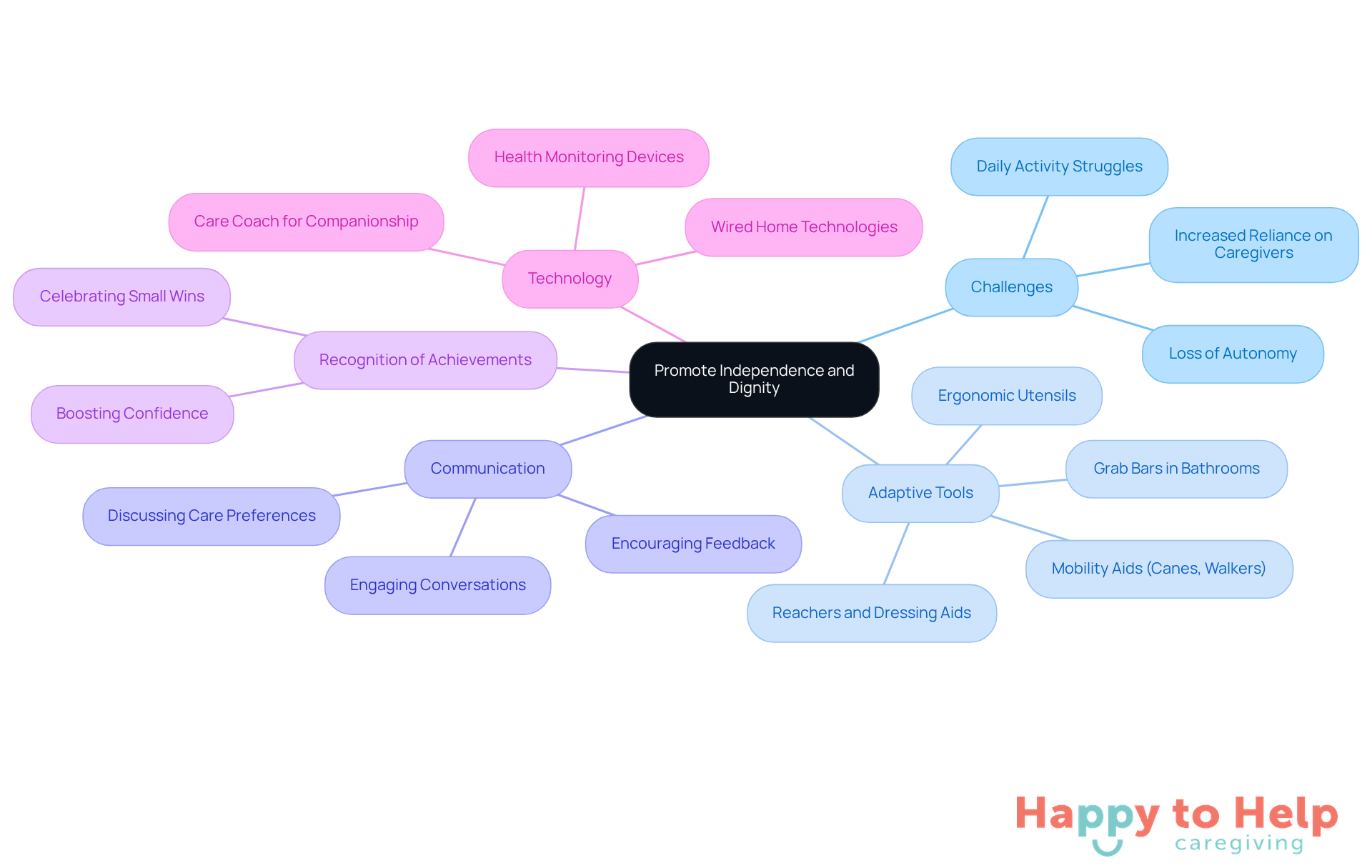
Caregivers face a significant challenge in fostering independence among elderly individuals. Many older adults struggle with daily activities such as meal preparation, personal grooming, and making decisions about their care. This can lead to a loss of autonomy and increased reliance on others. Statistics reveal that one in every four people over the age of 65 will fall each year, highlighting the urgent need for safety measures and adaptive tools to promote independence.
To address these challenges, caregivers can use tips for senior citizens to implement simple modifications in the home environment. For instance, using utensils with ergonomic handles or installing grab bars in the bathroom can greatly enhance safety and ease of use. These adaptive tools serve as helpful tips for senior citizens, empowering elderly individuals to perform daily tasks independently and significantly improving their quality of life.
Engaging older adults in conversations about their care preferences is also essential, as it aligns with important tips for senior citizens. This practice not only allows them to express their desires but also reinforces their sense of agency and dignity. Asking questions like what they would like for lunch or how they prefer to spend their day can make a substantial difference. Research indicates that following tips for senior citizens, when older adults are actively involved in their care decisions, they experience improved satisfaction and overall well-being. Dr. Richard Stefanacci emphasizes that giving older adults a substantial voice in their care decisions is crucial for their independence.
Recognizing and celebrating small achievements can serve as essential tips for senior citizens to further boost their confidence and self-esteem. Occupational therapists provide tips for senior citizens, emphasizing that adaptive tools like reachers or dressing aids can assist older adults in maintaining their independence while completing daily tasks. Additionally, technology plays a vital role in contemporary elder care. Tools like Care Coach provide virtual companionship and health monitoring, ensuring that elderly individuals feel appreciated and esteemed. By adopting a cooperative approach to support, caregivers can significantly enhance the quality of life for older adults.
Enhance Companionship and Emotional Support
Loneliness among seniors is a significant issue that caregivers must address. Regular social interaction is crucial, as it can help combat feelings of isolation and depression. Studies indicate that chronic loneliness can reduce life expectancy even more than being overweight or inactive, and it has similar effects to smoking.
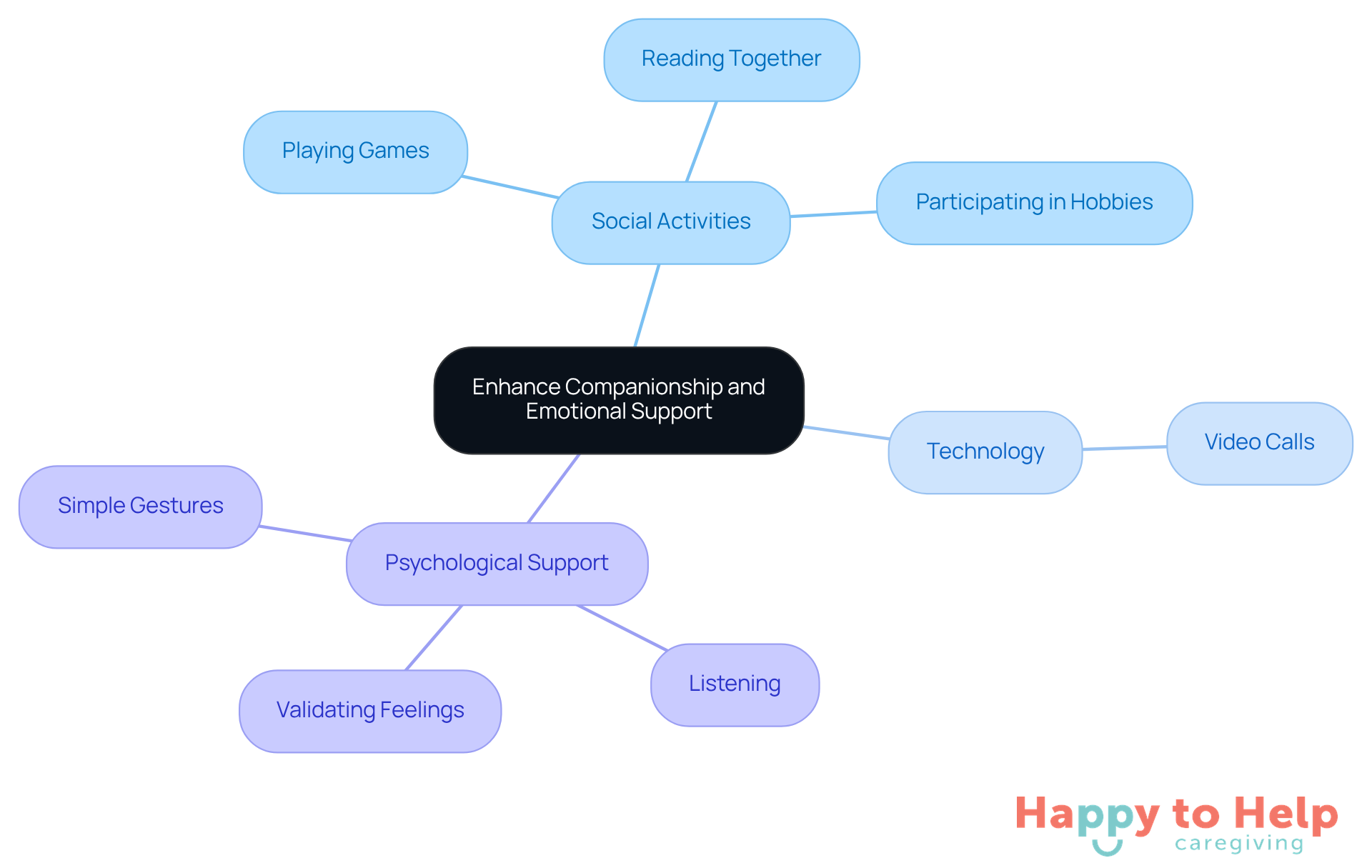
To tackle this problem, caregivers should offer tips for senior citizens to engage them in social activities that align with their interests. Activities like:
- Playing games
- Reading together
- Participating in hobbies
can foster companionship. Additionally, technology can play a vital role in maintaining connections with family and friends. Video calls, for instance, can provide essential support and help sustain relationships.
Caregivers must also be attentive to the psychological needs of seniors. Offering a listening ear and validating their feelings can make a significant difference. Simple gestures, such as holding hands or sharing a laugh, create a comforting atmosphere that promotes emotional well-being.
In summary, fostering companionship not only boosts mood but also reduces feelings of loneliness and sadness. Caregivers can enhance the quality of life for seniors by using these tips for senior citizens.
Moving Forward with Tips
Effective caregiving for senior citizens presents a significant challenge. Caregivers often struggle to meet the unique needs of elderly individuals, which can lead to a decline in their quality of life. This issue is compounded by feelings of loneliness and a lack of personalized support, making it crucial for caregivers to address these concerns.
To tackle these challenges, caregivers must prioritize tailored care. Regular assessments of seniors' needs are essential for developing effective care plans. Communication techniques, such as active listening and using simple language, can significantly improve interactions and emotional well-being. Additionally, promoting independence through adaptive tools and involving seniors in their care decisions reinforces their dignity and self-worth.
Moreover, addressing feelings of loneliness is vital. Encouraging social interaction can enhance emotional support and foster companionship, creating a nurturing environment for elderly individuals.
By implementing these best practices in their daily routines, caregivers can make a profound impact on the well-being of seniors. Prioritizing the unique needs of elderly individuals and fostering meaningful connections not only improves the quality of care but also contributes to a more fulfilling life for them. Embracing these strategies leads to enriched lives for both seniors and their caregivers.
https://iframe.tely.ai/cta/eyJhcnRpY2xlX2lkIjogIjY5MjdhNWUyYTIwZThlMDAxYzFhMjJhYSIsICJjb21wYW55X2lkIjogIjY4ZWU1ZGNhNzMxNzYyNTU3ZjNjOTVjMSIsICJpbmRleCI6IG51bGwsICJ0eXBlIjogImFydGljbGUifQ==Frequently Asked Questions
Why is it important to understand the unique needs of seniors in caregiving?
Understanding the unique needs of seniors is crucial for effective caregiving as it helps in assessing their medical conditions, mobility limitations, cognitive abilities, and emotional well-being, ensuring they receive adequate support.
What can happen if caregivers overlook the assessment of seniors' needs?
If caregivers overlook these assessments, it can lead to inadequate support, making it difficult to provide the necessary care for seniors, particularly those with specific conditions like dementia or those recovering from surgery.
How often should assessments of seniors' needs be conducted?
Regular assessments are crucial and should ideally be conducted to develop personalized care plans that address the elderly individual's needs comprehensively.
Who should be involved in the assessment process for senior care?
Assessments should be conducted in collaboration with healthcare professionals, and involving family members can provide valuable insights into the elderly individual's preferences and history.
What percentage of elderly individuals with dementia require specialized support?
Approximately 50% of elderly individuals with dementia need specialized support.
Why is the role of family members important in caregiving for seniors?
Family members play a critical role in caregiving as they can offer insights and support, helping to enhance the overall caregiving strategy.
What is the significance of personalized care as the population ages?
With the oldest baby boomers turning 80 next year, the demand for personalized care will intensify, making regular assessments and tailored care plans more vital than ever.
List of Sources
- Understand the Unique Needs of Seniors
- Aurora releases study to address needs of older adults and caregivers (https://denver7.com/news/front-range/aurora/aurora-releases-study-to-address-needs-of-older-adults-and-caregivers)
- Warning From Older Adults: Care for Aging in America Needs Urgent Rethinking (https://johnahartford.org/newsroom/view/warning-from-older-adults-care-for-aging-in-america-needs-urgent-rethinking)
- Caregiving Crisis: 45% Increase in Americans Providing Care (https://aarp.org/caregiving/basics/caregiving-in-us-survey-2025)
- Caregiver Statistics: Demographics (https://caregiver.org/resource/caregiver-statistics-demographics)
- Communicate Effectively with Seniors
- Effective Communication Strategies in Senior Care: Empowering Residents, Families, and Caregivers - MedCity News (https://medcitynews.com/2023/12/effective-communication-strategies-in-senior-care-empowering-residents-families-and-caregivers)
- The Power of Listening: Communication Skills That Transfo... (https://chenmed.com/blog/power-listening-communication-skills-transform-senior-care)
- The Power of Active Listening in Care (https://caremark.co.uk/news/the-power-of-active-listening-in-care)
- Effective Communication Strategies for Older Adults: Evidence-Based Approaches that Improve Care (https://medtigo.com/news/effective-communication-strategies-for-older-adults-evidence-based-approaches-that-improve-care)
- Clearer Conversations, Better Care: New Guide Highlights Best Practices for Communicating with Older Adults (https://geron.org/News-Events/GSA-News/Press-Room/Press-Releases/clearer-conversations-better-care-new-guide-highlights-best-practices-for-communicating-with-older-adults)
- Promote Independence and Dignity
- When Mom and Dad Need Extra Help: Ensuring Independent Living With Professional Support (https://inspirahealthnetwork.org/news/healthy-living/when-mom-and-dad-need-extra-help-ensuring-independent-living-professional)
- helping-the-elderly-maintain-independence (https://waldenu.edu/online-doctoral-programs/phd-in-human-services/resource/helping-the-elderly-maintain-independence)
- How Caregivers Promote Senior Independence - UDS Foundation (https://udservices.org/how-caregivers-promote-senior-independence)
- Independence and older adults: Importance and promoting it (https://medicalnewstoday.com/articles/independence-and-the-elderly)
- Enhance Companionship and Emotional Support
- 7 Longevity Benefits of Companion Care and Socialization (https://seniorhelpers.com/nh/se-new-hampshire/resources/blogs/2023-07-20)
- The Unbeatable Benefits of Companion Care for Seniors (https://comforcare.com/massachusetts/canton/resources/blog/the-unbeatable-benefits-of-companion-care-for-seniors)
- Why Home Care Providers Are Increasingly Offering Companion Care Services for Seniors | Aaniie, formerly Smartcare Software (https://aaniie.com/news/why-home-care-providers-are-increasingly-offering-companion-care-services-for-seniors)
- 15 Benefits of Senior Companion Care Services (https://heartsfordementia.com/news/15-benefits-of-senior-companion-care-services)
- The Power of Companionship for Seniors: A Key Ingredient to Quality Aging (https://homecarepgh.com/blog-posts/companionship-in-old-age)