

For families in our service areas
For families in our service areas, this guide explains home care and how non-medical in-home caregiving can support care planning in East Idaho, Treasure Valley & Magic Valley, Northern Wasatch, North Central West Virginia, and Northeast Ohio.
Why Comparisons of Private Home Care Matters
Navigating the world of private home care agencies presents a significant challenge for families seeking the best support for their loved ones. With countless options available, understanding the differences in services, costs, and care quality is crucial. Families often struggle to make informed decisions, which can impact the quality of life for seniors and individuals with disabilities.
What specific challenges do families face in selecting the right agency? Many feel overwhelmed by the sheer volume of choices and the complexity of services offered. This uncertainty can lead to anxiety and frustration, making it difficult to find a solution that aligns with their specific needs and values.
To address these challenges, families can take several practical steps:
- Research and compare agencies based on their services and reputation.
- Seek recommendations from healthcare professionals or other families for valuable insights.
- Visit agencies and ask questions about their care practices to ensure that the chosen agency meets the family's expectations.
This article delves into the key comparisons of private home care agencies, offering insights that empower families to find the ideal support system.
Understanding Private Home Care Agencies
Finding the right support for caregivers can be a daunting task. Many families struggle to navigate the complexities of in-home assistance, especially when it comes to caring for seniors or individuals with disabilities. This challenge can lead to feelings of overwhelm and uncertainty about the best options available.
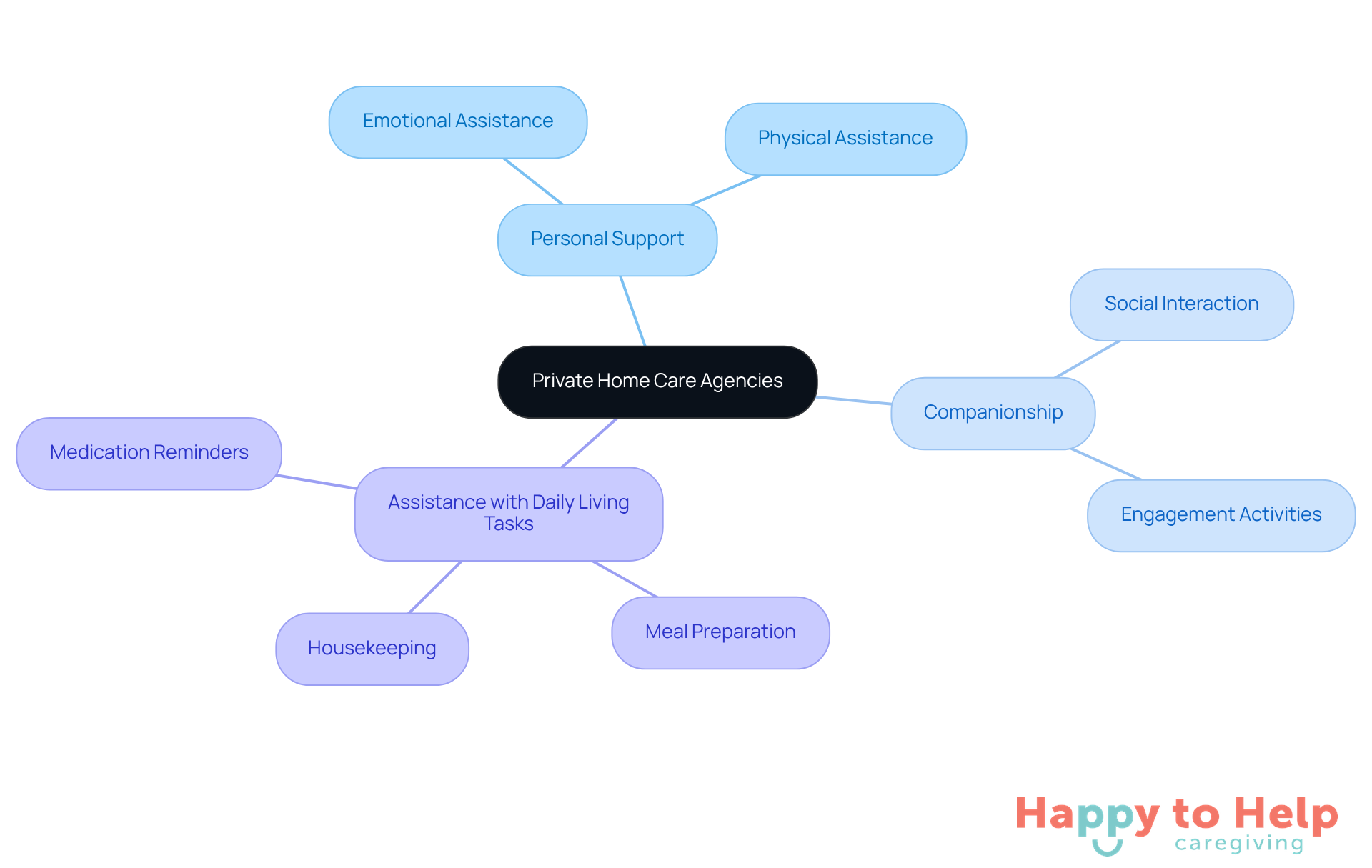
Private home care agencies near me provide a solution by offering various non-medical assistance directly in individuals' residences. These entities focus on helping seniors and those with disabilities, offering services such as:
- Personal support
- Companionship
- Assistance with daily living tasks
Unlike skilled nursing facilities, these organizations prioritize preserving the client's autonomy and comfort in their own homes.
Understanding the framework and role of private home care agencies near me is crucial for families seeking support alternatives. These organizations are typically authorized and overseen by state authorities, ensuring they meet specific service standards. By familiarizing themselves with these options, families can make informed decisions that enhance the quality of life for their loved ones.
In summary, private home care agencies near me provide essential services that can significantly reduce the burden on caregivers. By recognizing the value of these resources, families can navigate the intricacies of in-home assistance more effectively.
Comparing Services Offered by Home Care Agencies
Home support organizations provide a diverse range of assistance tailored to meet the unique needs of their clients. Caregivers often face significant challenges, including feelings of isolation and the overwhelming responsibility of providing care. Understanding the types of support available can help alleviate these burdens.
-
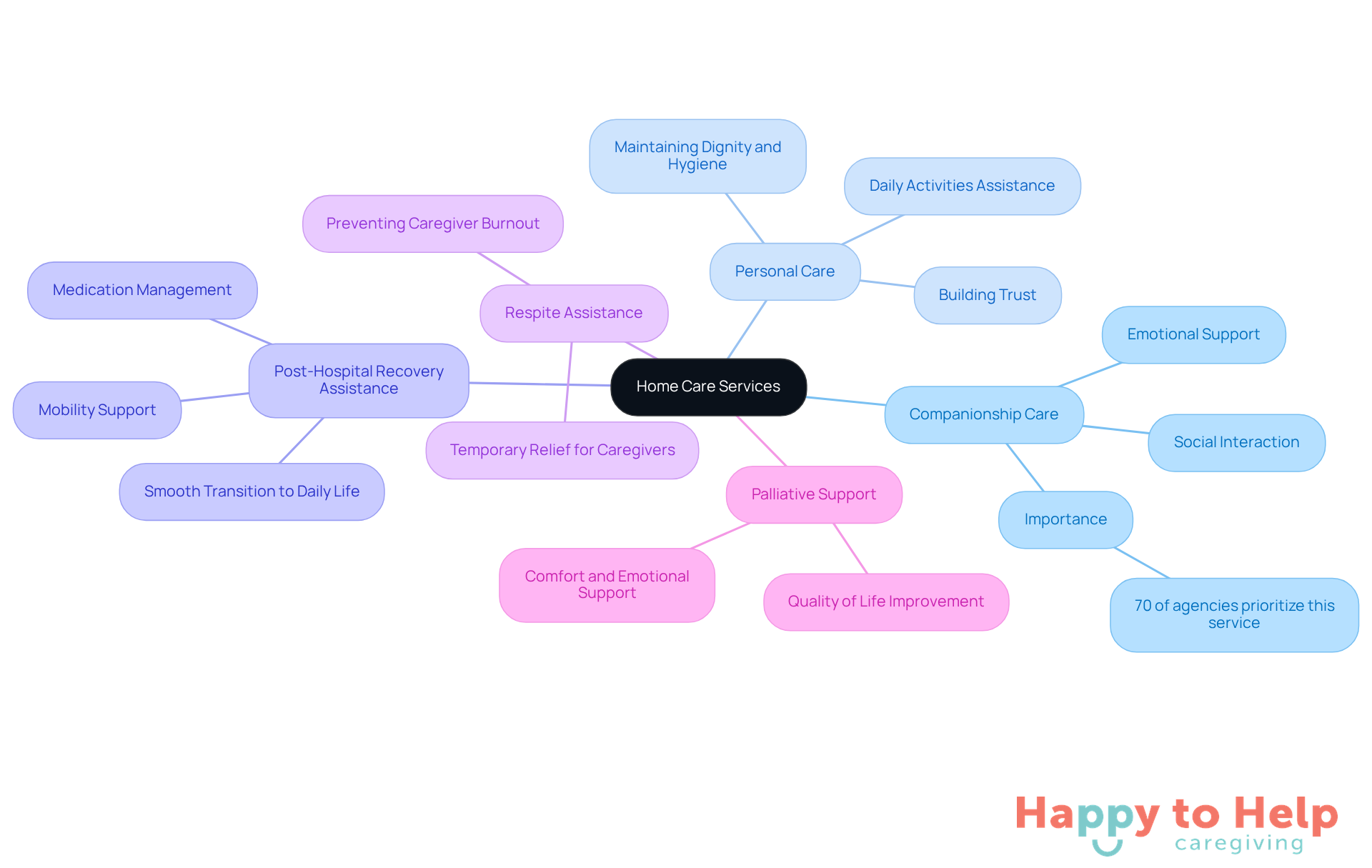
Companionship Care addresses the emotional needs of clients, offering essential social interaction that combats loneliness. Research shows that over 70% of home support agencies prioritize companionship services, underscoring its importance in enhancing clients' emotional well-being.
-
Personal Care involves help with daily activities like bathing, dressing, and grooming, ensuring clients maintain their dignity and hygiene. Individualized attention in this area fosters trust and comfort, which are vital for effective caregiving.
-
Post-Hospital Recovery Assistance is crucial for individuals recuperating from surgery or illness. This service includes medication management and mobility support, facilitating a smoother transition back to everyday life.
-
Respite Assistance offers temporary relief for caregivers, allowing them to take necessary breaks while ensuring their loved ones receive quality care. This support is vital for preventing caregiver burnout.
-
Palliative Support focuses on improving the quality of life for those with serious illnesses, emphasizing comfort and emotional support.
Recognizing these differences is essential for families when selecting a provider that aligns with their specific needs. Effective companionship support not only mitigates feelings of isolation but also fosters a sense of community, particularly for seniors. Care providers emphasize that personalized support is key to their approach, treating clients like family to enhance the caregiving experience. As one caregiver noted, "When we treat our clients as if they are part of our own circle, it transforms their experience and helps them feel valued and understood.
Evaluating Costs of Home Care Services
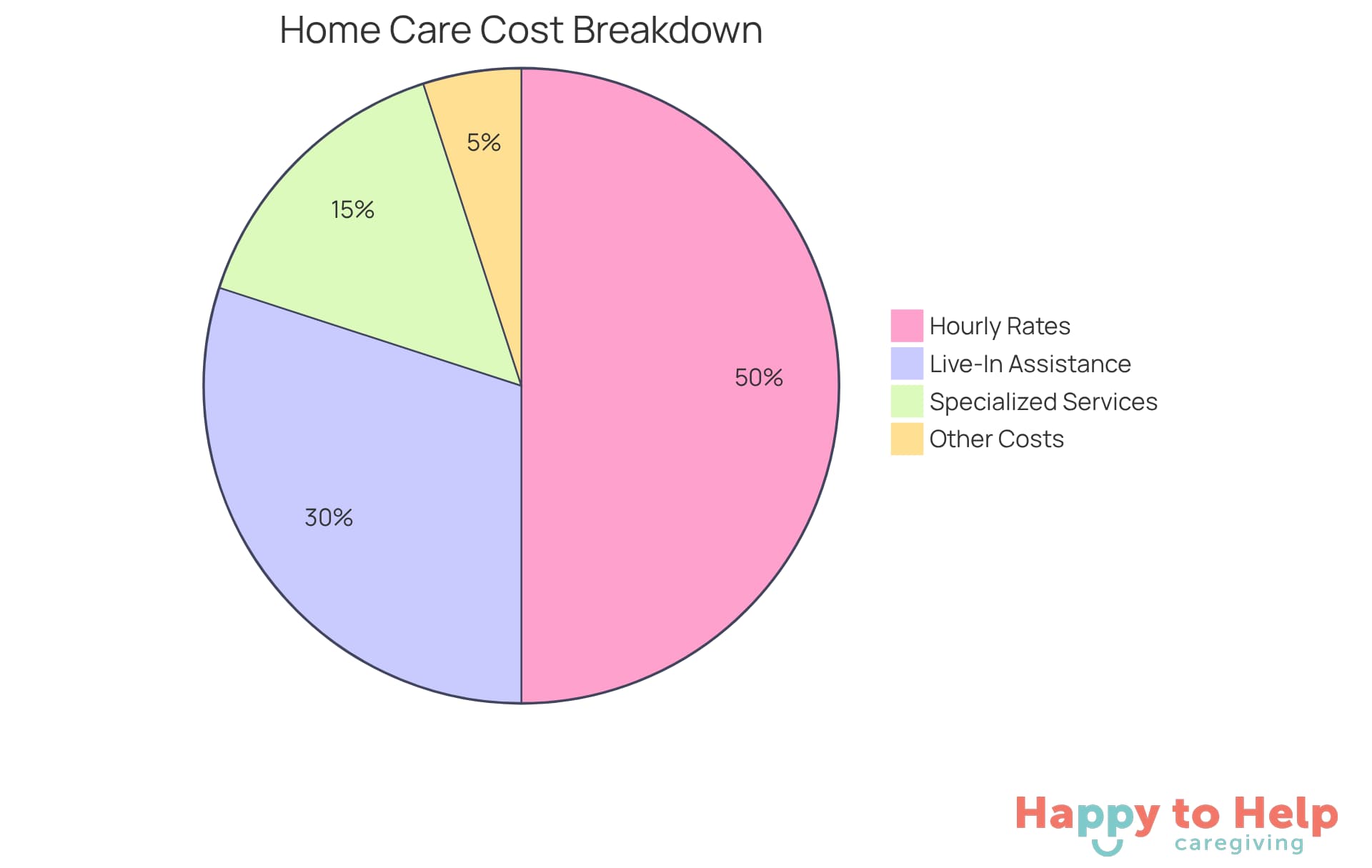
The expense of domestic assistance options presents a significant challenge for families, varying greatly based on several factors. These include the type of support needed, the qualifications of caregivers, and the location of private home care agencies near me. In 2025, families can expect to pay an average of about $33 per hour for non-medical home assistance, with rates typically ranging from $25 to $50 per hour.
Specific costs typically include:
- Hourly Rates: Generally range from $20 to $40 for companionship and personal care services.
- Live-In Assistance: Expenses can vary from $200 to $400 daily, depending on the level of support required.
- Specialized Services: Services such as skilled nursing assistance or therapy may exceed $100 per hour.
Understanding these expenses is crucial for households to budget effectively and explore potential financial assistance options. Long-term assistance insurance can help offset costs, while state-funded programs may provide additional support. A case study indicates that families are increasingly seeking financial options to manage rising assisted living costs, which are projected to be significant in 2025.
Financial consultants emphasize the importance of preparing in advance to ensure that support needs are met without excessive financial strain. Families should also consider geographical differences in home expenses, as private home care agencies near me typically have higher rates in urban areas compared to rural locations. Additionally, potential tax deductions for unreimbursed medical expenses exceeding 7.5% of adjusted gross income can aid in financial planning. Lastly, the qualifications of caregivers can significantly impact costs, with more experienced or specialized caregivers commanding higher rates.
Assessing Care Quality Across Agencies
Evaluating the quality of care provided by private home care agencies near me can be challenging for families. With so many options available, how can one ensure that their loved ones receive the best possible assistance?
-
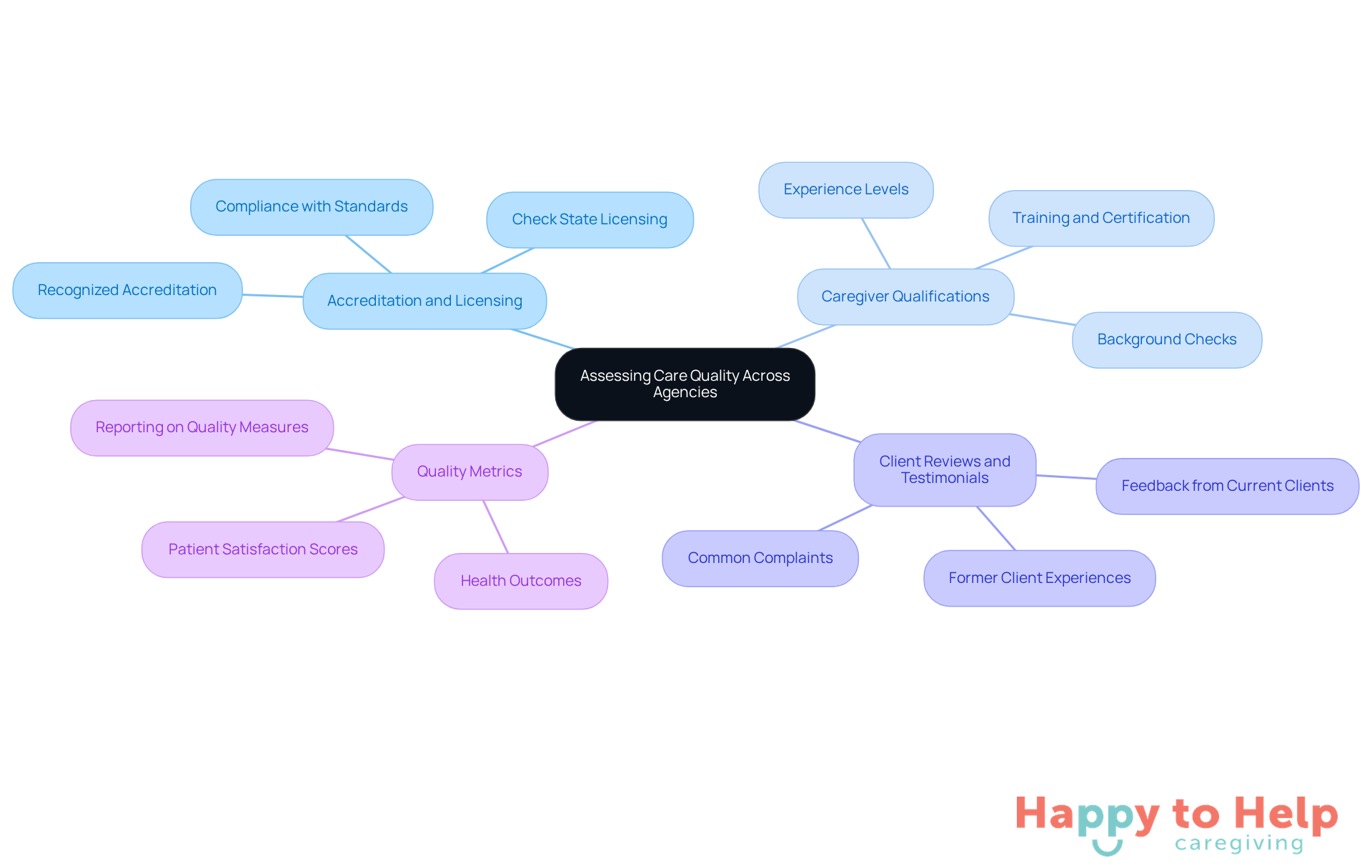
Accreditation and Licensing: First, check if agencies are licensed by state authorities. Accreditation from recognized organizations also indicates adherence to high standards, which is crucial for quality care.
-
Caregiver Qualifications: Next, consider the training and experience of caregivers. Well-trained personnel are more likely to deliver high-quality assistance, making this a vital factor in your decision.
-
Client Reviews and Testimonials: Don't overlook feedback from current and former clients. Their insights can reveal the agency's reliability and the quality of service provided.
-
Quality Metrics: Lastly, look for organizations that report on specific quality measures, such as patient satisfaction scores and health outcomes. These metrics can help families assess the effectiveness of care.
By focusing on these key aspects, families can make informed decisions about which private home care agencies near me will best meet their loved one's needs.
Taking the Next Steps
Navigating the world of private home care agencies presents a significant challenge for families seeking the best support for their loved ones. This complexity can lead to confusion and stress, making it difficult to find the right care that meets individual needs. Understanding the options available is essential to alleviate these pressures and ensure quality support.
When evaluating private home care agencies, several key factors must be considered:
-
Families should understand the types of services offered, such as:
- Companionship
- Personal care
- Post-hospital recovery assistance
- Respite care
- Palliative support
-
Additionally, it's crucial to consider:
- Costs
- Caregiver qualifications
- Overall quality of care provided
By recognizing these elements, families can make informed decisions that align with their specific needs.
The significance of private home care agencies cannot be overstated. They not only relieve the burdens faced by caregivers but also ensure that clients receive compassionate and tailored support. Families are encouraged to actively explore their options, assess the quality of care available, and seek financial assistance if necessary. By doing so, they can secure the best possible care for their loved ones, fostering an environment of dignity, comfort, and well-being at home.
https://iframe.tely.ai/cta/eyJhcnRpY2xlX2lkIjogIjY5MjI2NTFmNTc5ZWFkMjVkNDI1YjVmMyIsICJjb21wYW55X2lkIjogIjY4ZWU1ZGNhNzMxNzYyNTU3ZjNjOTVjMSIsICJpbmRleCI6IG51bGwsICJ0eXBlIjogImFydGljbGUifQ==Frequently Asked Questions
What are private home care agencies?
Private home care agencies provide non-medical assistance directly in individuals' residences, focusing on helping seniors and individuals with disabilities.
What types of services do private home care agencies offer?
They offer services such as personal support, companionship, and assistance with daily living tasks.
How do private home care agencies differ from skilled nursing facilities?
Unlike skilled nursing facilities, private home care agencies prioritize preserving the client's autonomy and comfort in their own homes.
Why is it important to understand private home care agencies?
Understanding these agencies is crucial for families seeking support alternatives, as it helps them make informed decisions that enhance the quality of life for their loved ones.
Who oversees private home care agencies?
Private home care agencies are typically authorized and overseen by state authorities to ensure they meet specific service standards.
How can private home care agencies reduce the burden on caregivers?
By providing essential services, private home care agencies can significantly alleviate the responsibilities of caregivers, making it easier for families to manage in-home assistance.
List of Sources
- Understanding Private Home Care Agencies
- Home-Based Care Providers Adapt To A Volatile Reimbursement Landscape (https://homehealthcarenews.com/2025/11/home-based-care-providers-adapt-to-a-volatile-reimbursement-landscape)
- News Releases (https://hcaoa.org/news-releases.html)
- Home Care Industry Trends to Watch in 2025 (https://firstlighthomecare.com/blog/home-care-industry-trends)
- State of home care in 2025 (https://mcknightshomecare.com/state-of-home-care-in-2025)
- Medicaid Changes 2025: HR1 Impact on Home Care Agencies (https://carevoyant.com/home-health-blog/medicaid-changes-2025-home-care-agencies)
- Comparing Services Offered by Home Care Agencies
- News Releases (https://hcaoa.org/news-releases.html)
- Disruption Redefines Home-Based Care: Providers Confront Challenges, Seize New Opportunities (https://homehealthcarenews.com/2025/10/disruption-redefines-home-based-care-providers-confront-challenges-seize-new-opportunities)
- Home (https://homehealthcarenews.com)
- News - Home Care Association of Florida (https://members.homecarefla.org/news)
- U.S. News to Debut Best Home Health Ratings in 2026 (https://usnews.com/info/blogs/press-room/articles/2025-11-03/u-s-news-to-debut-best-home-health-ratings-in-2026)
- Evaluating Costs of Home Care Services
- 24/7 In-Home Care Costs in 2025 - Assisted Living Magazine (https://assistedlivingmagazine.com/24-7-in-home-care-costs-in-2025)
- Home Care Costs in 2025: A State-by-State Guide (https://aplaceformom.com/caregiver-resources/articles/in-home-care-costs)
- How Much Does In-Home Care Cost in 2025? A State-by-State Guide - Elder Answers (https://elder-answers.com/how-does-in-home-care-cost-in-2025)
- How Much Will Home Care Cost Per Month in 2025? | Home Care agency in New York (https://angelcareny.com/how-much-will-home-care-cost-per-month-in-2025)
- Medicaid Home Care Cuts Could Cost States $1 Billion Over 5 Years (https://homehealthcarenews.com/2025/10/medicaid-home-care-cuts-could-cost-states-1-billion-over-5-years)
- Assessing Care Quality Across Agencies
- Quality of Care in Home Health Agencies with and without Accreditation: A Cohort Study - PMC (https://pmc.ncbi.nlm.nih.gov/articles/PMC9901214)
- America’s Best Home Health Agencies 2026 (https://rankings.newsweek.com/americas-best-home-health-agencies-2026)
- U.S. News to Debut Best Home Health Ratings in 2026 (https://usnews.com/info/blogs/press-room/articles/2025-11-03/u-s-news-to-debut-best-home-health-ratings-in-2026)
- New York State Department of Health: Index (https://profiles.health.ny.gov/home\_care/pages/methodology/acf/index)
- 27 Eye-Opening Quotes from Home Care Clients (https://activatedinsights.com/articles/eye-opening-quotes-from-home-care-clients)