Why Insights into Austin Home Health Care Matters
The landscape of home health care in Austin is evolving rapidly, driven by an aging population and a growing preference for aging in place. As more seniors seek the comfort and familiarity of their own homes for care, the demand for personalized in-home services has surged. This trend offers a lifeline for those grappling with feelings of isolation and anxiety.
However, navigating the complexities of home health care presents significant challenges for families and caregivers. Many struggle with understanding the available options and how to choose the right services. This uncertainty can lead to stress and confusion during an already difficult time.
To empower individuals in making informed decisions about home health care in Austin, it’s essential to focus on practical solutions. Start by researching local services and seeking recommendations from trusted sources. Additionally, consider consulting with healthcare professionals who can provide guidance tailored to your loved one's specific needs. By taking these steps, families can ensure their loved ones receive the best possible support.
Defining Austin Home Health Care
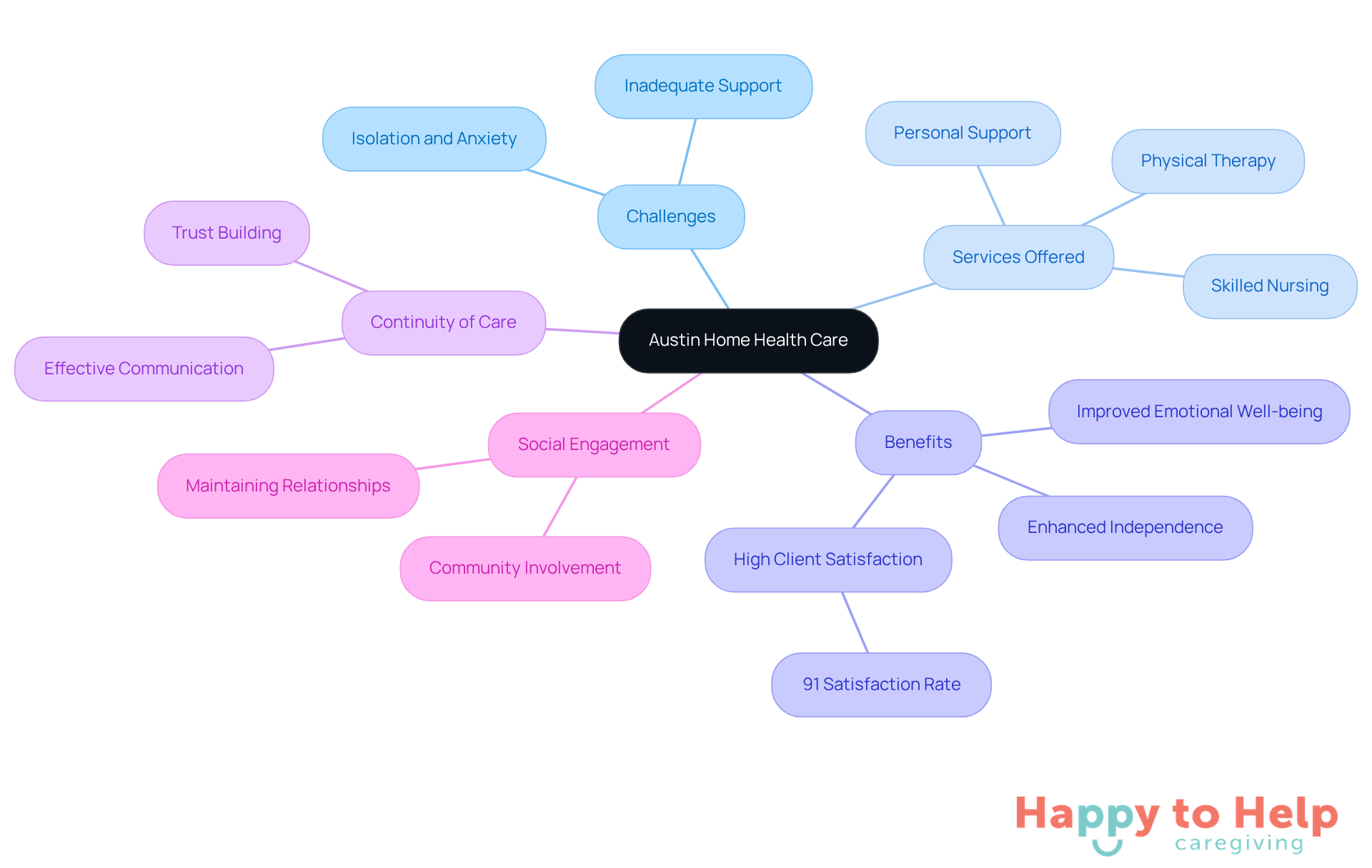
In Austin, many elderly individuals face the challenge of receiving adequate support from Austin home health care while wishing to age at home. This situation can lead to feelings of isolation and anxiety, as traditional nursing homes may not provide the comfort and familiarity that seniors desire. The implications of inadequate support can significantly affect both physical health and emotional well-being, making it crucial for caregivers to find effective solutions.
One effective solution is the provision of Austin home health care, which includes a range of medical and non-medical services tailored to meet individual needs. These services, such as skilled nursing, physical therapy, and personal support, promote recovery and foster independence. Unlike conventional nursing homes, Austin home health care allows seniors to receive care in their own environments, enhancing their sense of safety and familiarity. Studies show that 91% of clients express satisfaction with their in-home support, highlighting the positive impact of personalized care.
To ensure the best outcomes, it’s essential for caregivers to prioritize continuity of support. Assigning the same provider to clients nurtures trust and enhances communication, ultimately improving the quality of assistance. Additionally, incorporating technology and tailored support plans can further enhance the effectiveness of in-home care, ensuring that patients receive the finest possible aid in their recovery journey.
Moreover, maintaining social relationships is vital for the mental and emotional well-being of seniors. In-home assistance not only addresses physical needs but also supports the broader advantages of social engagement, contributing to a more fulfilling life for elderly individuals.
Context and Importance of Home Health Care in Austin
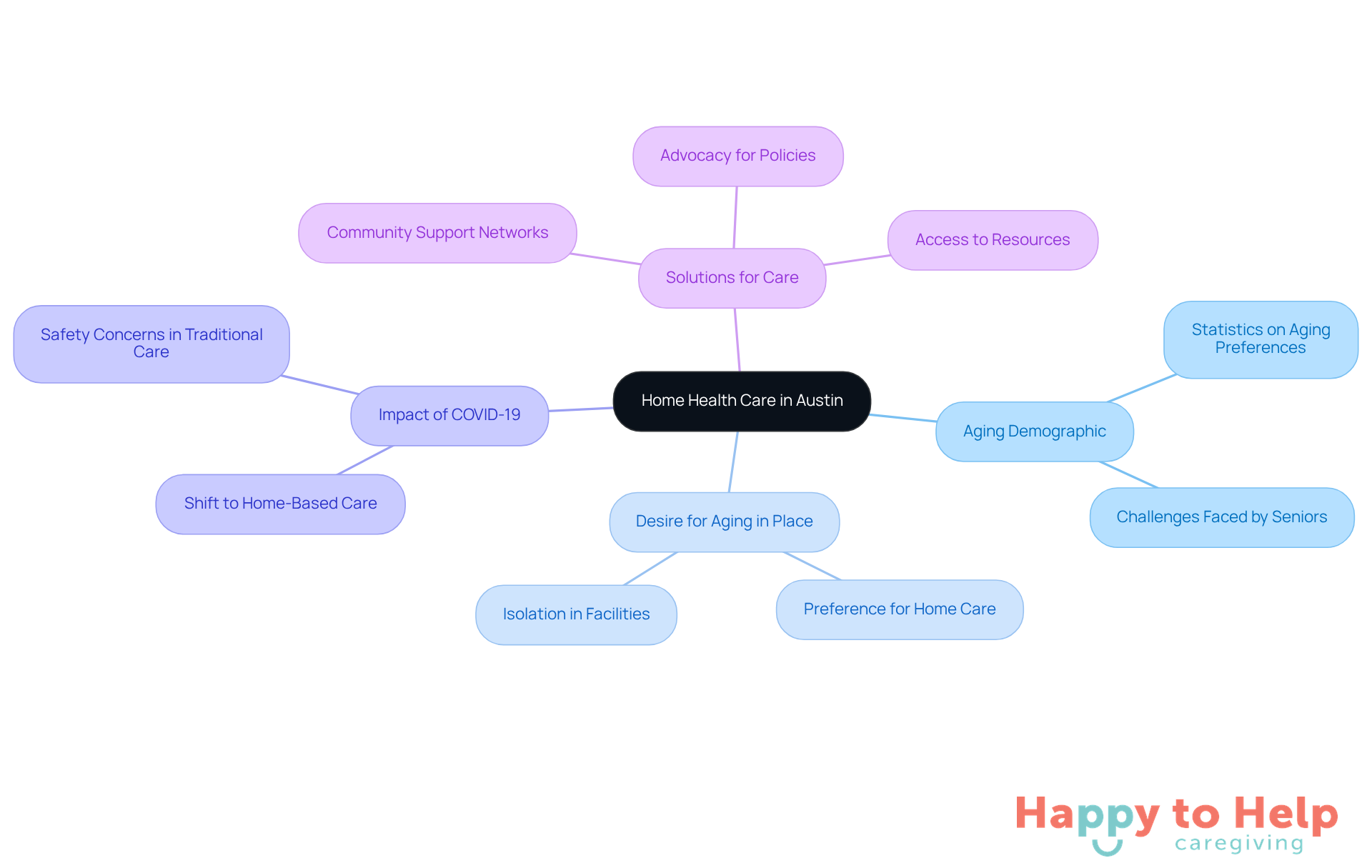
The growing need for Austin home health care presents a significant challenge. With an aging demographic and a rising desire for aging in place, many elderly individuals and those with long-term illnesses prefer receiving assistance in their homes rather than in facilities, which can often feel isolating.
Recent studies reveal that a substantial percentage of older adults wish to remain in their residences as they age. This trend underscores the importance of Austin home health care as a vital component of the healthcare system. Moreover, the COVID-19 pandemic has accelerated the shift towards home-based care, as families seek safer alternatives to traditional healthcare environments.
To address these challenges, it is crucial to ensure the availability of accessible, high-quality Austin home health care services that are tailored to the unique needs of the city's diverse population. Caregivers can implement practical solutions by exploring local resources, connecting with community support networks, and advocating for policies that enhance home care services. By doing so, they can help create a more supportive environment for those wishing to age in place.
Key Services Offered in Austin Home Health Care
Austin residential support services face a significant challenge: meeting the diverse needs of individuals requiring care. Caregivers often struggle to provide comprehensive support that addresses both medical and emotional well-being. This can lead to feelings of isolation for clients and increased stress for caregivers.
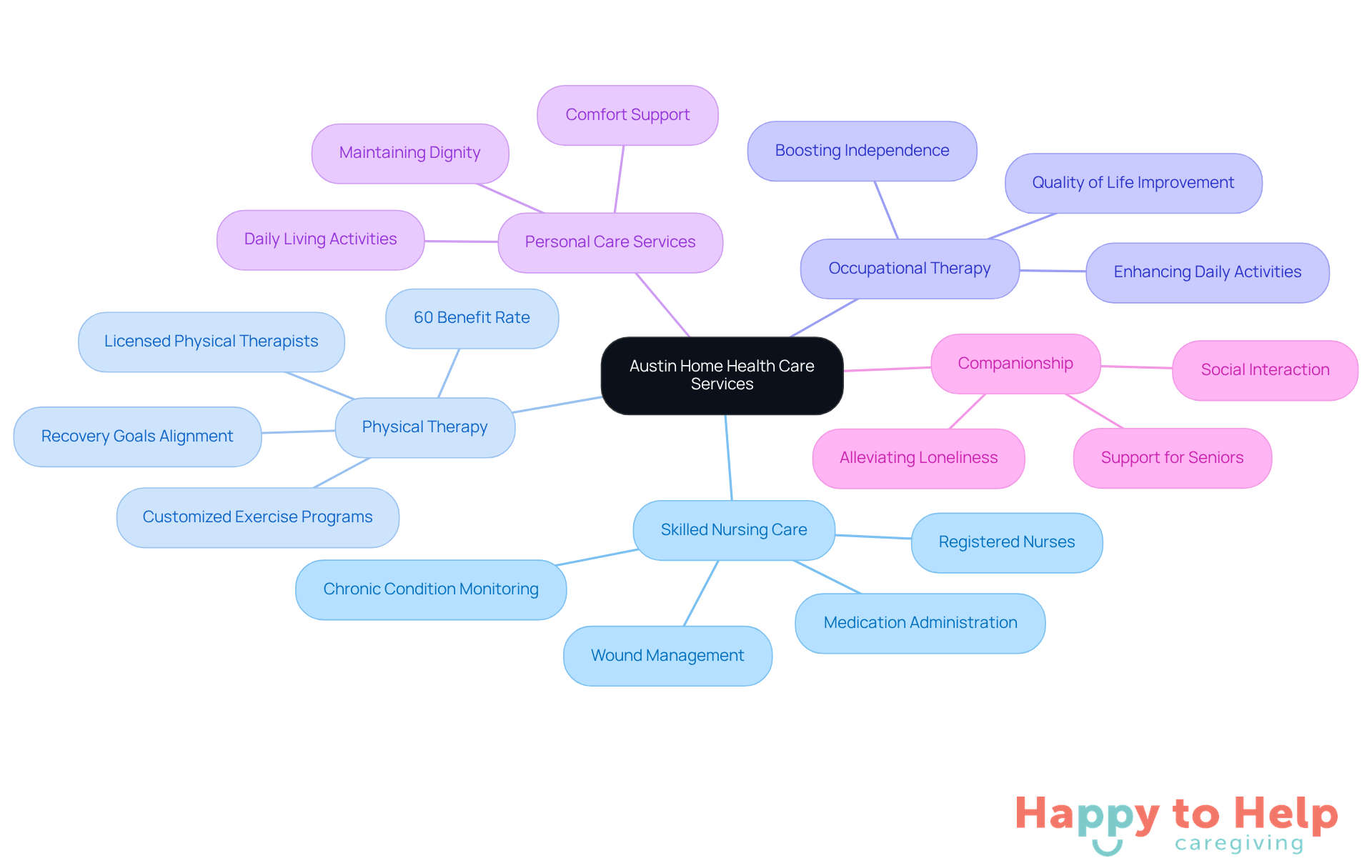
To tackle these issues, a broad array of services is essential. Here are some key offerings:
- Skilled Nursing Care: Registered nurses deliver essential medical care, including wound management, medication administration, and chronic condition monitoring. This ensures patients receive professional health support in their homes, alleviating caregiver burdens.
- Physical Therapy: Licensed physical therapists help individuals regain mobility and strength after surgery or injury. They customize exercise programs to align with recovery goals, significantly enhancing rehabilitation outcomes. Studies show that about 60% of individuals receiving Austin home health care benefit from physical therapy services, highlighting its critical role in recovery. As one expert noted, "Physical therapy is more than just activities; it’s empowering lives."
- Occupational Therapy: Occupational therapists focus on enhancing individuals' abilities to perform daily activities, boosting independence and overall quality of life. This therapy is vital for those recovering from injuries or managing chronic conditions.
- Personal Care Services: Caregivers assist with daily living activities such as bathing, dressing, and meal preparation. This support helps patients maintain their dignity and comfort.
- Companionship: Social interaction is crucial for mental well-being. Caregivers provide companionship, alleviating feelings of loneliness and isolation, especially for seniors.
These services are often integrated into individualized support plans tailored to each client's specific needs and preferences. As physical therapists frequently emphasize, 'Success in therapy is attained through steady minor efforts over time.' This underscores the transformative influence of dedicated support in residential settings. Additionally, Happy to Help Caregiving offers unique services like companionship support and post-hospital recovery assistance, further enhancing the aid available to clients through Austin home health care.
Benefits of Choosing Home Health Care
Choosing austin home health care addresses a significant problem faced by patients and their families: the challenge of finding adequate, personalized care. Many individuals struggle with the emotional toll of receiving assistance in unfamiliar environments, which can hinder their overall well-being. Additionally, the financial burden of hospital admissions or nursing facilities can be overwhelming for families.
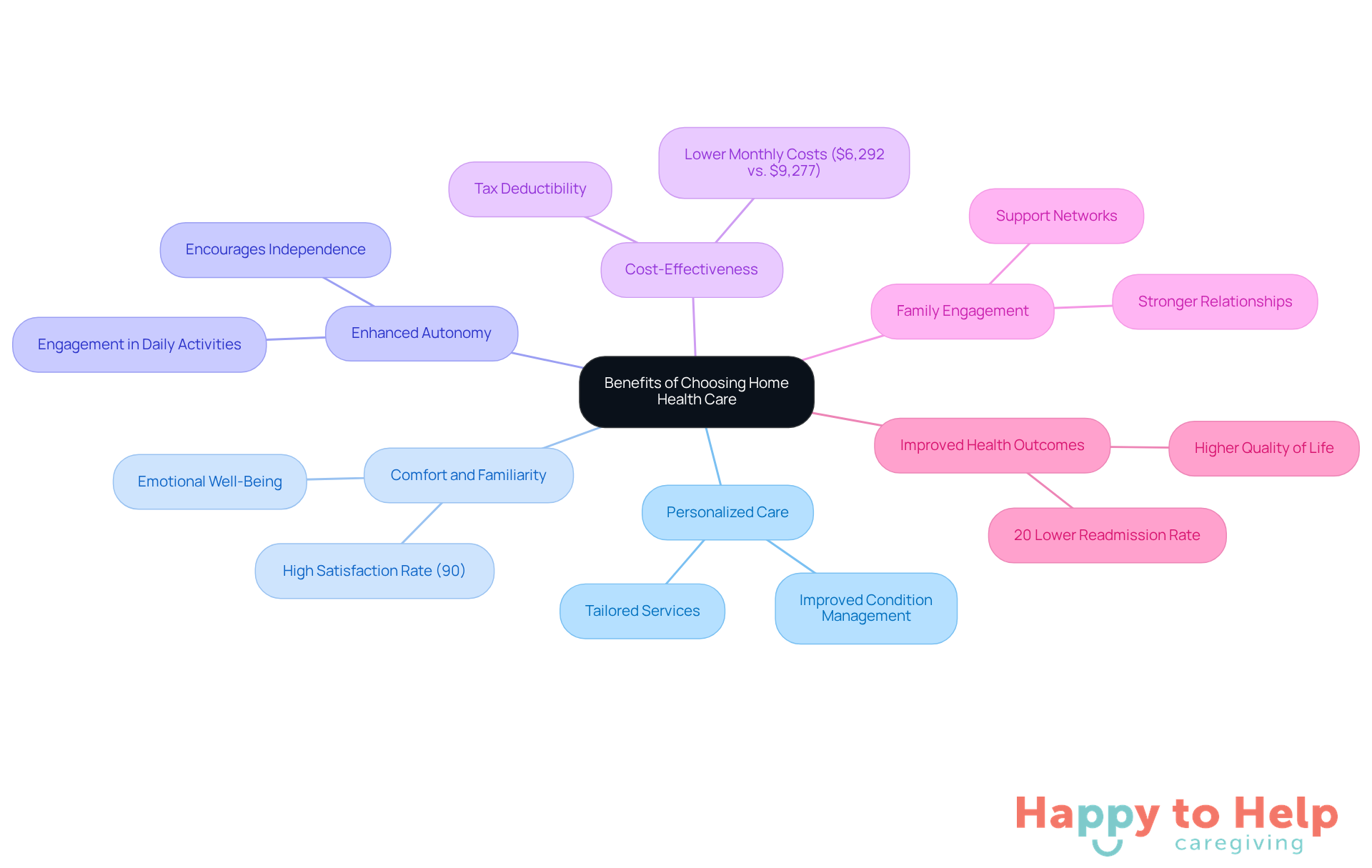
Austin home health care provides a viable solution, offering numerous benefits that cater to the unique needs of each individual.
- Personalized Care is at the forefront, ensuring that services are tailored to be relevant and effective.
- Moreover, receiving assistance in a familiar setting fosters Comfort and Familiarity, which can greatly enhance emotional well-being. According to a poll by the National Association for Home Assistance & Hospice, over 90% of individuals expressed satisfaction with their domestic support, highlighting the value of comfort and customization.
- Another advantage is Enhanced Autonomy. Home-based assistance encourages independence, allowing patients to engage in daily activities with the necessary support, rather than relying on institutional services.
- Furthermore, it is often more Cost-Effective than hospital stays or nursing facilities. For instance, the national median expense for residential assistance is approximately $6,292 monthly, compared to $9,277 for a semi-private room in a nursing facility, showcasing the financial benefits of choosing home care.
- Family involvement is also a crucial aspect of home wellness services. These services promote Family Engagement, nurturing stronger relationships and support networks.
- Additionally, families should consider that residential assistance expenses may be tax-deductible if they exceed 7.5% of the taxpayer’s adjusted gross income, providing further financial relief.
Collectively, these benefits contribute to improved health outcomes. Home care patients experience a 20% lower readmission rate compared to those receiving hospital care, alongside a higher quality of life. By choosing Austin home health care, families can ensure that their loved ones receive the support they need in a comfortable and familiar environment.
Taking the Next Steps
Austin home health care addresses a significant problem: many elderly individuals wish to age in the comfort of their own homes but require assistance to do so. This situation can lead to feelings of isolation and a decline in both physical and emotional health. Without proper support, seniors may struggle to maintain their independence, which is crucial for their overall well-being.
The implications of inadequate care are profound. Seniors may face increased health risks and emotional distress, impacting their quality of life. However, Austin home health care offers a solution by providing personalized services that enhance both physical health and emotional well-being. By focusing on:
- Skilled nursing
- Physical and occupational therapy
- Companionship
caregivers can ensure that seniors receive the comprehensive support they need.
Moreover, the financial advantages of home care compared to institutional settings cannot be overlooked. Families seeking affordable options find that home health care not only meets their loved ones' needs but also alleviates financial burdens.
As the demand for these services continues to grow, it is essential for caregivers, families, and policymakers to prioritize accessible and high-quality home health care solutions. By fostering a supportive environment for aging in place, the Austin community can significantly enhance the quality of life for its elderly population. This approach allows seniors to thrive in familiar surroundings while receiving the care they deserve.
https://iframe.tely.ai/cta/eyJhcnRpY2xlX2lkIjogIjY5MjBmZDQ5N2I4YTJhOGJkNzc1MGJjNSIsICJjb21wYW55X2lkIjogIjY4ZWU1ZGNhNzMxNzYyNTU3ZjNjOTVjMSIsICJpbmRleCI6IG51bGwsICJ0eXBlIjogImFydGljbGUifQ==Frequently Asked Questions
What is Austin home health care?
Austin home health care refers to a range of medical and non-medical services designed to support elderly individuals who wish to age at home. These services include skilled nursing, physical therapy, and personal support, all tailored to meet individual needs.
Why do some elderly individuals prefer home health care over nursing homes?
Many elderly individuals prefer home health care because it allows them to receive care in their own environments, which enhances their sense of safety and familiarity. Traditional nursing homes may not provide the comfort and emotional support that seniors desire.
What are the benefits of receiving in-home care?
In-home care promotes recovery, fosters independence, and improves both physical health and emotional well-being. Studies indicate that 91% of clients express satisfaction with their in-home support, highlighting the positive impact of personalized care.
How can caregivers improve the quality of in-home support?
Caregivers can improve the quality of in-home support by prioritizing continuity of care, which involves assigning the same provider to clients to build trust and enhance communication. Additionally, incorporating technology and tailored support plans can further enhance the effectiveness of care.
Why is maintaining social relationships important for seniors receiving home health care?
Maintaining social relationships is vital for the mental and emotional well-being of seniors. In-home assistance not only addresses physical needs but also supports social engagement, contributing to a more fulfilling life for elderly individuals.
List of Sources
- Defining Austin Home Health Care
- Home (https://homehealthcarenews.com)
- Home Care Providers in Texas - Market Research Report (2015-2030) | IBISWorld (https://ibisworld.com/united-states/industry/texas/home-care-providers/12497)
- 52 Eye-Opening Home Health Statistics: Insights for 2025 (https://boosthomehealth.com/home-health-statistics)
- Home Care Austin TX (https://ultimatecareny.com/resources/home-care-austin-tx)
- The Best Home Health Care Agencies Near Austin, According to Locals (https://statesman.com/best/map/best-home-health-care-agencies-austin)
- Context and Importance of Home Health Care in Austin
- 30 Inspirational Quotes for Caregivers (https://agingcare.com/articles/caregivers-quotes-inspiration-141133.htm)
- Caregiver Quotes and Words of Strength | Luxe Homecare (https://luxehomecare.com/caregivers-quotes)
- Taking Care of Elderly Parents Quotes - Freedom Care (https://freedomcare.com/taking-care-of-elderly-parents-quotes)
- CaringBridge (https://caringbridge.org/resources/inspirational-quotes-on-caregiving)
- 20 Inspirational Senior Care Quotes (https://1plus1cares.com/20-inspirational-senior-care-quotes)
- Key Services Offered in Austin Home Health Care
- Home Care Industry Trends to Look Out for in 2025 (https://axiscare.com/blog/home-care-industry-trends)
- Physical Therapy Quotes & PT Jobs | White Glove Therapy (https://whiteglovetherapy.com/20-inspirational-physical-therapy-quotes)
- 30 Inspirational Physical Therapy Quotes - Care Options for Kids (https://careoptionsforkids.com/blog/physical-therapy-quotes)
- 29 Occupational Therapy Quotes! • OT Potential (https://otpotential.com/blog/occupational-therapy-quotes)
- Benefits of Choosing Home Health Care
- Cost of Home Care vs. Nursing Homes (https://aplaceformom.com/caregiver-resources/articles/home-care-vs-nursing-home-costs)
- Home Healthcare Statistics and Facts (2025) (https://media.market.us/home-healthcare-statistics)
- Medicare Home Health Care Could Save $13-17B Per Year (https://caregiveraction.org/medicare-home-health-care)
- 52 Eye-Opening Home Health Statistics: Insights for 2025 (https://boosthomehealth.com/home-health-statistics)
- Home Care Impact on Recovery of Patient (A Statistics Report) (https://lovinghomecareinc.com/home-care-recovery-statistics)