
Why Practices for Effective Assistance Home Matters
Navigating the landscape of home care services can feel overwhelming. Families are often faced with the emotional weight of finding the right support for their loved ones, especially as the demand for effective assistance grows alongside an aging population. It’s not just about the services available; it’s about the feelings of stress and uncertainty that can accompany this journey.
As families explore their options - from companionship care to specialized medical assistance - they may find themselves grappling with questions and concerns. Understanding the nuances of these services is crucial. It not only enhances the quality of care but also ensures that individual needs are met with compassion and understanding.
How can families confidently choose the right type of care? The answer lies in recognizing that personalized support is available. By taking the time to learn about the different services, families can find the peace of mind they deserve, knowing their loved ones are receiving the care tailored to their unique needs.
Understand Different Types of Home Care Services
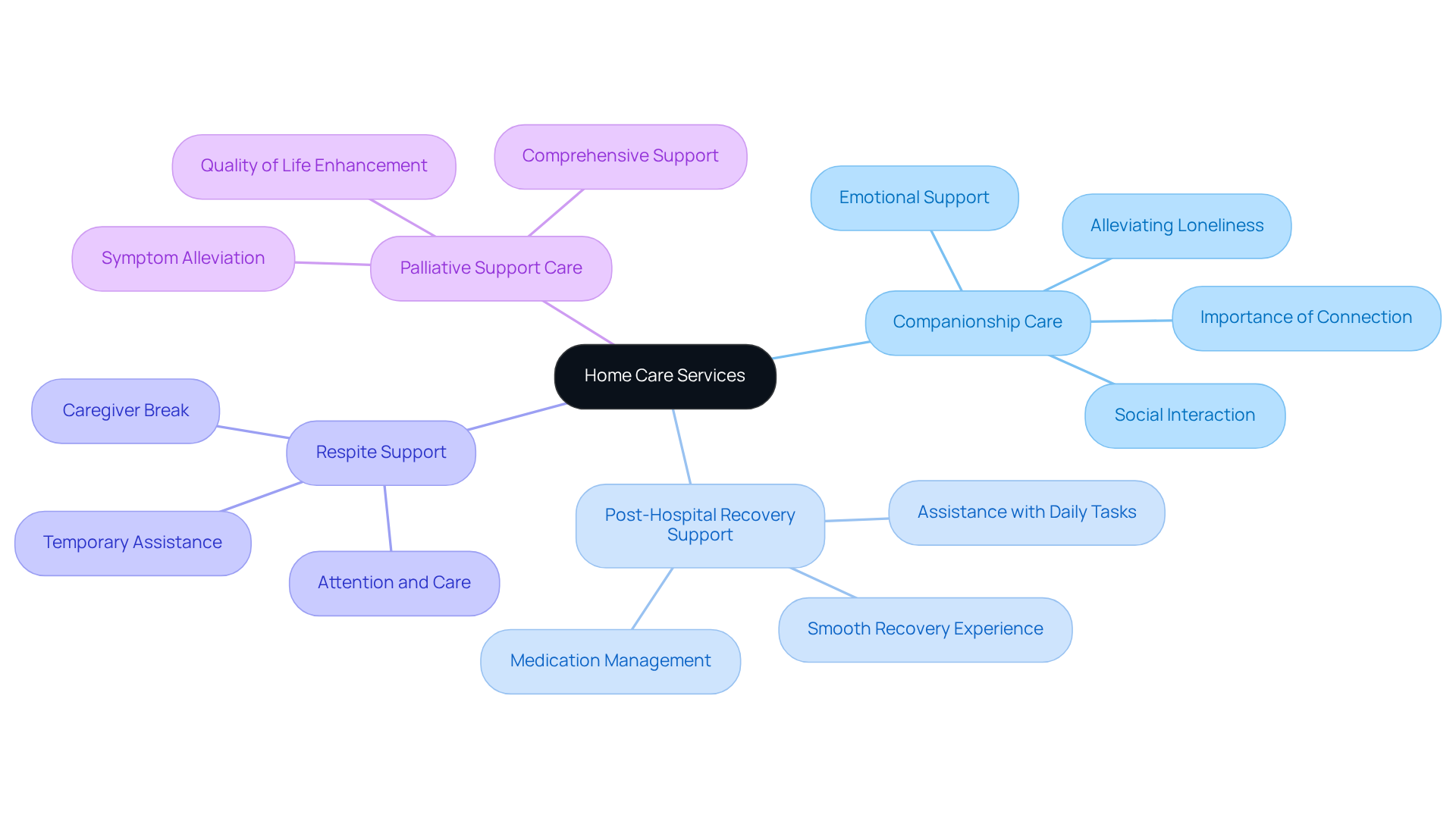
Home care services can be broadly categorized into several types, each designed to meet specific needs:
-
Companionship Care: This service focuses on providing emotional support and social interaction, helping to alleviate feelings of loneliness and isolation among seniors. It’s heartening to know that around 75% of older adults prefer to stay in their homes rather than move to assisted living centers or nursing homes. Companionship support plays a vital role in nurturing a sense of connection and community, which is essential for their well-being. Geriatric specialists emphasize that regular social interaction can lead to better mental health outcomes, making companionship a cornerstone of effective assistance home care.
-
Post-Hospital Recovery Support: Tailored for individuals recuperating from surgery or illness, this program offers assistance with daily tasks and medication management, ensuring a smooth recovery experience.
-
Respite Support: This temporary assistance allows primary caregivers to take a much-needed break, knowing their loved ones are receiving the attention and care they deserve.
-
Palliative Support Care: Designed for those facing severe illnesses, this service focuses on alleviating symptoms and enhancing quality of life through comprehensive support.
Understanding these categories helps families choose the right type of support that best fits their loved one's needs. The assistance home care market is witnessing significant growth, driven by demographic changes and an increasing demand for services that cater to the evolving needs of seniors. Moreover, the integration of technology, such as remote monitoring and telehealth, is becoming essential in home assistance, enriching the overall caregiving experience.
As we navigate these challenges together, it’s important to remember that compassionate care is always within reach.
Evaluate Key Criteria for Selecting a Home Care Provider
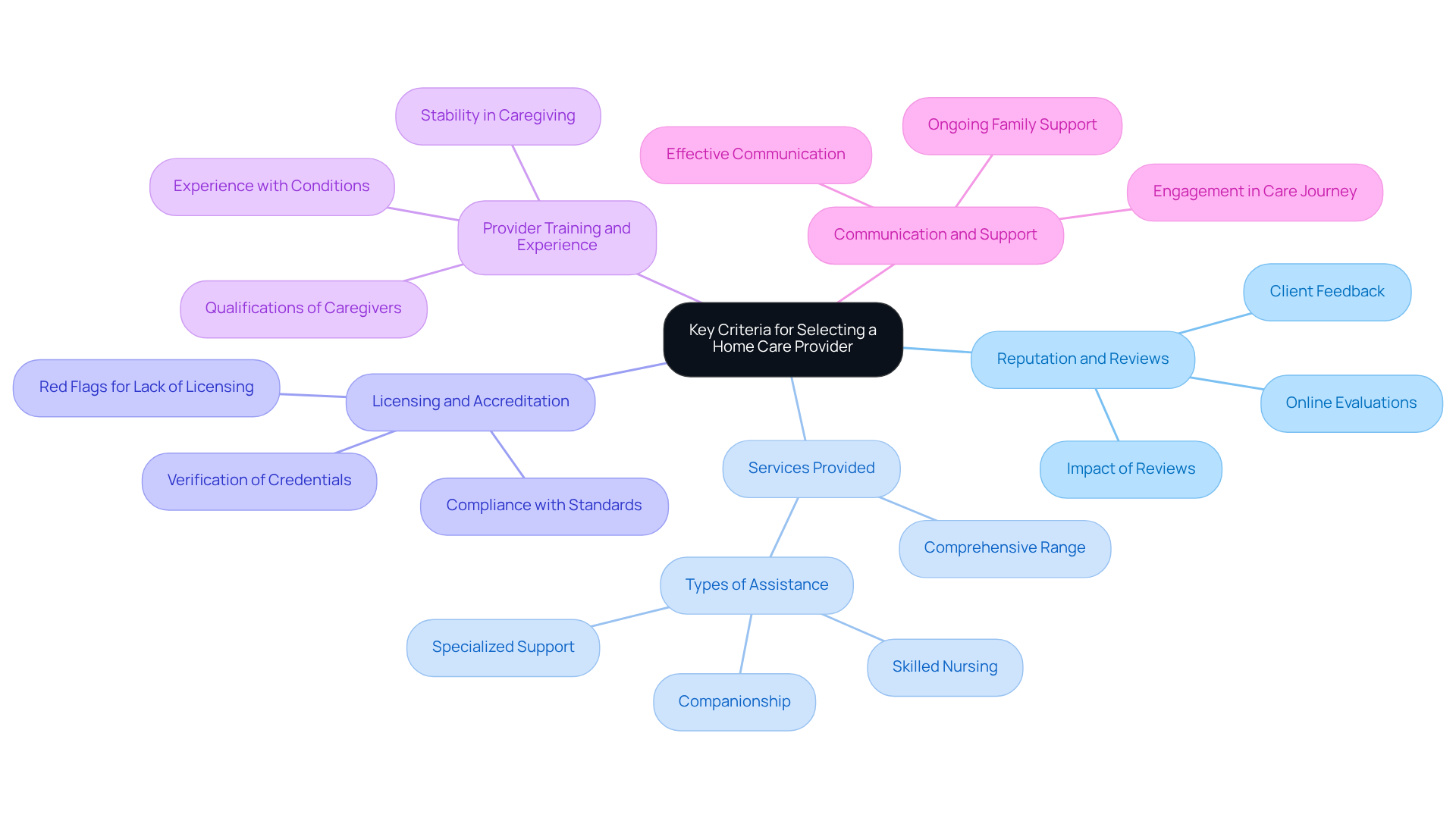
Choosing a home care provider for assistance home care is a significant decision for families, and it’s essential to prioritize certain criteria that can ease this emotional journey.
-
Reputation and Reviews: Start by exploring online evaluations and endorsements. These insights are invaluable, offering perspectives on the agency's reliability and service quality. A solid reputation can greatly influence your decision, as many families lean on feedback from past clients to gauge effectiveness. With over 90% of seniors preferring to age in place, as noted by AARP, selecting a reputable agency for assistance home care becomes even more crucial.
-
Services Provided: Ensure the agency offers the specific assistance home care you need, whether it’s companionship, skilled nursing, or specialized support tailored to individual requirements. A comprehensive range of services can enhance the overall experience and address the unique challenges families face.
-
Licensing and Accreditation: It’s vital to confirm that the agency holds the necessary licenses and accreditations from relevant authorities. This verification not only ensures compliance with industry standards but also safeguards the quality of care provided. A lack of licensing can be a significant red flag, signaling potential issues with service quality.
-
Provider Training and Experience: Don’t hesitate to ask about the training and qualifications of the providers, along with their experience in handling similar conditions. Well-trained caregivers are better equipped to deliver high-quality assistance home care and support. Given that the home support sector faces a turnover rate nearing 80%, ensuring caregiver stability is essential for maintaining quality care.
-
Communication and Support: Evaluate how the agency communicates with families and offers ongoing support. Effective communication fosters a collaborative environment, ensuring families remain informed and engaged in their loved one’s care journey. Actively seeking out reviews and engaging with potential providers can empower you to make informed decisions.
Prioritize Personalized Care Plans for Individual Needs
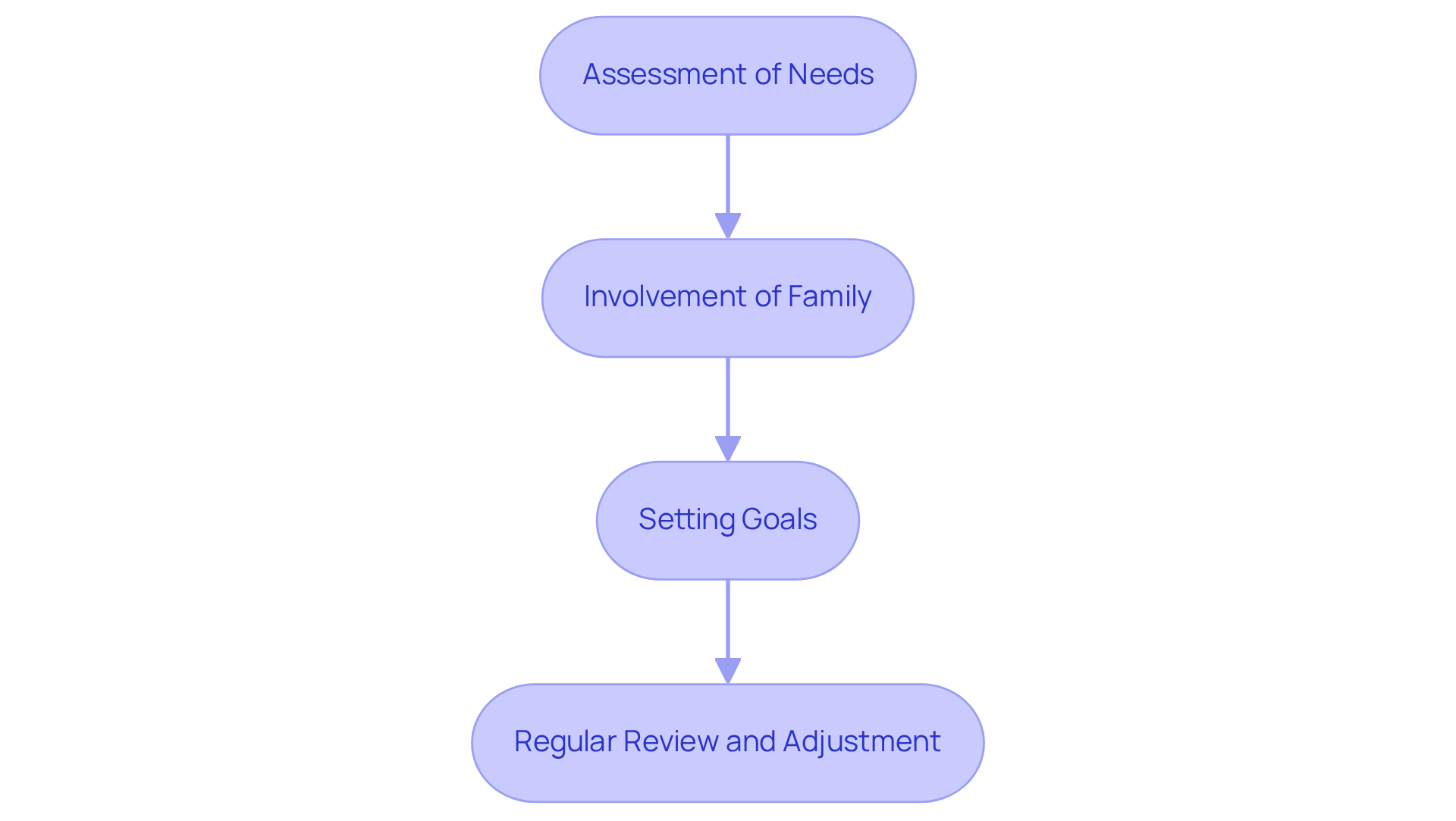
Creating personalized care plans is a journey that truly honors the unique needs of each individual. It begins with a heartfelt Assessment of Needs. Here, we conduct a thorough evaluation of a person's physical, emotional, and social requirements. This step is crucial for recognizing specific support needs and tailoring assistance to fit them perfectly.
Next, we emphasize the Involvement of Family. Engaging family members in the planning process is vital. Their insights ensure that the treatment strategy aligns with the preferences and values of the person receiving support. Research shows that when families are involved, the effectiveness of treatment plans significantly improves, providing emotional relief and nurturing a supportive atmosphere.
Then, we focus on Setting Goals. It’s important to establish clear and attainable objectives that enhance a person's quality of life and encourage independence. Tailored support plans should reflect the individual's aspirations, promoting active participation in their health journey.
Finally, we prioritize Regular Review and Adjustment. Continuously monitoring the effectiveness of the support plan allows us to make necessary adjustments as needs or circumstances change. Regular reviews help ensure that the plan remains aligned with the individual's evolving health status and personal preferences.
By prioritizing individualized support plans, families can ensure that their loved ones receive the customized assistance home care they deserve, enhancing their well-being and fostering a sense of independence. This approach not only improves health outcomes but also contributes to overall satisfaction, as shown by the high levels of contentment reported by over 90% of home patients. Personalized support goes beyond addressing medical needs; it’s about recognizing and honoring each individual's unique journey.
Take Sue, for example, an 82-year-old retiree with arthritis. Her support plan includes therapeutic gardening activities, which significantly enhance her physical and mental wellness. Moreover, patients who receive assistance home care experience a 15% lower hospital readmission rate compared to those who do not receive home care, underscoring the effectiveness of personalized care in improving health outcomes.
Assess Caregiver Qualifications and Training Standards
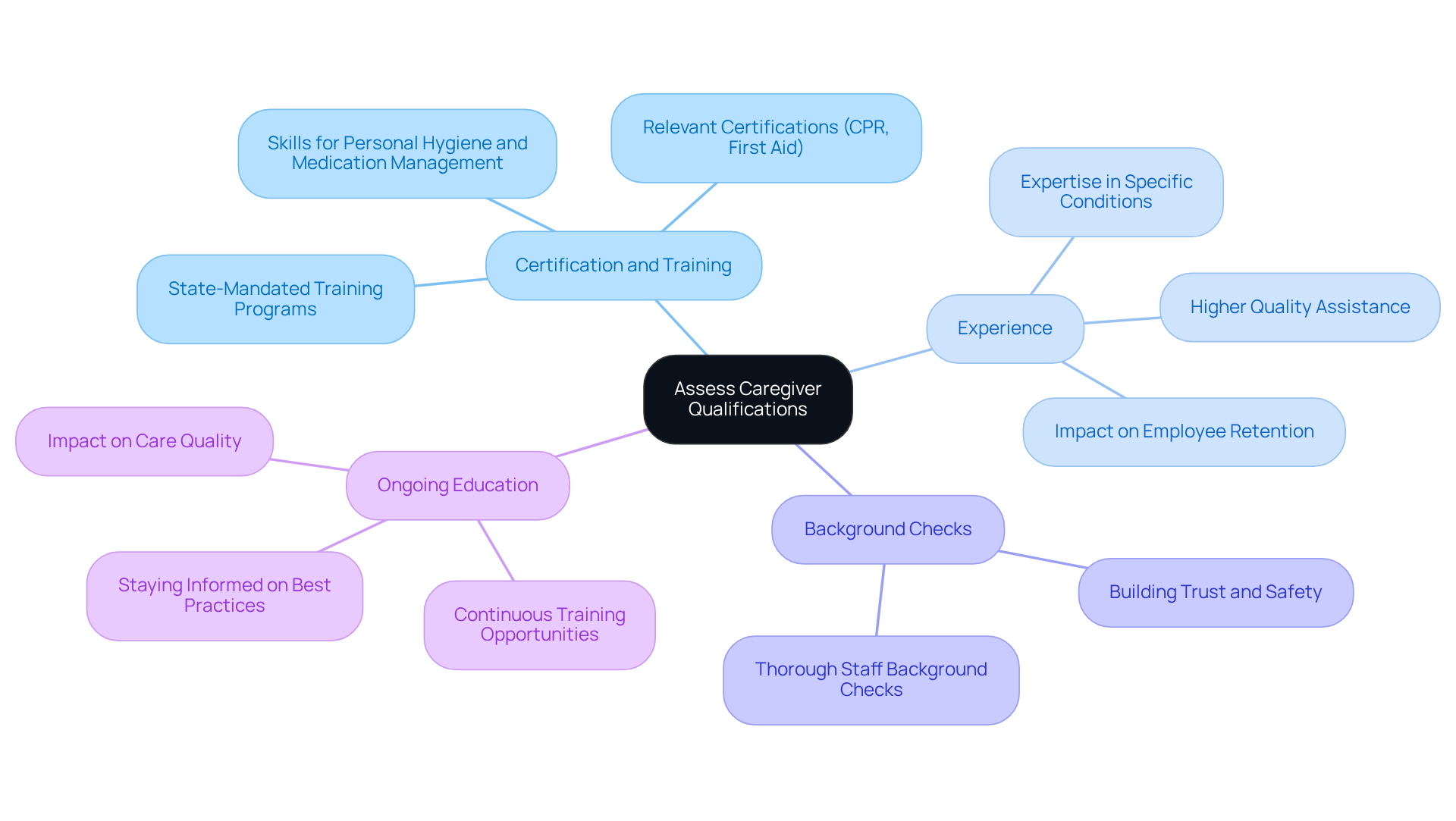
When evaluating caregivers, it’s important to consider their qualifications and training standards with a compassionate lens:
-
Certification and Training: It’s vital to confirm that providers have completed state-mandated training programs and hold relevant certifications, like CPR and first aid. This training equips caregivers with essential skills to manage various health issues, enhancing their ability to provide effective support. As Ali Khan beautifully puts it, "Caregiver training offers the skills necessary to assist with tasks such as personal hygiene, aiding in movement, managing medications, and eating."
-
Experience: Look for providers who have specific expertise in caring for particular conditions or populations, such as seniors or individuals with disabilities. Research shows that caregivers with additional training and experience tend to deliver higher quality assistance, leading to better health outcomes for clients. In fact, over 40% of participants report improved employee retention through training and development, highlighting the importance of experience in these vital roles.
-
Background Checks: Ensure that the agency conducts thorough background checks on their staff to guarantee safety and reliability. This step is crucial for building trust and creating a secure environment for clients. Comprehensive background checks are essential for the overall security and dependability of caregivers, particularly in assistance home care settings.
-
Ongoing Education: Ask about opportunities for continuous training and professional development. Ongoing education is key to keeping caregivers informed about best practices and the latest techniques, which can significantly impact the quality of care provided. The case study "Combatting Caregiver Churn with Training" illustrates how training is a primary strategy for enhancing employee retention, further underscoring the need for continuous learning.
By thoughtfully assessing these qualifications, families can feel reassured that their loved ones are receiving care from capable and well-prepared professionals who genuinely care.
Your Path Forward
Understanding the diverse landscape of home care services is essential for families looking for effective support for their loved ones. It’s important to recognize the different types of home care available - like companionship, post-hospital recovery, respite support, and palliative care. Each of these categories plays a vital role in meeting the unique needs of seniors, ensuring they receive the right support that nurtures their independence and well-being.
When selecting a home care provider, families should consider several key practices. Evaluating the provider's reputation, the range of services offered, licensing, caregiver qualifications, and communication strategies can make a significant difference. These criteria not only help in making informed decisions but also enhance the overall caregiving experience. Moreover, prioritizing personalized care plans tailored to individual needs can lead to improved health outcomes and greater satisfaction among clients, as shown by the positive results of customized support.
The importance of compassionate, personalized care cannot be overstated. Families are encouraged to actively participate in the selection process and advocate for their loved ones, ensuring they receive the best possible assistance at home. By understanding the essential practices outlined in this article, families can navigate the complexities of home care with confidence, leading to more fulfilling and healthier lives for their loved ones.
https://iframe.tely.ai/cta/eyJhcnRpY2xlX2lkIjogIjY5MWZkYzYzYjQwZWQ4OGI0OTk1M2ZlMiIsICJjb21wYW55X2lkIjogIjY4ZWU1ZGNhNzMxNzYyNTU3ZjNjOTVjMSIsICJpbmRleCI6IG51bGwsICJ0eXBlIjogImFydGljbGUifQ==Frequently Asked Questions
What are the main types of home care services?
The main types of home care services include Companionship Care, Post-Hospital Recovery Support, Respite Support, and Palliative Support Care.
What is Companionship Care?
Companionship Care focuses on providing emotional support and social interaction to alleviate feelings of loneliness and isolation among seniors, which is essential for their well-being.
Why is companionship important for older adults?
Companionship is important because around 75% of older adults prefer to stay in their homes rather than move to assisted living centers or nursing homes. Regular social interaction can lead to better mental health outcomes.
What does Post-Hospital Recovery Support entail?
Post-Hospital Recovery Support is tailored for individuals recuperating from surgery or illness, offering assistance with daily tasks and medication management to ensure a smooth recovery experience.
What is Respite Support?
Respite Support provides temporary assistance to primary caregivers, allowing them to take a break while ensuring their loved ones receive the care and attention they need.
What is the purpose of Palliative Support Care?
Palliative Support Care is designed for individuals facing severe illnesses, focusing on alleviating symptoms and enhancing quality of life through comprehensive support.
How is the home care market evolving?
The home care market is witnessing significant growth due to demographic changes and an increasing demand for services that cater to the evolving needs of seniors, along with the integration of technology like remote monitoring and telehealth.
What is the importance of compassionate care in home care services?
Compassionate care is essential as it ensures that individuals receive the support they need while maintaining their dignity and quality of life.