

For families in our service areas
For families in our service areas, this guide explains caregiving and how non-medical in-home caregiving can support care planning in East Idaho, Treasure Valley & Magic Valley, Northern Wasatch, North Central West Virginia, and Northeast Ohio.
Quick Guide to Steps to Choose the Right Live In
Choosing the right live-in carers agency can feel overwhelming. It’s a journey filled with emotional challenges, and it’s important to address your loved ones’ unique needs with care and compassion. Start by assessing their specific care needs and preferences. This step is crucial in ensuring that the agency you choose aligns with what your family truly requires.
Next, take the time to evaluate the qualifications and services offered by different agencies. Look for those that provide comprehensive support and have qualified caregivers. Gathering client reviews can also offer valuable insights into the experiences of others, helping you feel more confident in your decision.
Conducting interviews with potential agencies is another essential step. This allows you to ask questions and clarify any concerns you may have. Don’t hesitate to discuss costs and payment options, as transparency in pricing is vital for peace of mind.
Each of these steps is designed to enhance the overall caregiving experience for your loved ones. By selecting an agency that meets their specific care requirements, you’re not just ensuring their safety and well-being; you’re also fostering a nurturing environment that promotes comfort and dignity. Remember, you’re not alone in this process. Many families have walked this path and found the support they needed. Take heart, and trust that with careful consideration, you will find the right agency to provide compassionate care.
Why Steps to Choose the Right Live In Matters
Choosing the right live-in carers agency can feel overwhelming. Families often grapple with a multitude of options, each one carrying the weight of their loved ones' well-being. It’s not just about finding medical support; it’s about ensuring companionship and emotional care that truly resonates with their unique needs.
This article explores four essential steps to empower families in making informed decisions:
- Assessing individual care requirements
- Evaluating agency qualifications
- Finding a caregiver who genuinely enhances their loved one's quality of life
- Navigating the challenges to ensure compassionate care
Together, we’ll navigate these challenges, ensuring that your loved ones receive the compassionate care they deserve.
Assess Care Needs and Preferences
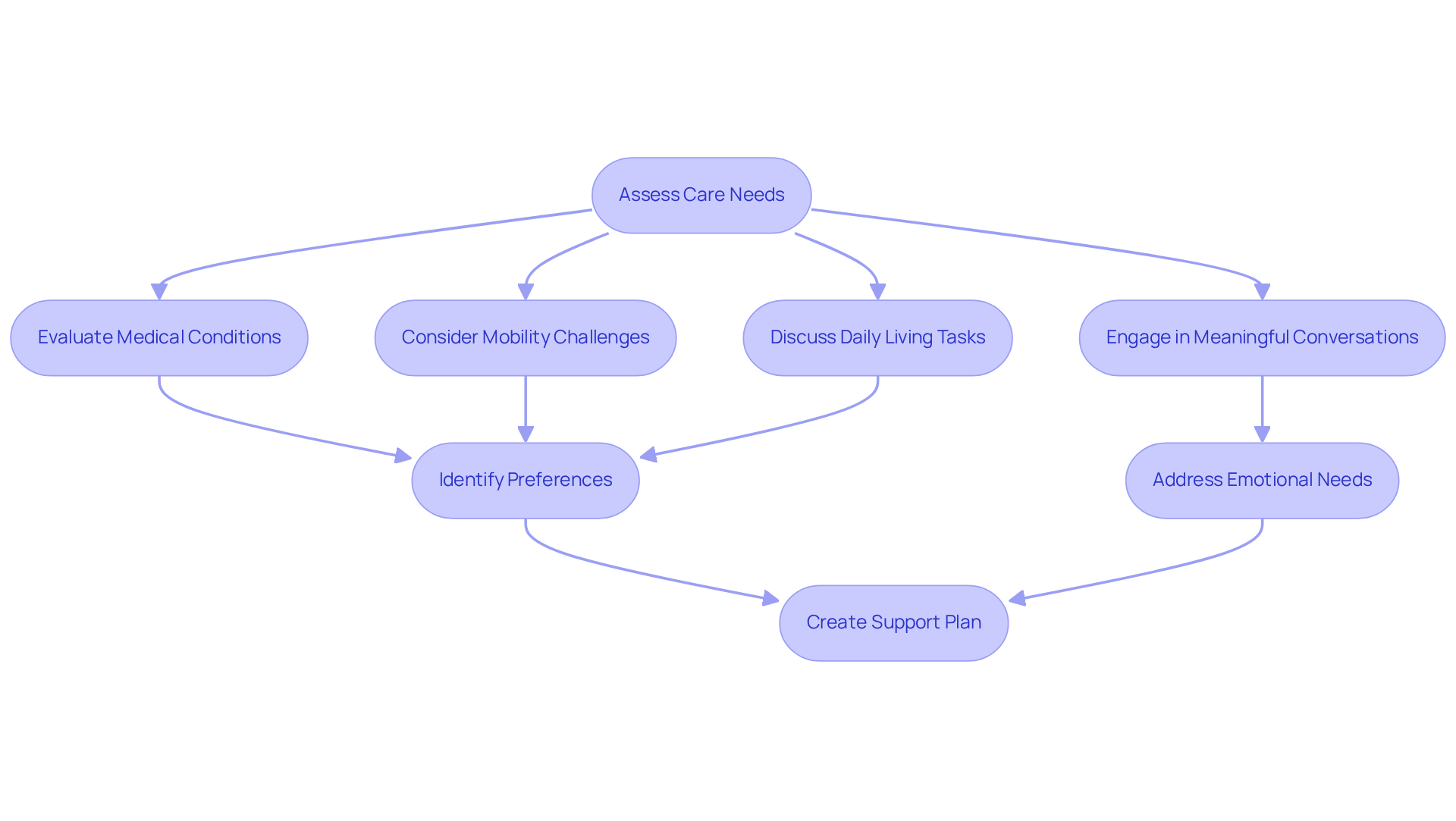
Begin by thoroughly evaluating the person's care needs. Consider their medical conditions, mobility challenges, and daily living tasks that require support. It's vital to engage the individual in meaningful conversations about their preferences—think daily routines, social activities, and specific requirements. This dialogue is crucial for clearly expressing your needs when reaching out to live-in carers agencies. For example, if someone loves gardening, look for live-in carers agencies that offer caregivers who can facilitate outdoor activities. This not only enhances engagement but also promotes independence.
It's equally important to address the emotional and social needs of the individual. Research indicates that companionship is just as vital as physical assistance for seniors receiving in-home support. Emma-Lee Curtis emphasizes that person-centered support is about doing things 'with' individuals rather than 'to' them. This highlights the importance of involving clients in their planning. Make sure the live-in carers agencies can provide caregivers who are not only skilled but also empathetic and engaging. This fosters a supportive environment that nurtures both emotional well-being and physical health. By prioritizing these aspects, families can adopt a more holistic approach to support, significantly enhancing their loved ones' quality of life.
Additionally, it's crucial to respect clients' privacy during planning discussions, ensuring sensitive information is handled appropriately. By embracing these principles, families can create a support plan that truly reflects the individual's needs and preferences.
Evaluate Agency Qualifications and Services
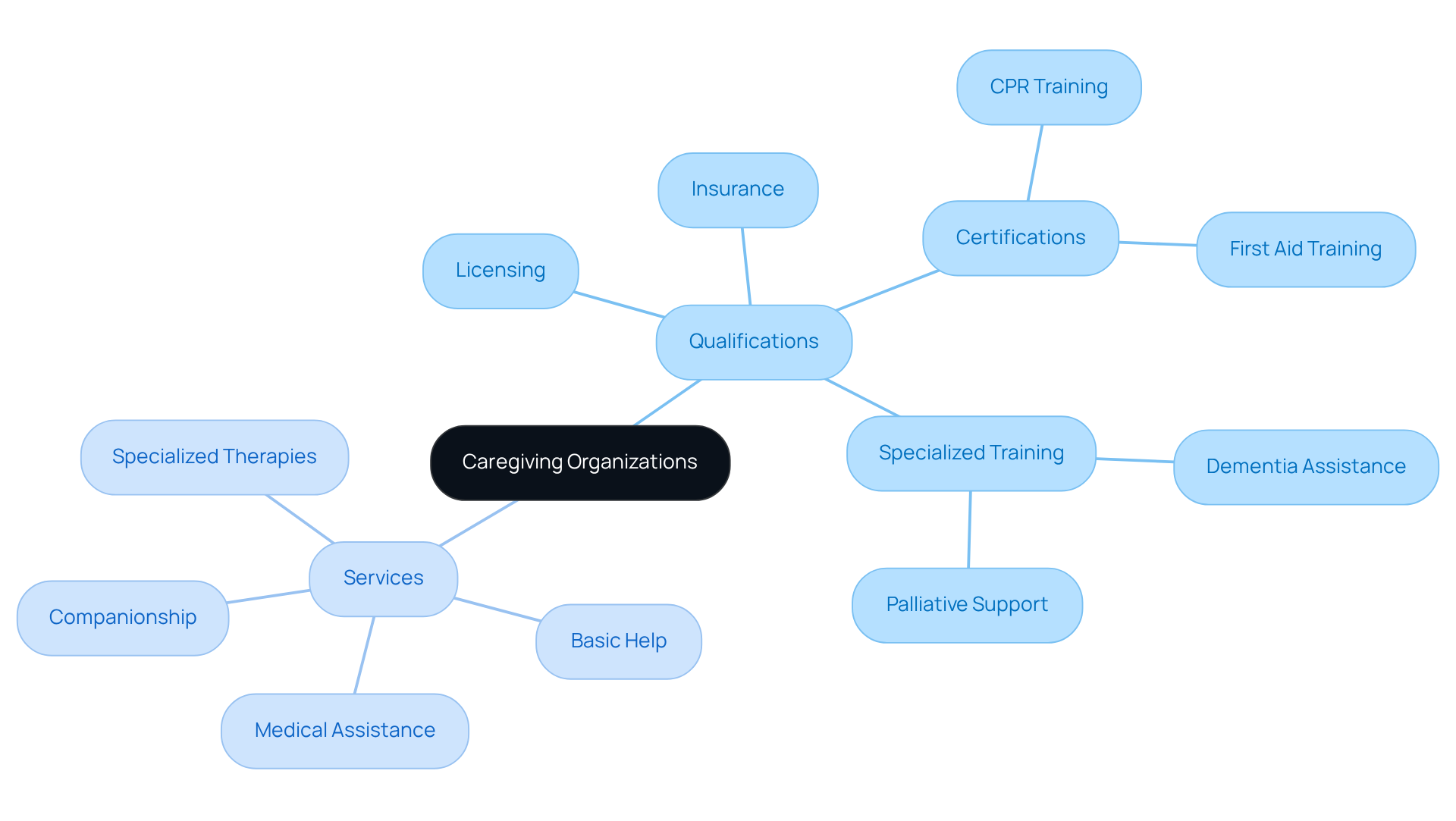
When you’re looking into caregiving organizations, it’s so important to check their licensing and insurance. These elements really show that they’re legitimate and accountable. You want to know that the caregivers they hire have the right certifications, like CPR and first aid training, along with specialized training in areas such as dementia assistance and palliative support.
But it’s not just about qualifications. It’s essential to consider the range of services they offer. Some agencies might only provide basic help, while others go above and beyond, offering medical assistance, companionship, and specialized therapies. For example, Happy to Help Caregiving provides a wide variety of services tailored to meet individual needs, ensuring that clients receive comprehensive support. This extensive service offering is especially beneficial for families who want continuity of care as their loved ones’ needs change over time.
Gather Client Reviews and Conduct Interviews
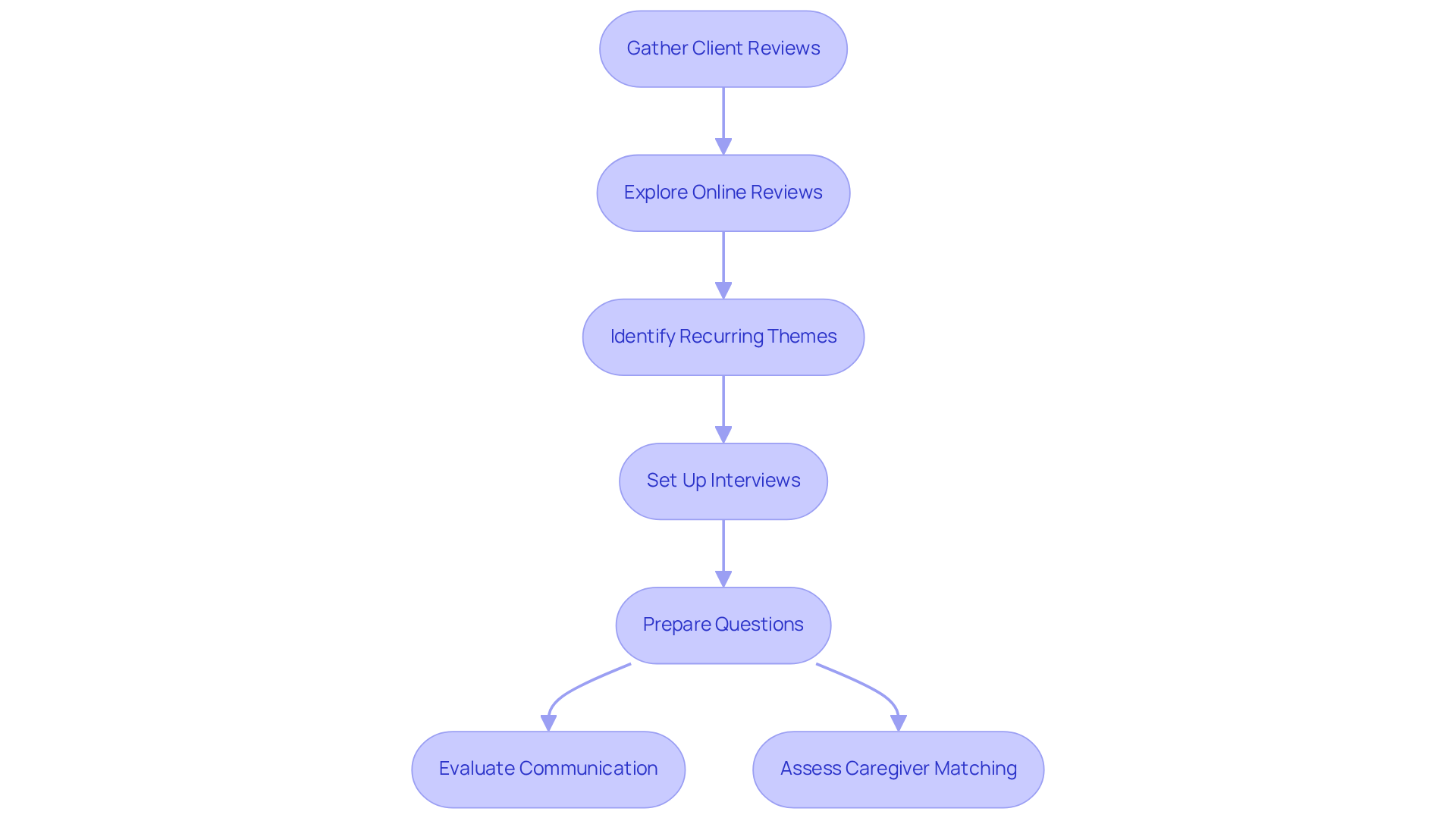
Begin by exploring online reviews and testimonials from both current and former clients. Websites like Yelp, Google Reviews, and specialized caregiving forums can be a treasure trove of insights about an organization’s reputation. Look for recurring themes in these reviews—things like caregiver reliability, communication, and the overall satisfaction of clients and their families. It’s worth noting that 90% of people who read reviews say that positive feedback sways their decisions, underscoring how crucial online opinions are in this process. However, remember that only about 5% to 10% of customers take the time to write reviews, which might lead to an inflated perception of the feedback available.
Once you’ve narrowed down your options, it’s time to set up interviews with live in carers agencies. Prepare a list of questions that address your specific concerns and needs. Inquire about caregiver training, organizational policies, and how live in carers agencies handle emergencies. This direct interaction will give you a feel for how responsive the organization is and their willingness to meet your needs. For example, ask how they match caregivers with clients based on personality and preferences—this can greatly influence the caregiving experience. Additionally, keep in mind that 62% of patients prioritize good communication and engagement from their providers, making it essential to evaluate these qualities during your discussions.
Clarify Costs and Payment Options
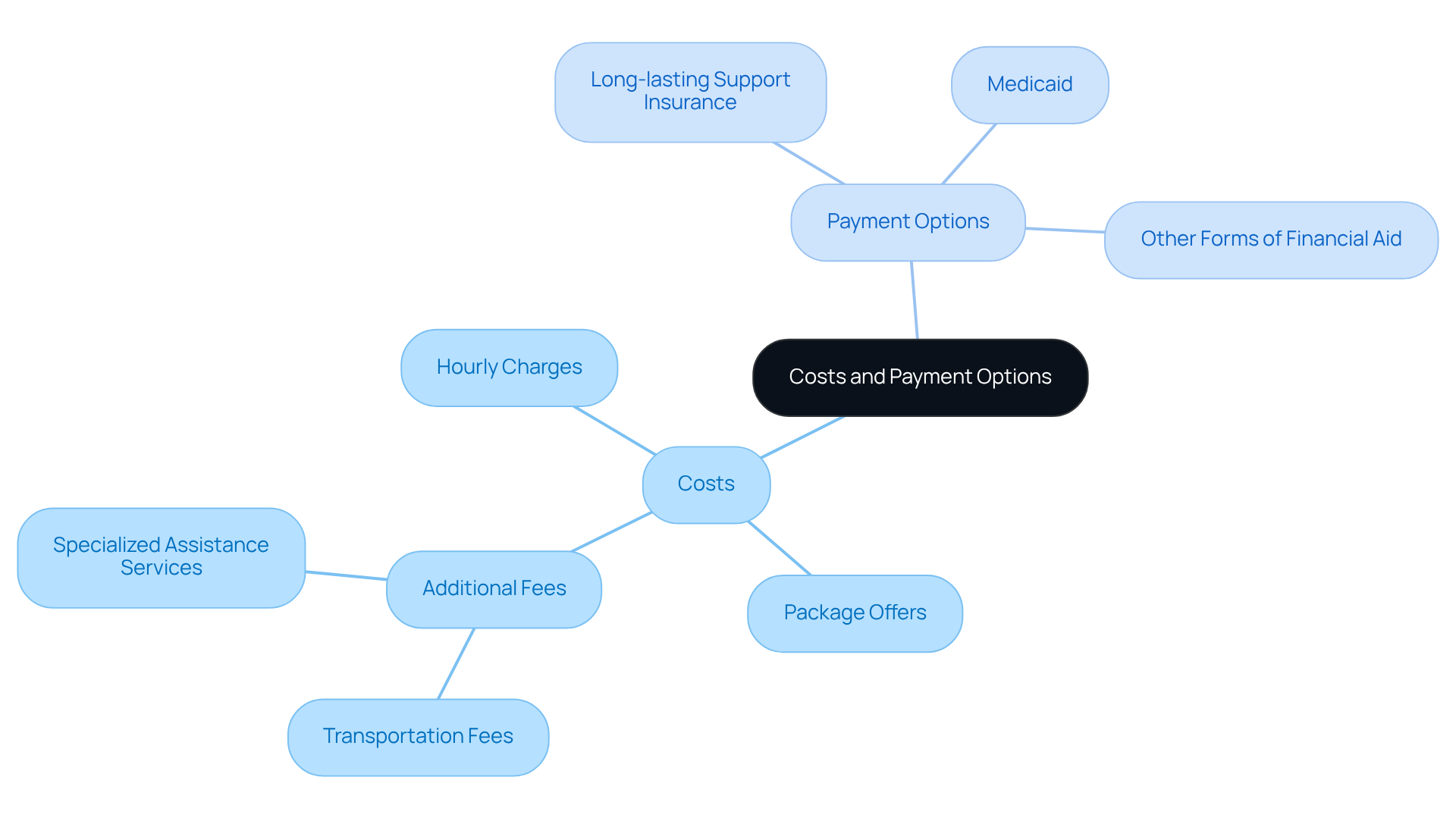
Before you engage with a firm, it’s important to ask for a detailed breakdown of the costs associated with their services. Inquire about:
- Hourly charges
- Package offers
- Any additional fees that might come into play, like transportation or specialized assistance services
Understanding these costs upfront can help prevent misunderstandings later on, easing some of the stress you might feel.
Also, take a moment to explore the payment options available. Some organizations may accept:
- Long-lasting support insurance
- Medicaid
- Other forms of financial aid
Discussing these options with the agency can help families identify potential funding sources and create a sustainable care plan. For instance, Happy to Help Caregiving offers flexible payment options, including autopay, which can simplify the financial management of caregiving services. This way, you can focus more on what truly matters—providing the best care for your loved ones.
Making the Right Choice
Choosing the right live-in carers agency is a deeply important decision that can greatly affect the quality of care for your loved ones. It’s understandable to feel overwhelmed by this choice. By taking a structured approach, families can find an agency that not only addresses medical and physical needs but also respects personal preferences and emotional well-being. This thoughtful selection process can truly enhance the caregiving experience.
To guide you in this journey, here are four key steps to consider:
- Assess care needs and preferences
- Evaluate agency qualifications and services
- Gather client reviews and conduct interviews
- Clarify costs and payment options
Each of these steps highlights the importance of understanding individual needs, the qualifications of caregivers, the agency's reputation, and the financial aspects of care. Engaging in these steps allows families to create a supportive environment that fosters independence and dignity for their loved ones.
As you search for the ideal live-in care solution, it’s essential to adopt a holistic view that encompasses not just the physical aspects of care but also the emotional and social dimensions. Prioritizing thorough research and open communication with potential agencies is key. This proactive approach not only leads to better care outcomes but also ensures that the unique needs and preferences of each individual are honored and met.
Remember, you’re not alone in this process. Many families have walked this path and found compassionate care that truly makes a difference. By taking the time to choose wisely, you’re setting the stage for a nurturing environment that respects and uplifts your loved ones. Trust that with careful consideration, you can find the right support that brings peace of mind and enhances the quality of life for those you care about.
https://iframe.tely.ai/cta/eyJhcnRpY2xlX2lkIjogIjY5MDY5ZmM3NTYxOTQyOGI4OGM3YTVhNiIsICJjb21wYW55X2lkIjogIjY4ZWU1ZGNhNzMxNzYyNTU3ZjNjOTVjMSIsICJpbmRleCI6IG51bGwsICJ0eXBlIjogImFydGljbGUifQ==Frequently Asked Questions
How should I begin assessing care needs for a loved one?
Start by thoroughly evaluating their care needs, considering medical conditions, mobility challenges, and daily living tasks that require support. Engage in meaningful conversations about their preferences, including daily routines and social activities.
Why is it important to involve the individual in discussions about their care?
Involving the individual in discussions is crucial for expressing their needs clearly when contacting live-in carers agencies. It ensures that their preferences are taken into account, enhancing their engagement and promoting independence.
What role does companionship play in in-home support for seniors?
Companionship is vital for seniors receiving in-home support, as it addresses their emotional and social needs. Research indicates that having someone to connect with is just as important as physical assistance.
What does person-centered support entail?
Person-centered support involves doing things 'with' individuals rather than 'to' them. This approach emphasizes the importance of involving clients in their care planning, ensuring their preferences and needs are prioritized.
What qualities should I look for in caregivers from live-in carers agencies?
Look for caregivers who are not only skilled but also empathetic and engaging. This fosters a supportive environment that nurtures both emotional well-being and physical health.
How can families create a more holistic approach to support?
Families can adopt a holistic approach by prioritizing emotional, social, and physical needs in their support plans. This significantly enhances the quality of life for their loved ones.
Why is it important to respect clients' privacy during planning discussions?
Respecting clients' privacy ensures that sensitive information is handled appropriately, which is essential for building trust and creating a support plan that reflects the individual's needs and preferences.