
For families in our service areas
For families in our service areas, this guide explains caregiver support and how non-medical in-home caregiving can support care planning in East Idaho, Treasure Valley & Magic Valley, Northern Wasatch, North Central West Virginia, and Northeast Ohio.
Understanding Caring for Mom: Essential Tips
Caring for an aging parent presents a significant challenge, often leading to feelings of isolation and burnout among family caregivers. These individuals navigate complex emotional landscapes while striving to meet the unique needs of their loved ones. The demands of caregiving can be overwhelming, leaving caregivers feeling unsupported and exhausted.
To address these challenges, it’s essential to explore effective strategies and resources that can help caregivers thrive. This guide offers practical steps to empower caregivers, from assessing their mother’s needs to creating a safe and engaging home environment. By implementing these strategies, caregivers can foster a supportive atmosphere that benefits both themselves and their aging parents.
Assess Mom's Needs and Preferences
Start by having an open discussion with your mother about her routines, preferences, and any difficulties she encounters. This initial conversation is crucial for understanding her needs and setting the stage for effective caring for mom.
Problem: Many caregivers struggle to assess the needs of their loved ones, which can lead to overlooked issues and inadequate support.
Agitate: Without a clear understanding of her capabilities and challenges, your mother may face increased difficulties in daily living, potentially impacting her health and well-being.
Solution: Consider the following steps to ensure her needs are met:
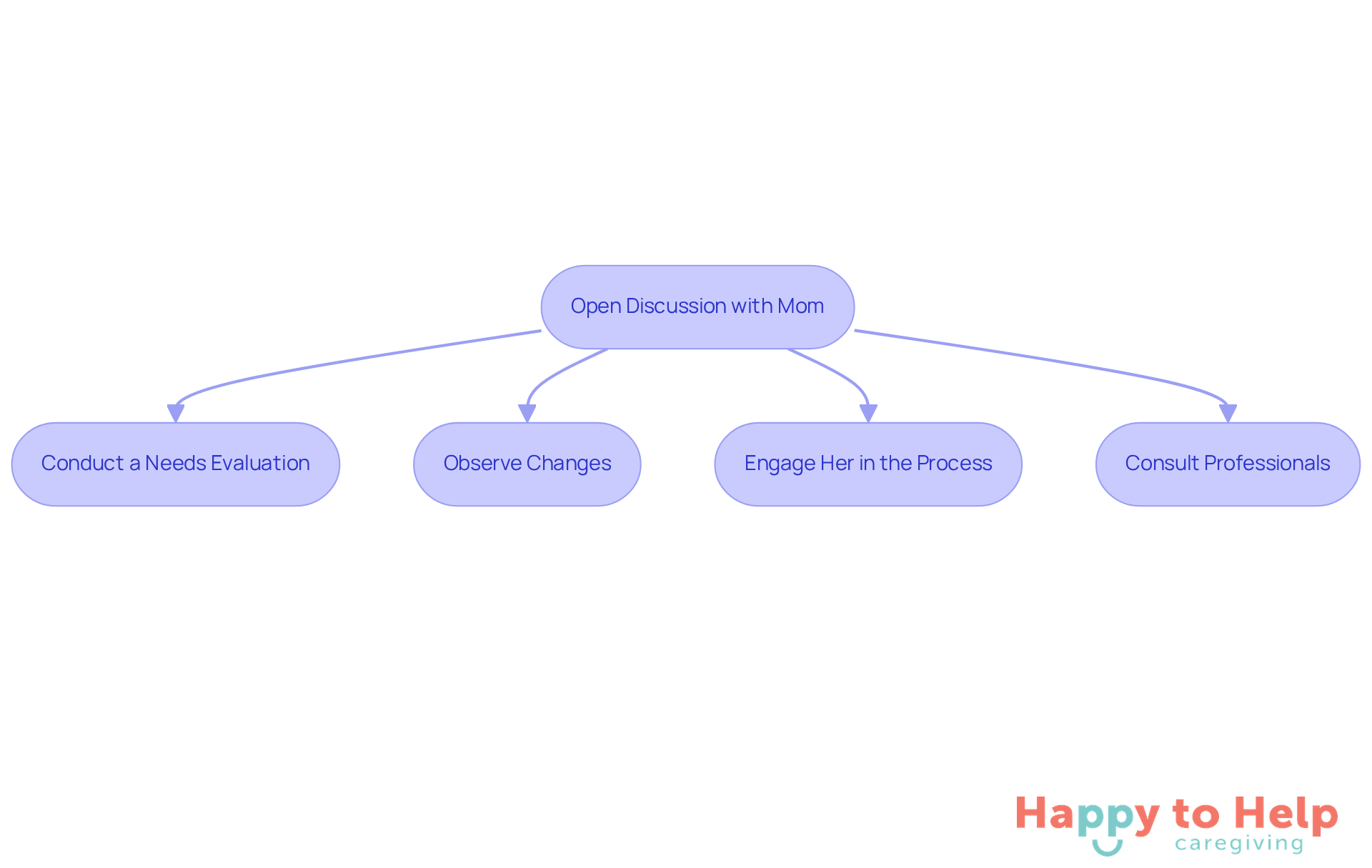
- Conduct a Needs Evaluation: Utilize tools such as the Katz ADL scale to assess her ability to perform activities of daily living (ADLs) like bathing, dressing, and eating.
- Observe Changes: Look for signs that may indicate a need for assistance, such as changes in hygiene, mobility, or social engagement.
- Engage her in the process of caring for mom by inquiring about her preferences concerning care, routine activities, and any particular concerns she might have. This will empower her and ensure her voice is heard in her care plan.
- Consult Professionals: If necessary, seek a geriatric assessment from a healthcare professional to gain a comprehensive understanding of her health status and care needs.
Establish a Safe and Comfortable Home Environment
Caring for mom requires creating a safe and comfortable environment for her well-being. However, many caregivers face challenges in caring for mom and ensuring their loved ones are protected from potential hazards at home. Here’s how you can tackle this issue effectively:
-
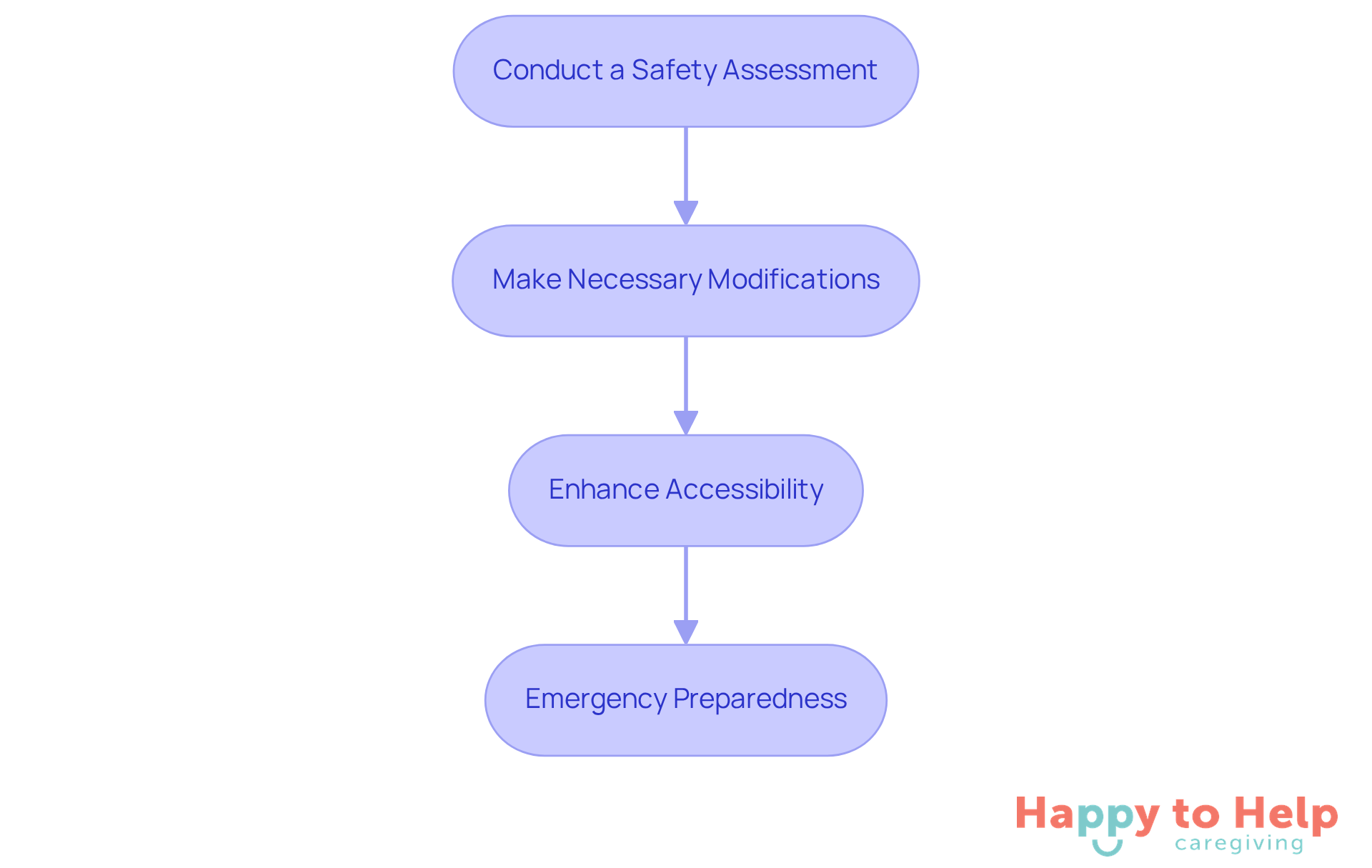
Conduct a Safety Assessment
Start by walking through the home to identify potential hazards. Look for loose rugs, poor lighting, or cluttered walkways that could pose risks. -
Make Necessary Modifications
Once you’ve identified hazards, it’s time to make modifications. Install grab bars in bathrooms, ensure adequate lighting in hallways, and remove tripping hazards. Consider using non-slip mats and securing loose cords to prevent accidents. -
Enhance Accessibility
Rearranging furniture can create clear pathways, making it easier for your mother to navigate her space. Ensure frequently used items are within easy reach. If mobility is an issue, think about adding ramps or stairlifts to improve access. -
Emergency Preparedness
Finally, keep emergency numbers visible in case of an incident. A medical alert system can provide added safety and peace of mind for both you and your mother.
Create a Daily Routine and Engage in Meaningful Activities
To create a daily routine that engages your mother, caregivers often face the challenge of caring for mom while ensuring meaningful interactions. Without a structured approach, it can be difficult to keep elderly parents active and involved, which can lead to feelings of isolation and boredom.
-
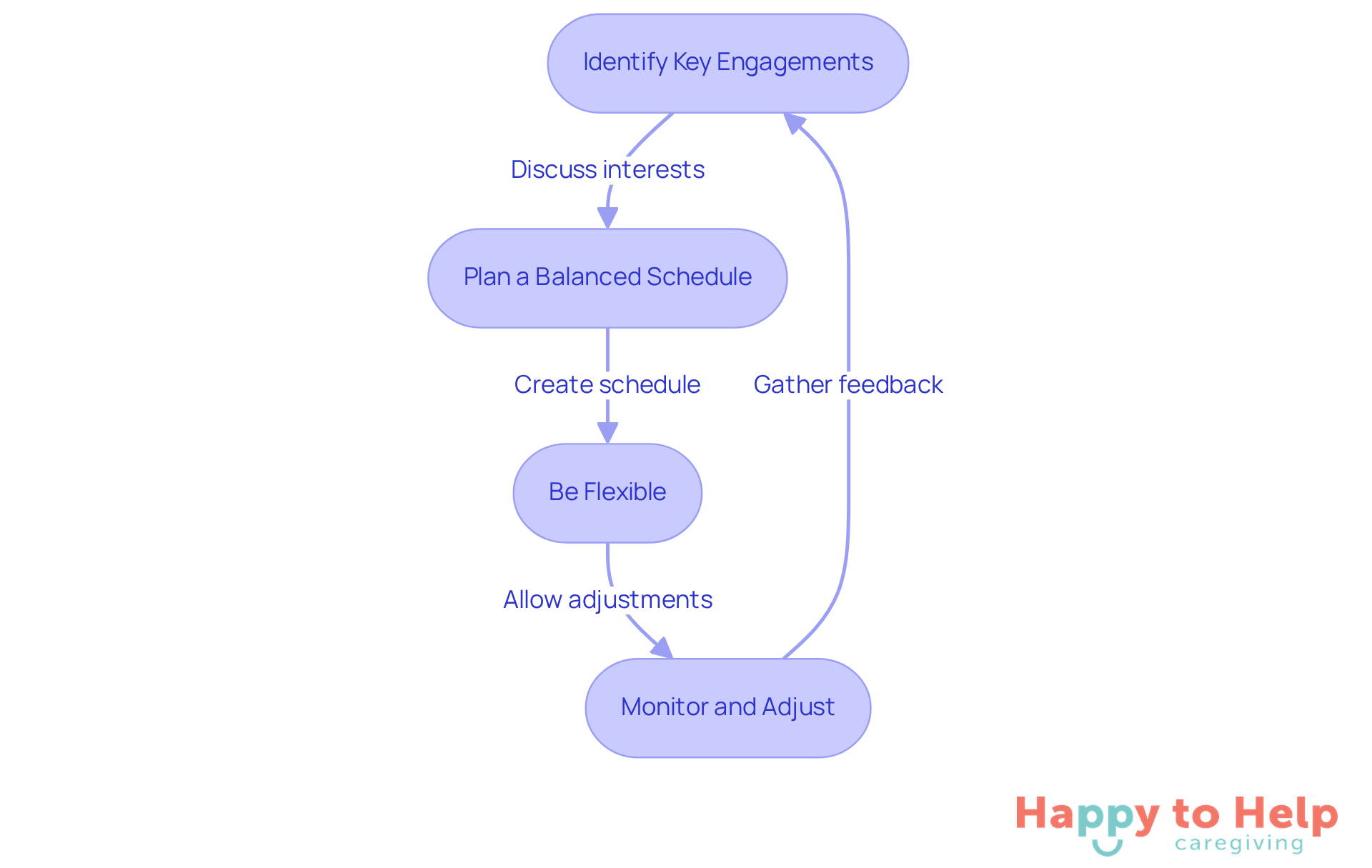
Identify Key Engagements: Start by discussing with her what pursuits she enjoys and values, such as reading, gardening, or socializing with friends. Caring for mom involves understanding her preferences, which is crucial for fostering engagement.
-
Plan a Balanced Schedule: Incorporate a mix of physical, social, and cognitive activities throughout the day. For example, schedule morning walks, afternoon puzzles, and evening family time. This variety helps maintain her interest and promotes overall well-being while caring for mom.
-
Be Flexible: While routines are important, allow for flexibility to accommodate her mood and energy levels. Adjust the schedule as needed to keep it enjoyable. This adaptability can make a significant difference in her daily experience.
-
Monitor and Adjust: Regularly check in with her about the routine and make adjustments based on her feedback and changing needs. This ongoing communication ensures that the routine remains relevant and engaging.
Seek Support and Resources for Caregiving
Caregivers, particularly those caring for mom, often face significant challenges when seeking support and resources. The emotional and physical demands of caring for mom can lead to feelings of isolation and burnout, making it crucial to find the right support systems.
-
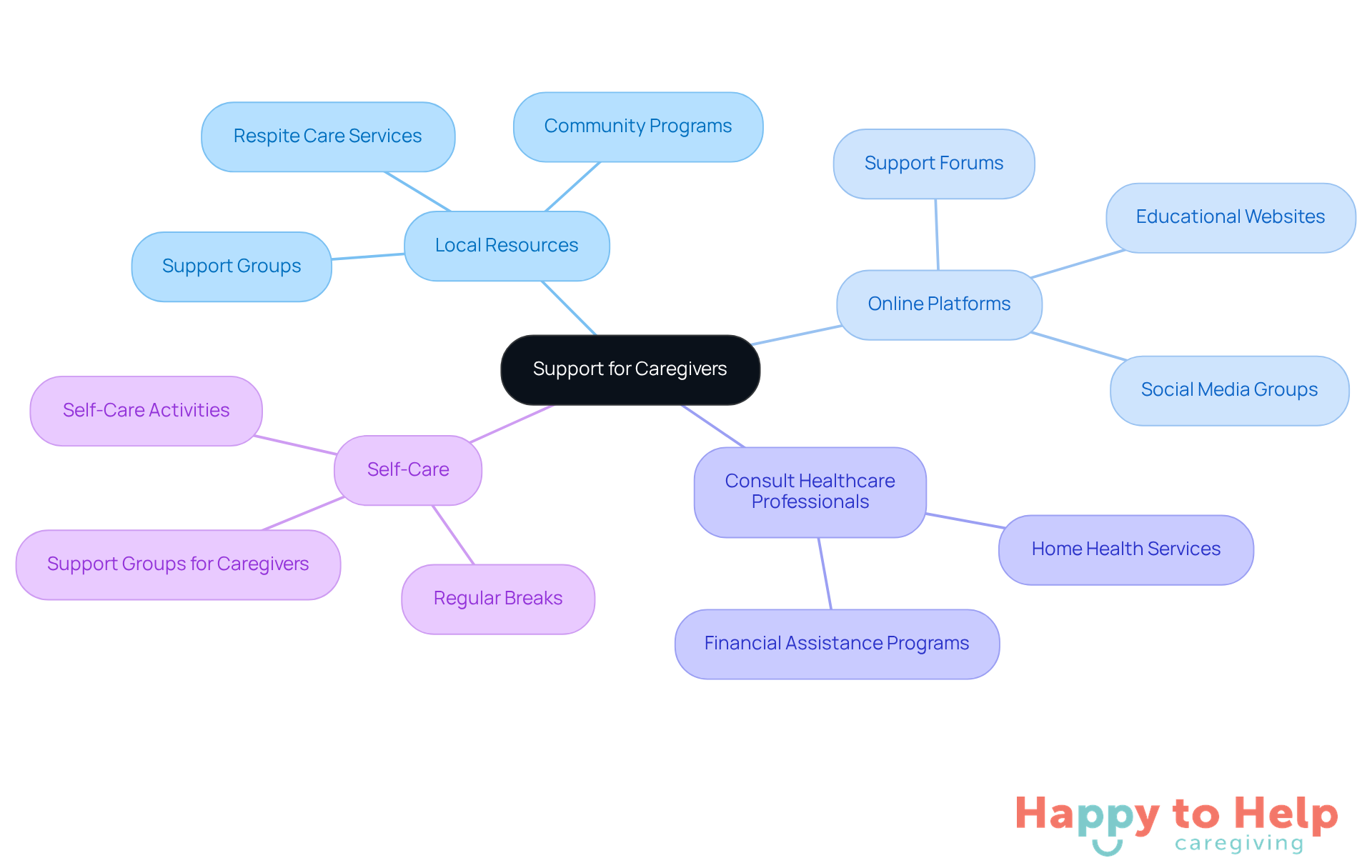
Identify Local Resources: Research local support groups that cater to caregivers, respite care services, and community programs designed to assist family providers. Many communities offer programs aimed at improving support for caregivers, particularly for those involved in caring for mom, which can significantly alleviate the difficulties encountered in these roles.
-
Utilize Online Platforms: Explore online resources such as support forums, educational websites, and social media groups. These platforms provide a space for caregivers to connect, share experiences, and access valuable advice. Engaging with these communities fosters a sense of belonging and reduces feelings of isolation, which is essential for the well-being of those involved in caring for mom.
-
Consult Healthcare Professionals: Speak with your mother's healthcare providers about available resources, including home health services and financial assistance programs. Healthcare professionals can direct you to trustworthy resources that are vital for caring for mom and managing caregiving responsibilities effectively.
-
Take Care of Yourself: Prioritize your own well-being by scheduling regular breaks and engaging in self-care activities. Consider joining a support group to share experiences and coping strategies with others in similar situations. Recognizing the importance of self-care is crucial; over half of family caregivers who are caring for mom report finding meaning in their roles, yet they often experience significant stress and burnout. Taking time for yourself not only benefits you but also enhances the quality of care you provide when caring for mom.
Making the Right Choice
Caring for a mother presents unique challenges that require a thoughtful and structured approach. Caregivers often face difficulties in prioritizing their loved one's needs, safety, and overall well-being. This can lead to feelings of overwhelm and stress, impacting both the caregiver and the mother.
To address these challenges, caregivers can engage in open conversations, assess preferences, and create a supportive environment. By doing so, they ensure that their loved ones receive the care they deserve. This process not only enhances the quality of life for mothers but also fosters a deeper connection between caregivers and those they care for.
Here are four essential steps for family caregivers:
- Assess needs and preferences: Understanding what your mother values can guide care decisions.
- Establish a safe home environment: Identify and mitigate safety hazards to prevent accidents.
- Create a meaningful daily routine: Incorporate engaging activities that promote mental and emotional health.
- Seek support and resources: Connect with communities and resources that can provide assistance.
Implementing these strategies can significantly improve a mother's quality of life while also supporting the caregiver's well-being.
Ultimately, the journey of caregiving requires patience, empathy, and support. Caregivers must recognize the importance of their own self-care and actively seek out resources that can help. Embracing these steps leads to a better caregiving experience and cultivates a nurturing environment where mothers can thrive.
https://iframe.tely.ai/cta/eyJhcnRpY2xlX2lkIjogIjY5MmZiYWE1NThmZDlmMDkwN2JiMTY2NiIsICJjb21wYW55X2lkIjogIjY4ZWU1ZGNhNzMxNzYyNTU3ZjNjOTVjMSIsICJpbmRleCI6IG51bGwsICJ0eXBlIjogImFydGljbGUifQ==Frequently Asked Questions
Why is it important to assess my mother's needs and preferences?
Assessing your mother's needs and preferences is crucial for understanding her routines, challenges, and capabilities, which helps in providing effective care and support.
What problems might arise from not assessing my mother's needs?
Without a clear understanding of her needs, there may be overlooked issues that can lead to inadequate support, increased difficulties in daily living, and potential negative impacts on her health and well-being.
What steps can I take to ensure my mother's needs are met?
You can conduct a needs evaluation using tools like the Katz ADL scale, observe changes in her hygiene, mobility, or social engagement, engage her in discussions about her care preferences, and consult healthcare professionals for a comprehensive assessment.
What is the Katz ADL scale?
The Katz ADL scale is a tool used to assess an individual's ability to perform activities of daily living (ADLs) such as bathing, dressing, and eating.
How can I involve my mother in her care process?
You can involve her by asking about her preferences regarding care, routine activities, and any concerns she may have, which empowers her and ensures her voice is heard in her care plan.
When should I consult a healthcare professional for my mother?
You should consult a healthcare professional for a geriatric assessment if you need a comprehensive understanding of her health status and care needs, especially if you observe significant changes in her abilities or well-being.
List of Sources
- Assess Mom's Needs and Preferences
- Study points to ways seniors can participate in their advance care planning (https://mcknights.com/news/study-points-to-ways-seniors-can-participate-in-their-advance-care-planning)
- Aurora releases study to address needs of older adults and caregivers (https://denver7.com/news/front-range/aurora/aurora-releases-study-to-address-needs-of-older-adults-and-caregivers)
- Older adults prioritize social activities, inclusiveness in massive survey assessing what matters most to them (https://mcknights.com/news/older-adults-prioritize-social-activities-inclusiveness-in-massive-survey-assessing-what-matters-most-to-them)
- Warning From Older Adults: Care for Aging in America Needs Urgent Rethinking (https://johnahartford.org/newsroom/view/warning-from-older-adults-care-for-aging-in-america-needs-urgent-rethinking)
- Empowering Older Adults: The Importance of Involvement in Their Own Care - NursePartners, Inc (https://nursepartners.org/empowering-older-adults-the-importance-of-involvement-in-their-own-care)
- Establish a Safe and Comfortable Home Environment
- Aging in Place Home Modifications for Safer Living (https://agesafeamerica.com/home-safety-hub/blog/home-modifications)
- Staying Cool and Safe: Care to Stay Home Launches Heat Safety Tips for Seniors (https://wric.com/business/press-releases/ein-presswire/838807907/staying-cool-and-safe-care-to-stay-home-launches-heat-safety-tips-for-seniors)
- Home Safety Modifications to Promote Senior Independence (https://ohioanshhc.com/news/home-safety-modifications-to-promote-senior-independence)
- Aging in Place: Home Safety Modifications That Make a Big Difference (https://cjcareconsulting.com/aging-in-place-home-safety-modifications-that-make-a-big-difference)
- 5 Innovative Home Modifications for Seniors Aging in Place (https://floridaseniorconsulting.com/innovative-home-modifications-for-aging-in-place-smart-solutions-for-florida-seniors)
- Create a Daily Routine and Engage in Meaningful Activities
- The Role of Daily Routines for Seniors in Creating Stability and Joy (https://parkplacewinghaven.com/daily-routines-for-seniors)
- Daily Routine Benefits for Seniors | Arcadia Assisted Living (https://arcadia-living.com/routine-and-structure-for-seniors)
- The Importance of Daily Routines for Seniors | Brentwood HCC (https://brentwoodhcc.com/the-benefits-of-daily-routines-for-seniors-structure-for-a-happier-life)
- Benefits of a Daily Routine as We Age (https://windsormeade.org/benefits-of-a-daily-routine-as-we-age)
- The Surprising Benefits of a Daily Routine in Retirement (https://seniorstar.com/blog/the-surprising-benefits-of-a-daily-routine-in-retirement)
- Seek Support and Resources for Caregiving
- Family Caregiver Support, Education Needs Growing (https://hospicenews.com/2025/11/11/family-caregiver-support-education-needs-growing)
- National Strategy to Support Family Caregivers | ACL Administration for Community Living (https://acl.gov/CaregiverStrategy)
- Honoring America’s Family Caregivers, the Unseen Workforce Behind Our Health System - Medicare Rights Center (https://medicarerights.org/medicare-watch/2025/11/25/honoring-americas-family-caregivers-the-unseen-workforce-behind-our-health-system)
- Improving Support for Family Caregivers (https://nationalacademies.org/news/2025/07/improving-support-for-family-caregivers)
- National Family Caregivers Month 2025 | Plug-in to Care Hub (https://caregiveraction.org/nfc2025)