
The Importance of Dealing with a Parent with Dementia
Understanding dementia involves more than just recognizing its symptoms; it encompasses the emotional and practical challenges caregivers face when caring for a loved one affected by this condition. With the number of individuals living with cognitive impairment on the rise, caregivers are thrust into a complex journey that requires both compassion and strategy.
Caregivers often grapple with the question: How can they effectively support their parents while also managing their own well-being? This guide addresses this pressing issue by delving into four essential steps that not only provide practical solutions but also empower caregivers to create a more supportive environment for themselves and their loved ones.
Understand Dementia: Key Concepts and Symptoms
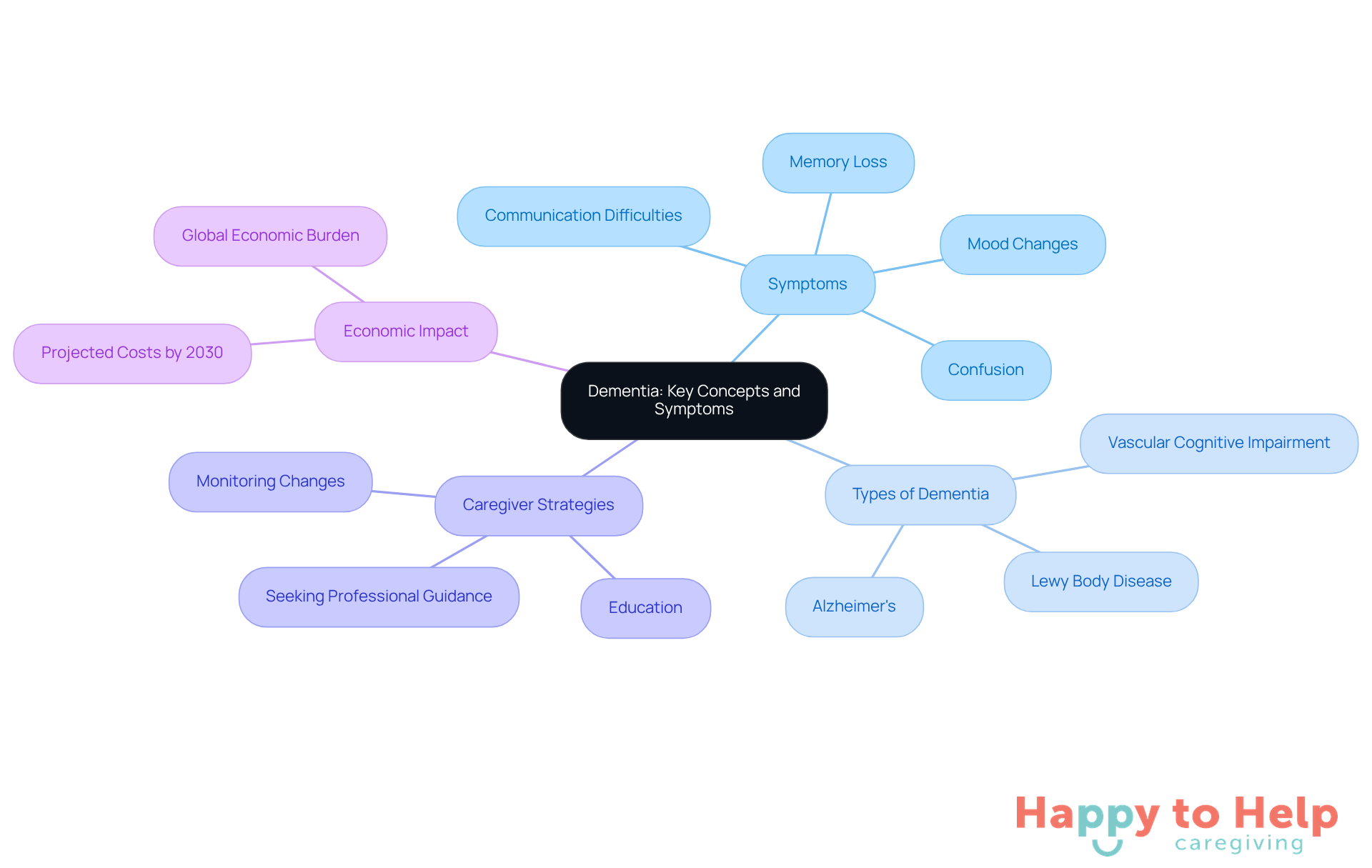
Dementia encompasses a range of brain disorders that impact memory, thinking, and social abilities. Memory loss, confusion, difficulty with communication, and changes in mood and behavior are key symptoms that caregivers must recognize. In 2021, approximately 57 million individuals worldwide were living with cognitive impairment, underscoring the urgency of addressing this issue.
The implications of these symptoms can be profound. Caregivers often face challenges in providing support when dealing with a parent with dementia, as it typically takes about 3.5 years from the initial signs of cognitive decline to a formal diagnosis. This delay can hinder timely intervention, making it crucial for caregivers to identify symptoms early. As one researcher noted, understanding the specific type of cognitive decline-such as Alzheimer's, which accounts for 60-70% of cases, vascular cognitive impairment, or Lewy body disease-can significantly enhance the quality of care provided.
To effectively support loved ones, caregivers should:
- Educate themselves about the different types of dementia and their symptoms.
- Monitor changes in behavior and communication, documenting any concerns.
- Seek professional guidance early on to develop tailored care strategies.
The economic impact of cognitive decline is projected to reach US$ 2.8 trillion by 2030, highlighting the broader implications of effective caregiving strategies. By recognizing symptoms and implementing proactive measures, caregivers can improve the quality of life for those dealing with a parent with dementia.
Communicate Effectively: Tips for Engaging with Your Parent
Dealing with a parent with dementia can make effective communication challenging. Caregivers often face difficulties in ensuring their loved ones feel understood and secure. This can lead to frustration and emotional strain for both parties.
To address these challenges, consider the following actionable tips:
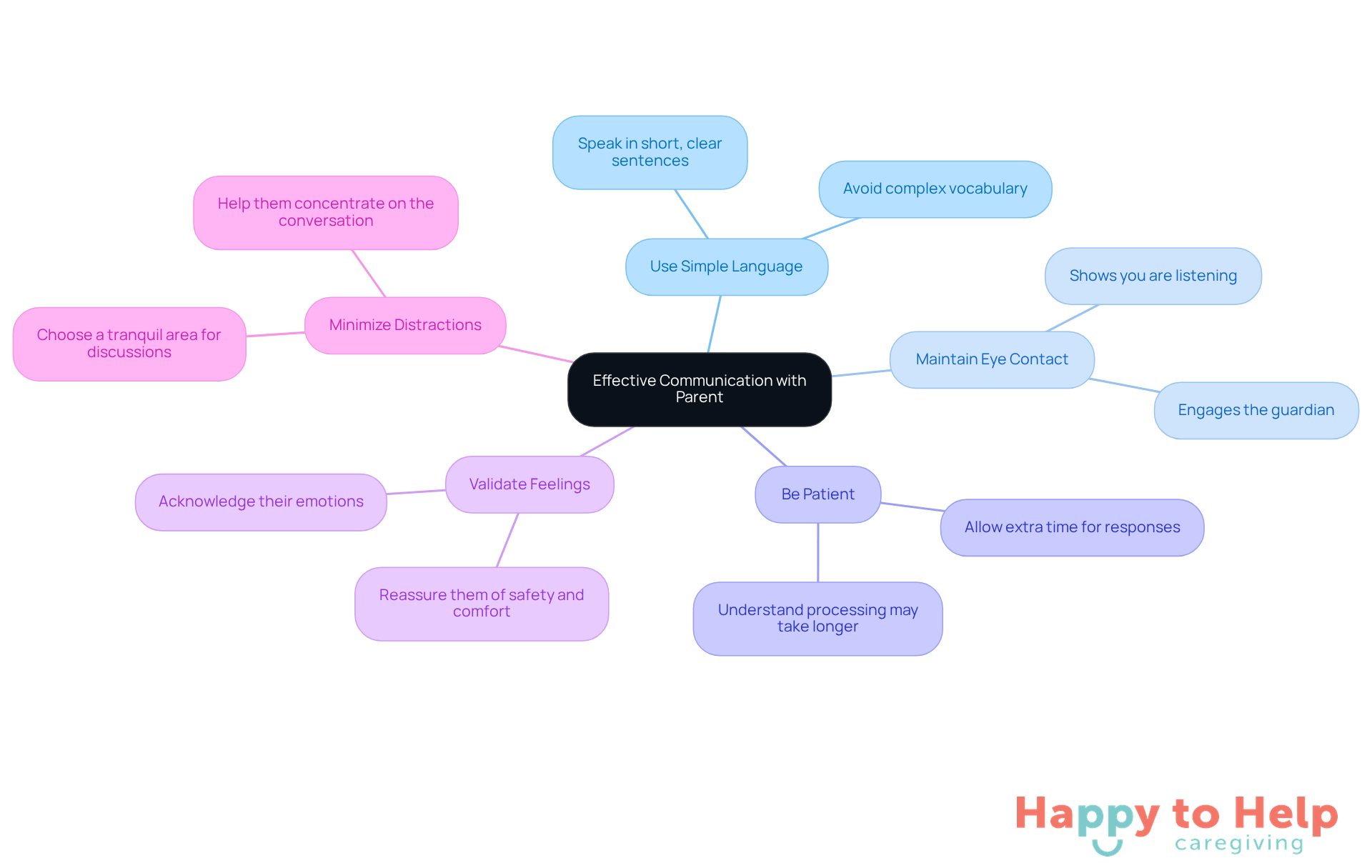
- Use Simple Language: Speak in short, clear sentences and avoid complex vocabulary. This helps in making the conversation more accessible.
- Maintain Eye Contact: Engaging your guardian through eye contact shows that you are listening and present in the moment.
- Be Patient: Allow extra time for your guardian to respond, as processing information may take longer for them.
- Validate Feelings: Acknowledge their emotions, even if their perceptions are not accurate. For instance, if they express a desire to go home, reassure them of their safety and comfort in the current environment.
- Minimize Distractions: Choose a tranquil area for discussions to help your guardian concentrate on the conversation.
By implementing these strategies, caregivers dealing with a parent with dementia can foster better communication and create a more supportive environment.
Establish Routines: Create a Supportive Daily Structure
Establishing a daily routine can significantly support caregivers in fostering a sense of security and involvement for their guardians. Without a structured routine, caregivers may notice their loved ones feeling anxious or disconnected. This can lead to increased stress for both parties. Here’s how to create a routine that works:
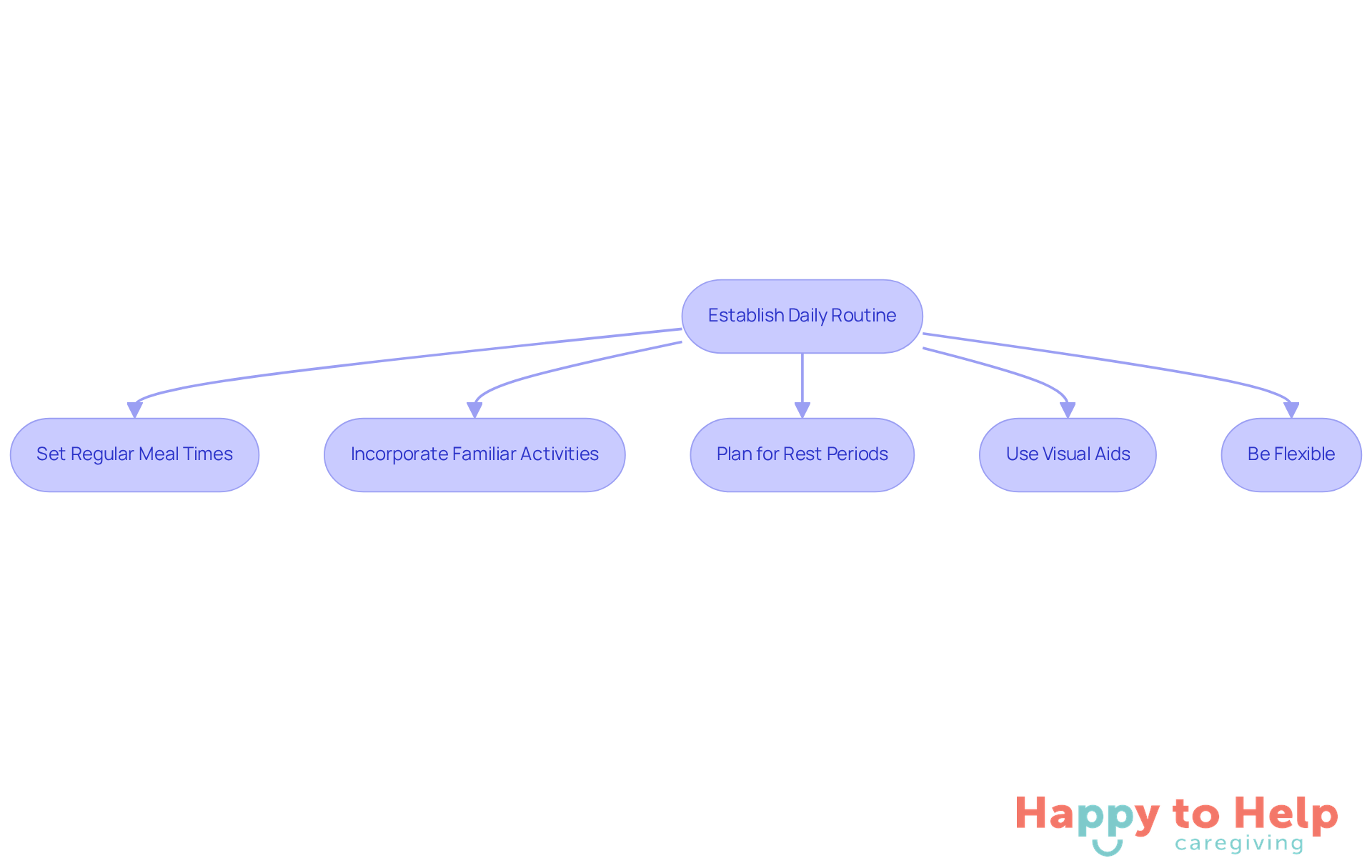
- Set Regular Meal Times: Consistent meal times help regulate daily rhythms, making the day more predictable.
- Incorporate Familiar Activities: Include activities your guardian enjoys, such as gardening, reading, or listening to music, to enhance their engagement and joy.
- Plan for Rest Periods: Schedule breaks to prevent fatigue and allow for relaxation, ensuring your guardian remains refreshed throughout the day.
- Use Visual Aids: Consider using a calendar or a daily schedule chart to help your guardian understand what to expect, reducing anxiety about the unknown.
- Be Flexible: While routines are important, be prepared to adapt them based on your parent’s mood and energy levels, allowing for a more personalized approach.
Prioritize Self-Care: Manage Caregiver Stress and Burnout
Caregiver stress and burnout are significant issues that can have serious consequences. Research shows that caregivers often neglect their own health, leading to detrimental effects. For example, studies indicate that approximately 18% of individuals providing care for spouses with Alzheimer's disease pass away before their loved ones. As former Wisconsin Governor Marty Schreiber noted, "When those who provide care neglect their own needs, their health will decline, putting both them and their loved ones at risk." This highlights the urgent need for caregivers to prioritize self-care.
To effectively manage caregiver stress and prevent burnout, consider implementing these essential self-care strategies:
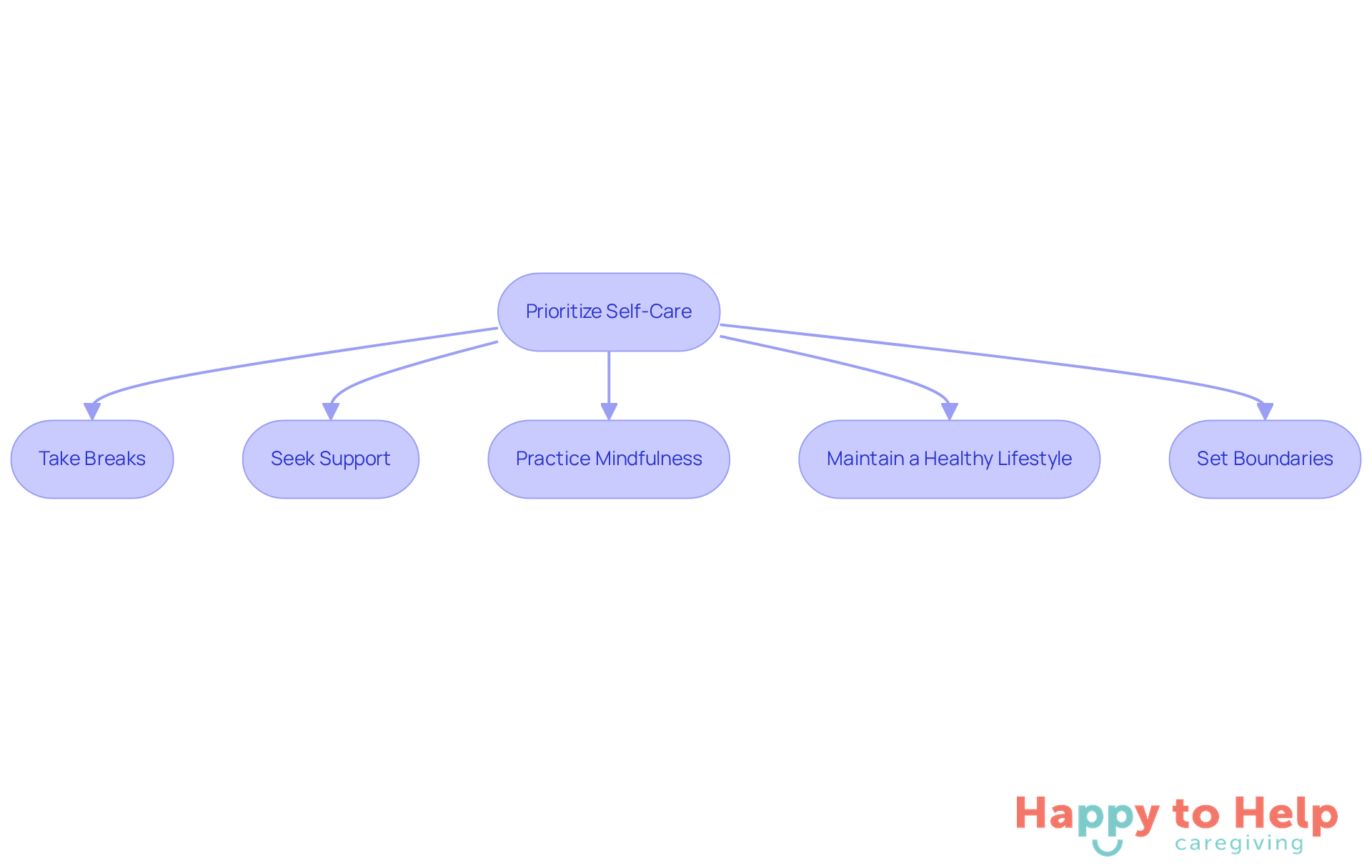
- Take Breaks: Schedule regular breaks to recharge. Engage in short walks, pursue hobbies, or spend time with friends to refresh your mind and body.
- Seek Support: Join a caregiver support group or confide in friends and family about your experiences. Connecting with others who understand your challenges can provide emotional relief and practical advice.
- Practice Mindfulness: Incorporate mindfulness practices such as meditation or yoga into your routine. These techniques can significantly reduce stress levels and enhance emotional resilience.
- Maintain a Healthy Lifestyle: Prioritize sleep, nutrition, and physical activity. A balanced lifestyle supports the maintenance of your energy levels and overall well-being, allowing you to offer better care.
- Set Boundaries: Recognize your limits and don’t hesitate to ask for help when needed. This may involve hiring respite care or involving other family members in caregiving tasks. Establishing clear boundaries is crucial for maintaining your health and effectiveness as a support provider.
Additionally, be aware of early warning signs of excessive stress, such as persistent sadness or irritability. By focusing on these strategies, caregivers can mitigate the risk of burnout and enhance their overall quality of life.
Making the Right Choice
Caring for a parent with dementia presents significant challenges that require a multifaceted approach. Caregivers often face emotional strain and practical difficulties, making it essential to understand the condition and its complexities. Without proper strategies, both the caregiver and the parent may struggle, leading to a diminished quality of life.
To address these challenges, caregivers must prioritize effective communication, establish routines, and focus on self-care. Recognizing the symptoms of dementia is crucial, as it allows caregivers to provide better support. Early intervention and clear communication strategies can significantly improve interactions, while structured daily activities help create a sense of stability for the parent. Additionally, caregiver well-being is paramount; neglecting self-care can lead to burnout, further complicating the caregiving experience.
Here are key strategies to implement:
- Educate Yourself: Understand the different types of dementia and their symptoms.
- Use Simple Language: Communicate effectively by using clear and straightforward language.
- Create Predictable Routines: Establish daily activities that provide structure and familiarity.
- Practice Self-Care: Engage in activities that promote your own mental and physical health.
By taking these proactive steps, caregivers can foster a nurturing environment that enhances their parent's experience while also protecting their own well-being. Embracing these practices leads to a more fulfilling caregiving journey, highlighting the importance of awareness and action in the face of dementia.
https://iframe.tely.ai/cta/eyJhcnRpY2xlX2lkIjogIjY5MjRmMWZmZWM0Y2FiOGU3NGVjMDEwMCIsICJjb21wYW55X2lkIjogIjY4ZWU1ZGNhNzMxNzYyNTU3ZjNjOTVjMSIsICJpbmRleCI6IG51bGwsICJ0eXBlIjogImFydGljbGUifQ==Frequently Asked Questions
What is dementia?
Dementia encompasses a range of brain disorders that impact memory, thinking, and social abilities.
What are the key symptoms of dementia?
Key symptoms of dementia include memory loss, confusion, difficulty with communication, and changes in mood and behavior.
How many people were living with cognitive impairment in 2021?
In 2021, approximately 57 million individuals worldwide were living with cognitive impairment.
Why is it important for caregivers to recognize dementia symptoms early?
Early recognition of symptoms is crucial because it typically takes about 3.5 years from the initial signs of cognitive decline to a formal diagnosis, which can hinder timely intervention.
What are the main types of dementia?
The main types of dementia include Alzheimer's disease, which accounts for 60-70% of cases, vascular cognitive impairment, and Lewy body disease.
What should caregivers do to support loved ones with dementia?
Caregivers should educate themselves about different types of dementia and their symptoms, monitor changes in behavior and communication, and seek professional guidance early on to develop tailored care strategies.
What is the projected economic impact of cognitive decline by 2030?
The economic impact of cognitive decline is projected to reach US$ 2.8 trillion by 2030.
How can caregivers improve the quality of life for those with dementia?
By recognizing symptoms and implementing proactive measures, caregivers can improve the quality of life for those dealing with a parent with dementia.
List of Sources
- Understand Dementia: Key Concepts and Symptoms
- Dementia Often Misdiagnosed As Normal Aging For 3.5 Years, New Study Finds (https://healthcare.msu.edu/news/2025-08-13-Dementia-Often-Misdiagnosed-As-Normal-Aging-For-Over-3-Years-New-Study-Finds.html)
- Alzheimer's Research Advances at AAIC 2025 | alz.org (https://aaic.alz.org/releases-2025/highlights-aaic-2025.asp)
- Dementia diagnosis revolutionised by AI and new blood tests (https://bbc.com/news/articles/c62e5n8jlldo)
- Dementia (https://who.int/news-room/fact-sheets/detail/dementia)
- ADI - Dementia statistics (https://alzint.org/about/dementia-facts-figures/dementia-statistics)
- Communicate Effectively: Tips for Engaging with Your Parent
- Improv training: A new approach to dementia care | Emory University | Atlanta GA (https://news.emory.edu/stories/2025/01/hs\_improving\_dementia\_care\_through\_improv\_15-01-2025/story.html)
- Clearer Conversations, Better Care: New Guide Highlights Best Practices for Communicating with Older Adults (https://geron.org/News-Events/GSA-News/Press-Room/Press-Releases/clearer-conversations-better-care-new-guide-highlights-best-practices-for-communicating-with-older-adults)
- Study offers guidance for communicating with loved ones living with dementia (https://news-medical.net/news/20250827/Study-offers-guidance-for-communicating-with-loved-ones-living-with-dementia.aspx)
- Effective Communication With Loved Ones With Dementia Premieres on UW-Led YouTube Program (https://uwyo.edu/news/2025/02/effective-communication-with-loved-ones-with-dementia-premieres-on-uw-led-youtube-program.html)
- Establish Routines: Create a Supportive Daily Structure
- The Power of Routine for Individuals in Memory Care Communities (https://harborchase.com/blogs/power-of-routine-memory-care-communities)
- Is Routine Good for Dementia? | Predictable Care | Tyler, TX (https://civitasseniorliving.com/the-hamptons/is-routine-good-for-dementia)
- Dementia: Why Routines Matter! (https://heritagesenior.com/elm-grove/blog/memory-care/dementia-why-routines-matter)
- The Importance of a Daily Routine for Dementia Patients | Where You Live Matters (https://whereyoulivematters.org/resources/importance-of-routines-for-dementia)
- (https://belleviecare.co.uk/support-advice/dementia-quotes-to-lift-your-spirits)
- Prioritize Self-Care: Manage Caregiver Stress and Burnout
- Caregiver Burnout and Strategies to Help (https://health.usnews.com/senior-care/articles/caregiver-burnout-and-strategies-to-help)
- Newsroom : News & Events : Lymphangiomatosis & Gorham's Disease Alliance (https://lgdalliance.org/news-events/newsroom.html/article/2025/05/19/protecting-mental-health-as-a-caregiver)
- Alzheimer’s Association Encourages Dementia Caregivers to Make Their Health and Well-Being an Equal Priority (https://alz.org/news/2024/november-national-family-caregivers-month)
- Prevalence of depression, anxiety, burden, burnout, and stress in informal caregivers: An umbrella review of meta-analyses (https://sciencedirect.com/science/article/pii/S2950307825000785)
- Caregiver Statistics: Health, Technology, and Caregiving Resources (https://caregiver.org/resource/caregiver-statistics-health-technology-and-caregiving-resources)