Why On How to Grow Old Gracefully Matters
Aging is often viewed as a time of decline and loss, presenting a significant challenge for family caregivers. This perception can overshadow the potential for joy and fulfillment that comes with embracing aging positively. Caregivers play a crucial role in shaping the aging experience, influencing the emotional and physical well-being of their loved ones.
However, navigating the complexities of aging gracefully can be daunting. Caregivers may wonder: how can they effectively foster a positive outlook and enhance the quality of life for seniors? This article outlines essential strategies that empower caregivers to support joyful aging. By implementing these actionable solutions, caregivers can ensure that their loved ones not only grow older but thrive in the process.
Understand the Concept of Joyful Aging
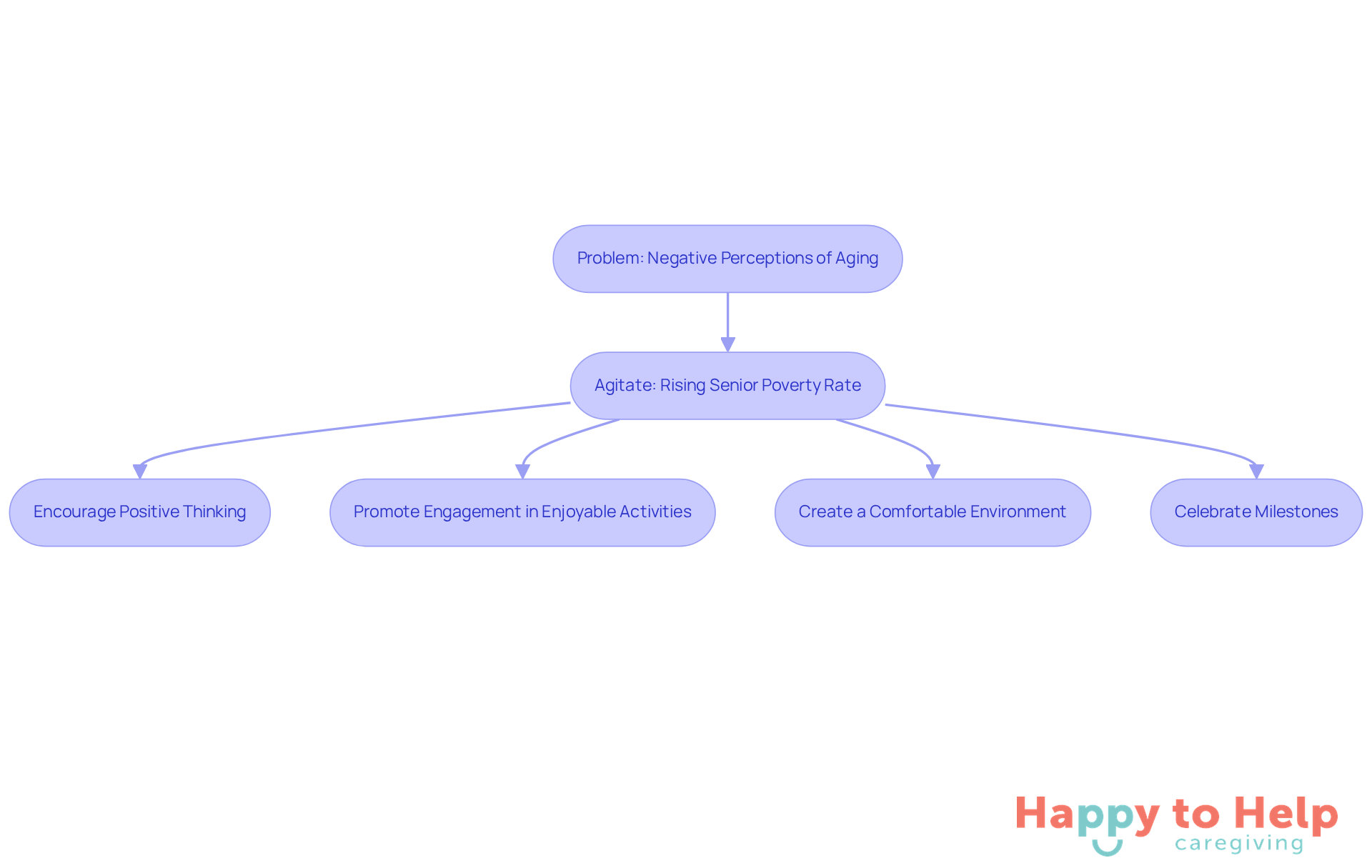
Problem: Many caregivers face the challenge of helping their loved ones embrace aging positively. Negative perceptions can lead to feelings of isolation and despair, impacting mental well-being.
Agitate: As the senior poverty rate rises to 15%, it’s crucial to address these emotional challenges. A negative outlook on aging can diminish quality of life, making it essential for caregivers to foster a more joyful perspective.
Solution: Here are actionable strategies caregivers can implement:
-
Encourage Positive Thinking: Help your loved one focus on their strengths and achievements rather than limitations. Regular conversations that highlight past successes and current interests can shift their mindset. Research indicates that optimistic individuals may enjoy a longer lifespan compared to those with pessimistic views on aging.
-
Promote Engagement in Enjoyable Activities: Identify hobbies that bring joy, such as gardening, painting, or playing games. Involvement in these activities nurtures a sense of purpose and enjoyment, which is vital as social connections greatly influence mental well-being.
-
Create a Comfortable Environment: Ensure the living space is safe, accessible, and filled with personal touches that evoke happy memories. A supportive atmosphere can significantly enhance a positive mindset and emotional well-being.
-
Celebrate Milestones: Acknowledge birthdays, anniversaries, and other significant events to reinforce a sense of belonging and importance in their life. Celebrations can enhance feelings of connection and joy.
Dr. Kerry Burnight emphasizes, "The same things that increase your joyspan have also been shown to increase your lifespan and your healthspan," highlighting the importance of a positive mindset. By focusing on these aspects, caregivers can guide their loved ones on how to grow old gracefully, allowing them to experience aging as a fulfilling and joyful journey.
Adopt Healthy Lifestyle Practices
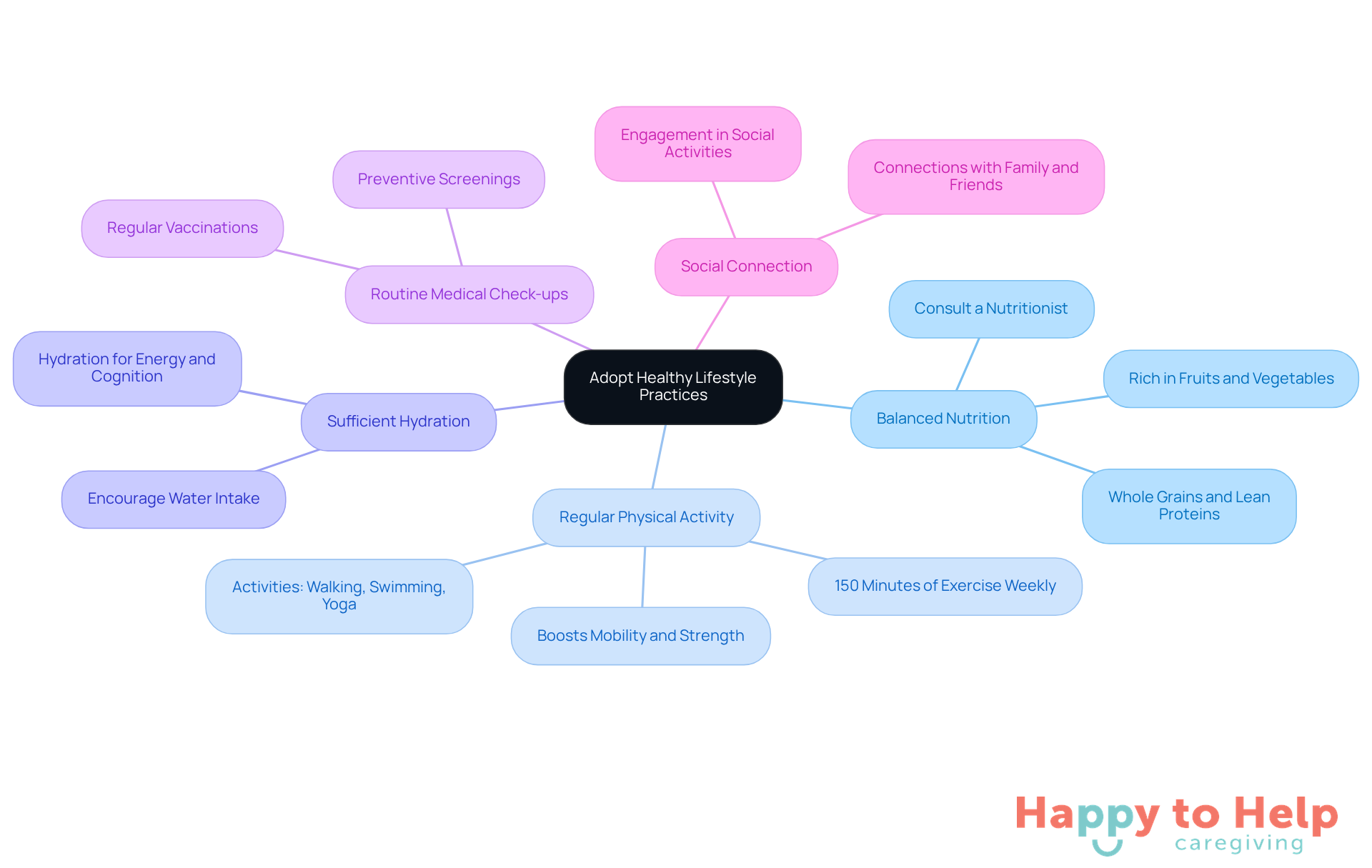
Adopting healthy lifestyle practices is essential for learning how to grow old gracefully while promoting longevity and well-being in older adults. Caregivers face the challenge of ensuring their loved ones maintain these practices, which can significantly impact their quality of life.
-
Balanced Nutrition: Meals should be rich in fruits, vegetables, whole grains, and lean proteins. Food serves as both energy and building material for the body, directly affecting overall well-being. Consulting a nutritionist can help create meal plans tailored to specific dietary needs.
-
Regular Physical Activity: Aim for at least 150 minutes of moderate-intensity exercise each week, such as walking, swimming, or yoga. This not only enhances mobility and strength but also boosts general well-being. A 2025 U.S. News survey revealed that nearly half of wellness experts prioritize exercise as crucial for effective aging.
-
Sufficient Hydration: Encourage your loved one to drink plenty of water throughout the day. Staying hydrated is vital for sustaining energy levels and cognitive function.
-
Routine Medical Check-ups: Schedule regular appointments with medical professionals for preventive screenings and vaccinations. This proactive approach helps identify potential wellness issues early on.
-
Social Connection: Foster engagement in social activities and connections with family and friends. Social interaction is vital for mental and emotional well-being.
By incorporating these practices into daily routines, caregivers can significantly enhance their family members' well-being and quality of life while also learning how to grow old gracefully.
Cultivate Mental and Emotional Resilience
Cultivating mental and emotional resilience is essential for enhancing the quality of life in older adults. However, many caregivers face challenges in supporting their loved ones through this process. Without proper guidance, older adults may struggle with stress and loneliness, which can significantly impact their overall well-being.
To address these issues, caregivers can implement several effective strategies:
-
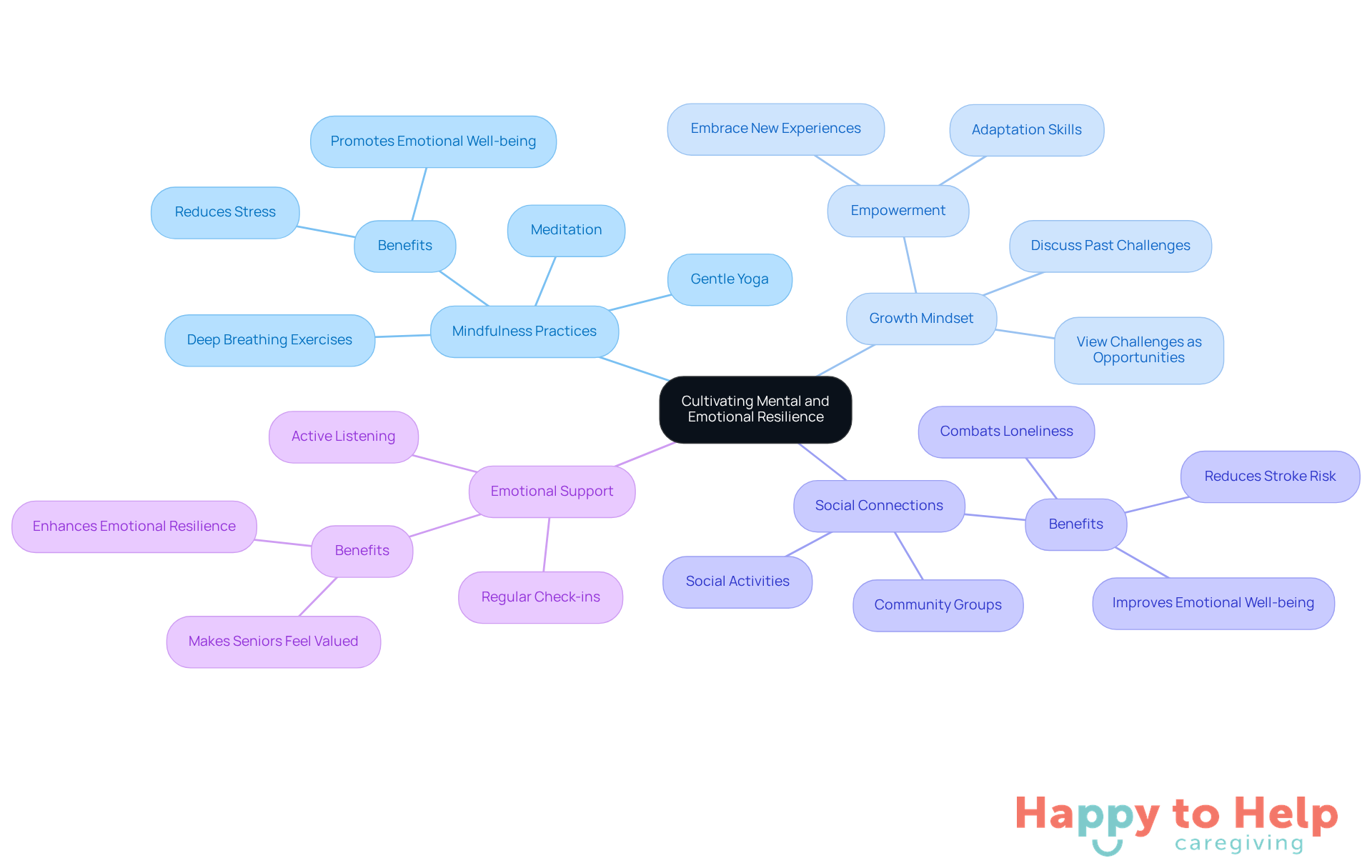
Encourage Mindfulness Practices: Introduce activities such as meditation, deep breathing exercises, or gentle yoga. These practices can significantly reduce stress and promote emotional well-being, fostering a sense of calm and clarity. Research indicates that mindfulness can result in enhanced mental well-being outcomes in seniors.
-
Foster a Growth Mindset: Help your loved one view challenges as opportunities for growth. Discussing past challenges they have overcome reinforces their ability to adapt and thrive, which is crucial for maintaining resilience. This perspective can empower them to embrace new experiences and changes in their lives.
-
Promote Social Connections: Encourage participation in community groups or social activities. Engaging with others combats loneliness, which is linked to a 56% higher risk of stroke in chronically lonely adults aged 50 and older. Creating a supportive network can significantly improve their emotional well-being and resilience.
-
Provide Emotional Support: Be available to listen and validate their feelings. Regular check-ins can make them feel valued and understood, enhancing their emotional resilience. As noted by experts, strong social connections are fundamental in supporting mental health and resilience among older adults.
By implementing these strategies, caregivers can empower those dear to them to learn how to grow old gracefully while developing the resilience necessary to navigate the complexities of aging, ultimately leading to a more fulfilling and enriched life.
Foster Meaningful Relationships and Community Engagement
Fostering meaningful relationships and community engagement is crucial for the well-being of older adults. However, many face social isolation, which can lead to feelings of loneliness and depression. Caregivers play a vital role in addressing this issue by implementing practical strategies.
-
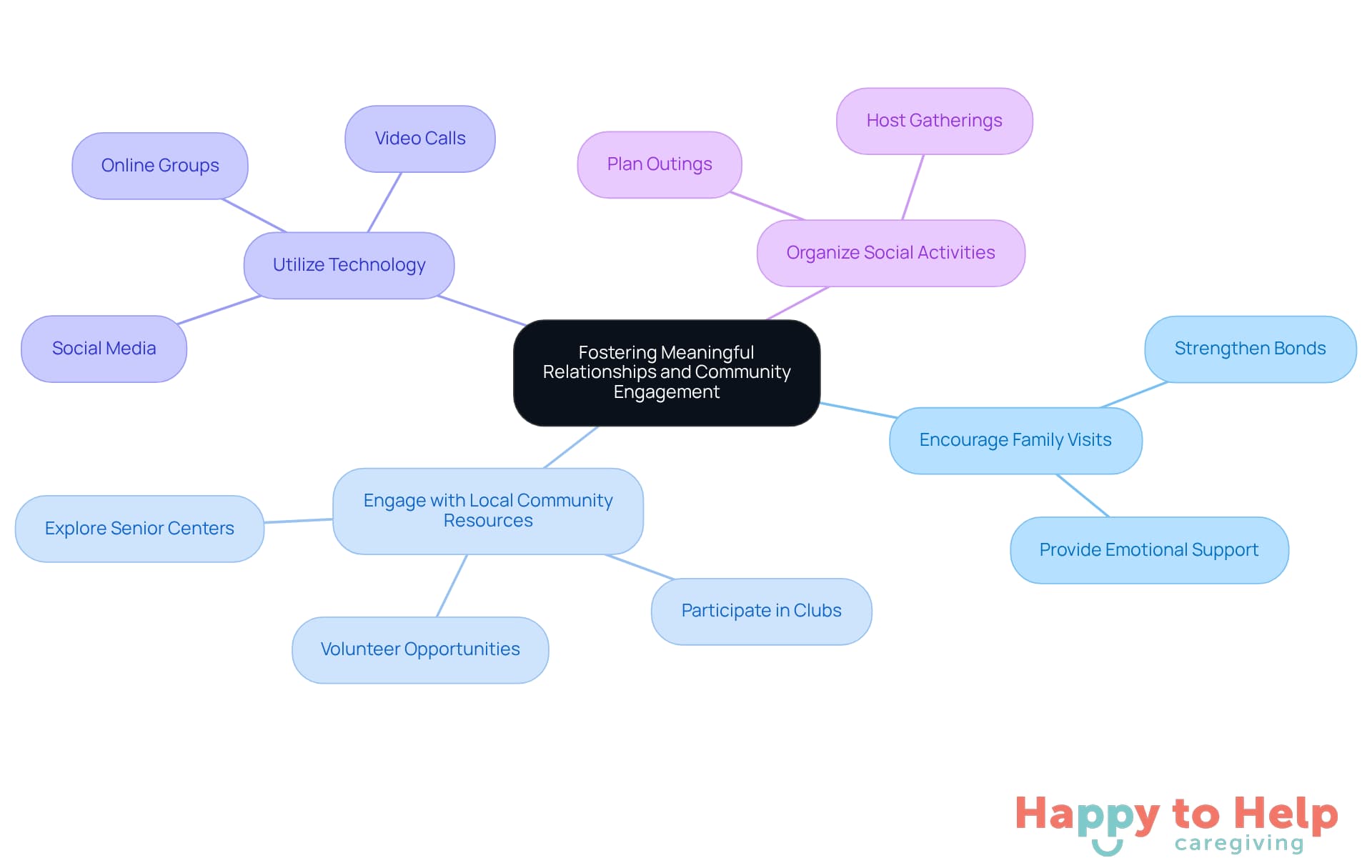
Encourage Family Visits: Regular visits from family members can strengthen bonds and provide essential emotional support. This connection is vital for older adults' mental health.
-
Engage with Local Community Resources: Explore nearby senior centers, clubs, or volunteer opportunities that align with your family member's interests. This involvement can significantly enhance their social life and sense of belonging.
-
Utilize Technology: Help your loved one navigate technology to stay connected with friends and family. Video calls, social media, and online groups can bridge the gap and foster relationships.
-
Organize Social Activities: Plan regular outings or gatherings with friends or family. These interactions create opportunities for enjoyment and social engagement.
By actively promoting these connections, caregivers can help their loved ones understand how to grow old gracefully while maintaining a vibrant social life, which is essential for joyful aging.
Moving Forward with On How to Grow Old Gracefully
Caregivers face the significant challenge of ensuring their loved ones age gracefully. This journey is not just about extending life; it’s about enhancing the quality of that life. The emotional, physical, and social well-being of older adults can be deeply affected by how caregivers approach the aging process. Without proper strategies, caregivers may struggle to provide the support their loved ones need, leading to feelings of isolation and despair.
To address these challenges, caregivers can implement several key strategies that promote joyful aging:
- Encouraging positive thinking
- Promoting healthy lifestyle practices
- Cultivating resilience
- Fostering meaningful relationships
By focusing on nutrition, physical activity, emotional support, and social engagement, caregivers can create an environment where their loved ones thrive. These strategies empower caregivers to navigate the complexities of aging with grace and positivity.
Ultimately, the importance of joyful aging cannot be overstated. Caregivers must actively engage in the lives of their loved ones, ensuring they feel valued, connected, and supported. By adopting these practices, caregivers play a crucial role in enhancing the quality of life, creating a vibrant and meaningful journey for those they care for. This is not just a responsibility; it’s an opportunity to make a lasting impact.
https://iframe.tely.ai/cta/eyJhcnRpY2xlX2lkIjogIjY5MjRmMWM4ZWM0Y2FiOGU3NGVjMDBhZiIsICJjb21wYW55X2lkIjogIjY4ZWU1ZGNhNzMxNzYyNTU3ZjNjOTVjMSIsICJpbmRleCI6IG51bGwsICJ0eXBlIjogImFydGljbGUifQ==Frequently Asked Questions
What is the main challenge caregivers face regarding aging?
Caregivers often struggle to help their loved ones embrace aging positively, as negative perceptions can lead to feelings of isolation and despair, impacting mental well-being.
Why is it important to address negative perceptions of aging?
Addressing negative perceptions is crucial because a pessimistic outlook on aging can diminish quality of life, especially as the senior poverty rate rises to 15%. Fostering a joyful perspective is essential for improving emotional health.
What strategies can caregivers use to encourage positive thinking?
Caregivers can help their loved ones focus on strengths and achievements rather than limitations through regular conversations that highlight past successes and current interests. This shift in mindset can contribute to a more optimistic outlook on aging.
How can caregivers promote engagement in enjoyable activities?
Caregivers should identify hobbies that bring joy to their loved ones, such as gardening, painting, or playing games. Engaging in these activities nurtures a sense of purpose and enjoyment, which is vital for mental well-being.
What steps can be taken to create a comfortable environment for seniors?
Caregivers should ensure that the living space is safe, accessible, and filled with personal touches that evoke happy memories. A supportive atmosphere can significantly enhance a positive mindset and emotional well-being.
Why is celebrating milestones important for seniors?
Celebrating milestones such as birthdays and anniversaries reinforces a sense of belonging and importance in their lives, enhancing feelings of connection and joy.
What does Dr. Kerry Burnight emphasize about joy and aging?
Dr. Kerry Burnight emphasizes that the same factors that increase joy also contribute to a longer lifespan and better health, highlighting the importance of maintaining a positive mindset for a fulfilling aging experience.
List of Sources
- Understand the Concept of Joyful Aging
- Aging Gracefully: The Power of Positive Thinking (https://friendshipcenters.org/aging-gracefully-the-power-of-positive-thinking)
- You Are What You Think: The Power of a Positive Health Mindset (https://money.usnews.com/money/retirement/articles/aging-and-the-power-of-a-positive-health-mindset)
- 4 Ways to Get Happier As You Age (https://time.com/7327940/joyspan-kerry-burnight-longevity-old-age)
- Joyful Aging: It’s Not Just How Long You Live, But How Well | Orange County Health Psychologists (https://ochealthpsych.com/joyful-aging-its-not-just-how-long-you-live-but-how-well)
- Positive attitude about aging could boost health | Harvard T.H. Chan School of Public Health (https://hsph.harvard.edu/news/positive-attitude-about-aging-could-boost-health)
- Adopt Healthy Lifestyle Practices
- Top 15 Wellness Trends Every Senior Should Know in 2025 - WelbeHealth (https://welbehealth.com/15-wellness-trends-for-seniors-2025)
- Top Habits and Trends for Healthy Aging: 2025 U.S. News & World Report Healthy Aging Survey (https://health.usnews.com/wellness/aging/articles/healthy-aging-survey)
- Seniors Staying Healthy in 2025 – Winfield Senior Living Community (https://winfieldseniorliving.com/seniors-staying-healthy-in-2025)
- Top Health Resolutions for Seniors: Goals to Help You Thrive in 2025 | Aviva Senior Living (https://avivaseniorlife.org/news/health-resolutions-for-seniors-2025)
- Trying to keep your brain young? A big new study finds these lifestyle changes help (https://npr.org/2025/07/28/nx-s1-5477556/aging-brain-health-lifestyle-diet-exercise-social-alzheimers)
- Cultivate Mental and Emotional Resilience
- It’s never too late: How older adults can restore optimal well-being, according to experts | CNN (https://cnn.com/2025/10/05/health/emotional-well-being-older-adults-wellness)
- Aging Gracefully in 2025 (https://owensborohealth.org/news-events/news-media/2025/aging-gracefully-2025)
- Promoting Resilience in Seniors Through Psychological Therapy - Supportive Care (https://thesupportivecare.com/blog/promoting-resilience-in-seniors-through-psychological-therapy)
- Lifelong learning helps older adults build mental resilience (https://news-medical.net/news/20250806/Lifelong-learning-helps-older-adults-build-mental-resilience.aspx)
- Foster Meaningful Relationships and Community Engagement
- The importance of connections: Ways to live a longer, healthier life | Harvard T.H. Chan School of Public Health (https://hsph.harvard.edu/news/the-importance-of-connections-ways-to-live-a-longer-healthier-life)
- Community and Family Engagement as a Tool to Enhance Quality of Life among the Elderly Population (https://afmc.org/blog/aarp-community-engagement)
- How community activities support well-being for older adults - CNW Network (https://caribbeannationalweekly.com/lifestyle/how-community-activities-support-well-being-for-older-adults)
- The Importance Of Social Connections For Seniors (https://henryford.com/Blog/2024/11/Social-Connections-For-Seniors)
- Building Social Connections to Improve the Health of Older Adults (https://hopkinsmedicine.org/news/articles/2025/07/building-social-connections-older-adults)