

Active service-area notice
Happy to Help does not currently list San Diego as an active service area. This article is general educational information. For local care availability, browse our active service areas.
Browse active service areasFor families in our service areas
For families in our service areas, this guide explains home care and how non-medical in-home caregiving can support care planning in East Idaho, Treasure Valley & Magic Valley, Northern Wasatch, North Central West Virginia, and Northeast Ohio.
Understanding Arrange At Home Care for Elderly in San
Navigating the complexities of arranging in-home care for elderly loved ones presents a significant challenge, particularly in a bustling city like San Diego. Families often struggle to ensure their aging relatives receive the necessary support while preserving their dignity and independence. This situation can lead to feelings of overwhelm and uncertainty.
To address these concerns, it’s essential to take a structured approach. Start by evaluating the specific care needs of your loved ones. Consider factors such as:
- Their health conditions
- Daily activities
- Personal preferences
Once you have a clear understanding of their requirements, the next step is to select reliable care providers. Look for agencies with strong reputations and positive reviews from other families.
Finally, develop personalized care plans that can adapt to changing circumstances. Regularly reassess the care needs and adjust the plans accordingly. By following these steps, families can effectively balance their responsibilities while ensuring their loved ones receive the best possible care.
Evaluate the Need for In-Home Care
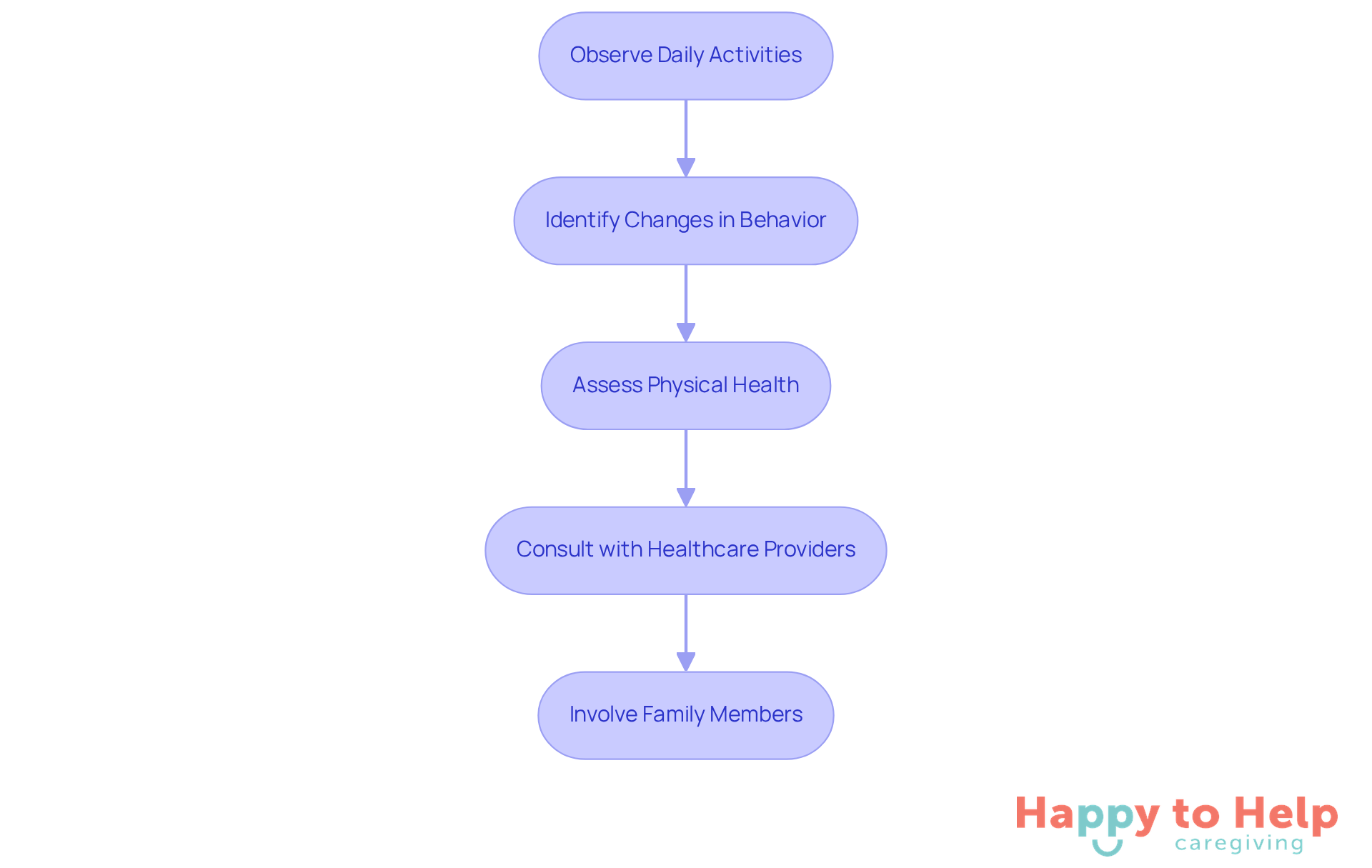
Observe Daily Activities: Caregivers often face the challenge of ensuring their loved ones can manage daily tasks. It's crucial to pay attention to how they handle activities like bathing, dressing, or preparing meals. Signs of difficulty in these areas can indicate a need for additional support.
Identify Changes in Behavior: Changes in mood or behavior can be significant red flags. Increased confusion, withdrawal from social activities, or signs of depression may suggest that your loved one is struggling. Recognizing these changes is essential for timely intervention.
Assess Physical Health: Recent health issues, hospitalizations, or chronic conditions can complicate caregiving. Consider any medical history that may require extra attention and support to ensure your loved one’s well-being.
Consult with Healthcare Providers: Engaging with doctors or specialists is vital. They can provide insights into your loved one's health status and recommend appropriate at home care for elderly San Diego options that are tailored to their needs.
Involve Family Members: Caregiving can be overwhelming, so discussing your observations with family members can be beneficial. Gathering different perspectives helps in understanding the individual's needs and challenges, fostering a collaborative approach to care.
Research and Choose an In-Home Care Agency
Finding Reliable In-Home Care Providers in San Diego
Finding trustworthy in-home care providers can be a daunting task for families. With numerous options available, it’s crucial to ensure that the chosen provider meets quality standards and can cater to specific needs.
-
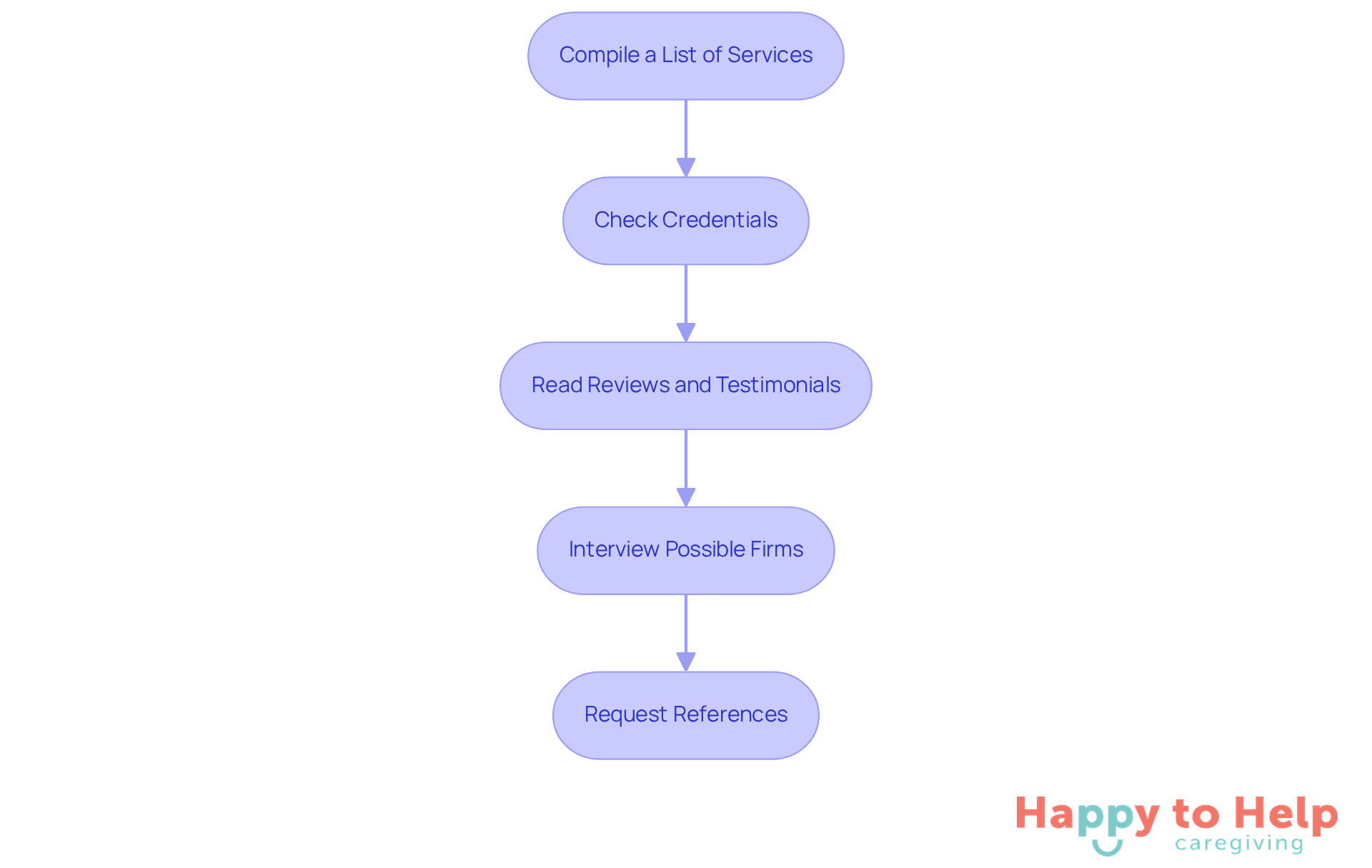
Compile a List of Services
Start by gathering a list of local in-home care providers in San Diego. Utilize online resources, referrals from healthcare providers, and community resources to create a comprehensive list. -
Check Credentials
Verify that the organizations are licensed and accredited. Look for certifications from recognized organizations that ensure quality standards, as this is vital for peace of mind. -
Read Reviews and Testimonials
Research online feedback and testimonials from other families to assess the organization's reputation and reliability. This step can provide valuable insights into the experiences of others. -
Interview Possible Firms
Arrange meetings with a select number of firms. During these interviews, ask about their services, caregiver training, and how they handle emergencies. This will help you gauge their preparedness and professionalism. -
Request References
Ask for references from current or past clients to gain insight into their experiences with the agency. Hearing directly from others can significantly inform your decision-making process.
Develop a Personalized Care Plan
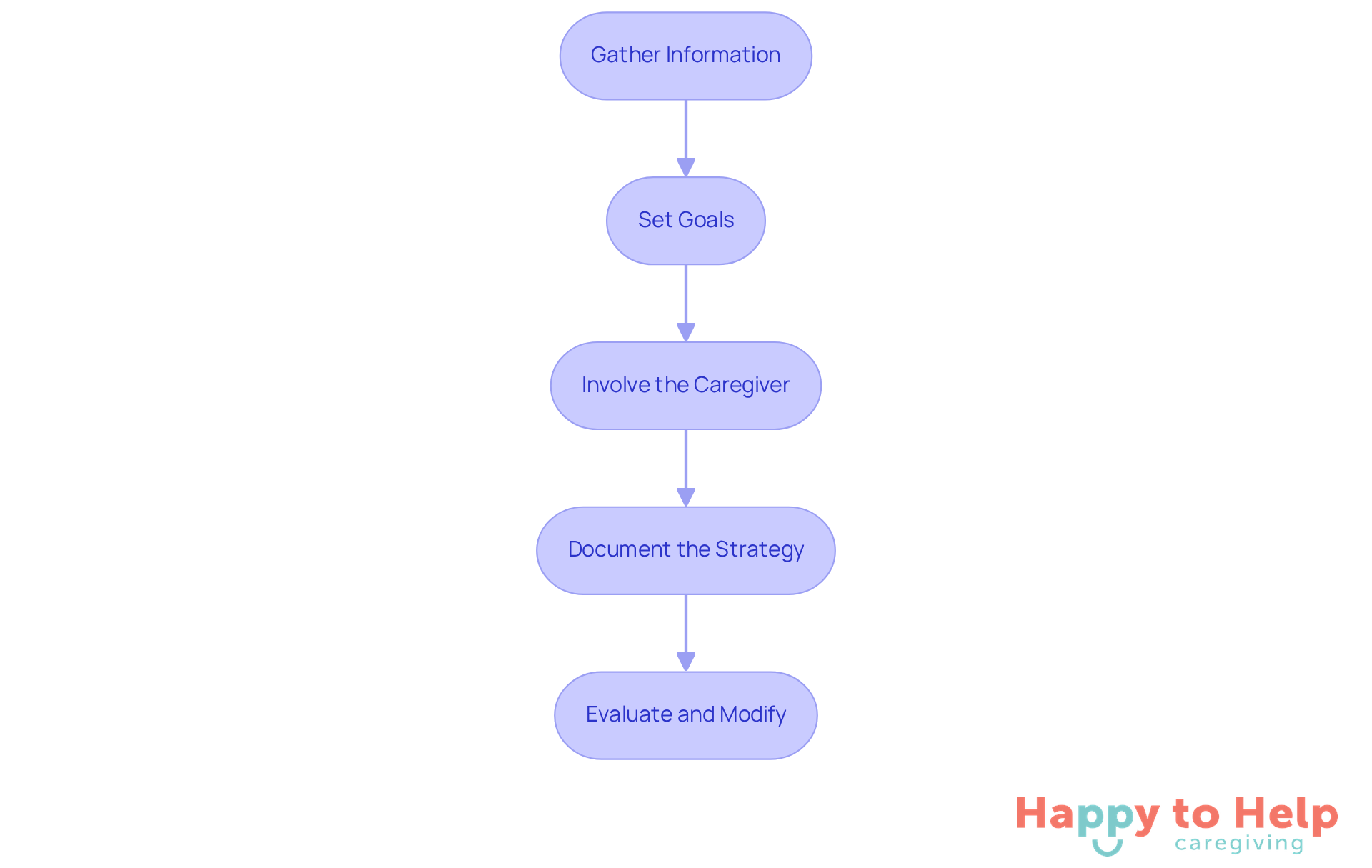
Gather Information: Caregivers often struggle with understanding their loved one's unique needs. Collecting all relevant information about medical history, daily routines, and preferences is crucial. This includes details about medications, dietary restrictions, and mobility issues.
Set Goals: Without clear objectives, caregivers may feel overwhelmed. Define achievable goals for the care strategy, such as improving daily living skills, enhancing social engagement, or managing health conditions.
Involve the Caregiver: Communication is key. Collaborate with the assigned caregiver to discuss the care strategy, ensuring they understand the specific needs and preferences of your loved one.
Document the Strategy: A written care outline can alleviate confusion. Create a document detailing daily routines, tasks to be performed, and any special instructions. Don’t forget to include emergency contacts and procedures.
Evaluate and Modify: Care needs can change over time. Arrange consistent evaluations of the care strategy to gauge its effectiveness and implement necessary changes based on your family member's evolving needs.
Implement and Monitor the Care Plan
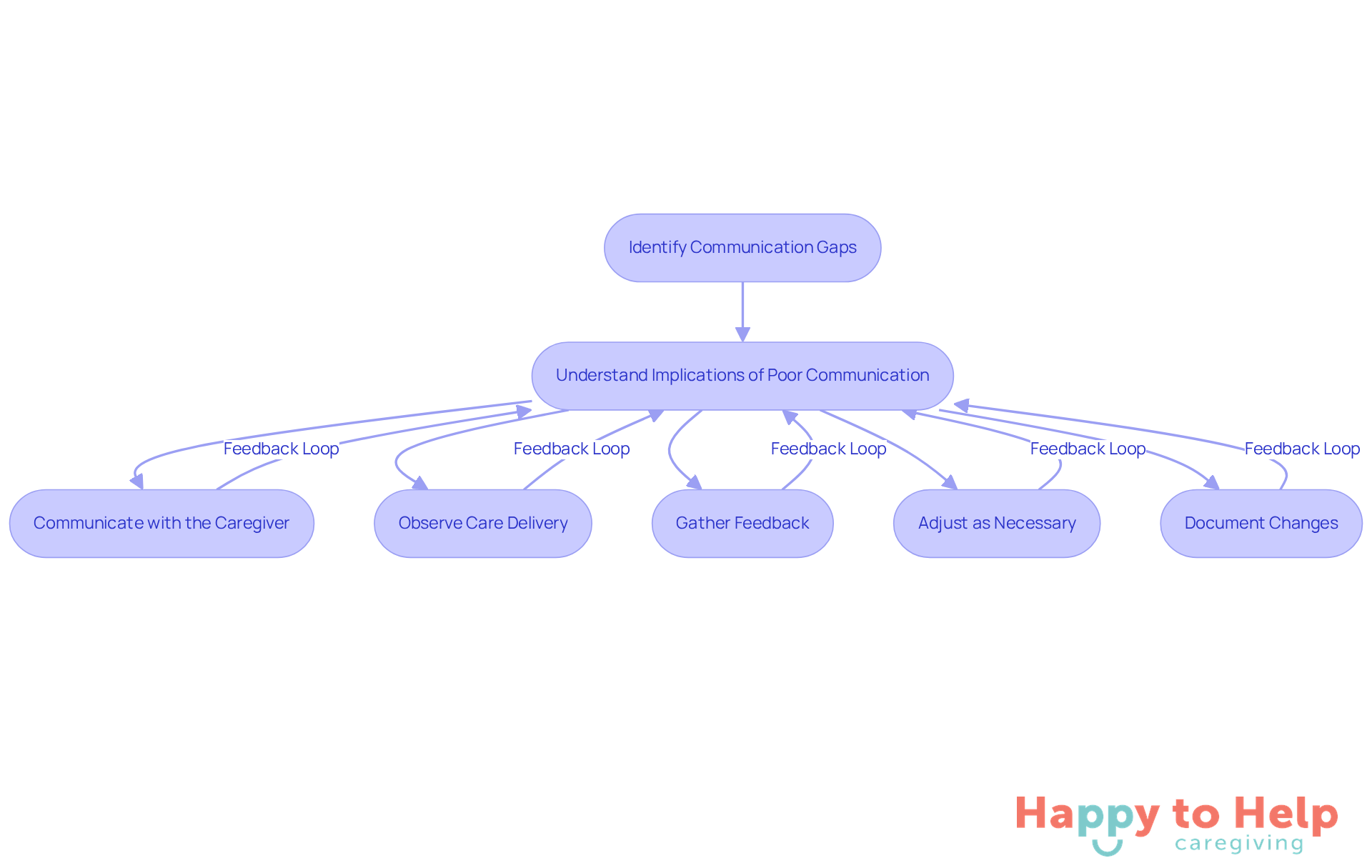
Problem: Communication Gaps
Caregivers often face challenges in maintaining effective communication with family members. Without open lines of communication, it becomes difficult to monitor the quality of care being provided.
Agitate: Implications of Poor Communication
When caregivers and family members do not communicate regularly, it can lead to misunderstandings about the care plan and unmet needs. This can result in frustration for both the caregiver and the family member receiving care.
Solution: Establish Open Communication
- Communicate with the Caregiver: Schedule regular check-ins to discuss your family member's progress and any concerns. This ensures everyone is on the same page and can address issues promptly.
- Observe Care Delivery: Monitor how the caregiver implements the care plan. Ensure they are following documented routines and addressing your family member's needs appropriately.
- Gather Feedback: Encourage your loved one to share their feelings about the care they are receiving. Their feedback is invaluable in evaluating the effectiveness of the care strategy.
- Adjust as Necessary: Be ready to modify the care strategy based on observations and feedback. Flexibility is key to ensuring that the care remains relevant and effective.
- Document Changes: Keep a record of any adjustments made to the care plan and the reasons for those changes. This documentation can be helpful for future reference and for any healthcare professionals involved.
Moving Forward with Arrange At Home Care for Elderly in San
Arranging in-home care for the elderly presents a significant challenge that demands careful consideration and planning. Families often face the daunting task of ensuring their loved ones receive the necessary support tailored to their unique needs. Without a structured approach, the risk of inadequate care increases, potentially impacting the well-being of seniors.
To address this issue, families should start by evaluating the specific needs of their loved ones. This involves:
- Assessing daily activities
- Consulting healthcare providers to gain a comprehensive understanding of the required support
Involving family members in the decision-making process is crucial, as it fosters a collaborative environment that prioritizes the elderly's preferences and comfort.
Once the needs are identified, selecting a reliable care agency becomes paramount. This includes:
- Researching various agencies
- Checking their credentials
- Reading reviews to help families make informed choices
Open communication with caregivers is essential, as it establishes trust and ensures that the care provided aligns with the family's expectations.
Developing a personalized care plan is the next step. This plan should outline specific goals and strategies tailored to the elderly individual's needs. Implementing this plan effectively requires ongoing communication and flexibility, allowing adjustments as circumstances change.
Ultimately, arranging in-home care is not merely about finding a provider; it’s about ensuring that seniors can live comfortably and with dignity in their own homes. By taking the time to evaluate needs, choose the right agency, and develop a comprehensive care plan, families can significantly enhance their loved ones' quality of life. The commitment to ongoing communication and adaptability in care strategies will further ensure that the elderly receive the best possible support as their needs evolve.
https://iframe.tely.ai/cta/eyJhcnRpY2xlX2lkIjogIjY5NDBhMjBhMjI1ZjA3N2M1ZmMwYmYyOSIsICJjb21wYW55X2lkIjogIjY4ZWU1ZGNhNzMxNzYyNTU3ZjNjOTVjMSIsICJpbmRleCI6IG51bGwsICJ0eXBlIjogImFydGljbGUifQ==Frequently Asked Questions
What should I observe to evaluate the need for in-home care?
You should observe daily activities such as bathing, dressing, and preparing meals. Difficulty in managing these tasks can indicate a need for additional support.
What behavioral changes might suggest a need for in-home care?
Significant changes in mood or behavior, such as increased confusion, withdrawal from social activities, or signs of depression, may suggest that your loved one is struggling and could benefit from in-home care.
How can physical health impact the need for in-home care?
Recent health issues, hospitalizations, or chronic conditions can complicate caregiving. It's important to consider any medical history that may require extra attention and support to ensure your loved one’s well-being.
Why is it important to consult with healthcare providers about in-home care?
Consulting with doctors or specialists is vital as they can provide insights into your loved one's health status and recommend appropriate in-home care options tailored to their needs.
How can involving family members help in the caregiving process?
Involving family members can be beneficial as discussing observations with them helps gather different perspectives, understand the individual's needs and challenges, and fosters a collaborative approach to care.
List of Sources
- Evaluate the Need for In-Home Care
- 2025 Home Care Statistics: Trends & Insights To Know (https://premierhcinc.com/blog/home-care-statistics)
- 52 Eye-Opening Home Health Statistics: Insights for 2025 (https://boosthomehealth.com/home-health-statistics)
- Family caregivers prefer in-home care over senior living, new industry report finds (https://mcknightshomecare.com/news/family-caregivers-prefer-in-home-care-over-senior-living-new-industry-report-finds)
- Families Prefer In-Home Care To Senior Living – Yet Struggle To Identify Needed Support (https://homehealthcarenews.com/2025/11/families-prefer-in-home-care-to-senior-living-yet-struggle-to-identify-needed-support)
- Research and Choose an In-Home Care Agency
- [News Release] In-Home Skilled Nursing Rancho Santa Fe – Agency Shares 3 Ways In Home Skilled Nursing Can Help Seniors Improve Their Heart Health | In Home Care Poway, Home health Poway, CA 92064 (https://inhomecarepoway.com/news-release-in-home-skilled-nursing-rancho-santa-fe-agency-shares-3-ways-in-home-skilled-nursing-can-help-seniors-improve-their-heart-health)
- Home Care Statistics In 2025: Key Insights In Home Care (https://sagapixel.com/marketing/home-care-statistics)
- Top 10 inspirational quotes for the homecare industry | Nursebuddy (https://nursebuddy.co/blog/top-10-inspirational-quotes-for-the-home-care-industry)
- 52 Eye-Opening Home Health Statistics: Insights for 2025 (https://boosthomehealth.com/home-health-statistics)
- FastStats (https://cdc.gov/nchs/fastats/home-health-care.htm)
- Develop a Personalized Care Plan
- How a Personalized Care Plan Makes Living with Chronic Conditions Easier | Dedicated Senior Medical Center (https://dedicated.care/articles/how-personalized-care-plan-makes-living-chronic-conditions-easier)
- How Personalized Care Plans Improve Quality of Life for Seniors (https://seniorcarecompanions.com/personalized-care-plans-quality-of-life-for-seniors)
- The Importance of Personalized Care Plans (https://homecareadvisory.org/importance-personalized-care-plans)
- Importance of Personalized Senior Home Care in Burlington NC (https://wisdomseniorcare.com/the-importance-of-personalized-care-plans-for-seniors)
- Implement and Monitor the Care Plan
- Poll details impact of communication disorders on caregivers, care recipients (https://mcknightshomecare.com/news/poll-details-impact-of-communication-disorders-on-caregivers-care-recipients)
- Strategies for Effective Communication with Patients and Caregivers (https://healthecareers.com/career-resources/soft-skills/communicating-with-patients-caregivers)
- Communication Tips for Caregivers (https://heart.org/en/health-topics/caregiver-support/communication-tips-for-caregivers)
- Effective Communication as a Caregiver | Always Caring of CT (https://alwayscaringct.com/news/effective-communication-as-a-caregiver)
- Communication tips for caregivers of elders (https://uhc.com/news-articles/healthy-living/communication-tips-for-caregivers-of-elderly-parents)