4 Steps to Assess If Loved Ones Know They Have Dementia

For families in our service areas
For families in our service areas, this guide explains dementia care and how non-medical in-home caregiving can support care planning in East Idaho, Treasure Valley & Magic Valley, Northern Wasatch, North Central West Virginia, and Northeast Ohio.
The Importance of Assess If Loved Ones Know They Have
Understanding dementia is crucial, as millions are affected by its debilitating effects. The rising number of individuals experiencing cognitive decline highlights the urgent need for families and caregivers to recognize the signs and symptoms. This situation poses a significant challenge: how can loved ones effectively assess whether someone is aware of their condition? Moreover, what steps can be taken to facilitate open conversations about this sensitive topic?
To address these challenges, this article provides a clear checklist designed to help navigate these difficult discussions. By ensuring timely interventions, caregivers can better support those in need.
Define Dementia and Its Symptoms
Use english for answers
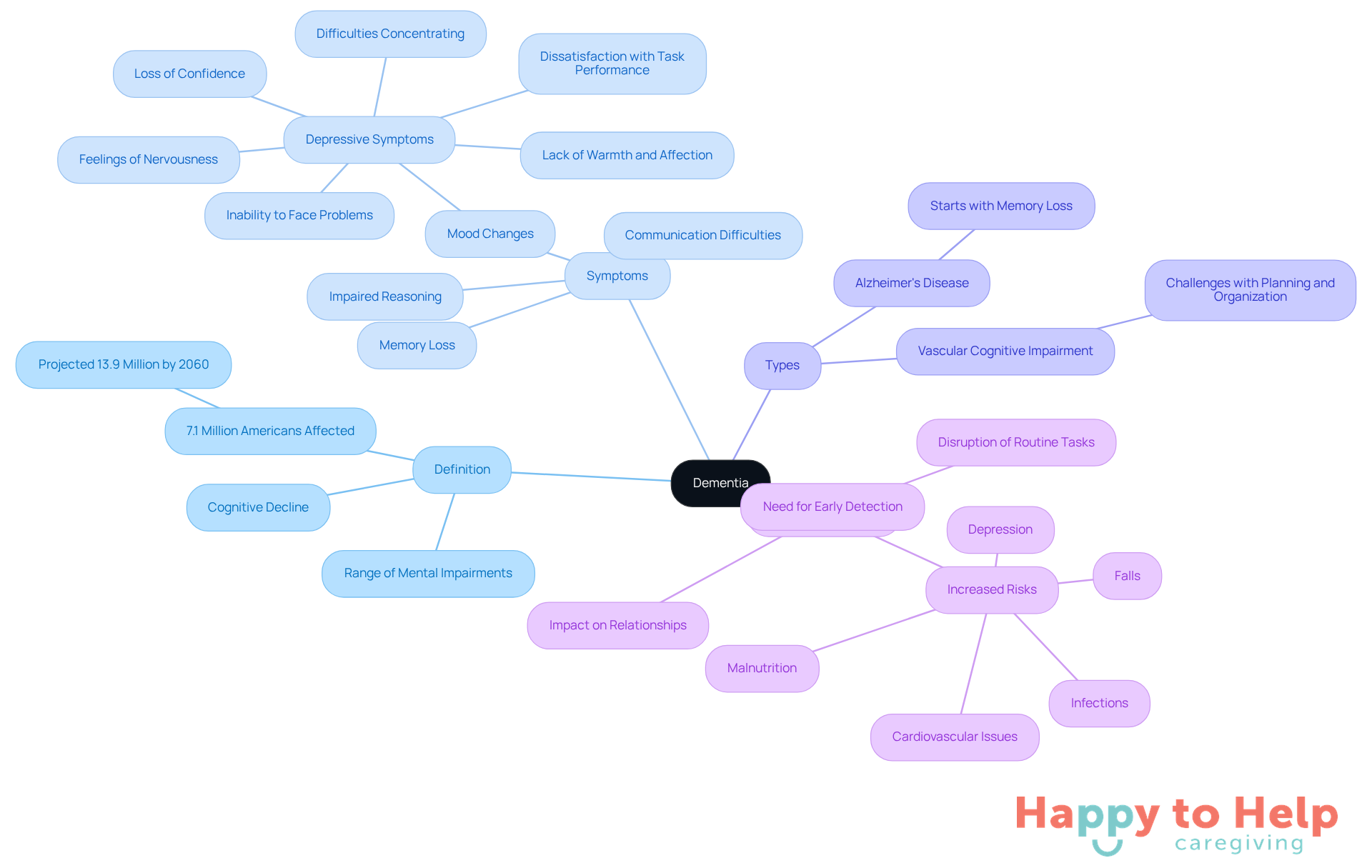
Understand the term 'dementia': Dementia encompasses a range of mental impairments that significantly impact memory, thinking, and social abilities. It’s important to recognize that this condition isn’t just one issue; it’s a collective term for various disorders leading to cognitive decline. Currently, an estimated 7.1 million Americans live with Alzheimer's symptoms, a number projected to rise to over 13.9 million by 2060. This highlights the urgent need for early recognition of cognitive decline symptoms and understanding if do people know they have dementia.
Familiarize with common symptoms: Key symptoms of cognitive decline include memory loss, communication difficulties, impaired reasoning, and noticeable mood or behavior changes. These symptoms can start subtly, making early recognition challenging. Notably, six depressive symptoms - loss of confidence, inability to confront problems, lack of warmth and affection, feelings of nervousness, dissatisfaction with task performance, and difficulties concentrating - are linked to a heightened risk of cognitive decline, especially in midlife.
Differentiate types of cognitive decline: Understanding the various forms of cognitive decline, such as Alzheimer's disease and vascular cognitive impairment, is essential. Each type presents distinct symptoms; for instance, Alzheimer's often begins with memory loss, while vascular cognitive impairment may involve challenges with planning and organization due to reduced blood circulation to the brain. Gill Livingston notes that there’s limited evidence suggesting that addressing midlife depression could lower the risk of cognitive decline later, underscoring the need for awareness of these symptoms.
Recognize the impact on daily life: The symptoms of dementia can severely disrupt daily activities, affecting the ability to perform routine tasks, maintain relationships, and manage personal care. Dementia not only impacts cognitive function but also increases risks for infections, falls, cardiovascular issues, malnutrition, and depression. Early detection is crucial for determining if and how do people know they have dementia, as it allows for timely interventions that can enhance quality of life and support for both individuals and their families. Projections indicate that Alzheimer's disease diagnoses could reach 1 million new cases annually by 2060 without significant intervention.
Identify Common Signs of Dementia
Problem: Observe Memory Alterations
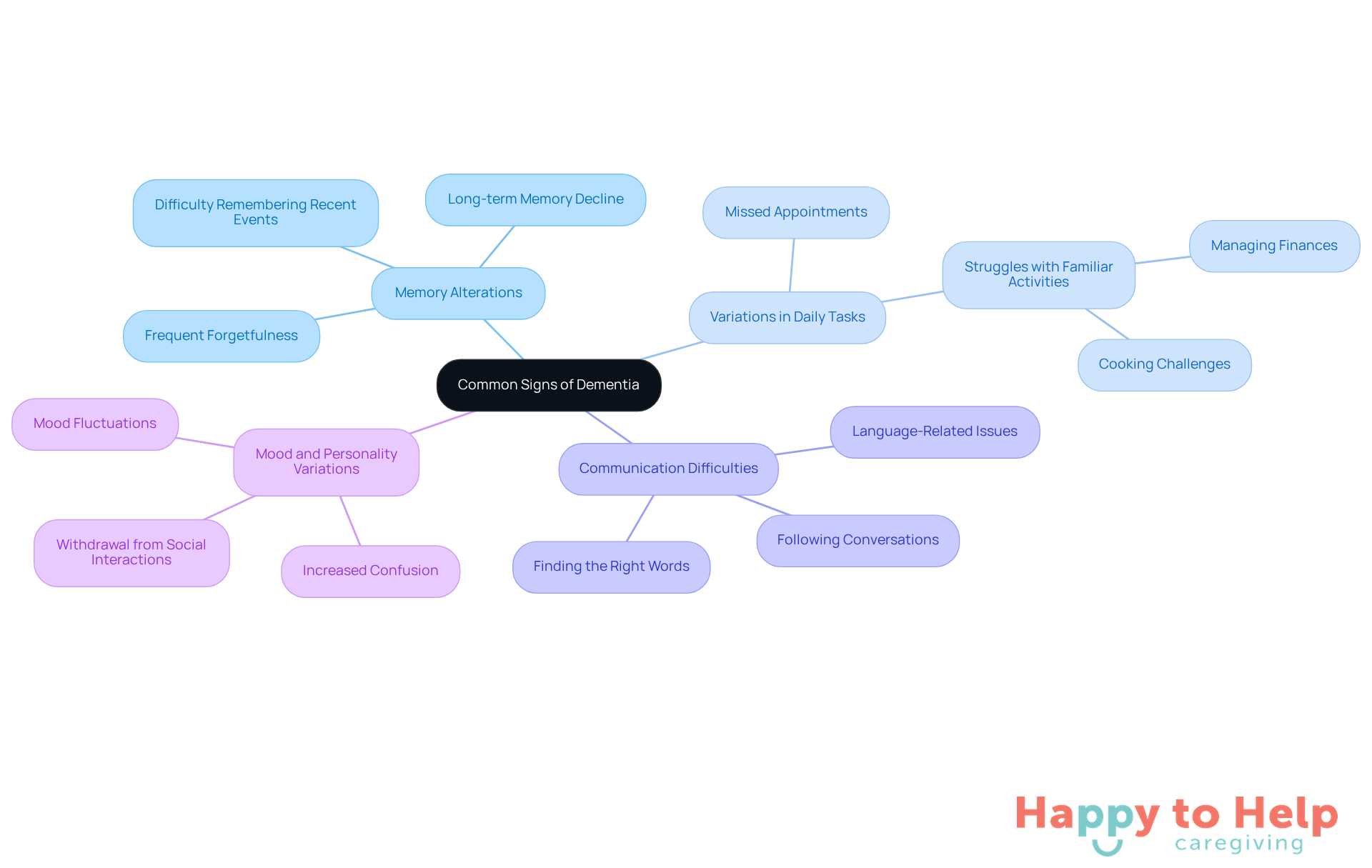
Frequent forgetfulness, especially regarding recent events or discussions, is often one of the first signs of mental decline. Studies show that by the time of diagnosis, conditions like Alzheimer's may have been developing for several years. This highlights the importance of early recognition. In fact, over 7 million Americans aged 65 and older currently live with Alzheimer's, underscoring the prevalence of this condition.
Agitate: Notice Variations in Daily Tasks
Individuals with dementia may struggle with familiar activities, such as cooking or managing finances. These challenges, such as missed appointments or difficulty following recipes, may lead to the question of whether people know they have dementia, indicating a decline in cognitive function. Caregivers often observe these changes and should be prepared to provide assistance.
Solution: Watch for Communication Difficulties
Problems with finding the right words or following conversations are common. Language-related issues can arise before memory decline, making it essential to observe these developments closely. Leigh Corinne Mills, Interim CEO of Alzheimer’s Society, emphasizes that recognizing these symptoms early can lead to better support and treatment options.
Be Mindful of Mood and Personality Variations
Notable changes in behavior, increased confusion, or withdrawal from social interactions can indicate the onset of dementia. Experts stress that mood fluctuations and personality changes are often overlooked but are critical indicators of cognitive decline, raising the question of how people know they have dementia. Early diagnosis is essential for accessing appropriate care and support.
Encourage Open Communication About Symptoms
Creating a Safe Space for Discussing Dementia
Discussing dementia can be challenging for caregivers and their loved ones. The emotional weight of the conversation often leads to anxiety and misunderstandings. To foster open communication, it’s essential to create a safe space for these discussions.
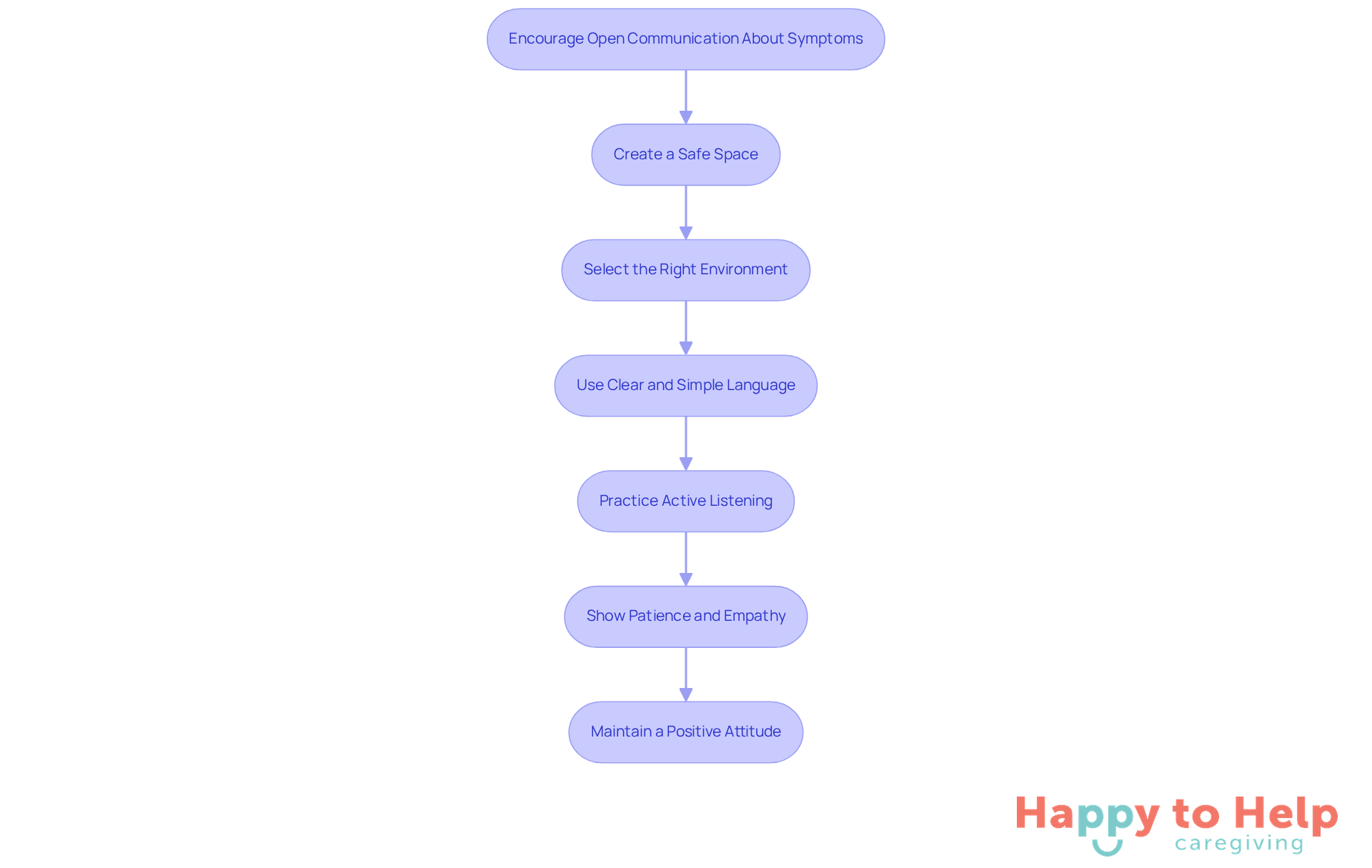
Select the Right Environment
Begin by choosing a comfortable and quiet environment, free from distractions. This setting encourages honesty and reduces anxiety, making it easier to engage in meaningful dialogue about whether do people know they have dementia.
Use Clear and Simple Language
When discussing dementia, clarity is crucial. Avoid jargon and be straightforward about your observations and concerns. This approach helps your loved one grasp the seriousness of the situation without feeling overwhelmed or confused.
Practice Active Listening
Active listening is vital in these conversations. Encourage your loved one to share their feelings and thoughts, validating their experiences. This not only strengthens your bond but also shows that you genuinely care about their perspective.
Show Patience and Empathy
Conversations about cognitive decline can be distressing. Approach these discussions with compassion, recognizing that your loved one may experience fear or denial, and consider whether do people know they have dementia. By maintaining a supportive demeanor, you can help them feel understood and more willing to engage in ongoing discussions about their health.
Maintain a Positive Attitude
Throughout these discussions, it’s important to keep a positive and patient attitude. Avoid blame or judgment to foster a safe dialogue. Remember, multiple conversations may be necessary for everyone to feel comfortable. Providing reassurance and emotional support can significantly help your loved one feel understood and less overwhelmed.
Timely Identification and Action
Timely identification and action are crucial in managing cognitive decline symptoms. Engaging in these discussions is not just important; it’s essential for effective caregiving. By addressing these issues proactively, caregivers can significantly improve their loved one’s quality of life.
Seek Professional Evaluation for Diagnosis
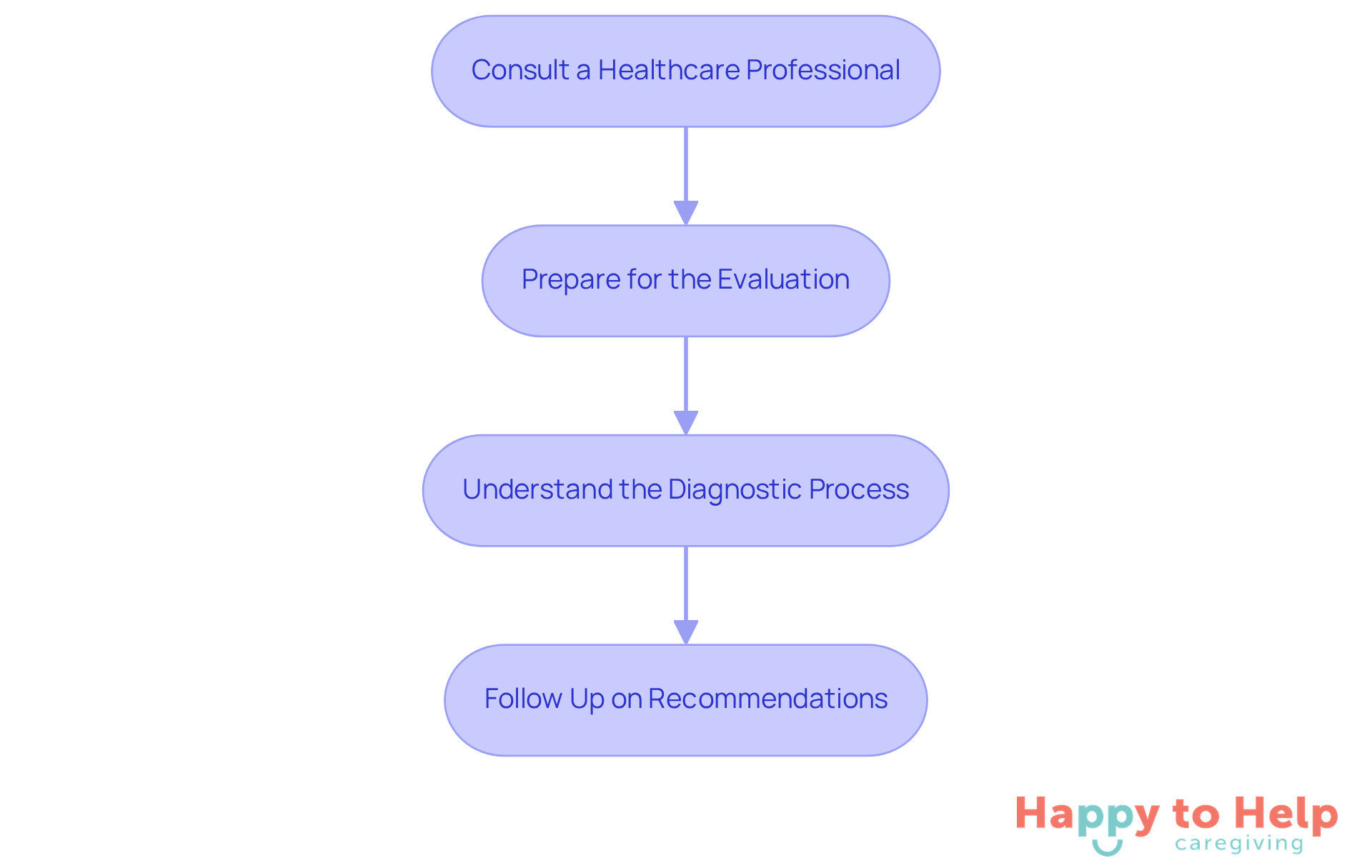
Consult a healthcare professional: Many caregivers face the challenge of recognizing dementia symptoms, raising the concern of do people know they have dementia, as studies show that only 20-50% of cases are identified in high-income countries. This underdiagnosis can lead to inadequate care. Start by visiting a primary care physician who can evaluate symptoms and, if necessary, refer to specialists. Timely recognition of symptoms is crucial, as it significantly impacts the quality of care.
Prepare for the evaluation: Gather comprehensive information about your loved one's medical history, current medications, and any observed symptoms. This preparation is essential for the healthcare provider to make an informed assessment, ensuring that no critical details are overlooked.
Understand the diagnostic process: Be ready for a multifaceted diagnostic approach that may include cognitive tests, neurological examinations, and brain imaging. Recent guidelines emphasize integrating biomarkers to enhance diagnostic accuracy, leading to earlier and more effective interventions. This advancement allows for more tailored care plans, addressing the unique needs of each patient.
Follow up on recommendations: After the evaluation, engage in discussions about the findings and the next steps for care and assistance. A timely and accurate diagnosis is crucial for families to understand if do people know they have dementia, empowering them to make informed decisions regarding treatment and support options. It's vital to address any treatment gaps, especially in low and middle-income countries, where many individuals remain undiagnosed.
Making the Right Choice
Recognizing the signs of dementia and understanding whether loved ones are aware of their condition presents a significant challenge for caregivers. This lack of awareness can lead to inadequate support and care, ultimately diminishing the quality of life for both individuals and their families.
The implications of cognitive decline are profound. Common symptoms, such as memory loss and communication difficulties, can create barriers to effective caregiving. Without fostering an environment conducive to discussing these sensitive topics, caregivers may struggle to navigate the complexities of dementia.
To address these challenges, caregivers must take proactive steps. Encouraging open dialogue about cognitive health is essential. Seeking professional evaluations can also provide clarity and direction. By educating themselves about dementia and engaging in meaningful conversations, caregivers can ensure timely interventions that significantly improve outcomes.
Ultimately, addressing dementia requires a commitment to early recognition of symptoms and supportive communication. Caregivers and families are urged to take action by prioritizing education and fostering discussions that lead to a better understanding of this complex condition.
https://iframe.tely.ai/cta/eyJhcnRpY2xlX2lkIjogIjY5NDBhMjE5MjI1ZjA3N2M1ZmMwYmYzMSIsICJjb21wYW55X2lkIjogIjY4ZWU1ZGNhNzMxNzYyNTU3ZjNjOTVjMSIsICJpbmRleCI6IG51bGwsICJ0eXBlIjogImFydGljbGUifQ==Frequently Asked Questions
What is dementia?
Dementia is a collective term for a range of mental impairments that significantly affect memory, thinking, and social abilities. It encompasses various disorders leading to cognitive decline.
How many Americans currently live with Alzheimer's symptoms?
An estimated 7.1 million Americans live with Alzheimer's symptoms, a number projected to rise to over 13.9 million by 2060.
What are the common symptoms of cognitive decline?
Common symptoms include memory loss, communication difficulties, impaired reasoning, and noticeable mood or behavior changes.
What are the depressive symptoms linked to a heightened risk of cognitive decline?
Six depressive symptoms linked to a heightened risk of cognitive decline are loss of confidence, inability to confront problems, lack of warmth and affection, feelings of nervousness, dissatisfaction with task performance, and difficulties concentrating.
What are the different types of cognitive decline?
Different types of cognitive decline include Alzheimer's disease, which often begins with memory loss, and vascular cognitive impairment, which may involve challenges with planning and organization due to reduced blood circulation to the brain.
How can dementia impact daily life?
Dementia can severely disrupt daily activities, affecting the ability to perform routine tasks, maintain relationships, and manage personal care, while also increasing risks for infections, falls, cardiovascular issues, malnutrition, and depression.
Why is early detection of dementia important?
Early detection is crucial as it allows for timely interventions that can enhance quality of life and support for individuals and their families. It helps determine if and how people know they have dementia.
What are the projections for Alzheimer's disease diagnoses by 2060?
Projections indicate that Alzheimer's disease diagnoses could reach 1 million new cases annually by 2060 without significant intervention.
List of Sources
- Define Dementia and Its Symptoms
- 2025 NIH Alzheimer’s Disease and Related Dementias Research Progress Report: Advances and Achievements (https://nia.nih.gov/about/2025-nih-dementia-research-progress-report)
- Dementia Comes in Many Forms. Alzheimer’s Is Just One. (https://nytimes.com/2025/12/01/well/mind/dementia-types-symptoms.html)
- Beware these 6 symptoms in midlife that can predict dementia later in life: new study (https://nypost.com/2025/12/15/health/6-symptoms-in-midlife-can-predict-dementia-later-in-life-study)
- Alzheimer’s & Dementia News Roundup (October 2025) - Alzheimer's Orange County (https://alzoc.org/alzheimers-dementia-news-roundup-october-2025)
- Dementia Often Misdiagnosed As Normal Aging For 3.5 Years, New Study Finds (https://healthcare.msu.edu/news/2025-08-13-Dementia-Often-Misdiagnosed-As-Normal-Aging-For-Over-3-Years-New-Study-Finds.html)
- Identify Common Signs of Dementia
- What are the early signs of dementia and when should you worry? - Alzheimer's Research UK (https://alzheimersresearchuk.org/news/spotting-early-signs-that-could-be-dementia-when-should-you-worry)
- Alzheimer's and Dementia: Watch for Signs and Symptoms (https://thibodaux.com/news/2025/november/alzheimers-and-dementia-watch-for-signs-and-symp)
- This Is The Most Commonly Missed Warning Sign Of Dementia (https://huffpost.com/entry/signs-dementia-symptoms-goog\_l\_690cc915e4b027afb3225b8c)
- New Studies Identify Early Warning Signs of Dementia (https://prb.org/articles/new-studies-identify-early-warning-signs-of-dementia)
- Over half of UK adults don’t know one of the most common symptoms of dementia (https://alzheimers.org.uk/news/2025-05-14/half-uk-adults-dont-know-most-common-dementia-symptoms)
- Encourage Open Communication About Symptoms
- Starting conversations about dementia (https://dementiauk.org/news/starting-conversations-about-dementia)
- Talking About Memory Loss (https://rush.edu/news/talking-about-memory-loss)
- How to Talk to a Loved One About Their Early Signs of Dementia (https://homeinstead.com/home-care/usa/la/carencro/347/news-and-media/talking-to-a-loved-one-about-dementia)
- How to Stay Connected with a Loved One with Alzheimer’s Disease (https://yalemedicine.org/news/alzheimers-disease-dementia-care)
- Seek Professional Evaluation for Diagnosis
- Breaking down new dementia diagnosis guidelines - James L. West (https://jameslwest.org/new-dementia-diagnosis-guidelines)
- ADI - Dementia statistics (https://alzint.org/about/dementia-facts-figures/dementia-statistics)
- 2025 NIH Alzheimer’s Disease and Related Dementias Research Progress Report: Advances and Achievements (https://nia.nih.gov/about/2025-nih-dementia-research-progress-report)
- New Clinical Practice Guideline on the Process for Diagnosing Alzheimer’s Disease or a Related Form of Cognitive Impairment or Dementia (https://alz.org/news/2024/clinical-practice-guideline-evaluation-alzheimers)
- Dementia diagnosis empowers older adults to prepare for future, but few get early assessments (https://mcknightsseniorliving.com/news/dementia-diagnosis-empowers-older-adults-to-prepare-for-future-but-few-get-early-assessments)