For families in our service areas
For families in our service areas, this guide explains caregiving and how non-medical in-home caregiving can support care planning in East Idaho, Treasure Valley & Magic Valley, Northern Wasatch, North Central West Virginia, and Northeast Ohio.
Why Care for Loved Ones at Home in Fresno Matters
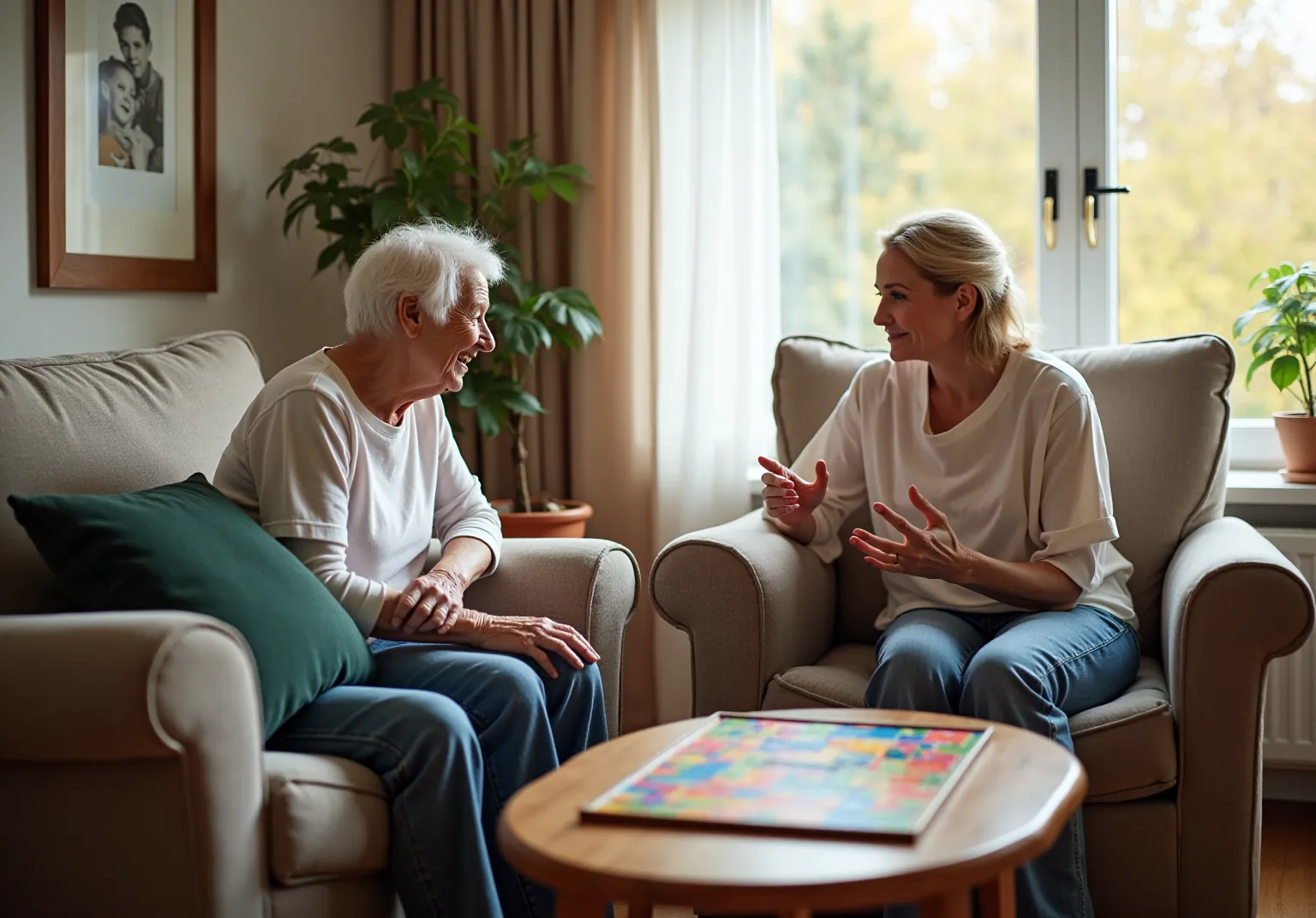
Caring for loved ones at home can be both rewarding and overwhelming, particularly in a vibrant community like Fresno. Families often struggle to ensure their elderly relatives receive the right support while preserving their dignity and independence. This challenge can lead to stress and uncertainty for caregivers, impacting their well-being and the quality of care provided.
To address these issues, it’s essential to assess care needs accurately. Start by evaluating the specific requirements of your loved ones, considering their physical, emotional, and social needs. Creating a safe environment is also crucial; ensure that the home is free from hazards and equipped with necessary aids.
Exploring caregiving services can provide additional support. Look into local resources that offer professional assistance, respite care, or community programs designed to help families. Managing caregiver stress is vital, too. Prioritize self-care by setting boundaries, seeking support from others, and taking breaks when needed.
By implementing these steps, caregivers can better balance their own well-being with the demands of providing care, ensuring that both they and their loved ones thrive.
Assess Individual Care Needs
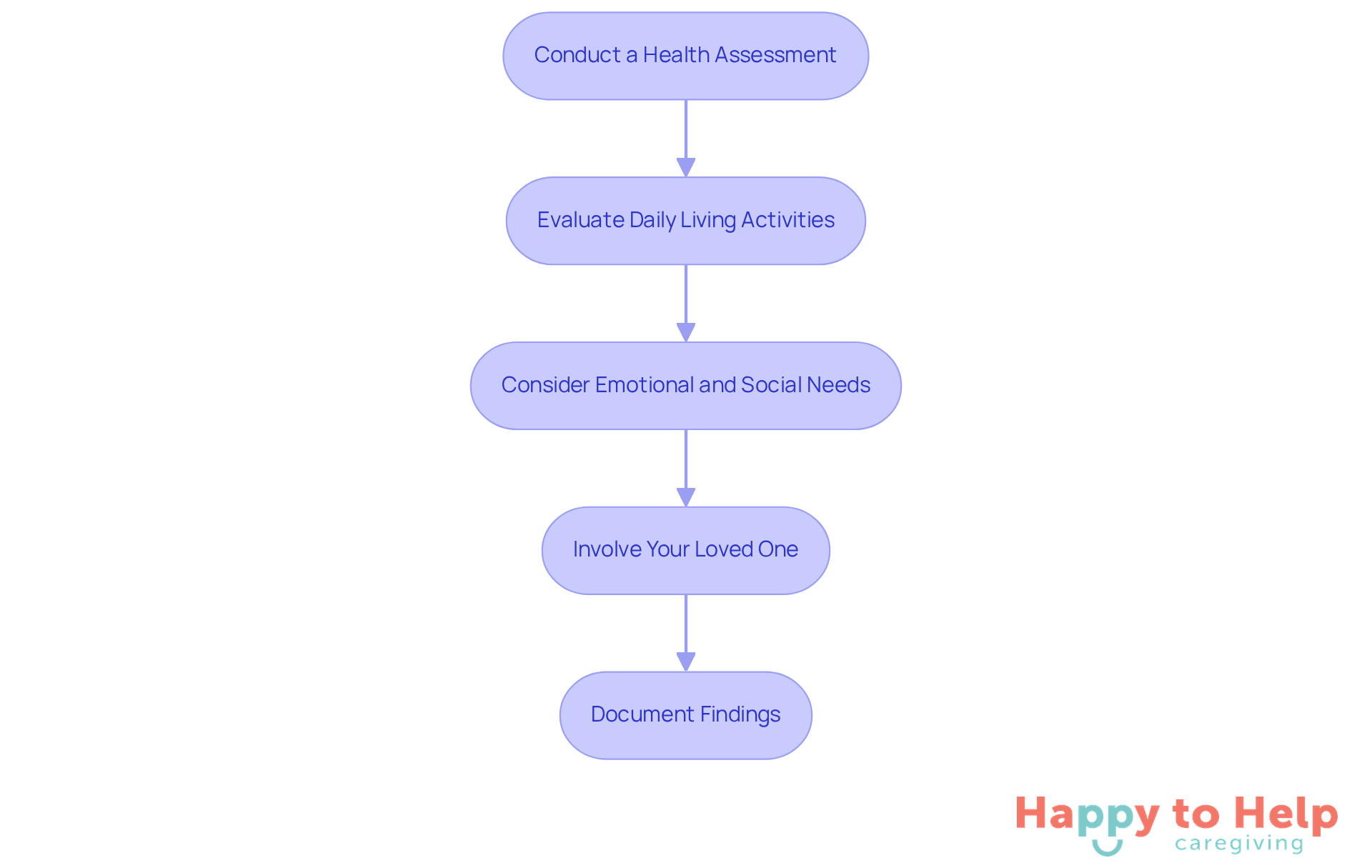
Begin by observing your dear one's daily activities to identify areas where they may struggle. Caregivers often face the challenge of understanding their loved ones' needs, which can lead to feelings of frustration and helplessness. To address this, consider the following steps:
-
Conduct a Health Assessment: Review any medical conditions, medications, and mobility issues. Interacting with healthcare professionals can offer valuable perspectives on your loved one's health condition and requirements. Utilize tools such as the Katz Index of Independence in Activities of Daily Living (ADL) and the Lawton Instrumental Activities of Daily Living (IADL) Scale to evaluate their functional abilities.
-
Evaluate Daily Living Activities: Assess their ability to perform essential tasks such as bathing, dressing, eating, and managing medications. According to a report by AARP and the National Alliance for Caregiving, 63 million Americans are now caregivers, marking a nearly 50% increase since 2015. This statistic underscores the importance of evaluating these activities to ensure proper care.
-
Consider Emotional and Social Needs: Evaluate their emotional well-being and social interactions. Feelings of isolation can significantly affect seniors' health, making it essential to assess their need for companionship and social interaction.
-
Involve Your Loved One: Engage them in discussions about their preferences and concerns. This collaborative approach ensures that their voice is heard in the care planning process, fostering a sense of autonomy and respect. Conversations about 'what matters most' can lead to improved satisfaction with care services.
-
Document Findings: Keep a detailed record of your observations and assessments. This documentation will guide future care choices and promote conversations with healthcare experts, ensuring that care plans are customized to your family member's specific requirements.
Establish a Safe and Supportive Environment
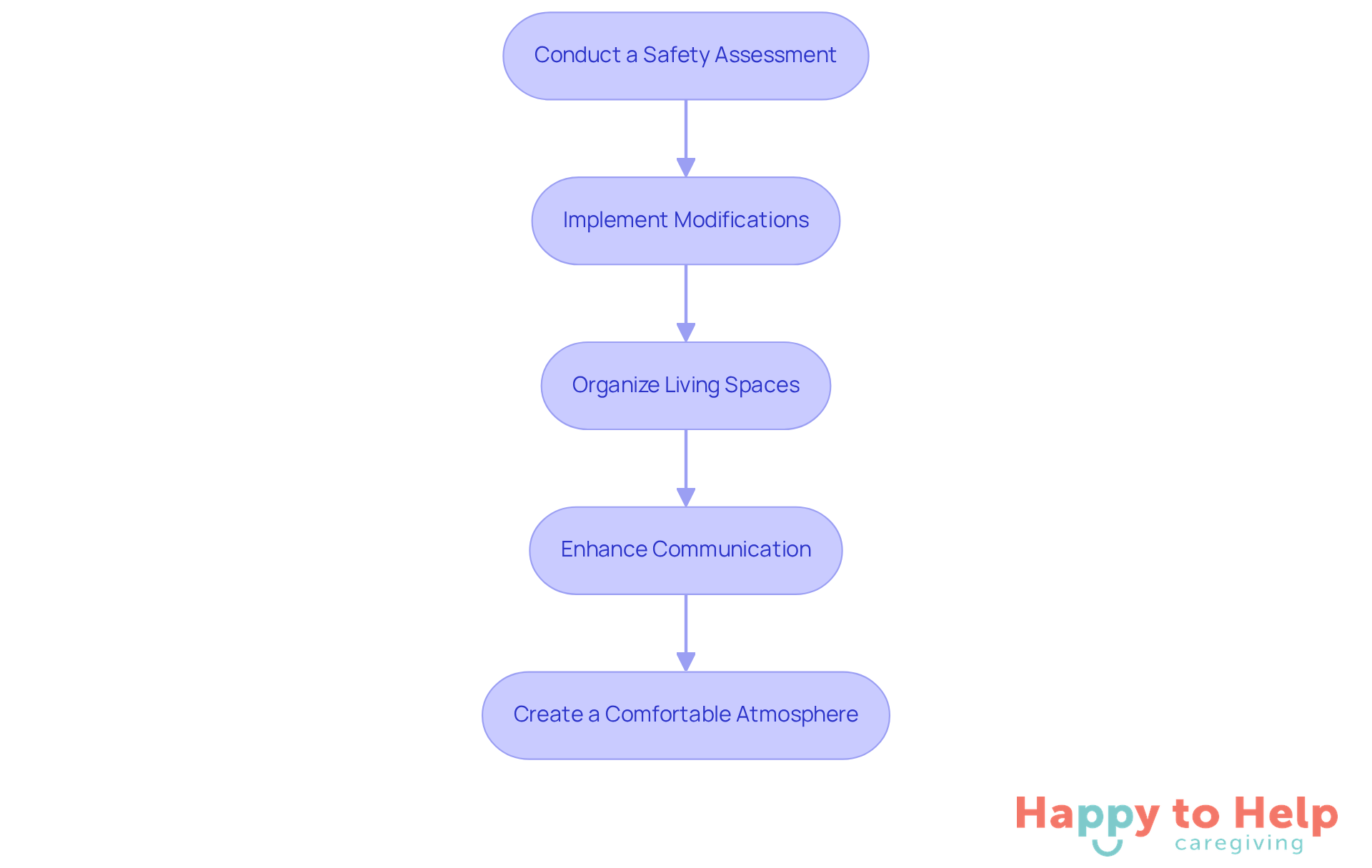
Creating a safe and supportive environment for seniors at home in Fresno is crucial. Many caregivers face the challenge of ensuring their loved ones are protected from potential hazards that can lead to accidents or injuries.
-
Conduct a Safety Assessment: Start by walking through the home to identify potential risks. Look for loose rugs, inadequate lighting, and cluttered pathways. These hazards can pose serious threats to seniors. Consider seeking a professional assessment for tailored recommendations.
-
Implement Modifications: Once hazards are identified, make necessary changes to enhance safety. Install grab bars in bathrooms, ensure adequate lighting throughout the home, and remove tripping hazards. Costs for modifications can vary; for instance, adding grab bars may cost around $650, while widening doorways can reach up to $3,500. Explore financial assistance options like low-interest loans or grants from local and state programs to help cover these expenses.
-
Organize Living Spaces: Keep frequently used items within easy reach to minimize the need for stretching or bending. Utilize accessible storage solutions to promote independence and ease of access.
-
Enhance Communication: Ensure that your loved one can easily reach out for help if needed. This may involve placing a phone within reach or utilizing a medical alert system, providing peace of mind.
-
Create a Comfortable Atmosphere: Personalize the space with familiar items and decorations that foster a sense of belonging and comfort. This makes the home feel inviting and secure.
By following these steps, caregivers can significantly improve the safety and quality of life for seniors at home in Fresno.
Explore Available Caregiving Services
Finding the right caregiving services can be a daunting task for families. With so many options available, it’s crucial to navigate this landscape effectively to ensure your loved ones receive the best care possible.
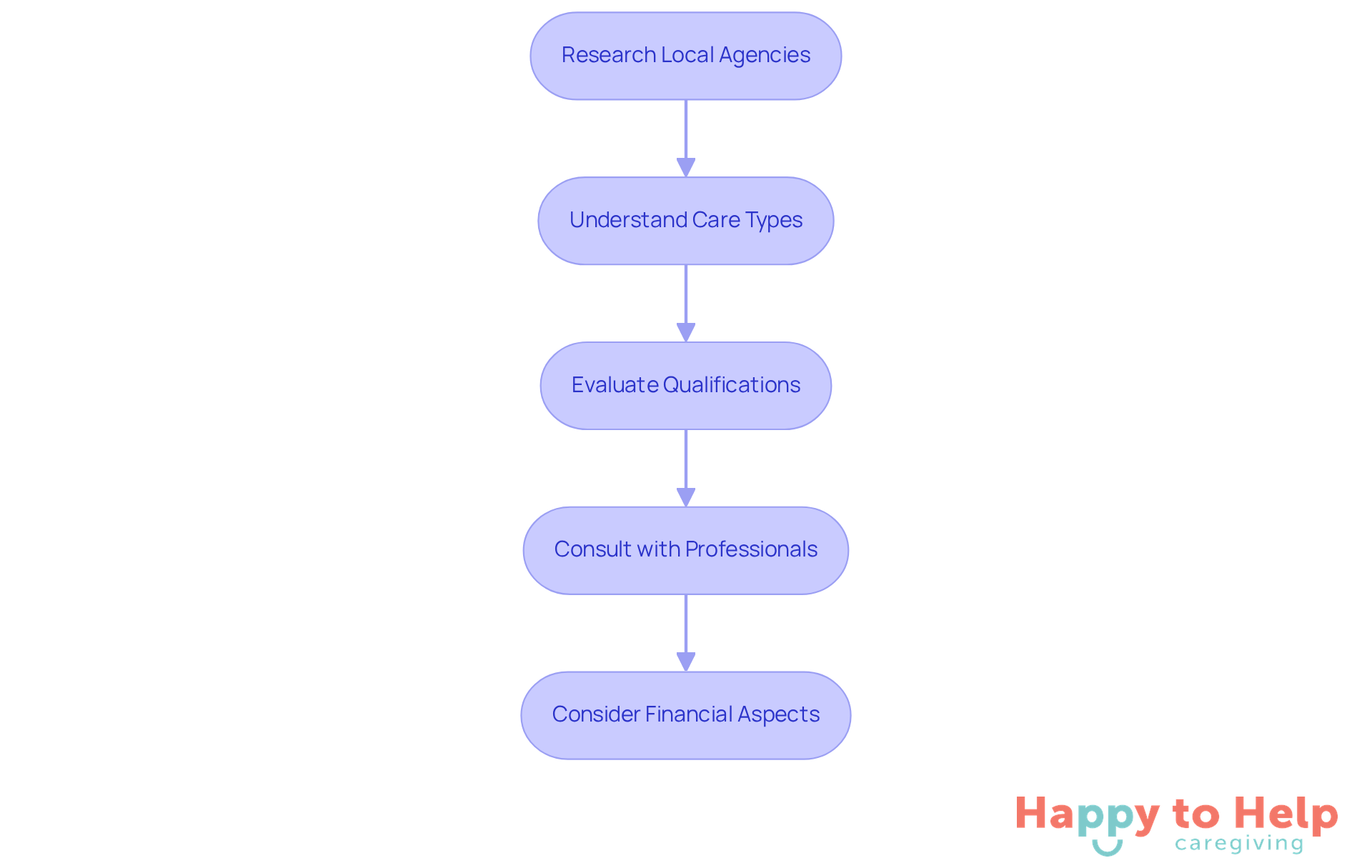
To tackle this challenge, consider these actionable steps:
- Research Local Agencies: Look into nearby caregiving organizations, such as Happy to Help Caregiving, which offer tailored in-home support to meet individual needs.
- Understand Care Types: Get familiar with various types of assistance available, including companionship care, respite care, post-hospital recovery help, and palliative support.
- Evaluate Qualifications: Assess the qualifications and training of support staff. It’s essential to ensure they possess the necessary skills and experience to deliver the required level of care.
- Consult with Professionals: Engage with healthcare providers or social workers who can recommend reputable caregiving services based on your loved one’s specific needs.
- Consider Financial Aspects: Explore payment options, insurance coverage, and any financial assistance programs that can help manage caregiving costs.
By following these steps, you can make informed decisions that will lead to better care for your loved ones.
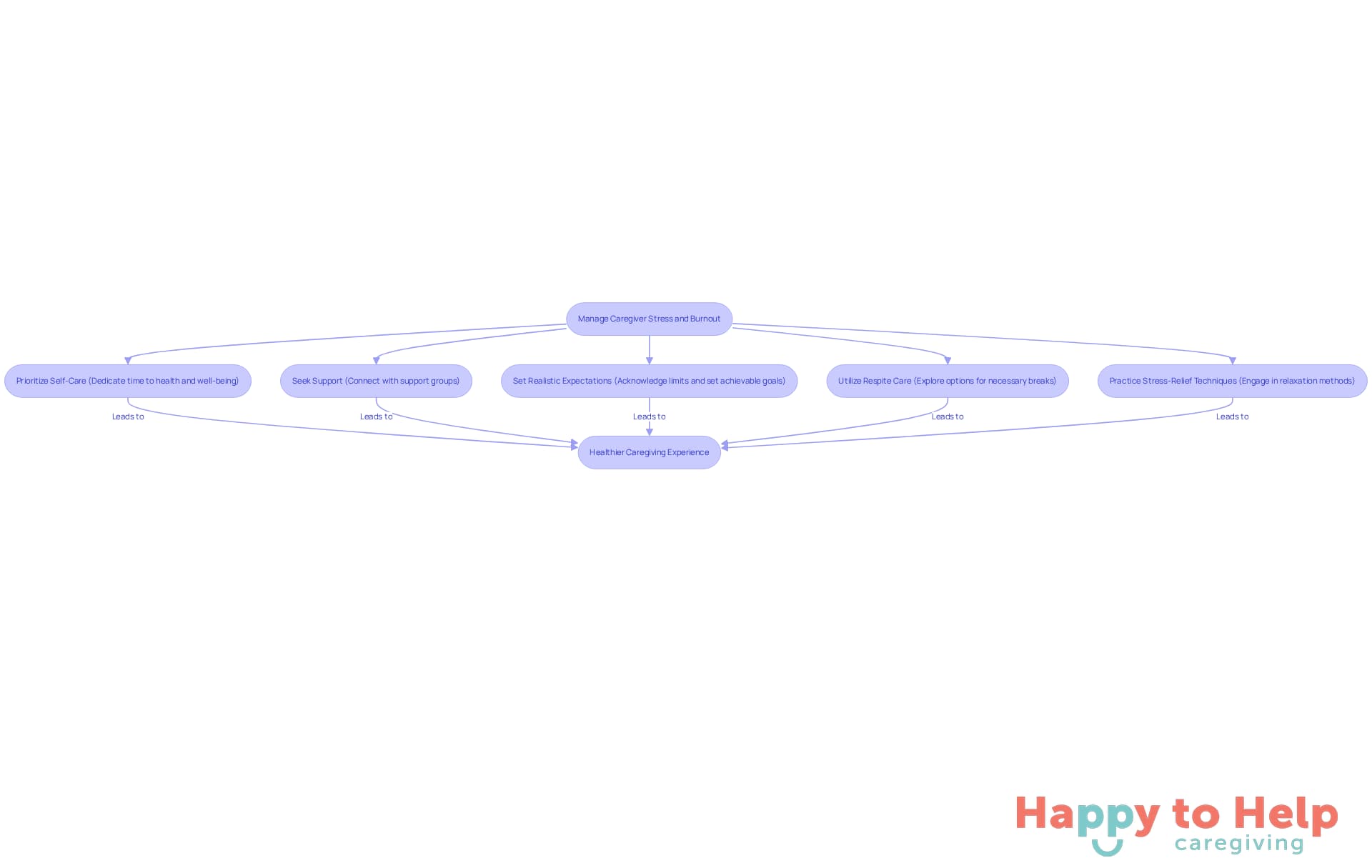
Manage Caregiver Stress and Burnout
Caregiver stress and burnout are significant challenges that can impact both the caregiver and the person receiving care. Many caregivers experience feelings of isolation, anxiety, and emotional drain, which can lead to serious mental health issues. In fact, family caregivers often face higher rates of depression and anxiety compared to noncaregivers. Addressing these issues is crucial for maintaining both physical and emotional well-being.
To combat these challenges, consider implementing the following strategies:
-
Prioritize Self-Care: Dedicate time to your own health and well-being. Engage in activities that bring you joy and relaxation, as this is essential for maintaining your energy and emotional balance. Mental health professionals emphasize that taking care of your body and mind isn’t selfish - it’s necessary.
-
Seek Support: Connect with fellow providers through support groups or online forums. Successful support groups, such as those offered by the Well Spouse Association, provide invaluable emotional relief and practical advice, helping you feel less isolated in your journey.
-
Set Realistic Expectations: Acknowledge your limits and establish achievable goals for caregiving tasks. This approach helps prevent overwhelm and reduces the pressure to perform perfectly.
-
Utilize Respite Care: Explore respite care options to take necessary breaks. These services allow you to recharge, ensuring you return to caregiving refreshed and more capable of providing support.
-
Practice Stress-Relief Techniques: Incorporate relaxation methods such as deep breathing, meditation, or yoga into your daily routine. These practices can significantly help in managing stress levels and enhancing your overall well-being.
Regular self-care can mitigate feelings of anxiety and emotional drain, ultimately leading to a healthier caregiving experience. Engaging with support groups can significantly alleviate feelings of loneliness and provide valuable insights from others facing similar challenges.
Taking the Next Steps
Caring for loved ones at home in Fresno presents significant challenges for families. Caregiver stress can lead to emotional burdens, impacting both the caregiver and the recipient's well-being. Understanding the unique needs of seniors is crucial, as it directly affects their quality of life and the overall caregiving experience.
To address these challenges, families should start by assessing individual care requirements. This involves understanding:
- Daily living activities
- Emotional needs
- Safety considerations
Involving loved ones in care discussions and making necessary modifications to their home can significantly enhance their comfort and security.
Additionally, exploring local caregiving services is essential. These services can provide much-needed support, allowing caregivers to prioritize their own self-care. By managing caregiver stress and ensuring that everyone involved receives adequate support, families can create a nurturing atmosphere that promotes health and happiness.
Ultimately, fostering a supportive environment for seniors not only improves their daily experiences but also alleviates the emotional burdens often faced by caregivers. By implementing these strategies, families in Fresno can navigate the complexities of caregiving with confidence and compassion, ensuring that their loved ones lead fulfilling lives at home.
https://iframe.tely.ai/cta/eyJhcnRpY2xlX2lkIjogIjY5MmZiYWFmNjNjZDg1OWJjYTU5MmU2NSIsICJjb21wYW55X2lkIjogIjY4ZWU1ZGNhNzMxNzYyNTU3ZjNjOTVjMSIsICJpbmRleCI6IG51bGwsICJ0eXBlIjogImFydGljbGUifQ==Frequently Asked Questions
How can I begin assessing my loved one's care needs?
Start by observing their daily activities to identify areas where they may struggle. Conduct a health assessment, review medical conditions, medications, and mobility issues, and interact with healthcare professionals for insights.
What tools can help evaluate my loved one's functional abilities?
You can use the Katz Index of Independence in Activities of Daily Living (ADL) and the Lawton Instrumental Activities of Daily Living (IADL) Scale to assess their functional abilities.
What daily living activities should I evaluate?
Assess their ability to perform essential tasks such as bathing, dressing, eating, and managing medications.
Why is it important to consider emotional and social needs?
Evaluating emotional well-being and social interactions is crucial, as feelings of isolation can significantly affect seniors' health. Understanding their need for companionship and social interaction is essential for their overall well-being.
How can I involve my loved one in the care planning process?
Engage them in discussions about their preferences and concerns. This collaborative approach ensures their voice is heard and fosters a sense of autonomy and respect.
What should I do with the findings from my assessments?
Keep a detailed record of your observations and assessments. This documentation will guide future care choices and facilitate discussions with healthcare experts to ensure care plans are tailored to your family member's specific needs.
List of Sources
- Assess Individual Care Needs
- Older adults prioritize social activities, inclusiveness in massive survey assessing what matters most to them (https://mcknights.com/news/older-adults-prioritize-social-activities-inclusiveness-in-massive-survey-assessing-what-matters-most-to-them)
- Evaluating Senior Autonomy: Exploring Daily Living Activities | Juniper Senior Living (https://junipercommunities.com/evaluating-senior-autonomy-exploring-daily-living-activities)
- Caregiving in the US 2025 (https://aarp.org/pri/topics/ltss/family-caregiving/caregiving-in-the-us-2025)
- Why Activities of Daily Living Are Important for Living Independently (https://health.usnews.com/senior-care/caregiving/articles/activities-of-daily-living-for-seniors)
- Establish a Safe and Supportive Environment
- Home Safety Modifications to Promote Senior Independence (https://ohioanshhc.com/news/home-safety-modifications-to-promote-senior-independence)
- DwellSafe says it’s bringing clinical-level home-safety assessments into every home (https://hmenews.com/article/dwellsafe-says-it-s-bringing-clinical-level-home-safety-assessments-into-every-home)
- American Health Care Association Releases 2025 Policy Priorities For A Better Way (https://ahcancal.org/News-and-Communications/Press-Releases/Pages/AHCA-Releases-2025-Policy-Priorities-For-A-Better-Way.aspx)
- Home Safety Tips to Protect Your Aging Parents (https://aarp.org/caregiving/home-care/safety-tips)
- Home Safety Month, Garbage Cans, and Aging in Place (https://lifework.arizona.edu/news/2025/home-safety-month-garbage-cans-and-aging-place)
- Explore Available Caregiving Services
- FYI: Choosing a Home Health Care Agency (https://als.org/navigating-als/resources/fyi-choosing-home-health-care-agency)
- Choosing a Provider (https://hcaoa.org/choosing-a-provider.html)
- How to Choose a Home Care Agency (https://aplaceformom.com/caregiver-resources/articles/how-to-choose-a-home-care-agency)
- Tips for Choosing a Senior In-Home Care Agency: 10 Things to Consider - Mary Ann Morse Home Care (https://maryannmorse.org/2023/07/28/tips-for-choosing-a-senior-in-home-care-agency-ten-things-to-consider)
- How to choose a home care agency in 8 Steps (https://carescout.com/resources/how-to-choose-a-home-care-agency-8-steps)
- Manage Caregiver Stress and Burnout
- Caregiver Burnout and Strategies to Help (https://health.usnews.com/senior-care/articles/caregiver-burnout-and-strategies-to-help)
- Newsroom : News & Events : Lymphangiomatosis & Gorham's Disease Alliance (https://lgdalliance.org/news-events/newsroom.html/article/2025/05/19/protecting-mental-health-as-a-caregiver)
- Tips to Overcome Caregiver Burnout (https://alzra.org/blog/tips-to-overcome-caregiver-burnout)
- Caregiving’s Mental Health Crisis (https://forbes.com/sites/otsuka/2025/10/02/caregivings-mental-health-crisis)
- News & Information (https://wellnessalliance.org/resources-and-tools/news-and-information/2025/11/10/national-family-caregivers-month--preventing-caregiver-burnout)