
For families in our service areas
For families in our service areas, this guide explains caregiving and how non-medical in-home caregiving can support care planning in East Idaho, Treasure Valley & Magic Valley, Northern Wasatch, North Central West Virginia, and Northeast Ohio.
Understanding Care for Mom at Home: Ensure Safety and
Caring for elderly parents at home presents a unique set of challenges that can be both rewarding and overwhelming. Many family caregivers find themselves navigating complex emotional and physical demands, which can lead to significant stress. Understanding how to create a safe and nurturing environment is essential for both caregivers and their loved ones.
The emotional and physical toll of caregiving can be profound. Caregivers often struggle to balance their own health with the needs of those they care for, leading to burnout and fatigue. This guide aims to address these challenges by providing practical steps to prioritize safety and well-being while fostering autonomy and dignity for the elderly.
So, how can caregivers strike this delicate balance? By implementing actionable solutions, caregivers can support their loved ones effectively while also taking care of their own health. Here are some strategies to consider:
- Establish a Routine: Consistency can provide comfort and stability for both caregivers and their loved ones.
- Seek Support: Connecting with other caregivers or support groups can alleviate feelings of isolation.
- Prioritize Self-Care: Taking time for oneself is crucial to maintain physical and mental health.
By focusing on these strategies, caregivers can create a nurturing environment that respects the dignity of those they care for while ensuring their own well-being.
Assess Needs and Create a Flexible Care Plan
-
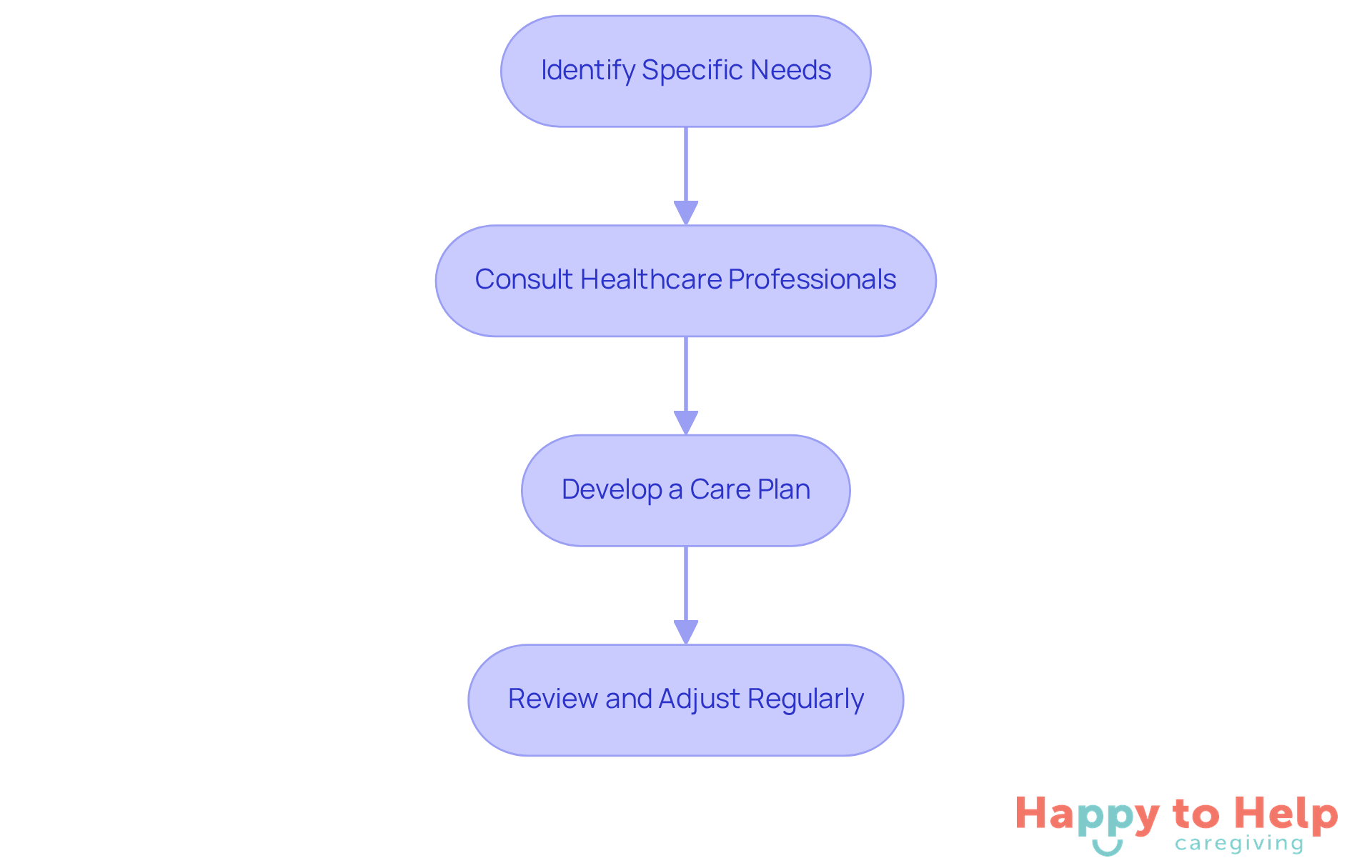
Identify Specific Needs: Caregivers often face overwhelming demands, with many reporting challenges in managing daily routines and preferences of their loved ones. A recent survey revealed that 61% of family caregivers provide home and community-based services (HCBS), emphasizing the importance of knowing how to care for mom at home. Discussing daily routines, preferences, and challenges-such as assistance with bathing, meal preparation, medication management, or mobility support-can help tailor care effectively.
-
Consult Healthcare Professionals: Engaging with doctors or specialists is crucial for understanding any medical conditions that may require specific care strategies. As Michele Holleran, CEO of DeArment Consulting, emphasizes, "Payment is only the financial driver. Value-based care is really about enabling a new model, a model that residents want and improves their lives." This collaboration ensures that the care plan is both comprehensive and medically sound.
-
Develop a Care Plan: Once needs are identified, document them and outline a care plan that includes daily activities, medical appointments, and social interactions. Involve your significant other in this process to respect their preferences. With anticipated changes in insurance coverage for home health services by 2025, it is essential to align the care plan to ensure we can effectively care for mom at home with these evolving options.
-
Review and Adjust Regularly: Regular check-ins are vital to assess the effectiveness of the care plan. Be open to adjustments based on feedback from your loved one and any changes in their condition or preferences. Incorporating technology, such as AI and remote monitoring, can enhance the caregiving experience by providing real-time updates and facilitating proactive modifications.
Ensure Safety and Well-Being at Home
Problem: Home Safety Hazards
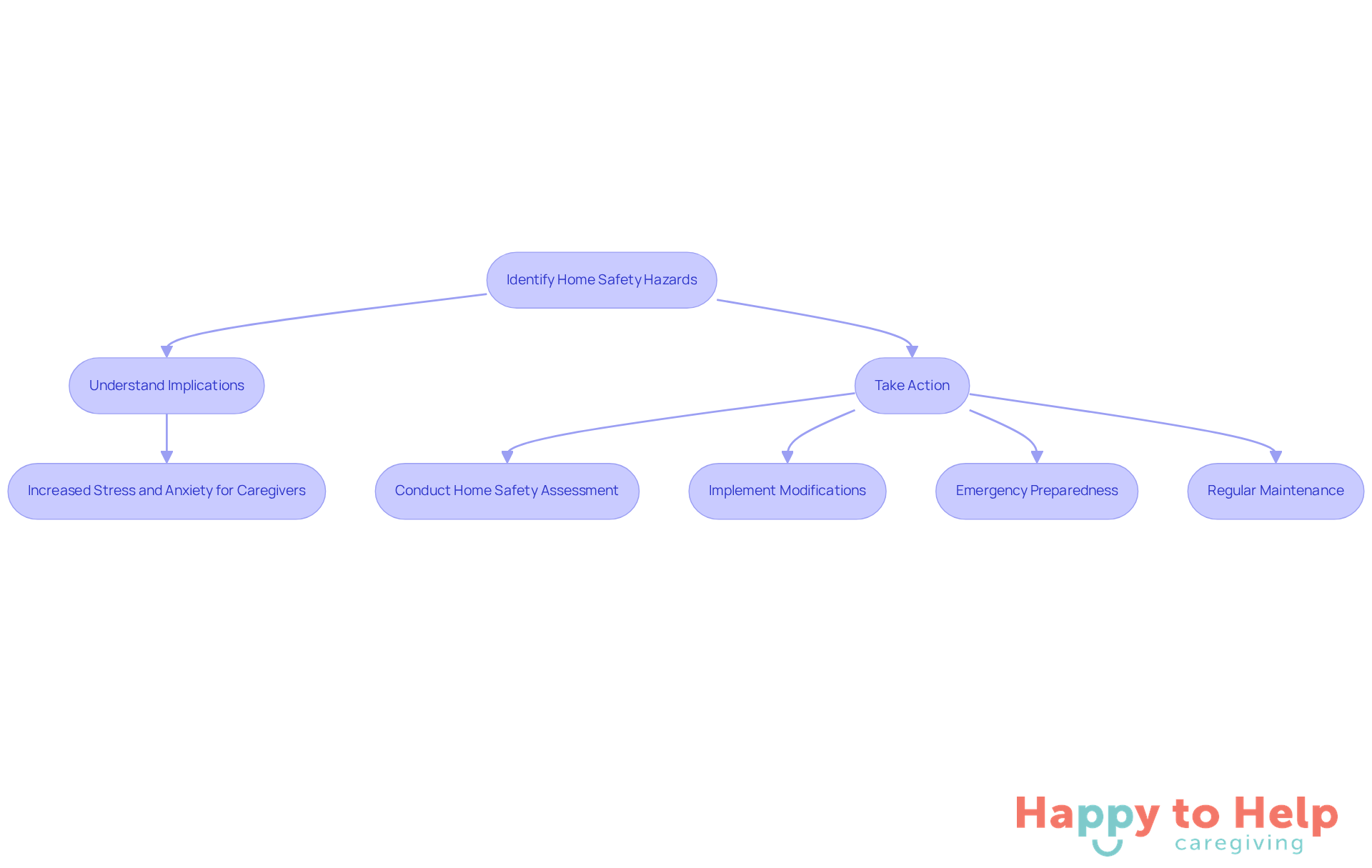
Caregivers often face the challenge of ensuring a safe living environment for their loved ones. Hazards such as loose rugs, poor lighting, and cluttered pathways can lead to accidents and injuries. Identifying these risks is crucial for maintaining safety.
Agitate: Implications of Hazards
When safety hazards are overlooked, the consequences can be severe. Falls and injuries not only affect the well-being of those in care but can also lead to increased stress and anxiety for caregivers. It’s essential to address these issues proactively to create a secure home environment.
Solution: Actionable Steps
- Conduct a Home Safety Assessment: Walk through the home to identify potential hazards. Make a list of areas that need improvement, focusing on loose rugs, poor lighting, and cluttered pathways.
- Implement Modifications: Based on your assessment, make necessary changes. This may include installing grab bars in bathrooms, ensuring adequate lighting, and removing tripping hazards.
- Emergency Preparedness: Create an emergency plan that includes contact information for family members, doctors, and local emergency services. Ensure that your loved one knows how to access help if needed.
- Regular Maintenance: Schedule regular checks of the home environment to ensure that safety measures remain effective and that any new hazards are addressed promptly.
Communicate Openly and Respect Autonomy
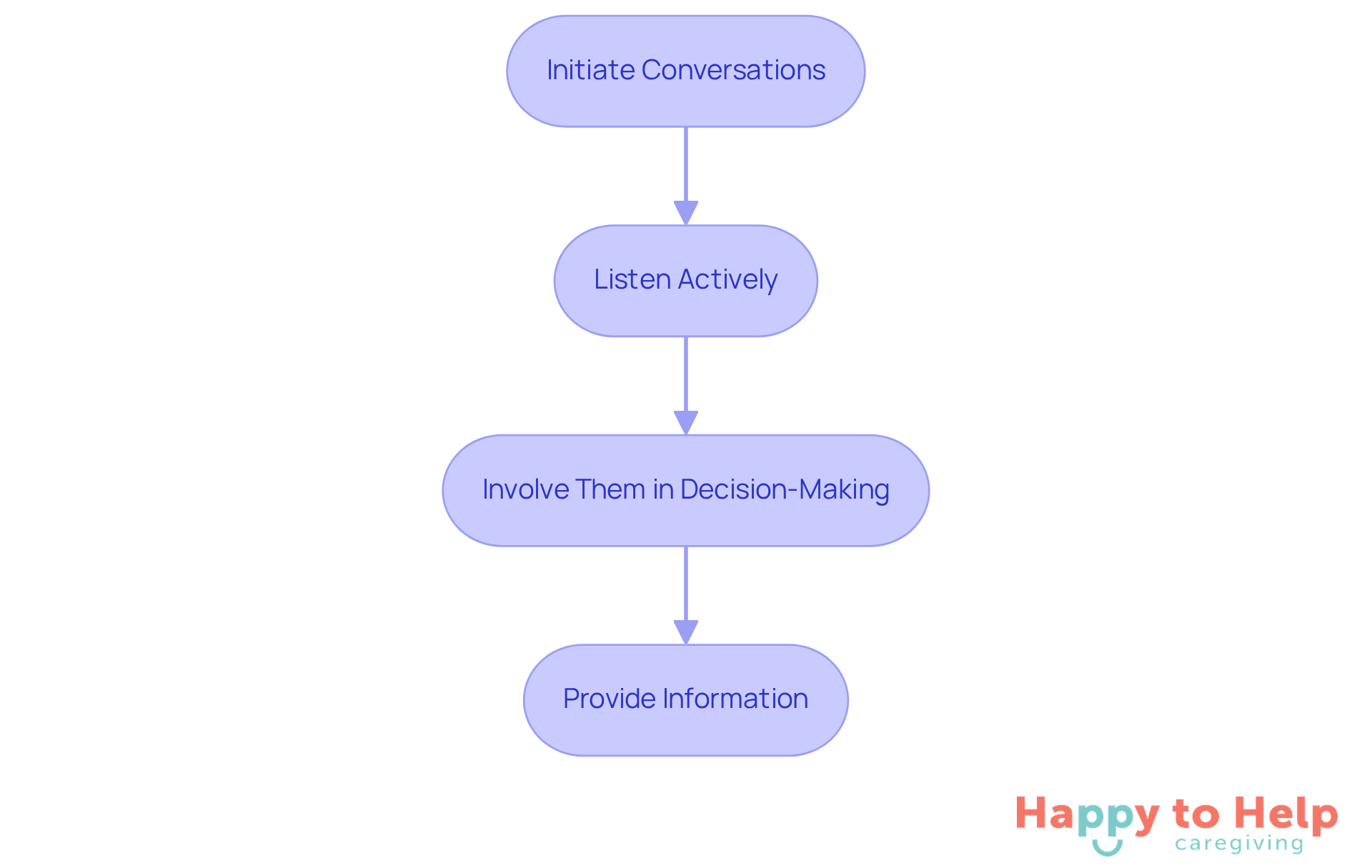
Initiate Conversations: Caregivers often struggle to start discussions about care needs, which can lead to feelings of isolation for their loved ones. To address this, begin conversations with empathy and patience. Use open-ended questions to encourage your dear one to share their thoughts and emotions, fostering a space of trust.
Listen Actively: Once the conversation begins, it’s crucial to listen attentively. Validate their feelings and concerns, as this not only builds trust but also reinforces respect for their opinions. Such an approach is vital for their emotional well-being.
Involve Them in Decision-Making: Another common challenge is the tendency to make decisions without involving the senior. Whenever feasible, actively include your significant other in decisions regarding the care for mom at home. This could encompass discussions about daily routines, preferred activities, or adjustments to their care plan. Research indicates that involving seniors in their care decisions significantly enhances their satisfaction and overall quality of life.
Provide Information: Lastly, caregivers often overlook the importance of providing information. Ensure your loved one comprehends their care options and any pertinent medical information. This empowerment allows them to make informed choices about the care for mom at home, which is essential for maintaining their autonomy. Geriatric care specialists emphasize that respecting autonomy not only improves mental health outcomes but also fosters a sense of dignity and control in seniors' lives.
Prioritize Your Own Well-Being
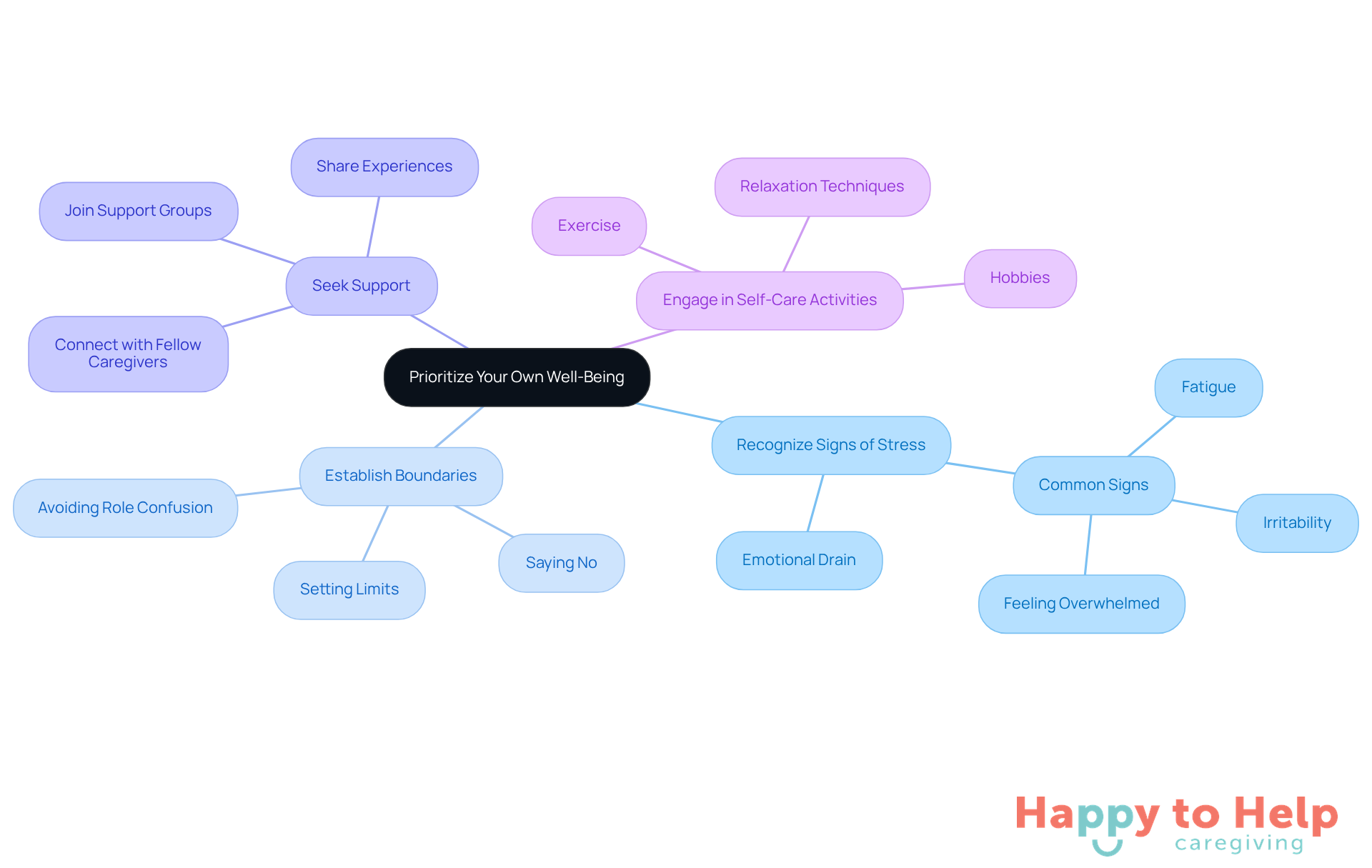
Recognize Signs of Stress: Caregiving can take a toll on your physical and emotional health. Common signs include fatigue, irritability, and feelings of being overwhelmed. According to Mental Health America, many caregivers report feeling anxious and emotionally drained. Recognizing these signs early is crucial for taking steps to protect your well-being.
Establish Boundaries: Setting limits on your caregiving responsibilities is essential to prevent burnout. It’s perfectly acceptable to say no to additional tasks that could jeopardize your health. Research indicates that role confusion and unrealistic expectations often lead to caregiver burnout, making it vital to establish clear boundaries.
Seek Support: Connecting with fellow caregivers or support groups can be incredibly beneficial. Sharing experiences not only provides emotional relief but also practical advice. With approximately 53 million caregivers in the United States, finding a community can help alleviate feelings of isolation and offer valuable insights into managing caregiving challenges.
Engage in Self-Care Activities: Prioritize time for activities that rejuvenate you, such as exercise, hobbies, or relaxation techniques. Taking care of your health is not selfish; it’s essential for maintaining your ability to care for others effectively. Remember, as Mental Health America states, "You can't pour from an empty cup." This highlights that self-care enables you to be a more present and effective caregiver.
Key Takeaways for Caregivers
Caring for a loved one at home, especially an elderly parent, presents significant challenges. Caregivers often face the daunting task of ensuring safety and well-being while navigating complex needs. Without a thoughtful approach, the risk of safety hazards and caregiver burnout increases, impacting both the caregiver and the loved one.
To address these challenges, caregivers should:
- Conduct thorough assessments to identify potential safety hazards.
- Foster open communication; involving seniors in decision-making fosters respect and autonomy.
- Prioritize their own health and well-being to sustain their ability to provide care.
- Regularly review and adjust the care plan based on feedback and changing circumstances.
Recognizing the importance of self-care and seeking support from fellow caregivers can alleviate stress and prevent burnout. By embracing these strategies, caregivers not only enhance the quality of life for their loved ones but also cultivate a fulfilling caregiving experience.
Ultimately, the journey of caring for an elderly parent at home is a shared experience that emphasizes compassion, respect, and proactive planning. By taking these steps, caregivers can create a harmonious and nurturing environment that benefits everyone involved, reinforcing the profound impact of thoughtful and informed caregiving.
https://iframe.tely.ai/cta/eyJhcnRpY2xlX2lkIjogIjY5M2Y1MDhkNGM3OGNhYjkzOThjNmZhNyIsICJjb21wYW55X2lkIjogIjY4ZWU1ZGNhNzMxNzYyNTU3ZjNjOTVjMSIsICJpbmRleCI6IG51bGwsICJ0eXBlIjogImFydGljbGUifQ==Frequently Asked Questions
What are the main challenges faced by caregivers?
Caregivers often face overwhelming demands, with many struggling to manage the daily routines and preferences of their loved ones, including assistance with bathing, meal preparation, medication management, and mobility support.
How can caregivers identify specific needs for their loved ones?
Caregivers can identify specific needs by discussing daily routines, preferences, and challenges with their loved ones, ensuring that care is tailored effectively.
Why is it important to consult healthcare professionals when creating a care plan?
Consulting healthcare professionals is crucial for understanding any medical conditions that may require specific care strategies, ensuring that the care plan is comprehensive and medically sound.
What should a care plan include?
A care plan should document identified needs and outline daily activities, medical appointments, and social interactions, while also involving the significant other to respect their preferences.
Why is it important to review and adjust the care plan regularly?
Regular check-ins are vital to assess the effectiveness of the care plan and to make adjustments based on feedback from the loved one and any changes in their condition or preferences.
How can technology enhance the caregiving experience?
Incorporating technology, such as AI and remote monitoring, can enhance the caregiving experience by providing real-time updates and facilitating proactive modifications to the care plan.
List of Sources
- Assess Needs and Create a Flexible Care Plan
- Seven trends in senior living that will define 2025 and beyond (https://mcknightsseniorliving.com/home/columns/guest-columns/seven-trends-in-senior-living-that-will-define-2025-and-beyond)
- The Future of Home Health Care: Trends to Watch in 2025 (https://synchronyfl.com/the-future-of-home-health-care-trends-to-watch-in-2025)
- Empowering aging: How AI and value-based care are making senior living more personalized and affordable (https://mcknights.com/marketplace/marketplace-experts/empowering-aging-how-ai-and-value-based-care-are-making-senior-living-more-personalized-and-affordable)
- ‘We’re Back, Baby’: 6 Senior Living Leaders Predict Memory Care’s Future (https://seniorhousingnews.com/2025/10/17/were-back-baby-6-senior-living-leaders-predict-memory-cares-future)
- Trends and Innovations in Senior Care | Amada Blog (https://amadaseniorcare.com/2025/01/trends-and-innovations-in-senior-care)
- Ensure Safety and Well-Being at Home
- Older Americans Are More Likely to Suffer Fatalities from Falls and Fire; CPSC Report Highlights Hidden Hazards Around the Home (https://cpsc.gov/Newsroom/News-Releases/2022/Older-Americans-Are-More-Likely-to-Suffer-Fatalities-from-Falls-and-Fire-CPSC-Report-Highlights-Hidden-Hazards-Around-the-Home)
- Home Safety Modifications to Promote Senior Independence (https://ohioanshhc.com/news/home-safety-modifications-to-promote-senior-independence)
- Understanding Barriers to Home Safety Assessment Adoption in Older Adults: Qualitative Human-Centered Design Study (https://humanfactors.jmir.org/2025/1/e66854)
- DwellSafe says it’s bringing clinical-level home-safety assessments into every home (https://hmenews.com/article/dwellsafe-says-it-s-bringing-clinical-level-home-safety-assessments-into-every-home)
- Aging in Place Home Modifications Guide 2025 | Senior Safety Tips (https://agesafeamerica.com/home-safety-hub/articles/top-home-safety-modifications)
- Communicate Openly and Respect Autonomy
- The Caregiving Landscape: Data & Insights on the Caregiver Experience in the U.S. (https://caregiveraction.org/caregiver-statistics)
- The Importance of Autonomy in the Well-Being of the Older Adult - Elder Options (https://elderoptionsca.com/the-importance-of-autonomy-in-the-well-being-of-the-older-adult)
- Effective Communication Strategies in Senior Care: Empowering Residents, Families, and Caregivers - MedCity News (https://medcitynews.com/2023/12/effective-communication-strategies-in-senior-care-empowering-residents-families-and-caregivers)
- Caregiver Statistics: Demographics (https://caregiver.org/resource/caregiver-statistics-demographics)
- Prioritize Your Own Well-Being
- Newsroom : News & Events : Lymphangiomatosis & Gorham's Disease Alliance (https://lgdalliance.org/news-events/newsroom.html/article/2025/05/19/protecting-mental-health-as-a-caregiver)
- Caregiving can test you, body and soul. It can also unlock a new sense of self (https://npr.org/2025/04/01/nx-s1-5336314/caregiver-caregiving-identity-family-support-burnout)
- Caregiver burnout and strategies for coping (https://uhc.com/health-and-wellness/caregiver-resources/caregiver-burnout-and-strategies-for-coping)