
Choose the Right Caregiving Companies at a Glance
Choosing the right caregiving company can be a daunting task, filled with emotional challenges. It's essential to first assess your care needs. Reflect on the specific requirements and preferences that matter most to you or your loved one. This initial step is crucial in ensuring that the care provided aligns with individual needs.
Next, take the time to research and compare different companies. Look into their credentials and read reviews from others who have utilized their services. This process not only helps in verifying their reliability but also offers peace of mind as you make informed choices.
Interviewing caregivers is a vital step that allows you to ensure compatibility. It's important to find someone who resonates with the emotional and practical aspects of care. Engaging in conversations with potential caregivers can help you gauge their empathy and understanding, making it easier to select the right fit.
Finally, reviewing contracts thoroughly is essential. Understanding the terms laid out will empower you to make decisions that are best for your situation. This careful consideration helps to alleviate stress and fosters a sense of security in your caregiving journey.
By following these steps, you can navigate the process with confidence, knowing that compassionate and effective care is within reach.
Understanding Choose the Right Caregiving Companies
Choosing the right caregiving company can feel overwhelming. Families often grapple with the unique needs of their loved ones, and the emotional weight of this decision can be heavy. With many seniors requiring assistance in daily activities, understanding how to navigate this process becomes crucial for families searching for compassionate support.
What key factors should one consider to ensure the selected caregiving service meets practical needs while fostering a trusting relationship? This guide aims to outline essential steps to help families make informed decisions in their search for local caregiving services. Together, we can explore the support available and ease the journey toward finding the right care for those we cherish.
Assess Care Needs and Preferences
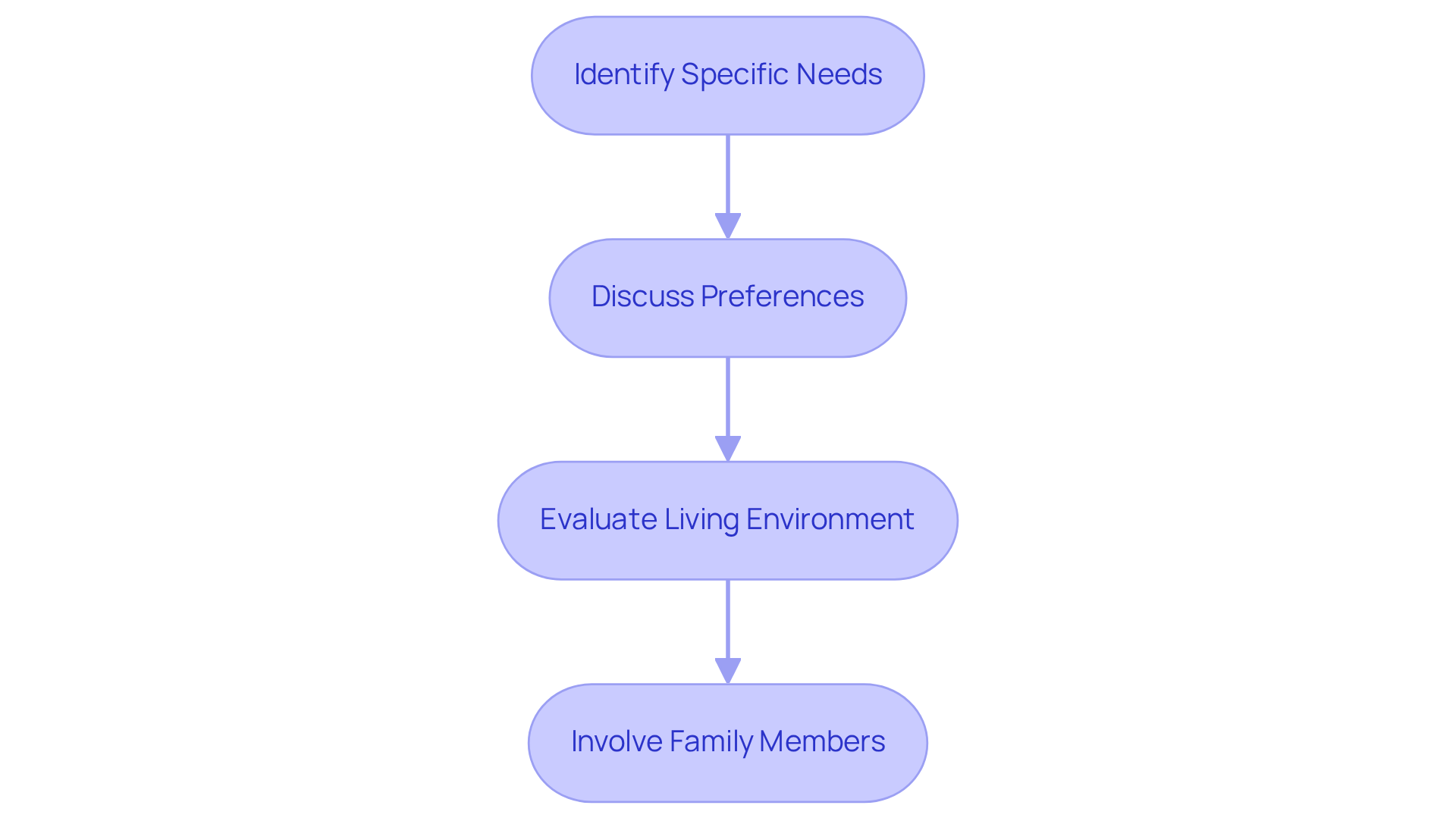
- Identify Specific Needs: Begin by cataloging daily activities that may pose challenges for the individual, such as bathing, dressing, meal preparation, or medication management. It is noteworthy that studies reveal over one-third of seniors require assistance with bathing and dressing, underscoring the importance of addressing these . Additionally, consider any medical conditions that may necessitate specialized attention.
- Discuss Preferences: Engage in a heartfelt dialogue about the person's support preferences. This includes factors such as gender, language, and personality traits that foster a sense of comfort and trust. Elderly support experts emphasize that "Family caregivers are essential to our support system," highlighting the significance of aligning caregiver traits with the individual's comfort levels to enhance the caregiving experience.
- Evaluate Living Environment: Assess the home environment to identify necessary modifications for safety and accessibility. This may involve installing grab bars in bathrooms or removing tripping hazards. It is important to recognize that 63% of renters in Aurora are considered cost-burdened, which could impact their ability to make these important modifications. A suitably adjusted living environment can significantly enhance the quality of support and a person's overall well-being.
- Involve Family Members: Include family members in discussions to gather diverse insights and ensure a unified approach regarding support expectations and preferences. Joint decision-making can lead to more personalized support plans that reflect the needs and wishes of the individual receiving assistance. Furthermore, acknowledging the emotional impact on caregivers is essential, as over a quarter report feelings of depression and isolation. This awareness can foster a supportive atmosphere for both caregivers and those receiving assistance.
In conclusion, by thoughtfully evaluating support needs and preferences, families can cultivate a more effective and compassionate caregiving strategy that addresses both the practical and emotional dimensions of assistance.
Research and Compare Caregiving Companies
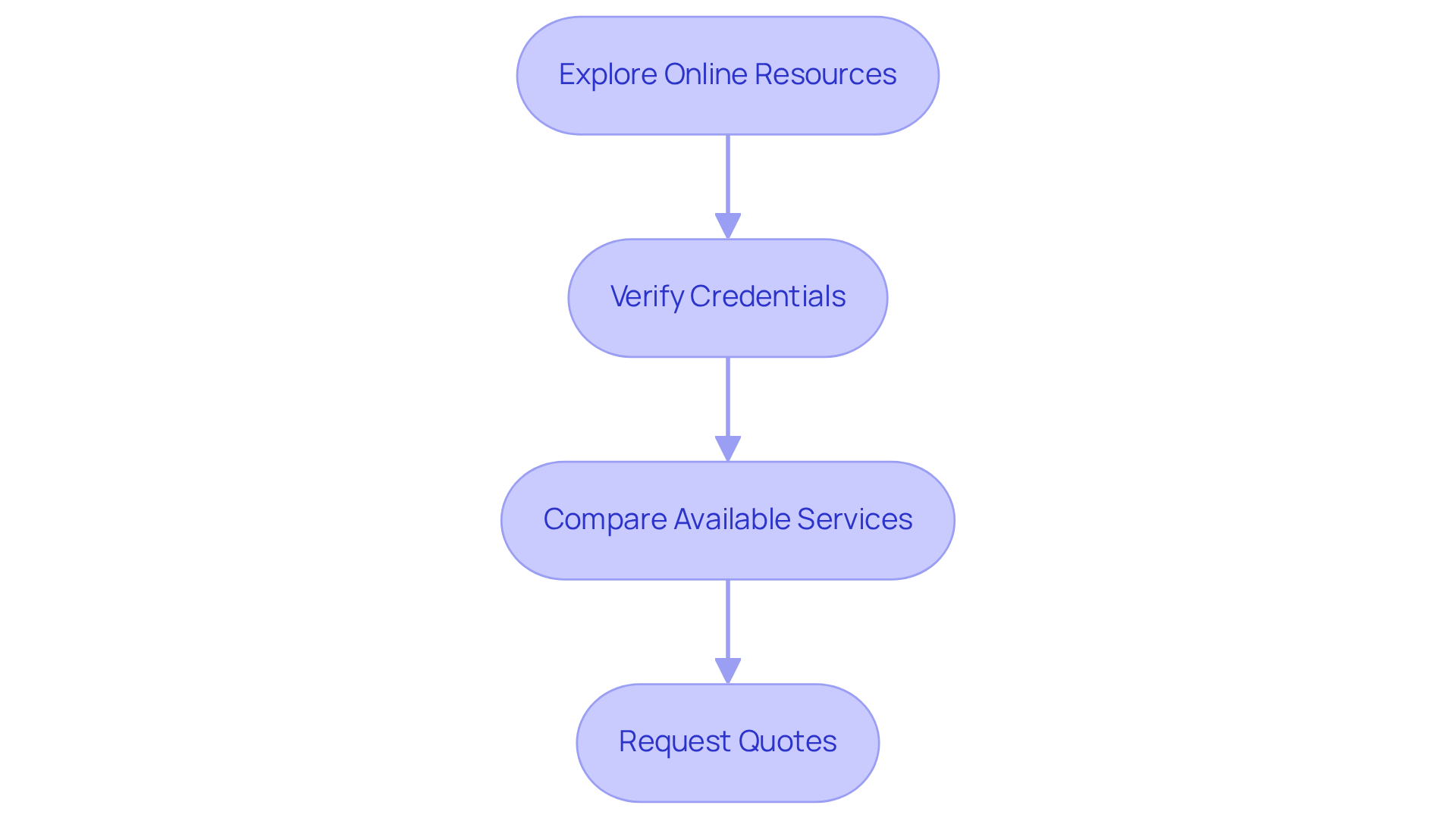
- Explore online resources by searching for caregiving companies near me through websites like AgingCare.com or Medicare.gov. Take the time to read reviews and ratings from other families; their experiences can offer valuable insights into the quality of service you can expect.
- Verify Credentials: It’s essential to ensure that the companies you consider are by the appropriate state agencies. This verification provides peace of mind, confirming that they meet the necessary standards for delivering compassionate care.
- Compare Available Services: Create a thoughtful list of the services each company offers, such as companionship, personal support, or specialized medical assistance. This will help you find the options that align with your specific needs and the requirements you’ve identified.
- Request Quotes: Reach out to several companies to ask for quotes and gather information about their pricing structures. Understanding these financial aspects is crucial, as it will help you find a service that not only meets your needs but also fits your budget.
Interview Caregivers and Ask Key Questions
-
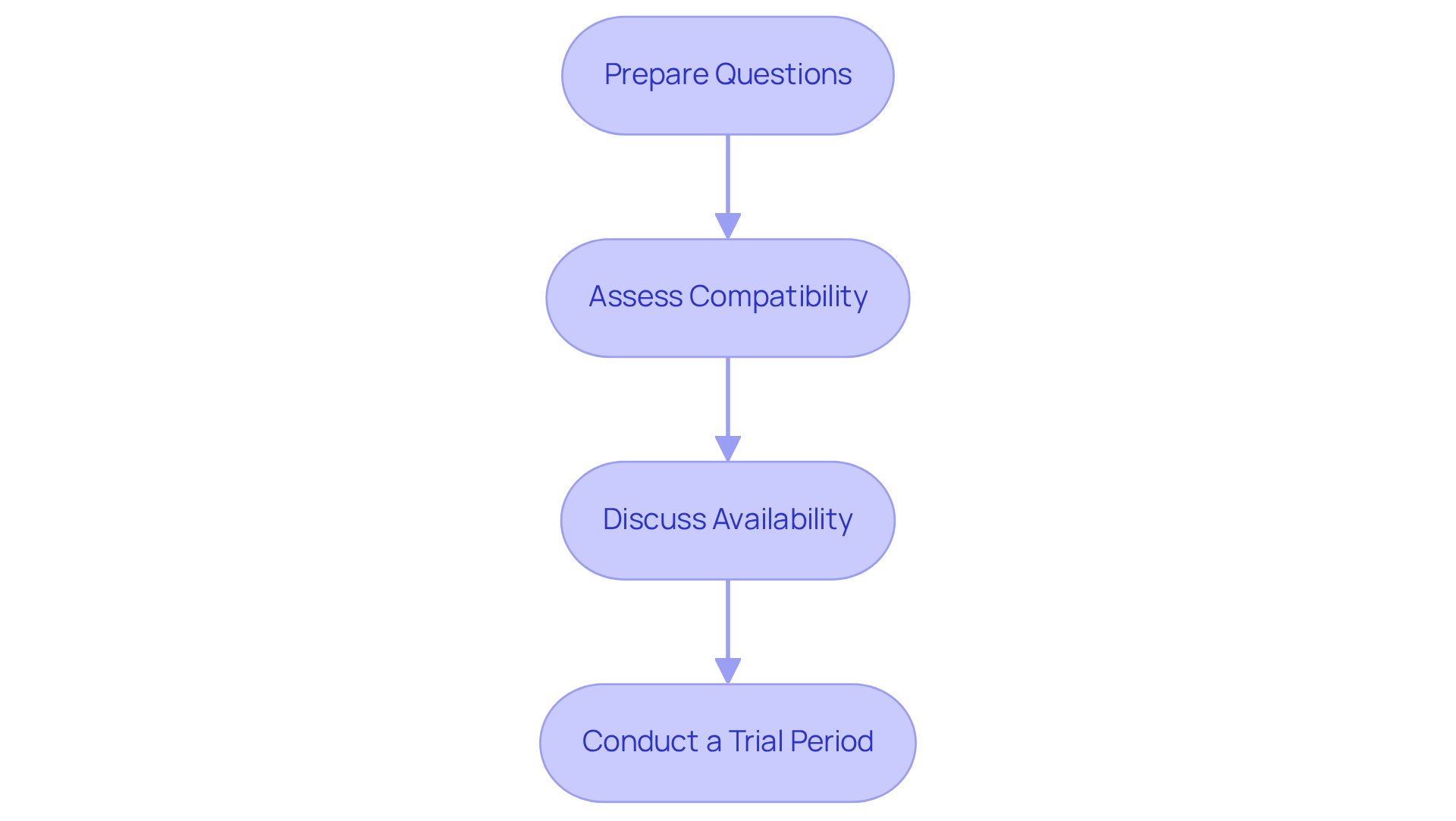
Prepare Questions: Begin by crafting a thoughtful list of questions to guide your interview. Focus on key areas such as the provider's experience, training, and approach to care. Consider asking:
- What experience do you have with clients who have similar needs?
- How do you handle challenging situations?
- Can you provide references from previous clients?
-
Assess Compatibility: Take note of the provider's demeanor and communication style. It’s essential that they can establish a genuine connection with the person receiving assistance. Research shows that having a consistent provider over time can lead to improved outcomes, enriching the overall care experience.
-
Discuss Availability: Confirm the provider's availability and flexibility regarding scheduling. It’s important to ensure they can accommodate the necessary hours and any potential changes in the future.
-
Conduct a Trial Period: If possible, arrange for a trial period where the caregiver can work with the individual. This opportunity allows both parties to before committing long-term. Ongoing feedback during this time is vital to ensure that the caregiver-client relationship evolves to meet changing needs.
Review Contracts and Understand Terms of Service
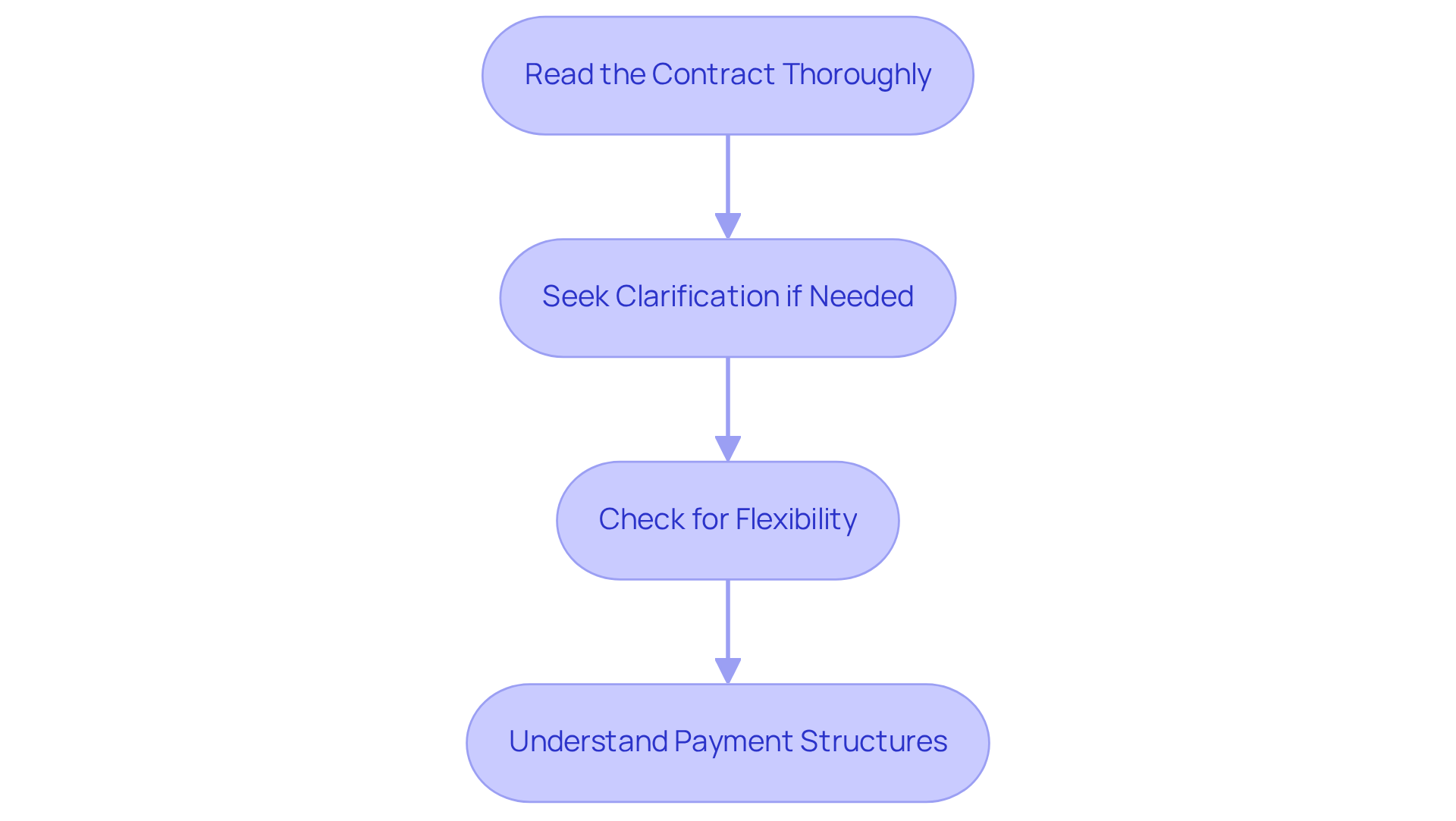
- Read the Contract Thoroughly: Before you sign, take a moment to carefully review the entire contract. It’s important to pay close attention to the specifics regarding services offered, payment structures, and cancellation policies. A well-drafted support agreement should clearly outline these elements to help prevent misunderstandings. As a senior legal advisor wisely noted, "Grasping home support agreements is crucial not only for guaranteeing clear and transparent caregiving arrangements, but also for safeguarding the rights and expectations of all involved parties."
- If anything in the contract feels unclear, please don’t hesitate to reach out to the caregiving companies near me for clarification. Understanding all terms is vital before moving forward, as this ensures that everyone’s expectations are aligned and helps later on.
- Check for Flexibility: It’s important to inquire about how the support plan or schedule can be adjusted. Flexibility is key, as support needs can change over time. Caregiving companies near me should provide a caring and responsive service that is willing to accommodate changes to better suit your unique circumstances.
- Understand Payment Structures: Make sure you have clarity on how payments will be processed, including any potential additional fees for services not included in the initial agreement. Regular reviews of home care contracts should happen every few months or at least annually. This practice helps avoid unexpected costs and ensures that financial arrangements remain transparent and manageable.
Key Takeaways for Caregivers
Choosing the right caregiving company involves a thoughtful exploration of both practical needs and emotional connections. By understanding the specific requirements of loved ones and engaging in meaningful discussions about preferences, families can significantly enhance the caregiving experience. This journey is not just about finding a service provider; it’s about fostering trust and ensuring that the individual receiving care feels comfortable and supported.
The article outlines a structured approach to selecting the ideal caregiving company. It emphasizes the importance of:
- Assessing care needs
- Conducting thorough research
- Interviewing potential caregivers
- Carefully reviewing contracts
Each step is designed to empower families, helping them make informed decisions that align with their unique circumstances. By taking the time to evaluate these aspects, families can find a service that meets both practical and emotional needs.
Ultimately, the process of selecting a caregiving company is a vital investment in the well-being of loved ones. It is essential to approach this task with diligence and care, recognizing that the right support can make a profound difference in the quality of life for seniors. By utilizing the strategies discussed, families can navigate this journey more confidently, ensuring that they find compassionate and competent care that truly meets their needs.
https://iframe.tely.ai/cta/eyJhcnRpY2xlX2lkIjogIjY4ZjE4ZGM5NTcxNTgxY2YyOWM1ZTE0YiIsICJjb21wYW55X2lkIjogIjY4ZWU1ZGNhNzMxNzYyNTU3ZjNjOTVjMSIsICJpbmRleCI6IG51bGwsICJ0eXBlIjogImFydGljbGUifQ==Frequently Asked Questions
What should be identified when assessing care needs for an individual?
It is important to catalog daily activities that may pose challenges, such as bathing, dressing, meal preparation, or medication management. Additionally, any medical conditions requiring specialized attention should be considered.
Why is it important to discuss preferences with the individual receiving care?
Engaging in a heartfelt dialogue about support preferences, including factors like gender, language, and personality traits, helps foster comfort and trust, enhancing the overall caregiving experience.
How can the living environment impact the care provided?
Assessing the home environment for necessary modifications, such as installing grab bars or removing tripping hazards, is crucial for safety and accessibility. A suitably adjusted living environment can significantly enhance the quality of support and the individual's overall well-being.
Why should family members be involved in the care assessment process?
Involving family members allows for diverse insights and ensures a unified approach to support expectations and preferences. Joint decision-making can lead to more personalized support plans that reflect the needs and wishes of the individual receiving assistance.
What emotional considerations should be taken into account for caregivers?
Acknowledging the emotional impact on caregivers is essential, as over a quarter report feelings of depression and isolation. This awareness can help foster a supportive atmosphere for both caregivers and those receiving assistance.
What is the overall goal of thoughtfully evaluating support needs and preferences?
The goal is to cultivate a more effective and compassionate caregiving strategy that addresses both the practical and emotional dimensions of assistance.