

For families in our service areas
For families in our service areas, this guide explains caregiving and how non-medical in-home caregiving can support care planning in East Idaho, Treasure Valley & Magic Valley, Northern Wasatch, North Central West Virginia, and Northeast Ohio.
What to Expect
Choosing the right caregiving service for elderly loved ones can feel overwhelming. It’s a journey filled with emotional challenges, and it’s completely normal to feel stressed or burnt out. But you’re not alone in this. There’s a compassionate path forward that can help ease your worries.
The process begins with understanding individual needs. Take a moment to assess health conditions and daily activities. What does your loved one truly require? This step is crucial, as it lays the foundation for finding the right support.
Next, dive into researching available services. Compare offerings and qualifications. This isn’t just about checking boxes; it’s about finding caregivers who resonate with your loved one’s unique needs. You want someone who will provide not just care, but companionship and understanding.
Once you’ve narrowed down your options, it’s time to interview caregivers. This is your chance to connect on a personal level. Ask questions that matter to you and your family. Listen to their stories and experiences. You’ll want to feel that warmth and compassion radiating from them.
Finally, review the contracts carefully. Understanding the terms is essential for ensuring that the care provided aligns with your expectations. This step might seem daunting, but it’s about protecting your loved one’s well-being.
Remember, this journey is about finding personalized and effective support. You’re taking important steps to ensure your loved one receives the care they deserve. Trust in the process, and know that compassionate caregivers are out there, ready to make a difference in your loved one’s life.
What You Need to Know About Choose the Right Empresa Cuidado
Choosing the right care for elderly loved ones can feel overwhelming, like navigating a complex maze. The demand for personalized support is on the rise, and understanding the unique needs and preferences of seniors is essential. This understanding lays the groundwork for effective caregiving and significantly enhances their quality of life.
However, with so many options available, families often wonder: how can they ensure they select the most suitable caregiving service? It’s a question that weighs heavily on the hearts of many. This guide offers a clear, step-by-step approach to help families make informed decisions. By empowering them to find the right support, we aim to address the challenges that often accompany this important choice.
Remember, you’re not alone in this journey. Many families face similar struggles, and there are compassionate services ready to help. Together, we can navigate this path with care and understanding.
Assess Individual Needs and Preferences
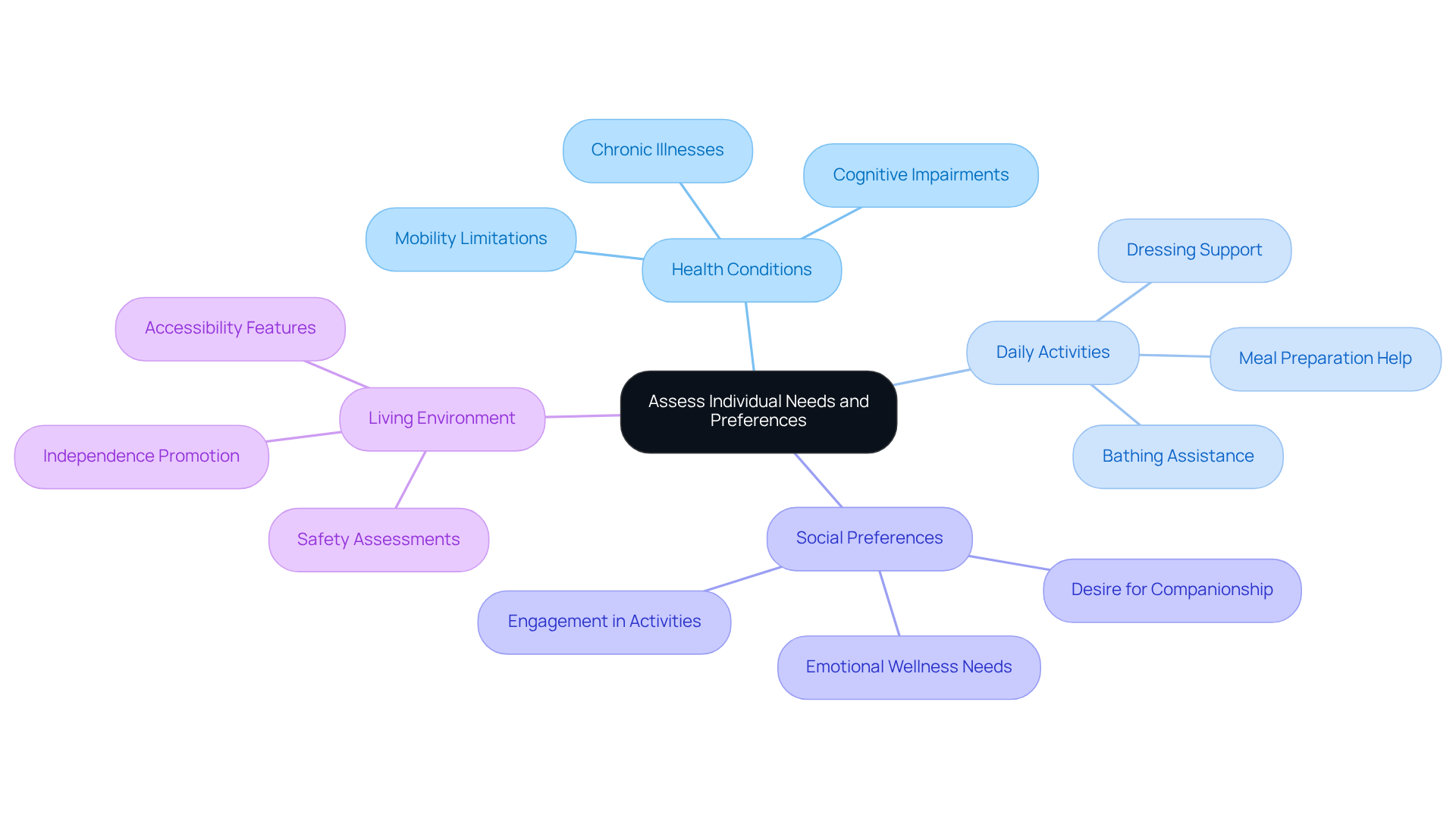
Start by taking a moment to truly understand the needs of the individual in your care. This step is vital for effective caregiving and can make a world of difference. Here are some key factors to consider:
-
Health Conditions: It’s important to identify any medical issues that may require specialized attention. By 2025, around 40% of seniors are expected to face mobility limitations. Recognizing chronic illnesses or cognitive impairments is essential for providing tailored support. As geriatric care specialists often remind us, evaluating health conditions is the cornerstone of ensuring that seniors receive the appropriate care they deserve.
-
Daily Activities: Take a close look at how the individual manages daily tasks like bathing, dressing, and meal preparation. This assessment helps pinpoint the level of assistance needed, allowing caregivers to offer the right support. Understanding these everyday challenges can also alleviate feelings of loneliness for those who juggle multiple responsibilities.
-
Social Preferences: It’s crucial to grasp the person’s social needs, including their desire for companionship and engagement in enjoyable activities. Research shows that emotional wellness is significantly impacted by social interactions, highlighting the importance of incorporating these preferences into care plans. Let’s not forget the emotional and psychological needs of caregivers themselves, as their well-being directly affects their ability to provide effective support.
-
Living Environment: Assess the home environment for safety and accessibility. A secure and reachable living space is vital for promoting independence and reducing the risk of accidents, which can influence the type of support required.
Documenting these insights will help create a comprehensive understanding of what the individual truly needs from their support system. This thoughtful approach not only benefits the person receiving care but also empowers caregivers in navigating their multifaceted roles with confidence and compassion.
Research and Compare Caregiving Services
Starting your investigation can feel overwhelming, especially when you're trying to find the right support for your loved ones. It's important to gather details on local options that an empresa cuidado personas mayores can provide to truly make a difference. Here are some thoughtful methods to consider:
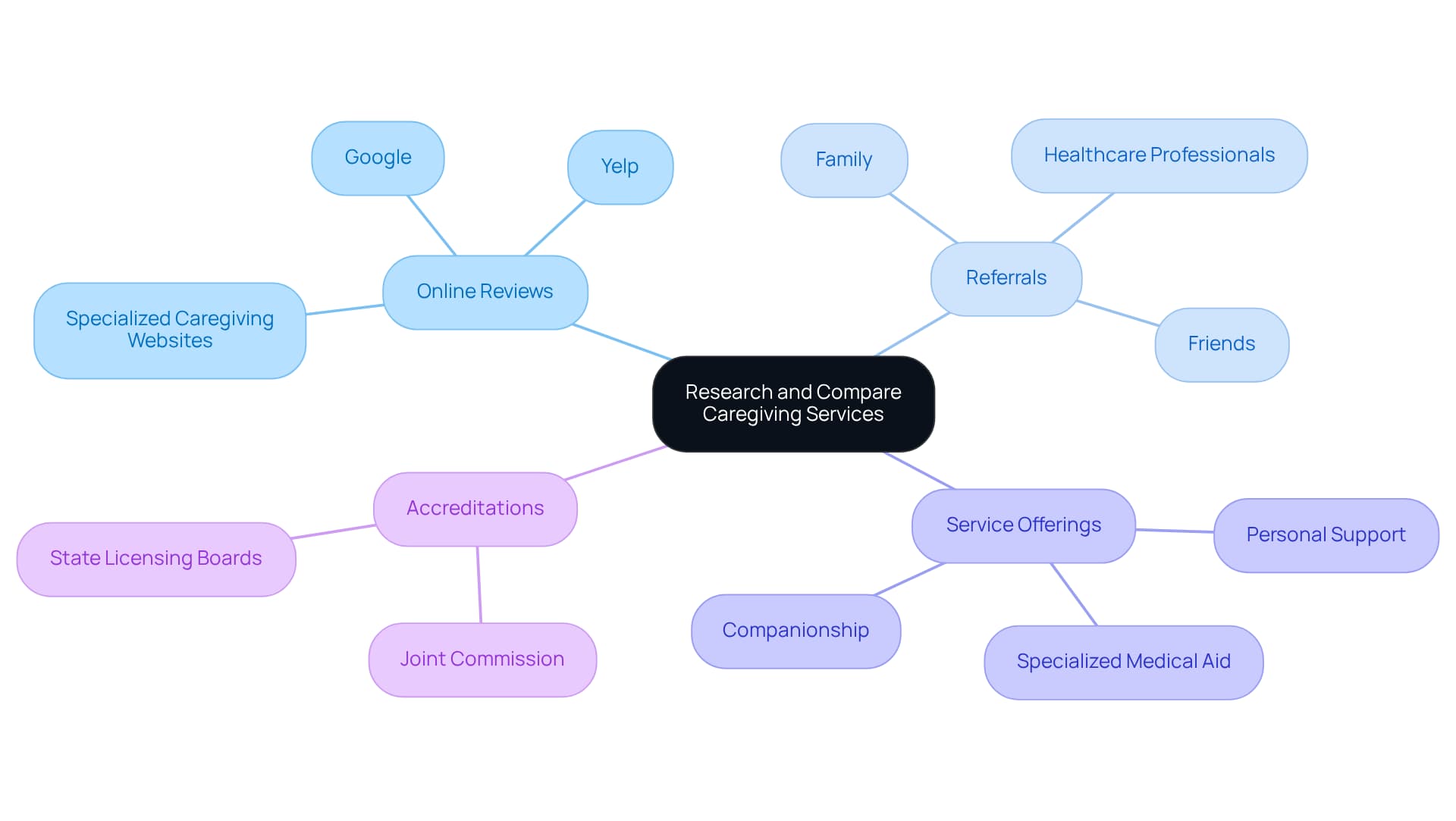
- Online Reviews: Take a moment to explore platforms like Google, Yelp, or specialized caregiving websites. Client testimonials and ratings can provide valuable insights into the experiences of others.
- Referrals: Don’t hesitate to reach out to friends, family, or healthcare professionals. Their recommendations, based on personal experiences, can guide you toward trustworthy services.
- Service Offerings: Look closely at the types of assistance different agencies provide. Whether it’s companionship, personal support, or specialized medical aid, understanding these options can help you find the right fit for an empresa cuidado personas mayores.
- Accreditations: Keep an eye out for certifications or accreditations that reflect a commitment to quality care. Recognitions from the Joint Commission or state licensing boards can offer peace of mind.
As you gather this information, create a shortlist of potential offerings that align with the needs you've assessed. Remember, you're not alone in this journey; there are empresa cuidado personas mayores that are ready to support you and your loved ones.
Interview Caregivers and Evaluate Qualifications
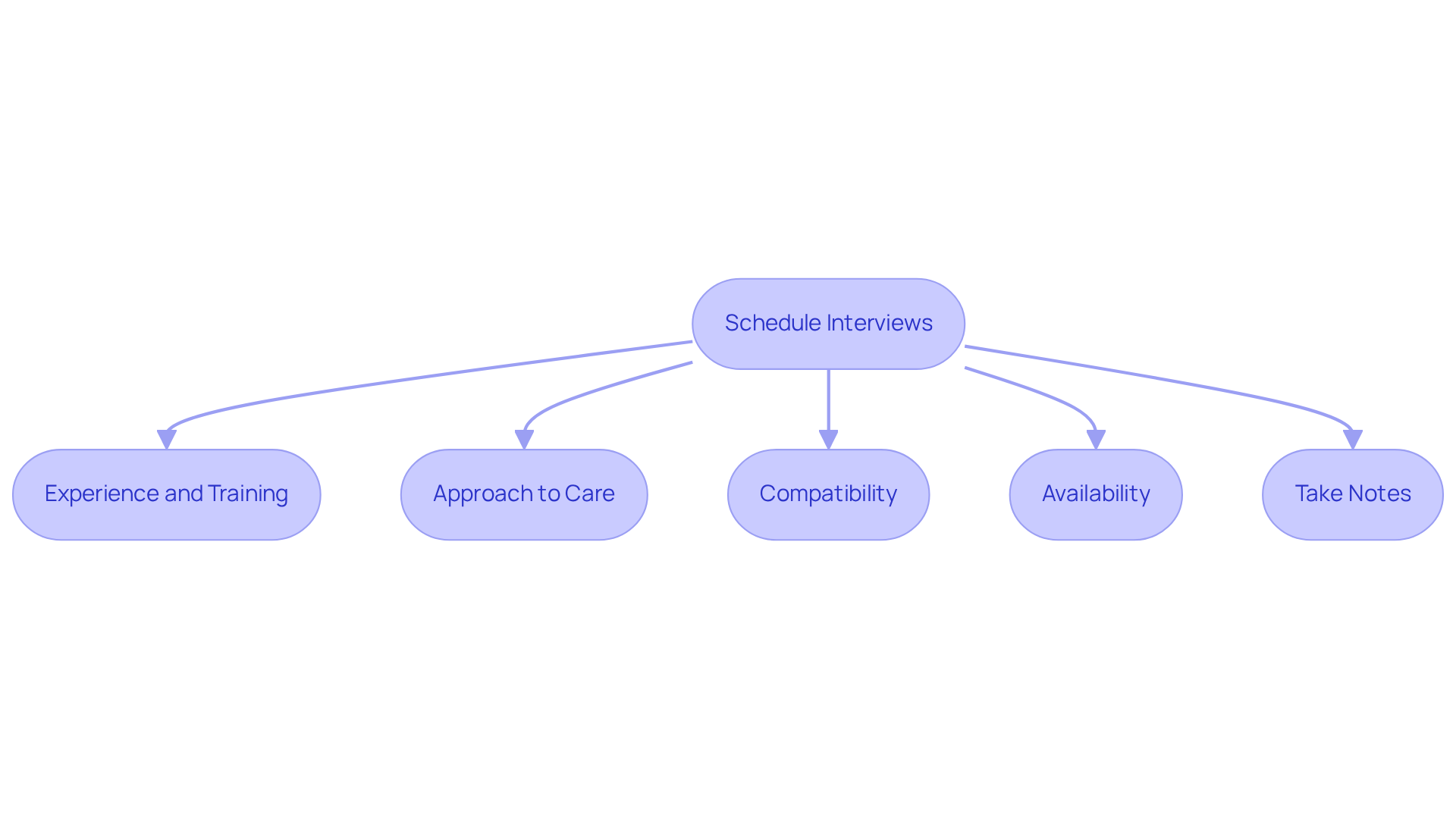
Once you’ve narrowed down your options for support services, it’s time to schedule interviews with potential helpers. This step is crucial, and here are some important aspects to consider:
-
Experience and Training: It’s vital to ask about their background in caregiving. Inquire about any specialized training or certifications they may have. Many caregivers perform medical tasks without adequate training, which can pose significant risks. Choosing someone with the right qualifications is essential for ensuring safe and effective assistance.
-
Approach to Care: Take the time to discuss their philosophy on providing care. How do they handle emergencies or behavioral challenges? Caregivers often juggle multiple roles and navigate complex healthcare systems. Understanding their approach can give you insight into their readiness to manage these responsibilities.
-
Compatibility: Evaluate their personality and communication style. It’s important that they can connect with the individual needing care. A strong connection can greatly enhance the support experience and build trust.
-
Availability: Confirm that their availability aligns with the client’s schedule and needs. Flexibility is key, as caregivers frequently face challenges in balancing personal responsibilities with their support tasks.
As you conduct these interviews, take notes to compare the providers later. This will help you make a well-informed choice. Additionally, incorporating insights from caregiving professionals can offer valuable perspectives on evaluating caregiver qualifications.
Review Contracts and Understand Service Agreements
Before you finalize your selection, it’s important to take a moment to carefully review the contract and agreement. Let’s focus on some key elements that can make a difference:
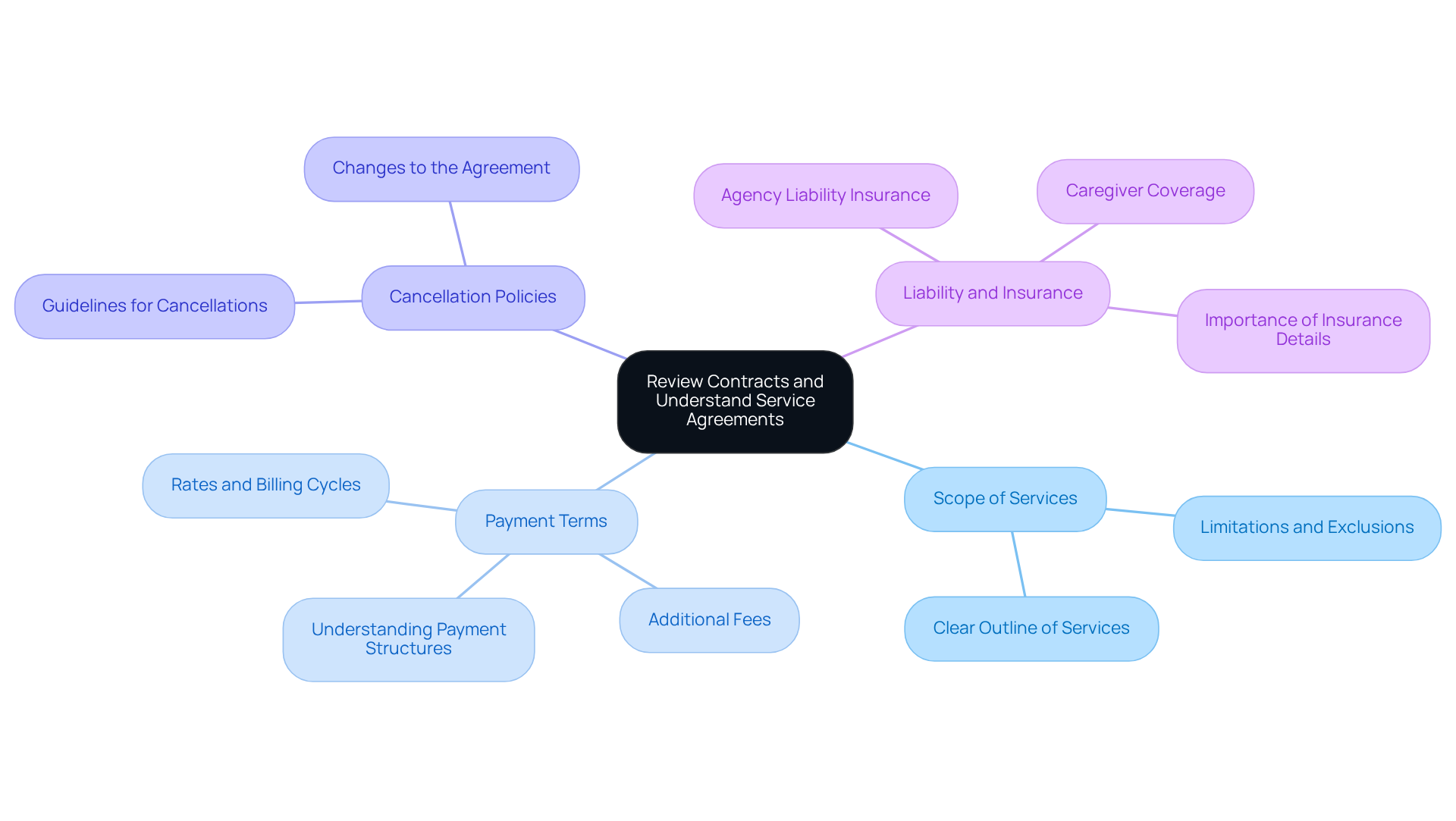
- Scope of Services: Make sure the contract clearly outlines the services to be provided, including any limitations or exclusions. This clarity helps set realistic expectations for the care you or your loved one will receive.
- Payment Terms: Familiarize yourself with the payment structure, including rates, billing cycles, and any additional fees that might apply. Many in-home caregiving options have varied payment structures, which can include hourly rates or flat fees. Understanding these terms can help you avoid unexpected costs down the line.
- Cancellation Policies: It’s wise to know the guidelines regarding cancellations or changes to the agreement. Being aware of these terms can provide peace of mind should circumstances change unexpectedly.
- Liability and Insurance: Confirm that the agency has appropriate liability insurance and that caregivers are covered under this policy. This protection is essential for both the agency and the clients. Understanding these insurance details is crucial for ensuring timely payments and uninterrupted services, especially as partnerships aim to enhance fiscal accountability.
If any part of the agreement feels unclear, don’t hesitate to ask for clarification before signing. A well-understood contract is vital for ensuring a positive caregiving experience, allowing you to focus on what truly matters—providing compassionate care.
Key Takeaways for Caregivers
Choosing the right empresa cuidado personas mayores is a deeply important decision that can greatly influence the quality of care for our beloved seniors. It’s essential to assess individual needs thoughtfully, research available services, interview caregivers, and fully understand contracts. By doing so, families can ensure their loved ones receive the support and companionship they truly deserve. This caring approach not only enhances the caregiving experience but also nurtures a sense of security and well-being for both seniors and their families.
A comprehensive needs assessment is vital. This includes evaluating:
- Health conditions
- Daily activities
- Social preferences
- Living environments
Each of these factors plays a crucial role in determining the right level of care. Moreover, researching and comparing caregiving services, interviewing potential caregivers, and reviewing contracts helps families make informed decisions that align with their loved ones' unique requirements.
Ultimately, prioritizing the right support for seniors goes beyond just meeting physical needs; it’s about nurturing emotional and social well-being. By taking the time to follow these steps, families can create a positive caregiving environment that promotes independence and enriches the lives of their loved ones. The commitment to finding the right care provider is a vital step toward enhancing the quality of life for seniors, ensuring they receive the compassion and support they need to thrive.
https://iframe.tely.ai/cta/eyJhcnRpY2xlX2lkIjogIjY5MDk0MmEyNGRjNWZmNzE2Y2ZkNTMzNSIsICJjb21wYW55X2lkIjogIjY4ZWU1ZGNhNzMxNzYyNTU3ZjNjOTVjMSIsICJpbmRleCI6IG51bGwsICJ0eXBlIjogImFydGljbGUifQ==Frequently Asked Questions
Why is it important to assess individual needs and preferences in caregiving?
Assessing individual needs and preferences is vital for effective caregiving as it helps tailor support to the specific requirements of the person in care, improving their overall well-being and quality of life.
What health conditions should be considered during the assessment?
Caregivers should identify any medical issues, including chronic illnesses and cognitive impairments, that may require specialized attention, especially since around 40% of seniors are expected to face mobility limitations by 2025.
How can daily activities impact the level of assistance needed?
Evaluating how an individual manages daily tasks such as bathing, dressing, and meal preparation helps determine the level of support required, which can alleviate feelings of loneliness for those with multiple responsibilities.
What role do social preferences play in caregiving?
Understanding an individual's social needs, including their desire for companionship and activities, is crucial as social interactions significantly impact emotional wellness. This should be incorporated into care plans.
Why is it necessary to assess the living environment?
Assessing the home environment for safety and accessibility is essential to promote independence and reduce the risk of accidents, which influences the type of support required.
How does documenting insights from the assessment benefit caregivers and individuals in care?
Documenting insights creates a comprehensive understanding of the individual's needs, which empowers caregivers to navigate their roles with confidence and compassion, ultimately benefiting the person receiving care.