4 Steps to Determine if 5000 IU of Vitamin D3 is Too Much

For families in our service areas
For families in our service areas, this guide explains caregiving and how non-medical in-home caregiving can support care planning in East Idaho, Treasure Valley & Magic Valley, Northern Wasatch, North Central West Virginia & Southwestern Pennsylvania, and Northeast Ohio.
The Importance of Determine if 5000 IU of Vitamin D3 is
Determining the appropriate dosage of Vitamin D3 for seniors presents a significant challenge, particularly given the widespread deficiency affecting older adults. Many seniors fall short of the recommended daily allowances, which range from 600 to 800 IU. This shortfall can lead to severe health complications, making it a pressing concern for caregivers and health professionals alike.
As caregivers consider higher dosages, such as 5000 IU, a critical question arises: could this amount be excessive or even harmful? Understanding the balance between deficiency and toxicity is essential for ensuring the well-being of older adults. To navigate this complex issue, caregivers must explore the nuances of Vitamin D3 supplementation and its implications for health.
Understand Recommended Daily Allowances for Vitamin D3
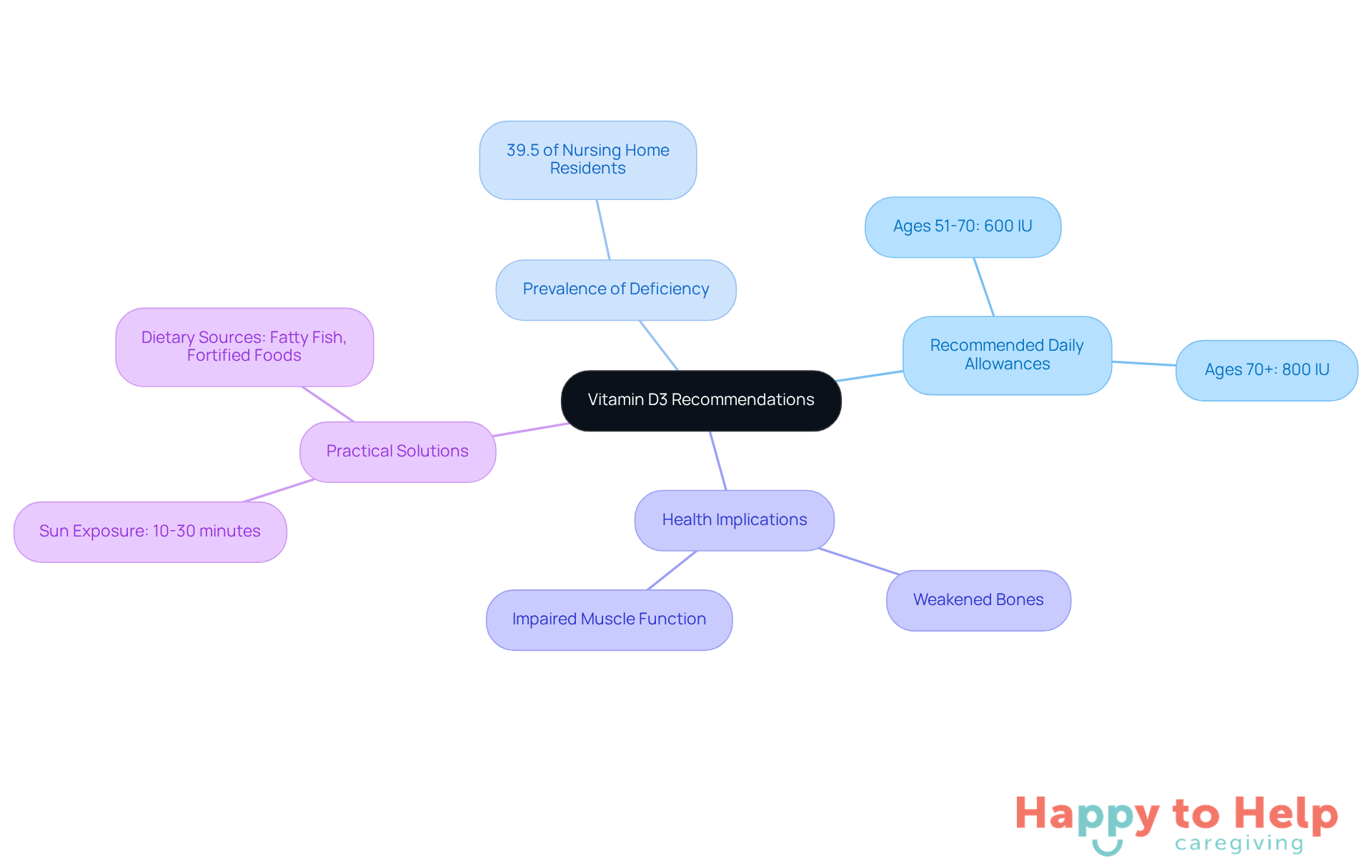
To determine if 5000 IU of Vitamin D3 is too much for seniors, we must first address a significant problem: Vitamin D deficiency is prevalent among older adults. Many seniors do not meet the recommended intake allowances (RDAs) set by health organizations. For individuals aged 51 to 70, the goal is at least 600 IU each day, while those over 70 should aim for approximately 800 IU. Alarmingly, 39.5% of nursing home residents have inadequate serum D levels, highlighting the commonality of this deficiency.
This deficiency can lead to serious health implications, including weakened bones and impaired muscle function. Experts, including the Endocrine Society, recommend a daily intake of 800 to 1000 IU to effectively support bone health and muscle function. Given the risks associated with low Vitamin D levels, caregivers must take proactive steps to ensure that older adults receive adequate amounts.
One practical solution is to encourage seniors to aim for approximately 10 to 30 minutes of midday sun exposure several times a week. This natural source of Vitamin D can significantly boost their levels. Additionally, caregivers should promote dietary sources of D3, such as fatty fish and fortified foods, which play a crucial role in overall consumption.
Considering these guidelines, assessing a dosage of 5000 IU requires careful thought regarding whether 5000 IU of Vitamin D3 is too much for seniors based on individual health factors and potential risks linked to excessive consumption. By staying informed and proactive, caregivers can help seniors maintain optimal Vitamin D levels.
Recognize Symptoms of Vitamin D3 Toxicity
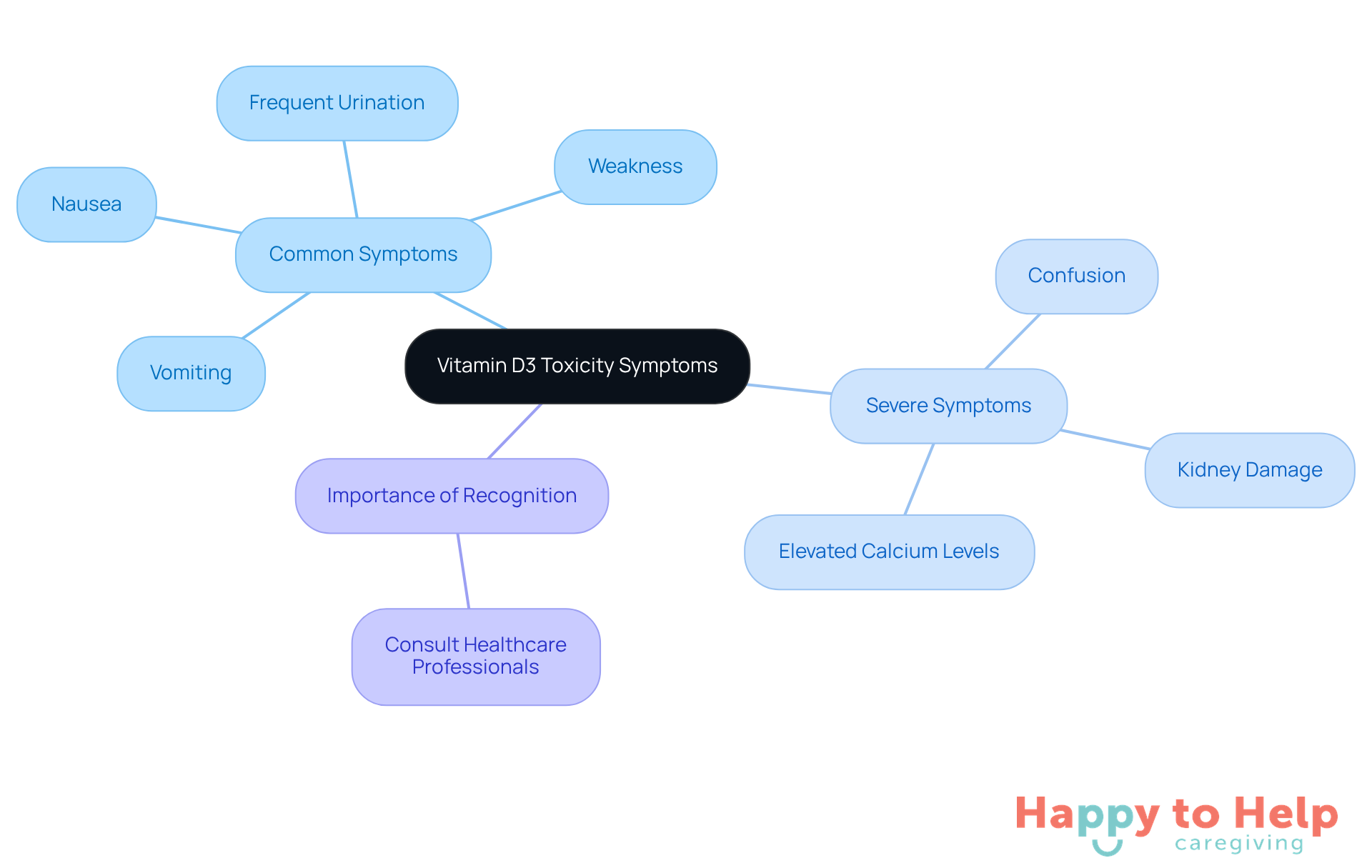
A significant problem for older adults is whether 5000 IU of vitamin D3 is too much for seniors, as D3 toxicity can arise when their vitamin D consumption exceeds recommended levels. Common symptoms include:
- Nausea
- Vomiting
- Weakness
- Frequent urination
In more severe cases, individuals may experience:
- Confusion
- Kidney damage
- Elevated calcium levels in the blood, leading to hypercalcemia
Symptoms like digestive distress, fatigue, and increased thirst can also signal an overdose.
It's crucial for caregivers to recognize these indicators. If any symptoms manifest, consulting a healthcare professional promptly is essential. By identifying these signs, elderly individuals and their caregivers can make informed choices about D supplementation and seek timely medical guidance when necessary.
Real-life examples underscore the importance of monitoring Vitamin D intake. For instance, 18% of adults using vitamin D supplements exceed 1,000 IU daily. A notable case involved a 64-year-old man who experienced severe symptoms after unintentionally consuming 200,000 IU each day. While most cases of vitamin D toxicity resolve without serious complications, it is vital to adhere to the recommended daily amount of 800 IU for older adults to avoid potential health risks, and it raises the question of whether 5000 IU of vitamin D3 is too much for seniors.
Consult Healthcare Professionals for Testing
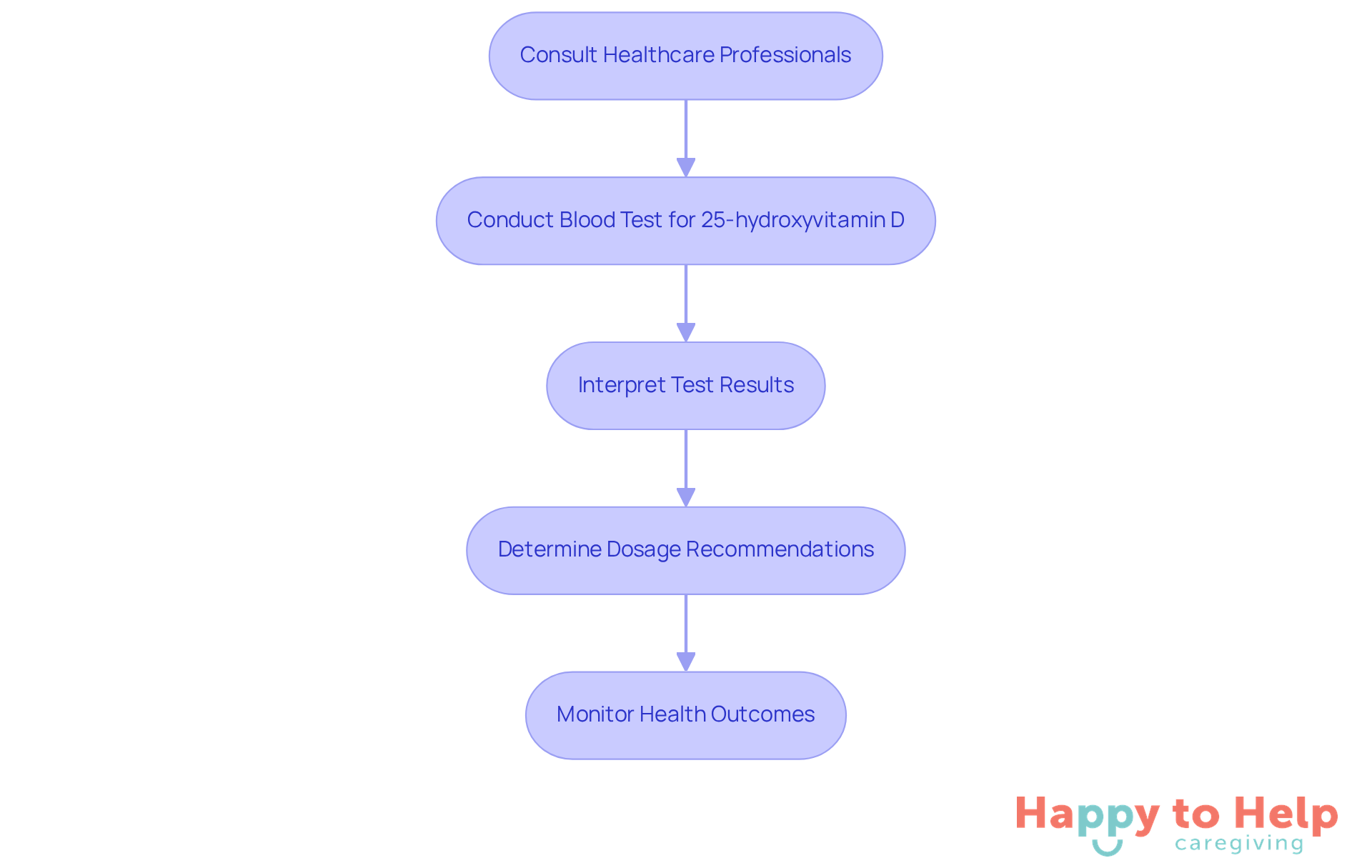
Before modifying their vitamin D intake, seniors face a significant problem with low levels of this essential nutrient, raising the question: is 5000 iu of vitamin d3 too much for seniors? In fact, around 80% of older individuals are affected, which can lead to serious health issues. This highlights the importance of seeking advice from healthcare professionals to answer the question, is 5000 iu of vitamin d3 too much for seniors, through proper testing.
A straightforward blood test measuring the level of 25-hydroxyvitamin D provides a comprehensive assessment of vitamin D status. This test is crucial for determining whether supplementation is necessary, especially in assessing if 5000 iu of vitamin d3 is too much for seniors, helping to avoid both deficiency and toxicity. Based on the test results, healthcare providers can suggest tailored dosages that align with individual health needs, while also addressing the question of whether 5000 iu of vitamin d3 is too much for seniors to ensure their well-being.
Caregivers should consider the recommended daily consumption for older adults, which ranges from 600 to 800 IU, when discussing supplementation options. Additionally, recognizing signs of vitamin D deficiency, such as fatigue and muscle weakness, can further emphasize the necessity for regular testing and monitoring. By staying informed and proactive, caregivers can significantly improve the health outcomes for the seniors they support.
Adjust Vitamin D3 Intake Based on Assessment
A common concern for older adults is whether 5000 IU of vitamin D3 is too much for seniors, as they often face the challenge of vitamin D deficiency, which can significantly impact their health. Research indicates that many do not meet the necessary dosage requirements, with studies showing that up to 59.7% may fall short. This deficiency can lead to serious health issues, such as increased fall risks and weakened immune systems, particularly among nursing home residents, where 39.5% have insufficient serum D levels.
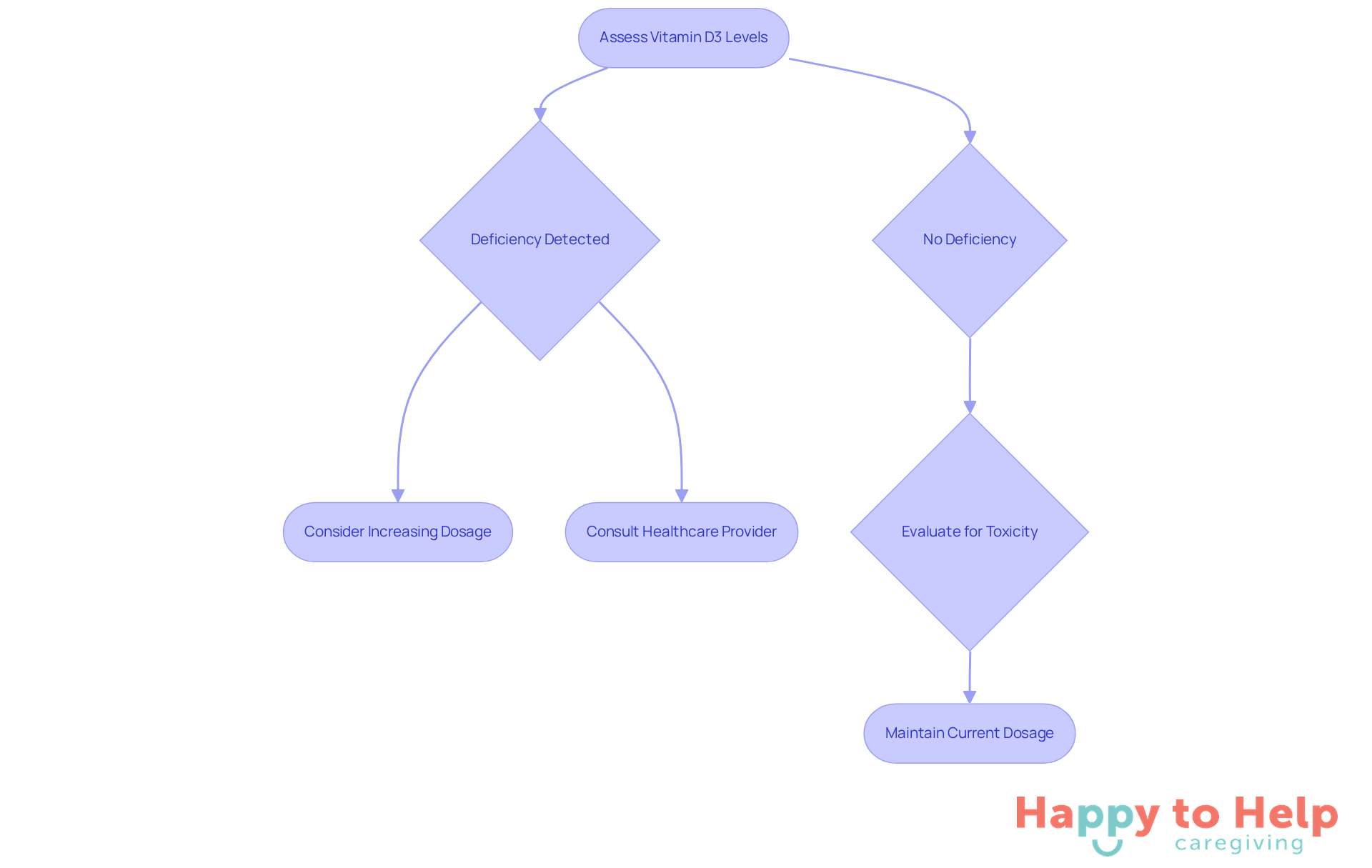
To address this issue, older adults should consider if 5000 IU of vitamin D3 is too much for seniors and modify their D3 consumption based on medical advice and test results. If tests indicate a deficiency, healthcare providers may recommend increasing the dosage, potentially up to 2000 IU or more, to assess whether 5000 IU of vitamin D3 is too much for seniors, tailored to individual needs. While the suggested daily intake for older adults is typically set at 800 IU (20 mcg) per day, one might wonder if 5000 IU of vitamin D3 too much for seniors could be beneficial depending on personal health evaluations.
Conversely, if toxicity is a concern, it may be necessary to evaluate if 5000 IU of vitamin D3 too much for seniors and reduce or discontinue supplementation. Consistent follow-ups and retesting are essential to ensure that vitamin D levels remain within a safe and effective range, promoting overall health and well-being. Proactive management of vitamin D3 levels is vital for enhancing seniors' quality of life and preventing serious health issues.
Taking the Next Steps
Determining the appropriate dosage of Vitamin D3 for seniors is crucial, especially when considering whether 5000 IU might be excessive. Many older adults face Vitamin D deficiency, making it essential for caregivers and healthcare professionals to understand the balance between adequate intake and the risks of toxicity.
The recommended daily allowances for Vitamin D3 for older adults range from 600 to 800 IU. Symptoms of Vitamin D toxicity, such as nausea and confusion, can pose serious health risks. Therefore, consulting healthcare professionals for personalized testing and recommendations is vital. By recognizing the signs of deficiency and toxicity, caregivers can make informed decisions about supplementation, ensuring that seniors receive care tailored to their individual health needs.
Proactive management of Vitamin D3 levels can significantly enhance seniors' quality of life. Regular testing and adjusting intake based on professional advice can help prevent serious health issues related to both deficiency and excess. This approach not only supports the physical well-being of older adults but also empowers caregivers to take an active role in their health management.
https://iframe.tely.ai/cta/eyJhcnRpY2xlX2lkIjogIjY5M2Y1MGIxNGM3OGNhYjkzOThjNmZiMCIsICJjb21wYW55X2lkIjogIjY4ZWU1ZGNhNzMxNzYyNTU3ZjNjOTVjMSIsICJpbmRleCI6IG51bGwsICJ0eXBlIjogImFydGljbGUifQ==Frequently Asked Questions
Why is Vitamin D deficiency common among seniors?
Vitamin D deficiency is prevalent among older adults because many do not meet the recommended intake allowances set by health organizations, with a significant percentage of nursing home residents having inadequate serum D levels.
What are the recommended daily allowances (RDAs) for Vitamin D in seniors?
For individuals aged 51 to 70, the recommended daily allowance is at least 600 IU, while those over 70 should aim for approximately 800 IU.
What health issues can arise from Vitamin D deficiency in seniors?
Vitamin D deficiency can lead to serious health implications, including weakened bones and impaired muscle function.
What daily intake of Vitamin D do experts recommend for seniors to support bone health and muscle function?
Experts, including the Endocrine Society, recommend a daily intake of 800 to 1000 IU of Vitamin D to effectively support bone health and muscle function.
How can caregivers help ensure seniors receive adequate Vitamin D?
Caregivers can encourage seniors to aim for approximately 10 to 30 minutes of midday sun exposure several times a week and promote dietary sources of Vitamin D3, such as fatty fish and fortified foods.
Is a dosage of 5000 IU of Vitamin D3 too much for seniors?
Assessing whether 5000 IU of Vitamin D3 is too much for seniors requires careful consideration of individual health factors and potential risks linked to excessive consumption.
List of Sources
- Understand Recommended Daily Allowances for Vitamin D3
- Office of Dietary Supplements - Vitamin D (https://ods.od.nih.gov/factsheets/VitaminD-HealthProfessional)
- Essential Recommended D3 Dosage for Seniors: A Caregiver's Guide - Happy To Help (https://happytohelpcaregiving.com/essential-recommended-d-3-dosage-for-seniors-a-caregivers-guide)
- Vitamin D supplements may lower blood pressure in older people with obesity (https://endocrine.org/news-and-advocacy/news-room/2024/vitamin-d-supplements-may-lower-blood-pressure-in-older-people-with-obesity)
- Vitamin D: How Much to Take Per Day and Max Dose - GoodRx (https://goodrx.com/well-being/supplements-herbs/how-much-vitamin-d?srsltid=AfmBOopr83vVo42X2ZeWIx61yh4s8nL9UjJzWjr75azTHv9UdpzAAw-q)
- Endocrine Society Guideline recommends healthy adults under the age of 75 take the recommended daily allowance of vitamin D (https://endocrine.org/news-and-advocacy/news-room/2024/endocrine-society-recommends-healthy-adults-take-the-recommended-daily-allowance-of-vitamin-d)
- Recognize Symptoms of Vitamin D3 Toxicity
- The Symptoms of Too Much Vitamin D (https://verywellmind.com/symptoms-of-too-much-vitamin-d-5105134)
- Vitamin D Toxicity - StatPearls - NCBI Bookshelf (https://ncbi.nlm.nih.gov/books/NBK557876)
- Vitamin D toxicity (https://my.clevelandclinic.org/health/diseases/24750-vitamin-d-toxicity-hypervitaminosis-d)
- 6 Side Effects of Too Much Vitamin D (https://healthline.com/nutrition/vitamin-d-side-effects)
- Consult Healthcare Professionals for Testing
- Prevalence of vitamin D deficiency in seniors – A retrospective study (https://sciencedirect.com/science/article/pii/S2405457723005387)
- The vitamin D debate: Are seniors getting enough? - WellMed Medical Group (https://wellmedhealthcare.com/patients/healthyliving/healthy-aging/the-vitamin-d-debate-are-seniors-getting-enough)
- Older adults at risk of vitamin D deficiency (https://uclahealth.org/news/article/older-adults-risk-vitamin-d-deficiency)
- Vitamin D Tests for 2025 (https://medicalnewstoday.com/articles/vitamin-d-tests)
- What seniors need to know about vitamin D (https://convivacarecenters.com/en/resources/what-seniors-need-to-know-about-vitamin-d)
- Adjust Vitamin D3 Intake Based on Assessment
- Vitamin D Might Fend Off Biological Aging (https://usnews.com/news/health-news/articles/2025-05-27/vitamin-d-might-fend-off-biological-aging)
- Essential Recommended D3 Dosage for Seniors: A Caregiver's Guide - Happy To Help (https://happytohelpcaregiving.com/essential-recommended-d-3-dosage-for-seniors-a-caregivers-guide)
- Vitamin D3 breakthrough halves risk of second heart attack (https://sciencedaily.com/releases/2025/11/251110021043.htm)
- What to Know About Vitamin D Dosage for Older Adults (https://webmd.com/healthy-aging/what-to-know-about-vitamin-d-dosage-for-older-adults)
- Heart attack risk halved in adults with heart disease taking tailored vitamin D doses (https://newsroom.heart.org/news/heart-attack-risk-halved-in-adults-with-heart-disease-taking-tailored-vitamin-d-doses)