

For families in our service areas
For families in our service areas, this guide explains caregiving and how non-medical in-home caregiving can support care planning in East Idaho, Treasure Valley & Magic Valley, Northern Wasatch, North Central West Virginia, and Northeast Ohio.
Why Determine the Recommended Dose of Matters
Vitamin D plays a critical role in the health of seniors, yet many face the daunting challenge of deficiency due to limited sun exposure and dietary restrictions. This deficiency can lead to serious health issues, including osteoporosis and cognitive decline, making it essential for caregivers to understand the recommended dosage of this vital nutrient.
Caregivers must assess and adjust vitamin D intake effectively to ensure optimal health for older adults. This involves navigating the complexities of individual needs and lifestyle factors. Here are some actionable tips:
- Monitor sun exposure: Encourage safe sun exposure when possible, as this is a natural source of vitamin D.
- Evaluate dietary sources: Include foods rich in vitamin D, such as fatty fish, fortified dairy products, and egg yolks in the diet.
- Consider supplements: If dietary intake and sun exposure are insufficient, discuss vitamin D supplements with a healthcare provider.
By taking these steps, caregivers can help mitigate the risks associated with vitamin D deficiency and promote better health outcomes for seniors.
Understand Vitamin D and Its Importance for Seniors
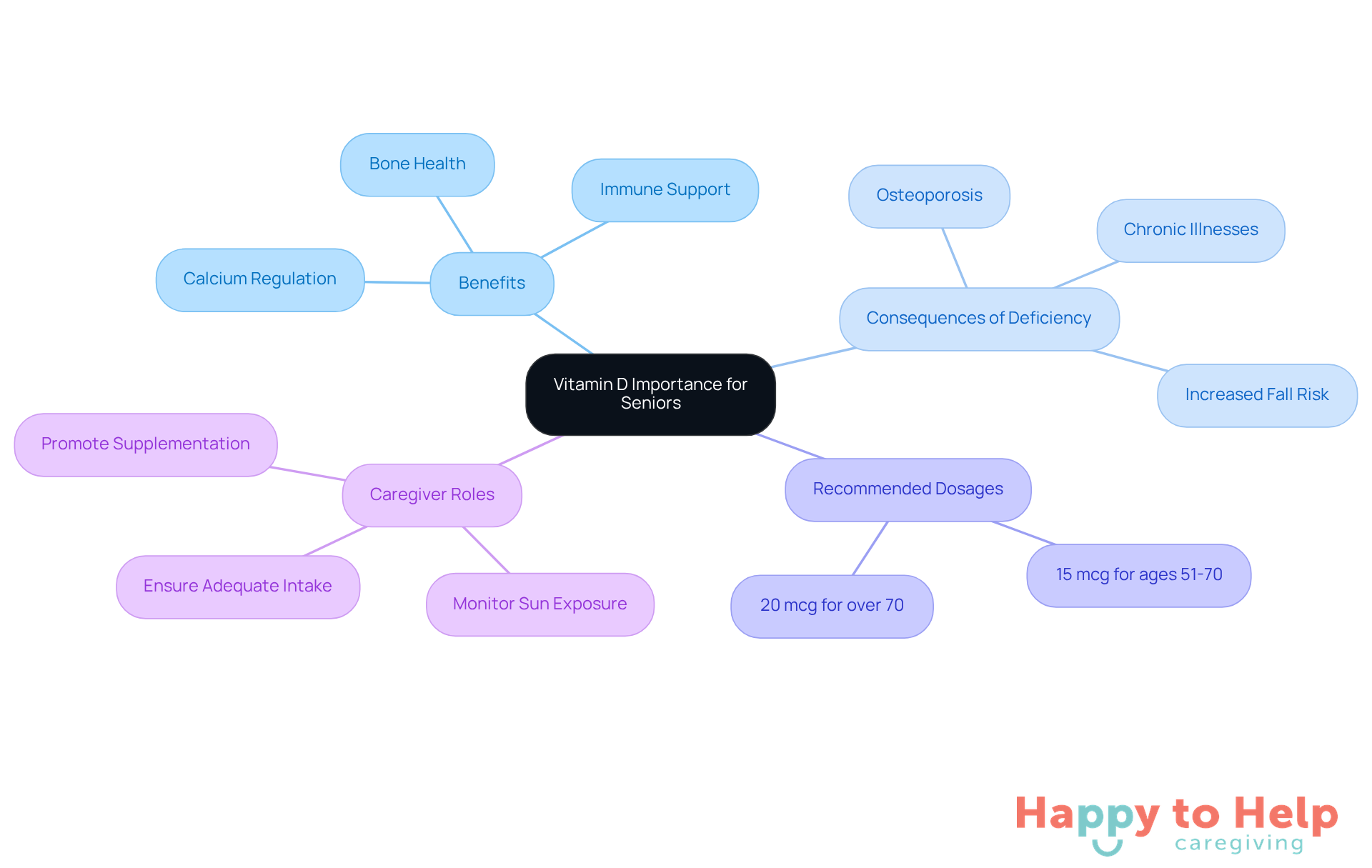
Vitamin D deficiency poses a significant problem for older adults, impacting their bone health and overall well-being. This fat-soluble nutrient is crucial for preserving bone density, supporting the immune system, and regulating calcium levels in the body. Unfortunately, many older individuals struggle to meet their Vitamin D needs due to limited sun exposure, dietary restrictions, and decreased skin synthesis.
The implications of this deficiency are serious. Insufficient Vitamin D can lead to osteoporosis, increase the risk of falls, and may contribute to chronic illnesses. Research indicates that about 30 percent of the global population suffers from chronic pain, underscoring the importance of adequate Vitamin D levels in addressing health concerns among older adults.
To combat this issue, caregivers should ensure that older adults receive the recommended dose of vitamin D for seniors, which is:
- 15 mcg for those aged 51-70
- 20 mcg for individuals over 70
Additionally, women aged 51 and above should consume 1,200 mg of calcium daily to support bone health alongside Vitamin D.
Despite these guidelines, many older adults fail to meet their Vitamin D requirements, leading to potential health complications. Dr. Andrea Wong emphasizes that those with limited sun exposure or restrictive diets are at a higher risk of deficiency. Therefore, targeted supplementation becomes essential for their well-being.
Caregivers and family members must grasp these elements to ensure that elderly individuals obtain the vital nutrients necessary for optimal health. By being proactive and informed, they can help mitigate the risks associated with Vitamin D deficiency.
Assess Individual Vitamin D Needs
To determine the recommended dose of vitamin D for seniors, it’s crucial to address a common problem: vitamin D deficiency. This deficiency can lead to serious health issues, including osteoporosis and cognitive decline. Here’s how caregivers can tackle this challenge effectively:
-
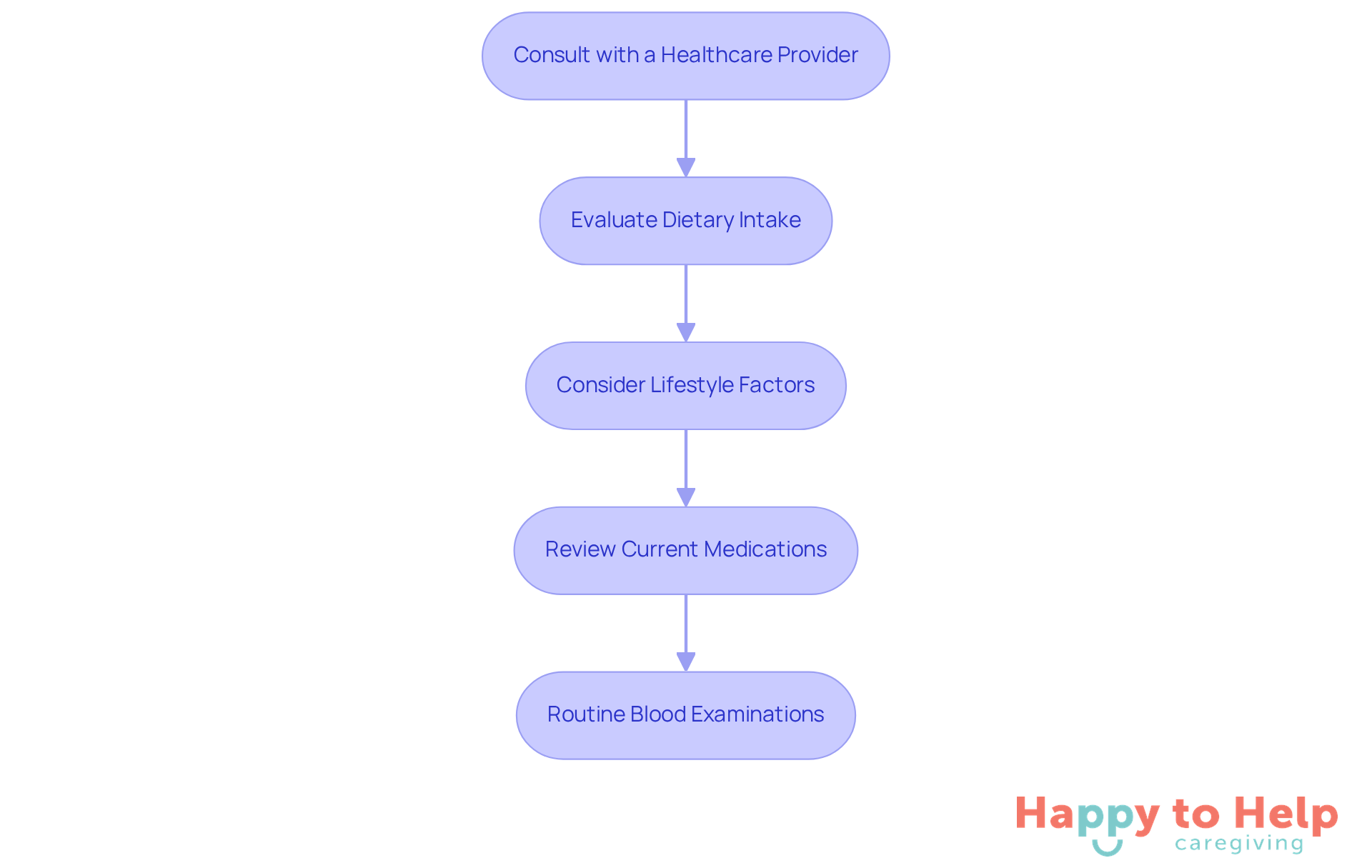
Consult with a Healthcare Provider: Schedule a meeting to discuss Vitamin D levels and any health concerns. A blood test measuring 25-hydroxyvitamin D is the most precise indicator of Vitamin D status and can guide supplementation needs. The recommended dose of vitamin D for seniors is at least 800 IU daily for those over 70 years old, while adults up to 70 should aim for at least 600 IU.
-
Evaluate Dietary Intake: Review the senior's diet to identify sources of Vitamin D. Foods such as fatty fish, fortified dairy products, and egg yolks are excellent sources that can help meet daily requirements.
-
Consider Lifestyle Factors: Assess elements like sun exposure, physical activity, and pre-existing health conditions that may influence Vitamin D metabolism. Seniors who spend most of their time indoors or have limited sun exposure may require increased supplementation to maintain adequate levels.
-
Review Current Medications: Some medications can interfere with the absorption or metabolism of Vitamin D. Discuss any medications with the healthcare provider to ensure the dosage is adjusted appropriately, considering potential interactions. Routine blood examinations are also crucial to monitor Vitamin D levels and prevent deficiencies.
Identify Sources of Vitamin D
Elderly individuals often face the challenge of vitamin D deficiency, which can significantly impact their health and well-being. This deficiency can lead to serious health issues, including osteoporosis and muscle weakness, making it crucial for older adults to maintain adequate levels of vitamin D.
To combat this problem, caregivers can implement several practical solutions:
-
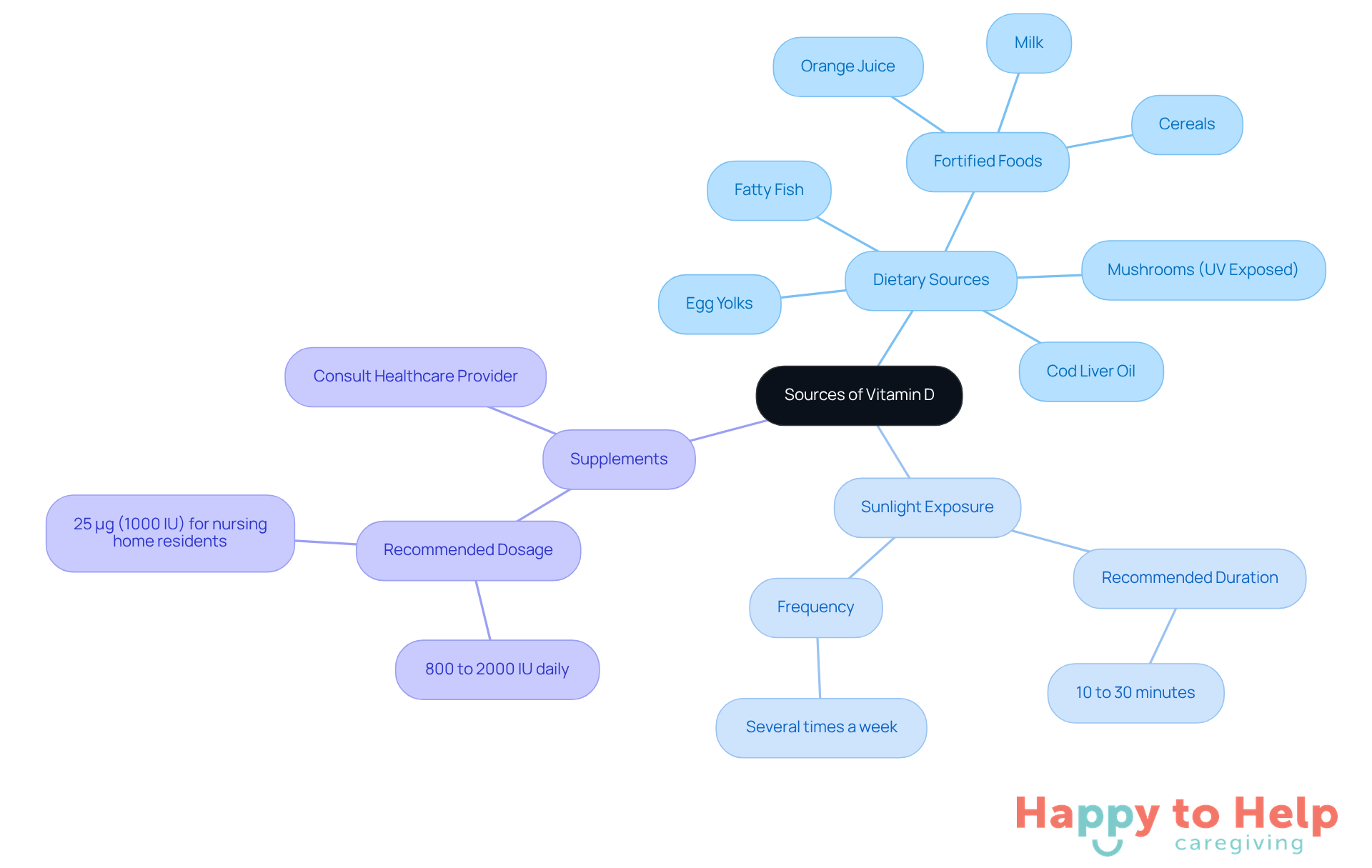
Dietary Sources: Incorporating foods rich in vitamin D into daily meals is essential. Recommended options include:
- Fatty fish such as salmon, mackerel, and sardines
- Cod liver oil
- Fortified foods like milk, orange juice, and cereals
- Egg yolks
- Mushrooms that have been exposed to UV light
-
Sunlight Exposure: Safe sun exposure is vital, as the skin produces this crucial nutrient when exposed to sunlight. Elders should aim for 10 to 30 minutes of sunlight several times a week, adjusting for skin type and geographic area to enhance vitamin D production.
-
Supplements: If dietary intake and sunlight exposure are insufficient, vitamin D supplements may be necessary. The recommended dose of vitamin D for seniors generally varies from 800 to 2000 IU daily, with a specific recommendation of 25 μg (1000 IU) for nursing home residents to address elevated deficiency rates. It's essential to consult with a healthcare provider before starting any supplementation to ensure safety and efficacy.
By addressing these sources of vitamin D, caregivers can help ensure that elderly individuals maintain sufficient levels of this vital nutrient.
Monitor and Adjust Vitamin D Intake
Caregivers face a significant challenge in effectively monitoring and adjusting the recommended dose of vitamin D for seniors to ensure that levels remain optimal. Insufficient Vitamin D can lead to fatigue, muscle weakness, and mood changes, making it crucial to adhere to the recommended dose of vitamin D for seniors to maintain their overall health and well-being.
To address this issue, here are some actionable steps:
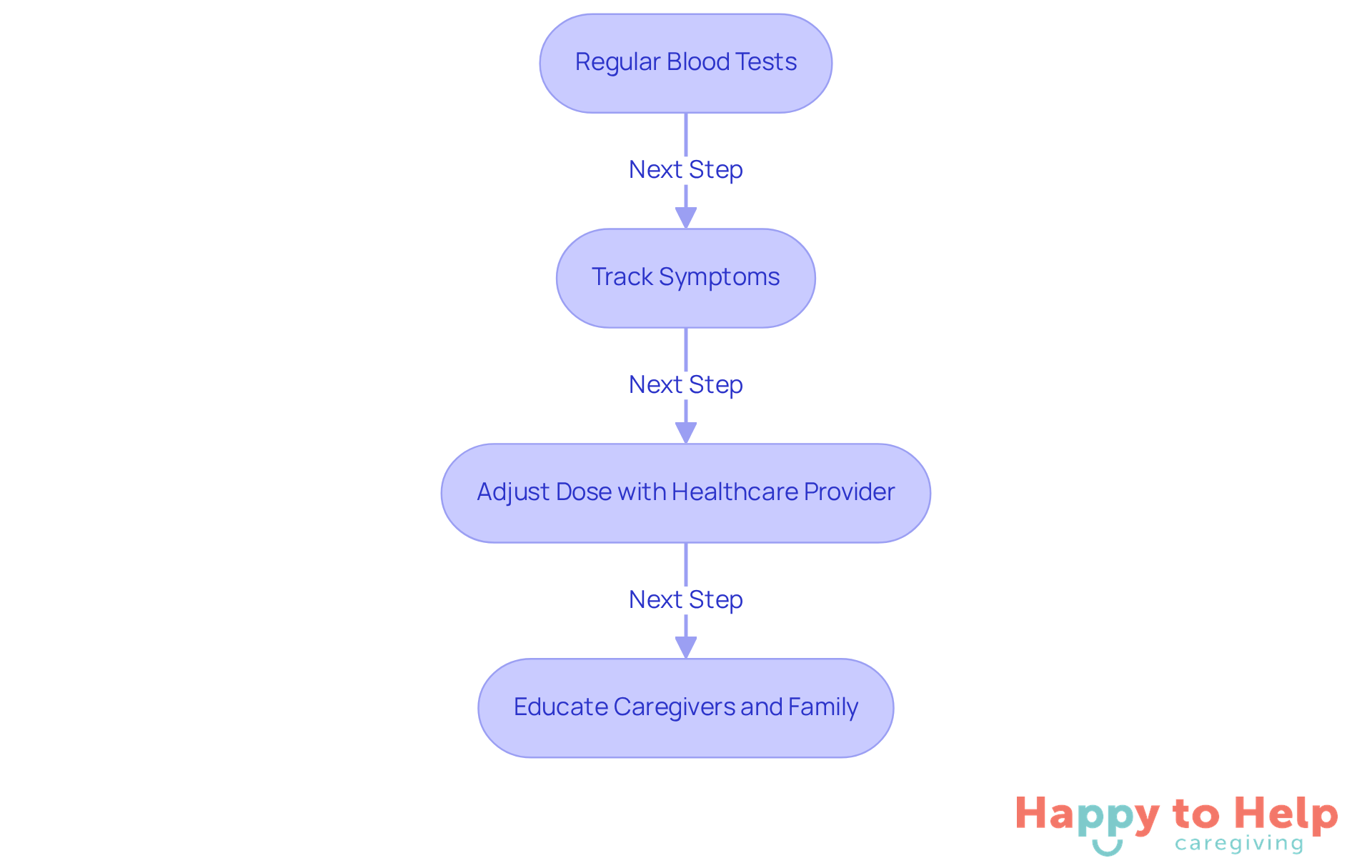
- Regular Blood Tests: Arrange routine blood tests to assess D3 concentrations, especially after starting a new supplementation plan. This ensures levels stay within the optimal range (generally 20-50 ng/mL).
- Track Symptoms: Keep an eye on symptoms that may indicate a deficiency or excess of Vitamin D, such as fatigue, muscle weakness, or mood changes. Document these observations to discuss with a healthcare provider.
- Adjust the recommended dose of vitamin D for seniors as needed by collaborating with a healthcare provider based on blood test results and symptom tracking. If levels are low, an increase in supplementation may be necessary; conversely, if levels are too high, a reduction may be required.
- Educate Caregivers and Family: Ensure that all caregivers and family members understand the importance of Vitamin D and how to monitor intake effectively. This collaborative approach can enhance the overall care and support for seniors.
Key Takeaways for Caregivers
Ensuring that seniors receive the appropriate dose of Vitamin D is vital for their health and well-being. Vitamin D deficiency can lead to serious health issues, such as osteoporosis and cognitive decline, making it a pressing concern for caregivers. By understanding the recommended dosages and the factors that affect individual needs, caregivers can take proactive steps to support the elderly in maintaining optimal Vitamin D levels.
Key insights include:
- The importance of consulting healthcare providers for personalized recommendations
- Evaluating dietary intake
- Considering lifestyle factors such as sun exposure
Regular blood tests and symptom tracking are essential practices for monitoring and adjusting Vitamin D intake. By implementing these strategies, caregivers can effectively combat Vitamin D deficiency and enhance the quality of life for seniors.
The significance of adequate Vitamin D intake cannot be overstated. Caregivers and family members must prioritize this nutrient in the daily care of older adults. Taking action now to assess and manage Vitamin D levels will not only improve individual health outcomes but also contribute to a more fulfilling and active life for seniors. Emphasizing the importance of Vitamin D is a crucial step in fostering better health and well-being in the elderly population.
https://iframe.tely.ai/cta/eyJhcnRpY2xlX2lkIjogIjY5NDFmMzQyMDNjMTJkY2ZiNTk2MGFjZiIsICJjb21wYW55X2lkIjogIjY4ZWU1ZGNhNzMxNzYyNTU3ZjNjOTVjMSIsICJpbmRleCI6IG51bGwsICJ0eXBlIjogImFydGljbGUifQ==Frequently Asked Questions
Why is Vitamin D important for seniors?
Vitamin D is crucial for preserving bone density, supporting the immune system, and regulating calcium levels in the body, which is particularly important for older adults to maintain their overall well-being.
What are the consequences of Vitamin D deficiency in older adults?
Insufficient Vitamin D can lead to osteoporosis, increase the risk of falls, and may contribute to chronic illnesses, affecting the health and safety of older individuals.
How prevalent is Vitamin D deficiency among older adults?
Many older individuals struggle to meet their Vitamin D needs, with research indicating that about 30 percent of the global population suffers from chronic pain, highlighting the importance of adequate Vitamin D levels.
What is the recommended daily dose of Vitamin D for seniors?
The recommended dose of Vitamin D for seniors is 15 mcg for those aged 51-70 and 20 mcg for individuals over 70.
What additional nutrient should women aged 51 and above consume for bone health?
Women aged 51 and above should consume 1,200 mg of calcium daily to support bone health alongside Vitamin D.
Who is at a higher risk of Vitamin D deficiency?
Individuals with limited sun exposure or restrictive diets are at a higher risk of Vitamin D deficiency, making targeted supplementation essential for their well-being.
What role do caregivers play in addressing Vitamin D deficiency in older adults?
Caregivers and family members should ensure that elderly individuals receive the necessary nutrients, including Vitamin D, to mitigate the risks associated with deficiency and support optimal health.
List of Sources
- Understand Vitamin D and Its Importance for Seniors
- Roundup: Caution Urged on Use of Vitamin D, Calcium Supplements for Older Adults; and More News (https://baptisthealth.net/baptist-health-news/caution-urged-on-use-of-vitamin-d-and-calcium-supplements-for-older-adults)
- Vitamin D Supplements Show Signs of Protection Against Biological Aging | Mass General Brigham (https://massgeneralbrigham.org/en/about/newsroom/press-releases/vitamin-d-supplements-show-signs-of-protection-against-biological-aging)
- Vitamin D supplements may lower blood pressure in older people with obesity (https://endocrine.org/news-and-advocacy/news-room/2024/vitamin-d-supplements-may-lower-blood-pressure-in-older-people-with-obesity)
- Popular vitamin won’t prevent a fall or fracture in older adults, health panel says. But here’s what can help | CNN (https://cnn.com/2024/12/17/health/vitamin-d-calcium-falls-uspstf-wellness)
- Do Older Adults Need to Take Vitamin D and Calcium Supplements? (https://now.tufts.edu/2025/12/10/do-older-adults-need-take-vitamin-d-and-calcium-supplements)
- Assess Individual Vitamin D Needs
- Do Older Adults Need to Take Vitamin D and Calcium Supplements? | Newswise (https://newswise.com/articles/do-older-adults-need-to-take-vitamin-d-and-calcium-supplements)
- Roundup: Caution Urged on Use of Vitamin D, Calcium Supplements for Older Adults; and More News (https://baptisthealth.net/baptist-health-news/caution-urged-on-use-of-vitamin-d-and-calcium-supplements-for-older-adults)
- What to Know About Vitamin D Dosage for Older Adults (https://webmd.com/healthy-aging/what-to-know-about-vitamin-d-dosage-for-older-adults)
- The vitamin D debate: Are seniors getting enough? - WellMed Medical Group (https://wellmedhealthcare.com/patients/healthyliving/healthy-aging/the-vitamin-d-debate-are-seniors-getting-enough)
- Older adults at risk of vitamin D deficiency (https://uclahealth.org/news/article/older-adults-risk-vitamin-d-deficiency)
- Identify Sources of Vitamin D
- Prevalence of vitamin D deficiency in seniors – A retrospective study (https://sciencedirect.com/science/article/pii/S2405457723005387)
- Vitamin D supplements may lower blood pressure in older people with obesity (https://endocrine.org/news-and-advocacy/news-room/2024/vitamin-d-supplements-may-lower-blood-pressure-in-older-people-with-obesity)
- Older adults at risk of vitamin D deficiency (https://uclahealth.org/news/article/older-adults-risk-vitamin-d-deficiency)
- Monitor and Adjust Vitamin D Intake
- Heart attack risk halved in adults with heart disease taking tailored vitamin D doses (https://newsroom.heart.org/news/heart-attack-risk-halved-in-adults-with-heart-disease-taking-tailored-vitamin-d-doses)
- Study Finds No Benefit, Possible Harm to Seniors’ Fall Risks with Higher Doses of Vitamin D (https://hopkinsmedicine.org/news/newsroom/news-releases/2020/12/study-finds-no-benefit-possible-harm-to-seniors-fall-risks-with-higher-doses-of-vitamin-d)
- Vitamin D in the older population: a consensus statement - PMC (https://pmc.ncbi.nlm.nih.gov/articles/PMC9607753)
- Older adults at risk of vitamin D deficiency (https://uclahealth.org/news/article/older-adults-risk-vitamin-d-deficiency)
- Study Details | NCT03613116 | High-dose Vitamin D Supplements in Older Adults | ClinicalTrials.gov (https://clinicaltrials.gov/study/NCT03613116)