
For families in our service areas
For families in our service areas, this guide explains companion care and how non-medical in-home caregiving can support care planning in East Idaho, Treasure Valley & Magic Valley, Northern Wasatch, North Central West Virginia, and Northeast Ohio.
What to Expect
To find a companion caregiver near you, begin by understanding the specific care needs and preferences of the individual who requires assistance. This initial step is crucial, as it lays the foundation for a compassionate caregiving relationship. Next, take the time to explore local care options and carefully screen potential caregivers.
This article outlines a systematic approach that encompasses:
- Evaluating needs
- Utilizing online resources
- Checking qualifications
- Conducting interviews
Each of these steps is designed to ensure a suitable match between the caregiver and the client, fostering a nurturing environment for both parties. Remember, finding the right caregiver is not just about qualifications; it’s about creating a bond built on trust and understanding.
What You Need to Know About Find a Companion Caregiver Near You
Finding the right companion caregiver can feel overwhelming. The unique needs and preferences of loved ones often weigh heavily on our hearts. This guide aims to provide a clear, step-by-step approach to help you navigate the process of securing compassionate and reliable care.
However, with so many options available, it’s natural to feel uncertain. How can you ensure that you select a caregiver who not only meets practical requirements but also fosters a genuine connection?
Rest assured, you are not alone in this journey. Many individuals share similar feelings of stress and concern. By understanding these emotions, we can explore the supportive services available to you, ensuring that your loved ones receive the care they deserve.
Assess Care Needs and Preferences
-
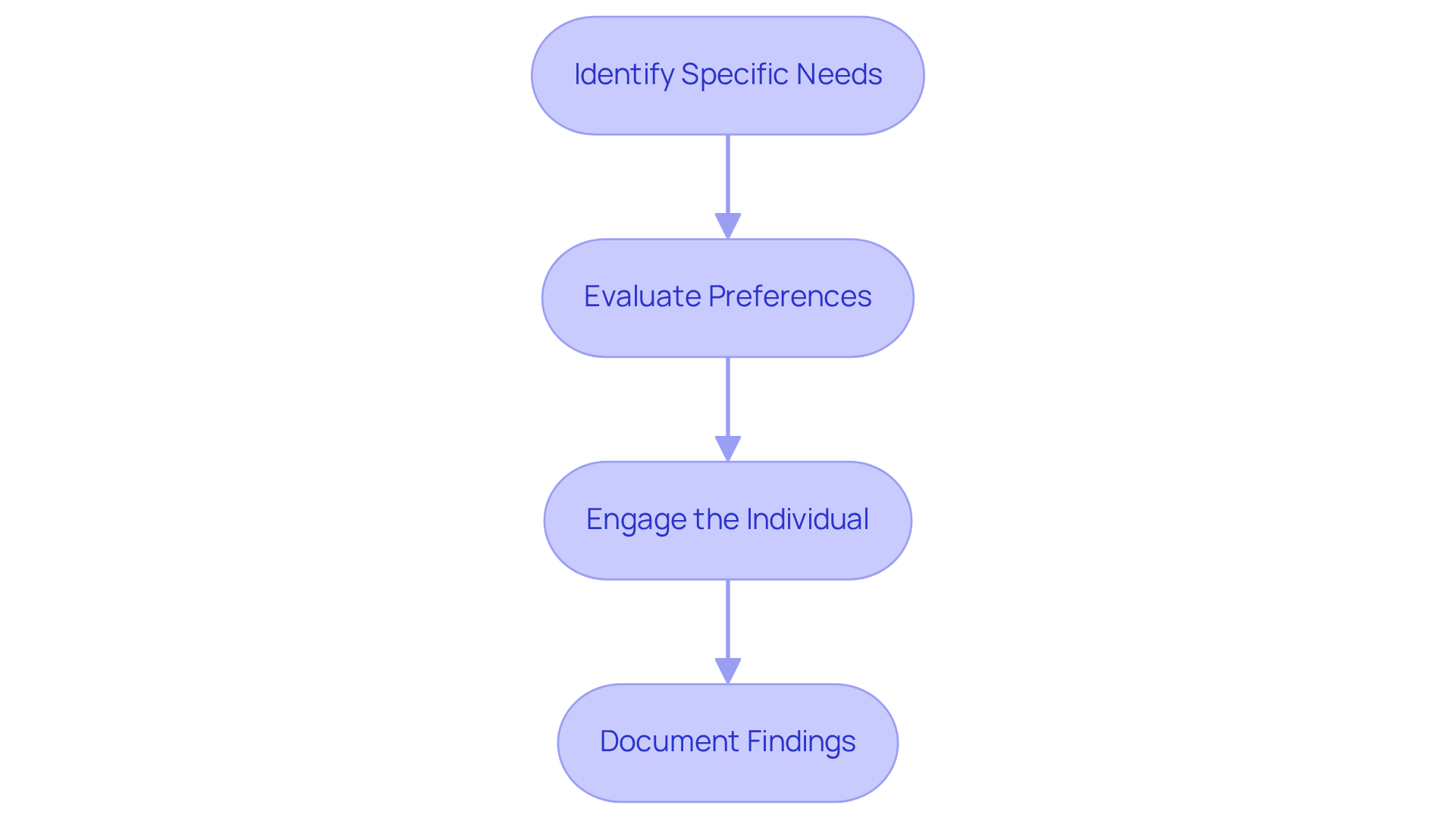
Identify Specific Needs: Start by listing the daily activities and tasks that the individual requires assistance with—this could include meal preparation, medication management, or simply companionship. It’s important to consider any medical conditions that might necessitate specialized care.
-
Evaluate Preferences: Take the time to discuss preferences regarding the characteristics of the support provider. Consider aspects like gender, age, language, and personality traits. This thoughtful approach helps to foster a comfortable and trusting relationship between the caregiver and the client.
-
Engage the Individual: Whenever possible, involve the person needing assistance in this conversation. Understanding their preferences and comfort levels can significantly enhance their sense of independence and contentment with the support they receive.
-
Document Findings: Create a detailed list of both needs and preferences. This document will serve as a valuable reference in later steps, guiding you as you explore local assistance options and interview a companion caregiver near me.
Explore Local Care Options
-
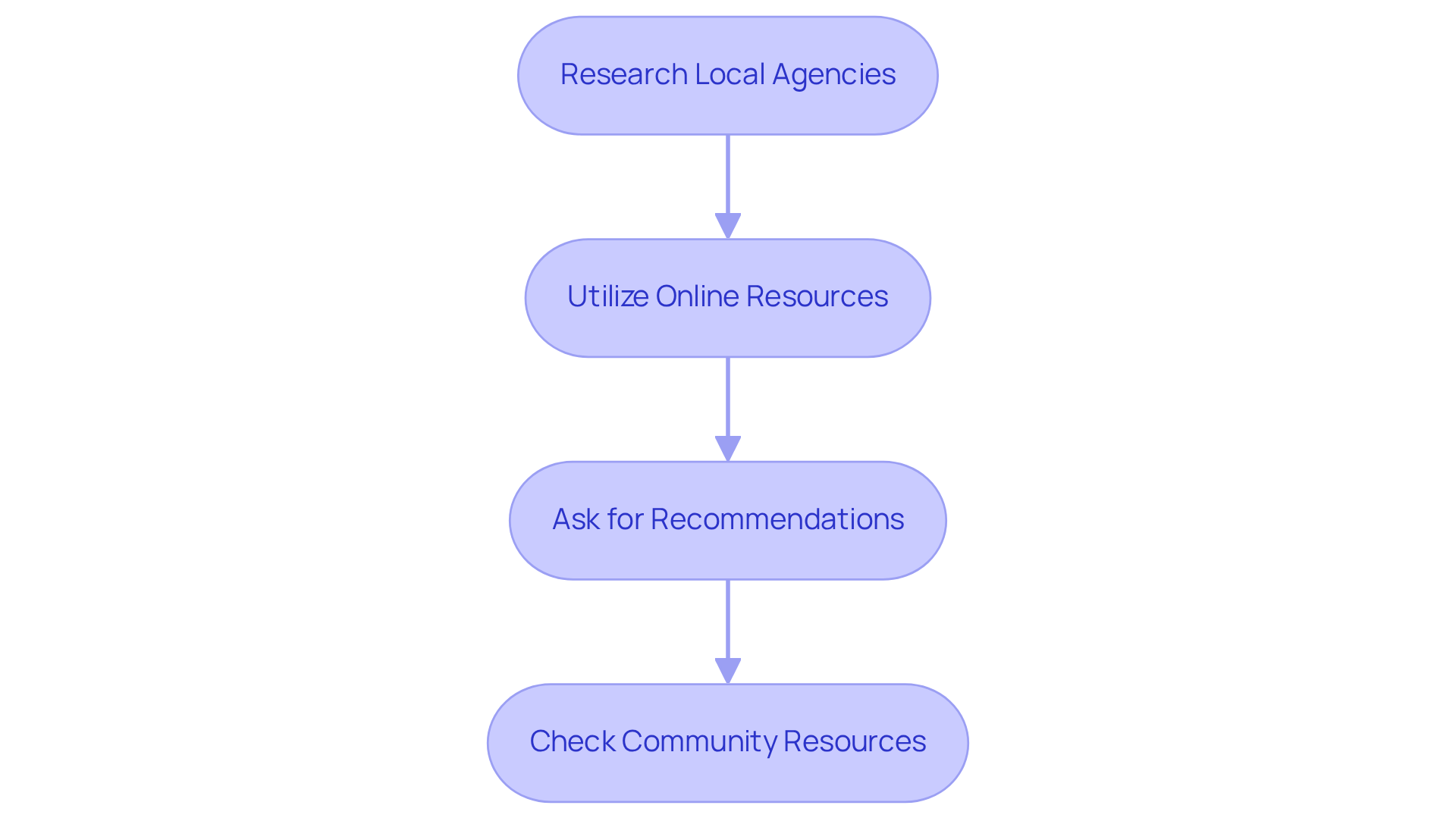
Begin your journey by researching local agencies that can help you find a companion caregiver near me. Websites like Care.com and Visiting Angels can help you find a companion caregiver near me, providing a sense of direction in this important decision.
-
Utilize Online Resources: Turn to online platforms such as Eldercare Locator or CareYaya to discover a companion caregiver near me and other agencies. These resources often feature reviews and ratings from other families, offering insights that can ease your decision-making process.
-
Ask for Recommendations: Don’t hesitate to reach out to friends, family, or healthcare professionals for their recommendations. Personal referrals can often lead you to reliable assistants who truly understand the needs of caregivers and their loved ones.
-
Check Community Resources: Explore local community centers or senior organizations that may provide support services or connect you with volunteers who offer companionship. These connections can be invaluable, bringing warmth and understanding into the lives of those who need it most.
Research and Screen Potential Caregivers
-
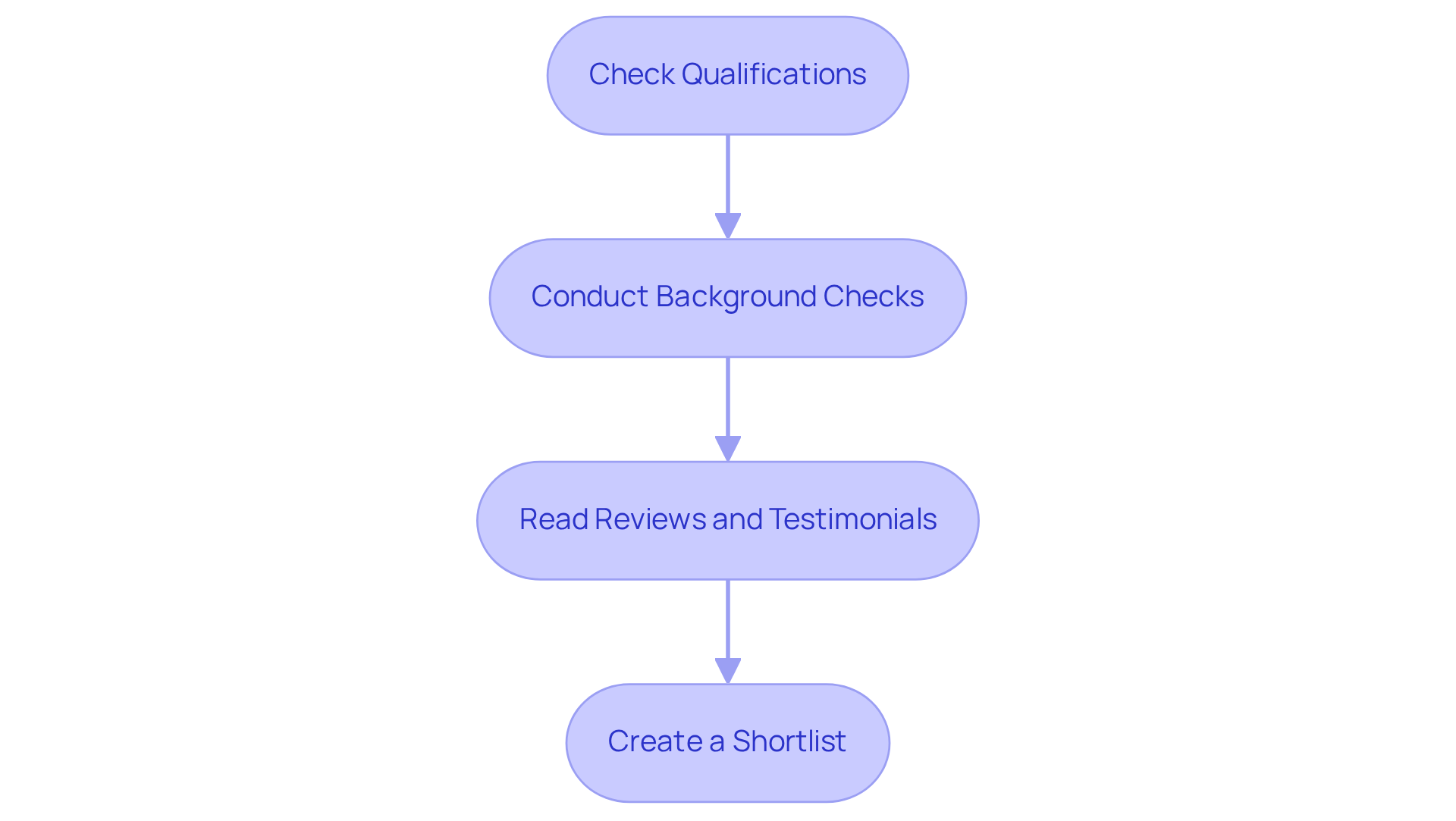
Check Qualifications: It's important to verify the attendant's credentials. Look into their certifications, training, and experience in companionship. Ensuring they possess the necessary skills to meet your specific needs is crucial for peace of mind.
-
Conduct Background Checks: Performing background checks is a vital step. This helps ensure that the individual has no criminal history or issues that could affect their ability to provide safe assistance. While many agencies conduct these checks, it's wise to confirm this for your own reassurance.
-
Read Reviews and Testimonials: Seeking feedback from other families who have utilized the provider's services can be incredibly helpful. Websites like Care.com often feature ratings and testimonials, offering insight into the individual’s reliability and quality of care, which can ease your concerns.
-
Create a Shortlist: After your research, compile a shortlist of potential providers who meet the qualifications and have positive reviews. This approach will make the next step of interviewing feel more manageable, allowing you to focus on finding the right fit for your loved one.
Conduct Interviews and Assess Compatibility
-
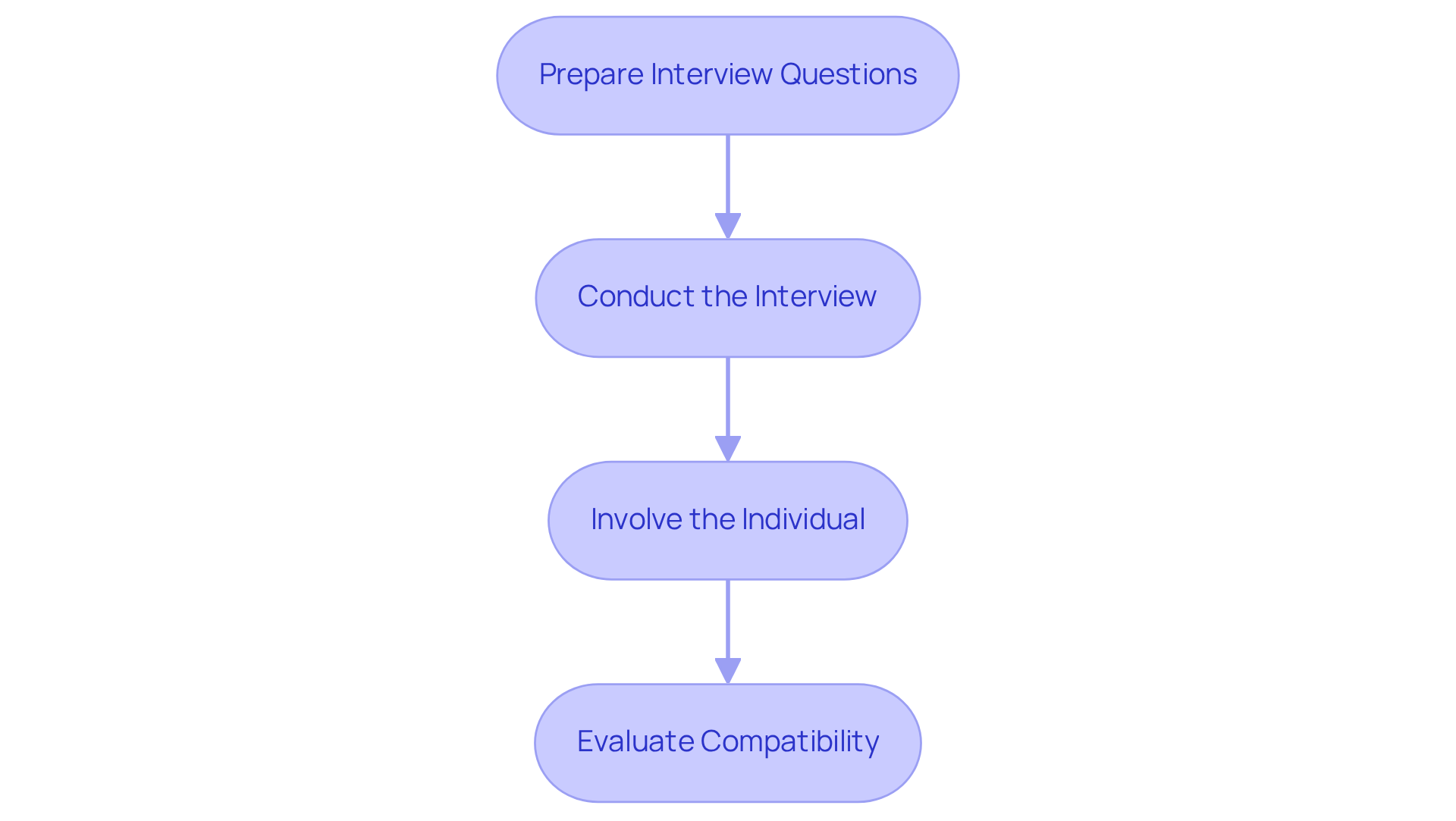
Prepare Interview Questions: Begin by crafting a thoughtful list of questions for the interview. It's important to focus on the experience of a companion caregiver near me, their approach to caregiving, and how they handle specific situations. You might ask:
- What inspired you to become a caregiver?
- How do you navigate challenging situations?
- Can you share what a typical day looks like in your caregiving role?
-
Conduct the Interview: Arrange a time to meet with the caregiver, whether in person or virtually. Pay close attention to their demeanor and communication style; this can reveal a lot about how they will interact with your loved one, which is important when searching for a companion caregiver near me.
-
Involve the Individual: If it's appropriate, consider including the person who needs care in the interview process. Their comfort and connection with a companion caregiver near me are vital for establishing a successful match.
-
Evaluate Compatibility: After the interview, take a moment to reflect on how well the caregiver’s personality aligns with the needs and preferences of the individual. Think about qualities such as empathy, patience, and communication style. Your decision should be based on both their qualifications and the personal connection you feel.
Making the Right Choice
Finding the right companion caregiver is a crucial step in ensuring that individuals receive the support and companionship they need. It’s essential to approach this process with empathy and care, understanding the emotional challenges that families face. By following a structured approach—assessing care needs, exploring local options, researching potential caregivers, and conducting thorough interviews—one can make informed decisions that enhance the quality of care for loved ones.
The article outlines four essential steps:
- Identifying specific care needs and preferences to create a tailored approach.
- Exploring local resources and recommendations to discover suitable candidates.
- Researching and screening potential caregivers to ensure they meet qualifications and have positive feedback.
- Conducting interviews to assess compatibility and establish a trusting relationship.
Each step builds upon the previous one, creating a comprehensive framework for finding the ideal caregiver.
Ultimately, selecting a companion caregiver should be approached with care and consideration. It is not just about meeting physical needs but also about fostering emotional connections that promote well-being. Taking the time to engage in this search can lead to a partnership that enhances the quality of life for both the caregiver and the individual receiving care. By prioritizing the right fit, families can ensure that their loved ones are not only supported but also cherished in their daily lives. This journey, while challenging, can lead to fulfilling relationships that bring joy and comfort to all involved.
https://iframe.tely.ai/cta/eyJhcnRpY2xlX2lkIjogIjY4ZmMxMzE1OWNlYTkzMTRiMTExNjZkYyIsICJjb21wYW55X2lkIjogIjY4ZWU1ZGNhNzMxNzYyNTU3ZjNjOTVjMSIsICJpbmRleCI6IG51bGwsICJ0eXBlIjogImFydGljbGUifQ==Frequently Asked Questions
What is the first step in assessing care needs?
The first step is to identify specific needs by listing the daily activities and tasks that the individual requires assistance with, such as meal preparation, medication management, or companionship.
Why is it important to evaluate preferences when assessing care needs?
Evaluating preferences helps to consider the characteristics of the support provider, such as gender, age, language, and personality traits, which fosters a comfortable and trusting relationship between the caregiver and the client.
How can the individual needing assistance be involved in the assessment process?
Whenever possible, engage the person needing assistance in the conversation to understand their preferences and comfort levels, which can enhance their sense of independence and contentment with the support they receive.
What should be done after identifying needs and preferences?
Document the findings by creating a detailed list of both needs and preferences. This document will serve as a valuable reference when exploring local assistance options and interviewing potential caregivers.