
Quick Guide to Find Affordable Home Care Near Me
Finding affordable home care can feel overwhelming. It’s important to first understand the difference between medical and non-medical support. This knowledge empowers you to make the best choice for your loved ones.
Utilizing online resources and personal recommendations can help you identify local providers who truly care. Remember, you’re not alone in this journey. Many caregivers experience stress and burnout, and it’s okay to seek help.
As you explore your options, take time to evaluate costs and look into financial assistance. Consulting healthcare professionals can also provide valuable insights, ensuring that you make informed and cost-effective choices.
In this process, it’s crucial to prioritize your emotional well-being. Reach out to others who have navigated similar paths; their stories can offer comfort and guidance. You deserve support as you care for those you love.
Why Find Affordable Home Care Near Me Matters
Navigating the world of home care can feel overwhelming, especially when it involves the well-being of our loved ones. The emotional weight of this responsibility is significant, and it’s essential to recognize the stress and uncertainty that can accompany these decisions. With so many options available, understanding the differences between medical and non-medical support becomes crucial for making informed choices.
This guide is designed to empower you with practical steps to find affordable home care services that cater to your unique needs. We want you to feel supported and confident in your decisions. But how can you ensure that you are not only selecting the right type of care but also managing the financial implications effectively?
Remember, you are not alone in this journey. Many have walked this path and found compassionate care that meets their needs. Together, we can explore the options available to you, making this process a little less daunting.
Understand Your Home Care Options
When it comes to home assistance options, it's important to understand the two primary categories: medical and non-medical support. Medical assistance often includes skilled nursing care, physical therapy, and other health-related services. On the other hand, non-medical support focuses on helping with daily tasks such as bathing, dressing, and providing companionship.
Recognizing these differences is crucial. It not only influences the type of support provider you may need but also impacts the costs involved. As you consider your options, think about what feels right for you. Do you prefer agency-based support, where trained personnel and supervision are provided? Or do you lean towards independent caregivers, who may offer a more personalized touch but require more oversight from you?
This decision can feel overwhelming, but remember, you are not alone. Many caregivers face similar challenges and emotions. It's perfectly normal to seek help, and there are compassionate solutions available to support you and your loved ones.
https://iframe.tely.ai/cta/eyJhcnRpY2xlX2lkIjogIjY4ZmFjYzIwZmVkYzg3ZGFmNDc0YzI2MyIsICJjb21wYW55X2lkIjogIjY4ZWU1ZGNhNzMxNzYyNTU3ZjNjOTVjMSIsICJpbmRleCI6IDAsICJ0eXBlIjogImFydGljbGUifQ==Identify Local Home Care Services
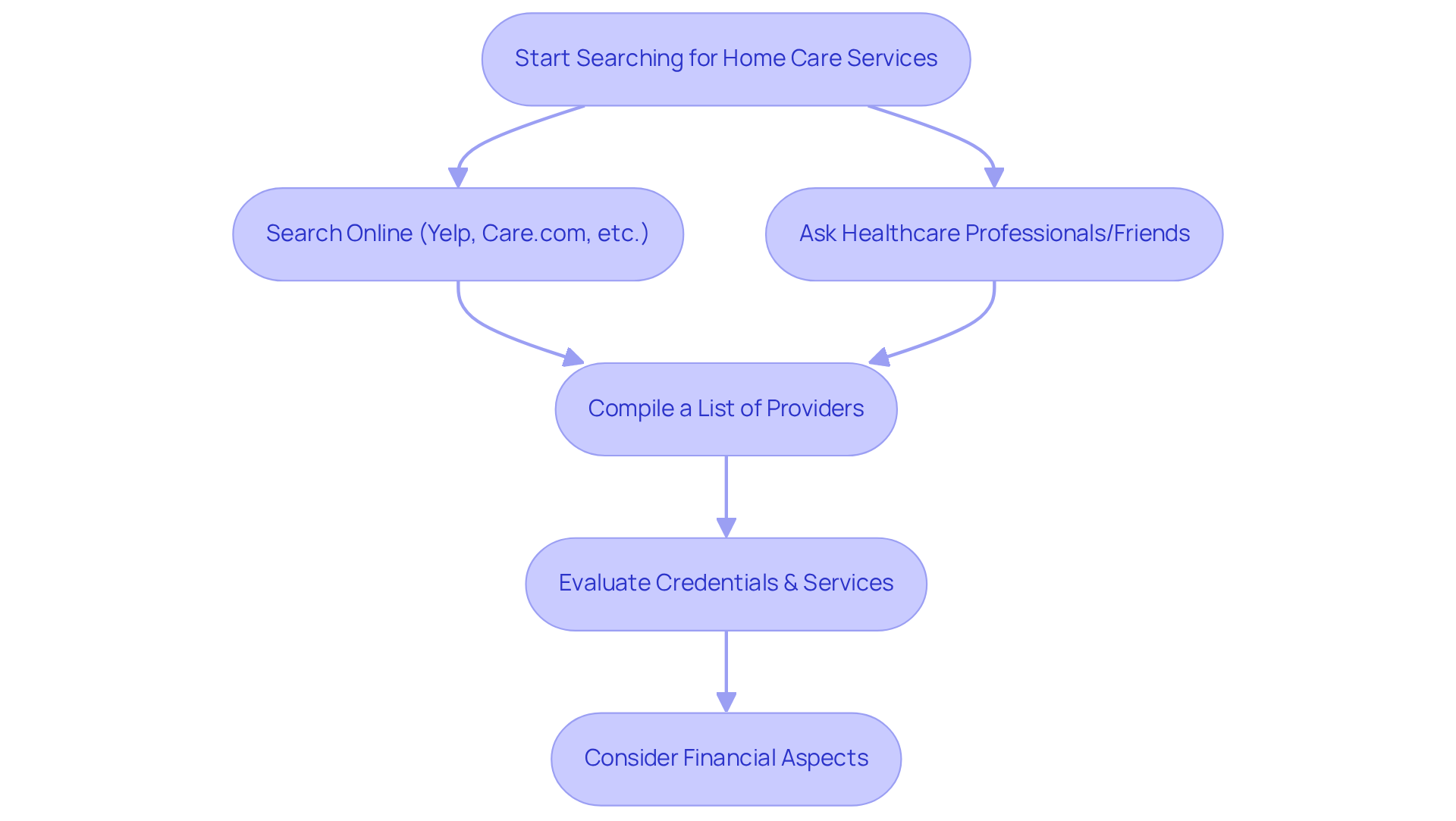
Finding in-home assistance services can be a daunting task, especially when you’re feeling overwhelmed. Start your search with terms like 'affordable home care near me' or 'in-home assistance services in [your location].' Websites such as Yelp, Care.com, CareLinx, and A Place for Mom are excellent resources for discovering affordable home care near me, providing detailed listings and user reviews of local agencies.
It’s also helpful to reach out to healthcare professionals, friends, or family members who have experience with home care. Their recommendations can be invaluable. Healthcare professionals often emphasize the importance of qualities like compassion and effective communication when selecting a provider.
Once you have a list of potential providers, take the time to evaluate their credentials, the range of services they offer, and client testimonials. This process can help you feel more confident in your choices. Remember, nearly 80% of those providing assistance incur out-of-pocket costs, and family supporters often spend about 26% of their earnings on support activities. Understanding these financial aspects is crucial.
Engaging with healthcare professionals can also provide valuable insights into selecting the right caregiver. They can guide you through local, state, and federal laws regarding aides, ensuring that you make informed decisions. You are not alone in this journey; support is available to help you find the right care for your loved ones.
Evaluate Costs and Compare Services
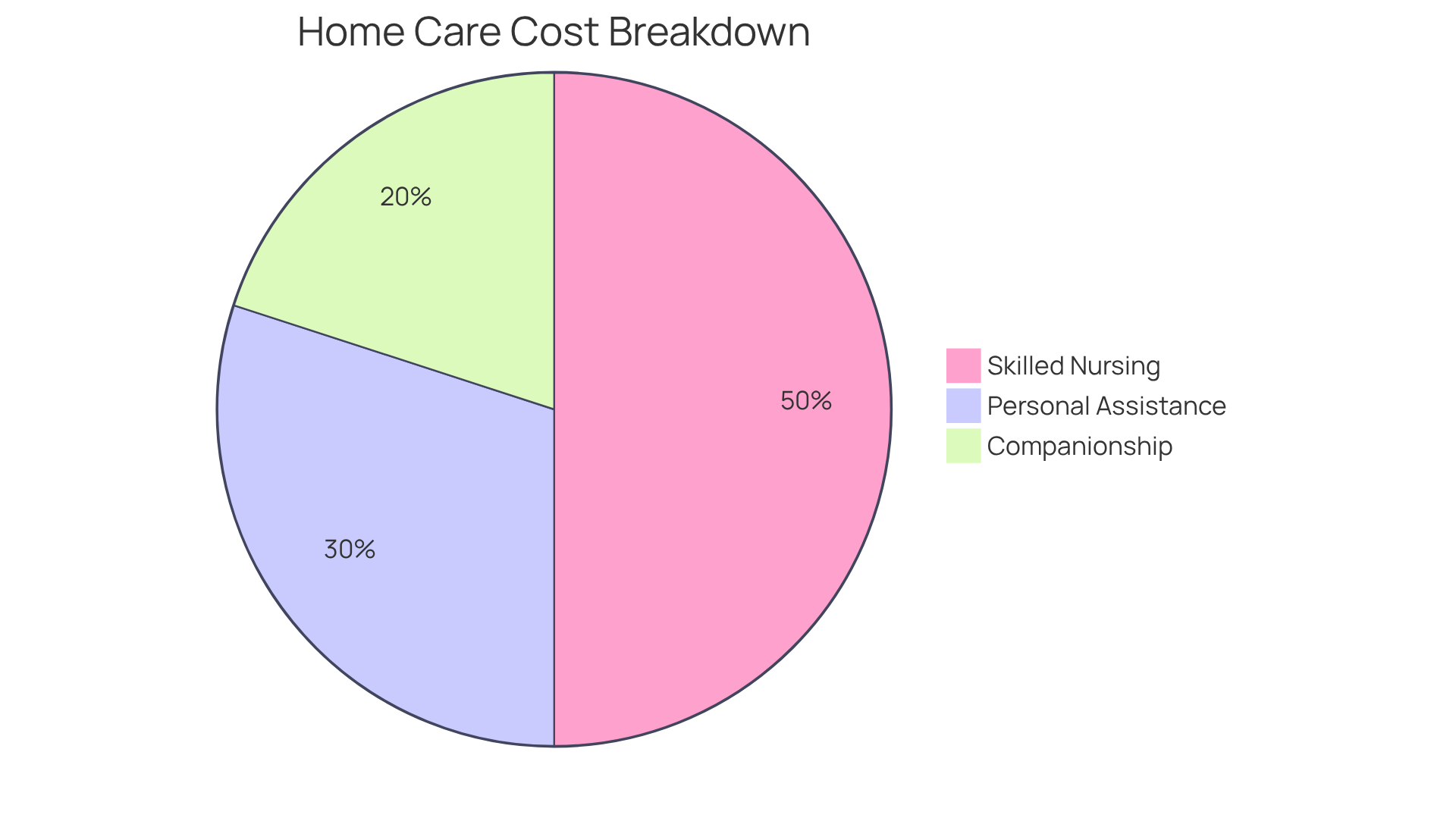
When you begin the journey of finding home assistance providers, it’s important to take a moment to reflect on the emotional challenges that come with this decision. After creating a list of potential options, the next step involves carefully assessing their expenses and offerings. In 2025, the national median expense for non-medical home assistance stands at approximately $33 per hour. However, this figure can vary significantly based on your geographical area and the specific support you require.
Consider how expenses can differ greatly between urban and rural regions. This variance makes it essential to take local pricing into account when exploring options for affordable home care near me. As you reach out to providers, don’t hesitate to ask for comprehensive estimates. Be sure to account for any additional charges related to transportation or specialized assistance, as these can impact your overall budget.
As you evaluate expenses, think about the range of options available—whether it’s companionship, personal assistance, or skilled nursing. This reflection will help you determine which provider offers the best value tailored to your unique needs. Additionally, inquire about package deals or discounts for long-term commitments. Many agencies understand the financial burden and provide incentives for affordable home care near me that can help ease your overall expenses. Remember, you’re not alone in this process, and there are compassionate solutions available to support you and your loved ones.
Explore Financial Assistance and Planning Options
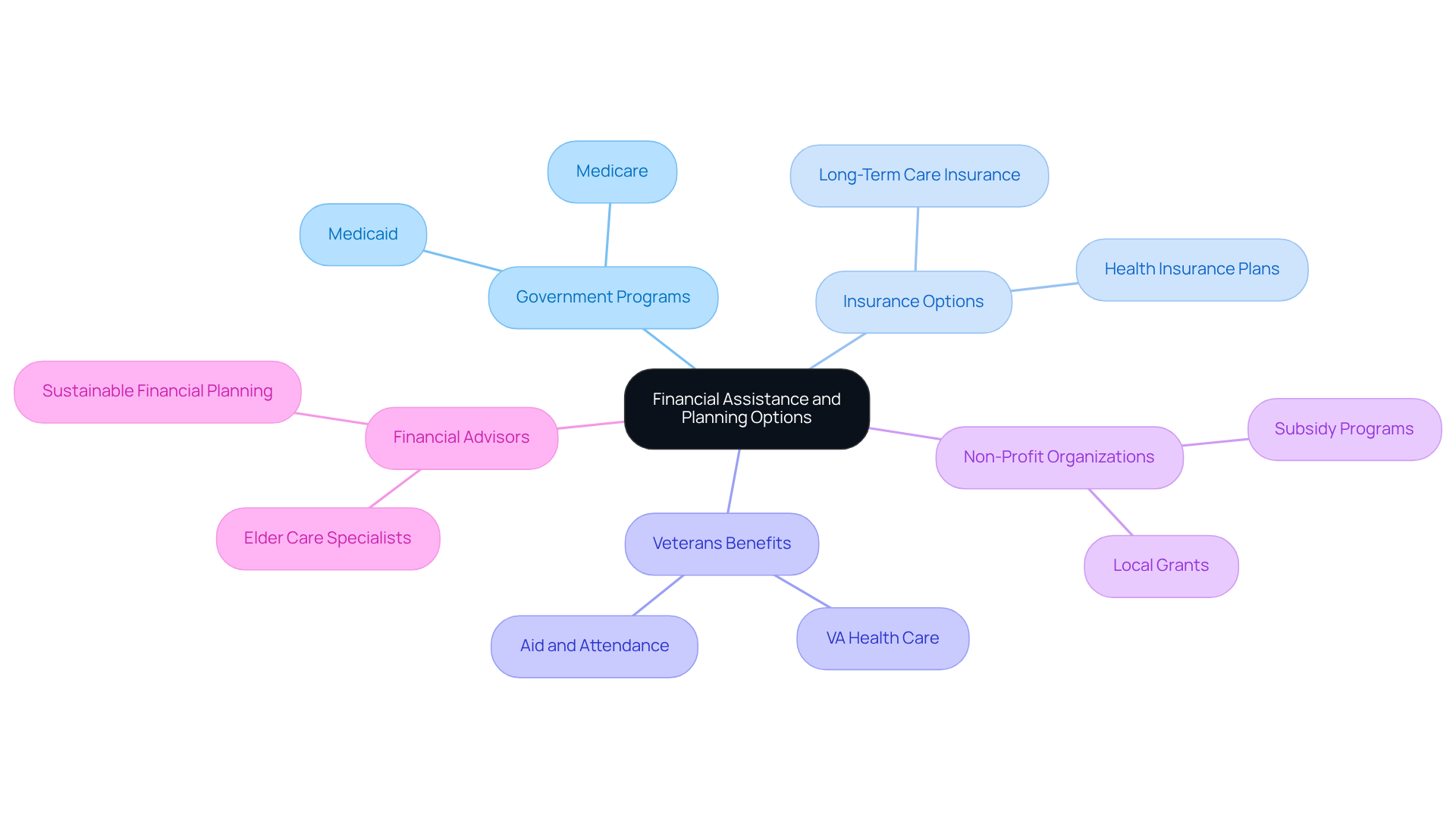
Many households may find themselves in need of financial support to help manage the costs of home care. It’s important to first check if you qualify for government programs like Medicaid, which can provide assistance for in-home support services based on your income and specific needs.
Additionally, consider exploring options such as:
- long-term care insurance
- veterans' benefits
- local non-profit organizations that might offer grants or subsidies
These resources can be invaluable in easing the financial burden.
It can also be beneficial to consult with a financial advisor who specializes in elder care. They can help you create a sustainable financial plan that addresses ongoing support needs.
By understanding and utilizing these resources, families can find some relief from the financial pressures associated with affordable home care near me. Remember, you are not alone in this journey, and there are pathways to support that can help you navigate these challenges.
Taking the Next Steps
Navigating the search for affordable home care can indeed feel overwhelming. It’s essential to understand the options and resources available, as this knowledge empowers families to make informed choices. Recognizing the difference between medical and non-medical support is crucial; it helps in identifying the right type of care tailored to individual needs. By grasping these distinctions, families can better assess their requirements and explore suitable solutions that resonate with their unique circumstances.
This journey involves several important steps:
- Identifying local services
- Evaluating costs
- Exploring financial assistance options
Utilizing online resources, seeking recommendations from healthcare professionals, and understanding the financial landscape of home care can significantly alleviate the burden. Additionally, being proactive in seeking out government programs and other financial support can offer much-needed relief, ensuring families access the care they need without facing overwhelming financial strain.
Ultimately, finding affordable home care transcends mere cost management; it’s about ensuring that loved ones receive compassionate and appropriate support. By taking the time to explore the available options and resources, families can foster a sense of security and well-being for their loved ones. Embracing this journey with patience and diligence can lead to discovering the right care solutions that enhance quality of life. It is essential to act thoughtfully and decisively in the search for home care services, knowing that compassionate care is within reach.
https://iframe.tely.ai/cta/eyJhcnRpY2xlX2lkIjogIjY4ZmFjYzIwZmVkYzg3ZGFmNDc0YzI2MyIsICJjb21wYW55X2lkIjogIjY4ZWU1ZGNhNzMxNzYyNTU3ZjNjOTVjMSIsICJpbmRleCI6IG51bGwsICJ0eXBlIjogImFydGljbGUifQ==Frequently Asked Questions
What are the two primary categories of home care options?
The two primary categories of home care options are medical support and non-medical support.
What does medical assistance in home care typically include?
Medical assistance typically includes skilled nursing care, physical therapy, and other health-related services.
What type of tasks does non-medical support focus on?
Non-medical support focuses on helping with daily tasks such as bathing, dressing, and providing companionship.
Why is it important to recognize the differences between medical and non-medical support?
Recognizing these differences is crucial as it influences the type of support provider you may need and impacts the costs involved.
What are the two types of caregivers mentioned in the article?
The two types of caregivers mentioned are agency-based support, which provides trained personnel and supervision, and independent caregivers, who may offer a more personalized touch but require more oversight.
What should you consider when deciding on home care options?
You should consider what feels right for you, including your preference for agency-based support versus independent caregivers.
Is it normal to feel overwhelmed when seeking home care support?
Yes, it is perfectly normal to feel overwhelmed, and many caregivers face similar challenges and emotions. Seeking help is a compassionate solution available to support you and your loved ones.