4 Steps to Find Caregivers Wanted Near You for Your Loved Ones

For families in our service areas
For families in our service areas, this guide explains caregiver support and how non-medical in-home caregiving can support care planning in East Idaho, Treasure Valley & Magic Valley, Northern Wasatch, North Central West Virginia, and Northeast Ohio.
Understanding Your Options
The article presents a four-step process for finding caregivers for loved ones, focusing on the emotional journey families experience during this challenging time. It emphasizes the importance of:
- Assessing care needs
- Exploring various care options
- Researching local caregivers
- Conducting meaningful interviews
Each step is complemented by relevant statistics and insights, underscoring the necessity of personalized support and thorough evaluation. This ensures that the chosen caregiver truly aligns with the individual’s specific needs and preferences, fostering a sense of comfort and security for both the caregiver and the family.
The Importance of Find Caregivers Wanted Near Me
Navigating the journey of finding the right caregiver for a loved one can be daunting. Families often face emotional challenges, especially as the need for personalized support grows. With nearly 70% of seniors requiring assistance with daily activities, understanding specific care needs becomes paramount. This guide delves into essential steps for identifying suitable caregivers nearby, exploring various care options, and ensuring the chosen support aligns with the unique needs of the individual.
How can families effectively balance compassion with practicality in this crucial decision-making process? It is vital to recognize the feelings of stress and burnout that can accompany this search. However, there are compassionate solutions available that can help ease this burden. We aim to provide reassurance and encouragement as you navigate this important journey.
Assess Your Care Needs
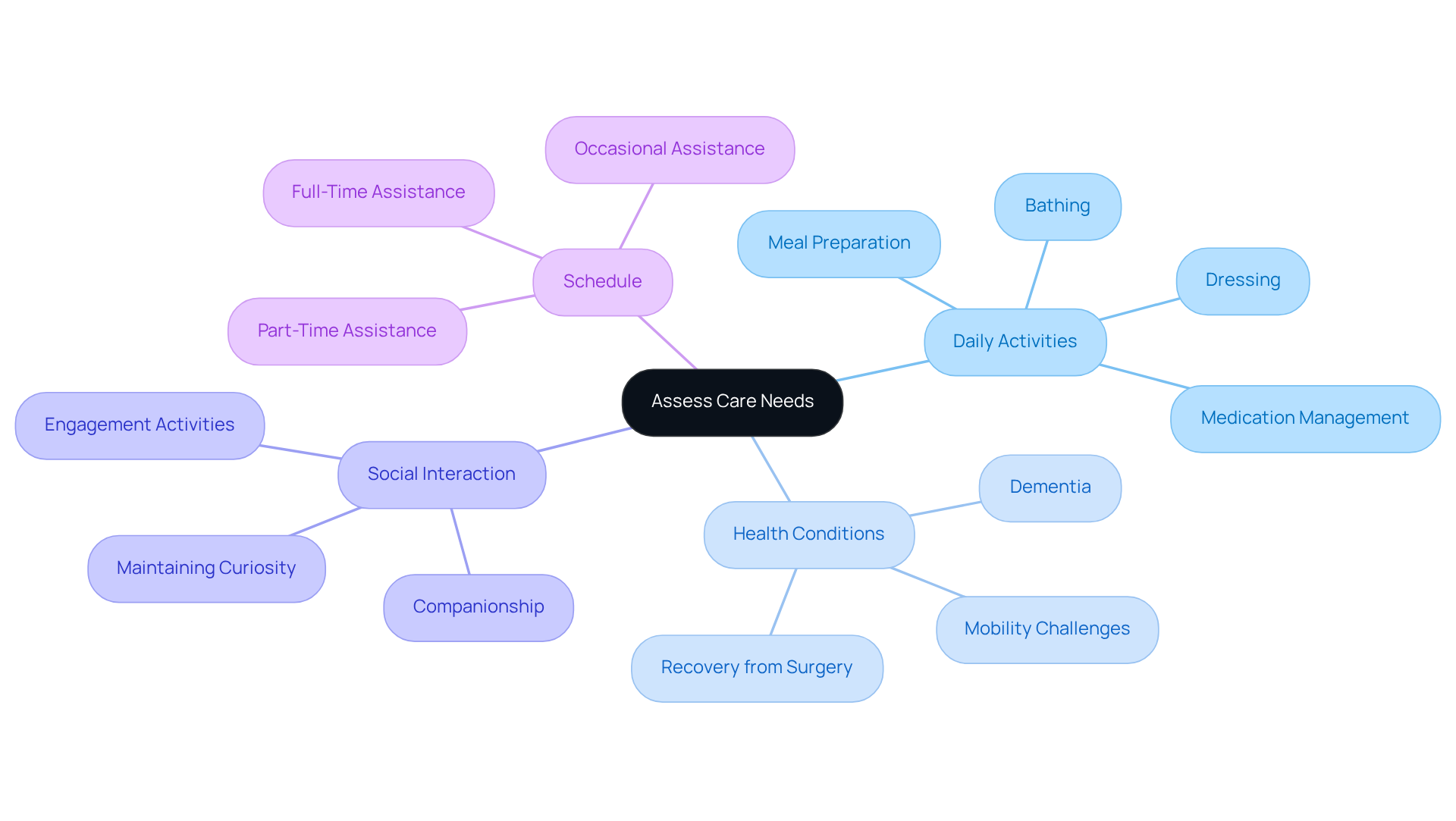
Begin by thoroughly evaluating the specific needs of your loved one. It’s essential to consider the following aspects with care and compassion:
- Daily Activities: Assess whether assistance is required with essential tasks such as bathing, dressing, meal preparation, or medication management. Research indicates that nearly 70% of seniors require help with at least one of these daily activities. This statistic highlights the importance of tailored support. Moreover, 94% of seniors believe health professionals should be educated on distinct health concerns of individuals aged 65 or above, underscoring the necessity for specialized support in evaluating assistance requirements.
- Health Conditions: Identify any medical conditions that require specialized assistance, including dementia, mobility challenges, or recovery from surgery. Understanding these needs is crucial for selecting caregivers with the appropriate expertise and nurturing approach.
- Social Interaction: Evaluate the need for companionship to combat feelings of loneliness or isolation. Studies show that social engagement significantly enhances the well-being of older adults, helping them feel younger and live longer. This makes companionship an essential consideration. Maintaining curiosity can also assist older adults in buffering the effects of loneliness and depression, fostering a sense of connection.
- Schedule: Determine whether assistance is needed on a full-time, part-time, or occasional basis. Adaptability in planning can significantly influence the standard of support and the comfort of your cherished one.
It is important for caregivers wanted near me to record these requirements clearly. This will act as an essential reference point when examining assistance options and interviewing for caregivers wanted near me. Interacting with geriatric specialists can offer further insights into daily activities support, ensuring that the selected plan aligns with your family member's lifestyle and preferences. As Teresa Ghilarducci pointed out, "Seniors who do not receive the assistance they require are more susceptible to accidents and experience more adverse health outcomes, such as increased emergency department visits and a higher risk of mortality." This emphasizes the importance of compassionate care.
Explore Care Options
When exploring care options for your loved one, it's essential to approach the decision with compassion and understanding, particularly if you are looking for caregivers wanted near me. Here are some alternatives to consider:
-
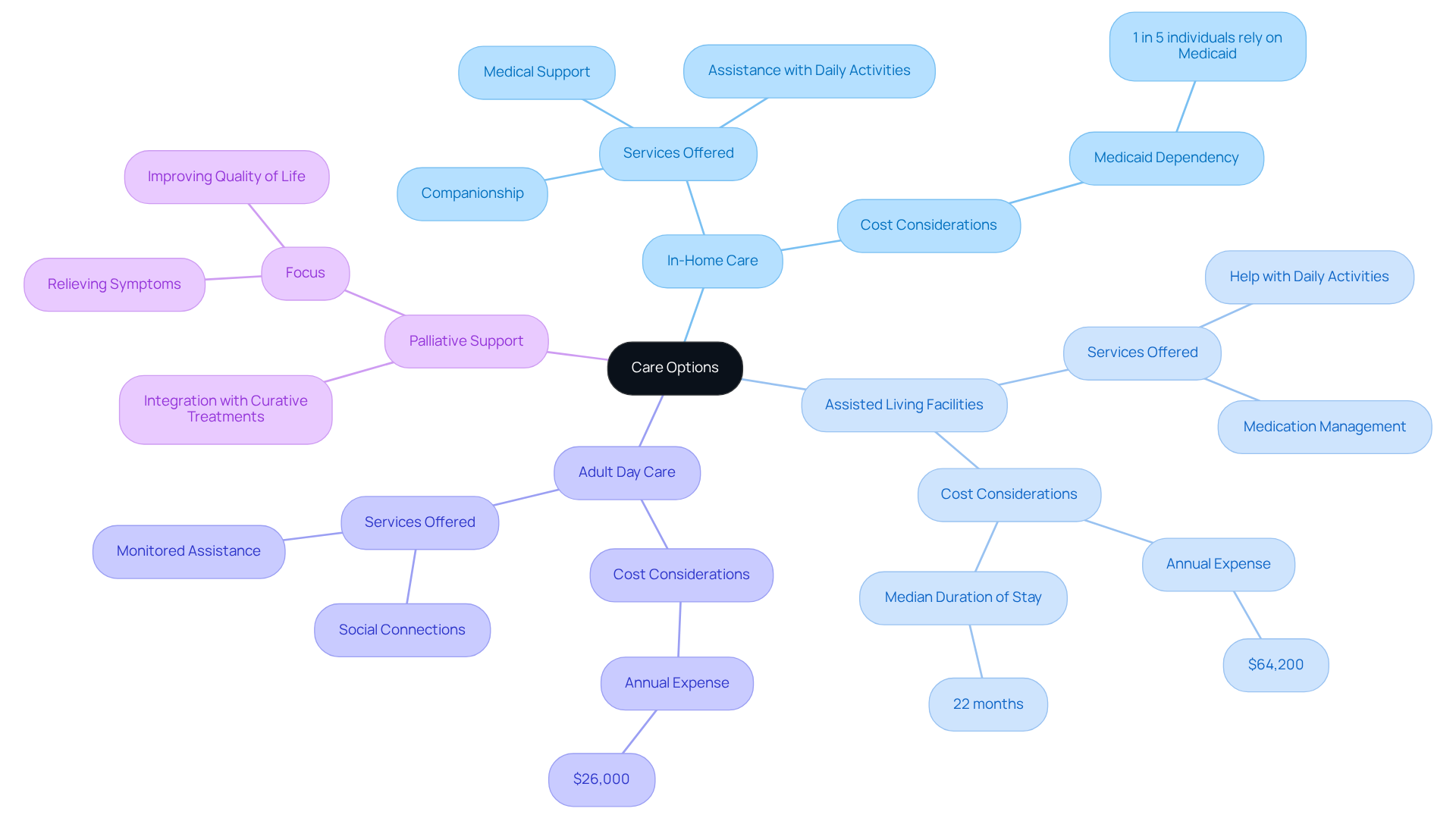
In-Home Care: This option allows seniors to receive personalized care in the comfort of their own homes. Services can include companionship, assistance with daily activities, and medical support, promoting independence and comfort. It's important to recognize that nearly 1 in 5 individuals in assisted living depend on Medicaid for daily services, which underscores the financial factors families may face when searching for caregivers wanted near me.
-
Assisted Living Facilities: For those requiring more comprehensive support, assisted living facilities, where caregivers wanted near me are available, offer a community setting for residents to receive help with daily activities. These facilities typically cater to seniors who may need assistance with bathing, walking, and medication management. The typical yearly expense for assisted living is around $64,200, making it crucial to assess financial alternatives, including long-term support insurance, which many residents use to cover expenses. Furthermore, the median duration in assisted living is approximately 22 months, providing insight into the usual length of support.
-
Adult Day Care: This option is ideal for families needing respite during the day. Adult day programs offer monitored assistance, enabling caregivers to rest while ensuring their family members are involved in a secure setting. This service can be particularly beneficial for families balancing work and caregiving responsibilities, especially where caregivers wanted near me can assist. The meaningful social connections fostered in these settings are essential for a longer, healthier, and happier life.
-
Palliative Support: If someone close to you is dealing with a serious illness, palliative support emphasizes relieving symptoms and improving quality of life. This form of assistance can be offered alongside curative treatments, ensuring that the individual receives comprehensive support tailored to their needs.
As you assess these options, consider the advantages and disadvantages of each choice based on your cherished one's specific needs and preferences. Take into account factors such as cost, the level of care needed, and the desire for independence. Remember, you're not alone in this journey; support is available to help you make the best decision for your loved one.
Research Local Caregivers
Finding suitable caregivers for your loved ones can feel overwhelming, but you are not alone in this journey. Here are some steps to help you navigate this important process:
-
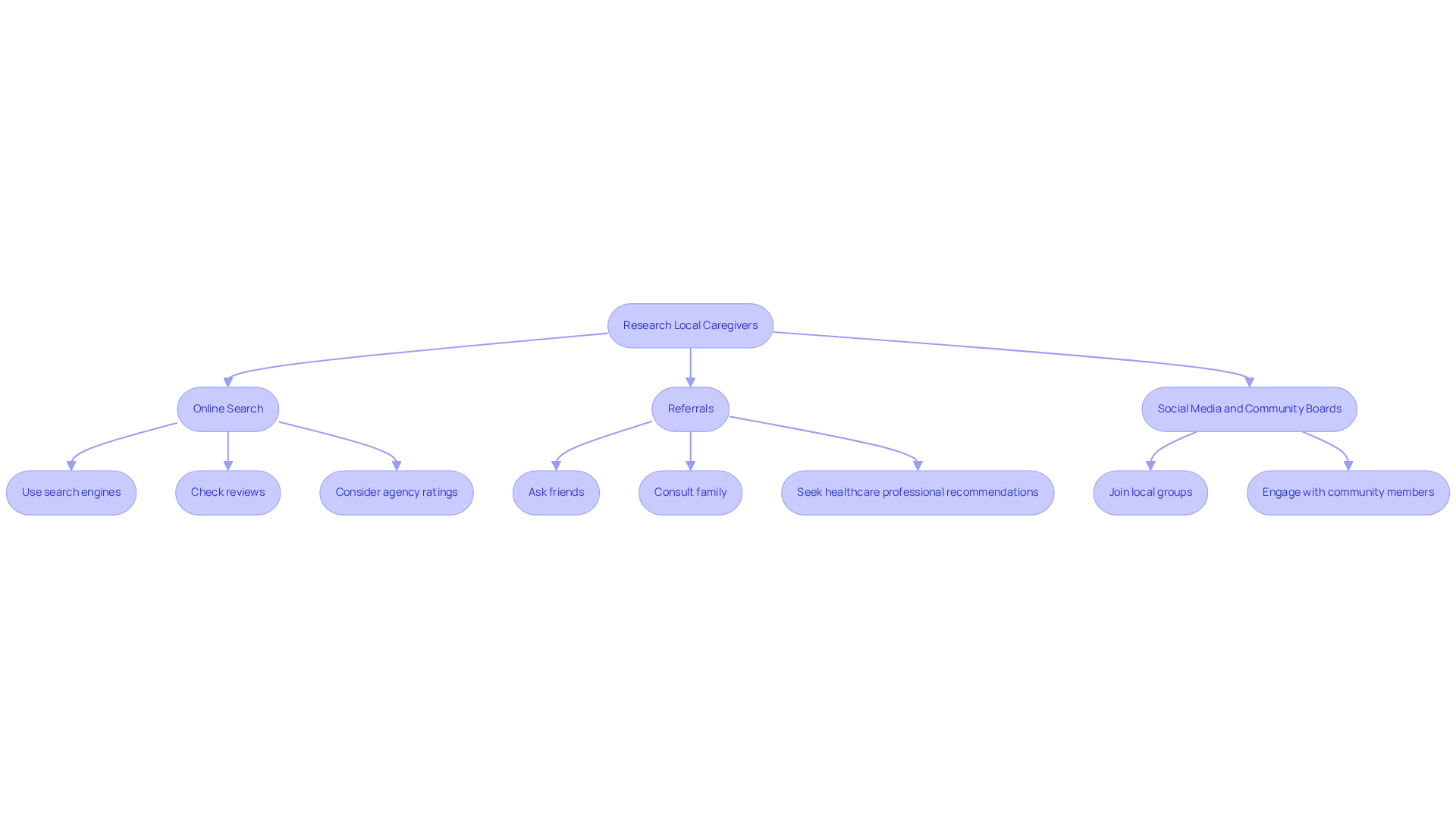
Online Search: Begin by utilizing search engines and caregiving directories to find local agencies and independent caregivers. As you explore, pay attention to reviews and ratings. With around 63 million Americans providing care, and one in every four adults involved in caregiving, it’s crucial to consider the experiences of others. Remember, agency ratings can significantly influence your decision; 66% of caregivers find it very easy or somewhat easy to organize assistance recommended by health professionals and service providers.
-
Referrals: Don’t hesitate to seek recommendations from friends, family, or healthcare professionals. Personal recommendations are invaluable; research indicates that 70% of caregivers consult friends and relatives for information, support, or guidance, leading to reliable choices that can ease your worries.
Local agencies recommend contacting caregiving agencies like Happy to Help Caregiving, particularly as caregivers wanted near me specialize in personalized in-home care services. These agencies typically maintain a list of trained assistants, ensuring you have access to dependable support tailored to your loved one's needs. It’s essential to recognize that caregivers often experience emotional and physical strain, making agency support a vital resource in this journey.
- Social Media and Community Boards: Explore local community boards or social media groups for listings and recommendations for caregivers. Engaging with these platforms can provide valuable insights into the experiences of those providing care and foster a sense of community.
As you compile a list of potential helpers or agencies, know that you are taking important steps toward securing the right support for your loved ones. Remember, seeking help is a sign of strength, and you deserve to find compassionate care that meets your family's needs.
Interview and Screen Candidates
Once you have a shortlist of candidates, it’s important to approach interviews with care and compassion. Here are some guidelines to help you:
-
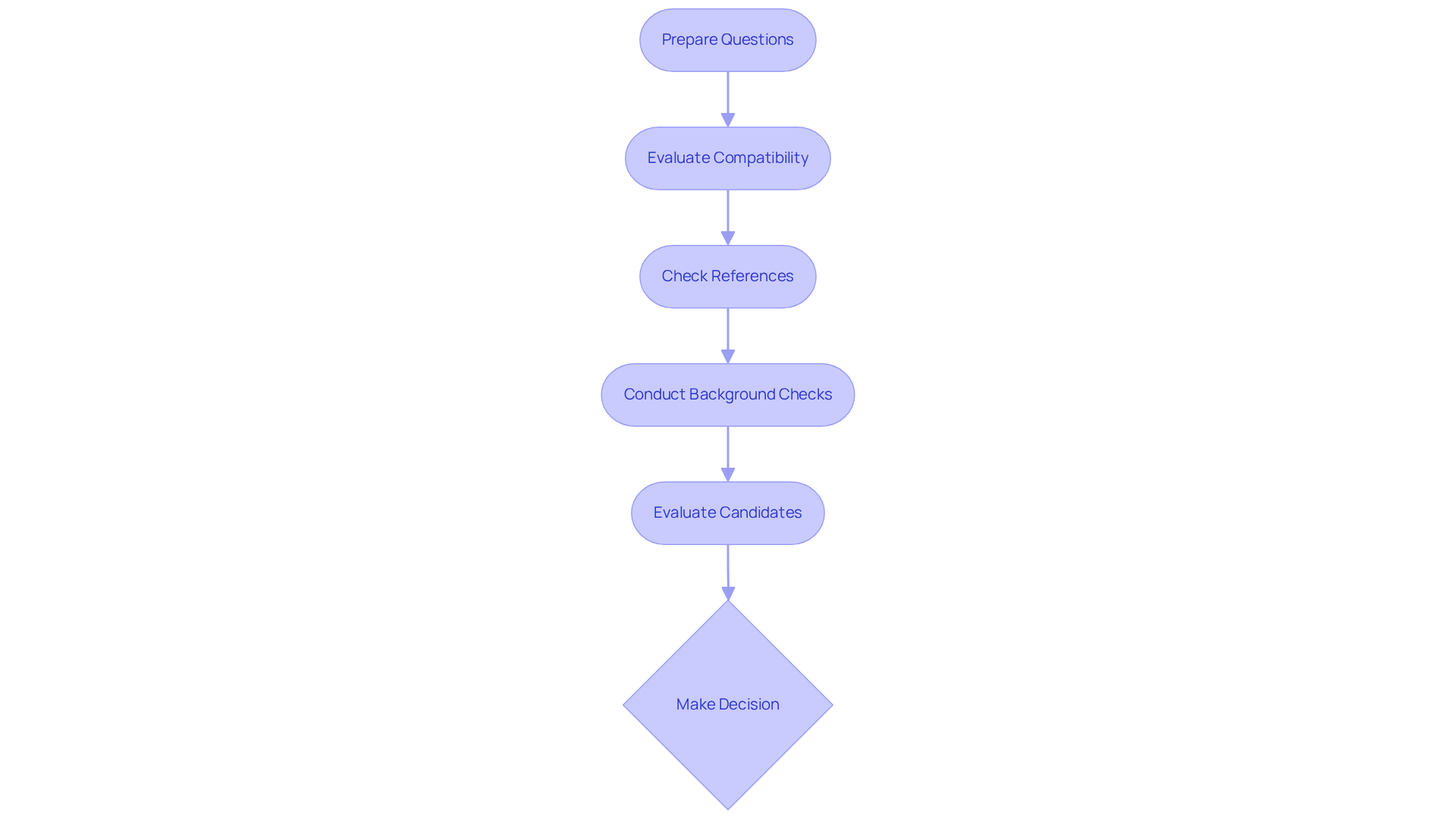
Prepare Questions: Inquire about their experience, training, and caregiving philosophy. Consider asking scenario-based questions to assess their problem-solving abilities and adaptability in challenging situations. For instance, how would they handle a client who refuses care? This reflects their communication skills and respect for client autonomy.
-
Evaluate Compatibility: Observe how the provider interacts with your family member. Compatibility is essential; a support individual who resonates with your loved one's personality can significantly enhance their quality of life. Caregiving specialists emphasize that locating caregivers wanted near me who align with the client's characteristics can ease the transition to receiving support.
-
Check References: Reach out to former employers or clients to confirm the reliability and quality of care provided by the individual. This step is crucial in ensuring that they have a proven track record of delivering compassionate and effective support.
-
Background Checks: Conduct thorough background checks to verify the qualifications and safety of the individual providing care. Trustworthy organizations typically offer these verifications, providing reassurance about the individual’s history.
After the interviews, take time to evaluate each candidate based on their responses and your loved one's comfort level. Prioritize decisions that ensure both safety and emotional well-being. Remember, caregivers wanted near me can ensure compatibility, which can lead to improved care outcomes and a more positive experience for everyone involved.
Moving Forward with Find Caregivers Wanted Near Me
Finding the right caregivers for loved ones is a critical journey that requires thoughtful consideration and strategic planning. Families often face emotional challenges, navigating the stress and uncertainty of ensuring their cherished ones receive the compassionate support they deserve. By thoroughly assessing care needs, exploring diverse options, conducting diligent research, and carefully interviewing candidates, families can secure the right assistance. This comprehensive approach ensures that selected caregivers align with the unique requirements and preferences of those in need, ultimately enhancing their quality of life.
Identifying daily activities, health conditions, and the necessity for companionship are foundational elements in determining appropriate care. Exploring various options such as in-home care, assisted living, adult day care, and palliative support allows families to make informed decisions that best suit their loved ones' circumstances. The emphasis on thorough research and careful screening underscores the significance of finding qualified caregivers who can provide reliable and empathetic assistance.
Ultimately, the process of finding caregivers is not merely about meeting physical needs; it’s about fostering a supportive environment that promotes dignity, independence, and emotional well-being. Families are encouraged to take proactive steps in this journey, recognizing that seeking help is a strength. Compassionate care can profoundly impact the lives of both caregivers and those they serve, creating a nurturing atmosphere where everyone feels valued and understood.
https://iframe.tely.ai/cta/eyJhcnRpY2xlX2lkIjogIjY5MDJhYWYyMTRlZTQ1NmUxNzQ5MWRkNSIsICJjb21wYW55X2lkIjogIjY4ZWU1ZGNhNzMxNzYyNTU3ZjNjOTVjMSIsICJpbmRleCI6IG51bGwsICJ0eXBlIjogImFydGljbGUifQ==Frequently Asked Questions
How can I assess the care needs of my loved one?
Begin by evaluating daily activities such as bathing, dressing, meal preparation, and medication management. Consider health conditions requiring specialized assistance, the need for social interaction to combat loneliness, and whether assistance is needed full-time, part-time, or occasionally.
Why is it important to evaluate daily activities?
Research indicates that nearly 70% of seniors require help with at least one daily activity. Understanding these needs is essential for providing tailored support and ensuring the well-being of your loved one.
What health conditions should I consider when assessing care needs?
Identify any medical conditions that may require specialized assistance, such as dementia, mobility challenges, or recovery from surgery. This understanding helps in selecting caregivers with the right expertise.
How does social interaction affect older adults?
Social engagement significantly enhances the well-being of older adults, helping them feel younger and live longer. Companionship is crucial for combating feelings of loneliness and isolation.
What factors should I consider regarding the schedule of care?
Determine whether your loved one needs assistance on a full-time, part-time, or occasional basis. Flexibility in planning can greatly affect the quality of support provided.
Why is it important to record care needs clearly?
Documenting care requirements serves as a reference point when exploring assistance options and interviewing potential caregivers, ensuring the selected plan aligns with your loved one's lifestyle and preferences.
How can geriatric specialists assist in evaluating care needs?
Interacting with geriatric specialists can provide valuable insights into daily activities support, helping to ensure that the care plan is appropriate and tailored to your family member's needs.
What are the consequences of not providing adequate assistance to seniors?
Seniors who do not receive the necessary assistance are more prone to accidents and adverse health outcomes, including increased emergency department visits and a higher risk of mortality.