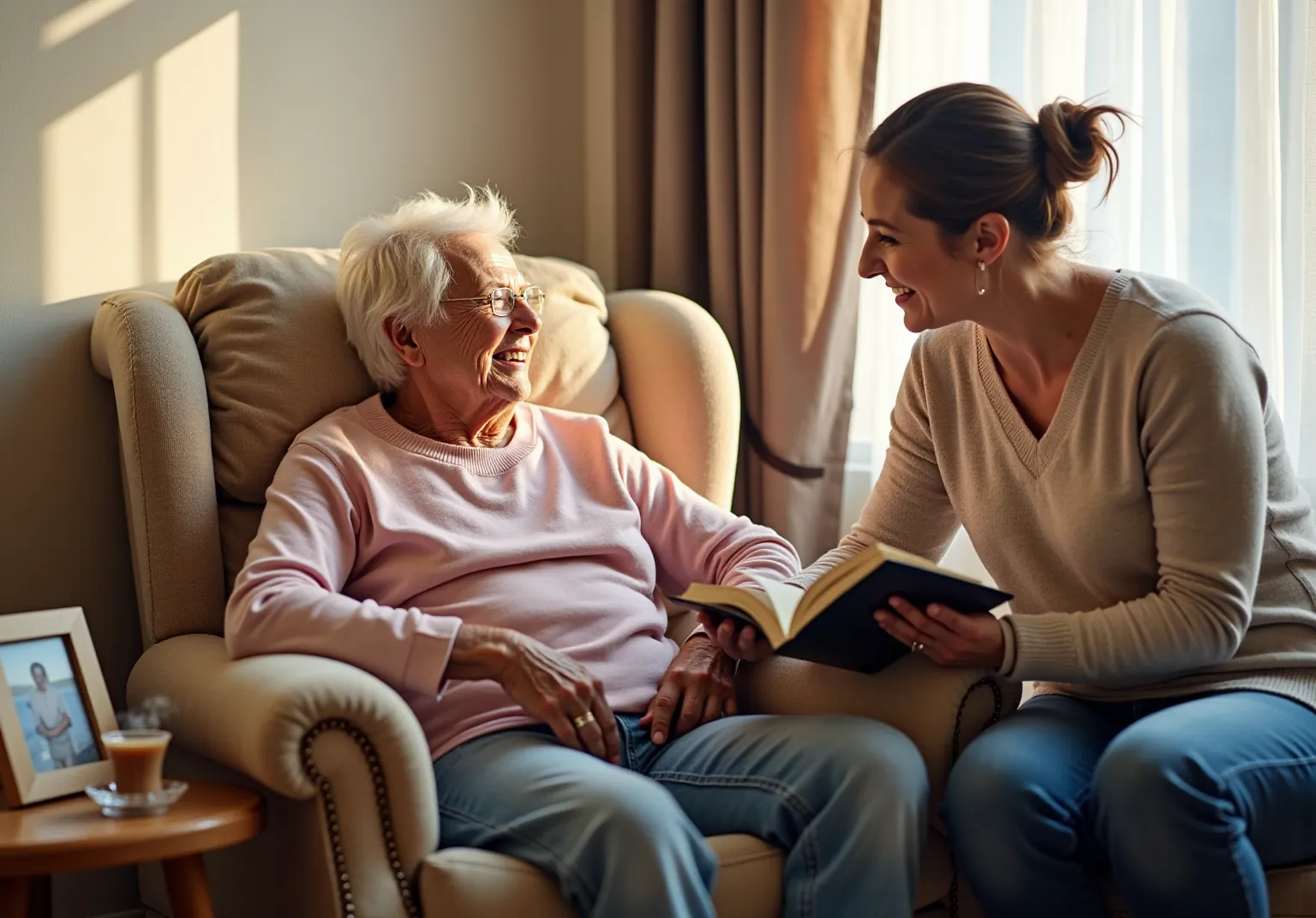
Understanding Your Options
Finding elderly care at home for your loved ones can be an emotional journey. Begin by assessing their unique care needs, as this understanding is the foundation of compassionate support. Explore the available services that can cater to those needs, and evaluate the qualifications of potential caregivers to ensure they are equipped to provide the best care. Establishing effective communication systems is crucial in this process.
Consider the daily challenges your loved one faces; identifying these can help in finding the right support. Research local agencies that offer services tailored to elderly care, and take the time to check caregiver credentials. It’s essential to foster regular updates and encourage family involvement. This collaboration not only ensures that the care provided aligns with the specific needs and preferences of the elderly individual but also nurtures a sense of community and love around them.
The Importance of Find Elderly Care at Home Near Me
Navigating the complexities of elderly care can feel overwhelming, especially when the well-being of a loved one is at stake. Many families are seeking home care solutions, making it essential to understand how to find the right support during this challenging time. This guide offers a structured approach to:
- Assessing individual needs
- Exploring available services
- Ensuring caregiver compatibility
Ultimately, it empowers families to make informed decisions. Yet, how can one balance the emotional weight of caregiving with the practicalities of finding the best services? It's a journey filled with both challenges and opportunities for connection.
Assess Individual Care Needs
-
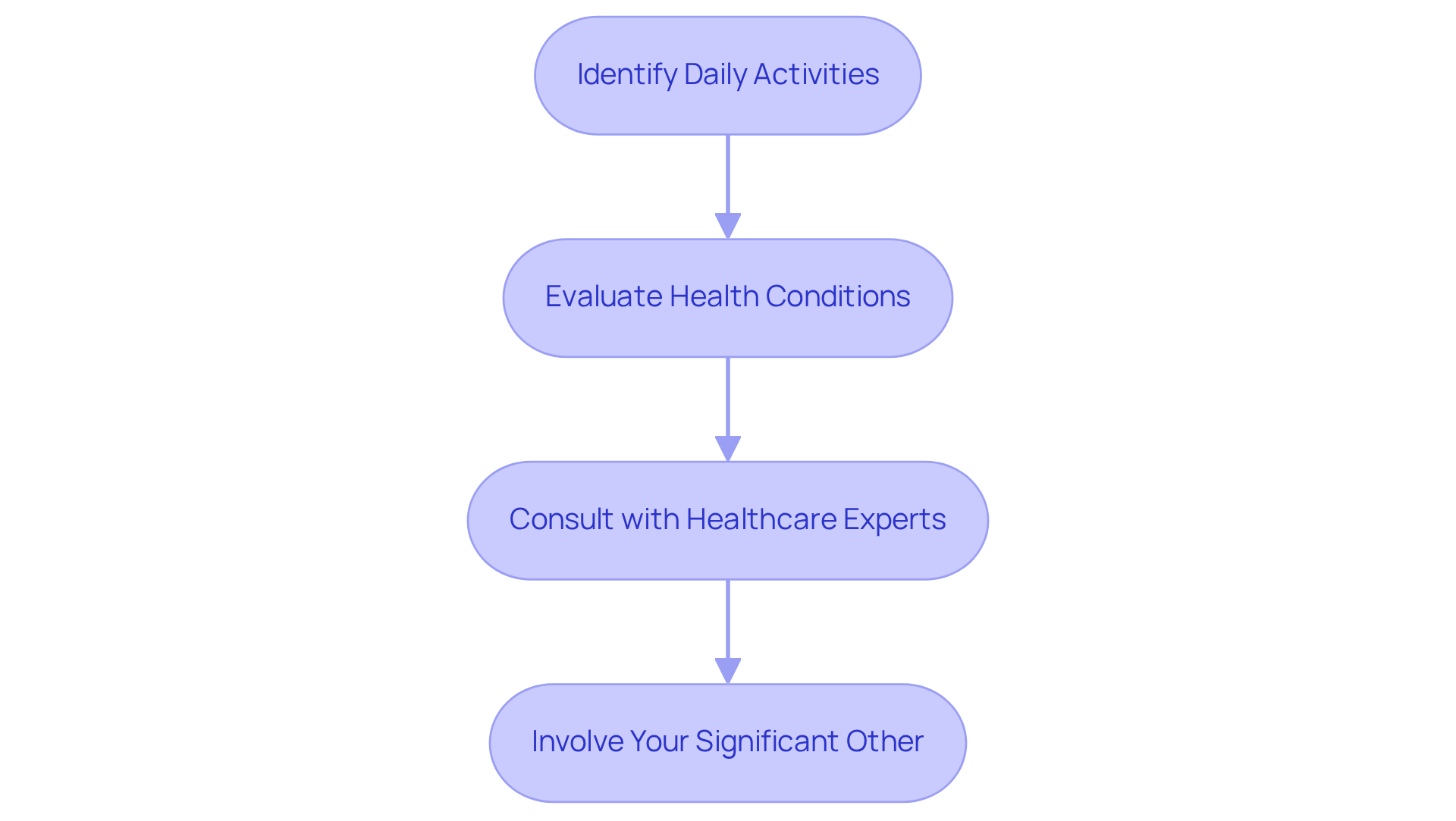
Identify Daily Activities: Begin by listing the daily activities your loved one finds challenging, such as bathing, dressing, cooking, or managing medications. This understanding is crucial in determining the level of assistance they may need.
-
Evaluate Health Conditions: Take into account any medical conditions that may require specialized attention, like dementia, mobility issues, or chronic illnesses. Documenting these conditions will be helpful when discussing care options with potential caregivers.
-
Consult with Healthcare Experts: Engage with physicians or geriatric specialists who can provide valuable insights into the specific support your family member may require based on their health condition.
-
Involve Your Significant Other: If possible, include your significant other in these conversations. Understanding their preferences and comfort levels regarding support can ensure that the chosen services align with their wishes, ultimately promoting their independence.
Explore Available Care Services
-
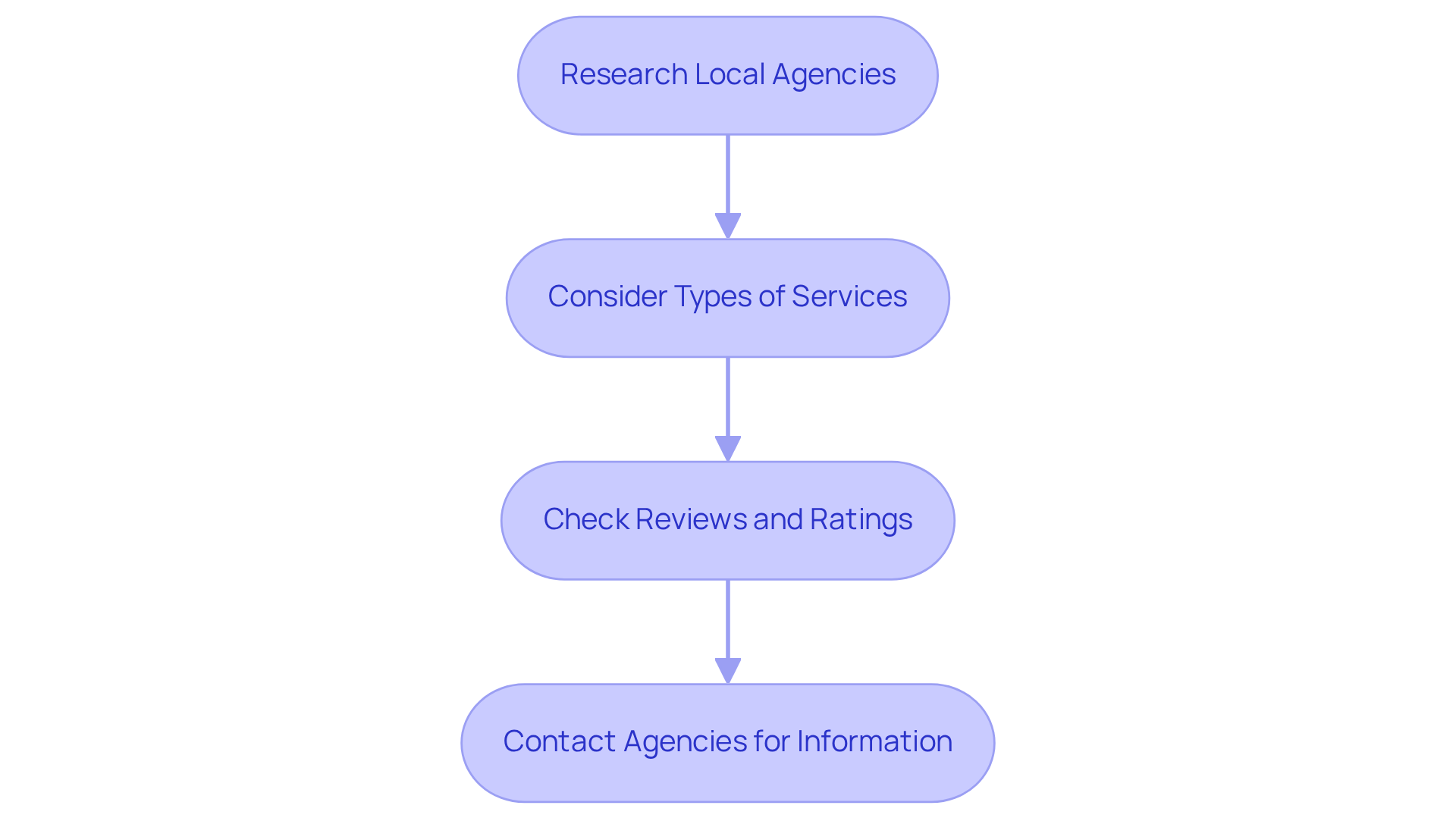
Research local agencies by exploring online resources, such as the Eldercare Locator or local directories, to find options for elderly care at home near me. It’s important to seek out agencies that specialize in the specific services your loved one needs, ensuring they receive the best care possible.
-
Consider Types of Services: Take a moment to familiarize yourself with the various types of care services available, including:
- Companionship Care: Providing emotional support and social interaction, which can significantly uplift spirits.
- Personal Care: Offering assistance with daily living activities to promote independence and comfort.
- Skilled Nursing Care: Addressing medical needs and health monitoring, ensuring peace of mind for both you and your loved one.
- Respite Care: Allowing temporary relief for family supporters, giving you the chance to recharge and care for yourself.
-
Check Reviews and Ratings: It’s helpful to look for feedback and testimonials from other families. This can provide insight into the quality of service offered by various agencies. Websites like Caring.com can be particularly useful in this regard.
-
Contact Agencies for Information: Don’t hesitate to reach out to potential agencies. Inquire about their services, availability, and pricing. Preparing a list of questions can help ensure you gather all the necessary information, giving you confidence in your choices.
Evaluate Caregiver Qualifications and Compatibility
-
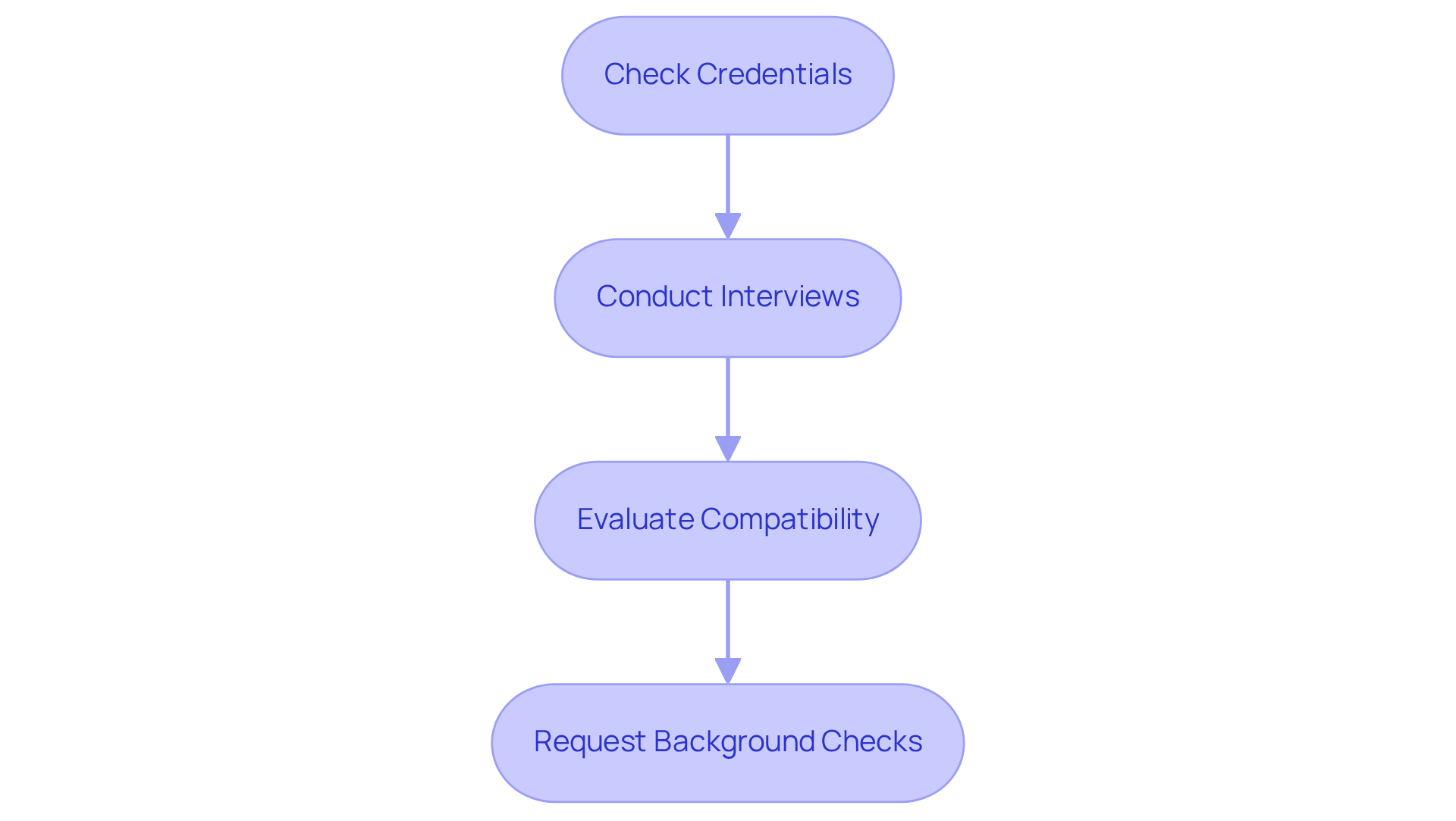
Check Credentials: It’s important to verify that providers have the necessary certifications and training relevant to the care they will deliver. This may include CPR certification, first aid training, or specialized training for conditions like Alzheimer's, ensuring your loved one receives the best possible care.
-
Conduct Interviews: Arrange interviews with prospective support providers. Prepare thoughtful questions that assess their experience, approach to caregiving, and how they handle specific situations. This step is crucial in finding someone who aligns with your family's needs.
-
Evaluate Compatibility: During the interview, observe how the provider engages with your family member. Look for signs of empathy, patience, and understanding, as these traits are essential for fostering a positive caregiving relationship that can truly make a difference.
-
Request Background Checks: Ensure that the agency performs comprehensive background checks on their staff. This should include criminal history, previous employment verification, and reference checks, giving you peace of mind as you make this important decision.
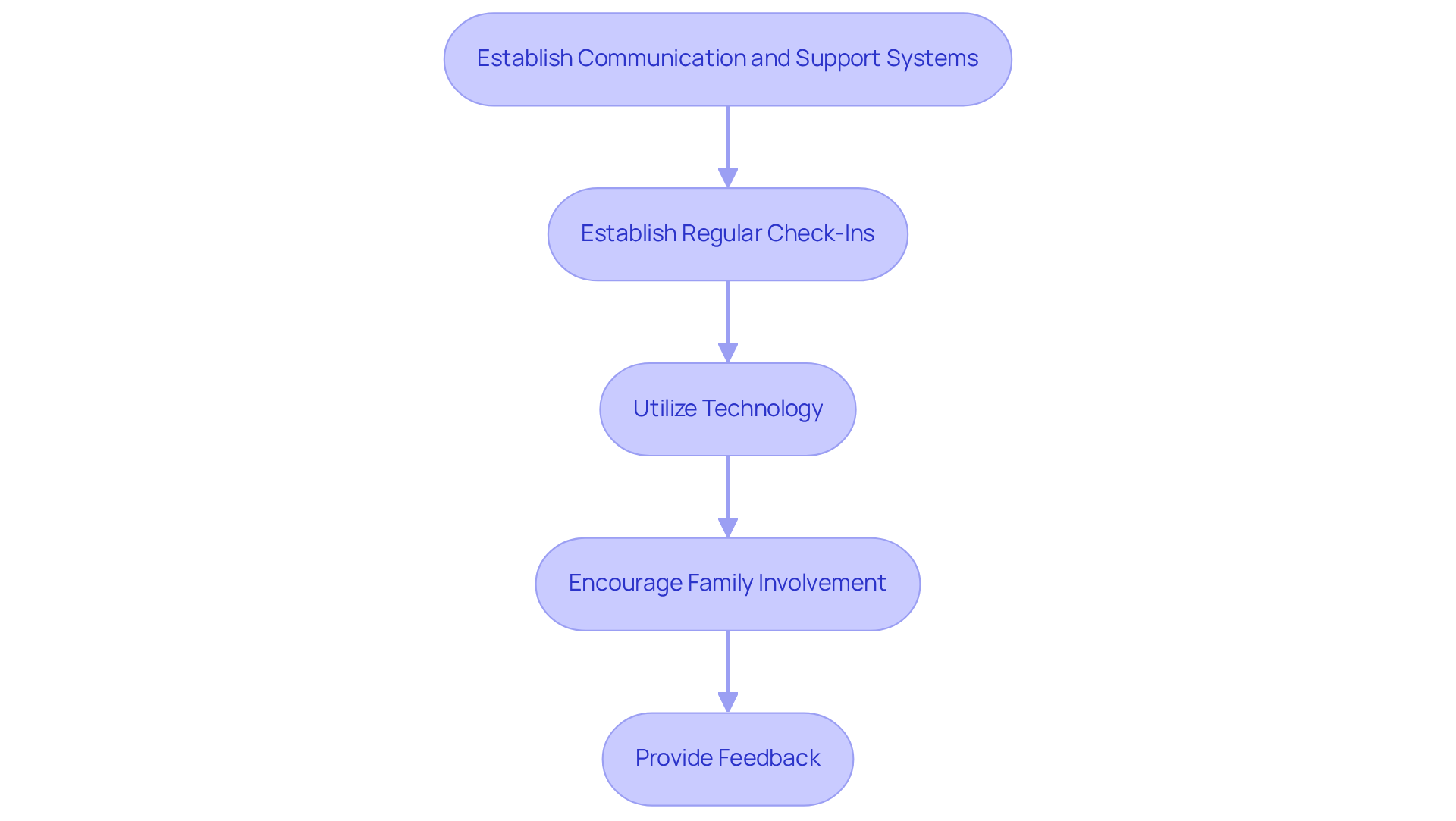
Establish Communication and Support Systems
-
Establish Regular Check-Ins: It's important to arrange consistent meetings or calls with support providers. These conversations can help you discuss your family member's progress, any changes in health, and necessary modifications to the care plan.
-
Utilize Technology: Consider using apps or online platforms that allow providers to share updates and notes with family members. This approach can significantly enhance communication, ensuring that everyone stays informed and connected.
-
Encourage Family Involvement: Involving other family members in the caregiving process can be beneficial. It not only helps in sharing responsibilities but also offers emotional support to both the provider and your loved one, fostering a sense of community.
-
Provide Feedback: Open communication is key. Encourage family members to share their feedback with caregivers about what is working well and what might need adjustment. This collaborative approach creates a nurturing environment and ultimately improves the quality of care.
Taking the Next Steps
Finding the right elderly care at home for loved ones is a crucial step in ensuring their well-being and comfort. It's essential to assess individual care needs thoroughly. By exploring available services, evaluating caregiver qualifications, and establishing effective communication, families can create a supportive environment that fosters independence and dignity for their elderly relatives.
Understanding daily challenges and health conditions is the first step. Researching local care services and their offerings follows closely. It’s vital to check the credentials and compatibility of caregivers while maintaining open lines of communication to adapt care plans as needed. Each step plays a vital role in ensuring that the chosen care aligns with the specific needs of the elderly individual.
Ultimately, the journey to finding the right elderly care at home is not just about meeting physical needs; it’s about nurturing emotional connections and providing a sense of community. Families are encouraged to actively participate in the caregiving process, fostering collaboration and support systems that enhance the quality of care. By taking these steps, families can ensure their loved ones receive the compassionate and competent care they deserve, making a meaningful difference in their lives.
https://iframe.tely.ai/cta/eyJhcnRpY2xlX2lkIjogIjY4ZWVlNDRkNWUxYjhjNjg1YjgwZThmOSIsICJjb21wYW55X2lkIjogIjY4ZWU1ZGNhNzMxNzYyNTU3ZjNjOTVjMSIsICJpbmRleCI6IG51bGwsICJ0eXBlIjogImFydGljbGUifQ==Frequently Asked Questions
What is the first step in assessing individual care needs?
The first step is to identify daily activities that the loved one finds challenging, such as bathing, dressing, cooking, or managing medications.
Why is it important to evaluate health conditions?
Evaluating health conditions is important because it helps determine the level of specialized attention required, especially for conditions like dementia, mobility issues, or chronic illnesses.
How can healthcare experts assist in assessing care needs?
Healthcare experts, such as physicians or geriatric specialists, can provide valuable insights into the specific support needed based on the individual's health condition.
Should family members be involved in the assessment process?
Yes, involving significant others in the conversations can help understand their preferences and comfort levels regarding support, ensuring that chosen services align with their wishes and promote independence.