For families in our service areas
For families in our service areas, this guide explains in-home care and how non-medical in-home caregiving can support care planning in East Idaho, Treasure Valley & Magic Valley, Northern Wasatch, North Central West Virginia, and Northeast Ohio.
What to Expect
Finding elderly in-home care for your loved one can feel overwhelming, but it begins with understanding their unique care needs. Start by assessing these needs, then take the time to research local providers who can offer the support required. Evaluating caregiver qualifications is essential, as is establishing open lines of communication and support systems.
This article presents a nurturing approach that encourages you to identify daily challenges your loved one may face. Utilize online resources to gather information and foster open dialogue among caregivers and family members. By doing so, you ensure that the care chosen aligns perfectly with the individual’s specific requirements and preferences, allowing for a more compassionate and tailored experience.
What You Need to Know About Find Elderly In Home Care Near Me
Finding the right in-home care for elderly loved ones can feel overwhelming. It's a journey filled with emotional challenges, as families strive to ensure their cherished ones receive the support they need while preserving their dignity and independence. With around 12 million individuals in the U.S. currently receiving such care, the task can seem daunting. This guide offers a gentle, step-by-step approach to:
- Assess care needs
- Research local providers
- Evaluate caregiver qualifications
- Establish effective communication
How can families navigate this intricate process to secure the best possible care for their elderly relatives? Together, we will explore the options available, providing the compassion and understanding that every family deserves.
Assess Your Loved One's Care Needs
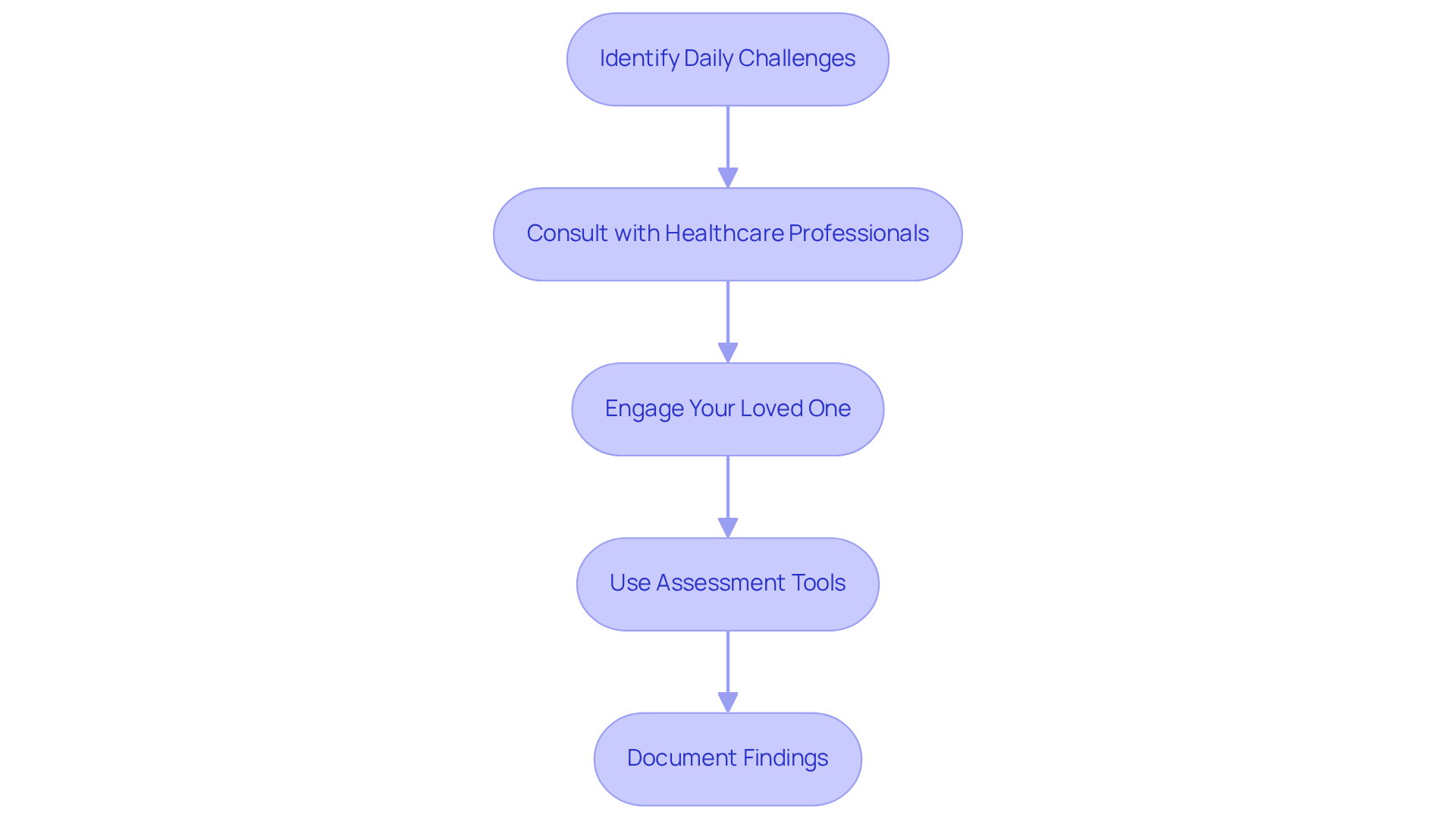
- Identify Daily Challenges: Begin by closely observing your loved one’s daily activities. Are they struggling with essential tasks such as bathing, dressing, or preparing meals? Notice any changes in their hygiene or mobility, as these may indicate a need for additional support. Significantly, 44% of the elderly in home care near me require assistance with at least one daily activity, with 83% specifically needing help with bathing and showering. Furthermore, it's important to recognize that approximately 12 million individuals in the U.S. currently receive elderly in home care near me, highlighting the widespread demand for assistance.
- Consult with Healthcare Professionals: Engage with healthcare providers, including doctors and geriatric specialists, who can offer valuable insights into your loved one’s health status. Their expertise can help you identify specific support needs and recommend suitable services. As specialists emphasize, "functional decline should prompt a reevaluation of support strategies," ensuring that the assistance provided aligns with the individual’s changing needs.
- Engage Your Loved One: It’s essential to involve your loved one in conversations about their support needs. Understanding their preferences and concerns fosters a sense of dignity and independence, allowing for the that honors their wishes. This collaborative approach not only enhances their comfort but also strengthens the caregiver-client relationship.
- Use Assessment Tools: Utilize structured assessment tools, such as checklists or questionnaires, to evaluate support needs comprehensively. Resources from reputable organizations like AARP or the National Institute on Aging can offer valuable guidance in this process, helping you identify specific areas where assistance is required.
- Document Findings: Keep a detailed record of your observations and discussions regarding your loved one’s support needs. This documentation will be instrumental when exploring support options with potential providers, ensuring effective communication about the specific challenges and requirements identified during your assessment.
Research Local In-Home Care Providers
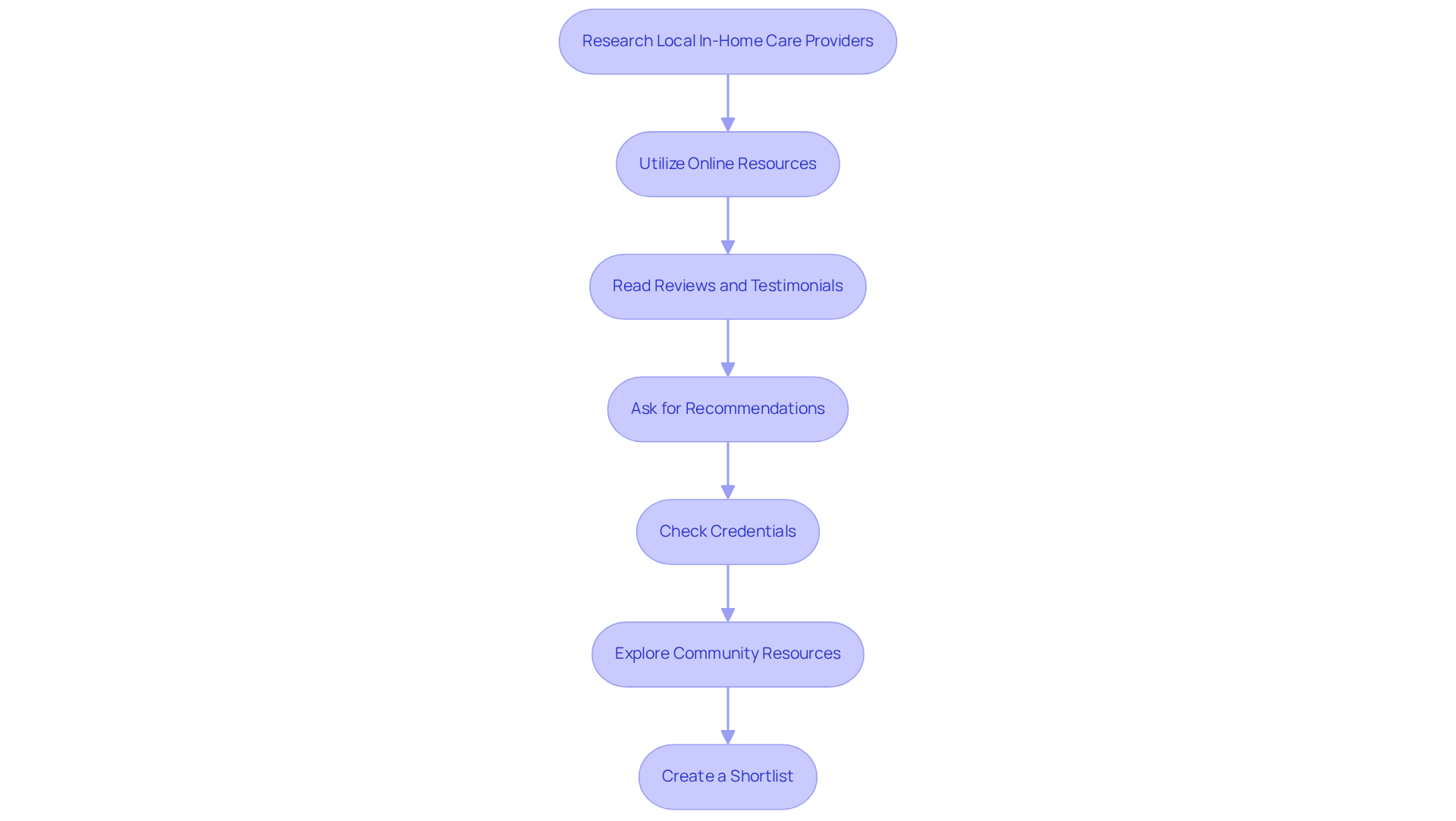
- Utilize online resources like Eldercare Locator or to help you find elderly in home care near me and locate local in-home care agencies. These platforms enable you to filter by location and services offered, making your search more manageable. Additionally, consider social media platforms—they can connect you with a wide array of candidates at a low cost, enhancing your search for support staff.
- Read Reviews and Testimonials: Explore reviews on platforms like Yelp or Caring.com. Pay close attention to feedback regarding the quality, reliability, and overall satisfaction expressed by other families. The sentiment from Caring.com, 'to assist the assistants,' underlines the importance of supporting those who provide care and those seeking quality assistance.
- Ask for Recommendations: Don’t hesitate to reach out to friends, family, or healthcare professionals for their recommendations. Personal experiences can offer invaluable insights into the quality of care available.
- Check Credentials: It’s crucial to ensure that the agencies you consider are licensed and accredited. Take the time to verify their standing with local regulatory bodies, ensuring they comply with state regulations for your peace of mind.
- Explore Community Resources: Remember to look into Local Area Agencies on Aging, which can connect you with essential resources and support services for older adults. Community bulletin boards can also be a cost-effective way to find support providers in your area.
- Create a Shortlist: After conducting your research, compile a list of potential providers that align with your family member’s needs. This will help streamline the next steps in your evaluation process, making it feel less overwhelming.
Evaluate Caregiver Qualifications and Services
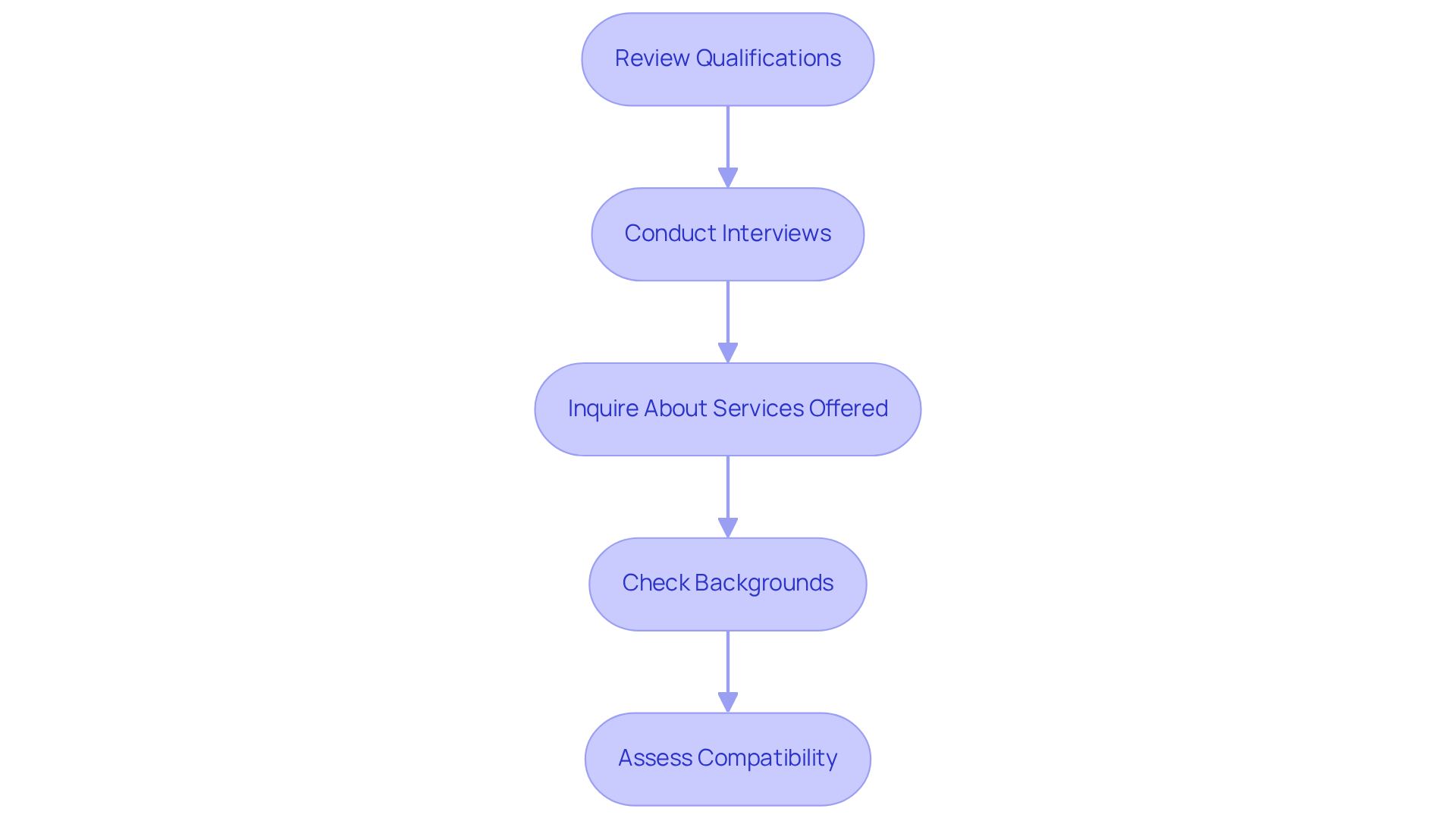
- Review Qualifications: Begin by examining the educational background and certifications of those who will provide care. It’s essential to seek expertise in areas that align with your loved one’s needs, such as dementia support or physical therapy, ensuring they receive the best possible assistance.
- Conduct Interviews: Take the time to arrange interviews with potential caregivers. Ask about their experience, their approach to support, and how they handle challenging situations. This will not only help you but also provide insight into their personality and how well they might connect with your loved one.
- Inquire About Services Offered: Make sure the agency can meet your loved one’s specific needs, whether that involves personal care, companionship, or specialized medical support. Knowing they have the right services can bring peace of mind.
- Check Backgrounds: It’s important to request background checks and references for those providing care. This step is vital for ensuring safety and establishing trust, allowing you to feel more secure in your choice.
- Assess Compatibility: Reflect on the personality and communication style of the caregiver. Finding a suitable match can significantly enhance the caregiving experience for both your family member and the caregiver, fostering a nurturing environment.
Establish Communication and Support Systems
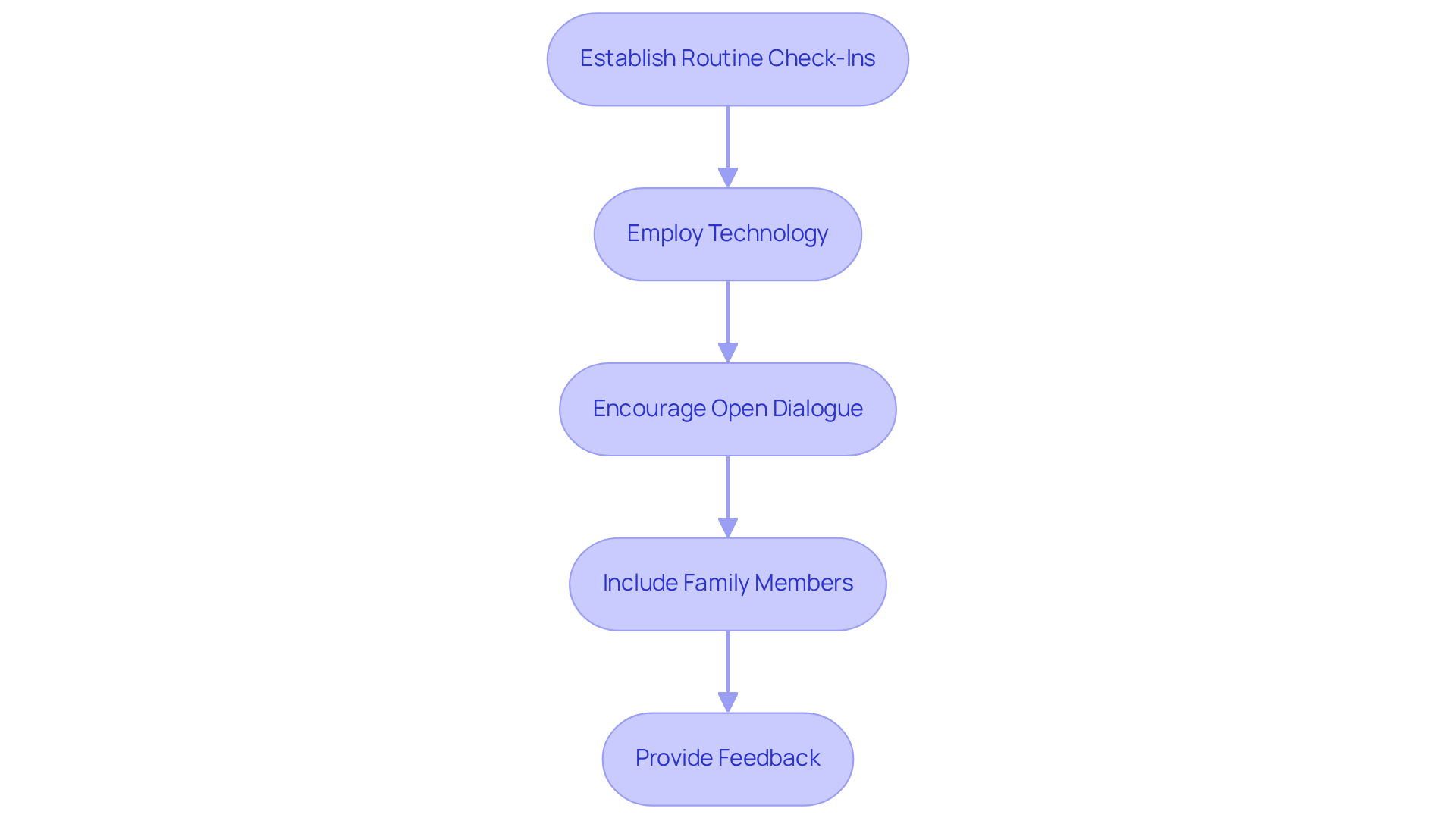
- Establish Routine Check-Ins: Arrange frequent meetings or phone conversations with support providers to discuss your loved one’s progress and any changes in their condition. This practice creates a nurturing environment where everyone involved is informed and aligned, which is vital for effective support. As the American Medical Association highlights, "Open and honest communication fosters trust and understanding between the provider and the recipient of assistance."
- Employ Technology: Consider utilizing applications or online platforms that allow support providers to document assistance activities and share updates with family members. With 75% of seniors aged 65 and older now using the internet, can greatly improve communication and transparency, leading to timely interventions when needed. Wearable devices can also track vital signs and send alerts to supporters, further enhancing the coordination of care.
- Encourage Open Dialogue: Cultivate an atmosphere where caregivers feel at ease sharing their concerns or suggestions. Open dialogue can lead to better outcomes, as it encourages the sharing of insights that can strengthen the support for your family member. A study by the National Institutes of Health indicates that effective communication significantly reduces feelings of loneliness among older adults.
- Include Family Members: Invite other family members to participate in discussions about support. This collaborative approach can provide additional support and perspectives on your loved one’s needs, ensuring a more holistic care strategy. Engaging family members can also help alleviate feelings of isolation, which are linked to health issues such as diabetes in older adults.
- Provide Feedback: Consistently offer feedback to providers about what is working well and what may need improvement. Constructive feedback assists caregivers in adapting their strategies to better meet your loved one’s needs. By actively engaging in this process, families can significantly enhance the quality of care provided.
Making the Right Choice
Finding the right elderly in-home care for loved ones is a crucial journey that requires careful consideration and planning. It’s a path filled with emotional challenges, and it’s essential to approach it with empathy. By following a structured method to assess care needs, research local providers, evaluate caregiver qualifications, and establish robust communication systems, families can ensure their elderly relatives receive the support they deserve. This comprehensive approach not only enhances the quality of care but also promotes dignity and independence for those receiving assistance.
The article outlines essential steps, beginning with a thorough assessment of daily challenges faced by the elderly. Engaging healthcare professionals and the seniors themselves in discussions about their needs is vital. Researching local in-home care providers, reading reviews, and checking credentials further aid in making informed choices. Evaluating caregiver qualifications through interviews and background checks ensures a suitable match. Establishing effective communication systems fosters trust and transparency among all parties involved.
Ultimately, the significance of this process cannot be overstated. The well-being of elderly family members relies on finding compassionate and competent care. By taking proactive steps to locate and secure the right in-home care, families not only enhance the quality of life for their loved ones but also cultivate a supportive environment that addresses their unique needs. It is essential to act thoughtfully and decisively, ensuring that the care provided is both respectful and aligned with the wishes of the individual. This thoughtful approach paves the way for a fulfilling and dignified aging experience.
https://iframe.tely.ai/cta/eyJhcnRpY2xlX2lkIjogIjY4ZWVmMGMzZDc0OTBlNDA2YTNhZWE2MSIsICJjb21wYW55X2lkIjogIjY4ZWU1ZGNhNzMxNzYyNTU3ZjNjOTVjMSIsICJpbmRleCI6IG51bGwsICJ0eXBlIjogImFydGljbGUifQ==Frequently Asked Questions
How can I assess my loved one’s care needs?
Begin by observing their daily activities to identify any struggles with essential tasks such as bathing, dressing, or preparing meals. Notice changes in hygiene or mobility, as these may indicate a need for additional support.
What statistics highlight the need for elderly care?
Approximately 44% of the elderly in home care require assistance with at least one daily activity, with 83% specifically needing help with bathing and showering. Additionally, around 12 million individuals in the U.S. currently receive elderly in-home care.
Why is it important to consult with healthcare professionals?
Healthcare providers, including doctors and geriatric specialists, can offer valuable insights into your loved one’s health status and support needs. They can recommend suitable services and emphasize that functional decline should prompt a reevaluation of support strategies.
How can I engage my loved one in the assessment process?
Involve your loved one in conversations about their support needs to understand their preferences and concerns. This collaborative approach fosters dignity and independence and enhances the caregiver-client relationship.
What tools can I use to assess support needs?
Utilize structured assessment tools like checklists or questionnaires. Resources from organizations such as AARP or the National Institute on Aging can provide valuable guidance in identifying specific areas where assistance is required.
Why is documenting findings important?
Keeping a detailed record of observations and discussions regarding your loved one’s support needs will be instrumental when exploring support options with potential providers, ensuring effective communication about the specific challenges and requirements identified during your assessment.