The Importance of Find Nursing Homes with Dementia Units
Finding the right nursing home for a loved one with dementia is a significant challenge. As the prevalence of dementia continues to rise, families face the daunting task of navigating a complex maze of options, each presenting new uncertainties. Understanding the specific care needs associated with various forms of cognitive decline is essential for making informed decisions.
The implications of this challenge are profound. Families often worry about whether their loved ones will receive not just adequate, but exceptional care tailored to their unique needs. This concern can lead to stress and anxiety, making the search for the right facility even more overwhelming.
To address these challenges, caregivers can adopt a structured approach to identifying nursing homes with specialized dementia units. By focusing on facilities that prioritize tailored care, families can ensure their loved ones are in environments designed to meet their specific needs. This guide aims to equip caregivers with the knowledge necessary to navigate this process effectively.
Understand Dementia and Its Care Needs
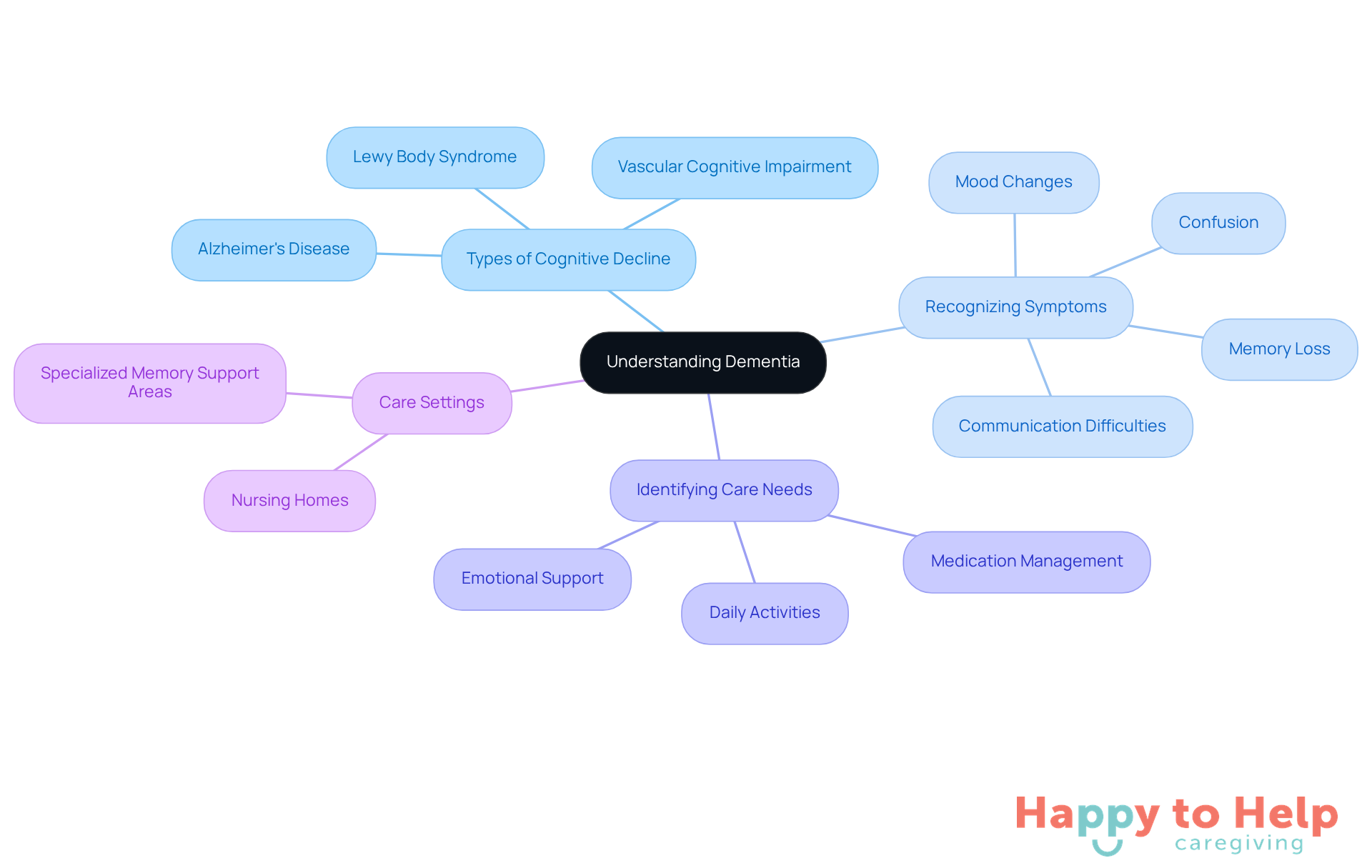
Dementia encompasses a range of brain disorders that disrupt memory, thinking, and social abilities, profoundly affecting daily life. Understanding the specific types of cognitive decline - like Alzheimer's disease, vascular cognitive impairment, or Lewy body syndrome - is crucial, as each presents distinct challenges and care needs.
-
Recognize Symptoms: Caregivers often encounter symptoms such as memory loss, confusion, communication difficulties, and mood changes. Recognizing these signs is vital for anticipating the level of care required.
-
Identify Care Needs: Those with cognitive impairment may need help with daily activities, medication management, and emotional support. Tailoring care plans to these specific needs is essential for their overall well-being.
Research care choices by familiarizing yourself with various care settings, including nursing homes with dementia units near me that offer specialized memory support areas. These environments provide the structured atmosphere necessary for safety and comfort.
Evaluate Nursing Homes and Their Dementia Units
When evaluating nursing homes, caregivers often face the challenge of ensuring their loved ones receive the best possible care. This can be particularly daunting for those with cognitive impairments, as the right environment and support are crucial for their well-being.
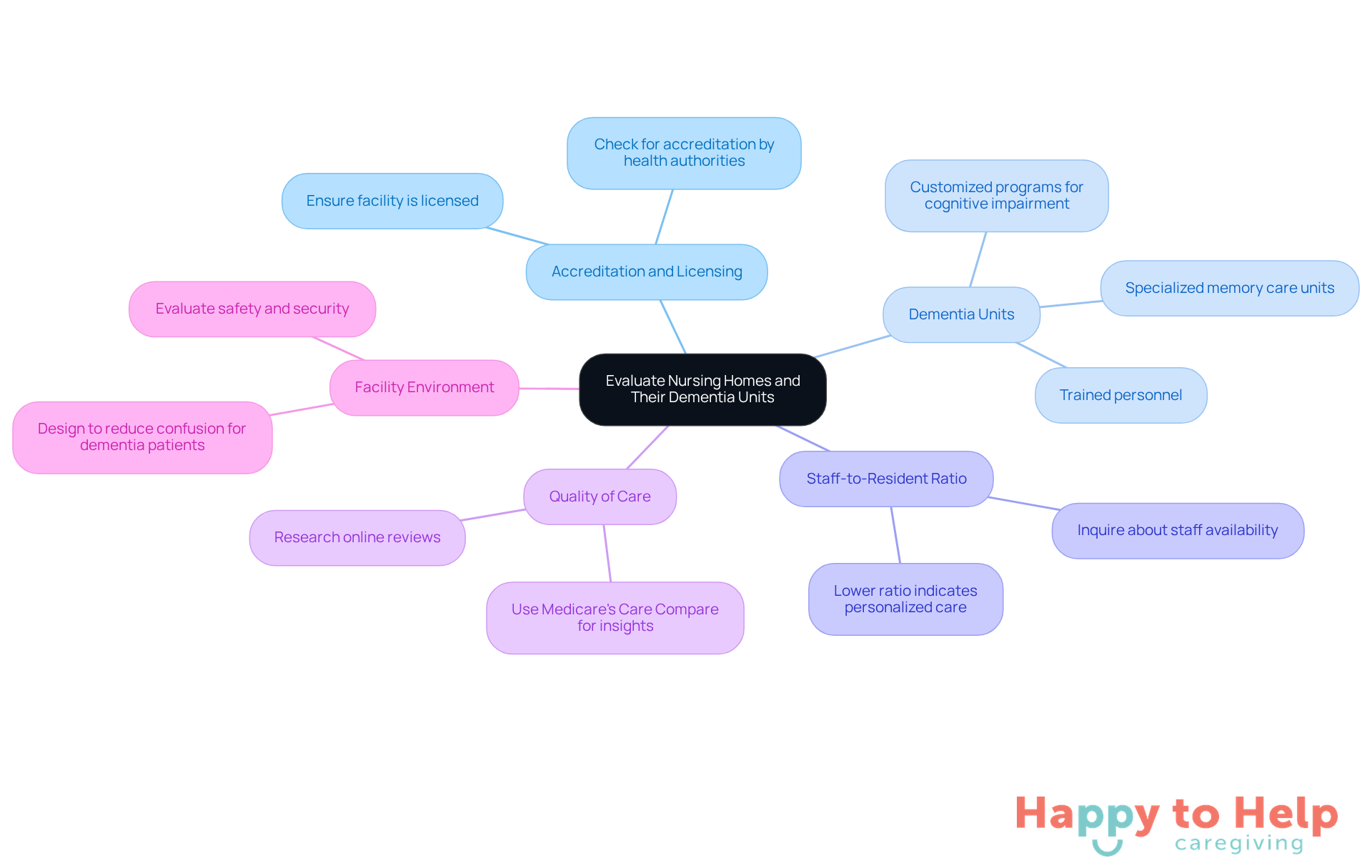
To address this issue, consider the following factors:
- Accreditation and Licensing: Ensure the facility is licensed and accredited by relevant health authorities. This guarantees adherence to safety and care standards.
- Nursing homes with dementia units near me: Seek out homes that provide specialized memory care units. Nursing homes with dementia units near me should have trained personnel and customized programs to address the specific requirements of individuals with cognitive impairment.
- Staff-to-Resident Ratio: A lower ratio often indicates more personalized care. Ask about the number of staff members available for each individual, particularly in dementia units.
- Quality of Care: Research online reviews and ratings from families. Websites such as Medicare's Care Compare can offer insights into the quality of care and patient satisfaction.
- Facility Environment: Visit the care center to evaluate the surroundings. It should be safe, secure, and designed to reduce confusion for individuals with dementia.
By focusing on these key factors, caregivers can make informed decisions that enhance the quality of life for their loved ones.
Visit and Assess Potential Nursing Homes
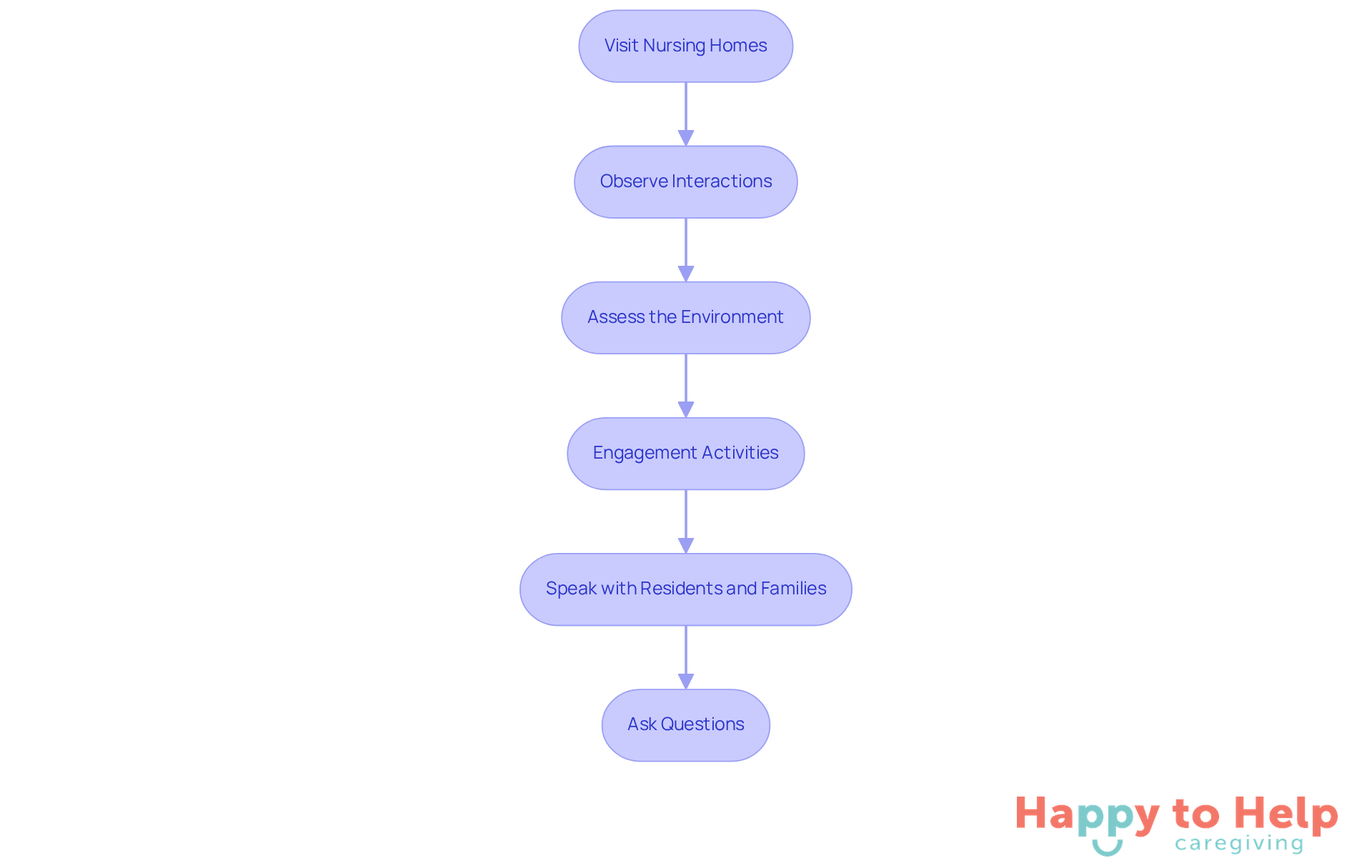
When considering potential nursing homes with dementia units near me, caregivers face the challenge of ensuring quality care for individuals with dementia. This can be daunting, as the right environment, such as nursing homes with dementia units near me, is crucial for their well-being. Here are some actionable solutions to guide your visit:
- Observe Interactions: Pay close attention to how staff engage with residents. Compassionate and respectful communication is essential for individuals with dementia.
- Assess the Environment: Look for safety features like handrails, non-slip flooring, and secure outdoor areas. A calm environment, free from excessive noise or distractions, is vital for comfort in nursing homes with dementia units near me.
- Engagement Activities: Inquire about the types of activities available. Structured activities can stimulate cognitive function and enhance quality of life.
- Speak with Residents and Families: If possible, talk to current residents and their families about their experiences. This can provide valuable insights into the facility's culture and care quality.
- Ask Questions: Prepare a list of questions for your visit, such as staff training on dementia care, emergency protocols, and how they handle behavioral issues.
Make an Informed Decision with Family Input
Choosing a facility for elderly care can be a daunting task for caregivers. The challenge lies not only in finding a suitable place but also in ensuring that the loved one’s needs and preferences are met. This decision can significantly impact their quality of life, making it essential to approach the process thoughtfully.
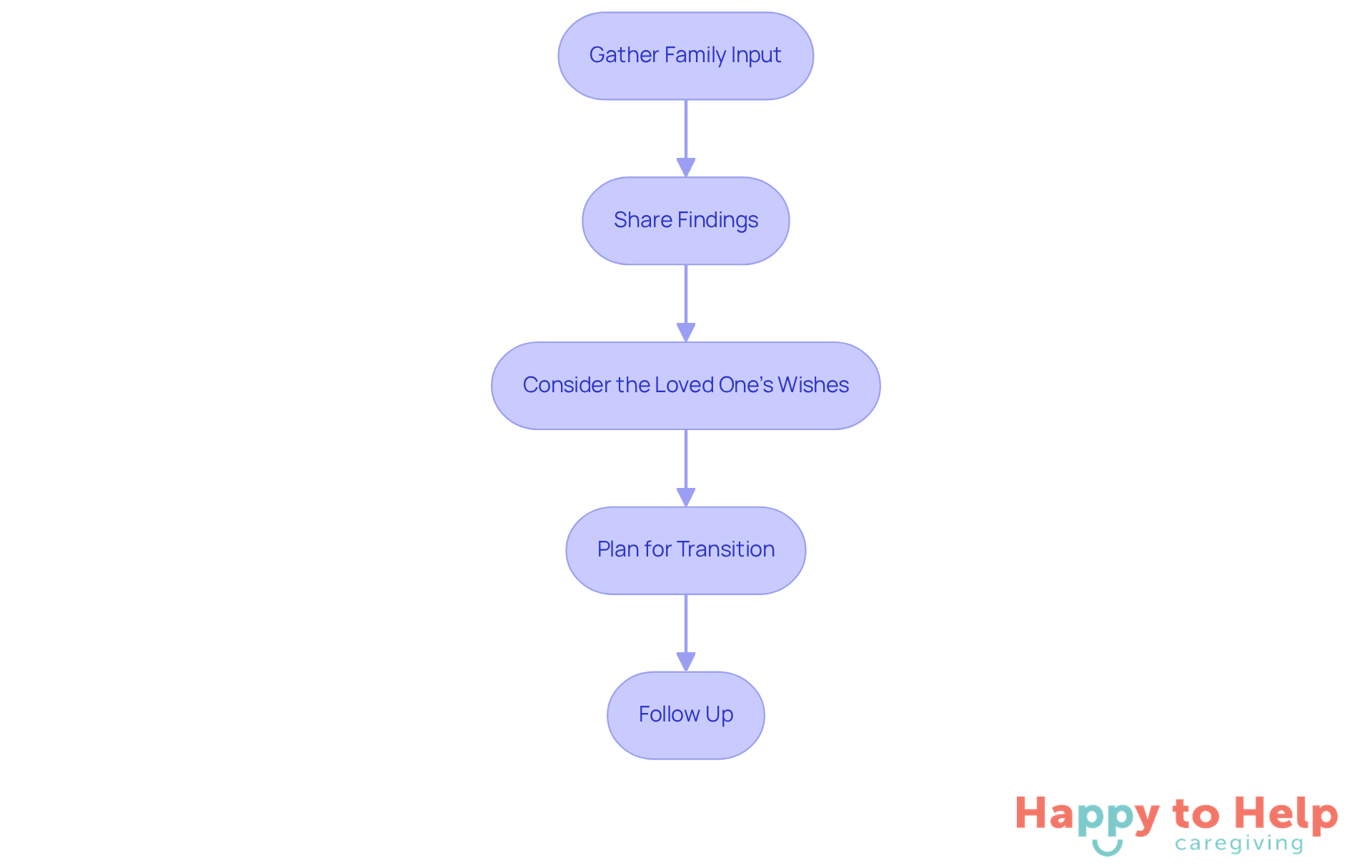
To tackle this issue, consider the following actionable steps:
- Gather Family Input: Arrange a family meeting to discuss observations, preferences, and concerns regarding potential care facilities. This collaborative approach ensures everyone feels heard and valued.
- Share Findings: Present the information gathered from visits and evaluations. Discuss the pros and cons of each facility to reach a consensus that reflects the family’s collective insights.
- Consider the Loved One's Wishes: If possible, involve the individual with dementia in discussions. Prioritizing their preferences and comfort is crucial in the decision-making process.
- Plan for Transition: Once a decision is made, discuss how to assist the loved one during the move to the care facility. Familiarize them with the new environment and encourage family visits to ease any anxiety.
- Follow Up: After the move, maintain open communication with the nursing home staff and family members. This ongoing dialogue helps monitor the loved one's adjustment and the quality of care they receive.
Taking the Next Steps
Finding the right nursing home with dementia units presents a significant challenge for caregivers. The complexities of dementia require specialized care, and failing to choose the right facility can impact both safety and comfort for loved ones. This situation can be distressing, as caregivers often feel overwhelmed by the responsibility of ensuring their family members receive the best possible care.
To navigate this process effectively, caregivers can implement several key strategies:
- Recognizing the symptoms of dementia is crucial.
- Understanding the specific care requirements associated with different types of dementia allows caregivers to make informed choices.
- Evaluating potential facilities based on accreditation, staff quality, and environmental factors is essential.
- Visiting nursing homes and engaging family members in discussions can further enhance the decision-making process, increasing the likelihood of finding a suitable environment for those affected by cognitive decline.
Ultimately, the journey to find the right nursing home with dementia care is about more than just meeting medical needs; it’s about enhancing quality of life and ensuring emotional well-being. By thoroughly assessing options and involving family in discussions, caregivers can create a supportive atmosphere that respects the preferences of their loved ones. This thoughtful approach not only benefits individuals with dementia but also provides peace of mind to families navigating this challenging transition.
https://iframe.tely.ai/cta/eyJhcnRpY2xlX2lkIjogIjY5Mjc5NTA4NmFmMzU5NTU2OTU3ODdkNyIsICJjb21wYW55X2lkIjogIjY4ZWU1ZGNhNzMxNzYyNTU3ZjNjOTVjMSIsICJpbmRleCI6IG51bGwsICJ0eXBlIjogImFydGljbGUifQ==Frequently Asked Questions
What is dementia and how does it affect individuals?
Dementia encompasses a range of brain disorders that disrupt memory, thinking, and social abilities, profoundly affecting daily life.
Why is it important to understand the specific types of cognitive decline associated with dementia?
Understanding specific types of cognitive decline, such as Alzheimer's disease, vascular cognitive impairment, or Lewy body syndrome, is crucial because each presents distinct challenges and care needs.
What are common symptoms of dementia that caregivers should recognize?
Common symptoms include memory loss, confusion, communication difficulties, and mood changes. Recognizing these signs is vital for anticipating the level of care required.
What kind of care needs might individuals with cognitive impairment have?
Individuals with cognitive impairment may need help with daily activities, medication management, and emotional support. Tailoring care plans to these specific needs is essential for their overall well-being.
What should caregivers consider when researching care options for individuals with dementia?
Caregivers should familiarize themselves with various care settings, such as nursing homes with dementia units that offer specialized memory support areas, providing a structured atmosphere necessary for safety and comfort.
List of Sources
- Visit and Assess Potential Nursing Homes
- Pilot study aims to improve staff interactions with assisted living residents living with dementia (https://mcknightsseniorliving.com/news/pilot-study-aims-to-improve-staff-interactions-with-assisted-living-residents-living-with-dementia)
- Dementia care education equips staff to create better interactions, outcomes (https://mcknights.com/news/dementia-care-education-equips-staff-to-create-better-interactions-outcomes)
- Nursing Home Dementia Care Statistics (https://rosewood-nursing.com/post/nursing-home-dementia-care-statistics)
- Evaluation of the ‘Ladder to the Moon, Culture Change Studio Engagement Programme’ staff training: Two quasi-experimental case studies | Request PDF (https://researchgate.net/publication/313538369\_Evaluation\_of\_the\_'Ladder\_to\_the\_Moon\_Culture\_Change\_Studio\_Engagement\_Programme'\_staff\_training\_Two\_quasi-experimental\_case\_studies)
- Make an Informed Decision with Family Input
- Fact Sheet: Trends in Family Care for Older Americans (https://prb.org/resources/fact-sheet-trends-in-family-care-for-older-americans)
- The Value and Process of Engaging Family in Care Management (https://thoroughcare.net/blog/value-process-engaging-family-care-management)
- Caregiving Crisis: 45% Increase in Americans Providing Care (https://aarp.org/caregiving/basics/caregiving-in-us-survey-2025)
- Caregivers: the invisible backbone of dementia care (https://publichealth.gmu.edu/news/2025-11/caregivers-invisible-backbone-dementia-care)
- Number of Family Caregivers Supporting Older Adults Increased Nearly One-Third Between 2011 and 2022 | Johns Hopkins Bloomberg School of Public Health (https://publichealth.jhu.edu/2025/number-of-family-caregivers-supporting-older-adults-increased-nearly-one-third-between-2011-and-2022)